Engine Runs Rough In Cold Weather – Causes, Solutions, And Maintenance Tips
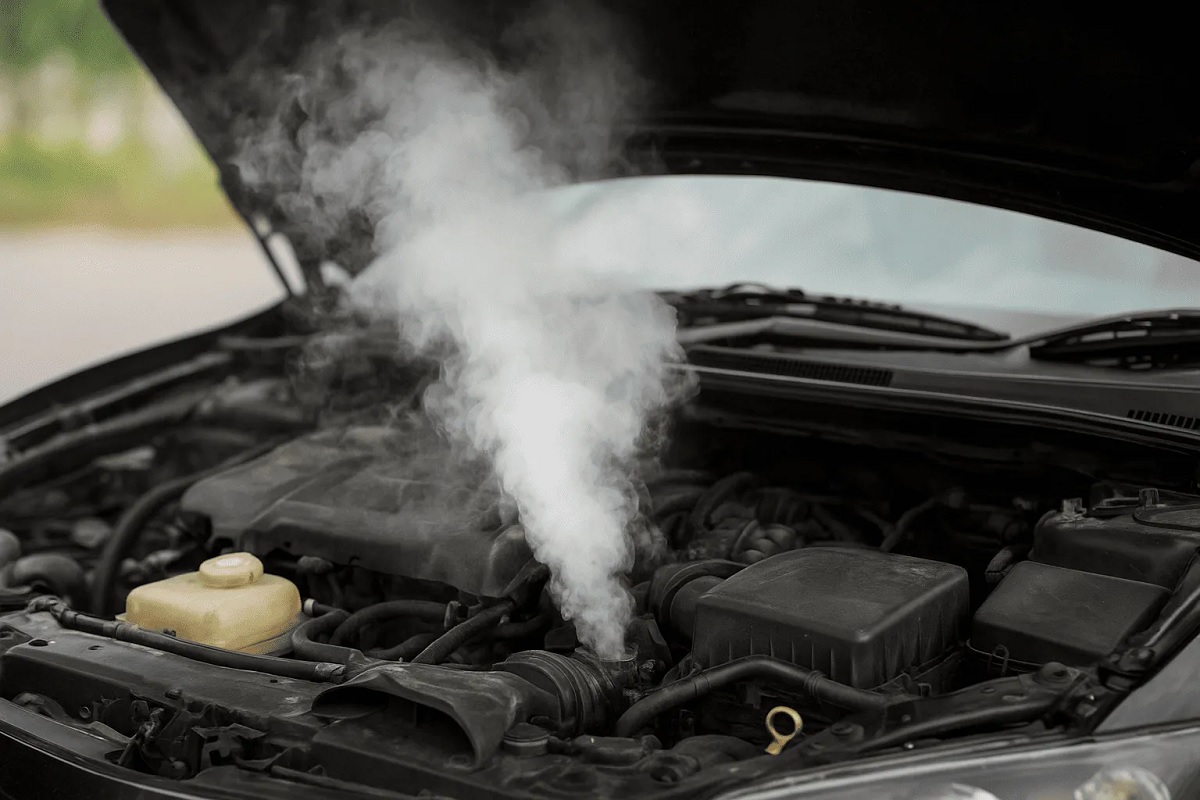
Cold weather can be challenging for vehicles, especially when the engine struggles to operate smoothly. Many drivers notice performance issues, unusual vibrations, or hesitation when starting and driving during freezing temperatures. One common concern is when the engine runs rough in cold weather, which can signal underlying mechanical or fuel-related problems that need attention.
Low temperatures affect engine components, fuel combustion, and oil viscosity, making it harder for the engine to reach optimal operating conditions. These factors can lead to misfires, stalling, or uneven idling, creating a noticeable roughness in engine performance.
Understanding the reasons behind rough engine behavior in cold weather helps prevent long-term damage and ensures reliable operation. Monitoring symptoms early, such as unusual sounds, vibrations, or difficulty starting, can guide proper maintenance and troubleshooting.
Common Causes When Your Engine Runs Rough In Cold Weather
Experiencing rough engine performance during cold weather is a common issue for many drivers. Low temperatures can expose weaknesses in fuel delivery, ignition, and engine components that remain unnoticed in warmer conditions. Identifying the underlying causes helps maintain reliability, improve efficiency, and prevent long-term damage during harsh winters.
Thickened Engine Oil
One of the most common causes of rough engine performance in cold weather is thickened engine oil. As temperatures drop, oil viscosity increases, making it harder for the engine to circulate lubrication efficiently. Thick oil slows down moving parts, increasing friction and making the engine feel rough or sluggish during startup.
Engines operating with cold, thick oil may experience delayed response, uneven idling, or even stalling in extreme cases. Older vehicles or those using conventional oil are particularly vulnerable, as modern synthetic oils are better formulated to handle low temperatures.
Regularly using the correct cold-weather oil recommended by the manufacturer can help reduce friction and improve startup smoothness. Ensuring timely oil changes and using synthetic blends designed for winter conditions keeps the engine well-lubricated, reducing rough performance during cold starts.
Faulty Spark Plugs Or Ignition Components
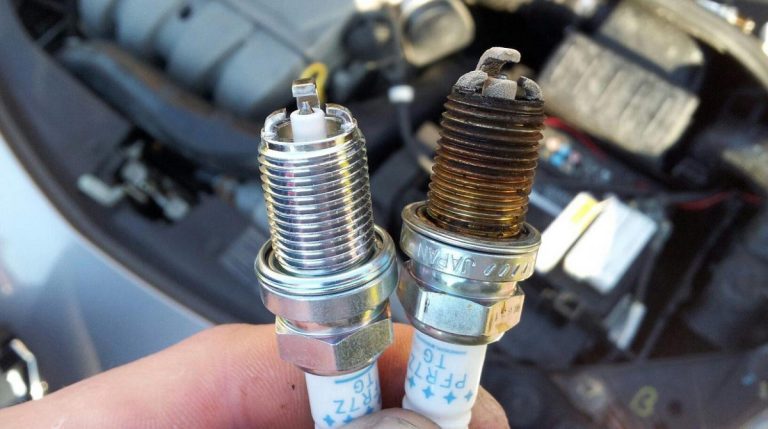
Ignition problems, such as worn spark plugs or weak ignition coils, can exacerbate rough running in cold weather. Cold temperatures make it more difficult for the spark to ignite the air-fuel mixture, particularly if components are already degraded.
Weak sparks result in incomplete combustion, causing misfires, rough idling, hesitation, and reduced engine power. Symptoms may be more noticeable during early morning starts or after extended periods of vehicle inactivity. The combination of cold weather and worn ignition parts increases the likelihood of fuel odor, sputtering, or vibrations in the engine.
Replacing spark plugs, checking ignition coils, and inspecting wiring ensures proper ignition even in freezing temperatures. Maintaining these components helps the engine fire consistently, improves efficiency, and reduces rough operation during cold starts.
Clogged Fuel Injectors Or Dirty Fuel
Cold weather can reveal issues with the fuel system that are less noticeable in warmer months. Clogged fuel injectors or dirty fuel can disrupt the air-fuel mixture, leading to uneven combustion and rough engine performance.
Impurities in fuel may thicken in low temperatures, reducing flow and preventing proper atomization. This results in misfires, hesitation, or stalling, particularly when the engine is cold. Fuel delivery issues can also cause excessive fuel odors, poor acceleration, and decreased mileage.
Regular fuel system maintenance, including using high-quality fuel and periodic fuel injector cleaning, ensures proper fuel flow even in cold conditions. Maintaining a clean fuel system prevents rough operation, improves combustion, and supports smoother engine starts.
Weak Battery Or Charging System
A weak battery or failing alternator can significantly affect engine performance during cold weather. Low temperatures reduce battery efficiency, limiting the power available to start the engine and operate ignition components properly.
When the battery struggles, the starter may crank slowly, ignition systems may fire inconsistently, and fuel injectors may not receive sufficient voltage. These issues contribute to rough idling, slow starts, and vibrations during initial engine operation. Older batteries or poorly maintained charging systems are especially susceptible to cold weather stress.
Testing battery health, ensuring proper charging, and replacing aging batteries before winter can prevent rough starts and improve engine smoothness. A strong electrical system is crucial for consistent ignition and reliable performance in freezing temperatures.
Vacuum Leaks And Air Intake Issues
Cold weather can exacerbate existing vacuum leaks or air intake problems. Leaks in hoses or gaskets allow unmetered air into the engine, disrupting the air-fuel mixture and causing incomplete combustion.
Symptoms include rough idling, hesitation, engine vibration, and increased fuel consumption. Cold air entering through leaks may worsen these effects, making the engine feel sluggish or unresponsive. Additionally, frozen or obstructed air filters can reduce airflow, further complicating combustion.
Regular inspection of vacuum lines, intake gaskets, and air filters ensures proper air delivery to the engine. Repairing leaks and replacing clogged filters improves fuel combustion, reduces rough running, and helps maintain engine performance in cold weather.
How Cold Weather Affects Engine Oil And Performance
Cold weather has a significant impact on engine performance, particularly due to changes in engine oil behavior. Low temperatures can increase oil viscosity, slow down lubrication, and reduce overall engine efficiency. Understanding how cold weather affects engine oil helps drivers maintain performance, prevent wear, and ensure smoother operation during winter months.
Increased Oil Viscosity In Low Temperatures
When temperatures drop, engine oil thickens, making it harder for the oil pump to circulate it through engine components. This increased viscosity reduces lubrication efficiency, leading to higher friction between moving parts and a rough-running engine during startup.
Cold, thick oil can cause delayed acceleration, uneven idling, and difficulty starting, particularly in older engines or vehicles using conventional oil. The strain on the engine can also increase wear over time, especially if the oil does not reach critical areas quickly.
Using synthetic oils designed for winter conditions or oils with lower viscosity ratings for cold temperatures ensures better flow and protection. This allows the engine to reach operating temperature faster and reduces stress on components during initial cold starts.
Reduced Fuel Atomization And Combustion Efficiency
Thicker oil and cold engine components can also affect fuel combustion. Cold temperatures make it harder for the fuel to vaporize and mix thoroughly with air, resulting in incomplete combustion. Unburned fuel can leave deposits on spark plugs, cause misfires, and produce strong gasoline odors.
Incomplete combustion reduces engine efficiency, leading to rough idling, decreased power, and lower fuel economy. Engines that run rough in cold weather often exhibit these symptoms until the oil and engine reach optimal operating temperature.
Proper oil maintenance, including choosing winter-grade or synthetic oils, ensures smoother combustion and better fuel atomization. Combined with well-maintained spark plugs and fuel injectors, this helps the engine run more efficiently even in freezing conditions.
Increased Engine Wear And Component Stress
Cold oil takes longer to reach all moving engine parts, exposing metal components to higher friction levels during startup. This extra stress can accelerate wear on pistons, bearings, and camshafts. Repeated cold starts without proper lubrication increase the likelihood of premature engine wear.
Additionally, thick oil makes the engine work harder to crank, placing added strain on the starter motor and battery. Components such as timing chains, valves, and turbochargers can also experience reduced efficiency until oil viscosity decreases with rising temperature.
Regular oil changes using cold-weather formulations, along with monitoring oil levels, help maintain proper lubrication and reduce stress. This ensures long-term engine reliability and smoother operation in cold climates.
Impact On Engine Efficiency And Performance
Cold weather affects overall engine performance beyond just lubrication. Thicker oil and slow-warming engine parts reduce acceleration responsiveness, create rough idling, and can trigger temporary misfires. Fuel economy may drop as the engine works harder to overcome internal friction.
These performance issues are especially noticeable during short trips when the engine does not reach optimal operating temperature. Prolonged exposure to cold without adequate warm-up increases the risk of wear, deposits, and reduced engine longevity.
By using appropriate oil types, ensuring proper maintenance, and allowing the engine to warm gradually, drivers can mitigate the impact of cold weather. Maintaining oil flow and temperature is critical for consistent performance and fuel efficiency.
Preventive Measures For Cold Weather Engine Performance
Preventing cold-weather engine issues requires proactive maintenance. Using synthetic oils with low-temperature viscosity ratings ensures smooth startup and proper lubrication. Keeping the battery, spark plugs, and fuel system in good condition supports reliable ignition and combustion.
Routine inspections of oil levels, air filters, and engine components minimize rough running and improve efficiency. Additionally, allowing the engine to reach operating temperature before heavy acceleration helps protect internal parts. These preventive steps ensure that cold weather has minimal impact on engine performance and longevity.
Battery And Electrical Issues Leading To Rough Performance
Battery and electrical problems are often overlooked causes of rough engine performance, especially in cold weather. Low voltage, weak batteries, or failing electrical components can disrupt ignition and fuel systems, resulting in misfires, hesitation, and rough idling. Understanding how battery and electrical issues affect engine performance helps prevent unexpected breakdowns and ensures reliable operation under all conditions.
Weak Or Aging Battery
A weak or aging battery is a common cause of rough engine operation. Cold temperatures reduce battery efficiency, limiting the electrical power available to start the engine and operate critical components like fuel injectors and ignition coils. Low voltage during startup can prevent spark plugs from firing consistently, leading to misfires and rough idling.
Symptoms of a weak battery include slow cranking, dimming lights, and intermittent electrical failures. Over time, repeated attempts to start the engine with low battery power can strain both the battery and the starter motor, exacerbating rough performance.
Testing the battery’s charge and replacing it before it becomes unreliable is essential, especially during winter. A fully charged, well-maintained battery ensures consistent ignition and fuel system performance, reducing roughness during engine startup.
Faulty Alternator Or Charging System
The alternator is responsible for keeping the battery charged and supplying electrical power to the vehicle while running. A failing alternator can cause voltage fluctuations, resulting in inconsistent fuel injection, weak ignition sparks, and rough engine performance.
Symptoms of alternator issues include dim or flickering lights, a warning battery light on the dashboard, and intermittent misfires. In cold weather, these problems are amplified because the engine relies heavily on stable electrical power to overcome higher resistance in thickened fluids and cold-start conditions.
Regular testing of the alternator and charging system ensures that the battery remains properly charged and that electrical components receive adequate voltage. Repairing or replacing a failing alternator restores stable power delivery, improving engine smoothness and reliability.
Faulty Ignition System Components
Electrical issues can also affect ignition system components, such as ignition coils, spark plug wires, or electronic control modules. Malfunctioning components may fail to deliver a strong, consistent spark, causing incomplete combustion and rough engine performance.
Cold weather often exacerbates these problems because the ignition system must work harder to ignite a denser, cooler air-fuel mixture. Weak sparks lead to misfires, rough idling, poor acceleration, and decreased fuel efficiency.
Regular inspection and timely replacement of ignition components help maintain consistent engine firing. Ensuring proper electrical connections, clean terminals, and functioning modules is critical for smooth engine operation and reliable combustion.
Corroded Or Loose Electrical Connections
Loose or corroded battery terminals, grounding wires, or connectors can disrupt electrical flow, causing intermittent misfires and rough engine performance. Even small voltage drops or connection issues can affect fuel injectors, sensors, and ignition components.
Symptoms include uneven idling, occasional stalling, and difficulty starting, especially in cold or damp conditions. Corrosion on terminals increases resistance, preventing the battery from delivering full power to the starter and ignition system.
Cleaning battery terminals, tightening connections, and inspecting grounding wires are simple but effective preventive measures. Ensuring stable electrical connectivity allows the engine to receive consistent power, reducing rough performance and supporting reliable starts in all conditions.
Preventive Measures For Electrical-Related Rough Performance
Maintaining battery health, alternator function, and ignition components is essential to prevent rough engine operation. Regular inspections, terminal cleaning, and timely replacements reduce the risk of misfires and voltage-related issues.
Using a high-quality battery suited for cold climates, along with proper electrical system care, ensures reliable engine performance. By addressing electrical problems proactively, you can minimize rough starts, misfires, and poor engine efficiency caused by weak power delivery.
Fuel System Problems That Cause Rough Idling
Rough idling is often a symptom of underlying fuel system issues. When the engine does not receive the correct amount of fuel at the right pressure, it can lead to misfires, hesitation, and vibrations at idle. Identifying fuel system problems early helps maintain engine performance, prevent damage, and improve fuel efficiency.
Clogged Fuel Injectors
Fuel injectors are responsible for delivering a precise amount of fuel into the combustion chamber. Over time, dirt, carbon deposits, or low-quality fuel can clog injectors, disrupting fuel flow. This leads to uneven fuel delivery, causing the engine to run roughly at idle.
Symptoms of clogged fuel injectors include engine hesitation, poor acceleration, rough idling, and decreased fuel efficiency. Unburned fuel can accumulate on spark plugs, producing fuel odors and increasing emissions. Regular maintenance, including fuel injector cleaning or using high-quality fuel, ensures proper atomization and consistent combustion, reducing rough idle problems.
Faulty Fuel Pump
The fuel pump maintains the necessary pressure to deliver fuel from the tank to the engine. A weak or failing pump can cause insufficient fuel supply, leading to rough idling, stalling, and difficulty starting the engine.
Cold weather or wear over time can exacerbate fuel pump issues. Symptoms include sputtering at low speeds, engine hesitation, or sudden drops in power. Inspecting fuel pressure and replacing a failing pump restores consistent fuel flow, ensuring smooth idle and proper engine performance.
Malfunctioning Fuel Pressure Regulator
The fuel pressure regulator controls the pressure of fuel entering the injectors. When it malfunctions, the engine may receive too much or too little fuel. Overfueling results in a rich mixture that can cause rough idling, black smoke from the exhaust, and fuel odors on spark plugs.
Underfueling creates a lean mixture, leading to misfires, hesitation, and vibrations during idle. Diagnosing a faulty regulator involves checking fuel pressure consistency and inspecting associated vacuum lines. Replacing a malfunctioning regulator ensures stable fuel delivery, preventing rough idling and supporting efficient engine operation.
Dirty Fuel Filters
Fuel filters prevent debris from reaching the engine, but clogged filters restrict fuel flow and create low-pressure conditions. Restricted fuel delivery causes inconsistent combustion, which is noticeable as rough idling or engine stalling.
Regularly replacing fuel filters according to the manufacturer’s schedule ensures proper fuel flow. This prevents injector strain, maintains consistent air-fuel ratios, and reduces vibrations during idle, keeping the engine running smoothly.
Ignition System And Spark Plug Problems
A properly functioning ignition system is essential for smooth engine performance. Faulty spark plugs, ignition coils, or related components can lead to misfires, rough idling, poor acceleration, and fuel inefficiency. Understanding how ignition system issues affect engine performance helps diagnose problems early and maintain reliable operation.
Worn Or Fouled Spark Plugs
Spark plugs ignite the air-fuel mixture in each cylinder, and worn or fouled plugs can disrupt this process. Over time, carbon deposits, oil contamination, or electrode wear can reduce spark efficiency, causing incomplete combustion and rough engine performance.
Symptoms of faulty spark plugs include rough idling, hesitation during acceleration, decreased fuel efficiency, and difficulty starting the engine. Unburned fuel may accumulate on the spark plugs, producing a gasoline odor. Regular inspection and replacement of spark plugs based on manufacturer recommendations are essential to prevent misfires and maintain optimal combustion.
Properly functioning spark plugs ensure consistent ignition, smooth idling, and better fuel efficiency. Choosing the correct heat range and type for your engine is critical, as mismatched plugs can cause pre-ignition, engine knocking, or rough running, particularly in varying weather conditions.
Faulty Ignition Coils And Wires
Ignition coils amplify the battery voltage to produce a strong spark, while spark plug wires deliver this energy to the plugs. Malfunctioning coils or damaged wires can weaken the spark, causing misfires and uneven engine operation.
Weak or intermittent sparks lead to rough idling, stalling, poor acceleration, and increased fuel consumption. Drivers may notice vibrations, engine hesitation, or an illuminated check engine light. Replacing faulty coils and inspecting ignition wires restores consistent spark delivery and improves combustion efficiency.
Cold weather or electrical wear can exacerbate coil or wire issues, making rough engine performance more noticeable. Proper maintenance, including checking connections and replacing damaged components, ensures reliable ignition and smooth engine operation.
Ignition Timing Issues
Ignition timing determines when the spark occurs relative to the piston’s position. Incorrect timing can prevent the air-fuel mixture from igniting fully, leading to rough running, misfires, and reduced performance.
Timing problems can be caused by a worn timing belt, sensor malfunctions, or improper adjustments during maintenance. Engines with timing issues often exhibit hesitation during acceleration, rough idle, or reduced power. Correcting ignition timing ensures complete combustion, consistent engine operation, and improved fuel efficiency.
Regular inspections of timing components, sensors, and related electronics help maintain proper spark timing. Maintaining the correct timing reduces engine stress, prevents misfires, and ensures smooth and efficient performance across all driving conditions.
Preventive Measures For Ignition System Issues
Preventing ignition system problems involves regular spark plug replacement, coil inspections, and checking wiring and connections. Using high-quality ignition components and monitoring engine performance can prevent rough idling and misfires.
Routine maintenance ensures the spark is strong and properly timed, supporting consistent combustion and engine efficiency. By addressing minor ignition system issues early, drivers can avoid costly repairs, improve fuel economy, and maintain smooth engine operation.
People Also Asked
Why Does My Engine Run Rough In Cold Weather?
Your engine may run rough in cold weather because low temperatures affect fuel combustion, oil viscosity, and ignition efficiency. Thickened oil increases friction, while cold engine components slow down optimal operation. Weak spark plugs or ignition coils may fail to ignite the air-fuel mixture properly, leading to misfires and rough idling.
You might notice hesitation during acceleration, vibrations, or difficulty starting. Regular maintenance, including winter-grade oil, spark plug inspections, and battery checks, helps your engine overcome these challenges and maintain smoother performance even in freezing conditions.
Can Cold Weather Affect My Engine Oil?
Yes, cold temperatures increase engine oil viscosity, making it thicker and harder to circulate. This reduces lubrication efficiency, causing higher friction between moving parts. As a result, the engine can feel sluggish, idle roughly, and take longer to warm up.
Using the correct winter-grade or synthetic oil helps ensure smooth flow, reduces startup friction, and protects internal components. Regular oil changes and monitoring oil levels are essential to maintain proper lubrication and prevent cold-weather rough running.
How Do Spark Plugs Cause Rough Performance In Cold Weather?
Worn or dirty spark plugs struggle to generate a strong spark in cold conditions. Low temperatures make it harder to ignite the air-fuel mixture, and weak sparks result in incomplete combustion, misfires, and rough idling.
Symptoms include engine hesitation, vibrations, and decreased fuel efficiency. Inspecting and replacing spark plugs with the correct type and heat range ensures reliable ignition, smooth idling, and improved cold-weather performance.
Can A Weak Battery Make My Engine Run Rough In Cold Weather?
Yes, cold weather reduces battery efficiency, limiting the power available to start the engine and operate ignition and fuel components. Low voltage can prevent spark plugs from firing consistently, causing misfires, rough idling, and slow starts.
Testing your battery before winter and replacing weak or aging batteries ensures sufficient power for smooth engine operation. A strong battery helps maintain reliable ignition and consistent fuel delivery, reducing rough running in cold conditions.
How Do Fuel System Issues Contribute To Rough Cold Starts?
Fuel system problems, such as clogged injectors, dirty fuel, or a failing fuel pump, disrupt proper fuel delivery. Cold temperatures can thicken fuel slightly, making atomization harder and causing misfires or uneven idling.
Symptoms include rough idling, engine hesitation, and decreased fuel efficiency. Regular fuel system maintenance, including injector cleaning and high-quality fuel use, ensures consistent fuel flow and smoother cold-weather engine performance.
Do Vacuum Leaks Affect Engine Performance In Cold Weather?
Yes, vacuum leaks allow unmetered air into the engine, disturbing the air-fuel mixture. In cold weather, this imbalance is more noticeable, causing rough idling, hesitation, and engine vibrations.
Inspecting vacuum hoses, gaskets, and intake components and repairing leaks restores proper air-fuel balance. Maintaining the intake system helps your engine run smoothly, even when temperatures drop.
How Can I Prevent My Engine From Running Rough In Cold Weather?
Preventing rough engine performance involves regular maintenance of spark plugs, ignition components, battery, and fuel system. Using winter-grade or synthetic oil ensures smooth lubrication, and high-quality fuel promotes proper combustion.
Routine inspections of vacuum lines, air filters, and sensors help maintain air-fuel balance and ignition efficiency. Allowing the engine to reach operating temperature gradually during cold starts reduces stress on components and keeps your engine running reliably in freezing conditions.
Conclusion
Cold weather can put a lot of stress on your vehicle, and noticing rough engine performance during winter months is a clear sign that attention is needed. When your engine runs rough in cold weather, it is often due to factors like thickened engine oil, weak battery power, or issues with fuel delivery and ignition. Addressing these problems early helps prevent further wear and avoids inconvenient breakdowns.
Regular maintenance is key to minimizing cold-weather engine issues. Checking battery health, ensuring spark plugs and ignition components are in good condition, and using the correct engine oil for winter conditions can make a significant difference. Fuel system care, including clean injectors and proper fuel mixture, also helps the engine start smoothly and run efficiently despite low temperatures.
Understanding why your engine runs rough in cold weather allows you to take proactive steps to protect your vehicle. Timely inspections, seasonal tune-ups, and proper winter preparations not only improve performance but also enhance safety, reliability, and fuel efficiency throughout the cold season.