10w30 vs 15w40: Which Engine Oil Performs Better for Your Vehicle?
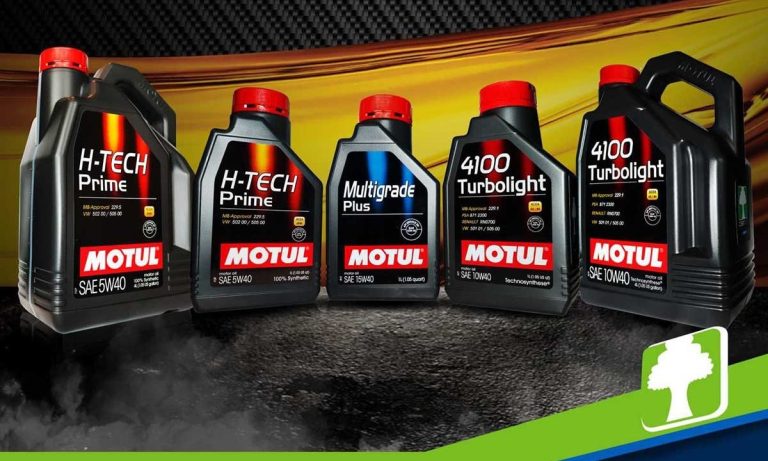
Choosing the right engine oil is one of those decisions that quietly affects how your vehicle feels, performs, and lasts over time. Many drivers focus on brand names, but viscosity grades often matter even more when it comes to daily driving and long-term engine protection.
Among the most commonly compared options, the debate around 10w30 vs 15w40 continues to grab attention. These oils behave differently under temperature changes, influencing how smoothly the engine starts, how well parts stay lubricated, and how the engine responds under load.
Understanding this comparison goes beyond technical charts. It connects to real-world driving conditions like city traffic, highway cruising, towing, and operating in hot or moderate climates. Each oil grade carries its own strengths that suit specific engine designs and usage patterns.
By exploring the differences between these two oil types, drivers gain clarity on fuel efficiency, engine wear, and maintenance needs. This knowledge helps make confident choices that align with driving habits, vehicle age, and performance expectations without overcomplicating the process.
Viscosity Performance in Hot and Cold Conditions
Viscosity plays a critical role in how engine oil behaves under changing temperatures. From cold morning startups to high-heat highway driving, oil must adapt quickly to protect internal components. Understanding viscosity performance in hot and cold conditions helps explain why certain oils perform better in specific climates and driving situations, directly affecting engine efficiency, wear control, and overall reliability.
How Engine Oil Reacts During Cold Starts
Cold temperatures significantly influence how oil flows inside the engine. When temperatures drop, oil naturally thickens, which can slow its movement through narrow passages. During startup, this delay means vital engine parts may not receive immediate lubrication, increasing friction and short-term wear. Oils with lower cold-temperature viscosity are designed to move faster, helping engines start more smoothly.
Viscosity ratings account for this behavior by measuring how oil flows in low-temperature conditions. A thinner oil during cold starts allows the starter motor to work with less resistance, reducing strain on the battery and electrical system. This smoother startup process becomes especially important in regions with frequent cold mornings or seasonal temperature drops.
Oil circulation speed during cold starts also affects fuel efficiency. When oil flows easily, the engine reaches optimal operating conditions faster. Reduced internal resistance allows the engine to warm up efficiently, improving combustion and lowering unnecessary fuel consumption during the first few minutes of driving.
Consistent cold-start lubrication contributes to long-term engine health. Repeated dry or semi-dry starts accelerate wear on bearings, camshafts, and piston rings. Selecting oil with suitable cold viscosity helps ensure consistent protection, even when the engine has been sitting overnight in cooler conditions.
Oil Stability and Protection in High-Temperature Conditions
High temperatures present a different challenge for engine oil. As heat increases, oil becomes thinner, which can reduce its ability to maintain a protective film between moving parts. In hot conditions, oil must remain stable enough to prevent metal-to-metal contact while continuing to circulate efficiently.
Engines operating in warm climates or under heavy loads generate higher internal temperatures. Towing, long highway drives, or stop-and-go traffic can all raise oil temperatures. In these situations, oil with higher high-temperature viscosity maintains thickness, ensuring proper lubrication even under sustained heat and pressure.
Thermal stability also affects oil breakdown. Excessive heat can cause oil to oxidize, leading to sludge formation and reduced lubricating ability. Oils designed for high-temperature performance resist thinning and degradation, helping maintain consistent engine protection over extended service intervals.
Maintaining proper viscosity at high temperatures supports oil pressure as well. Adequate oil pressure ensures that critical components receive a steady supply of lubricant. When oil becomes too thin, pressure may drop, increasing the risk of wear. Stable viscosity under heat helps engines operate smoothly and reliably in demanding conditions.
Balancing Viscosity Across Temperature Extremes
Modern engines often face wide temperature variations throughout the year. A vehicle may experience cold mornings and hot afternoons, requiring oil that can adapt without compromising protection. This balance is achieved through oils engineered to perform consistently across a broad temperature range.
Multi-grade oils are formulated to behave differently depending on temperature. They flow easily when cold yet maintain sufficient thickness as temperatures rise. This adaptability allows one oil to protect the engine during startups while also supporting high-temperature operation without excessive thinning.
Driving habits also influence how well oil manages temperature extremes. Short trips emphasize cold-start performance, while long drives or heavy use highlight the importance of heat resistance. Matching oil viscosity to typical driving patterns ensures balanced protection throughout the engine’s operating cycle.
Consistent viscosity performance reduces stress on engine components over time. When oil adapts effectively to both hot and cold conditions, it minimizes friction, controls wear, and supports efficient operation. Understanding this balance helps drivers choose oil that aligns with real-world conditions rather than focusing solely on a single temperature scenario.
Engine Protection and Wear Control
Engine protection depends heavily on how well oil manages friction, heat, and constant mechanical stress. Every moving component relies on a stable lubricating layer to prevent damage during operation. Effective wear control helps engines maintain performance, reduce repair risks, and extend service life, especially under varying driving conditions and long-term use.
Role of Oil Film Strength in Reducing Wear
Oil film strength is one of the most important factors in protecting engine components from wear. When the engine runs, oil forms a thin but durable layer between metal surfaces such as bearings, pistons, and camshafts. This layer prevents direct contact, reducing friction and minimizing surface damage during constant movement.
A strong oil film must remain intact under pressure. High engine loads, rapid acceleration, and sustained driving increase stress on internal parts. When oil lacks sufficient film strength, it can break down, allowing metal-to-metal contact that accelerates wear and raises operating temperatures.
Consistent film thickness also supports smoother engine operation. Stable lubrication reduces vibration and noise, improving overall engine response. This is especially important in older engines, where internal clearances may be larger due to natural wear over time.
Maintaining proper oil viscosity helps preserve film strength across different operating conditions. When oil adapts well to temperature and pressure changes, it continues to protect critical components, ensuring reduced wear and dependable engine performance throughout daily use.
Protection Against Friction and Heat Build-Up
Friction is a natural result of moving engine parts, but uncontrolled friction leads to excessive heat and premature wear. Engine oil plays a key role in managing friction by creating a smooth barrier that allows components to glide rather than grind against each other during operation.
As friction increases, so does heat. High temperatures can weaken metal surfaces and cause oil to degrade faster. Effective engine oil absorbs and transfers heat away from critical areas, helping maintain balanced operating temperatures and preventing hotspots that may damage components.
Wear control becomes even more important during high-speed driving or heavy workloads. Under these conditions, friction forces rise sharply. Oil with reliable protective properties reduces resistance, keeping engine parts cooler and lowering the risk of thermal stress and deformation.
Long-term friction control also supports fuel efficiency. When internal resistance is minimized, the engine works more efficiently, requiring less energy to maintain performance. This balance between lubrication and heat management plays a vital role in preserving engine integrity over extended periods.
Long-Term Wear Prevention and Engine Longevity
Wear prevention is not just about immediate protection but also about preserving engine health over thousands of miles. Every startup, acceleration, and shutdown contributes to gradual wear, making consistent lubrication essential for long-term reliability.
Oil helps cushion impact between moving parts, especially during rapid changes in speed or load. This cushioning effect reduces microscopic damage that can accumulate over time, leading to larger mechanical issues if left unchecked. Reliable lubrication slows this process, extending component life.
Clean oil also supports wear control by carrying away contaminants such as metal particles and combustion byproducts. These particles can act as abrasives if not properly suspended and filtered, increasing internal wear. Effective oil formulation helps keep these contaminants from settling on engine surfaces.
Over time, reduced wear translates into better compression, stable oil pressure, and consistent engine output. Engines that experience controlled wear tend to maintain performance longer, require fewer repairs, and deliver
Fuel Efficiency and Engine Response
Fuel efficiency and engine response are closely linked to how smoothly internal components work together. Engine oil plays a supporting role by reducing resistance and allowing power to transfer efficiently from combustion to the drivetrain. When lubrication is optimized, engines respond more quickly to throttle input while using fuel more effectively during both city and highway driving.
How Oil Viscosity Influences Fuel Consumption
Oil viscosity directly affects how much effort the engine needs to operate. Thicker oil creates more internal resistance, requiring additional energy to circulate through the engine. This extra effort can slightly increase fuel consumption, especially during cold starts or short trips where the engine does not fully warm up.
Lower-resistance oil flows more easily, helping the engine reach optimal operating conditions faster. When components move freely with minimal drag, less fuel is needed to maintain speed or accelerate. This benefit becomes noticeable in stop-and-go traffic, where frequent acceleration places constant demands on the engine.
Consistent oil flow also supports steady combustion. When lubrication reduces mechanical losses, the engine can convert more fuel energy into usable power rather than wasting it on friction. This efficiency improves overall mileage without requiring changes to driving habits.
Over time, proper viscosity selection helps maintain fuel efficiency. Engines that experience less internal drag remain responsive and efficient, ensuring that fuel consumption stays predictable throughout normal driving conditions.
Impact on Throttle Response and Acceleration
Engine response is strongly influenced by how quickly internal parts can react to throttle input. Oil that circulates efficiently allows components such as pistons, valves, and camshafts to move with less resistance, improving the immediacy of power delivery.
During acceleration, the engine undergoes rapid changes in speed and load. Smooth lubrication helps maintain stability during these transitions, preventing hesitation or sluggish response. When oil supports free movement, the engine reacts promptly, creating a more connected driving feel.
Oil performance also affects consistency in response. Uneven lubrication can cause minor delays or vibrations, reducing driving comfort. Stable oil flow ensures that moving parts remain synchronized, allowing acceleration to feel linear and controlled.
Improved throttle response enhances overall driving confidence. Whether merging onto highways or navigating urban traffic, engines that respond quickly to driver input feel more predictable. This responsiveness often goes hand in hand with efficient fuel use, as less energy is lost during power transfer.
Balancing Efficiency With Engine Performance
Achieving the right balance between fuel efficiency and engine performance requires oil that adapts well to different driving conditions. Daily driving includes a mix of cold starts, steady cruising, and sudden acceleration, each demanding reliable lubrication behavior.
Oil that supports efficiency without sacrificing protection helps engines perform smoothly under varying loads. When viscosity remains stable, the engine maintains consistent power output without excessive drag. This balance allows drivers to enjoy responsive performance while still benefiting from improved fuel economy.
Driving patterns also influence how well this balance is maintained. Short trips highlight the importance of easy oil flow, while long drives emphasize stable lubrication at operating temperature. Oil that manages both situations effectively supports dependable performance across different scenarios.
Consistent efficiency and response reduce long-term stress on the engine. When fuel is used efficiently and power delivery remains smooth, components experience less strain. This balance contributes to a more refined driving experience and supports sustained engine health over time.
Best Use Cases by Driving Conditions
Different driving conditions place unique demands on an engine, making oil performance an important factor in daily reliability. Traffic patterns, trip length, climate, and vehicle workload all influence how well lubrication supports engine operation. Understanding the best use cases by driving conditions helps align oil behavior with real-world situations, improving efficiency, protection, and overall driving comfort.
City Driving and Short-Distance Commutes
City driving often involves frequent stops, slow speeds, and repeated cold starts. These conditions prevent the engine from staying at optimal temperature for long periods, placing greater emphasis on oil flow during startup. Quick circulation helps protect components when the engine is cold and reduces friction during low-speed operation.
Short-distance commutes also increase idle time, especially in traffic congestion. During extended idling, oil must continue to lubricate efficiently without thinning excessively. Stable viscosity supports smooth operation and helps control heat buildup when airflow through the engine bay is limited.
Stop-and-go driving places repeated stress on internal components. Oil that maintains consistent lubrication helps reduce wear caused by constant acceleration and deceleration. This consistency improves engine smoothness and reduces vibration in daily urban use.
Over time, reliable lubrication in city conditions supports better fuel efficiency and reduced maintenance needs. Engines that are well-protected during short trips tend to respond more smoothly, making daily commuting more comfortable and predictable.
Highway Driving and Long-Distance Travel
Highway driving exposes engines to sustained speeds and steady operating temperatures. Under these conditions, oil must maintain its protective properties over long periods without breaking down. Stable viscosity ensures continuous lubrication during extended runs at higher RPMs.
Long-distance travel often increases engine load, especially during overtaking or driving on inclines. Oil that resists thinning under heat helps maintain a strong protective film, preventing excessive wear during prolonged operation. This stability supports consistent oil pressure and smooth power delivery.
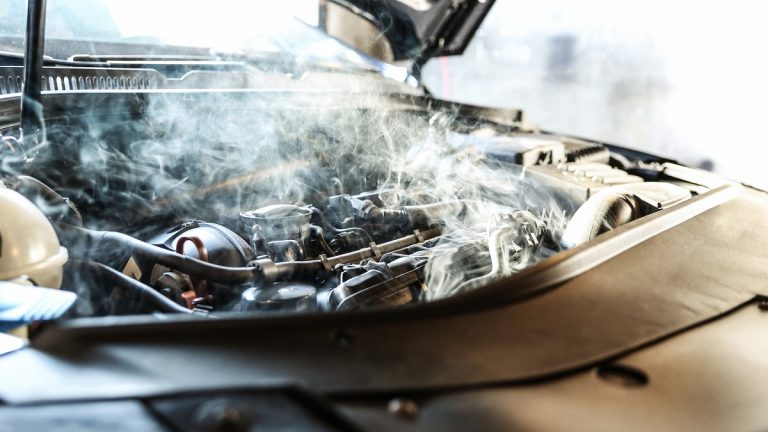
Heat management becomes more important on highways. Engines generate continuous heat at cruising speeds, requiring oil to absorb and disperse that heat effectively. Proper lubrication helps prevent overheating and reduces stress on internal parts during extended trips.
Reliable oil performance on highways contributes to driver confidence. Smooth engine operation, reduced noise, and consistent response make long journeys more comfortable. Over time, engines that receive stable lubrication during highway driving tend to retain performance and efficiency.
Heavy Loads and Challenging Driving Environments
Driving conditions that involve heavy loads or demanding environments place extra strain on engines. Towing, hauling cargo, or navigating steep terrain increases pressure on internal components, making strong lubrication essential for protection and stability.
Under heavy load, engines generate higher temperatures and greater friction. Oil must maintain sufficient thickness to prevent metal-to-metal contact while continuing to circulate effectively. This balance helps protect bearings, pistons, and other high-stress components during demanding operation.
Challenging environments such as dusty roads or hot climates also affect oil performance. Contaminants and heat can accelerate oil degradation. Reliable lubrication helps suspend particles and resist breakdown, supporting consistent engine protection in harsh conditions.
Sustained engine stress requires dependable wear control. When oil performs well under heavy loads, it reduces long-term damage and supports steady engine response. This reliability allows vehicles to handle demanding tasks without compromising durability or performance.
Oil Consumption and Longevity
Oil consumption and engine longevity are closely connected to how well lubrication performs over time. Consistent oil behavior helps engines maintain internal balance, reducing the need for frequent top-ups and repairs. Understanding how oil consumption affects longevity provides insight into long-term engine reliability, maintenance planning, and overall vehicle performance under everyday driving conditions.
Factors That Influence Oil Consumption Rates
Oil consumption occurs naturally as engines operate, but several factors determine how quickly oil levels drop. Engine design, operating temperature, and driving habits all play a role. Higher temperatures can increase evaporation, while sustained high speeds may cause oil to pass through piston rings more easily.
Internal engine clearances also affect consumption. As engines age, normal wear can widen gaps between components, allowing more oil to enter the combustion chamber. This increased usage does not always indicate a problem, but it does require closer monitoring to avoid low oil levels.
Driving conditions influence oil use as well. Frequent acceleration, heavy loads, or extended idling can increase oil movement within the engine. Oil that maintains stable viscosity under varying conditions helps reduce excessive consumption by staying where it is needed.
Consistent oil levels support steady lubrication. When oil consumption remains controlled, engines maintain proper pressure and film strength, reducing wear and supporting reliable operation over extended periods.
Impact of Oil Quality on Engine Longevity
Oil quality plays a significant role in determining how long an engine remains healthy. High-quality oil maintains its protective properties longer, reducing breakdown and preserving lubrication effectiveness across service intervals. This stability helps minimize internal wear and mechanical stress.
Effective lubrication reduces friction between moving parts, slowing the natural wear process. When oil resists thinning and degradation, it continues to protect critical components such as bearings, camshafts, and valve trains. This protection supports consistent performance as the engine accumulates mileage.
Oil also contributes to cleanliness inside the engine. By suspending contaminants and preventing sludge buildup, it helps keep passages clear and surfaces smooth. Clean internal conditions reduce the risk of restricted oil flow and uneven lubrication, both of which can shorten engine life.
Over time, consistent oil quality translates into longer engine longevity. Engines that receive reliable lubrication tend to maintain compression, efficiency, and responsiveness, reducing the likelihood of major mechanical issues.
Relationship Between Maintenance Practices and Oil Life
Maintenance habits strongly influence oil consumption and longevity. Regular oil checks help detect changes in consumption patterns before they become problematic. Monitoring oil levels ensures the engine always operates within safe lubrication limits.
Timely oil changes prevent contamination and viscosity breakdown. As oil ages, it collects debris and loses effectiveness, increasing wear and consumption. Replacing oil at appropriate intervals restores protective properties and supports stable engine operation.
Driving style also affects oil life. Smooth acceleration and steady cruising reduce stress on lubrication systems, helping oil last longer. Avoiding excessive engine strain supports controlled consumption and consistent performance.
Long-term engine health depends on a combination of quality oil and proper maintenance. When oil life is managed effectively, engines operate more reliably, experience reduced wear, and deliver dependable performance throughout their service life.
FAQs
What Is The Main Difference Between 10w30 Vs 15w40?
The main difference between 10w30 vs 15w40 is how each oil performs across temperature ranges. You will notice that 10w30 flows more easily during cold starts, allowing quicker lubrication when the engine is first started. This helps reduce initial wear and supports smoother operation in cooler conditions.
In contrast, 15w40 is thicker at higher temperatures. You may find it offers stronger protection when the engine runs hot or under heavy load. This thickness helps maintain oil pressure and protects engine components during demanding driving situations.
Which Oil Is Better For Cold Weather Driving?
Cold weather driving places extra importance on oil flow during startup. You will benefit from 10w30 because it circulates faster at lower temperatures. This quicker movement helps protect engine parts immediately after ignition, reducing friction and startup stress.
Using thicker oil in cold conditions can delay lubrication. You may experience harder starts and increased wear during warm-up. Choosing oil with better cold-flow characteristics supports smoother starts, improved fuel efficiency, and consistent protection during daily cold weather use.
Is 15w40 Better For High Mileage Or Older Engines?
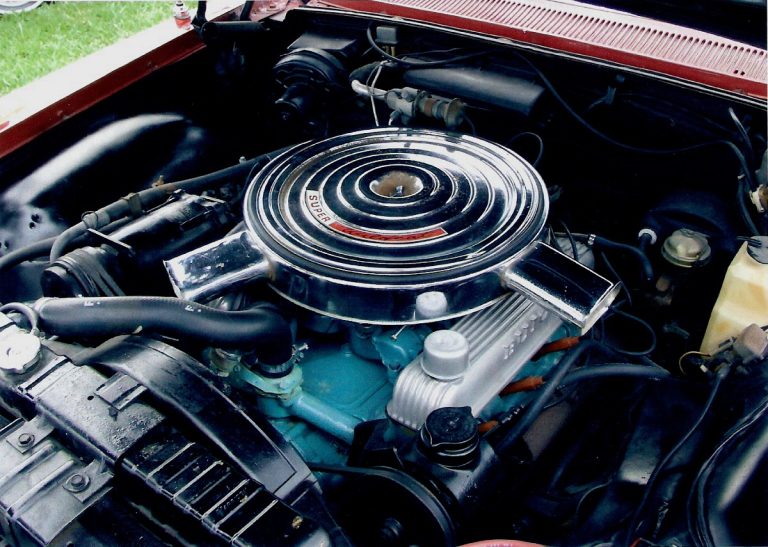
For high mileage or older engines, you may find 15w40 more suitable. Its thicker viscosity helps compensate for increased internal clearances caused by normal wear over time. This can improve oil pressure and reduce the likelihood of oil slipping past seals and rings.
You might also notice reduced engine noise and smoother performance under load. Thicker oil provides added cushioning for worn components, offering better wear protection. This makes it a practical choice for engines with significant mileage or heavy-duty use.
How Does Oil Choice Affect Fuel Efficiency?
Oil viscosity has a direct impact on fuel efficiency. When you use 10w30, you may experience slightly better fuel economy because the oil creates less internal resistance. This allows engine components to move more freely, especially during warm-up and city driving.
With 15w40, the thicker oil can increase drag inside the engine. While this improves protection, it may reduce fuel efficiency slightly. Your driving habits and engine condition influence how noticeable this difference becomes over time.
Can You Switch Between 10w30 And 15w40 Safely?
You can switch between these oils, but you should always consider your engine’s requirements. Before changing oil viscosity, you need to ensure it aligns with manufacturer recommendations and driving conditions.
Switching to a thicker oil may help in hot climates or for older engines. However, using oil that is too thick can affect cold starts and fuel efficiency. Matching oil choice to climate, engine age, and usage helps maintain safe and reliable performance.
Which Oil Is Better For Heavy-Duty Or Towing Use?
If you regularly tow or carry heavy loads, 15w40 often provides better protection. Its thicker viscosity helps maintain a strong oil film under high pressure and elevated temperatures, reducing wear during demanding conditions.
You will notice improved oil pressure stability and durability when the engine works harder. While 10w30 can still perform well, heavier applications typically benefit from thicker oil that supports consistent lubrication and long-term engine reliability.
Conclusion
Choosing the right engine oil plays a major role in how smoothly and efficiently your vehicle runs. When comparing different viscosity grades, factors like climate, engine age, and driving habits should always guide the final decision. Ignoring these elements can lead to reduced performance, higher wear, and unnecessary maintenance costs over time.
The debate around 10w30 vs 15w40 often comes down to operating conditions and workload. Lighter oil tends to flow better during cold starts and supports fuel efficiency, while thicker oil offers stronger protection in high-temperature and heavy-duty situations. Both options have strengths, but neither is universally better for every engine.
Understanding the real-world differences between 10w30 vs 15w40 helps you make a smarter choice for long-term engine health. By following manufacturer recommendations and matching oil viscosity to your driving environment, you can improve reliability, extend engine life, and maintain consistent performance throughout the year.