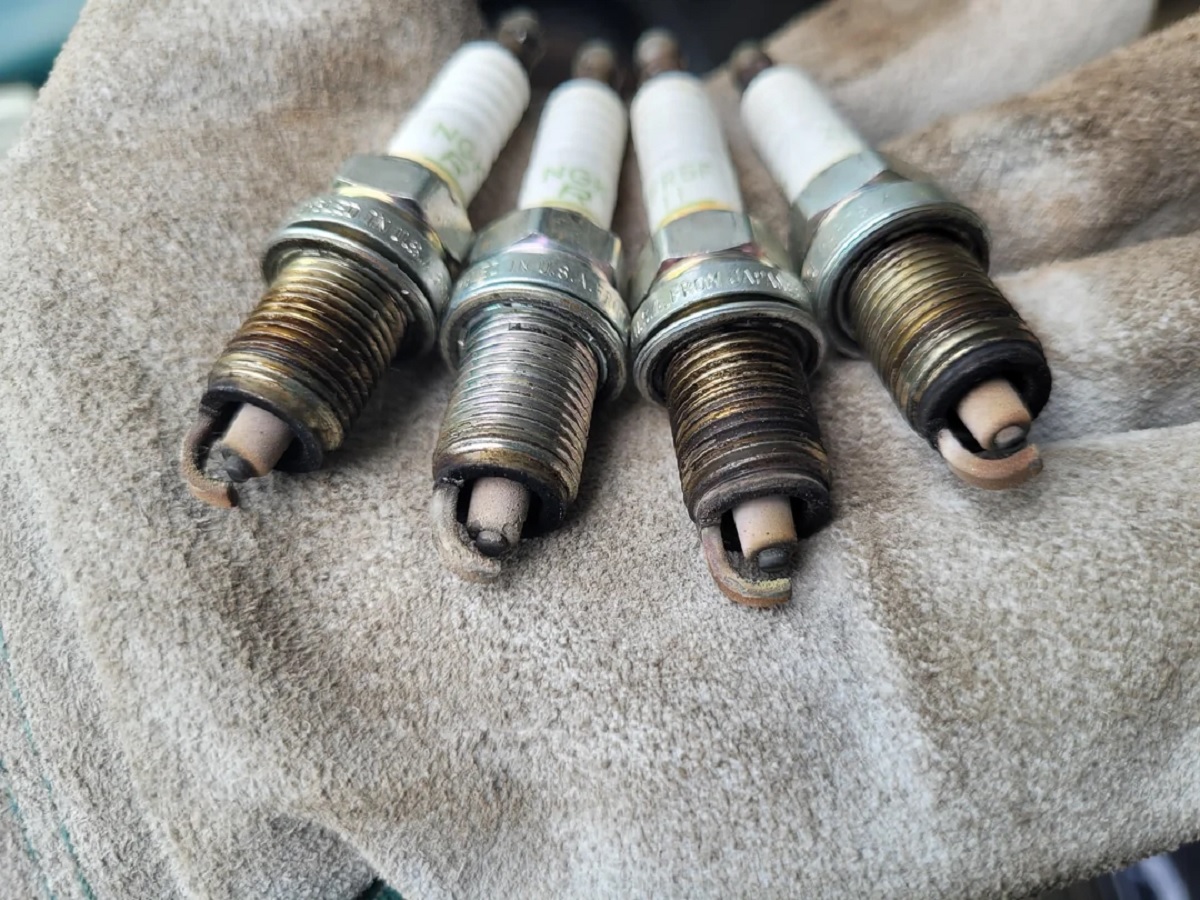
What Do Spark Plugs Do: Key Functions And Importance In Your Engine
Spark plugs are small but essential components in an internal combustion engine, playing a key role in starting the engine and maintaining smooth operation. They are responsible for igniting the air-fuel mixture inside the engine cylinders, which generates the power needed to move the vehicle. Understanding their purpose helps drivers and mechanics ensure the engine runs efficiently and reliably.
Knowing what do spark plugs do is fundamental for maintaining engine performance. They create a spark at precisely the right moment during the combustion cycle, allowing fuel to ignite and produce energy. Without functioning spark plugs, the engine may misfire, run inefficiently, or fail to start altogether.
Spark plugs also influence fuel efficiency and emissions. Properly working plugs ensure complete combustion, reducing wasted fuel and harmful exhaust gases. Regular inspection and timely replacement of spark plugs help maintain consistent engine performance, smoother acceleration, and better fuel economy.
Igniting The Air-Fuel Mixture
The process of igniting the air-fuel mixture is at the heart of how an internal combustion engine generates power. Spark plugs are the key components responsible for creating a spark that initiates combustion, converting fuel into the energy needed to move the vehicle. Understanding how this process works highlights why spark plugs are crucial for engine efficiency, performance, and reliability.
The Role Of Spark Plugs In Combustion
Spark plugs generate a high-voltage electrical spark that ignites the air-fuel mixture inside each cylinder at the precise moment of the compression stroke. This controlled ignition ensures that combustion occurs efficiently, producing maximum energy while minimizing fuel wastage and emissions.
Timing is critical in this process. If the spark occurs too early or too late, engine performance suffers, leading to misfires, reduced power output, and increased fuel consumption. The spark plug’s electrodes and insulation are designed to withstand extreme heat and pressure while maintaining consistent spark delivery. Their reliability directly influences how smoothly the engine runs and how effectively fuel is converted into mechanical energy.
Ensuring Complete Combustion
Proper ignition by spark plugs promotes complete combustion of the air-fuel mixture, which is essential for both performance and fuel efficiency. Incomplete combustion results in unburned fuel, which can increase emissions and reduce power output. By delivering a precise and strong spark, spark plugs help ensure that each cylinder burns fuel evenly, maximizing energy extraction.
Consistent combustion also prevents knocking and pinging, which occur when fuel ignites prematurely or irregularly. Over time, inefficient combustion can damage pistons, valves, and other engine components. Maintaining clean and functional spark plugs supports optimal combustion, protects internal engine parts, and enhances the overall longevity of the engine.
Effects On Engine Performance
The quality and timing of the spark directly impact acceleration, throttle response, and overall engine smoothness. Well-functioning spark plugs ensure that the engine delivers consistent power, providing smooth acceleration and stable idle.
When spark plugs degrade, misfires, rough idling, and hesitation during acceleration can occur. These symptoms reduce driving comfort and may also increase fuel consumption. Proper selection, installation, and maintenance of spark plugs are critical to ensure that the ignition system functions effectively, maintaining reliable engine performance under all driving conditions.
Spark Plugs And Emission Control
Igniting the air-fuel mixture efficiently also reduces harmful emissions. Proper combustion minimizes the release of unburned hydrocarbons and carbon monoxide, helping vehicles meet environmental standards and maintain cleaner exhaust systems.
Modern spark plugs are designed to handle higher pressures and temperatures, supporting engines that are optimized for performance and emission control. Regular inspection and timely replacement of spark plugs ensure consistent ignition, improved fuel efficiency, and reduced environmental impact, emphasizing their importance in modern engines.
Enhancing Engine Efficiency
Spark plugs play a critical role in improving the efficiency of an internal combustion engine. By delivering a precise and consistent spark, they ensure that fuel is burned completely and effectively, maximizing the energy extracted from every combustion cycle. Understanding how spark plugs contribute to engine efficiency helps drivers maintain optimal performance, fuel economy, and overall reliability.
Optimizing Fuel Combustion
One of the primary ways spark plugs enhance engine efficiency is by promoting complete combustion of the air-fuel mixture. A strong and accurately timed spark ignites the fuel consistently, allowing the engine to extract the maximum amount of energy from each cylinder.
Incomplete or irregular combustion can waste fuel and produce unburned hydrocarbons, which not only reduces power but also increases emissions. Spark plugs with proper heat range, electrode design, and gap ensure that the combustion process is stable, leading to smoother acceleration, more consistent engine output, and improved fuel economy. Regular inspection and timely replacement of spark plugs help maintain this efficiency, preventing performance issues before they impact fuel consumption.
Reducing Engine Strain
Efficient ignition reduces strain on engine components, which indirectly improves overall efficiency. When spark plugs perform optimally, the engine requires less effort to achieve the desired power output.
Misfiring or weak sparks force the engine to compensate by working harder, which increases wear on pistons, valves, and the crankshaft. Consistent spark delivery from well-maintained spark plugs reduces this extra workload, helping the engine operate smoothly and efficiently. By minimizing unnecessary stress, spark plugs contribute to long-term engine health and sustained efficiency over time.
Improving Throttle Response
Another aspect of engine efficiency influenced by spark plugs is throttle response. Properly functioning spark plugs allow the engine to ignite fuel immediately when the accelerator is pressed, resulting in smoother and quicker acceleration.
Delayed or weak ignition causes hesitation and uneven power delivery, which can reduce efficiency by forcing the engine to burn more fuel to achieve the same performance. High-quality spark plugs ensure rapid and consistent combustion, optimizing engine responsiveness while maintaining fuel efficiency. This balance between performance and economy is particularly important for daily driving and high-demand conditions.
Supporting Emission Control Systems
Efficient combustion facilitated by spark plugs also supports emission control systems. Modern vehicles rely on catalytic converters and oxygen sensors to minimize harmful emissions, and incomplete combustion can overload these systems, reducing their effectiveness.
By igniting the air-fuel mixture effectively, spark plugs reduce unburned fuel in the exhaust, helping the catalytic converter operate efficiently. This not only ensures cleaner emissions but also supports engine efficiency by preventing backpressure and maintaining smooth exhaust flow. Proper spark plug maintenance, therefore, benefits both fuel economy and environmental performance.
Long-Term Efficiency Benefits
Maintaining optimal spark plug function provides long-term benefits for engine efficiency. Consistent combustion reduces fuel waste, minimizes component strain, and supports reliable power delivery across all driving conditions.
Choosing the correct spark plug type, maintaining proper gaps, and replacing worn plugs at recommended intervals ensures the engine operates at peak efficiency. By focusing on these preventive measures, drivers can enjoy better fuel economy, smoother performance, and a longer-lasting engine, highlighting the essential role spark plugs play in enhancing overall engine efficiency.
Maintaining Smooth Engine Operation
Smooth engine operation is critical for performance, reliability, and driving comfort. Spark plugs play a central role in achieving this by ensuring consistent combustion and proper timing within the engine cylinders. Understanding how spark plugs contribute to smooth engine function helps vehicle owners optimize performance, reduce wear, and avoid unnecessary maintenance issues.
Consistent Combustion Cycles
One of the key ways spark plugs maintain smooth engine operation is by providing consistent ignition for each cylinder. Every time a cylinder compresses its air-fuel mixture, the spark plug must deliver a precise spark at the exact moment to ignite the fuel.
Irregular or weak sparks can cause misfires, leading to jerky acceleration, rough idling, and uneven power output. Over time, this inconsistency increases stress on pistons, valves, and the crankshaft. Properly functioning spark plugs maintain steady combustion cycles, reducing engine vibrations and ensuring that power is delivered smoothly to the drivetrain. Regular inspection and replacement of worn or fouled spark plugs are crucial for sustaining this level of performance.
Reducing Engine Vibrations
Misfires and uneven combustion can generate vibrations that travel through the engine and the vehicle chassis. Spark plugs help dampen these vibrations by ensuring that fuel ignites fully and evenly in each cylinder.
Reduced vibrations not only improve driving comfort but also protect engine mounts, bearings, and other components from excessive wear. Engines equipped with well-maintained spark plugs operate more quietly and efficiently, with smoother acceleration and a more stable idle. The flywheel and other balancing components work in tandem with properly firing spark plugs to maintain rotational stability throughout the engine.
Enhancing Throttle Response
Spark plugs also contribute to smoother throttle response by ensuring that the engine reacts promptly to driver input. When the air-fuel mixture ignites consistently, the engine produces reliable torque immediately upon pressing the accelerator.
Weak or worn spark plugs can delay combustion, resulting in hesitation, sluggish acceleration, or uneven power delivery. This not only affects the driving experience but can also reduce fuel efficiency as the engine struggles to compensate for inconsistent power. High-quality spark plugs with proper gaps ensure that combustion occurs instantly, allowing the engine to respond accurately to throttle changes.
Supporting Long-Term Engine Health
Maintaining smooth engine operation with efficient spark plugs also has long-term benefits for engine longevity. Consistent combustion reduces stress on internal components, minimizing wear on pistons, valves, and the crankshaft.
Engines that operate smoothly are less prone to overheating, knocking, or misfiring, which can prevent costly repairs. Regular spark plug maintenance ensures that the ignition system performs reliably, promoting overall engine health. By keeping combustion steady, spark plugs contribute to a more durable engine that performs optimally over its lifespan.
Improving Overall Vehicle Performance
Smooth engine operation impacts not only the engine itself but also the entire vehicle’s performance. Reliable ignition leads to even power delivery, better fuel efficiency, and reduced emissions, while minimizing mechanical strain on the drivetrain.
Drivers experience improved acceleration, quieter operation, and more responsive handling when the engine runs smoothly. Regular attention to spark plug condition, correct installation, and timely replacement ensures that the vehicle operates at peak performance, highlighting the essential role spark plugs play in maintaining a consistently smooth engine operation.
Common Signs Of Worn Or Faulty Spark Plugs
Spark plugs are essential for proper engine performance, and their condition directly affects how smoothly a vehicle operates. Over time, spark plugs can wear out, become fouled, or fail, leading to various engine issues. Recognizing the common signs of worn or faulty spark plugs helps drivers address problems early, maintaining engine efficiency, performance, and reliability.
Engine Misfires And Rough Idling
One of the most noticeable signs of worn or faulty spark plugs is engine misfiring or rough idling. Misfires occur when the spark plug fails to ignite the air-fuel mixture at the correct time, causing uneven combustion in the cylinder.
This can result in jerky acceleration, inconsistent engine speed, and vibrations during idle. Misfires not only reduce engine performance but also place additional stress on other components, including the catalytic converter and ignition coils. Ignoring these symptoms can lead to long-term damage, decreased fuel efficiency, and higher emissions. Regular inspection and replacement of spark plugs ensure smooth combustion and prevent these issues from worsening.
Difficulty Starting The Engine
Worn spark plugs can also make starting the engine more difficult. Faulty or fouled plugs may struggle to produce the spark needed to ignite the air-fuel mixture, especially in cold weather or after prolonged periods of inactivity.
Drivers may notice extended cranking times, repeated attempts to start the engine, or complete failure to start. This not only creates frustration but can also drain the battery and stress the starter motor. Maintaining clean, properly gapped spark plugs ensures that the engine starts reliably, providing consistent ignition and minimizing unnecessary wear on starting components.
Decreased Fuel Efficiency
Another common sign of spark plug issues is reduced fuel efficiency. When spark plugs are worn or malfunctioning, they may not ignite the fuel completely, causing partial combustion and wasted fuel.
This leads to increased fuel consumption and higher operating costs over time. In addition to inefficiency, incomplete combustion produces more exhaust emissions, impacting environmental performance and potentially causing failed emissions tests. Timely replacement of spark plugs restores complete combustion, improving both fuel economy and engine performance.
Engine Hesitation And Reduced Acceleration
Worn spark plugs can also affect acceleration and throttle response. Engines may hesitate or lag when the accelerator is pressed due to irregular or weak ignition of the air-fuel mixture.
This hesitation not only affects drivability but can also be dangerous in situations requiring sudden acceleration, such as merging onto highways or overtaking. Replacing faulty spark plugs ensures that each cylinder fires correctly and consistently, restoring smooth power delivery and responsive acceleration.
Excessive Exhaust Smoke And Engine Noise
Finally, faulty spark plugs can lead to excessive exhaust smoke and unusual engine noise. Incomplete combustion caused by worn plugs may produce black or gray smoke, signaling unburned fuel exiting through the exhaust system.
Additionally, engine knocking or pinging sounds can occur if the spark is mistimed or inconsistent. Both symptoms indicate that spark plugs are no longer performing optimally and should be inspected immediately. Addressing these issues through proper spark plug maintenance ensures cleaner emissions, quieter operation, and overall engine reliability.
FAQs
What Do Spark Plugs Do In An Engine?
Spark plugs are responsible for igniting the air-fuel mixture inside your engine’s cylinders. This controlled ignition creates the power needed to move the vehicle. By delivering a high-voltage spark at precisely the right time, spark plugs ensure smooth combustion and consistent engine performance.
They also help maintain fuel efficiency and reduce harmful emissions by enabling complete combustion. Without properly functioning spark plugs, your engine may misfire, run roughly, or fail to start. Understanding their role is essential for keeping your vehicle reliable and performing optimally.
How Often Should You Replace Spark Plugs?
The replacement interval for spark plugs depends on the type and your vehicle’s manufacturer recommendations. Conventional copper plugs may need replacement every 20,000 to 30,000 miles, while platinum or iridium plugs can last 60,000 to 100,000 miles.
Replacing spark plugs on time ensures consistent ignition and prevents misfires, rough idling, and reduced fuel efficiency. Neglecting replacement can cause engine stress, harder starts, and decreased performance. Regular inspection allows you to identify wear or fouling early and maintain smooth engine operation.
Can Worn Spark Plugs Affect Fuel Efficiency?
Yes, worn or faulty spark plugs can significantly reduce fuel efficiency. When spark plugs fail to ignite the air-fuel mixture completely, fuel is wasted through incomplete combustion.
This not only increases your fuel costs but also contributes to higher emissions. Maintaining properly functioning spark plugs ensures that each cylinder burns fuel efficiently, providing better mileage and reducing environmental impact. Timely replacement helps your engine perform at its most efficient level.
What Are The Signs Of Bad Spark Plugs?
Common signs include engine misfires, rough idling, difficulty starting, reduced acceleration, and decreased fuel efficiency. You might also notice unusual exhaust smoke or knocking sounds.
These symptoms indicate that the spark plugs are not igniting fuel properly, leading to inconsistent combustion. Early detection through inspection or scheduled maintenance can prevent long-term engine damage and maintain reliable performance. Regularly checking your spark plugs ensures smoother operation and prolongs engine life.
How Do Spark Plugs Affect Engine Performance?
Spark plugs directly influence engine performance by ensuring consistent ignition and smooth combustion cycles. Properly functioning plugs provide reliable power output, quick throttle response, and stable idle conditions.
Faulty or worn spark plugs can cause hesitation, misfires, or uneven acceleration, which reduces engine efficiency and drivability. Maintaining spark plugs helps your vehicle deliver consistent power while protecting engine components from unnecessary stress and wear.
Can Spark Plugs Cause Engine Misfires?
Yes, malfunctioning spark plugs are a common cause of engine misfires. If a spark plug fails to ignite the air-fuel mixture at the right moment, the cylinder cannot generate power efficiently.
Misfires lead to vibrations, poor acceleration, and reduced fuel economy. Prolonged misfiring can also damage the catalytic converter and other engine components. Ensuring spark plugs are clean, properly gapped, and replaced when necessary prevents misfires and maintains smooth engine operation.
Do Different Types Of Spark Plugs Make A Difference?
Yes, spark plug types like copper, platinum, and iridium have different lifespans, heat tolerances, and performance characteristics. Iridium plugs offer the longest durability and high-temperature performance, while copper plugs are more affordable but wear out faster.
Choosing the correct spark plug for your engine ensures optimal ignition, fuel efficiency, and power delivery. Using the right type prevents premature wear, misfires, and reduced engine performance, making it essential to follow manufacturer recommendations when selecting spark plugs.
Conclusion
Spark plugs are a small but essential component that directly affects your engine’s performance and efficiency. They are responsible for igniting the air-fuel mixture inside the combustion chamber, ensuring smooth starts and consistent power delivery. When spark plugs function properly, your engine runs efficiently, maintains optimal fuel consumption, and produces fewer emissions.
Understanding [what do spark plugs do] helps you appreciate their role in preventing misfires, rough idling, and poor acceleration. Worn or damaged spark plugs can lead to decreased engine responsiveness and even long-term damage to ignition components. Regular inspection and timely replacement ensure your engine performs reliably and efficiently, avoiding costly repairs down the line.
Ultimately, knowing [what do spark plugs do] allows you to maintain your vehicle better and prolong engine life. Prioritizing spark plug care enhances overall drivability, fuel efficiency, and the smooth operation of your engine for years to come.