Car Hesitates When Driving: Causes, Troubleshooting, and Fixes
Experiencing delays or uneven acceleration while driving can be frustrating and potentially dangerous. Many drivers notice moments when their vehicle does not respond smoothly to the accelerator, causing a sudden loss of power or jerking motion. These interruptions in performance can interfere with safe driving and may indicate underlying mechanical or electrical issues.
A car hesitates when driving is a common symptom that points to problems within the engine, fuel system, ignition components, or transmission. Recognizing the early signs of hesitation allows you to address issues before they worsen, preventing costly repairs and ensuring a smooth driving experience.
Such hesitation may occur during acceleration, climbing hills, or while merging onto highways. It can be accompanied by engine sputtering, unusual noises, or fluctuating RPMs, signaling the need for careful inspection.
Understanding the causes of hesitation empowers drivers to take proper action, whether through routine maintenance, diagnostics, or repairs. Addressing these issues promptly helps maintain performance, fuel efficiency, and safety on the road.
Regular monitoring of vehicle performance and paying attention to changes in acceleration behavior ensures timely identification of potential problems. Being proactive about hesitation prevents long-term damage and preserves engine reliability.
Recognizing the Symptoms of Hesitation
Identifying a car hesitates when driving requires careful attention to both performance and behavior during operation. Hesitation can be subtle or pronounced, and recognizing the signs early helps prevent further damage, maintain fuel efficiency, and ensure safe driving. By understanding the common symptoms, you can pinpoint potential causes and take corrective action promptly.
Delayed Acceleration and Power Loss
One of the most obvious symptoms of hesitation is delayed acceleration. When you press the accelerator, the engine may respond slowly, causing a lag before the vehicle gains speed. This can be particularly noticeable when merging onto highways, overtaking another vehicle, or climbing hills.
Power loss may accompany this delay, with the engine struggling to maintain speed or revving inconsistently. Drivers may notice that the RPMs fluctuate unexpectedly or that the car sputters during acceleration. These symptoms can result from fuel delivery problems, ignition issues, or clogged filters. Paying attention to delayed acceleration allows you to detect early signs of engine or transmission problems before they worsen.
Engine Sputtering and Rough Idling
A car that hesitates often shows signs of sputtering or rough idling. You may feel the engine shake, jerk, or vibrate while driving, particularly at low speeds or when stopping and starting. The idle may feel uneven, with occasional surges or drops in RPM.
This symptom often indicates problems with fuel or air delivery, spark plugs, or ignition timing. Sputtering can also signal clogged fuel injectors or a dirty air filter. Observing how your engine behaves during idle and light acceleration helps you differentiate hesitation caused by minor maintenance issues from more serious mechanical faults.
Unusual Engine Noises
Hesitation can also manifest as unusual engine noises. You may hear knocking, pinging, or backfiring during acceleration, which often correlates with delayed throttle response. These sounds indicate that combustion is not occurring efficiently, potentially due to faulty ignition components, fuel mixture issues, or timing problems.
Listening carefully to the engine while driving is key to diagnosing hesitation. Repeated or pronounced noises may point to spark plug wear, ignition coil failure, or other internal engine issues. Documenting the timing and frequency of these noises helps technicians identify the root cause more accurately during inspection.
Transmission-Related Symptoms
Transmission problems can also cause a car to hesitate when driving. Drivers may experience jerking or delays when shifting gears, particularly in automatic transmissions. Hesitation may occur when accelerating from a stop or changing speeds, often accompanied by unusual vibrations or delayed engagement.
Fluid levels, worn clutch components, or faulty sensors can contribute to these symptoms. Monitoring the timing of hesitation relative to gear shifts helps differentiate transmission issues from engine-related causes. Addressing transmission problems early prevents further damage and maintains smooth vehicle operation.
Dashboard Warning Lights and Alerts
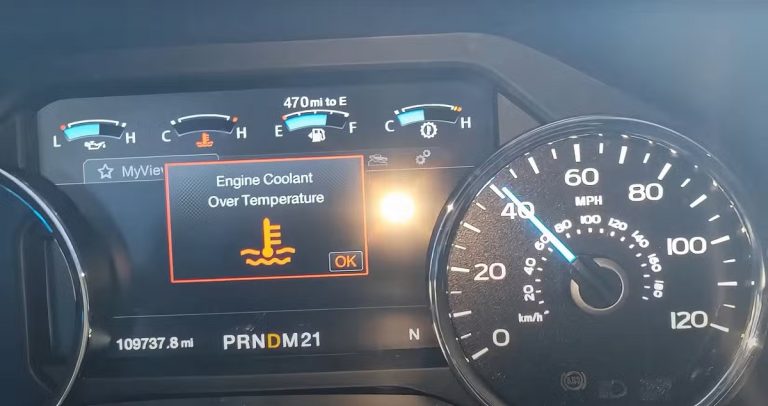
Modern vehicles often provide electronic warnings for conditions that may cause hesitation. Check engine lights, traction control alerts, or fuel system warnings may accompany delayed acceleration or engine sputtering. These indicators provide clues to the source of hesitation, guiding diagnostic efforts.
Paying attention to these alerts ensures timely inspection and prevents minor issues from escalating into major repairs. Understanding the relationship between dashboard warnings and hesitation symptoms allows drivers to act proactively, maintaining engine performance, safety, and overall vehicle reliability.
Fuel System Issues
A car hesitates when driving can often be traced back to problems within the fuel system. The fuel system is responsible for delivering the correct amount of gasoline or diesel to the engine at the right pressure. Any interruption, contamination, or malfunction in this system can lead to hesitation, power loss, and inefficient engine performance. Understanding fuel system issues is essential for accurate diagnosis and timely repair.
Clogged Fuel Filter
A clogged fuel filter is one of the most common fuel system issues causing hesitation. Over time, debris, rust, and sediment from the fuel tank can accumulate in the filter, restricting the flow of fuel to the engine. This reduced flow causes delayed acceleration, engine sputtering, or even stalling during high-demand situations such as overtaking or climbing hills.
Symptoms of a clogged fuel filter include rough idling, inconsistent throttle response, and occasional surges in RPMs. Replacing the fuel filter at manufacturer-recommended intervals is crucial for preventing fuel starvation and maintaining smooth engine operation. Regular inspection also helps identify signs of contamination or wear, preventing long-term engine damage.
Faulty Fuel Pump
The fuel pump is responsible for delivering fuel from the tank to the engine at the correct pressure. A failing or weak fuel pump can cause insufficient fuel supply, leading to hesitation when driving. Drivers may notice intermittent power loss, unusual engine noises, or a delay in acceleration as the pump struggles to maintain proper pressure.
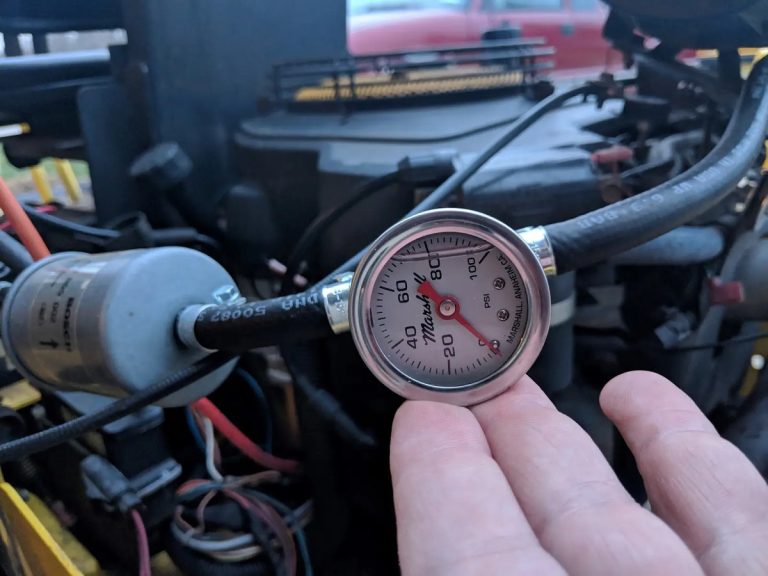
Testing fuel pressure with a gauge can confirm pump performance issues. Contaminated fuel, worn pump components, or electrical problems can reduce pump efficiency. Replacing a failing fuel pump restores consistent fuel flow, eliminates hesitation, and ensures reliable engine performance. Preventive maintenance, such as keeping the tank clean and avoiding running the vehicle on low fuel, can prolong pump life.
Dirty or Clogged Fuel Injectors
Fuel injectors are responsible for atomizing fuel and delivering it precisely into the combustion chamber. Over time, injectors can become clogged or dirty, resulting in uneven fuel distribution and incomplete combustion. This can cause a car to hesitate when driving, particularly during acceleration or under load.
Symptoms of dirty injectors include rough idling, misfires, poor fuel efficiency, and occasional backfiring. Cleaning fuel injectors with professional-grade additives or ultrasonic cleaning can restore proper spray patterns and combustion efficiency. In severe cases, replacement may be necessary. Ensuring clean fuel and timely injector maintenance prevents hesitation and improves overall engine performance.
Contaminated Fuel
Fuel contamination can also trigger hesitation. Water, dirt, or low-quality fuel can interfere with combustion, leading to sputtering, engine surging, or delayed throttle response. Contaminated fuel often results from poor storage conditions, cheap fuel sources, or a failing fuel tank seal that allows moisture ingress.
Draining the contaminated fuel, cleaning the tank, and replacing filters typically resolve these issues. Using high-quality fuel and adding fuel stabilizers in vehicles that sit idle for long periods can prevent contamination. Recognizing the signs of contaminated fuel ensures the engine receives clean, consistent fuel for optimal performance.
Fuel Pressure Regulator Malfunction
The fuel pressure regulator maintains consistent fuel pressure in the system. A malfunctioning regulator can cause either too high or too low fuel pressure, both of which lead to hesitation. Low pressure results in fuel starvation, while high pressure can cause flooding and poor combustion.
Symptoms include engine sputtering, uneven acceleration, black smoke from the exhaust, or poor fuel economy. Testing the regulator and fuel pressure allows precise identification of the problem. Repairing or replacing a faulty fuel pressure regulator restores proper fuel delivery and eliminates hesitation, ensuring smooth and reliable engine operation.
Ignition System Problems
A car hesitates when driving can often be traced to issues within the ignition system. The ignition system is responsible for generating and delivering the spark needed to ignite the air-fuel mixture in the engine cylinders. Any disruption in this system can lead to delayed acceleration, engine misfires, or sputtering, making it a common culprit behind hesitation. Understanding ignition system problems is essential for accurate diagnosis and timely repair.
Worn or Faulty Spark Plugs
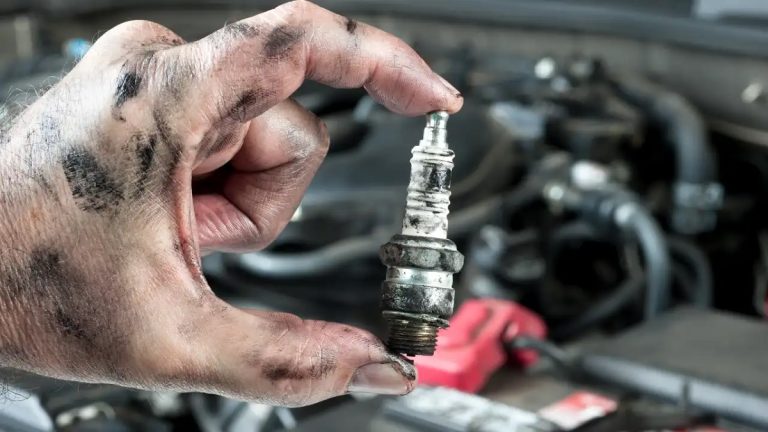
Spark plugs are essential for igniting the air-fuel mixture in each cylinder. Over time, plugs can become worn, fouled, or damaged, resulting in weak or inconsistent sparks. This can cause the engine to misfire, stall, or hesitate during acceleration, especially under load.
Symptoms of faulty spark plugs include rough idling, poor fuel economy, difficulty starting, and a noticeable drop in power when driving. Inspecting and replacing spark plugs at regular intervals according to manufacturer recommendations ensures consistent combustion. Using the correct type and gap for your engine helps maintain smooth performance and prevents hesitation caused by weak or inconsistent sparks.
Failing Ignition Coils
Ignition coils amplify voltage from the battery to create a spark strong enough to ignite the fuel. A failing or weak coil can reduce spark intensity, causing misfires, rough acceleration, or hesitation when driving. Coils can degrade over time due to heat, vibration, or electrical issues.
Signs of coil problems include engine surges, intermittent power loss, and a noticeable vibration during acceleration. Diagnostic tools such as an OBD-II scanner can help detect misfire codes associated with coil failure. Replacing faulty ignition coils restores spark strength, smooth engine operation, and consistent acceleration, eliminating hesitation and improving overall drivability.
Faulty Ignition Wires or Connectors
Ignition wires and connectors transmit the electrical charge from the ignition coil to the spark plugs. Damaged, worn, or corroded wires can interrupt this flow, causing weak or inconsistent sparks. This often results in hesitation, rough idling, or engine misfires.
Inspecting wires for cracks, burns, or corrosion and replacing damaged components ensures proper spark delivery. Secure connections also prevent voltage leaks, which can reduce engine efficiency. Maintaining the integrity of ignition wiring and connectors is critical for smooth acceleration and preventing hesitation during everyday driving conditions.
Malfunctioning Distributor or Timing Issues
In vehicles equipped with a distributor, a malfunctioning distributor can disrupt spark timing, leading to hesitation during acceleration. Similarly, incorrect ignition timing in electronic ignition systems can cause delayed combustion, engine surging, or stalling.
Symptoms include uneven power delivery, backfiring, poor fuel efficiency, and noticeable engine hesitation under load. Checking and adjusting timing or repairing a failing distributor ensures that spark occurs at the optimal moment for efficient combustion. Proper timing and distributor function are essential for smooth engine performance and preventing hesitation.
Sensor-Related Ignition Issues
Modern engines rely on sensors like the crankshaft or camshaft position sensors to control ignition timing. Faulty sensors can send incorrect data to the engine control unit (ECU), causing improper spark timing and delayed combustion. This often results in hesitation, misfires, and reduced acceleration.
Testing sensor performance with a diagnostic tool helps identify defective components. Replacing faulty sensors ensures the ECU receives accurate information for proper spark timing, restoring smooth acceleration and eliminating hesitation. Regular sensor checks and maintenance help prevent ignition-related issues that affect drivability and engine performance.
Air Intake and Exhaust Restrictions
A car hesitates when driving can also be caused by restrictions in the air intake or exhaust system. These systems control the flow of air into the engine and the removal of exhaust gases, which are critical for efficient combustion. Any blockage, buildup, or malfunction can reduce engine performance, causing hesitation, poor acceleration, and reduced fuel efficiency. Understanding these issues is key to diagnosing and fixing hesitation problems.
Clogged Air Filter
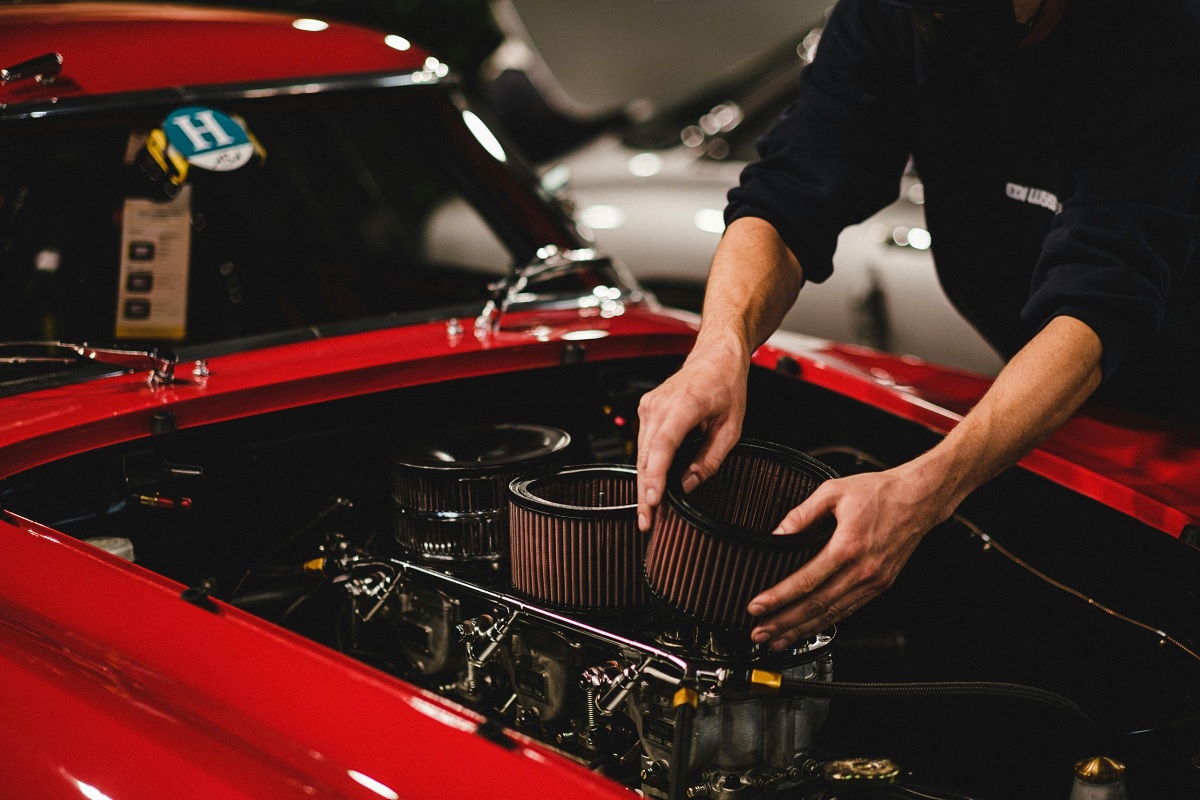
The air filter prevents dirt, dust, and debris from entering the engine, ensuring clean airflow for combustion. Over time, the filter can become clogged, restricting airflow and causing the engine to struggle during acceleration. A clogged air filter often leads to hesitation, rough idling, and uneven throttle response.
Symptoms of a dirty air filter include reduced power, decreased fuel efficiency, and unusual engine sounds during acceleration. Regular inspection and replacement of the air filter according to the manufacturer’s schedule ensure consistent airflow, optimal combustion, and smooth acceleration. Keeping the intake system clean prevents engine strain and minimizes hesitation.
Blocked or Restricted Intake Ducts
Intake ducts channel air from the filter to the engine. Any blockage, kinked hose, or loose connection can reduce airflow, causing delayed acceleration or hesitation. Debris, insects, or buildup of grime inside ducts can also interfere with proper airflow.
Signs of restricted intake ducts include rough engine performance, occasional surging, and poor throttle response. Inspecting the ductwork for obstructions, cracks, or loose fittings helps restore proper airflow. Repairing or replacing damaged ducts ensures the engine receives a consistent air supply, reducing hesitation and improving overall drivability.
Exhaust System Restrictions
Restrictions in the exhaust system, such as clogged catalytic converters, mufflers, or oxygen sensors, can prevent efficient removal of exhaust gases. This leads to increased backpressure in the engine, reducing combustion efficiency and causing hesitation during acceleration.
Symptoms of exhaust restrictions include poor power delivery, unusual engine noises, and decreased fuel efficiency. A clogged catalytic converter, for instance, can cause noticeable lag when accelerating or climbing hills. Regular inspection and maintenance of exhaust components prevent backpressure-related issues, restoring smooth acceleration and optimal engine performance.
Malfunctioning Mass Air Flow or Oxygen Sensors
Sensors like the mass air flow (MAF) and oxygen (O2) sensors monitor airflow and exhaust composition, helping the ECU adjust fuel injection for proper combustion. Malfunctioning sensors can send inaccurate data, causing hesitation, misfires, or delayed throttle response.
Symptoms include uneven acceleration, fluctuating RPMs, and poor fuel efficiency. Cleaning or replacing faulty sensors restores accurate data for the ECU, ensuring the correct air-fuel mixture. Maintaining sensor health is crucial for smooth engine operation and preventing hesitation caused by air intake or exhaust issues.
Turbocharger or Forced Induction Restrictions
In vehicles with turbochargers or superchargers, restrictions in the intake or exhaust system can limit boost pressure, reducing engine power and causing hesitation. Damaged intercoolers, blocked piping, or leaks can interfere with proper airflow and boost delivery.
Symptoms include delayed acceleration, loss of power at higher RPMs, and unusual whining or hissing noises. Inspecting and repairing the turbo system components restores proper boost pressure and airflow, eliminating hesitation. Regular maintenance of forced induction systems ensures consistent performance and prevents airflow-related issues that affect drivability.
Engine Sensor and Electronics Malfunctions
A car hesitates when driving can often be traced to issues with engine sensors and electronics. Modern vehicles rely heavily on sensors and electronic control units (ECUs) to monitor engine performance and adjust fuel, air, and ignition systems in real time. Malfunctions in these components can disrupt proper engine operation, leading to hesitation, stalling, or reduced power. Recognizing sensor and electronic issues is crucial for accurate diagnostics and effective repair.
Faulty Mass Air Flow (MAF) Sensor
The mass air flow sensor measures the amount of air entering the engine and sends this information to the ECU to adjust fuel injection. A malfunctioning MAF sensor can cause the engine to run too rich or too lean, leading to hesitation, stalling, or rough acceleration.
Symptoms of a faulty MAF sensor include poor fuel economy, uneven idle, and delayed throttle response. Debris, dust, or contamination on the sensor can reduce its accuracy. Cleaning the MAF sensor with specialized cleaners or replacing it if damaged ensures proper air-fuel mixture and restores smooth engine performance, eliminating hesitation.
Oxygen (O2) Sensor Issues
Oxygen sensors monitor the level of oxygen in the exhaust gases and help the ECU adjust fuel delivery for efficient combustion. A failing O2 sensor can send incorrect readings, causing improper fuel-air ratios and hesitation during acceleration.
Signs of O2 sensor problems include fluctuating RPMs, black smoke from the exhaust, and poor fuel efficiency. Using a diagnostic scanner to read sensor outputs helps identify faulty sensors. Replacing a malfunctioning O2 sensor restores proper combustion, improves engine response, and eliminates hesitation caused by incorrect fuel mixture readings.
Crankshaft and Camshaft Position Sensor Failures
The crankshaft and camshaft position sensors provide critical data for ignition timing and fuel injection. Malfunctions in these sensors can lead to delayed or misfiring sparks, resulting in hesitation, stalling, or jerky acceleration.
Common symptoms include engine misfires, rough idling, difficulty starting, and inconsistent acceleration. Testing these sensors with a multimeter or diagnostic tool can identify faulty components. Replacing defective sensors ensures accurate timing signals to the ECU, improving throttle response and preventing hesitation.
Throttle Position Sensor (TPS) Malfunctions
The throttle position sensor monitors the angle of the throttle plate and informs the ECU how much fuel to inject based on driver input. A faulty TPS can cause delayed or erratic throttle response, making the car hesitate during acceleration.
Symptoms include engine surging, uneven power delivery, and inconsistent speed when pressing the accelerator. Cleaning or replacing a malfunctioning TPS restores proper throttle control and communication with the ECU, eliminating hesitation and improving overall drivability.
Electronic Control Unit (ECU) Problems
The ECU manages multiple engine functions by processing input from various sensors. A malfunctioning ECU can misinterpret sensor data, leading to improper fuel delivery, ignition timing issues, and hesitation while driving.
Symptoms of ECU problems include random misfires, stalling, inconsistent acceleration, and illuminated check engine lights. Diagnosing ECU issues often requires professional scanning tools and software updates. Repairing or reprogramming a faulty ECU restores proper engine management, ensuring smooth acceleration and reliable performance.
Troubleshooting Steps to Identify the Cause
A car hesitates when driving can stem from multiple systems, including fuel delivery, ignition, sensors, or air intake and exhaust components. Systematic troubleshooting is essential to accurately identify the root cause and prevent misdiagnosis. Following step-by-step procedures ensures that you address the problem efficiently and avoid unnecessary repairs.
Step 1: Observe Driving Conditions and Symptoms
Begin by carefully noting when hesitation occurs. Does it happen during acceleration, at high speeds, while climbing hills, or when idling? Pay attention to accompanying signs such as engine sputtering, unusual noises, vibrations, or fluctuating RPMs.
Recording these observations helps narrow down potential causes. For example, hesitation under heavy load may point to fuel delivery or ignition issues, while rough idling could indicate sensor or airflow problems. Detailed documentation also assists mechanics in diagnosing the issue more accurately, reducing time spent on trial-and-error fixes.
Step 2: Inspect the Fuel System
Check the fuel system for common issues such as clogged fuel filters, failing fuel pumps, or dirty fuel injectors. Ensure that fuel lines are free of leaks and the fuel pressure is within manufacturer specifications.
Testing fuel pressure with a gauge can identify a weak pump, while visual inspection of injectors may reveal clogging. Replacing worn filters, cleaning injectors, or repairing fuel pumps restores proper fuel delivery, eliminating hesitation caused by fuel starvation or inconsistent injection. Regular maintenance of fuel components can prevent these issues from recurring.
Step 3: Examine the Ignition System
Next, inspect the ignition system, including spark plugs, ignition coils, and wiring. Worn spark plugs or faulty coils can cause misfires and hesitation, particularly under load. Ensure connections are secure and components are in good condition.
Using a diagnostic scanner or multimeter can help identify misfires or faulty ignition components. Replacing spark plugs, ignition coils, or damaged wiring restores consistent combustion and smooth acceleration. Proper maintenance of the ignition system is critical for preventing hesitation caused by weak or inconsistent sparks.
Step 4: Check Air Intake and Exhaust Components
Inspect the air intake system for clogged filters, blocked ducts, or malfunctioning sensors like the MAF. Also, examine the exhaust system, including catalytic converters and oxygen sensors, for restrictions or malfunctions.
A restricted intake or exhaust reduces engine efficiency, causing delayed acceleration. Cleaning air filters, repairing ducts, or replacing faulty sensors restores airflow and sensor accuracy. Checking for blockages in the exhaust system ensures proper removal of gases, reducing hesitation and improving engine performance.
Step 5: Evaluate Engine Sensors and Electronics
Finally, assess key engine sensors such as the MAF, O2, crankshaft, camshaft, and throttle position sensors, along with the ECU. Malfunctioning sensors can misreport data, leading to improper fuel and ignition adjustments and causing hesitation.
Diagnostic tools can read error codes and sensor outputs, revealing issues that may not be visually apparent. Cleaning or replacing faulty sensors and ensuring proper ECU function restores correct engine management. Accurate electronic monitoring is essential for smooth acceleration, consistent performance, and elimination of hesitation-related issues.
FAQs
What Causes A Car To Hesitate When Driving?
A car hesitates when driving due to interruptions in engine performance caused by fuel, ignition, air intake, exhaust, or sensor-related issues. Common causes include clogged fuel filters, weak fuel pumps, dirty fuel injectors, worn spark plugs, or faulty ignition coils. Malfunctioning sensors, such as MAF or O2 sensors, and restricted air or exhaust flow can also lead to hesitation.
Paying attention to when and how the hesitation occurs helps you pinpoint the root cause. Early detection prevents further damage, improves fuel efficiency, and ensures safe and smooth driving.
Can A Dirty Fuel System Cause Hesitation?
Yes, a dirty fuel system is one of the most common reasons a car hesitates when driving. Clogged fuel filters, contaminated fuel, or dirty fuel injectors can restrict fuel flow and reduce combustion efficiency, causing delayed acceleration and engine sputtering.
Cleaning fuel injectors, replacing filters, and using high-quality fuel helps restore proper fuel delivery. Ensuring the fuel system is free from debris prevents hesitation, maintains engine performance, and enhances fuel economy, especially during high-demand driving conditions.
Do Ignition Problems Lead To Hesitation?
Absolutely. Faulty spark plugs, worn ignition coils, or damaged ignition wires can disrupt the spark needed for combustion. This results in engine misfires, rough idling, and a car hesitating when driving, especially during acceleration.
Replacing spark plugs, ignition coils, or damaged wiring restores consistent combustion. Proper ignition system maintenance ensures smooth throttle response, reduces hesitation, and prevents misfires that could lead to long-term engine damage.
Can Air Intake Or Exhaust Issues Cause Hesitation?
Yes, restrictions in the air intake or exhaust system can make your car hesitate. A clogged air filter, blocked intake ducts, or a malfunctioning MAF sensor reduces airflow, while a restricted catalytic converter or faulty oxygen sensor can increase exhaust backpressure, disrupting combustion.
Cleaning air filters, repairing ducts, and replacing faulty sensors ensures proper airflow and exhaust gas removal. Maintaining these systems restores smooth acceleration, improves engine efficiency, and prevents hesitation during both city and highway driving.
How Do Engine Sensors Affect Hesitation?
Engine sensors, including the MAF, O2, throttle position, and crankshaft sensors, provide real-time data to the ECU for fuel and ignition management. Malfunctioning sensors send incorrect information, resulting in improper air-fuel mixture or delayed ignition, which causes a car to hesitate when driving.
Testing sensors with diagnostic tools and replacing faulty components ensures accurate data for the ECU. Proper sensor function restores smooth acceleration, prevents misfires, and maintains overall engine performance.
Can Transmission Problems Cause Hesitation?
Yes, transmission issues can contribute to hesitation, particularly in automatic vehicles. Delayed gear engagement, slipping clutches, or low transmission fluid can cause uneven acceleration or jerking when driving.
Checking transmission fluid levels, inspecting for worn components, and servicing the transmission ensures smooth power delivery. Addressing these issues prevents hesitation and ensures consistent performance when shifting gears under load.
When Should I Seek Professional Help For Hesitation?
You should seek professional help when hesitation persists despite checking fuel, ignition, intake, exhaust, and sensor systems. Persistent hesitation can indicate serious engine, transmission, or electronic control problems that require specialized diagnostics.
A mechanic can use advanced diagnostic tools to pinpoint the root cause, perform repairs safely, and ensure the vehicle operates reliably. Prompt professional intervention prevents further damage, improves drivability, and maintains engine efficiency and safety on the road.
Conclusion
Experiencing hesitation while driving can be frustrating and even dangerous, as it affects your ability to accelerate smoothly and maintain control. When your vehicle struggles to respond to the throttle, it often indicates underlying issues in the fuel, ignition, air intake, or transmission systems. Addressing these problems early can prevent further engine damage and ensure safer driving conditions.
Regular maintenance and careful monitoring play a crucial role in resolving car hesitates when driving. Checking fuel filters, spark plugs, air filters, and essential sensors can often correct the issue. Keeping up with scheduled tune-ups and promptly replacing worn or faulty components helps maintain consistent engine performance and prevents sudden power drops while on the road.
If the hesitation persists despite basic inspections and maintenance, seeking professional diagnostics is essential. A trained mechanic can accurately identify complex problems in the fuel system, ignition, or drivetrain. Resolving car hesitates when driving ensures reliable performance, safety, and peace of mind during every drive.