Whirring Noise When Driving – Causes, Fixes, and Prevention Tips
Hearing unusual noises while driving can be unsettling and may indicate that your vehicle needs attention. A whirring noise when driving is one of those sounds that should not be ignored, as it often points to mechanical issues that could worsen over time. Identifying the source early helps prevent more serious damage and ensures safe operation of your car.
This type of noise often comes from rotating components like wheel bearings, the transmission, or the differential. It tends to increase in pitch or volume with speed, making it noticeable during regular driving conditions. Paying close attention to when and how the sound occurs can help narrow down potential causes.
Ignoring a persistent whirring noise can lead to further wear, costly repairs, or even dangerous situations on the road. Understanding the symptoms, possible causes, and steps to diagnose the problem is essential for maintaining vehicle reliability and safety.
Being proactive about addressing unusual sounds protects both the car and its occupants, making it easier to resolve the issue before it becomes critical.
Common Symptoms of a Whirring Noise When Driving
Experiencing a whirring noise while driving can signal various mechanical issues in your vehicle. Recognizing the accompanying symptoms helps identify the source and prevent further damage. These noises often indicate problems with rotating components or moving parts, and paying attention to specific patterns can help diagnose the issue effectively. Understanding the common symptoms is the first step toward resolving the problem and ensuring safe vehicle operation.
Changes in Noise with Speed
One of the most noticeable symptoms of a whirring noise is that it changes with vehicle speed. The sound may increase in pitch or volume as you accelerate and decrease when slowing down. This pattern often points to rotating components such as wheel bearings, CV joints, or tires.
If the noise is steady at a constant speed, it may indicate wear in transmission or differential components. Sudden spikes in noise during acceleration or deceleration can also provide clues about the source. Observing how the whirring correlates with speed is essential for accurate diagnosis and helps narrow down potential problem areas before inspecting mechanical components.
Vibration or Steering Irregularities
A whirring noise is frequently accompanied by unusual vibrations or changes in steering feel. These symptoms may indicate issues with wheel bearings, CV joints, or tires. For example, worn bearings can produce a consistent whirring or humming, which may intensify during turns, while damaged CV joints can cause vibrations alongside clicking or whirring sounds.
Noticing these additional signs is crucial because they indicate that the noise is related to moving parts connected to the wheels or drivetrain. Addressing these issues promptly prevents further mechanical wear, uneven tire damage, or loss of vehicle control, improving both safety and comfort while driving.
Location-Specific Noise
The location of the whirring noise provides important diagnostic clues. Front-wheel noise may suggest wheel bearings, CV joints, or power steering issues, while rear-wheel noise could indicate differential or axle problems. Transmission-related whirring is often heard from the center of the car and may change with gear shifts.
Pinpointing the origin of the sound while driving can involve careful listening or having a passenger help identify where the noise is loudest. Understanding the location helps narrow down the potential causes and allows for more focused inspections, making repairs more efficient and reducing the risk of misdiagnosis.
Accompanying Fluid Leaks or Warning Lights
Sometimes a whirring noise occurs alongside fluid leaks, dashboard warning lights, or temperature changes. Transmission fluid leaks, differential oil leaks, or low power steering fluid can produce whirring or humming sounds as the components operate with insufficient lubrication.
Observing these accompanying signs is critical because they indicate that mechanical components may be stressed or damaged. Checking fluid levels, monitoring warning lights, and inspecting for leaks can provide important information for identifying the underlying cause and preventing further damage to critical systems.
Increased Noise During Turns or Load Changes
Whirring noises often become more noticeable when turning or under increased load, such as uphill driving or carrying heavy cargo. This is a common symptom of worn wheel bearings, CV joints, or differential components. The increased load causes additional friction, making worn parts more audible.
Paying attention to when the noise is amplified helps differentiate between minor issues and serious mechanical wear. It also guides a more accurate diagnosis, allowing you to address the problem before it worsens. Early recognition of these patterns is essential for maintaining safety and prolonging the life of your vehicle’s drivetrain and suspension components.
Typical Causes of Whirring Noise When Driving
A whirring noise when driving can stem from a variety of mechanical issues, and identifying the cause is key to preventing serious damage. The noise often indicates problems with rotating components, drivetrain parts, or lubrication systems. Understanding the typical causes helps you narrow down potential issues, prioritize repairs, and maintain vehicle safety and performance on the road.
Worn or Failing Wheel Bearings
Wheel bearings allow the wheels to rotate smoothly, but over time they can wear out or fail. A common symptom of failing wheel bearings is a persistent whirring or humming noise that increases with speed. The noise may also intensify during turns, as lateral pressure is applied to the bearings.
If left unchecked, worn bearings can lead to uneven tire wear, vibrations in the steering wheel, and eventually complete bearing failure, which can be dangerous while driving. Inspecting the bearings involves checking for looseness in the wheel hub and listening for changes in noise when turning. Early detection and replacement prevent further damage to the suspension and drivetrain components.
Issues with CV Joints or Axles
Constant velocity (CV) joints and axles transfer power from the transmission to the wheels, allowing smooth rotation while steering. Worn or damaged CV joints often produce a whirring or clicking noise that varies with speed and turns. Boots torn by debris or cracks can expose the joint to dirt, causing premature wear.
Symptoms may include vibrations, difficulty steering, or unusual noises during acceleration. Addressing CV joint issues promptly is crucial, as failure can lead to loss of power transfer to the wheels, making the vehicle unsafe. Regular inspection and maintenance, including boot replacement and lubrication, extend the life of these components.
Transmission or Differential Problems
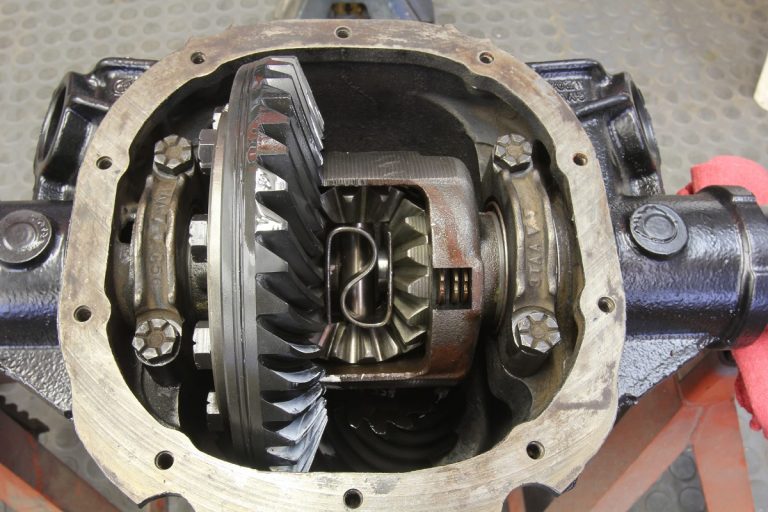
The transmission and differential contain gears and bearings that can generate a whirring noise when worn or insufficiently lubricated. Transmission whirring may be noticeable while shifting gears or maintaining speed, whereas differential issues often produce whirring or humming from the rear or front axle depending on drive type.
Low fluid levels, worn gears, or failing bearings in these systems increase friction, leading to noise and potential overheating. Timely fluid checks, replacement, or professional servicing can prevent significant damage and costly repairs. Understanding the noise pattern helps identify whether it originates from the transmission, differential, or axle assembly.
Power Steering or Drive Belt Concerns
Whirring noises can also come from the power steering system or drive belts. Worn or loose belts may produce a high-pitched whirring sound that increases with engine RPM. Similarly, failing power steering pumps can create whirring, especially when turning the wheel at low speeds.
Symptoms may include difficulty steering, vibrations, or a whining noise that correlates with engine load. Inspecting belts for wear, cracks, or improper tension, and checking power steering fluid levels, helps restore smooth operation and eliminates noise. Addressing these components prevents further stress on the engine and steering system.
Lubrication and Fluid Issues
Lack of proper lubrication in moving parts like bearings, joints, or transmission components often leads to a whirring sound. Fluids such as transmission oil, differential gear oil, and power steering fluid are essential for reducing friction. Low levels or degraded fluids increase wear and generate noise, particularly during acceleration or turns.
Regular fluid checks and timely replacement ensure smooth operation of all rotating and moving components. Neglecting lubrication leads to accelerated wear, overheating, and potential mechanical failure. Proper maintenance keeps components quiet, efficient, and safe, reducing the risk of unexpected breakdowns while driving.
Tire or Brake-Related Noise
Sometimes, a whirring noise is caused by tires or brake components. Uneven tire wear, improperly balanced wheels, or worn brake pads can create a consistent whirring or humming sound that changes with speed. Rotating or balancing tires and inspecting brakes often eliminates this type of noise.
Ignoring tire or brake-related whirring can lead to decreased handling, increased stopping distance, and uneven wear. Ensuring tires are properly inflated, rotated, and balanced, along with regular brake inspections, helps prevent noise while maintaining vehicle safety and ride quality.
Diagnosing the Source of the Whirring Noise
Identifying the exact source of a whirring noise when driving is critical for effective repairs and preventing further damage. These noises can originate from multiple systems, including the wheels, drivetrain, or engine components. Accurate diagnosis involves careful observation, systematic testing, and attention to accompanying symptoms, which allows you to pinpoint the problem and address it efficiently before it escalates.
Observing Noise Patterns and Conditions
The first step in diagnosing a whirring noise is to carefully observe when and how it occurs. Pay attention to whether the noise changes with speed, during acceleration, or when turning. A consistent whirring at high speeds may indicate wheel bearings or tire issues, whereas a noise that intensifies during acceleration could point to the transmission, CV joints, or engine components.
Take note of any vibrations, steering irregularities, or changes in engine performance that accompany the noise. These additional clues help narrow down potential sources and guide further inspection. Documenting the pattern of the noise provides valuable information for both DIY troubleshooting and professional mechanics.
Inspecting Wheels, Bearings, and Tires
Wheels, bearings, and tires are common sources of whirring noises. Begin by visually inspecting the tires for uneven wear, low tread, or damage. Unevenly worn tires can create humming or whirring sounds at certain speeds. Next, check the wheel bearings by lifting the vehicle and spinning each wheel to listen for roughness or play in the hub.
A failing bearing often produces a steady whirring that increases with speed and may change during turns. Rotating or replacing tires and bearings can eliminate the noise while improving handling and safety. Paying attention to these components ensures that the source of wheel-related noise is addressed early.
Examining the Drivetrain and Axles
The drivetrain, including CV joints, axles, transmission, and differential, is another common source of whirring noises. Inspect CV joints for torn boots, grease leaks, or signs of wear, which often produce noise during acceleration or while turning. Check the axles for looseness or unusual movement that could indicate worn joints or bearings.
Transmission or differential issues may produce whirring or humming that changes with gear selection or load. Checking fluid levels and listening for noise variations during acceleration or deceleration can help pinpoint the exact component at fault. Early detection prevents further drivetrain damage and maintains reliable power delivery.
Checking Engine Components and Belts
Engine components such as the power steering pump, alternator, and drive belts can also create a whirring sound. Inspect belts for wear, cracks, or improper tension, as slipping belts often produce high-pitched whirring. Listen to the engine with the vehicle stationary and observe any noises that increase with RPM.
Power steering or accessory pumps that are failing may produce whirring or whining, especially during low-speed turns. Identifying engine component issues early allows you to replace worn parts, restore proper operation, and prevent the noise from affecting other engine systems.
Utilizing Professional Diagnostic Tools
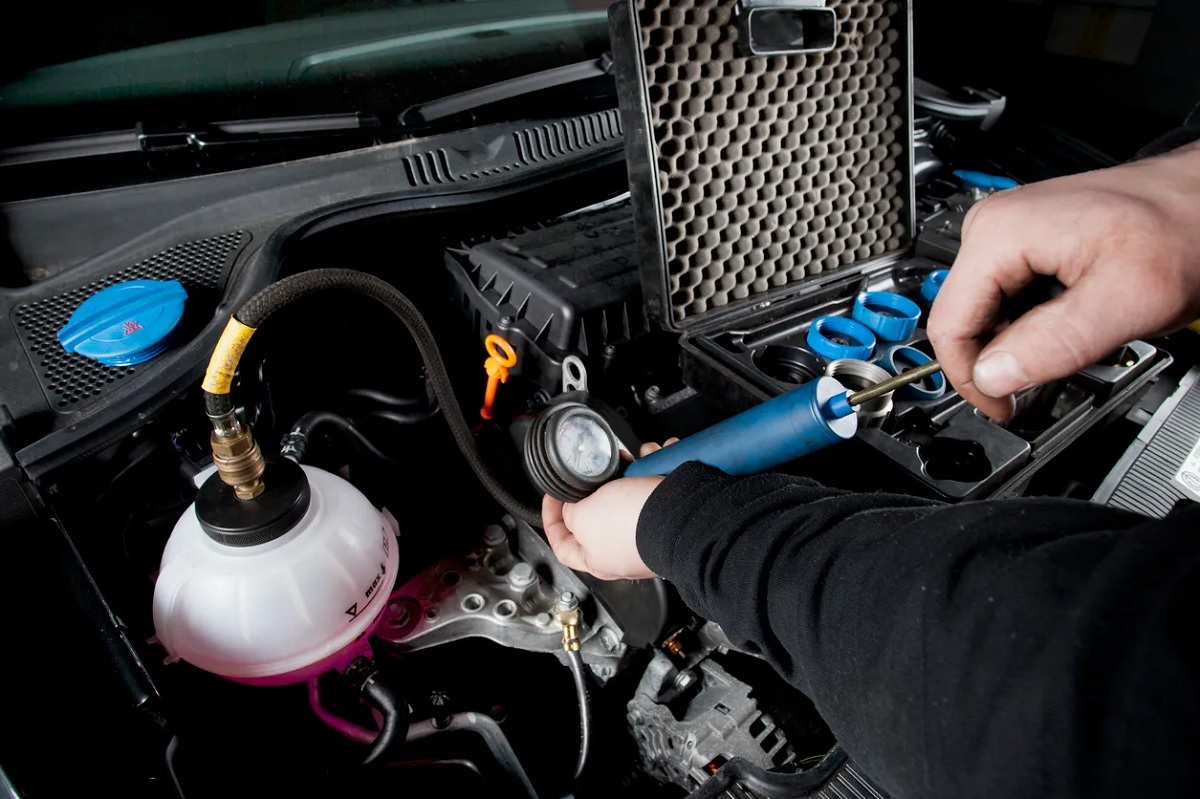
When the source of the whirring noise is not obvious, professional diagnostic tools can help. Mechanics may use chassis ears, stethoscopes, or specialized scanning equipment to isolate noises in the drivetrain, wheel bearings, or engine components.
These tools allow for precise identification of the noise source, ensuring targeted repairs and reducing trial-and-error work. Combined with thorough observation of symptoms and patterns, professional diagnostics provide a reliable method for resolving persistent whirring noises and maintaining vehicle safety and performance.
mmediate Fixes for Whirring Noise While Driving
A persistent whirring noise while driving can indicate issues that, if left unchecked, may worsen and cause costly repairs. Immediate fixes focus on addressing common, easy-to-correct problems that can reduce noise and prevent further mechanical damage. Taking timely action helps maintain vehicle performance, ensures safer driving, and buys time until professional repairs can be scheduled.
Checking and Adjusting Wheel Bearings
One of the most common sources of whirring noise is worn or loose wheel bearings. Inspecting the wheel bearings can often provide an immediate improvement. Lift the vehicle safely and spin each wheel while listening for roughness, grinding, or unusual resistance.
Tightening loose bearings or lubricating them temporarily can reduce noise until a full replacement is performed. Wheel bearings that are worn beyond repair will require replacement, but performing a quick inspection and lubrication can minimize the whirring sound and prevent further damage to the wheel hub and suspension components.
Inspecting Tires and Rotating as Needed
Tires can also be responsible for whirring or humming noises, particularly when tread wear is uneven or they are unbalanced. Check tire pressure and ensure all tires are inflated to the recommended levels. Rotate the tires to even out wear patterns, which may reduce or eliminate the whirring noise.
Additionally, inspecting tires for foreign objects, bulges, or uneven tread can prevent further issues. Balancing the tires may require professional equipment, but temporarily adjusting tire pressure and rotating them can provide immediate relief from noise and improve vehicle handling and safety.
Checking CV Joints and Axles
Damaged or worn CV joints and axles can produce whirring noises, especially during turns or acceleration. Perform a visual inspection for torn boots, grease leakage, or visible cracks. Gently moving the axle or joint while the vehicle is lifted may reveal play or looseness.
Temporary measures include applying a small amount of lubricant to joints or ensuring protective boots are properly seated. While these fixes are not permanent, they can reduce noise and prevent further contamination until the CV joints or axles can be replaced by a professional mechanic.
Inspecting Belts and Accessory Components
Drive belts and accessories such as the alternator or power steering pump often create high-pitched whirring if worn or loose. Checking the belts for cracks, fraying, or improper tension can help reduce noise immediately. Tightening or re-seating loose belts can restore smooth operation and minimize whirring sounds temporarily.
Ensure that the pulleys and accessories are aligned and free of debris. Addressing these minor belt and accessory issues quickly not only reduces noise but also prevents excessive wear on engine components, avoiding more significant problems that could develop if left untreated.
Managing Engine Load and Driving Habits
Reducing engine load can provide immediate relief from whirring noise, especially if it stems from drivetrain or transmission components. Avoid hard acceleration, aggressive turns, or towing heavy loads until repairs are completed.
Driving at moderate speeds and using smooth acceleration helps decrease stress on rotating components, reducing noise and the risk of worsening the problem. Monitoring the engine’s behavior while practicing these temporary measures allows you to safely continue driving until a professional inspection can provide a permanent solution.
FAQs
What Causes a Whirring Noise When Driving?
A whirring noise while driving can originate from several sources, including wheel bearings, CV joints, tires, or drivetrain components. It often indicates rotating or moving parts are experiencing friction, wear, or improper alignment.
The sound may increase with speed, during turns, or under load, helping you identify whether it’s related to the wheels, transmission, or engine accessories. Recognizing the source early prevents further damage and ensures your vehicle remains safe and reliable during operation. Regular inspections of bearings, tires, and drivetrain components are essential for long-term vehicle health.
How Can I Tell if Wheel Bearings Are Causing the Whirring Noise?
Wheel bearings often produce a steady whirring or humming noise that increases with speed. The noise may change when turning, as lateral pressure affects the bearing. Other signs include vibration in the steering wheel or uneven tire wear.
Testing involves lifting the vehicle and spinning each wheel while listening for roughness or play in the hub. Early identification prevents complete bearing failure, which could compromise wheel stability. Lubrication or replacement restores smooth operation, reduces noise, and protects suspension and drivetrain components from further damage.
Can Tires Be Responsible for a Whirring Noise?
Yes, tires can cause whirring noises, especially if they are unevenly worn, improperly balanced, or underinflated. The noise may be more pronounced at higher speeds and often changes as the car accelerates or decelerates.
Rotating tires and ensuring proper inflation can reduce or temporarily eliminate the noise. Uneven tread or foreign objects can also contribute to the whirring sound. Addressing tire issues promptly improves handling, reduces noise, and prevents further wear or potential safety hazards.
Could CV Joints or Axles Cause Whirring Noises?
Worn or damaged CV joints and axles can produce whirring or clicking noises, particularly during turns or acceleration. Torn CV boots or grease leaks accelerate wear, causing friction that generates audible sounds.
Inspecting the joints for damage and ensuring the boots are properly sealed can reduce noise temporarily. Replacing worn CV joints or axles is essential for restoring smooth power transfer, preventing further drivetrain damage, and maintaining vehicle safety during operation.
How Do Transmission or Differential Issues Lead to Whirring?
Transmission or differential problems may generate whirring noises from worn gears, bearings, or insufficient lubrication. Transmission-related whirring often occurs while shifting gears, while differential noises may originate from the front or rear axle depending on the drive type.
Checking fluid levels and monitoring noise changes during acceleration or turns can help identify the affected component. Addressing these issues promptly prevents severe damage, maintains smooth power delivery, and ensures safe, quiet operation of the vehicle.
Can Engine Belts or Accessories Make a Whirring Noise?
Yes, worn drive belts or failing engine accessories like the alternator or power steering pump can create high-pitched whirring sounds. Loose, cracked, or misaligned belts often slip, producing audible noise.
Inspecting belt tension, condition, and alignment, along with checking accessory function, can reduce or temporarily eliminate the whirring. Timely maintenance prevents further wear on belts and components, ensuring the engine operates smoothly and quietly while protecting other connected systems.
When Should I Seek Professional Help for a Whirring Noise?
Professional help is recommended if the whirring noise persists after basic checks or is accompanied by vibration, fluid leaks, or unusual handling. Persistent or worsening noise may indicate worn bearings, CV joints, transmission issues, or failing engine components.
Mechanics can use specialized tools such as chassis ears or stethoscopes to pinpoint the source accurately. Early professional intervention prevents further damage, ensures safety, and provides a long-term solution rather than temporary fixes. Scheduling an inspection promptly protects your vehicle and avoids costly repairs.
Conclusion
Hearing an unusual sound while driving can be unsettling, especially when it comes in the form of a persistent whir. A whirring noise when driving often signals issues with wheel bearings, belts, pulleys, or drivetrain components that require timely attention. Ignoring these sounds can lead to more serious damage, reduced vehicle performance, and potential safety hazards on the road.
Identifying the source early is essential for effective repairs. Regular inspections of tires, wheels, belts, and engine accessories can prevent minor wear from escalating into costly problems. Addressing transmission or differential issues promptly also ensures smooth operation and longevity of your vehicle’s drivetrain.
Being proactive with maintenance and repairs helps maintain comfort, safety, and reliability. Understanding the causes and solutions for a whirring noise when driving allows you to take the right steps, whether through DIY checks or professional servicing, keeping your vehicle running smoothly and quietly.