Why Your Kohler Engine Loses Power Under Load: Causes and Fixes
Experiencing a drop in engine performance during heavy tasks can be frustrating, especially when your Kohler engine struggles while operating equipment or machinery. Many users notice that the engine runs smoothly at idle or light workloads but begins to lose power when asked to handle more demanding tasks, impacting productivity and efficiency.
Why your Kohler engine loses power under load often points to fuel, air, or ignition-related issues, as well as mechanical wear or maintenance gaps. Inadequate fuel delivery, clogged air filters, or worn spark plugs can prevent the engine from producing its full power, especially when it needs to work harder.
Operating an engine that loses power under load can strain other components and reduce overall efficiency. Over time, persistent power loss can cause overheating, increased fuel consumption, or damage to the engine.
Understanding the common causes and warning signs of power loss allows you to troubleshoot effectively, maintain performance, and ensure your Kohler engine operates reliably under all workloads.
Common Symptoms of Power Loss Under Load
Power loss under load in a Kohler engine can manifest in several ways, affecting performance and efficiency. Recognizing these symptoms early is essential for preventing further damage and maintaining reliable operation. Symptoms often relate to fuel, air, ignition, or mechanical issues, and they typically appear only when the engine is under strain.
Hesitation During Acceleration
One of the most noticeable symptoms is hesitation during acceleration or when the engine is asked to perform a heavy task. The engine may rev normally at idle, but when a load is applied, it struggles to deliver power.
This hesitation can result from fuel delivery issues such as a clogged fuel filter, dirty carburetor, or inadequate fuel pressure. Air intake problems, including blocked air filters, may also reduce combustion efficiency, causing the engine to lag under load. Drivers may notice sputtering, jerking, or slow acceleration when the engine is asked to operate at higher speeds or handle heavy equipment.
Addressing hesitation requires inspecting the fuel system, cleaning or replacing filters, and checking for air restrictions. Proper maintenance restores smooth acceleration and ensures the engine delivers consistent power under demanding conditions.
Engine Surging Or Stumbling
Another common symptom is engine surging or stumbling during operation under load. This occurs when the engine’s RPM fluctuates unexpectedly, producing uneven power delivery and making it difficult to maintain consistent operation.
Surging or stumbling often indicates inconsistent fuel supply, ignition problems, or clogged air pathways. Worn spark plugs, loose wiring, or a malfunctioning ignition coil can cause irregular combustion, especially when the engine is under stress. Fuel system inconsistencies, such as debris in the carburetor or a weak fuel pump, may also contribute.
Repairing or replacing faulty ignition components, cleaning fuel lines, and ensuring proper airflow can resolve surging issues. Consistent monitoring and preventive maintenance help maintain steady engine performance, particularly under heavy load conditions.
Overheating During Load
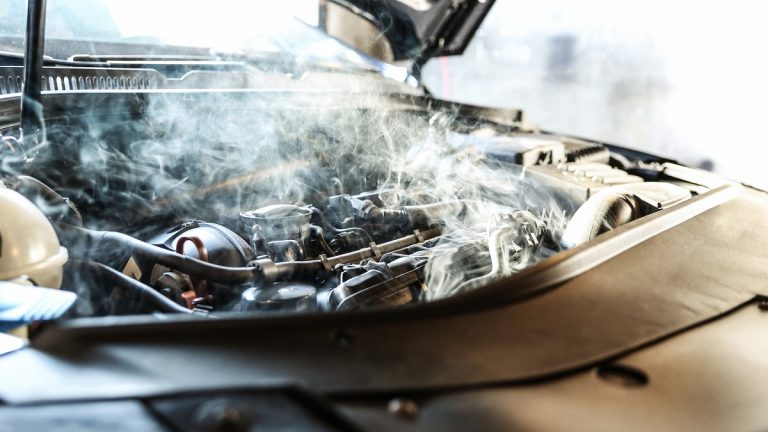
Power loss under load is often accompanied by overheating. When the engine struggles to deliver power, it can generate excessive heat due to inefficient combustion or mechanical strain.
Overheating may result from low oil levels, clogged cooling fins, or restricted airflow around the engine. As the engine heats, friction increases, and efficiency drops, exacerbating power loss. Drivers may notice the engine running hotter than usual, accompanied by a decrease in performance or unusual noises.
Maintaining proper oil levels, cleaning cooling fins, and ensuring unobstructed airflow are crucial steps to prevent overheating. Regular inspections of the cooling system and proper maintenance routines help the engine sustain performance under load without excessive heat buildup.
Smoke Or Unusual Exhaust Behavior
Smoke from the exhaust or unusual exhaust patterns can signal underlying issues contributing to power loss under load. Black, blue, or white smoke often indicates fuel, oil, or combustion problems.
Black smoke usually points to excessive fuel delivery or poor combustion, while blue smoke indicates burning oil due to worn seals or rings. White smoke may signal coolant entering the combustion chamber or condensation buildup. These symptoms often appear only under load, when the engine requires more fuel and efficient combustion.
Inspecting the carburetor, fuel lines, and seals, as well as ensuring proper airflow, can correct smoke-related performance issues. Properly diagnosing and addressing exhaust symptoms ensures reliable power delivery and prevents further engine damage.
Difficulty Maintaining RPM Under Load
A Kohler engine that loses power under load often struggles to maintain consistent RPM. The engine may bog down, hesitate, or stall when operating equipment or performing heavy tasks.
This issue can be caused by restricted fuel flow, ignition malfunctions, clogged air filters, or worn internal components. When the engine cannot sustain sufficient power output, RPM drops, making it difficult to operate machinery efficiently. Drivers may notice sluggish performance, inconsistent speed, or frequent stalling during demanding workloads.
Checking fuel delivery, air intake, and ignition components, along with routine maintenance of internal engine parts, restores the ability to maintain steady RPM under load. Consistent monitoring and preventive care help ensure the engine delivers reliable power in all operating conditions.
Fuel System Issues
A properly functioning fuel system is critical for engine performance, especially under load. Fuel delivery problems can cause hesitation, stalling, or loss of power in Kohler engines. Identifying and addressing fuel system issues ensures consistent combustion, smooth operation, and reliable power output, particularly when the engine is under stress or performing heavy-duty tasks.
Clogged Fuel Filters
Clogged fuel filters are one of the most common fuel-related causes of power loss under load. Filters trap debris and contaminants, preventing them from reaching the carburetor or fuel injectors. Over time, buildup restricts fuel flow, limiting the engine’s ability to produce full power.
When the engine is cold or operating at idle, fuel demand is lower, so a partially clogged filter may not cause noticeable issues. However, when the engine is under load, restricted fuel flow reduces combustion efficiency, causing hesitation, stumbling, or poor acceleration. Drivers may also notice sputtering or irregular RPM during heavy operation.
Replacing fuel filters at recommended intervals ensures proper fuel flow, restores engine responsiveness, and prevents strain on other fuel system components. Regular maintenance is essential to sustain reliable performance under load and prevent long-term engine damage.
Dirty Carburetors Or Fuel Injectors
Deposits and debris in the carburetor or fuel injectors can also impair fuel delivery. Dirt or varnish buildup restricts the proper spray pattern and atomization, leading to incomplete combustion, reduced power, and engine stalling.
Symptoms often appear under load when the engine requires a precise mixture of fuel and air. Drivers may notice rough running, surging, or hesitation during heavy workloads. Cold operation may seem normal because the engine is not demanding high fuel flow, masking the problem until the engine heats or load increases.
Cleaning the carburetor or fuel injectors, along with using high-quality fuel, helps restore proper fuel delivery. Preventive maintenance prevents performance issues, improves efficiency, and ensures smooth operation during heavy-duty tasks.
Low Fuel Pressure
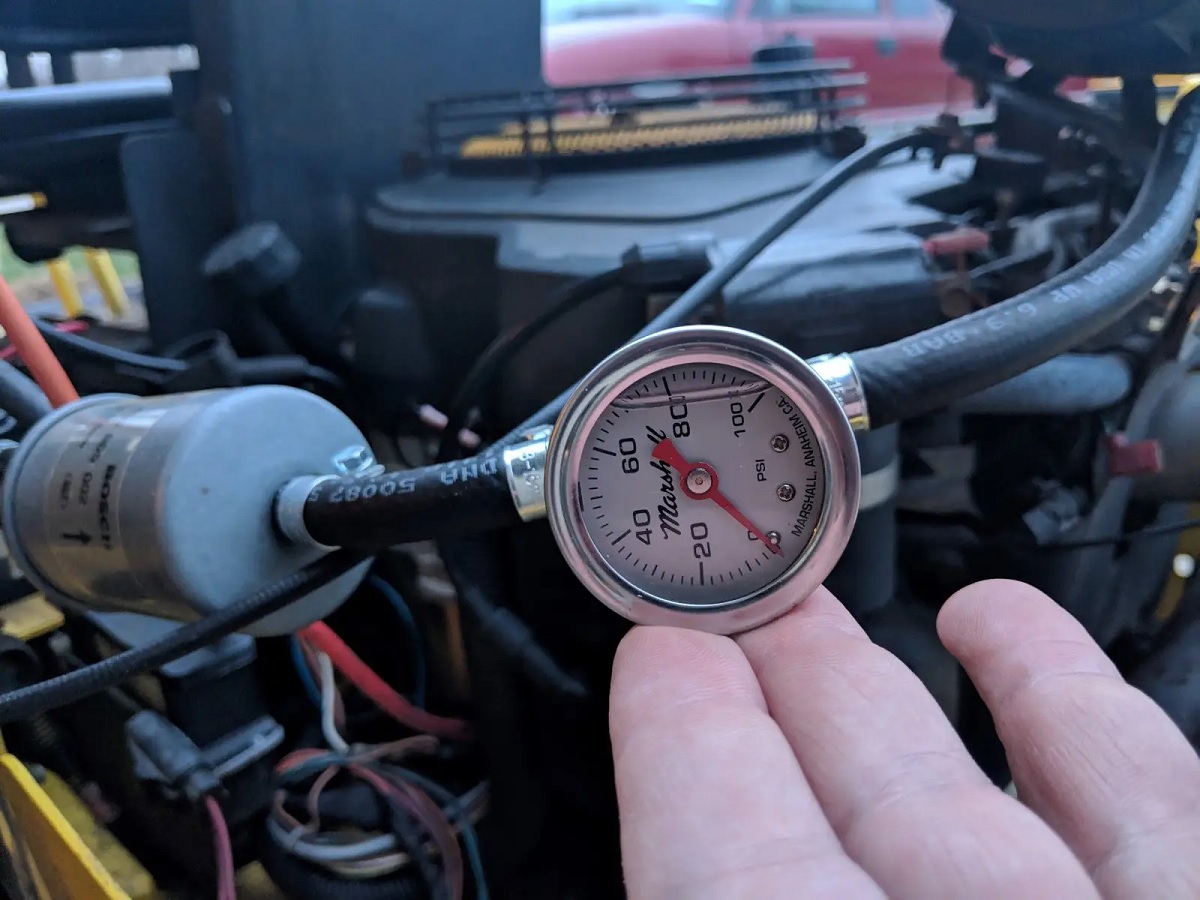
Low fuel pressure is another critical cause of power loss under load. It can result from a weak fuel pump, leaks in fuel lines, or malfunctioning regulators. Inadequate fuel pressure reduces the engine’s ability to maintain optimal combustion, especially when maximum power is required.
Drivers may notice hesitation, sputtering, or a significant drop in performance under load. The engine may run smoothly at idle or light operation because lower pressure is sufficient at low demand, but struggles when more fuel is needed. Persistent low pressure can cause overheating, misfires, and increased wear on engine components.
Testing fuel pressure, inspecting pumps, regulators, and lines, and replacing worn parts ensures proper fuel delivery. Maintaining stable pressure is essential for consistent power output, preventing load-related performance issues.
Contaminated Or Old Fuel
Contaminated or aged fuel can also contribute to power loss. Water, dirt, or varnish in the fuel reduces combustion efficiency and may clog fuel system components. Old fuel can degrade over time, forming deposits that impair flow and atomization.
Symptoms include hesitation, stalling, poor acceleration, and inconsistent RPM under load. Cold engine performance may appear unaffected, but heavy workloads amplify the problem. Using fresh, high-quality fuel and storing fuel properly helps avoid contamination and degradation.
Regular fuel inspection, cleaning, and replacement prevent performance issues, protect the engine, and ensure that the Kohler engine delivers consistent power, even under heavy load conditions.
Importance Of Fuel System Maintenance
Maintaining the fuel system is critical to preventing load-related power loss. Regular filter replacement, carburetor or injector cleaning, fuel pressure checks, and using fresh fuel all contribute to consistent engine performance.
A well-maintained fuel system ensures smooth acceleration, steady RPM, and reliable power delivery under demanding conditions. By addressing fuel-related issues proactively, you protect the engine from strain, enhance efficiency, and maintain optimal performance for all workloads.
Air Intake and Exhaust Restrictions
Proper airflow is essential for optimal engine performance. Air intake and exhaust restrictions can reduce combustion efficiency, causing your Kohler engine to lose power under load. Recognizing how clogged filters, damaged ducts, or blocked exhaust components impact airflow allows you to diagnose performance issues and restore consistent power output during demanding tasks.
Clogged Air Filters
A clogged air filter is one of the most common causes of reduced engine performance. Filters prevent dirt, dust, and debris from entering the engine, but over time, buildup can restrict airflow.
When airflow is limited, the engine cannot mix fuel and air efficiently, resulting in incomplete combustion. Under light loads or idle, this may not be noticeable, but when the engine is under heavy load, power drops significantly. Drivers may notice hesitation, rough running, or slow acceleration while performing demanding tasks.
Cleaning or replacing air filters restores proper airflow, improving fuel combustion and engine responsiveness. Routine inspection and maintenance of air filters prevent power loss, reduce strain on the engine, and ensure reliable performance under all operating conditions.
Damaged Or Restricted Intake Ducts
Air intake ducts and hoses channel filtered air to the carburetor or fuel injection system. Cracks, leaks, or blockages in these ducts can reduce the volume of air reaching the engine, impacting combustion efficiency.
Symptoms include hesitation, rough idling, sputtering, or decreased acceleration when the engine is under load. Cold engine operation may appear normal because airflow demands are lower, but heavy workloads magnify the problem. Dust, debris, or improperly installed components can worsen intake restrictions over time.
Inspecting ducts for damage, leaks, or obstructions and repairing or replacing faulty parts ensures consistent airflow. Proper intake system maintenance allows the engine to operate at peak efficiency, delivering stable power even under demanding conditions.
Exhaust Restrictions
Exhaust restrictions, including clogged mufflers, damaged pipes, or blocked catalytic components, can also reduce engine performance. When exhaust gases cannot escape efficiently, backpressure builds, limiting cylinder scavenging and reducing combustion efficiency.
Under load, the engine struggles to expel gases, leading to power loss, poor acceleration, and overheating. At low loads or idle, the effect may be minimal, masking the issue until the engine works harder. Drivers may notice unusual noises, sluggish performance, or excessive heat around the exhaust system.
Cleaning, repairing, or replacing restricted exhaust components restores proper gas flow and reduces backpressure. Maintaining a clear exhaust path ensures efficient combustion, consistent power delivery, and reduced engine strain under heavy workloads.
Importance Of Proper Airflow Maintenance
Regular inspection and maintenance of both the air intake and exhaust systems are critical for preventing load-related power loss. Ensuring filters are clean, ducts are intact, and exhaust components are unobstructed preserves combustion efficiency and engine performance.
Proper airflow allows the engine to maintain full power, respond smoothly under load, and operate efficiently. Addressing intake and exhaust restrictions promptly improves reliability, prevents overheating, and extends the life of the Kohler engine.
Ignition and Electrical Problems
The ignition and electrical systems are critical for reliable engine performance. Faults in spark delivery, wiring, or electronic components can prevent the engine from producing full power under load. Identifying ignition and electrical problems helps restore smooth operation, prevents stalling, and ensures your Kohler engine maintains optimal power output, especially during demanding workloads.
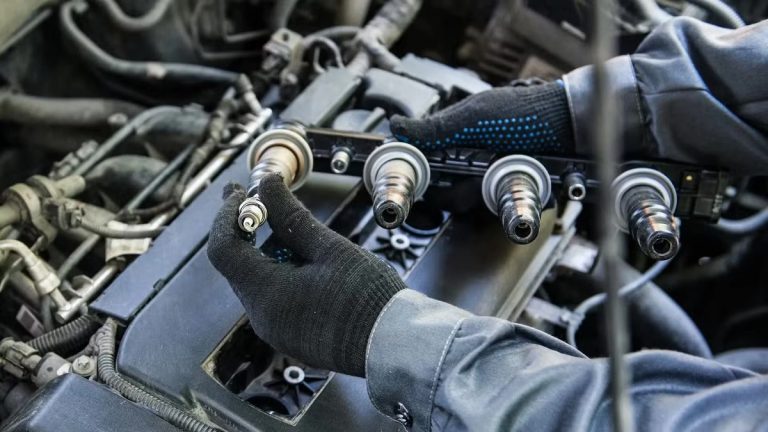
Worn Or Faulty Spark Plugs
Spark plugs ignite the air-fuel mixture in the combustion chamber, and worn or faulty plugs can cause misfires or incomplete combustion. When the engine is under heavy load, weak or inconsistent sparks reduce power output and efficiency.
Cold engine operation may appear normal because lower RPMs and lighter loads require less precise ignition. However, when the engine works harder, misfires or hesitation become more noticeable. Drivers may experience rough acceleration, engine surging, or uneven RPM under load. Carbon deposits, electrode wear, or incorrect spark plug gaps are common culprits.
Replacing worn or damaged spark plugs, using the correct type and gap, restores reliable ignition, improves combustion efficiency, and ensures consistent engine performance. Regular spark plug maintenance is essential for preventing load-related power loss.
Faulty Ignition Coils
Ignition coils amplify the battery’s voltage to create a spark capable of igniting the fuel mixture. A failing coil may function adequately at low demand but struggle to produce sufficient spark under load, leading to hesitation or power loss.
Symptoms of a weak coil include misfires, rough running, surging, and poor acceleration during heavy workloads. The engine may appear to run normally at idle or light tasks, masking the issue until higher power is required. Over time, a faulty coil can damage spark plugs and other ignition components.
Testing and replacing faulty ignition coils restores proper spark strength, improves combustion, and ensures consistent power delivery under all operating conditions. Preventive inspection of coils reduces the likelihood of load-dependent engine performance issues.
Wiring And Connection Issues
Loose, corroded, or damaged wiring and connectors can disrupt the ignition system and other electrical components. Electrical interruptions reduce spark consistency, fuel injector performance, or sensor functionality, causing power loss under load.
Drivers may notice rough acceleration, surging, hesitation, or stalling during heavy tasks. Cold engine operation may appear unaffected because minor electrical resistance may not significantly impact low-demand performance. Heat and vibration can exacerbate loose connections, creating intermittent faults that affect ignition timing and engine efficiency.
Inspecting and repairing wiring, connectors, and terminals ensures stable electrical signals, reliable spark delivery, and proper engine control. Routine maintenance of the electrical system prevents load-related power issues and extends component life.
Importance of Ignition System Maintenance
Maintaining the ignition and electrical systems is vital for preventing power loss under load. Regular spark plug replacement, coil inspection, and wiring checks ensure reliable ignition and consistent engine performance.
Proper ignition system maintenance allows the engine to operate smoothly under heavy workloads, reduces misfires, and maximizes power output. Addressing electrical issues promptly enhances engine reliability, protects components from additional wear, and maintains optimal performance across all operating conditions.
Engine Mechanical and Overheating Issues
Mechanical problems and overheating are significant contributors to power loss in Kohler engines under load. Worn components, poor lubrication, or excessive heat can reduce efficiency, cause hesitation, and even damage the engine if not addressed. Understanding these issues helps identify root causes, maintain reliable performance, and prevent costly repairs.
Worn Piston Rings And Cylinder Wear
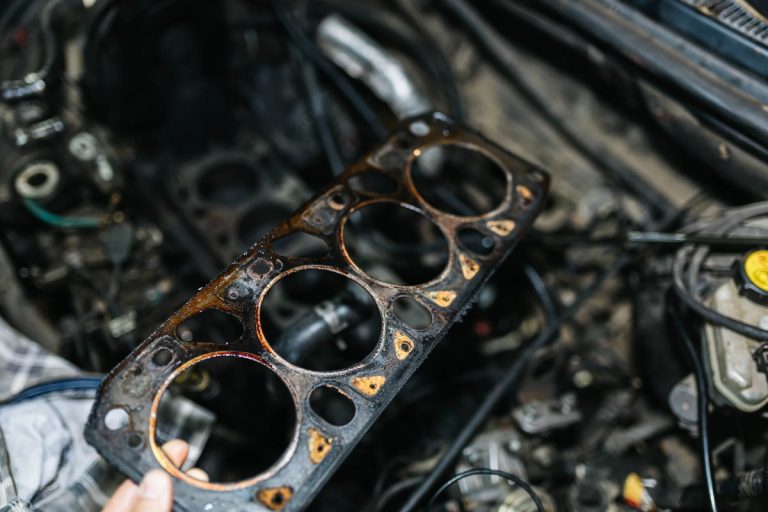
Worn piston rings or cylinders can cause a loss of compression, directly reducing the engine’s ability to generate power. This issue often becomes evident when the engine is under load, as higher pressure and combustion demands highlight inefficiencies.
When cold, the engine may operate reasonably well because lower compression demands mask the problem. Under load, drivers may notice sluggish acceleration, difficulty maintaining RPM, or excessive smoke from the exhaust. Reduced compression decreases combustion efficiency, leading to overheating, increased fuel consumption, and strain on other engine components.
Repairing worn rings or cylinders restores compression, improves power output, and enhances fuel efficiency. Regular maintenance, including oil changes and monitoring for unusual smoke or performance drops, helps prevent excessive wear and extends engine life.
Faulty Valves And Valve Seats
Valves and valve seats regulate airflow and exhaust in the combustion chamber. Worn or misaligned valves can allow air-fuel mixture or exhaust gases to escape, reducing power, particularly under load.
Symptoms include poor acceleration, uneven engine running, misfires, and reduced RPM during heavy operation. The problem may not be noticeable when the engine is cold or lightly loaded, but load increases pressure on the valves, amplifying inefficiencies. Valve seat wear can also cause overheating in localized areas, further impacting performance.
Valve inspection, adjustment, or replacement restores proper sealing, enhances combustion efficiency, and allows the engine to perform reliably under demanding conditions. Routine valve maintenance is crucial for sustained power and longevity.
Overheating And Cooling System Problems
Overheating can exacerbate mechanical issues and reduce engine power under load. Poor lubrication, low oil levels, blocked cooling fins, or malfunctioning radiators can increase engine temperature, causing internal friction and efficiency loss.
Drivers may notice the engine running hotter than usual, accompanied by hesitation, stalling, or reduced RPM under heavy tasks. Prolonged overheating can damage pistons, valves, and bearings, worsening mechanical wear and further reducing power output.
Regularly checking oil levels, cleaning cooling fins, and ensuring proper airflow around the engine are essential preventive measures. Installing an auxiliary cooler or monitoring temperature under heavy load can help maintain optimal engine performance and prevent heat-related mechanical failures.
Importance of Monitoring Mechanical Health
Maintaining mechanical integrity and preventing overheating is critical for consistent power output. Regular inspections of pistons, rings, valves, and cooling systems ensure the engine operates efficiently under load.
Proactive maintenance reduces strain, prevents temperature-induced damage, and restores full power delivery. Addressing mechanical and overheating issues promptly improves reliability, extends engine life, and ensures the Kohler engine performs optimally in all workloads.
Repair Solutions and Preventive Maintenance
Addressing power loss in a Kohler engine under load requires a combination of timely repairs and preventive maintenance. Properly maintaining fuel, air, ignition, and mechanical systems ensures reliable performance, reduces unexpected downtime, and extends engine life. Understanding which solutions are effective for common causes allows owners to restore full power and prevent future issues.
Fuel System Repairs And Maintenance
Fuel system issues are a primary cause of power loss under load. Clogged filters, dirty carburetors, or low fuel pressure can limit engine performance. Repair solutions include replacing fuel filters, cleaning or rebuilding the carburetor, and checking fuel pump functionality.
Preventive measures involve regular fuel filter replacement according to manufacturer guidelines and using clean, high-quality fuel. Inspecting fuel lines for leaks, blockages, or wear helps maintain consistent fuel flow. Keeping fuel injectors clean or servicing the carburetor ensures proper atomization and combustion, which is especially critical when the engine is under heavy load.
Regular maintenance of the fuel system prevents hesitation, surging, and power loss. By addressing fuel delivery issues promptly, the engine operates more efficiently, providing smooth acceleration and reliable performance in all conditions.
Air Intake And Exhaust System Solutions
Restricted airflow reduces combustion efficiency, causing the engine to lose power under load. Common repair solutions include cleaning or replacing air filters, inspecting intake ducts for cracks or blockages, and clearing exhaust restrictions such as clogged mufflers or damaged pipes.
Preventive maintenance ensures unrestricted airflow. Regularly cleaning air filters, checking ducts for leaks or damage, and inspecting the exhaust system for blockages helps maintain optimal performance. Proper airflow promotes complete combustion, reduces engine strain, and improves fuel efficiency, particularly during heavy-duty tasks.
By maintaining clean intake and exhaust systems, the engine can operate at full capacity, minimizing hesitation, surging, or stalling. Preventive inspections reduce the risk of performance issues and prolong engine life.
Ignition And Electrical System Maintenance
Ignition and electrical problems are common contributors to power loss under load. Repair solutions include replacing worn spark plugs, testing and replacing faulty ignition coils, and inspecting wiring and connectors for corrosion or damage.
Preventive measures involve routine spark plug checks, coil inspections, and electrical system testing to ensure reliable ignition. Securing wiring connections and cleaning terminals prevents intermittent faults that can reduce performance under load. Maintaining consistent spark delivery ensures efficient combustion, smooth acceleration, and steady RPM during demanding tasks.
Routine ignition system maintenance helps prevent hesitation, misfires, and engine surging. A reliable electrical system supports optimal fuel combustion and keeps the engine performing efficiently under all operating conditions.
Mechanical And Cooling System Repairs
Mechanical issues and overheating can significantly reduce engine power under load. Repair solutions include replacing worn piston rings, servicing valves and valve seats, and addressing overheating by cleaning cooling fins or repairing radiators and oil systems.
Preventive maintenance focuses on routine oil changes, monitoring fluid levels, inspecting mechanical components, and ensuring proper airflow for cooling. Avoiding overheating and maintaining internal engine integrity reduces wear on pistons, valves, and bearings, preserving full power output.
Regular mechanical inspections and preventive care help prevent load-related performance issues. Addressing potential problems early improves engine efficiency, reduces breakdown risks, and ensures the engine can handle heavy workloads reliably.
Importance of Consistent Preventive Maintenance
Consistent preventive maintenance is the key to avoiding power loss under load. Regular inspections, timely repairs, and proper lubrication keep the engine performing at its best.
By combining fuel, air, ignition, and mechanical system care with cooling system upkeep, you can prevent hesitation, stalling, and reduced RPM during demanding tasks. Preventive maintenance enhances reliability, extends engine life, and ensures that your Kohler engine consistently delivers full power under all operating conditions.
People Also Asked
What Are The Most Common Reasons My Kohler Engine Loses Power Under Load?
Power loss under load is usually caused by issues in the fuel, air, ignition, or mechanical systems. Clogged fuel filters, dirty carburetors, restricted air intake, and worn spark plugs are frequent culprits. Mechanical problems like worn piston rings, valves, or overheating can also reduce power when the engine works harder.
By identifying the root cause, you can take corrective action. Routine maintenance, such as checking fuel flow, cleaning air filters, and inspecting ignition components, helps prevent these issues and keeps your engine running efficiently under demanding workloads.
How Do I Know If Fuel System Issues Are Causing Power Loss?
Fuel-related problems often manifest as hesitation, stalling, or sputtering when the engine is under load. The engine may perform normally at idle but struggle during heavy tasks. Symptoms may also include black smoke from the exhaust or irregular RPM under acceleration.
To confirm fuel system issues, check the fuel filter, fuel lines, and carburetor for blockages or wear. Ensuring consistent fuel pressure and clean delivery helps restore proper combustion and engine performance, especially when the engine is operating under high load.
Can Dirty Air Filters Cause Power Loss In A Kohler Engine?
Yes, dirty or clogged air filters reduce airflow, limiting the engine’s ability to mix fuel and air efficiently. This causes incomplete combustion and reduces power, especially when the engine is under heavy load. At idle or light operation, performance may appear normal, masking the issue.
Inspecting, cleaning, or replacing air filters restores proper airflow and improves fuel combustion. Ensuring unobstructed air intake is a critical preventive measure that maintains reliable power and prevents strain on the engine during demanding tasks.
Could Ignition Problems Lead To Reduced Engine Performance Under Load?
Absolutely. Worn spark plugs, faulty ignition coils, or damaged wiring can disrupt spark delivery. When the engine works harder, inconsistent ignition causes hesitation, surging, or stalling. Cold operation may seem normal because lower demands require less precise ignition, masking the problem.
Regular inspection and replacement of spark plugs, testing coils, and checking electrical connections help maintain consistent spark delivery. Proper ignition system maintenance ensures reliable combustion and restores full power output during heavy workloads.
How Does Overheating Affect Engine Power Under Load?
Overheating reduces lubrication efficiency and increases internal friction, leading to power loss. Components like pistons, valves, and bearings may wear faster under heat stress, further decreasing performance when the engine is under load.
Maintaining proper oil levels, cleaning cooling fins, and ensuring airflow around the engine help prevent overheating. Monitoring engine temperature during heavy workloads and addressing cooling system issues promptly preserves power output and prevents long-term damage.
Are Mechanical Issues Often Responsible For Power Loss Under Load?
Yes, mechanical problems such as worn piston rings, damaged valves, or cylinder wear can reduce compression, leading to power loss under load. These issues may not be noticeable at idle but significantly impact engine performance when higher power is required.
Routine inspections of pistons, valves, and cylinders, along with regular oil changes and maintenance, help identify wear early. Addressing mechanical issues promptly restores compression and ensures consistent power delivery under heavy workloads.
Can Fuel Contamination Cause My Kohler Engine To Lose Power?
Contaminated or old fuel can significantly affect performance. Water, debris, or degraded fuel reduces combustion efficiency and may clog fuel lines, filters, or carburetors, especially under load when fuel demand increases.
Using fresh, high-quality fuel, storing it properly, and inspecting the fuel system for contamination prevents power loss. Cleaning fuel lines and replacing clogged filters helps maintain consistent performance, ensuring your engine delivers reliable power during heavy operation.
How Can Preventive Maintenance Help Avoid Power Loss Under Load?
Preventive maintenance addresses potential issues before they cause significant performance problems. Regular fuel system checks, air filter cleaning, ignition system inspections, and mechanical evaluations ensure the engine operates efficiently under load.
Routine maintenance also includes checking cooling systems, monitoring oil levels, and replacing worn components. By following a proactive schedule, you prevent hesitation, stalling, and reduced power, prolonging engine life and ensuring your Kohler engine performs reliably in all demanding workloads.
Final Words
Experiencing a sudden drop in engine performance while your Kohler engine is under stress can be frustrating, especially during heavy-duty tasks. Power loss under load often signals underlying issues in fuel delivery, air intake, ignition, or engine components. Identifying the root cause early helps prevent more serious damage and ensures the engine operates efficiently when you need it most.
Regular maintenance, including cleaning or replacing fuel and air filters, checking spark plugs, and monitoring fluid levels, plays a crucial role in maintaining consistent engine power. Ignoring small issues, such as clogged filters or worn ignition parts, can quickly escalate into major problems, reducing efficiency and shortening engine life.
Understanding the factors behind Why Your Kohler Engine Loses Power Under Load allows you to take proactive measures. Whether it involves adjusting throttle settings, servicing the carburetor, or addressing mechanical wear, proper care and timely repairs keep your engine performing reliably under all conditions.