Transmission Buzzing Noise in Park: Causes And Quick Fixes
A smooth and quiet driving experience is often taken for granted, but unusual noises from a vehicle can quickly draw attention and raise concerns. One of the more unsettling sounds a driver can encounter is a persistent buzzing coming from the transmission while the vehicle is stationary.
Understanding what causes this noise is important for maintaining both performance and safety. A transmission is a complex system of gears, clutches, and hydraulic components, all of which work together to deliver power efficiently. When any of these components experience wear, misalignment, or fluid-related issues, it can result in unusual sounds while the car is in park.
Transmission buzzing noise in park is a common symptom of underlying mechanical or electrical problems that require timely attention. Identifying the source early can prevent more extensive damage and costly repairs.
By learning what typically triggers this buzzing, vehicle owners can make informed decisions about inspection, maintenance, and repair. Addressing the issue promptly ensures smoother operation and preserves the longevity of the transmission system.
Common Reasons For Transmission Buzzing Noise In Park
Transmission buzzing noise in park can indicate various underlying issues within the transmission system or related components. Understanding the common causes helps drivers identify potential problems early and take the necessary steps to prevent costly repairs. These noises often result from mechanical, hydraulic, or electrical irregularities that manifest even when the vehicle is stationary.
Low Or Contaminated Transmission Fluid
One of the most frequent causes of transmission buzzing noise in park is low or contaminated transmission fluid. Transmission fluid lubricates gears, clutches, and hydraulic components, allowing them to operate smoothly. When the fluid level is insufficient, moving parts can create friction, resulting in buzzing or whining sounds even when the car is not in motion.
Contaminated fluid can also cause similar issues. Over time, transmission fluid breaks down, accumulates debris, or becomes mixed with water and contaminants, reducing its effectiveness. This leads to improper lubrication, increased friction, and unusual noises. Regularly checking fluid levels, ensuring proper viscosity, and changing fluid according to manufacturer recommendations can prevent these problems. Ignoring low or dirty fluid can result in more severe damage, including gear wear or transmission overheating.
Worn Torque Converter
The torque converter is responsible for transferring power from the engine to the transmission. A worn or malfunctioning torque converter can produce a buzzing or humming noise, particularly noticeable when the vehicle is in park. This component contains internal clutches and a fluid coupling system, which can wear out over time due to age or high mileage.
Symptoms of a failing torque converter include transmission buzzing noise in park, shuddering during acceleration, or delayed engagement when shifting gears. The noise arises from irregular fluid flow or worn bearings inside the converter. Early diagnosis and repair or replacement of the torque converter are essential to prevent further transmission damage and ensure smooth power delivery from the engine to the drivetrain.
Faulty Transmission Mounts
Transmission mounts secure the transmission to the vehicle’s frame and isolate vibrations from the cabin. Worn, loose, or broken mounts can allow the transmission to shift slightly, even when in park, causing buzzing or vibration noises.
Signs of faulty mounts include excessive vibration, clunking during acceleration or deceleration, and audible buzzing while the car is stationary. Over time, mounting hardware may degrade due to engine movement, heat, or age. Inspecting the mounts regularly and replacing worn or damaged components ensures proper alignment of the transmission, reduces noise, and prevents undue stress on connected drivetrain components.
Electrical Or Solenoid Issues
Modern transmissions rely on electrical solenoids and control modules to regulate gear engagement and hydraulic pressure. Faulty solenoids, wiring issues, or malfunctioning control modules can create buzzing noises even when the car is in park.
A buzzing sound may indicate that a solenoid is stuck in a partial engagement state or that hydraulic pressure is fluctuating incorrectly. This can also affect shifting performance and overall transmission response. Diagnosing electrical issues involves checking solenoid operation, scanning error codes, and inspecting wiring for damage or corrosion. Timely repair prevents further mechanical strain and restores smooth transmission operation.
Worn Internal Gears Or Bearings
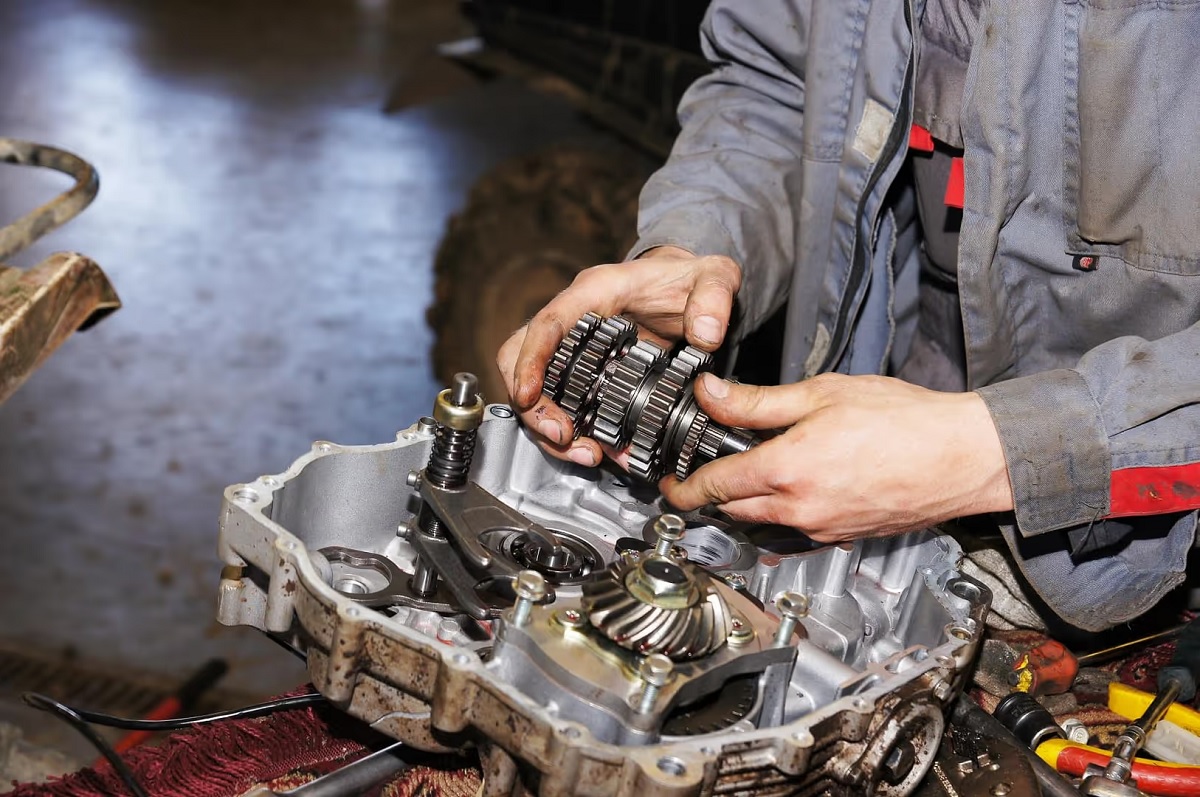
Internal wear within the transmission, including gears, bearings, or bushings, is another cause of buzzing noises. Over time, components may degrade due to age, heavy use, or inadequate lubrication. The resulting friction and irregular contact between parts produce noticeable vibrations or buzzing sounds.
Worn gears may also cause slight slippage or resistance during movement, making the noise more pronounced while the vehicle is stationary. Regular maintenance, timely fluid changes, and early attention to abnormal sounds can extend transmission life. Neglecting these issues may lead to major mechanical failures, requiring extensive repairs or even full transmission replacement.
Check Transmission Fluid Level And Condition
Checking the transmission fluid level and condition is one of the most crucial steps in maintaining a healthy transmission. Transmission fluid lubricates gears, clutches, and hydraulic components, enabling smooth operation and preventing overheating. Regular inspection helps identify issues early, such as low fluid, contamination, or deterioration, which can cause unusual noises like transmission buzzing noise in park and affect overall performance.
Importance Of Proper Transmission Fluid Level
Maintaining the correct transmission fluid level ensures that all moving components receive sufficient lubrication. Low fluid levels increase friction between gears and clutches, leading to overheating, accelerated wear, and unusual sounds like buzzing or whining when the vehicle is in park.
Drivers may notice delayed gear engagement, rough shifting, or slipping if fluid levels are inadequate. Checking the fluid regularly using the dipstick, following manufacturer guidelines, allows you to spot deficiencies early. Adding the correct type and amount of fluid prevents damage to internal components and helps maintain smooth, reliable operation. Ensuring proper fluid level is a simple yet effective way to prolong transmission life and reduce the risk of costly repairs.
Assessing Transmission Fluid Condition
The condition of the transmission fluid is as important as its level. Healthy fluid typically has a translucent red or amber color and a slightly sweet smell. Dark, murky, or burnt-smelling fluid indicates contamination or overheating, which can damage transmission components and trigger buzzing noises while in park.
Contaminated fluid may contain metal shavings, dirt, or degraded additives, reducing its effectiveness in lubrication and cooling. Regular fluid analysis or inspection helps identify early signs of wear or internal issues. Changing the fluid at recommended intervals ensures optimal viscosity, protects gears and clutches, and prevents the buildup of harmful deposits. This proactive approach maintains smooth transmission function and prevents noise-related symptoms.
Steps To Properly Check Transmission Fluid
Checking the transmission fluid involves warming up the vehicle, ensuring it is on a level surface, and following the manufacturer’s guidelines for gear position during inspection. Most automatic transmissions require the engine to be running with the gear selector in park or neutral, while manuals may have different procedures.
After removing the dipstick, wipe it clean, reinsert it, and remove it again to read the level. The fluid should fall within the marked range. While checking, also observe color, consistency, and smell to assess condition. Using the correct type of fluid recommended by the manufacturer is critical to prevent damage and maintain proper transmission operation.
Preventive Measures And Maintenance Tips
Regularly checking transmission fluid level and condition prevents potential damage and ensures long-term durability. Topping up fluid when low, replacing contaminated fluid, and inspecting for leaks are essential maintenance practices.
Additionally, avoid excessive towing or high-load conditions without monitoring fluid temperature, as overheating can degrade fluid quickly. Maintaining clean and sufficient transmission fluid reduces friction, prevents unusual noises like transmission buzzing noise in park, and supports smooth gear engagement. Consistent monitoring and proactive maintenance help extend the life of the transmission and improve overall vehicle performance.
Inspect Torque Converter And Internal Components
The torque converter is a critical component in automatic transmissions, responsible for transferring power from the engine to the transmission while allowing the vehicle to idle without stalling. Inspecting the torque converter and its internal components is essential when addressing unusual noises, such as a transmission buzzing noise in park, or performance issues like shuddering and delayed engagement. Regular inspection ensures smooth operation and prevents costly transmission damage.
Function And Importance Of The Torque Converter
The torque converter acts as a fluid coupling between the engine and transmission. It allows the engine to continue running while the vehicle is stationary and multiplies engine torque during acceleration. Inside the torque converter, the impeller, turbine, and stator work together to transfer power efficiently.
Wear or damage to any internal component can create excessive friction, vibration, or fluid turbulence, leading to a noticeable buzzing or humming sound when the vehicle is in park. Understanding the torque converter’s role helps identify symptoms caused by mechanical or hydraulic failures. Maintaining proper fluid levels and monitoring for unusual noises can prevent further damage to internal transmission components.
Common Problems With Torque Converter Components
Several issues within the torque converter can result in transmission buzzing noise in park. Worn bearings, damaged turbine fins, or a failing stator can disrupt smooth fluid flow, creating vibrations and unusual sounds. In some cases, the lock-up clutch may not disengage properly, causing persistent humming or buzzing even when the vehicle is stationary.
Signs of torque converter issues include shuddering during acceleration, delayed gear engagement, slipping, or sudden changes in engine RPM without input from the accelerator. Early detection is essential to prevent damage to the transmission pump, gears, and other internal components. Professional inspection may involve removing the torque converter to examine internal parts for wear, scoring, or debris.
Inspecting Torque Converter Health
Inspecting the torque converter requires checking both external and internal conditions. Externally, look for leaks, damaged seals, or loose connections between the torque converter and flexplate. Internally, worn bearings, turbine damage, or excessive play can indicate the need for repair or replacement.
Transmission fluid condition also provides clues about torque converter health. Contaminated fluid with metal particles may indicate internal wear. Diagnostic tools such as pressure tests, vibration analysis, or fluid flow assessments help pinpoint torque converter problems without fully disassembling the transmission, allowing accurate identification of the source of buzzing noises.
Maintenance Tips For Torque Converter Longevity
Regular maintenance of the torque converter helps prevent premature wear and operational issues. Ensuring proper transmission fluid level and quality, avoiding sudden high-load conditions, and scheduling fluid replacements according to manufacturer guidelines protect internal components.
Addressing early signs of torque converter issues, such as unusual noises, vibration, or delayed engagement, reduces stress on the transmission system. Proper care prolongs torque converter lifespan, maintains smooth power transfer from the engine to the transmission, and prevents persistent transmission buzzing noise in park, contributing to reliable overall vehicle performance.
Evaluate Electrical And Sensor Issues
Modern transmissions rely heavily on electrical components and sensors to manage gear shifts, fluid pressure, and torque converter operation. Problems within these systems can lead to unusual noises, delayed engagement, or transmission buzzing noise in park. Evaluating electrical and sensor issues is crucial for accurate diagnosis and maintaining smooth transmission performance.
Role Of Sensors In Transmission Operation
Sensors play a critical role in monitoring and controlling transmission functions. Components like the transmission speed sensor, throttle position sensor, and fluid temperature sensor provide real-time data to the transmission control module (TCM). These signals help regulate shift timing, hydraulic pressure, and torque converter lock-up.
Faulty sensors can create irregular electrical signals, causing components to behave unpredictably. For instance, a malfunctioning speed sensor may confuse the TCM about vehicle speed, resulting in improper fluid pressure adjustments and buzzing noises while the vehicle is in park. Understanding sensor function helps identify electrical problems that may mimic mechanical transmission issues, allowing targeted repairs without unnecessary component replacement.
Electrical Wiring And Connections
Electrical wiring and connections are equally important in ensuring transmission components operate correctly. Damaged, corroded, or loose wires can disrupt power supply and signal transmission, causing buzzing or humming noises in park and irregular gear behavior.
Wiring issues may lead to intermittent solenoid operation, erratic torque converter lock-up, or inconsistent hydraulic pressure. Visual inspection of connectors, harnesses, and pins can reveal corrosion, broken insulation, or loose connections. Regular maintenance, including cleaning terminals and securing connectors, ensures consistent electrical flow, reducing the likelihood of buzzing noises and preserving overall transmission reliability.
Solenoids And Control Modules
Transmission solenoids and the control module are key electrical components that regulate hydraulic pressure and gear engagement. A malfunctioning solenoid can remain partially engaged or fail to respond to signals from the TCM, producing buzzing noise in park and poor transmission performance.
Control modules may also develop software glitches or hardware failures, resulting in incorrect solenoid activation or miscommunication between sensors and the transmission. Testing solenoids with a multimeter and scanning the TCM for error codes helps pinpoint electrical faults. Repairing or replacing defective solenoids and modules restores proper hydraulic function and eliminates buzzing sounds.
Diagnosing And Preventing Electrical Issues
Diagnosing electrical and sensor-related transmission problems involves a combination of visual inspection, diagnostic scanning, and functional testing. Checking sensor signals, solenoid resistance, and wiring continuity can identify faults before they cause major transmission damage.
Preventive measures include keeping connectors clean, ensuring proper fluid levels to avoid overheating electronics, and following manufacturer-recommended maintenance intervals. Addressing minor electrical or sensor issues promptly prevents persistent transmission buzzing noise in park and protects internal mechanical components from unnecessary stress. Consistent monitoring ensures reliable transmission operation and longer service life.
Engine Idle And Mount Considerations
Engine idle and mount conditions play a significant role in transmission performance and vehicle vibration. Improper engine idling or worn engine mounts can cause unusual noises, including transmission buzzing noise in park, even when the vehicle is stationary. Understanding how engine behavior and mount integrity affect the drivetrain helps in diagnosing and preventing these issues, ensuring smooth operation and prolonging component life.
Impact Of Engine Idle On Transmission
The engine idle speed affects the load on the transmission, particularly in automatic vehicles. If the engine idles too high or too low, it can cause irregular hydraulic pressure within the transmission, leading to buzzing or humming noises when the car is in park.
Low idle may cause the engine to struggle against transmission load, while high idle increases rotational speed, amplifying any mechanical or fluid-related vibration. Vehicles with electronically controlled idle can develop idle inconsistencies due to sensor faults or throttle body issues, affecting transmission operation. Regularly monitoring and adjusting engine idle ensures stable power delivery to the transmission, reducing noise and improving smoothness during stationary operation.
Role Of Engine Mounts
Engine mounts secure the engine to the vehicle chassis while isolating vibrations. Worn or damaged mounts allow excessive engine movement, transmitting vibrations to the transmission and cabin. This movement can create a buzzing noise in park as the transmission experiences uneven load and slight misalignment.
Symptoms of failing engine mounts include clunking or rattling sounds, noticeable vibration during idle, and a slight shift in engine position when starting or stopping. Replacing degraded mounts restores stability, prevents unnecessary stress on the transmission, and minimizes vibration-induced noise. Maintaining engine mount integrity is essential for overall drivetrain health and smooth vehicle operation.
Diagnosing Idle And Mount Issues
Diagnosing problems related to engine idle or mounts involves observing engine behavior at rest and inspecting mount condition. Engine diagnostics may include checking idle speed, throttle body cleanliness, and sensor performance, while mounts are assessed for cracks, excessive wear, or loosened bolts.
A vehicle with proper idle and healthy mounts will have minimal vibration in park, no unusual buzzing noise, and stable transmission operation. Detecting irregular vibrations early prevents additional stress on the transmission, torque converter, and related components. Combining visual inspection with engine diagnostics provides a comprehensive assessment of idle and mount-related issues.
Maintenance Tips For Idle Stability And Mount Health
Maintaining a consistent engine idle and healthy mounts involves regular checks and preventative care. Cleaning throttle bodies, maintaining sensors, and ensuring correct fuel delivery help sustain proper idle speed. Engine mounts should be inspected for wear, cracks, or loose fasteners during routine service.
Replacing worn mounts and correcting idle irregularities reduces vibration transmission to the drivetrain, preventing buzzing noise in park and excessive strain on the transmission. Proactive maintenance of engine idle and mounts contributes to smoother operation, enhanced vehicle comfort, and extended lifespan of transmission components.
Frequently Asked Questions
What Causes Transmission Buzzing Noise In Park?
Transmission buzzing noise in park often indicates issues within the transmission or related components. Common causes include low or contaminated transmission fluid, worn torque converters, faulty solenoids, or electrical and sensor malfunctions. Engine idle irregularities or worn engine mounts can also amplify vibrations, making the buzzing sound more noticeable while the car is stationary.
Addressing the root cause is essential, as ignoring the noise may lead to further transmission wear, reduced performance, and costly repairs. Regular inspections of fluid levels, mounts, and electrical components help prevent such issues and maintain smooth transmission operation.
Is Transmission Buzzing Noise In Park Dangerous?
Transmission buzzing noise in park can be a warning sign of underlying mechanical or electrical problems. While the vehicle may still operate, continued use without inspection can cause increased wear on gears, clutches, torque converters, or electrical solenoids. This can eventually lead to transmission failure or more expensive repairs.
Early diagnosis reduces the risk of major damage. Checking transmission fluid, inspecting torque converters, and evaluating mounts or sensors ensures the transmission operates efficiently. Addressing buzzing noises promptly protects your vehicle, prevents costly breakdowns, and maintains reliable performance.
How Can I Diagnose The Source Of Transmission Buzzing Noise In Park?
Diagnosing transmission buzzing noise in park requires a combination of visual inspection, fluid analysis, and component testing. Start by checking the transmission fluid level and condition for contamination or low levels, which often cause noise. Inspect engine mounts for wear and vibration transmission that may amplify buzzing sounds.
Mechanical components like the torque converter, solenoids, and internal transmission gears should also be examined. Electrical systems, including sensors and control modules, must be tested for irregular signals. A systematic approach helps identify the exact source, allowing precise repairs and preventing unnecessary replacement of functional components.
Can Low Transmission Fluid Cause Buzzing Noise While Parked?
Yes, low transmission fluid is a common cause of transmission buzzing noise in park. Transmission fluid lubricates internal gears, clutches, and hydraulic components. When fluid levels are insufficient, friction increases, resulting in vibrations or buzzing sounds, even when the vehicle is stationary.
Contaminated or degraded fluid can produce similar symptoms, reducing lubrication efficiency and causing irregular operation of the torque converter or hydraulic systems. Regularly checking fluid levels, maintaining proper fluid condition, and following manufacturer-recommended service intervals help prevent buzzing noise and ensure smooth transmission performance.
Should I Check Engine Mounts For Transmission Buzzing Noise In Park?
Absolutely. Worn or damaged engine mounts can transmit vibrations from the engine to the transmission and chassis, amplifying buzzing noise in park. Mounts secure the engine while isolating mechanical vibrations, and their deterioration allows excessive movement, which can make transmission operation noisier.
Inspect mounts for cracks, loose bolts, or degraded material. Replacing worn mounts stabilizes the engine, reduces vibration transfer, and helps eliminate buzzing noise. Maintaining healthy engine mounts improves drivetrain alignment, ensures smoother transmission performance, and enhances overall vehicle comfort while preventing additional stress on transmission components.
Final Words
Hearing unusual noises while your car is in park can be concerning, especially when it comes to the transmission. A buzzing sound may indicate low transmission fluid, worn internal components, or electrical and sensor issues. Addressing these signs early can prevent further damage and costly repairs, ensuring your vehicle remains safe and reliable.
Regular maintenance plays a crucial role in preventing transmission problems. Checking fluid levels, inspecting mounts, and monitoring torque converter performance can help reduce the likelihood of hearing a transmission buzzing noise in park. Keeping components clean and properly lubricated ensures smoother operation and prolongs the life of your transmission system.
If the buzzing persists despite basic checks, consulting a professional mechanic is essential. A certified technician can accurately diagnose mechanical or electrical faults, perform necessary repairs, and restore normal operation. Timely attention to transmission buzzing noise in park ensures consistent performance and avoids future breakdowns.