How Tight Should Spark Plugs Be – Torque Guidelines, Tips, And Common Mistakes
Installing spark plugs correctly is essential for optimal engine performance and longevity. The right torque ensures that the spark plugs create a proper seal in the cylinder head, preventing compression leaks and ensuring efficient combustion. Many drivers struggle with understanding the correct tightness, which can affect engine operation and even cause damage over time.
Knowing how tight spark plugs should be helps avoid problems such as stripped threads, damaged cylinder heads, or misfires. Over-tightening can stress the plug and surrounding metal, while under-tightening may lead to poor contact, combustion leaks, or vibration issues.
Different engines and spark plug types require specific torque settings, and following manufacturer recommendations is key. Using a torque wrench can make achieving the correct tightness more precise and reliable.
Understanding the proper installation and torque for spark plugs ensures smooth engine performance, prevents damage, and promotes long-term reliability. Addressing this simple yet critical detail is an important part of vehicle maintenance.
Importance Of Correct Spark Plug Tightness
Ensuring that spark plugs are installed with the proper tightness is crucial for maintaining engine performance and preventing damage. Incorrect torque can lead to poor combustion, engine misfires, or mechanical issues in the cylinder head. Understanding why correct spark plug tightness matters helps drivers and mechanics avoid costly repairs and maintain smooth operation.
Preventing Compression Leaks
Proper spark plug tightness ensures that the plug seals the combustion chamber effectively. If a spark plug is too loose, combustion gases can escape around the threads, causing compression leaks. This reduces engine efficiency, decreases power output, and may lead to rough idling or hesitation during acceleration.
Compression leaks caused by under-tightened spark plugs can also result in unburned fuel entering the exhaust system, increasing emissions and leaving deposits on spark plugs. Over time, this can affect the catalytic converter and other engine components. Achieving the correct torque allows the spark plug to maintain a tight seal, promoting efficient combustion and consistent engine performance.
Avoiding Damage To Threads And Cylinder Head
Over-tightening spark plugs can be just as harmful as under-tightening them. Excess torque can strip threads in the cylinder head, crack aluminum components, or damage the plug itself. Repairs for stripped threads or cracked heads are expensive and time-consuming.
Using the manufacturer-recommended torque prevents these issues and protects the integrity of the engine. A torque wrench is the best tool to ensure accuracy, reducing the risk of over-tightening while still providing a secure fit. Proper installation prolongs the lifespan of both the spark plugs and the cylinder head, maintaining engine reliability.
Ensuring Proper Heat Dissipation
Spark plugs rely on correct tightness to transfer heat from the tip into the cylinder head efficiently. Loose plugs may not make full contact with the head, causing them to run hotter than intended. This can lead to pre-ignition, fouling, or accelerated electrode wear.
Conversely, over-tightened plugs may compress the insulator too much, affecting thermal transfer and potentially leading to plug cracking. Maintaining proper tightness ensures that heat is properly conducted, supporting stable combustion, reducing the risk of engine knock, and extending spark plug life.
Improving Engine Performance And Fuel Efficiency
Correctly tightened spark plugs support consistent ignition and combustion. This contributes to smoother idling, better acceleration, and more stable engine operation. Engines with properly torqued plugs also use fuel more efficiently, improving mileage and reducing emissions.
Under-tightened plugs can cause intermittent misfires, poor throttle response, and rough running, while over-tightened plugs risk mechanical damage that affects long-term performance. Following torque specifications ensures the engine runs as designed, maximizing power, efficiency, and overall reliability.
Promoting Long-Term Maintenance Reliability
Adhering to the correct spark plug torque is a simple yet critical aspect of engine maintenance. It reduces the likelihood of expensive repairs, prevents premature spark plug wear, and ensures consistent engine operation.
Mechanics and DIY enthusiasts benefit from using a torque wrench and following manufacturer specifications for each engine type. Proper installation practices improve reliability, maintain smooth performance, and help drivers avoid preventable issues related to improper spark plug tightness. Regular attention to this detail ensures the engine remains healthy and efficient over time.
Manufacturer Torque Specifications For Spark Plugs
Following manufacturer torque specifications for spark plugs is essential for proper engine performance and longevity. Each engine type and spark plug design has a recommended torque range to ensure a secure seal without damaging threads or the cylinder head. Understanding these specifications helps prevent engine misfires, uneven wear, and mechanical failures.
Why Torque Specifications Vary Between Engines
Different engines have varying cylinder head materials, thread sizes, and combustion pressures, which affect how tightly spark plugs should be installed. Aluminum heads, for example, are more prone to thread stripping than cast iron heads, so manufacturers recommend lower torque settings for aluminum to prevent damage.
The torque specification also depends on the spark plug type and size. Iridium or platinum plugs may have different torque requirements compared to standard copper plugs due to variations in electrode design and thermal conductivity. Using the correct torque ensures the spark plug seats properly, provides consistent combustion, and avoids issues like compression leaks or misfires. Following the manufacturer’s guidelines guarantees that the plug operates optimally for your specific engine design.
How To Apply Torque Specifications Correctly
Applying the correct torque requires using a calibrated torque wrench. Start by hand-threading the spark plug to avoid cross-threading, then gradually tighten it with the wrench until reaching the recommended value. For engines with aluminum heads, a common practice is to initially tighten the plug by hand and then apply a fraction of the torque using the wrench to avoid over-tightening.
Exceeding the recommended torque can strip threads, crack the cylinder head, or damage the spark plug. Under-tightening can cause combustion leaks, misfires, and uneven heating. Using a torque wrench and following the manufacturer’s specification ensures accuracy and protects both the spark plug and engine components.
Impact On Engine Performance And Longevity
Properly torqued spark plugs maintain a tight seal in the combustion chamber, ensuring efficient ignition and consistent power delivery. Misfires and rough running caused by improperly installed plugs can affect fuel economy, increase emissions, and accelerate wear on ignition components.
Engines with correct spark plug torque also experience better heat transfer, reducing the risk of pre-ignition or electrode fouling. Maintaining proper torque contributes to overall engine reliability, prolongs spark plug life, and supports smooth, efficient operation across different driving conditions and temperatures.
Common Mistakes When Following Torque Specifications
Common mistakes include using a standard wrench instead of a torque wrench, over-tightening due to lack of precision, or relying solely on “feel” rather than specifications. Another frequent error is not accounting for thread lubrication—some plugs require dry installation, while others need anti-seize compound, which can affect torque values.
Ignoring these details can lead to stripped threads, cracked heads, or uneven combustion, resulting in rough idling, engine misfires, or costly repairs. Adhering to manufacturer specifications, using proper tools, and understanding plug installation requirements prevent these issues.
Best Practices For Maintaining Torque Accuracy
Regularly calibrating torque wrenches ensures reliable readings and prevents over- or under-tightening. Always refer to the vehicle’s service manual for exact torque values, considering the cylinder head material and spark plug type. Hand-threading the plug first and tightening incrementally improves safety and accuracy.
By following these best practices, you maintain proper combustion, reduce wear on spark plugs and engine components, and ensure long-term reliability. Manufacturer torque specifications are not optional—they are critical for protecting your engine and optimizing performance.
Tools You Need To Properly Tighten
Properly tightening spark plugs requires the right tools to ensure accurate torque, prevent damage, and maintain engine performance. Using improper tools can lead to stripped threads, over-tightened plugs, or uneven combustion. Understanding which tools to use helps you install spark plugs safely, efficiently, and correctly every time.
Torque Wrench
A torque wrench is the most important tool for installing spark plugs. It allows you to apply the precise amount of torque specified by the manufacturer, preventing under-tightening or over-tightening. Modern engines are sensitive, and a small deviation in torque can cause misfires, compression leaks, or damaged threads.
Torque wrenches come in different types, such as click-style, beam, or digital. A click-style wrench is popular for spark plug installation because it audibly signals when the set torque is reached, reducing the risk of over-tightening. Always calibrate your torque wrench regularly and follow the manufacturer’s instructions for accurate readings. Using a torque wrench ensures a secure spark plug fit and protects both the engine and the plug itself.
Spark Plug Socket And Ratchet
A spark plug socket is specifically designed with a rubber insert or magnet to hold the spark plug securely while tightening or loosening it. Coupled with a ratchet, this tool provides the leverage needed to turn the spark plug without cross-threading or dropping it into the engine bay.
Choosing the correct socket size for your spark plug is essential. The socket should match the plug’s hex size and allow sufficient clearance for tight engine compartments. Using a proper spark plug socket and ratchet ensures safe handling, precise installation, and reduces the risk of damaging the plug or cylinder head.
Extension Bars And Swivel Joints
For engines with recessed spark plugs or difficult-to-reach locations, extension bars and swivel joints are essential. They allow better access while maintaining control and torque accuracy. Extensions provide the reach necessary to navigate deep spark plug wells, while swivel joints help maneuver around obstacles in tight engine bays.
Combining extensions and swivel joints with a torque wrench or ratchet ensures proper installation without forcing the plug at awkward angles. This prevents cross-threading, uneven tightening, or stripped threads. These tools are particularly useful for modern engines with compact designs, where access to spark plugs can be limited.
Anti-Seize Compound And Thread Gauges
Some spark plugs require a small amount of anti-seize compound on the threads to prevent galling, especially in aluminum cylinder heads. However, the amount applied must be precise, as excessive anti-seize affects torque readings. Thread gauges can be used to inspect the threads in the cylinder head and the spark plug for any damage or irregularities before installation.
Using these tools correctly ensures accurate installation, protects engine components, and maintains proper spark plug performance. Proper preparation with the right equipment guarantees that spark plugs are tightened safely, consistently, and to the manufacturer’s specifications.
Step-By-Step Guide To Tighten Spark Plugs Correctly
Properly tightening spark plugs is critical for engine efficiency, preventing misfires, and avoiding damage to the cylinder head or the plug itself. Following a structured, step-by-step approach ensures that spark plugs are installed securely, provide optimal combustion, and maintain long-term engine reliability. This guide will help you achieve precise and safe spark plug installation.
Gather The Necessary Tools And Materials
Before starting, gather all essential tools and materials. You will need a calibrated torque wrench, a spark plug socket with a rubber insert or magnet, a ratchet, extension bars or swivel joints for hard-to-reach plugs, and any anti-seize compound if recommended for your engine.
Ensuring that all tools are in good condition is critical. A properly calibrated torque wrench guarantees accurate torque application, while the spark plug socket prevents dropping or damaging the plug during installation. Extension bars and swivel joints help navigate recessed plugs without forcing them at awkward angles. Preparing the correct tools and materials prevents mistakes, saves time, and ensures a safe and precise installation process.
Prepare The Spark Plugs And Engine
Start by inspecting each spark plug for damage, ensuring that the electrodes are clean and free from defects. Some engines may recommend applying a small amount of anti-seize compound to the threads to prevent galling, particularly on aluminum cylinder heads. Only a thin layer should be applied, as excessive anti-seize affects torque readings.
Next, clean the spark plug wells and check for debris in the cylinder head. Dirt or foreign material can cause cross-threading or prevent proper seating of the plug. Hand-threading each spark plug into its cylinder is essential to avoid stripping threads. Take your time during this preparation stage, as careful handling sets the foundation for a precise and safe installation.
Hand-Tighten The Spark Plugs
After preparing the spark plug and engine, carefully insert the plug into the cylinder and begin threading it by hand. Hand-tightening is crucial to prevent cross-threading, which can permanently damage the cylinder head. Turn the spark plug slowly until it is seated lightly against the cylinder head.
Pay attention to resistance during hand-threading. Any unusual binding or roughness may indicate misalignment or debris in the threads. Correcting these issues before applying torque prevents stripped threads or cracked spark plugs. Once all plugs are hand-tightened, you are ready to use a torque wrench to achieve the manufacturer-recommended tightness, ensuring both safety and proper engine performance.
Apply Correct Torque With A Torque Wrench
Using a torque wrench, gradually tighten each spark plug to the manufacturer-specified torque setting. Click-style torque wrenches are preferred for spark plugs because they signal when the preset torque is reached, reducing the risk of over-tightening. Start slowly and increase torque evenly, listening and feeling for the click or indicator.
Applying the correct torque ensures a proper seal between the spark plug and cylinder head, promoting efficient combustion and preventing compression leaks. Over-tightening can strip threads or crack the cylinder head, while under-tightening may cause vibrations, misfires, or unburned fuel accumulation on the plug. Precision in this step is critical for engine longevity and consistent performance.
Verify Installation And Perform Final Checks
After torquing all spark plugs, inspect the installation visually. Ensure that each plug sits flush and is aligned correctly with the engine surface. Reconnect ignition coils, wires, or connectors as necessary, making sure all components are secure.
Start the engine and listen for smooth idling, consistent firing, and the absence of unusual vibrations or misfires. Any irregularities may indicate improper installation or another underlying issue. Keeping a record of torque values, plug types, and installation dates helps maintain long-term maintenance schedules and supports optimal engine operation.
Tips For Consistent Spark Plug Installation
Consistency is key to proper spark plug installation. Always use the manufacturer-recommended torque values and the correct tools for your engine type. Hand-threading and incremental torque application prevent mistakes, while routine inspections and maintenance ensure longevity.
For engines with difficult-to-reach plugs, using extension bars, swivel joints, or universal sockets improves access and reduces the risk of angled force that could damage threads. Following these steps carefully promotes smooth ignition, efficient combustion, and reliable engine performance over time. Regular attention to torque and technique minimizes risks and enhances overall vehicle reliability.
Signs Spark Plugs Are Too Loose Or Too Tight
Installing spark plugs with incorrect tightness can lead to a variety of engine performance issues. Spark plugs that are too loose or too tight affect combustion efficiency, can damage engine components, and may cause misfires. Recognizing the signs of improper spark plug torque is essential for diagnosing problems early and maintaining reliable engine operation.
Symptoms Of Loose Spark Plugs
Loose spark plugs fail to seal the combustion chamber properly, allowing compressed gases to escape around the threads. This can result in a noticeable drop in engine power, rough idling, and misfires during acceleration. Drivers may also detect a distinct ticking or hissing sound coming from the engine, which indicates escaping combustion gases.
Loose plugs can also lead to unburned fuel entering the exhaust system, causing fuel odors and black smoke. Over time, vibration from the engine can gradually loosen the plugs further, increasing the risk of damage to the threads in the cylinder head. Checking and hand-tightening plugs, or using a torque wrench to reach the correct specification, can prevent these issues and restore proper engine performance.
Effects Of Over-Tightened Spark Plugs
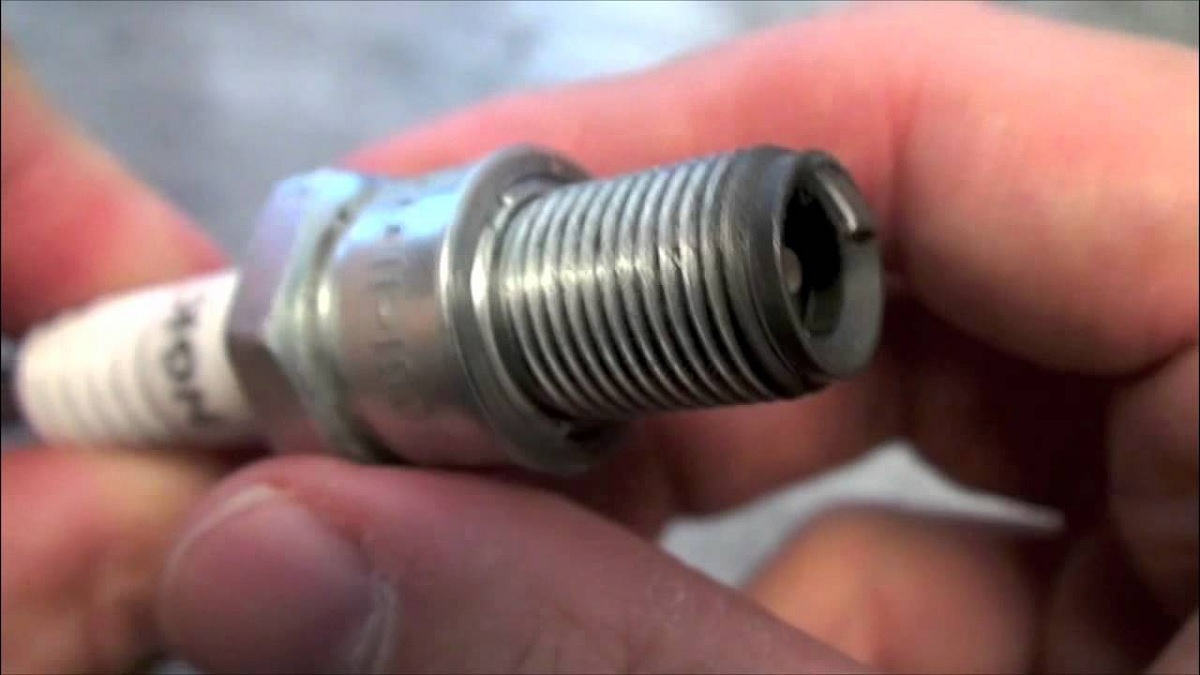
Over-tightened spark plugs put excessive stress on the threads in the cylinder head, particularly in aluminum heads. This can cause stripped threads, cracks, or even broken spark plugs, which may require expensive repairs. Over-tightened plugs may also compress the insulator too much, affecting heat transfer and potentially causing the plug to overheat or pre-ignite.
Engines with over-tightened spark plugs may exhibit rough idling, misfires, or difficulty starting. In extreme cases, the cylinder head can crack, leading to coolant or oil leaks. Using a calibrated torque wrench and following manufacturer specifications is critical to avoid over-tightening while ensuring a secure fit.
Engine Performance Issues Caused By Improper Torque
Both loose and over-tightened spark plugs disrupt combustion efficiency. Loose plugs allow compression and fuel to escape, reducing power, fuel economy, and acceleration. Over-tightened plugs can impair heat dissipation, cause pre-ignition, and damage components.
Drivers may notice symptoms such as engine vibrations, rough idle, hesitation during acceleration, and reduced fuel efficiency. Additionally, the check engine light may illuminate due to misfires or sensor readings related to combustion irregularities. Addressing torque issues promptly prevents further mechanical damage and restores engine reliability.
How To Diagnose Improper Spark Plug Torque
Signs of improper spark plug torque can be diagnosed through visual inspection and performance monitoring. Loose plugs may show carbon buildup around the threads, while over-tightened plugs might exhibit thread damage or a cracked insulator. Misfires, rough idling, and poor acceleration are common indicators during operation.
Using a torque wrench to verify installation against manufacturer specifications is the most reliable method for identifying both loose and over-tightened spark plugs. Checking for unusual noises, vibrations, or fuel odors during engine operation also helps detect torque-related issues. Early diagnosis ensures spark plugs are tightened correctly and the engine runs efficiently.
Preventing Loose Or Over-Tightened Spark Plugs
The best way to prevent torque-related spark plug issues is to follow manufacturer specifications closely. Always hand-thread the plug first to avoid cross-threading, then use a calibrated torque wrench to apply the correct tightness. Consider engine-specific factors, such as aluminum versus cast-iron heads, which influence torque requirements.
Regular maintenance and inspection ensure spark plugs remain secure and combustion is efficient. By preventing loose or over-tightened plugs, you protect the cylinder head, optimize fuel efficiency, and maintain smooth engine performance. Proper installation practices are essential for long-term engine reliability.
Maintenance Tips For Long-Lasting Spark Plugs
Spark plugs play a vital role in engine performance, fuel efficiency, and emissions control. Proper maintenance extends their lifespan, reduces the risk of misfires, and ensures smooth engine operation. Understanding how to care for spark plugs helps drivers avoid costly replacements and keeps the engine running efficiently under all driving conditions.
Regular Inspection And Cleaning
One of the simplest ways to maintain spark plugs is through regular inspection. Remove the spark plugs periodically to check for signs of wear, fouling, or carbon buildup. Deposits on the electrodes can reduce spark efficiency, leading to misfires, rough idling, and decreased fuel economy.
Cleaning spark plugs involves removing carbon or oil residues with a non-abrasive cleaner or a specialized spark plug cleaning tool. Avoid using harsh abrasives that could damage the electrode or insulator. Ensuring the spark plug is free of deposits helps maintain consistent ignition and improves overall combustion efficiency. Regular inspections and cleaning allow you to catch early signs of wear before they cause engine performance issues.
Using The Correct Torque And Installation Practices
Proper installation is critical for spark plug longevity. Always follow manufacturer torque specifications when tightening plugs. Over-tightening can crack the insulator or damage cylinder head threads, while under-tightening can lead to compression leaks and misfires.
Hand-thread each plug initially to prevent cross-threading, then use a calibrated torque wrench to apply the correct tightness. Additionally, check whether your engine requires anti-seize compound, and apply it sparingly if recommended. Correct installation ensures proper seating, optimal heat transfer, and protection against vibration, all of which contribute to longer spark plug life and consistent engine performance.
Using High-Quality Fuel And Lubricants
The quality of fuel and engine oil directly affects spark plug longevity. Low-quality fuel may contain impurities that form deposits on the spark plug electrodes, while improper oil can lead to fouling due to excessive oil consumption.
Using high-quality gasoline and following the recommended oil grade helps maintain clean combustion and prevents the accumulation of carbon or other residues on the spark plugs. Regular oil changes also prevent oil from contaminating the combustion chamber, which can shorten spark plug life. Clean fuel and proper lubrication reduce wear, support smooth engine operation, and extend the effectiveness of each spark plug.
Monitoring Engine Performance And Addressing Issues Promptly
Pay attention to engine performance indicators such as rough idling, misfires, reduced acceleration, or unusual fuel consumption. These signs may suggest spark plug problems or related ignition system issues.
Addressing these problems promptly helps prevent additional wear on the spark plugs and ensures they operate efficiently. Replacing spark plugs when necessary, rather than waiting for complete failure, protects other engine components like ignition coils and catalytic converters. Routine performance monitoring is an essential part of spark plug maintenance, keeping the engine reliable and efficient.
Scheduling Regular Spark Plug Replacements
Even with proper maintenance, spark plugs have a finite lifespan based on manufacturer recommendations. Regularly replacing spark plugs according to your vehicle’s service schedule ensures consistent ignition, optimal fuel efficiency, and smooth engine operation.
Use the correct type and heat range specified for your engine, and combine replacement with inspection of ignition coils and wires. Maintaining a log of spark plug replacements and inspections helps track their condition over time, making it easier to anticipate future maintenance. Following a structured replacement schedule maximizes spark plug performance and contributes to long-term engine health.
Maintenance Tips For Long-Lasting Spark Plugs
Spark plugs play a vital role in engine performance, fuel efficiency, and emissions control. Proper maintenance extends their lifespan, reduces the risk of misfires, and ensures smooth engine operation. Understanding how to care for spark plugs helps drivers avoid costly replacements and keeps the engine running efficiently under all driving conditions.
Regular Inspection And Cleaning
One of the simplest ways to maintain spark plugs is through regular inspection. Remove the spark plugs periodically to check for signs of wear, fouling, or carbon buildup. Deposits on the electrodes can reduce spark efficiency, leading to misfires, rough idling, and decreased fuel economy.
Cleaning spark plugs involves removing carbon or oil residues with a non-abrasive cleaner or a specialized spark plug cleaning tool. Avoid using harsh abrasives that could damage the electrode or insulator. Ensuring the spark plug is free of deposits helps maintain consistent ignition and improves overall combustion efficiency. Regular inspections and cleaning allow you to catch early signs of wear before they cause engine performance issues.
Using The Correct Torque And Installation Practices
Proper installation is critical for spark plug longevity. Always follow manufacturer torque specifications when tightening plugs. Over-tightening can crack the insulator or damage cylinder head threads, while under-tightening can lead to compression leaks and misfires.
Hand-thread each plug initially to prevent cross-threading, then use a calibrated torque wrench to apply the correct tightness. Additionally, check whether your engine requires anti-seize compound, and apply it sparingly if recommended. Correct installation ensures proper seating, optimal heat transfer, and protection against vibration, all of which contribute to longer spark plug life and consistent engine performance.
Using High-Quality Fuel And Lubricants
The quality of fuel and engine oil directly affects spark plug longevity. Low-quality fuel may contain impurities that form deposits on the spark plug electrodes, while improper oil can lead to fouling due to excessive oil consumption.
Using high-quality gasoline and following the recommended oil grade helps maintain clean combustion and prevents the accumulation of carbon or other residues on the spark plugs. Regular oil changes also prevent oil from contaminating the combustion chamber, which can shorten spark plug life. Clean fuel and proper lubrication reduce wear, support smooth engine operation, and extend the effectiveness of each spark plug.
Monitoring Engine Performance And Addressing Issues Promptly
Pay attention to engine performance indicators such as rough idling, misfires, reduced acceleration, or unusual fuel consumption. These signs may suggest spark plug problems or related ignition system issues.
Addressing these problems promptly helps prevent additional wear on the spark plugs and ensures they operate efficiently. Replacing spark plugs when necessary, rather than waiting for complete failure, protects other engine components like ignition coils and catalytic converters. Routine performance monitoring is an essential part of spark plug maintenance, keeping the engine reliable and efficient.
Scheduling Regular Spark Plug Replacements
Even with proper maintenance, spark plugs have a finite lifespan based on manufacturer recommendations. Regularly replacing spark plugs according to your vehicle’s service schedule ensures consistent ignition, optimal fuel efficiency, and smooth engine operation.
Use the correct type and heat range specified for your engine, and combine replacement with inspection of ignition coils and wires. Maintaining a log of spark plug replacements and inspections helps track their condition over time, making it easier to anticipate future maintenance. Following a structured replacement schedule maximizes spark plug performance and contributes to long-term engine health.
Frequently Asked Questions
How Tight Should Spark Plugs Be For My Car?
The correct tightness of spark plugs depends on your engine type, cylinder head material, and plug design. Over-tightening can strip threads or crack the cylinder head, while under-tightening may cause compression leaks and misfires.
You should always follow the manufacturer’s recommended torque, usually listed in the vehicle’s service manual. Using a calibrated torque wrench ensures precise installation. Hand-threading the spark plug before applying torque prevents cross-threading and reduces the risk of damage. Proper tightness ensures reliable ignition and optimal engine performance.
What Happens If Spark Plugs Are Too Loose?
Loose spark plugs fail to seal the combustion chamber properly. This can lead to compression leaks, reduced engine power, rough idling, and even engine misfires. You may also notice a hissing or ticking sound from escaping combustion gases.
Additionally, unburned fuel can accumulate in the exhaust, producing fuel odors and increasing emissions. Loose spark plugs may vibrate during engine operation, worsening the problem over time. Hand-tightening and then applying the correct torque with a torque wrench resolves these issues and ensures the spark plug operates efficiently.
What Happens If Spark Plugs Are Too Tight?
Over-tightened spark plugs put excessive stress on the threads and cylinder head, especially in aluminum heads. This can lead to stripped threads, cracked heads, or broken plugs. Over-tightening also affects heat transfer, which can cause the plug to overheat, pre-ignite, or wear prematurely.
Symptoms include rough idling, engine misfires, and potential starting problems. Using a calibrated torque wrench and following manufacturer specifications prevents over-tightening. Ensuring the correct torque protects your engine, spark plugs, and combustion efficiency while maintaining long-term reliability.
Can I Tighten Spark Plugs By Feel?
Relying on feel to tighten spark plugs is risky. Many drivers over-tighten or under-tighten without realizing it, causing misfires, compression leaks, or engine damage. Small errors can have long-term consequences for the cylinder head or spark plug life.
Using a torque wrench is the safest way to ensure the correct tightness. Hand-threading the spark plug before applying torque also prevents cross-threading. Following manufacturer torque specifications guarantees consistent installation and protects engine performance, which is far more reliable than relying solely on “feel.”
How Do I Know The Correct Torque For My Spark Plugs?
The correct torque for your spark plugs is listed in your vehicle’s service manual. Torque values vary based on engine type, cylinder head material, and spark plug design. Aluminum heads generally require lower torque than cast-iron heads to prevent thread damage.
Always use a calibrated torque wrench for installation. Hand-thread each plug first, then tighten to the specified torque. Some spark plugs may require a small amount of anti-seize compound, which can affect torque readings. Following these guidelines ensures proper seating, prevents damage, and maintains efficient combustion.
Do All Spark Plugs Require The Same Tightness?
No, spark plug torque varies depending on engine design, cylinder head material, and plug type. Copper, platinum, and iridium plugs may have slightly different torque requirements, and aluminum heads generally require lower torque than cast-iron heads.
Always consult the manufacturer’s specifications for your vehicle. Using the correct torque for each specific plug ensures proper sealing, prevents compression leaks, and supports consistent ignition. Ignoring these specifications can lead to misfires, thread damage, or reduced spark plug life.
How Can I Avoid Damaging Threads When Tightening Spark Plugs?
To avoid damaging threads, start by hand-threading the spark plug slowly and carefully. This ensures the plug is aligned properly and reduces the risk of cross-threading. Avoid forcing the plug into place.
After hand-threading, use a calibrated torque wrench to reach the manufacturer-recommended torque value. For aluminum heads, be extra cautious as they are more prone to stripped threads. Using proper tools, following torque specifications, and applying anti-seize if recommended will prevent thread damage and ensure long-lasting spark plug performance.
Final Words
Properly tightening spark plugs is essential for engine performance and longevity. Knowing how tight should spark plugs be helps prevent common issues such as misfires, poor fuel efficiency, and even damage to the cylinder head. Both over-tightening and under-tightening can create serious problems, so following manufacturer torque specifications ensures optimal combustion and engine reliability.
Using the right tools, like a calibrated torque wrench, is key to achieving the correct tightness. Hand-tightening before applying torque and following the recommended sequence for multiple spark plugs can prevent cross-threading and uneven pressure. Regular inspection of spark plugs for wear or damage, along with proper installation, keeps your engine running smoothly and avoids costly repairs.
Understanding how tight should spark plugs be allows drivers and mechanics to take a precise and careful approach. Correct installation enhances performance, reduces maintenance issues, and ensures your vehicle operates safely and efficiently over time.