Spark Plug Smells Like Gas – Causes, Troubleshooting, And Fixes You Need
A strong smell of gasoline around your engine can be alarming and may indicate a problem with combustion or fuel delivery. One common sign that something is off is when your spark plug smells like gas. This odor often points to unburned fuel reaching the spark plug, which can affect engine performance and efficiency.
Several factors can lead to this issue, including fuel system malfunctions, engine flooding, or problems with ignition timing. The presence of gasoline on the spark plug can cause misfires, rough idling, or difficulty starting the engine. Paying attention to this warning sign is crucial to avoid further damage.
Examining the spark plugs regularly helps detect early signs of fuel or combustion problems. Proper diagnosis ensures that you address the underlying cause before it leads to more serious engine issues.
Common Reasons A Spark Plug Smells Like Gas
A spark plug smelling like gas is a clear sign that unburned fuel is reaching the combustion chamber. This can indicate a variety of issues within your engine or fuel system. Understanding the most common causes helps you identify and address the problem before it escalates into more serious engine damage or performance issues.
Faulty Fuel Injectors
Fuel injectors are responsible for delivering the precise amount of fuel into the combustion chamber. When a fuel injector malfunctions, it may leak or deliver too much fuel, causing an overly rich air-fuel mixture. This excess fuel may not burn completely, leading to gasoline residue on the spark plug.
Symptoms of faulty fuel injectors often include poor fuel economy, engine misfires, and rough idling. Over time, unburned fuel can damage the spark plug, foul the electrodes, and reduce ignition efficiency. Additionally, fuel leaking into the cylinder can dilute the oil and increase wear on engine components.
Addressing injector issues promptly is essential. Cleaning or replacing faulty injectors restores proper fuel delivery, reduces gasoline buildup on spark plugs, and ensures efficient combustion. Regular maintenance and fuel system inspections can prevent injector failures and keep your engine running smoothly.
Worn Or Damaged Spark Plugs
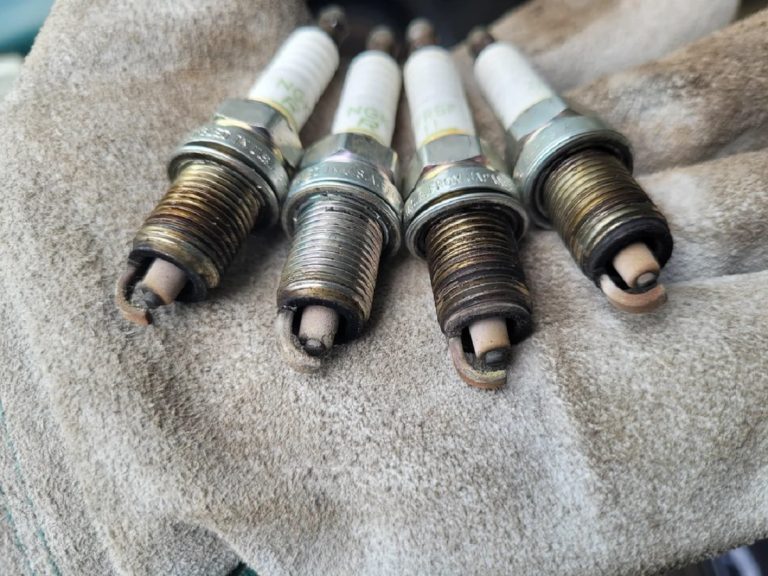
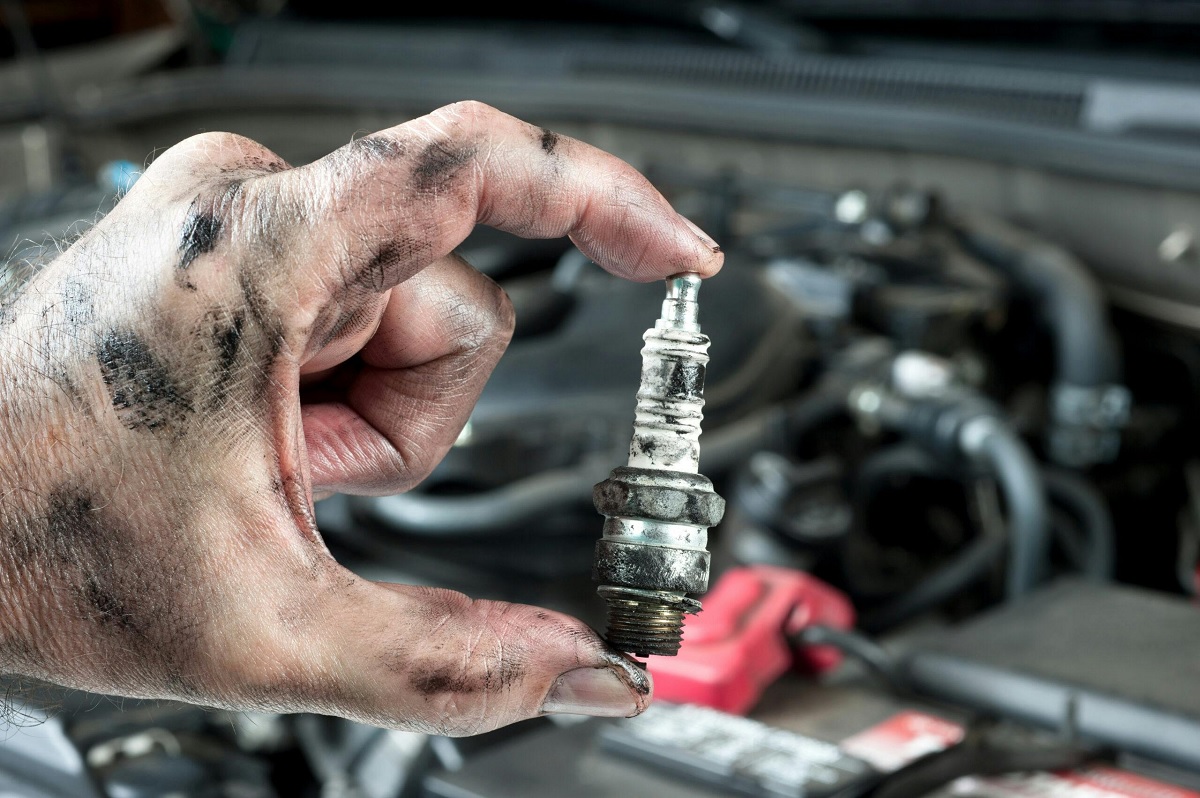
Spark plugs themselves can contribute to the gasoline smell if they are worn, fouled, or damaged. Electrodes that are coated with carbon deposits or covered in fuel residue may fail to ignite the fuel properly, leaving unburned gasoline on the plug.
Worn spark plugs can cause misfires, difficulty starting the engine, and rough acceleration. A plug that repeatedly smells like gas may indicate it is no longer capable of generating the necessary spark for proper combustion. Over time, this can further degrade engine performance and increase emissions.
Replacing worn or damaged spark plugs is a simple yet effective solution. Using the correct type and heat range for your engine ensures optimal ignition and prevents recurring fuel buildup. Regular inspection helps maintain spark plug efficiency and overall engine reliability.
Problems With Ignition Timing
Incorrect ignition timing can also result in a spark plug smelling like gas. When the spark occurs too early or too late, the air-fuel mixture may not burn completely within the cylinder. This incomplete combustion allows unburned fuel to reach the spark plug, creating the gasoline odor.
Signs of timing issues include rough idling, engine knocking, reduced power, and increased fuel consumption. Timing problems may be caused by a worn timing belt, faulty sensors, or incorrect adjustments during maintenance. Left uncorrected, poor timing can lead to engine damage and reduced efficiency.
Properly diagnosing and correcting ignition timing ensures complete combustion, eliminating excess fuel residue on spark plugs. Maintaining timing components and performing regular checks helps prevent recurring gas smells and improves overall engine performance.
Engine Flooding And Over-Rich Mixture
Engine flooding occurs when too much fuel enters the combustion chamber, often after repeated failed starts or rapid cranking. This excess fuel cannot ignite completely, leading to spark plugs that smell strongly of gasoline.
An over-rich fuel mixture, caused by a malfunctioning fuel regulator, faulty sensors, or a clogged air filter, can also produce the same effect. Too much fuel reduces combustion efficiency, fouls spark plugs, and may result in black smoke from the exhaust.
Addressing flooding or rich mixture issues involves identifying the source of excess fuel, whether it’s the fuel system, sensors, or air intake. Cleaning or replacing spark plugs and correcting the mixture restores normal combustion, preventing fuel residue from recurring.
Leaking Fuel Lines Or Connections
Leaking fuel lines or poor connections in the fuel system can drip gasoline directly into the engine or near the spark plugs, causing them to smell strongly of gas. This is not only an engine performance issue but also a serious safety hazard due to fire risk.
Symptoms include fuel odor in the engine bay, reduced fuel efficiency, and occasional misfires. Small leaks may be difficult to spot but can contribute to ongoing spark plug fouling and increased gasoline buildup.
Regular inspection of fuel lines, injectors, and connections is crucial. Repairing or replacing faulty components eliminates leaks, restores proper fuel delivery, and prevents spark plugs from being contaminated with unburned gasoline.
How A Rich Fuel Mixture Causes Gas Smell
A rich fuel mixture occurs when an engine receives more fuel than necessary compared to the amount of air. This imbalance leads to incomplete combustion, which is a common reason why a spark plug smells like gas. Understanding how and why a rich mixture forms can help diagnose and prevent issues that affect engine performance and fuel efficiency.
Understanding The Air-Fuel Ratio
Engines rely on a precise air-fuel ratio to operate efficiently, typically around 14.7 parts air to 1 part fuel in gasoline engines. When the fuel input exceeds the ideal ratio, the mixture becomes rich. Too much fuel prevents complete combustion, leaving unburned gasoline in the cylinder.
This leftover fuel often deposits on spark plugs, causing them to smell strongly of gas. A rich mixture can also increase exhaust smoke, reduce fuel economy, and cause rough idling. Ignoring these signs may lead to carbon buildup in the engine, fouled spark plugs, and long-term performance issues.
Monitoring the air-fuel ratio through proper sensor function, such as oxygen sensors and mass airflow sensors, ensures that the engine receives the correct mixture. Maintaining a balanced ratio keeps combustion complete and prevents excessive fuel residue from accumulating.
Causes Of A Rich Fuel Mixture
A rich fuel mixture can develop for several reasons, often related to fuel delivery or engine sensor malfunctions. Common causes include faulty fuel injectors that leak or spray too much fuel, a defective fuel pressure regulator, or clogged air filters restricting airflow into the engine.
Malfunctioning oxygen sensors or mass airflow sensors can also mislead the engine control unit, causing it to inject excess fuel. Cold engine starts or repeated failed attempts to start the engine may temporarily create a rich mixture as well.
Each of these issues leads to incomplete combustion, resulting in unburned gasoline reaching the spark plug. Identifying the root cause is critical, as addressing only the symptom, such as replacing spark plugs without correcting the mixture, will not solve the underlying problem.
Effects On Spark Plugs And Engine Performance
A consistently rich mixture leaves a noticeable fuel odor on the spark plugs. Fuel coats the electrodes, reducing their ability to generate a strong spark. This can cause misfires, rough idling, and poor acceleration. Over time, plugs may become carbon-fouled, further worsening ignition and performance.
The rich mixture also impacts engine efficiency. Unburned fuel enters the exhaust system, increasing emissions and potentially damaging components like the catalytic converter. Fuel economy drops as the engine burns more gasoline without producing proportional power.
Regular inspection of spark plugs can reveal early signs of a rich mixture, allowing you to correct the air-fuel balance before significant engine damage occurs. This ensures that the engine runs smoothly and efficiently.
Diagnosing And Correcting A Rich Mixture
Correctly diagnosing a rich fuel mixture involves checking sensors, fuel injectors, and the air intake system. Using diagnostic tools to read oxygen sensor output and fuel trim data helps pinpoint the cause of excess fuel delivery.
Once the issue is identified, solutions may include cleaning or replacing fuel injectors, repairing fuel pressure regulators, replacing faulty sensors, or ensuring proper airflow through clean air filters. Regular maintenance, such as timely spark plug inspection and fuel system checks, helps prevent a recurring rich mixture.
Addressing a rich fuel mixture restores proper combustion, eliminates the gasoline odor on spark plugs, and improves engine performance. Proper attention ensures long-term efficiency, reduces emissions, and prevents damage to spark plugs and other engine components.
Preventing A Rich Fuel Mixture
Preventing a rich fuel mixture requires routine engine maintenance and monitoring. Regular oil changes, clean air filters, and timely spark plug replacement help maintain optimal combustion. Keeping fuel injectors and sensors in good condition ensures the engine receives the correct air-fuel ratio.
Avoiding short trips that prevent the engine from reaching operating temperature can also reduce temporary richness. Maintaining proper engine tuning and addressing sensor or fuel system issues early prevents fuel buildup and spark plug contamination.
By taking preventive steps, you can ensure complete combustion, maintain fuel efficiency, and avoid the persistent gasoline smell associated with a rich fuel mixture. Regular inspections keep your engine running cleanly and reliably.
Fuel Injector Problems Leading To Gas Odor
Fuel injectors are essential components that deliver the correct amount of fuel into the engine’s combustion chamber. When they malfunction, fuel delivery can become uneven, excessive, or inconsistent, often causing a strong gasoline odor. Understanding the common fuel injector problems helps identify why spark plugs or the engine may smell like gas and highlights the importance of timely maintenance.
Leaking Fuel Injectors
Leaking fuel injectors are a primary cause of a gasoline smell around the spark plugs. When an injector develops a leak, it can drip fuel directly into the combustion chamber or engine bay. This excess fuel cannot always burn completely, leaving unburned gasoline on spark plugs and producing a strong odor.
Leaking injectors may also contribute to engine misfires, rough idling, and reduced fuel efficiency. Over time, continuous fuel leakage can damage other engine components and increase emissions. Drivers may notice black smoke from the exhaust or wet, fuel-saturated spark plugs as clear signs of injector leaks.
Repairing or replacing faulty injectors immediately prevents further fuel waste and eliminates the strong gasoline smell. Regular inspection and maintenance of the fuel system reduce the likelihood of leaks and maintain proper engine performance.
Clogged Or Dirty Fuel Injectors
Fuel injectors can also become clogged or partially blocked due to dirt, debris, or carbon deposits. When this happens, the injector may fail to atomize fuel properly, resulting in incomplete combustion. This incomplete burn causes fuel to remain on the spark plugs, producing a gas odor.
Symptoms of clogged injectors include hesitation during acceleration, rough idling, engine misfires, and reduced fuel economy. Over time, persistent injector clogging can strain the engine, increase emissions, and lead to more severe mechanical issues.
Cleaning fuel injectors using proper chemical cleaners or professional ultrasonic cleaning restores correct fuel spray patterns. Regular maintenance, including fuel system additives and using high-quality fuel, can prevent buildup and maintain smooth combustion.
Faulty Fuel Injector Sensors
Modern engines rely on sensors to regulate fuel injector operation. Oxygen sensors, throttle position sensors, and mass airflow sensors communicate with the engine control unit to determine the optimal fuel delivery. When these sensors malfunction, injectors may overfuel or underfuel the engine.
Overfueling caused by sensor issues produces a rich mixture, leaving excess gasoline in the cylinder and on spark plugs. Symptoms may include strong fuel smells, engine hesitation, poor fuel economy, and rough idling. Ignoring sensor malfunctions can worsen fuel waste and engine performance.
Diagnosing and replacing faulty sensors restores correct injector operation and proper air-fuel ratios. This ensures efficient combustion, eliminates gas odors, and prevents potential damage to spark plugs and other engine components.
Injector Timing And Electrical Problems
Fuel injectors depend on precise electrical signals for timing and duration of fuel delivery. Wiring issues, shorts, or failing injector drivers can disrupt timing, causing injectors to deliver too much or too little fuel at the wrong moment.
Incorrect timing leads to incomplete combustion, which often leaves unburned fuel on spark plugs. This can produce a noticeable gasoline smell, along with misfires, engine vibration, and reduced acceleration. Electrical issues may also trigger check engine lights or fault codes.
Repairing wiring, connectors, or replacing faulty injector drivers ensures proper injector timing. Maintaining the electrical system of your engine prevents uneven fuel delivery, restores normal combustion, and removes persistent gas odors from spark plugs and exhaust systems.
Preventive Measures For Fuel Injector Issues
Preventing fuel injector problems involves routine maintenance and fuel system care. Using high-quality fuel, adding fuel system cleaners periodically, and replacing air filters on schedule helps prevent dirt and deposits from clogging injectors.
Regular inspections of injector performance, fuel pressure, and electrical connections can identify early signs of leaks or malfunction. Addressing minor issues before they escalate ensures efficient combustion, protects spark plugs, and eliminates gasoline odors.
Engine Misfires And Weak Ignition Issues
Engine misfires and weak ignition problems are common reasons why your spark plug may smell like gas. When fuel does not ignite properly, unburned gasoline can remain in the combustion chamber and on the spark plug. Understanding the causes and consequences of these issues helps maintain engine performance, fuel efficiency, and long-term reliability.
Causes Of Engine Misfires
Engine misfires occur when one or more cylinders fail to ignite the air-fuel mixture correctly. Common causes include worn spark plugs, damaged ignition coils, faulty fuel injectors, or sensor malfunctions. When the mixture does not burn completely, unburned fuel can accumulate and produce a strong gasoline smell on spark plugs.
Misfires can be sporadic or consistent, depending on the root cause. Drivers often notice rough idling, hesitation during acceleration, poor fuel economy, or engine vibration. If misfires persist, they can damage the catalytic converter and other engine components due to excessive unburned fuel entering the exhaust system.
Proper diagnosis is crucial. Checking spark plugs, ignition coils, and fuel injectors helps pinpoint the cause of misfires. Addressing these issues early prevents further engine damage, eliminates gas odors, and restores smooth operation.
Weak Ignition And Its Effects
Weak ignition occurs when the spark produced by the spark plug is insufficient to ignite the air-fuel mixture fully. This can be caused by worn plugs, degraded wires, or weak ignition coils. A weak spark leaves fuel partially unburned, which contributes to gasoline odor on the spark plugs.
Aside from the smell, weak ignition causes rough engine operation, poor acceleration, and increased fuel consumption. Over time, it can lead to carbon deposits, fouled spark plugs, and more severe misfires. The engine may also struggle to start, especially in cold weather or high-demand situations.
Replacing worn spark plugs, repairing faulty ignition components, and inspecting ignition timing can restore proper spark strength. Ensuring strong ignition promotes complete combustion, reduces fuel odor, and improves overall engine performance.
Sensor Malfunctions And Engine Control Issues
Modern engines rely heavily on sensors like oxygen sensors, mass airflow sensors, and throttle position sensors to regulate ignition and fuel delivery. Malfunctions in these sensors can disrupt timing, causing weak ignition or incomplete combustion.
Incorrect sensor readings may prompt the engine control unit to overfuel the cylinders, creating a rich mixture. This excess fuel cannot burn entirely, leaving a gasoline smell on spark plugs and affecting overall engine performance. Drivers may notice rough idling, hesitation, or the check engine light illuminating.
Diagnosing sensor-related issues requires using diagnostic tools to read fault codes and monitor real-time engine performance. Repairing or replacing faulty sensors ensures proper fuel and spark balance, preventing misfires, reducing gas odors, and maintaining efficient engine operation.
Fuel Delivery And Timing Problems
Issues with fuel delivery, such as clogged injectors or high fuel pressure, can also contribute to misfires and weak ignition. An incorrect fuel supply causes an imbalance in the air-fuel mixture, leading to incomplete combustion and unburned gasoline on spark plugs.
Ignition timing problems can exacerbate this issue. When the spark occurs too early or too late, fuel may not ignite fully, resulting in misfires, increased emissions, and a noticeable gasoline smell. These problems can affect multiple cylinders, reducing engine efficiency and causing rough performance.
Proper maintenance, including cleaning or replacing fuel injectors, checking fuel pressure, and verifying ignition timing, is essential. Correcting fuel delivery and timing ensures complete combustion, strong ignition, and minimal fuel odor.
Preventing Misfires And Weak Ignition Issues
Preventing misfires and weak ignition problems involves routine engine maintenance. Regular spark plug replacement, ignition coil inspection, and fuel system care help maintain consistent combustion. Monitoring sensors and addressing minor issues early prevents misfires from becoming more severe.
Using high-quality fuel and keeping the air-fuel ratio balanced also supports strong ignition and efficient combustion. By taking proactive steps, you can reduce the likelihood of gasoline odors on spark plugs, improve engine reliability, and ensure smooth, consistent performance over time.
Other Factors That Can Make Spark Plugs Smell Like Gas
Besides fuel mixture issues, misfires, or injector problems, there are several other factors that can cause spark plugs to smell like gas. These additional issues can interfere with combustion, allow unburned fuel to reach the spark plug, and affect overall engine performance. Identifying these factors helps you address the root cause and maintain engine efficiency.
Faulty Engine Sensors
Modern engines rely on sensors such as oxygen sensors, mass airflow sensors, and coolant temperature sensors to regulate fuel delivery and combustion. When these sensors malfunction, the engine may overfuel or underfuel the cylinders, leading to incomplete combustion and a gasoline odor on the spark plugs.
A faulty oxygen sensor, for instance, can send incorrect data to the engine control unit, prompting it to inject excess fuel. Similarly, a malfunctioning mass airflow sensor may misread the amount of air entering the engine, resulting in a rich fuel mixture. Drivers may notice rough idling, poor acceleration, or increased fuel consumption alongside the fuel smell.
Regular sensor diagnostics and timely replacement of faulty sensors ensure proper air-fuel balance. This prevents unburned fuel from accumulating on spark plugs and keeps the engine running smoothly.
Worn Or Damaged Piston Rings
Piston rings play a crucial role in maintaining compression and ensuring complete combustion. Worn or damaged rings can allow fuel to leak past the pistons, causing incomplete burning in the cylinder. This unburned fuel can leave a gasoline smell on the spark plugs.
In addition to fuel odors, worn piston rings can lead to loss of power, excessive oil consumption, and blue smoke from the exhaust. The reduced compression affects engine efficiency, making it harder for spark plugs to ignite the air-fuel mixture completely. Over time, this can accelerate spark plug fouling and reduce overall engine performance.
Regular maintenance and engine inspections can help identify compression problems early. Replacing or repairing worn piston rings restores proper combustion, eliminates gas odors, and improves engine efficiency.
Excessive Idling Or Short Trips
Engines that frequently idle for long periods or are used for short trips may not reach optimal operating temperature. Low operating temperatures can prevent complete fuel combustion, causing gasoline to remain on the spark plugs.
This scenario is common in city driving or stop-and-go traffic. The engine may run rich temporarily to compensate for cold conditions, leaving fuel residue on spark plugs. Symptoms may include rough idling, misfires, or a noticeable fuel smell, especially during startup.
Allowing the engine to reach proper temperature regularly and avoiding extended idling can minimize incomplete combustion. This helps prevent fuel buildup, keeps spark plugs cleaner, and improves overall engine efficiency.
Poor Quality Fuel
Using low-quality or contaminated fuel can also contribute to spark plugs smelling like gasoline. Impurities or inconsistent fuel composition can affect combustion efficiency, leaving unburned fuel on spark plugs.
Low-octane or contaminated fuel may cause misfires, rough running, and reduced engine performance. Over time, repeated use of poor-quality fuel can lead to carbon buildup, fouled spark plugs, and persistent fuel odors.
Choosing high-quality fuel and ensuring fuel system maintenance, including fuel filter replacement, helps maintain clean combustion. This reduces the likelihood of spark plugs smelling like gasoline and keeps the engine performing optimally.
Air Intake And Vacuum Leaks
Air intake leaks or vacuum leaks can disturb the engine’s air-fuel ratio, causing a rich mixture and leaving unburned fuel on spark plugs. Cracked hoses, loose connections, or gasket failures can introduce unmetered air, impacting combustion efficiency.
A rich mixture from vacuum leaks can produce fuel odors, poor acceleration, and rough idling. Addressing leaks promptly ensures proper combustion and prevents fuel from coating spark plugs. Regular inspection of hoses, gaskets, and intake components helps maintain the correct air-fuel balance and keeps the engine running cleanly.
People Also Asked
Why Does My Spark Plug Smell Like Gas?
A spark plug smelling like gas usually indicates that fuel is not burning completely in the combustion chamber. This can happen due to a rich fuel mixture, faulty fuel injectors, weak ignition, or engine misfires. Unburned gasoline reaches the spark plug, leaving a noticeable fuel odor.
You may also notice poor fuel economy, rough idling, or difficulty starting the engine. Regular inspection of spark plugs, ignition components, and the fuel system can help identify the cause. Addressing these issues promptly prevents further engine damage and restores proper combustion.
Can A Gas Smell From Spark Plugs Damage My Engine?
Yes, a spark plug that consistently smells like gas can lead to engine damage over time. Unburned fuel can wash away the protective oil film on cylinder walls, increasing wear and reducing compression. Continuous fuel exposure may also foul spark plugs, resulting in misfires.
Excess fuel can harm the catalytic converter and other exhaust components, leading to expensive repairs. Addressing the underlying cause, whether it’s fuel injectors, ignition issues, or a rich mixture, helps prevent further damage and ensures the engine operates efficiently.
How Do Fuel Injectors Cause Gas Odor On Spark Plugs?
Fuel injectors deliver the precise amount of fuel to each cylinder. When they leak, clog, or spray improperly, excess fuel can enter the combustion chamber, leading to incomplete combustion. This unburned gasoline can coat the spark plug and produce a strong odor.
Symptoms may include rough idling, misfires, poor acceleration, and decreased fuel efficiency. Cleaning or replacing faulty fuel injectors ensures proper fuel atomization, restores combustion efficiency, and eliminates the gas smell from spark plugs. Regular injector maintenance is key to preventing these issues.
Can A Rich Fuel Mixture Make Spark Plugs Smell Like Gas?
Yes, a rich fuel mixture occurs when the engine receives more fuel than necessary compared to the air supply. Excess fuel cannot burn completely, leaving gasoline residue on the spark plugs and producing a strong odor.
Common causes include faulty sensors, dirty air filters, or a malfunctioning fuel pressure regulator. Drivers may notice rough idling, black exhaust smoke, or poor fuel economy alongside the fuel smell. Correcting the air-fuel ratio and performing regular engine maintenance prevents spark plugs from becoming saturated with unburned gasoline.
Are Worn Spark Plugs Responsible For Gas Odor?
Worn or damaged spark plugs can fail to ignite the air-fuel mixture completely, allowing unburned fuel to remain in the cylinder. This leads to a gasoline smell on the plugs and can contribute to engine misfires.
Signs include rough idling, poor acceleration, difficulty starting, and reduced fuel efficiency. Replacing old or fouled spark plugs with the correct type and heat range ensures proper ignition, restores complete combustion, and eliminates fuel odor from the plugs. Regular spark plug inspection is essential for maintaining engine performance.
What Other Factors Can Cause My Spark Plug To Smell Like Gas?
Other factors that may cause spark plugs to smell like gas include vacuum leaks, faulty engine sensors, worn piston rings, short trips, or poor-quality fuel. These issues can disrupt combustion, leaving fuel unburned and coating the spark plug.
Symptoms may include engine hesitation, rough idling, increased emissions, and reduced power. Addressing these underlying problems through maintenance, sensor replacement, and using high-quality fuel ensures proper combustion, prevents gasoline buildup, and keeps spark plugs functioning efficiently.
Final Words
Noticing a strong fuel odor from your engine can be alarming, especially when it comes from the spark plugs. When a spark plug smells like gas, it usually indicates incomplete combustion, a rich fuel mixture, or a problem with the fuel injection or ignition system. Ignoring this warning can lead to poor engine performance, higher fuel consumption, and even damage to other engine components.
Addressing the issue promptly ensures both safety and efficiency. Checking spark plugs, fuel injectors, and ignition components helps identify the root cause. In some cases, simple maintenance like replacing worn plugs or cleaning injectors can resolve the problem. More severe issues, such as persistent flooding or misfires, may require professional inspection and repair.
Regular engine maintenance is key to preventing fuel odors and maintaining optimal performance. Understanding why your spark plug smells like gas allows you to take timely action, avoid costly repairs, and ensure your vehicle runs smoothly and safely on every drive.