Car Overheats Only When Accelerating – Causes, Fixes, and Prevention Tips
Experiencing engine overheating during acceleration can be alarming and may indicate underlying issues that require attention. When a car overheats specifically while accelerating, it suggests that the cooling system is struggling to keep up with increased engine demand. Understanding the causes and warning signs of this problem is essential to prevent long-term engine damage and maintain vehicle safety.
High engine load during acceleration generates extra heat, and any weaknesses in the cooling system—such as low coolant levels, failing water pumps, or clogged radiators—become more pronounced. This can lead to spikes in temperature that are noticeable only when the engine is under stress.
Recognizing the symptoms early allows drivers to take action before serious engine damage occurs. Observing temperature gauges, unusual smells, or steam from the engine bay provides important clues.
By understanding why the engine overheats during acceleration and addressing the root causes, you can protect your car, maintain performance, and ensure safe driving under various conditions.
Common Symptoms of Car Overheating During Acceleration
When a car overheats only when accelerating, it’s important to recognize the warning signs early. These symptoms indicate that the cooling system is struggling to keep up with engine demand, which can prevent more serious damage. Understanding the common signs helps you identify the problem, take timely action, and maintain engine safety.
Rising Engine Temperature Gauge
One of the first and most noticeable symptoms is the engine temperature gauge climbing unusually high during acceleration. The gauge may remain normal at idle or low speeds but spikes sharply when pressing the accelerator. This indicates that the cooling system cannot dissipate the extra heat generated under load.
Persistent high readings on the gauge suggest issues like low coolant levels, a failing radiator, or a weak water pump. Monitoring the temperature gauge closely while driving provides an early warning, allowing you to stop the car and prevent severe engine damage. Ignoring these signs can lead to blown head gaskets or warped engine components.
Steam or Smoke from the Engine Bay
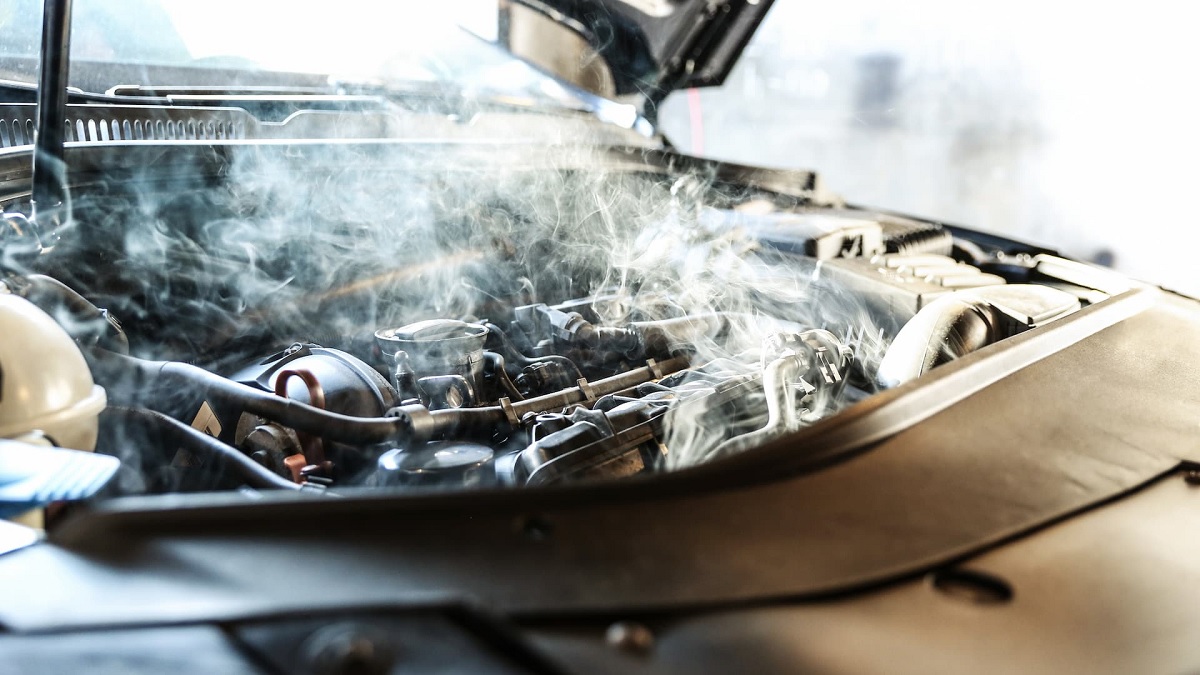
Another clear symptom is the appearance of steam or smoke coming from under the hood while accelerating. Steam often results from coolant boiling in the radiator or hoses due to insufficient cooling. Smoke may indicate burning coolant or oil leaking onto hot engine components.
This symptom typically occurs only during high engine loads because the cooling system struggles more when heat production increases. Promptly pulling over, turning off the engine, and inspecting coolant levels can prevent catastrophic engine failure. Steam or smoke is a visual warning that the overheating issue requires immediate attention.
Strange Smells or Burning Odors
Overheating can produce unusual smells, such as a sweet, chemical odor from coolant or a burning scent from engine oil. These smells often become noticeable when accelerating, as higher RPMs generate more heat. Coolant leaks, damaged hoses, or failing gaskets can produce these odors and indicate stress on the cooling system.
Ignoring these signs can lead to severe engine damage, including warped cylinder heads or cracked components. Paying attention to unusual smells during acceleration allows you to diagnose and address the overheating problem before it escalates, protecting both the engine and passengers from potential hazards.
Reduced Engine Performance or Power Loss
A car that overheats during acceleration may also exhibit reduced engine performance. You might notice hesitation, loss of power, or engine misfiring when pressing the accelerator. Modern vehicles often enter a “limp mode” to prevent catastrophic damage when temperatures rise excessively.
This symptom highlights that the engine is under thermal stress and the cooling system is failing to maintain safe operating temperatures. Recognizing a sudden drop in power during acceleration is crucial for preventing long-term damage and ensuring the vehicle remains safe to drive.
Coolant Leaks or Low Levels
Lastly, frequent overheating during acceleration is often accompanied by visible coolant leaks or consistently low coolant levels. Leaks can occur from the radiator, hoses, water pump, or heater core. Low coolant reduces the system’s ability to absorb and transfer heat, causing the engine to overheat under load.
Monitoring the coolant reservoir and checking for puddles under the car provides early detection of this issue. Maintaining proper coolant levels is essential for preventing spikes in temperature during acceleration and ensuring the engine operates efficiently and safely.
Diagnosing the Overheating Issue
Accurate diagnosis is crucial when a car overheats only during acceleration. Pinpointing the source of the problem allows for effective repairs and prevents serious engine damage. Overheating can be caused by mechanical failures, coolant system issues, or electrical malfunctions. Understanding how to systematically identify the cause helps maintain engine performance and ensures safe driving under stress conditions.
Inspecting Coolant Levels and Leaks
The first step in diagnosing overheating is checking coolant levels and looking for leaks. Low coolant reduces the system’s ability to transfer heat away from the engine, making temperature spikes more noticeable under acceleration. Check the reservoir for proper levels and inspect hoses, the radiator, and water pump for signs of leakage.
Leaks may appear as puddles under the car, crusty residue around connections, or a sweet, chemical smell from the engine bay. Identifying and repairing leaks early restores proper coolant circulation, preventing repeated overheating and protecting the engine from severe damage caused by insufficient coolant.
Testing the Thermostat Function
The thermostat regulates coolant flow between the engine and radiator. A malfunctioning thermostat can stick closed, blocking coolant circulation and causing rapid overheating when the engine is under load. To diagnose, remove the thermostat and test it in boiling water or use a temperature gauge to check if it opens at the correct temperature.
A faulty thermostat prevents the engine from maintaining a stable temperature, which becomes apparent during acceleration. Replacing a malfunctioning thermostat restores proper flow, stabilizes engine temperature, and reduces the risk of spikes that occur only under high engine load.
Evaluating the Water Pump and Radiator
The water pump and radiator are critical for cooling. A failing pump cannot circulate coolant effectively, while a clogged or damaged radiator prevents heat dissipation. Inspect the pump for leaks, unusual noises, or wobbly pulleys. Examine the radiator for debris, bent fins, or internal blockages that reduce airflow.
Testing coolant flow while the engine is running or performing a pressure test can confirm circulation issues. Addressing problems with the pump or radiator ensures that heat is efficiently removed from the engine, preventing overheating during acceleration and extending the system’s lifespan.
Checking Cooling Fans and Electrical Components
Cooling fans help remove heat from the radiator, especially at low speeds or idle. A fan that fails to operate or operates intermittently can allow temperatures to spike during acceleration or heavy engine load. Inspect fan motors, relays, and temperature sensors to confirm proper operation.
Electrical faults, such as blown fuses or damaged wiring, can also affect fan or water pump function. Diagnosing these issues ensures the cooling system operates consistently and protects the engine from excessive heat buildup when the system is under stress. Proper electrical and fan inspection is essential for reliable performance.
Observing Engine Performance and Symptoms
Finally, note any additional symptoms, such as unusual noises, loss of power, or smoke from the engine bay. These indicators can provide clues about overheating causes, such as failing components or leaks. Monitoring the temperature gauge during acceleration helps determine if the overheating is load-dependent, which narrows down the likely issues.
Systematic observation, combined with inspection of coolant, thermostat, pump, radiator, fans, and electrical components, allows you to accurately diagnose why the car overheats during acceleration. Early detection and proper diagnosis prevent serious engine damage and ensure safe, reliable vehicle operation.
Immediate Fixes for Overheating During Acceleration
Experiencing engine overheating while accelerating can be stressful and potentially dangerous. Taking immediate action helps prevent severe engine damage and ensures safety on the road. While some fixes are temporary until professional service can be obtained, addressing the most common causes quickly can reduce stress on the engine and restore some cooling performance.
Checking and Refilling Coolant
The first step in addressing overheating is checking the coolant level. Low coolant reduces the system’s ability to absorb and transfer heat, causing the engine to spike in temperature under load. Ensure the engine has cooled before opening the radiator or reservoir cap to prevent burns.
Topping off the coolant with the manufacturer-recommended type can temporarily restore heat transfer and reduce overheating during acceleration. While this may not solve underlying leaks, it allows the car to be driven safely to a repair shop. Inspect hoses and connections for visible signs of leakage to avoid repeated temperature spikes.
Inspecting the Radiator and Fans
The radiator and cooling fans are essential for heat dissipation. Debris, dirt, or bent fins can restrict airflow, reducing cooling efficiency during acceleration. A quick visual inspection can identify obstructions that can be carefully cleared with compressed air, water, or a soft brush.
Check that the cooling fans activate when the engine temperature rises. A non-functioning fan may cause rapid overheating, particularly during low-speed acceleration or idling. Ensuring unobstructed airflow and functioning fans can provide immediate relief, allowing the AC system and engine cooling to work more efficiently while you drive to a professional service.
Temporarily Reducing Engine Load
Another immediate fix is reducing the engine load to lower heat production. Avoid aggressive acceleration, towing, or driving uphill until the engine temperature stabilizes. Shifting to a lower gear for smoother acceleration and maintaining moderate speed helps prevent further spikes in temperature.
Limiting engine load reduces strain on the cooling system and gives any temporary fixes, such as added coolant or cleaned radiator surfaces, time to take effect. These measures minimize the risk of overheating while driving to a safe location or a repair facility.
Using Auxiliary Cooling Techniques
Auxiliary measures can provide temporary relief while driving in hot conditions. Opening the windows, turning off non-essential electrical accessories, and parking in shaded areas help reduce heat buildup in the engine and cabin. Using a sunshade when parked also prevents the engine bay from absorbing additional heat.
These techniques reduce overall engine stress and help maintain manageable operating temperatures until the underlying cause of overheating can be repaired. They are practical steps that improve immediate comfort and protect the engine from excessive heat damage.
Monitoring the Temperature Gauge and Symptoms
Finally, closely monitoring the temperature gauge and other indicators is essential. Pull over immediately if the gauge approaches the red zone, steam appears, or unusual smells occur. Allowing the engine to cool before resuming driving prevents catastrophic damage such as warped heads or blown gaskets.
Keeping an eye on performance, unusual noises, and coolant levels while driving allows you to detect worsening conditions early. These observations guide temporary measures, ensure safety, and provide valuable information to a mechanic for permanent repair.
Long-Term Solutions and Maintenance Tips
Preventing your car from overheating during acceleration requires proactive maintenance and attention to key cooling system components. Long-term solutions focus on keeping coolant levels stable, ensuring all parts are functioning correctly, and addressing minor issues before they escalate. Regular care not only prevents overheating but also extends the life of your engine and improves overall vehicle performance.
Regular Coolant Checks and Flushes
Maintaining proper coolant levels is essential for long-term prevention of overheating. Checking the coolant reservoir periodically ensures that your system has sufficient fluid to absorb engine heat. Over time, coolant can degrade or become contaminated, reducing its effectiveness.
Performing a coolant flush at manufacturer-recommended intervals removes debris and old fluid, replenishing the system with fresh coolant. This practice improves heat transfer, prevents corrosion inside the radiator and engine, and reduces the likelihood of overheating during heavy acceleration. Consistent monitoring and periodic flushing are simple steps that significantly enhance the reliability of your cooling system.
Inspecting and Maintaining the Water Pump
The water pump circulates coolant through the engine and radiator, making it one of the most critical components for preventing overheating. Regular inspections for leaks, unusual noises, or wobbling pulleys help identify early signs of failure.
Replacing a worn water pump before it fails ensures consistent coolant flow, even during high-load conditions such as acceleration or towing. This preventative measure reduces stress on other cooling components and maintains optimal engine temperature. Routine water pump maintenance is a vital step in avoiding sudden overheating incidents and costly repairs.
Radiator and Cooling Fan Maintenance
A clean, unobstructed radiator and fully functional cooling fans are crucial for managing engine heat. Over time, debris, dirt, or corrosion can block airflow through the radiator, reducing cooling efficiency. Regularly cleaning the radiator, checking for bent fins, and inspecting hoses ensures proper heat dissipation.
Cooling fans should be tested periodically to confirm proper operation. Electrical connections, relays, and sensors should also be inspected to prevent intermittent failures. Maintaining both radiator and fan systems guarantees that heat generated during acceleration is effectively managed, reducing the risk of temperature spikes and engine damage.
Thermostat and Temperature Sensor Care
The thermostat and temperature sensors regulate coolant flow and monitor engine heat. A malfunctioning thermostat can block coolant circulation, while faulty sensors can prevent fans from activating at the right time. Regular checks and timely replacement of these components maintain accurate temperature regulation.
Ensuring these devices function properly allows the engine to maintain consistent operating temperatures, even under heavy acceleration or extreme heat. Proper care of thermostats and sensors prevents overheating episodes and supports efficient engine performance over the long term.
People Also Asked
Why Does My Car Overheat Only When Accelerating?
Your car may overheat only during acceleration because the engine produces more heat under load. Components like the radiator, water pump, and coolant system must work harder to dissipate this extra heat. Low coolant, a failing water pump, or a clogged radiator can make the system struggle, which becomes noticeable when you accelerate.
Acceleration increases engine stress, highlighting weaknesses in the cooling system. Early detection helps you address these issues before they lead to serious engine damage, such as warped cylinder heads or blown gaskets.
Can Low Coolant Cause Overheating Only Under Acceleration?
Yes, low coolant is a common reason a car overheats during acceleration. Coolant absorbs engine heat and transfers it to the radiator for dissipation. When levels are low, the system cannot handle extra heat produced under heavy engine load.
Signs of low coolant include a consistently low reservoir, visible leaks, or a sweet chemical smell from the engine bay. Topping off the coolant restores temporary cooling, but identifying leaks is crucial to prevent repeated overheating and potential long-term engine damage.
How Does a Failing Water Pump Lead to Overheating?
The water pump circulates coolant throughout the engine and radiator. A failing pump reduces or stops coolant flow, causing heat buildup during acceleration. Symptoms may include squeaking noises, leaks near the pump, or fluctuating temperature readings.
Since the engine generates more heat under load, a weak or damaged water pump struggles to maintain temperature, making overheating noticeable only during acceleration. Replacing the pump restores proper coolant circulation, protects other cooling components, and prevents serious engine damage.
Could a Malfunctioning Thermostat Cause This Issue?
Yes, a stuck thermostat can prevent coolant from flowing to the radiator, causing rapid temperature spikes under acceleration. Thermostats regulate the engine’s operating temperature by controlling coolant flow based on heat levels.
A faulty thermostat that remains closed restricts circulation, making the engine overheat only during high load conditions. Replacing a malfunctioning thermostat restores proper coolant flow, stabilizes engine temperature, and reduces stress on other components, especially during acceleration or uphill driving.
How Can a Clogged Radiator Cause Overheating During Acceleration?
A clogged or dirty radiator reduces the system’s ability to dissipate heat efficiently. While the engine may remain cool at idle, increased heat during acceleration overwhelms the restricted radiator, leading to temperature spikes.
Debris, dirt, or corrosion inside the radiator can obstruct coolant flow or prevent proper heat transfer. Cleaning or flushing the radiator restores efficiency, ensuring that the engine stays within safe temperature limits even under high load conditions. Regular inspection prevents repeated overheating episodes.
Can Cooling Fan Problems Trigger Overheating Only When Accelerating?
Yes, malfunctioning cooling fans can cause overheating that appears mainly during acceleration or heavy engine load. Fans help draw air through the radiator to remove heat, especially when the vehicle is moving slowly or stopped.
A non-functioning fan reduces airflow, increasing engine temperature during high heat output. Checking fan motors, relays, and sensors ensures proper operation. Repairing or replacing faulty fans restores airflow, maintaining engine temperature under stress and preventing spikes when accelerating.
When Should I Seek Professional Help for Overheating During Acceleration?
Professional help is necessary when overheating persists despite quick fixes like topping off coolant or cleaning debris. Persistent temperature spikes, unusual noises, leaks, or steam from the engine indicate deeper issues.
A mechanic can diagnose problems with the water pump, radiator, thermostat, or cooling fans using specialized tools. Early professional intervention prevents severe engine damage, maintains cooling system efficiency, and ensures safe driving even under high-load conditions such as acceleration or towing.
Final Thoughts
Experiencing a sudden rise in engine temperature during acceleration can be alarming and may indicate serious issues within your vehicle’s cooling system. Ignoring the problem can lead to permanent engine damage, costly repairs, and unsafe driving conditions. Identifying the cause early ensures that your car continues to run efficiently and safely.
Common factors such as low coolant, a failing water pump, clogged radiator passages, or malfunctioning fans can trigger overheating specifically under acceleration. Regular inspections, timely repairs, and keeping the cooling system well-maintained can prevent these issues. Simple measures like checking coolant levels, ensuring radiator fans are working, and flushing the system periodically go a long way in avoiding overheating problems.
Understanding the potential causes and solutions equips you to respond effectively whenever your car overheats only when accelerating. Whether performing basic maintenance or seeking professional assistance, proactive care ensures your engine remains cool, reliable, and safe during every drive.