Is Washing Your Car Engine with Water Safe? Expert Insights and Tips
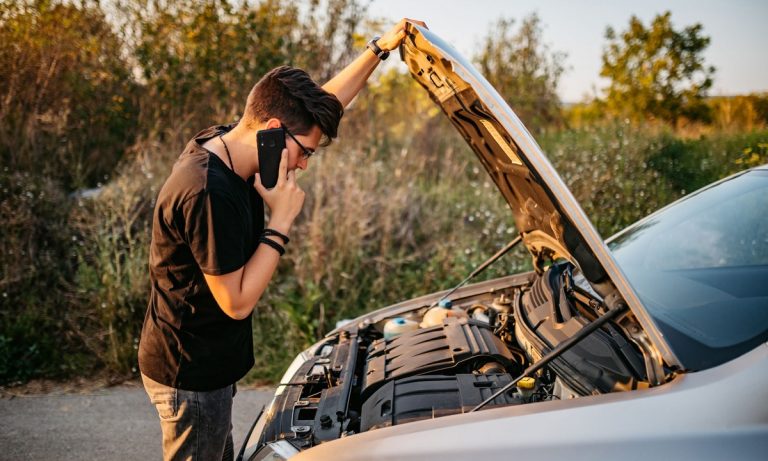
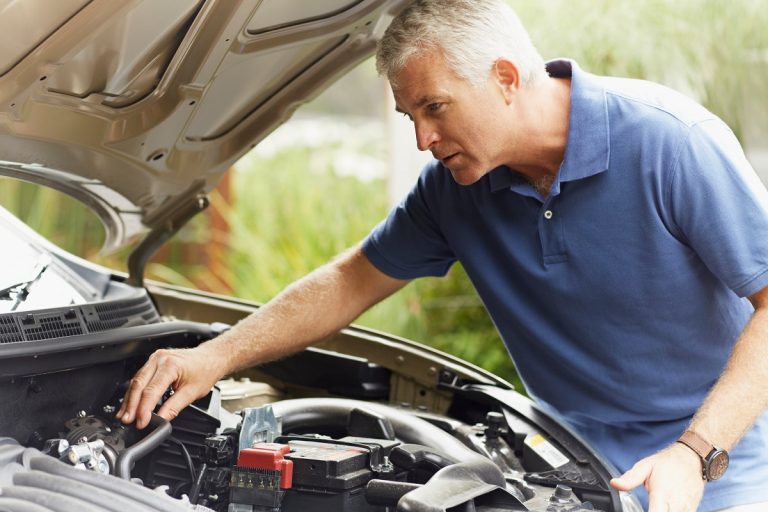
Washing a car engine has become a topic of debate among car enthusiasts and everyday drivers alike. Many people notice dirt, oil, and grime accumulating under the hood and wonder about the safest way to clean it. Modern engines are designed to be more resilient, but they also have sensitive electrical components and sensors that can be damaged by water exposure. This makes understanding the proper method of cleaning crucial for maintaining engine performance and longevity.
Environmental factors like dust, road salt, and oil leaks contribute to engine buildup over time. A dirty engine can affect cooling efficiency, fuel economy, and even increase the risk of fire in extreme cases. Regular maintenance, including cleaning, helps keep the engine running smoothly and reduces the likelihood of costly repairs down the line.
The question arises for many drivers who want a clean engine without causing harm. Considering this, [Is Washing Your Car Engine with Water Safe?] becomes a pressing concern. Exploring proper techniques, precautions, and alternatives ensures that cleaning your engine protects its components rather than putting them at risk.
Understanding the balance between cleanliness and safety under the hood is essential. Knowing which areas are vulnerable and how water interacts with them helps drivers make informed decisions that preserve their vehicle’s reliability and performance.
Is Washing Your Car Engine with Water Safe?
Cleaning a car engine can improve performance and make maintenance easier, but using water introduces potential risks. Engines contain delicate electrical components, wiring, sensors, and belts that may be damaged by direct water exposure. Knowing how water interacts with these parts is crucial. Understanding the correct approach and safety precautions ensures that your engine stays clean without compromising its functionality.
Potential Risks of Using Water on Your Engine
Directly spraying water on your engine can cause several problems. Water can penetrate sensitive electrical components like the alternator, fuse box, ignition coils, and sensors. Exposure to water may lead to short circuits, corrosion, or even complete component failure. Even small amounts of water trapped in connectors or wires can gradually degrade performance, creating intermittent issues that are difficult to diagnose.
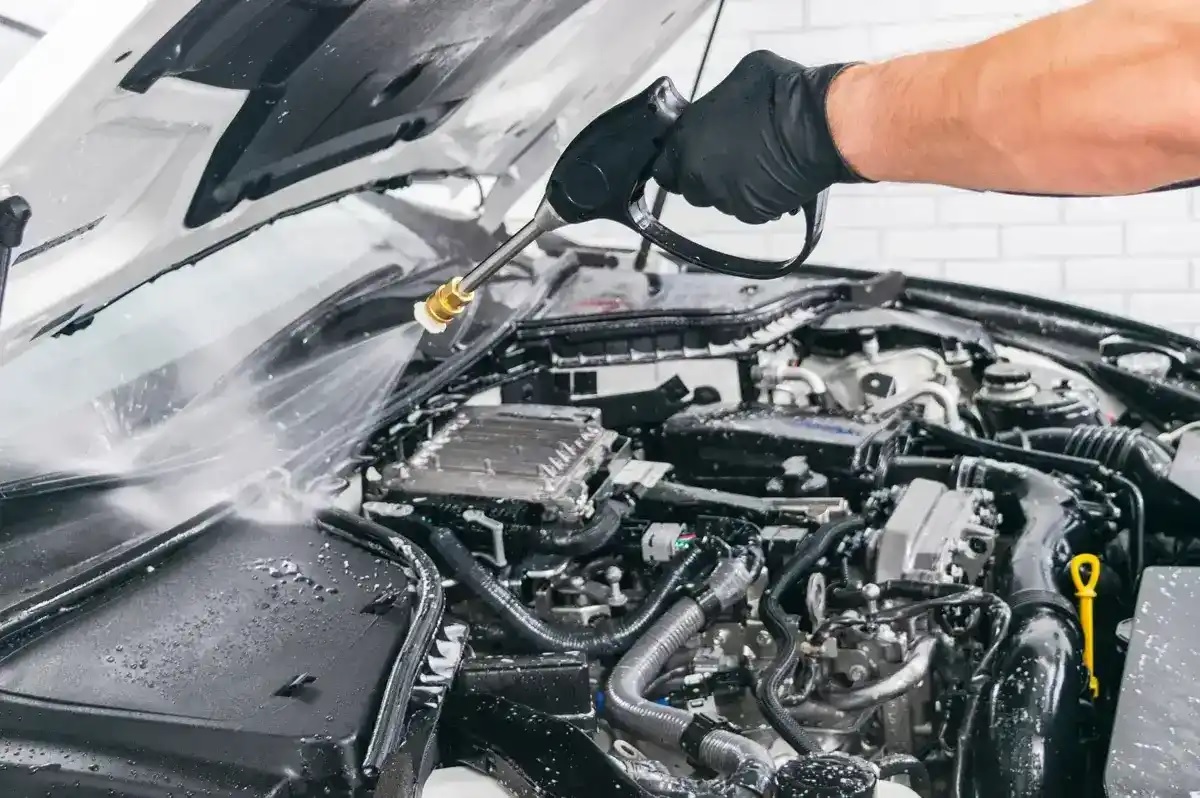
Another concern is that water can mix with oil and grease, creating a sludgy residue that’s harder to clean and may affect engine lubrication. High-pressure hoses may also force water into areas that are not meant to get wet, such as intake systems, throttle bodies, or air filters. This can result in engine misfires, stalling, or long-term damage if left unchecked. Knowing which parts are water-sensitive and using protective barriers can reduce these risks significantly.
Furthermore, modern engines are equipped with more electronics than older models, increasing vulnerability. Vehicles with turbochargers or hybrid systems require extra caution, as water intrusion can cause expensive repairs. Awareness of these risks is the first step toward safely cleaning your engine without unintended damage.
Safe Methods for Cleaning Your Engine
Cleaning your engine safely starts with preparation. Disconnecting the battery reduces the risk of electrical short circuits, and covering sensitive components such as the alternator, exposed wiring, sensors, and air intake with plastic bags or foil helps prevent water from reaching critical areas. Using a soft brush and a low-pressure hose allows dirt and grease to be removed gradually without forcing water into delicate components.
Detergents and degreasers formulated specifically for engines can loosen grime and oil without damaging sensitive parts. Apply these cleaners, let them sit briefly, then gently rinse with water at low pressure. Avoid using high-pressure washers directly on the engine bay, as they can push water into unintended areas. Microfiber cloths or detailing brushes can be used to wipe hard-to-reach spots, ensuring thorough cleaning while minimizing water exposure.
Steam cleaning is another safer alternative for removing dirt and oil without excessive water usage. Professional engine cleaners often rely on steam, which avoids saturating electronics and is effective at cutting through grease. Using proper tools and techniques ensures that your engine remains clean, functional, and protected from water-related risks.
Signs That Your Engine Cleaning Went Wrong
After washing your engine, certain signs indicate water damage or improper cleaning techniques. Difficulty starting the car, misfires, flickering dashboard lights, or unusual noises may point to electrical issues caused by water intrusion. Damp or wet connectors, corrosion around bolts and terminals, or water pooling in the engine bay can also indicate exposure beyond safe limits.
Water left in critical areas can lead to long-term problems. Corrosion on metal components weakens structural integrity, while trapped moisture may promote mold, rust, or deterioration of rubber seals and hoses. Monitoring the engine after cleaning is crucial. Checking for unusual behavior during the first few drives ensures that any issues are caught early, preventing more significant damage or costly repairs.
If signs of water damage appear, drying the engine thoroughly using compressed air or a heat source is recommended. Inspecting the electrical components for corrosion and cleaning or replacing affected parts promptly reduces the risk of permanent engine issues. Knowing how to recognize and respond to these symptoms can save both time and money in the long run.
Alternatives to Water-Based Engine Cleaning
For those concerned about water damage, alternative cleaning methods can be effective. Engine degreasing sprays that require little to no rinsing provide a safer way to remove grime. These products allow dirt to be wiped away without soaking electrical components or hoses. Detail brushes, microfiber cloths, and vacuum-assisted cleaning tools are excellent options for precision cleaning.
Another approach is professional engine cleaning services. Professionals often use steam, specialized tools, and protective measures to clean engines safely. For older cars or vehicles with sensitive electronics, professional cleaning minimizes the risk of damage while maintaining performance. Choosing alternatives that reduce water exposure helps prolong engine life, avoid electrical issues, and maintain reliability.
In addition, routine maintenance such as oil changes, filter replacements, and surface wipe-downs can reduce the frequency of deep engine cleaning. Keeping the engine cleaner naturally minimizes the risk associated with water exposure while still maintaining its efficiency. Proper care, combined with safe cleaning practices, ensures your engine remains both clean and functional.
Risks of Using High-Pressure Water on Your Engine
Using high-pressure water to clean your engine may seem like a quick and effective solution, but it comes with significant risks. Modern engines are packed with delicate electronics, sensors, and wiring that are not designed to handle intense water force. Understanding these risks is essential to prevent damage, costly repairs, and potential engine malfunction. Even a short cleaning session with high-pressure water can push moisture into unintended areas, creating long-term problems.
Electrical Component Damage
One of the biggest dangers of using high-pressure water on your engine is damage to electrical components. Alternators, ignition coils, sensors, and wiring harnesses are especially vulnerable. When high-pressure water is sprayed directly on these parts, it can penetrate seals, push moisture into connectors, and create short circuits. Over time, water exposure can lead to corrosion, degraded performance, and even complete failure of essential engine electronics.
Modern vehicles rely heavily on electrical systems for engine management, fuel injection, and emissions control. Any disruption caused by water can result in misfires, warning lights on the dashboard, or difficulty starting the vehicle. Even after the engine appears dry, residual moisture in connectors may continue to cause intermittent issues that are hard to diagnose. Protective measures like covering components are crucial, but high-pressure water often bypasses these precautions, making it particularly risky.
Repeated exposure to water, especially under high pressure, can also degrade the insulation around wires. Damaged insulation increases the likelihood of shorts or sparks, which may lead to further electrical issues or even fire hazards in extreme cases. Understanding these potential consequences is key to avoiding unnecessary damage.
Mechanical and Seal Damage
High-pressure water can also harm mechanical components and seals in the engine bay. Belts, hoses, gaskets, and rubber seals are not designed to withstand strong water jets. When water is applied forcefully, it can cause cracks, leaks, or premature wear. Over time, this can lead to coolant or oil leaks, which affect engine efficiency and reliability.
Water forced into the intake system, air filter, or throttle body can disrupt airflow, fuel delivery, or combustion, leading to misfires or poor engine performance. Even non-critical components like pulleys or engine covers may be damaged by repeated exposure. High-pressure water can also dislodge dirt or debris that then enters sensitive areas, causing abrasion and accelerated wear on moving parts.
Many seals are designed to protect internal components from normal environmental exposure but are not meant to withstand a direct stream of pressurized water. Damaged seals can allow moisture to penetrate areas that are difficult to inspect or repair, potentially causing long-term engine problems.
Corrosion and Rust Development
Exposing your engine to high-pressure water increases the risk of corrosion and rust. Water can reach tight crevices, corners, and metal surfaces that are not normally cleaned, trapping moisture for extended periods. This creates the perfect environment for rust to form, particularly on aluminum or steel components. Corrosion weakens structural integrity and can compromise engine mounts, brackets, and other vital parts.
Even small amounts of water left behind in hidden areas can accelerate oxidation. Electrical connectors, metal fasteners, and exposed engine parts are particularly vulnerable. Over time, rust can spread to other components, affecting not only the engine but also surrounding systems such as the transmission or suspension. Preventing this requires careful drying and protective coatings, which are often overlooked when using high-pressure water.
Moisture-induced corrosion also increases the likelihood of component failure during operation. Bolts and screws may seize, connectors may fail, and moving parts can become stiff or damaged. Understanding these risks highlights why high-pressure water is generally unsafe for engine cleaning without proper precautions.
Safety Hazards for Yourself and the Vehicle
High-pressure water can also pose safety hazards during engine cleaning. The force of the water can cause slippery surfaces, creating the risk of falls or accidental injury while working around the engine bay. Direct contact with high-pressure water may also damage your skin or eyes if proper protective gear is not used.
Additionally, water sprayed on a hot engine can create steam and splatter, potentially causing burns or scalding. The combination of heat, water, and electrical components can also trigger unexpected reactions, including sparks or short circuits. Protecting yourself with gloves, goggles, and careful preparation is essential, yet high-pressure water cleaning increases the likelihood of accidents.
Improper handling of the water hose can also inadvertently damage surrounding vehicle parts such as the paint, trim, or underbody. High-pressure streams can chip paint, dent panels, or force water into wheel bearings and brake components, adding more unintended damage beyond the engine itself.
Long-Term Consequences of High-Pressure Water Use
Frequent use of high-pressure water on an engine can have cumulative effects. Repeated exposure gradually degrades seals, wiring, connectors, and metal components, increasing the risk of malfunctions over time. Engines may develop electrical gremlins, oil or coolant leaks, and corrosion that are difficult and expensive to repair.
Even if immediate damage is not visible, residual moisture trapped in hidden areas may lead to intermittent performance issues. Sensors may fail to provide accurate readings, engine management systems can experience faults, and minor corrosion can spread to critical components. Over the long term, improper cleaning methods like high-pressure washing may reduce the reliability and lifespan of your engine, outweighing any temporary aesthetic benefits.
Choosing safer cleaning methods such as steam cleaning, low-pressure water, or waterless degreasers can prevent these risks. Understanding the long-term consequences emphasizes why high-pressure water should generally be avoided to preserve engine performance and safety.
How to Protect Electrical Components While Cleaning
Cleaning your engine is important for maintenance, but protecting electrical components is critical to prevent damage. Modern engines are filled with sensors, wiring, connectors, and other sensitive electronics that can fail if exposed to water, cleaners, or high-pressure sprays. Taking proper precautions ensures that cleaning enhances your engine’s performance without causing costly repairs or malfunctions. Understanding the techniques and tools to shield electrical components is key for safe and effective engine care.
Disconnecting the Battery for Safety
The first step in protecting electrical components is disconnecting the battery. By removing the negative terminal, you reduce the risk of short circuits, sparks, or accidental damage during cleaning. This simple action ensures that even if water or cleaning solutions accidentally touch wiring or connectors, the risk of electrical failure is minimized.
Disconnecting the battery also allows you to safely handle components like alternators, fuse boxes, and sensors without concern for live electricity. It is particularly important for vehicles with modern electronics, as unintended electrical surges can damage engine management systems, onboard computers, or fuel injection components. After the cleaning is complete, ensure the battery terminals are dry before reconnecting to avoid corrosion or voltage issues.
Taking time to disconnect the battery is a precaution that prevents expensive repairs. It is a simple, low-effort step that significantly reduces risk while making the cleaning process safer and more effective.
Covering Sensitive Components
After securing the battery, the next step is to cover sensitive electrical components. Alternators, fuse boxes, exposed wiring harnesses, ignition coils, and sensors should be protected with plastic bags, foil, or specialized covers. This prevents water and cleaning solutions from directly contacting delicate electronics.
Covering components is particularly important when using water-based cleaning methods. Even low-pressure rinsing can force moisture into connectors if left unprotected. Wrapping or shielding parts ensures that cleaning removes dirt and grease without creating hidden moisture pockets that may cause corrosion over time. Using zip ties or tape to secure coverings helps them stay in place during scrubbing or rinsing.
Proper coverage allows you to focus on cleaning grime without worrying about accidental water intrusion. It also reduces the need for extensive drying afterward, as key electrical components remain protected throughout the process.
Using Safe Cleaning Methods
Choosing the right cleaning method plays a major role in protecting electrical components. Low-pressure water, gentle degreasers, microfiber cloths, and soft brushes allow dirt to be removed without forcing water into wiring or connectors. Avoid high-pressure hoses or direct spraying on sensitive parts, as these can compromise insulation and push moisture where it doesn’t belong.
Waterless engine degreasers are an excellent option for targeting grime while leaving electrical components dry. Steam cleaning can also be effective when performed carefully, as it loosens grease without saturating wires or sensors. For hard-to-reach areas, small detailing brushes or compressed air can remove dirt without risk. The goal is to clean thoroughly while minimizing moisture exposure, which is critical for preserving long-term engine reliability.
Following safe methods ensures that your cleaning routine maintains engine performance without inadvertently creating electrical issues. Proper technique combined with protective measures makes cleaning both safe and effective.
Drying and Inspecting Components
After cleaning, it is essential to dry and inspect the electrical components thoroughly. Remove protective coverings and use compressed air or a microfiber cloth to ensure no moisture remains in connectors, fuse boxes, or sensor housings. Leaving damp areas unattended may result in corrosion, short circuits, or performance issues over time.
Inspect wiring for cracks, wear, or loosened connections, as cleaning may expose pre-existing vulnerabilities. Ensuring all components are dry and secure helps prevent intermittent electrical problems and maintains engine functionality. Proper drying and inspection are critical final steps in safeguarding sensitive parts.
Paying attention to these details protects both the electronics and overall engine performance, allowing your vehicle to run smoothly and reliably after cleaning.
Choosing Professional Assistance When Needed
In some cases, professional cleaning may be the safest option for vehicles with complex electronics. Professionals use specialized tools, steam cleaning, and protective measures to clean thoroughly without risking damage to sensors, wiring, or engine control units.
For hybrid, luxury, or modern vehicles with intricate electrical systems, professional cleaning ensures all components are shielded and safe. While DIY cleaning is effective with proper precautions, professional services provide peace of mind, especially for those unfamiliar with engine wiring layouts or modern electronic systems. This approach combines efficiency with maximum protection.
Safe Cleaning Methods
Cleaning your engine is essential for maintenance and longevity, but using the wrong approach can lead to damage. Safe cleaning methods focus on removing dirt, grease, and debris without harming sensitive components like sensors, wiring, or belts. Choosing the right techniques, tools, and products ensures a thorough clean while protecting your engine’s performance and reliability. Understanding these methods allows you to maintain your vehicle effectively without taking unnecessary risks.
Low-Pressure Water Rinsing
One of the safest ways to clean your engine is using low-pressure water. Unlike high-pressure washers, low-pressure rinsing gently removes dirt and grime without forcing water into electrical components or delicate seals. Always direct the water at areas that are less sensitive, avoiding exposed wiring, sensors, and the air intake system.
Before rinsing, applying a mild engine-safe degreaser helps loosen grease and oil, making the water more effective at cleaning without harsh scrubbing. Use a soft brush or microfiber cloth to agitate stubborn areas, then rinse carefully at a controlled flow. This method reduces the risk of short circuits, corrosion, or water pooling in hard-to-dry spots.
Low-pressure rinsing is ideal for routine cleaning and is particularly effective when combined with protective measures like covering sensitive components. It balances effectiveness with safety, making it the preferred choice for most DIY engine cleaning projects.
Steam Cleaning
Steam cleaning is another highly effective and safe method for cleaning engines. Steam penetrates grease and dirt without requiring large amounts of water, which minimizes the risk of electrical damage. Professionals often use steam cleaners to reach tight spaces that are difficult to access with brushes or cloths.
The heat from steam helps loosen grime while evaporating quickly, leaving surfaces mostly dry. When combined with protective coverings for wiring, sensors, and connectors, steam cleaning significantly reduces the risk of water intrusion. It also sanitizes surfaces by killing bacteria and reducing unpleasant odors caused by oil and debris accumulation.
For DIY use, smaller steam cleaners designed for automotive applications can be employed, provided you maintain a safe distance from sensitive electronics. Steam cleaning is particularly useful for modern engines with complex wiring and hybrid vehicles, offering an efficient and low-risk way to maintain a clean engine bay.
Waterless Degreasers and Detailing Sprays
Waterless engine degreasers are excellent alternatives for those concerned about moisture exposure. These products dissolve oil, grease, and dirt, allowing you to wipe the grime away with microfiber cloths or soft brushes. Since they require minimal to no rinsing, they are ideal for protecting electrical components and sensitive areas.
Using a waterless degreaser involves spraying the cleaner on the engine, letting it sit briefly to break down contaminants, and then wiping it off thoroughly. For stubborn buildup, gentle agitation with a brush helps achieve a deeper clean without exposing components to water. These products are safe for rubber hoses, plastic covers, and electronic connections.
Waterless methods are also convenient for quick maintenance between deep cleans. They reduce drying time, prevent water pooling, and minimize corrosion risks, making them a preferred choice for DIY enthusiasts and professionals alike.
Brushes, Cloths, and Compressed Air
Supplementing safe cleaning methods with the right tools ensures maximum efficiency. Soft detailing brushes, microfiber cloths, and compressed air are essential for removing dirt from hard-to-reach spots without spraying water directly on sensitive components. Brushes allow you to agitate grime, while cloths wipe it away safely.
Compressed air is particularly effective for drying connectors, sensors, and other vulnerable areas after any cleaning method. It prevents moisture from lingering in tight spaces and reduces the risk of corrosion. Using these tools correctly ensures a thorough cleaning while maintaining safety for both the engine and its electrical systems.
These tools, combined with low-pressure rinsing, steam, or waterless degreasers, create a comprehensive cleaning approach. Proper technique and patience are critical to avoid forcing dirt into unwanted areas while achieving a polished, well-maintained engine bay.
People Also Asked
Can Washing Your Car Engine with Water Cause Electrical Damage?
Yes, washing your engine with water can potentially cause electrical damage. Modern engines contain sensors, wiring, connectors, and the alternator, which are sensitive to moisture. Direct exposure to water may create short circuits, corrosion, or component failure over time.
Even a small amount of water entering connectors or ignition coils can lead to intermittent issues, such as engine misfires or warning lights on your dashboard. Protecting electrical components with covers and using low-pressure cleaning methods reduces this risk while allowing you to maintain a clean engine safely.
What Parts of the Engine Are Most Vulnerable to Water?
Electrical components like alternators, fuse boxes, wiring harnesses, and sensors are the most vulnerable to water exposure. Other sensitive parts include the air intake, throttle body, and exposed belts or rubber seals.
High-pressure water or uncontrolled rinsing can push moisture into these areas, causing damage or corrosion over time. Covering these parts before cleaning, using low-pressure methods, or opting for waterless degreasers ensures you avoid long-term damage while still keeping your engine free of grime and debris.
Is It Safe to Use a Hose on the Engine?
Using a hose on your engine can be safe if done carefully. Low-pressure water is preferable because it removes dirt without forcing water into sensitive components. Avoid using high-pressure nozzles directly on wiring, sensors, or intake systems.
Before hosing down your engine, protect electrical parts with plastic coverings or foil. Applying a mild engine-safe degreaser and gently rinsing with controlled water flow helps clean effectively while minimizing the risk of damage. Proper preparation is essential to prevent accidents and maintain engine performance.
How Can I Protect My Engine While Cleaning with Water?
Protecting your engine involves several precautionary steps. Start by disconnecting the battery to reduce the risk of short circuits. Cover electrical components like the alternator, fuse box, and sensors with plastic bags or foil.
Use low-pressure water, gentle brushes, or microfiber cloths to clean dirt and grime. Waterless degreasers and steam cleaners are safer alternatives that minimize moisture exposure. Following these steps ensures that you clean your engine thoroughly while keeping its electrical and mechanical systems safe.
Can Water Damage Cause Long-Term Engine Problems?
Yes, water exposure can lead to long-term engine problems. Moisture can cause corrosion on metal parts, degrade wiring insulation, and damage sensors or connectors. Over time, this may result in misfires, short circuits, or poor engine performance.
Even if immediate issues don’t appear, trapped moisture can create intermittent problems that are hard to diagnose. Consistently using safe cleaning practices, like low-pressure rinsing, steam cleaning, or waterless degreasers, reduces the risk of long-term damage and ensures your engine remains reliable.
Are Waterless Cleaning Products Better Than Using Water?
Waterless cleaning products are often safer than using water. They dissolve grease and dirt without saturating electrical components, preventing short circuits, corrosion, or damage to sensitive parts. You can apply them directly and wipe away grime with a microfiber cloth.
These products are ideal for modern engines with complex electronics. They save time, reduce drying requirements, and minimize the risk of water pooling in hidden areas. For routine cleaning or delicate components, waterless degreasers provide an effective and low-risk solution compared to traditional water-based methods.
What Is the Best Way to Dry the Engine After Cleaning?
Proper drying prevents moisture-related problems. After cleaning, remove any protective coverings and use compressed air or microfiber towels to ensure connectors, sensors, and wiring are completely dry. Pay special attention to hard-to-reach areas where water can accumulate.
Allow the engine to air dry for several hours if possible before reconnecting the battery. Proper drying prevents corrosion, short circuits, and long-term electrical issues, ensuring your engine remains safe, reliable, and fully functional after cleaning.
Final Words
When it comes to maintaining your vehicle, cleaning the engine can improve both performance and appearance, but it comes with risks. Understanding the precautions and techniques is crucial to avoid damage to sensitive components, wiring, and electronics. Taking the right steps ensures your engine stays functional while looking clean.
Knowing the answer to [Is Washing Your Car Engine with Water Safe?] depends largely on how you approach the process. Using high-pressure water directly on an engine can lead to corrosion, short circuits, or sensor damage. Covering electrical components, opting for low-pressure rinsing, or using engine-safe degreasers can significantly reduce these risks while still achieving effective cleaning.
Ultimately, safe engine cleaning is about balance and attention to detail. By following proper guidelines, inspecting your engine before and after cleaning, and understanding potential hazards, you can confidently maintain your car without compromising its performance. Addressing [Is Washing Your Car Engine with Water Safe?] with caution ensures both safety and longevity.