Car Overheats When Driving But Not Idling: Causes, Checks, and Solutions
Experiencing a car that behaves normally while idling but starts overheating once you hit the road can be both confusing and alarming. Many drivers notice the temperature gauge creeping up during highway drives or heavy traffic, yet when the engine is stationary, it seems perfectly fine. This uneven behavior often signals issues that only manifest under load or speed, making diagnosis more challenging.
Understanding why your vehicle behaves this way requires looking beyond the obvious. Cooling systems are designed to manage engine heat efficiently, but certain components work harder when the car is in motion. Problems such as a malfunctioning radiator fan, clogged coolant passages, or a failing water pump can allow heat to build up while driving, even though idling appears normal.
Awareness and early detection are crucial. Recognizing patterns like these can prevent severe engine damage and costly repairs. Addressing the underlying causes promptly keeps your car running safely and efficiently. A clear understanding of this issue allows drivers to identify symptoms, take proper action, and avoid unexpected breakdowns on the road.
Common Reasons Car Overheats When Driving But Not Idling
Experiencing overheating only while driving can be frustrating, especially when your car idles without any issues. This problem usually points to underlying mechanical or cooling system issues that only show under load or at higher speeds. Identifying these causes early can prevent serious engine damage and costly repairs. Below are the most common reasons your car overheats while driving but stays normal at idle.
Malfunctioning Radiator Fan
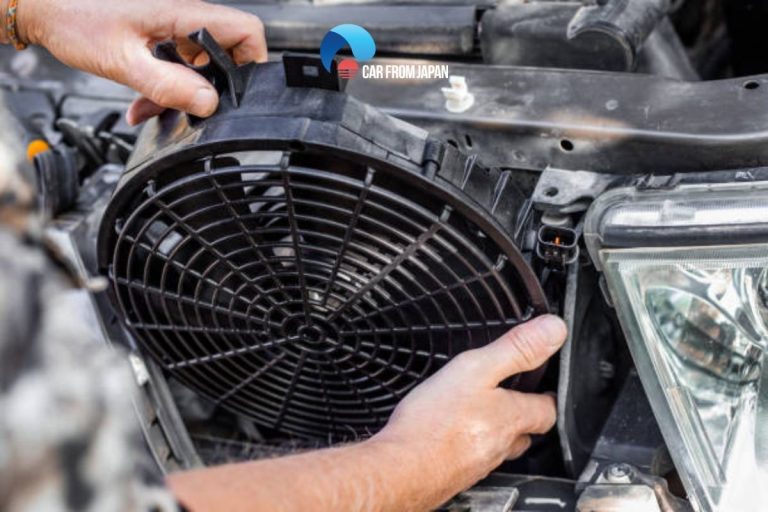
A malfunctioning radiator fan is one of the most frequent causes of overheating during driving. The radiator fan is responsible for drawing air through the radiator to cool the engine coolant. While idling, some vehicles rely solely on engine airflow to maintain temperature, which is usually sufficient at low speeds. However, when the car moves faster or is under heavy load, a faulty fan cannot provide adequate cooling, leading to overheating.
Problems with the fan can stem from electrical issues, a broken fan motor, or a faulty fan relay. In some cases, the fan may operate intermittently, cooling the engine sporadically, which causes temperature spikes while driving. Drivers might notice the engine temperature rising quickly during city traffic or uphill drives. Regular inspection of fan operation, along with checking electrical connections, can help prevent serious overheating incidents.
Technicians often recommend testing the fan by running the engine at higher RPMs and observing whether the fan engages properly. Addressing this issue early ensures consistent engine temperature and prevents damage to other components such as the head gasket or thermostat.
Low Coolant Level or Leaks
Another common reason your car overheats when driving but not idling is low coolant levels or coolant leaks. The engine relies on coolant circulation to maintain a stable operating temperature. While idling, the lower engine workload may allow the remaining coolant to manage heat effectively. Once you accelerate or drive longer distances, insufficient coolant fails to absorb and dissipate heat, causing the temperature to rise.
Leaks can occur in hoses, the radiator, or even the water pump seals. Signs of low coolant include puddles under the car, a sweet smell, or visible stains around the engine bay. Small leaks can be tricky to detect and often only affect the system under pressure while driving. Monitoring coolant levels regularly and checking for leaks during inspections can prevent unexpected overheating.
Refilling or flushing the coolant system alone may temporarily resolve the issue, but identifying and repairing the source of the leak is critical. Ignoring coolant problems can result in severe engine damage, warped heads, or complete engine failure. Proper maintenance ensures your cooling system functions reliably under all driving conditions.
Failing Water Pump
The water pump plays a crucial role in circulating coolant throughout the engine. A failing or worn-out water pump can cause overheating primarily during driving, as the engine requires more efficient coolant flow under load. At idle, the reduced engine demand may allow the remaining circulation to keep temperatures in check, masking the underlying problem.
Symptoms of a failing water pump include coolant leaks around the pump, unusual whining noises from the engine, or steam coming from the radiator. A damaged impeller inside the pump can prevent adequate coolant circulation, causing localized hotspots in the engine. Driving with a failing water pump can quickly lead to severe overheating and engine damage.
Technicians often perform a pressure test or visually inspect the pump to confirm its condition. Early detection is essential because water pump failure can escalate to more costly repairs, including warped cylinder heads or head gasket failure. Replacing a worn pump is a preventive measure that protects your engine from overheating damage while driving.
Clogged or Dirty Radiator
A clogged or dirty radiator is another frequent cause of overheating during driving but not at idle. Over time, debris, rust, and sediment can accumulate in the radiator core, restricting coolant flow. At idle, the engine generates less heat, and partial coolant flow may be enough to maintain safe temperatures. Once the car is in motion, higher engine output and increased heat generation overwhelm the restricted cooling capacity.
Signs of a clogged radiator include uneven heating, frequent temperature spikes, or steam from the engine during extended driving. Radiators can also become externally blocked by leaves, dirt, or insects, reducing airflow through the fins. Proper radiator maintenance, such as flushing the system periodically and cleaning the exterior, ensures consistent cooling efficiency.
Ignoring radiator blockages can cause repeated overheating episodes, which may damage hoses, the thermostat, or even the engine itself. Preventive maintenance and timely inspection allow drivers to avoid severe breakdowns and ensure the engine stays cool under all driving conditions.
Faulty Thermostat
A faulty thermostat can also lead to overheating during driving. The thermostat regulates coolant flow between the engine and radiator. When it sticks closed, coolant cannot circulate effectively, allowing heat to build up rapidly under load. While idling, lower engine heat may not trigger the problem immediately, creating a misleading impression that the cooling system is functioning correctly.
Symptoms include sudden temperature spikes, erratic temperature gauge readings, and prolonged engine warm-up times. Replacing a faulty thermostat is relatively simple but essential to maintaining proper engine temperature. Timely replacement prevents overheating and protects critical engine components from thermal damage during extended drives.
A malfunctioning thermostat can mimic other cooling system issues, making diagnosis challenging without proper testing. Technicians often remove the thermostat and test it in hot water or use diagnostic tools to confirm proper opening and closing temperatures. Correct thermostat function ensures consistent coolant circulation and stable engine performance, especially under driving stress.
Symptoms To Identify Overheating While Driving
Overheating while driving can be dangerous, leading to severe engine damage or unexpected breakdowns. Recognizing the warning signs early helps prevent costly repairs and keeps you safe on the road. While some symptoms are obvious, others may be subtle and require careful attention. Understanding these indicators allows you to take immediate action before the situation escalates. Below are the most common symptoms that indicate your car is overheating during driving.
Rising Temperature Gauge
One of the first signs of overheating is a rising temperature gauge on your dashboard. While minor fluctuations are normal, a steady climb toward the red zone indicates excessive engine heat. This is especially concerning if the gauge rises quickly during normal driving conditions or when the air conditioner is off.
A rising temperature gauge can be caused by several issues, such as low coolant, a failing water pump, or restricted airflow through the radiator. Drivers should monitor the gauge closely, particularly during long trips, uphill drives, or in stop-and-go traffic. Ignoring this warning can result in severe engine damage, including warped cylinder heads or blown head gaskets.
If you notice the temperature climbing, safely pull over and allow the engine to cool. Checking coolant levels and inspecting hoses for leaks can help prevent further damage. Regular monitoring of the temperature gauge is essential to catch overheating before it causes costly repairs.
Steam or Smoke From The Engine
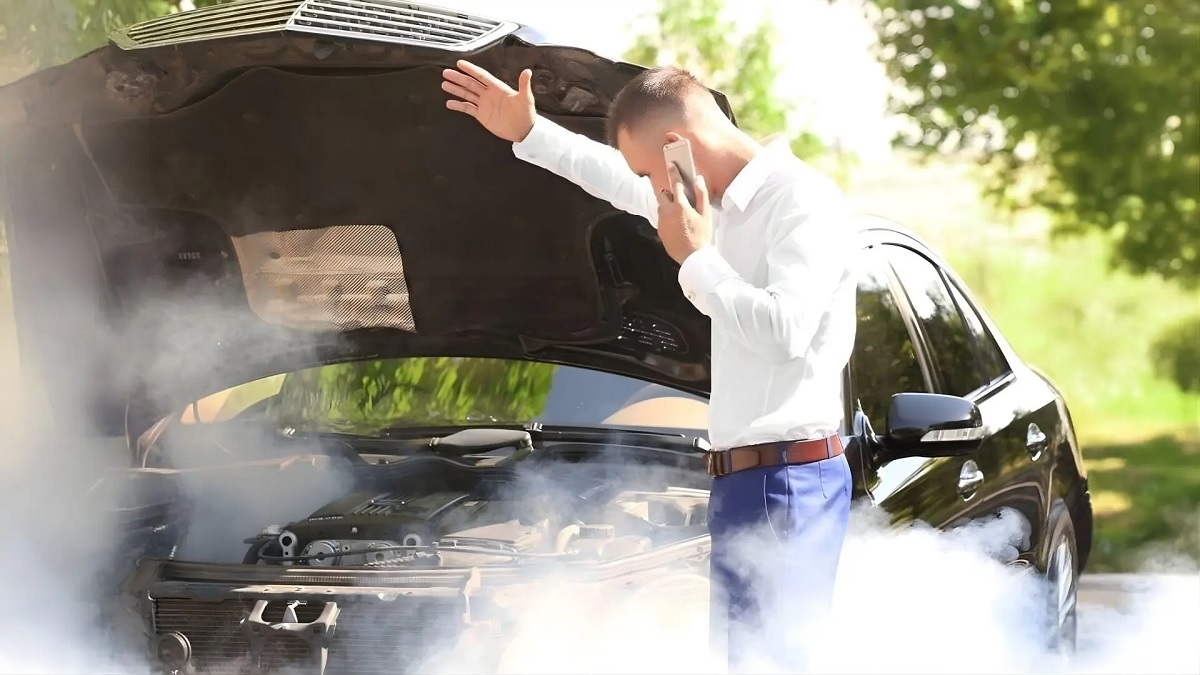
Steam or smoke emerging from under the hood is a clear and immediate sign that your engine is overheating. Steam usually indicates coolant has boiled over, often due to a malfunctioning radiator, low coolant levels, or a stuck thermostat. Smoke may point to oil or other fluid leaking onto hot engine components.
This symptom is not only a warning of engine stress but also a potential safety hazard. Steam can impair visibility, while smoke could ignite if it comes in contact with hot surfaces. Drivers should stop immediately, open the hood carefully once the engine has cooled, and avoid opening the radiator cap when hot, as pressurized steam can cause burns.
Inspecting the cooling system, hoses, and fluid reservoirs helps identify the root cause. Addressing these issues early can prevent catastrophic engine failure. Steam or smoke is a serious symptom that should never be ignored, and professional inspection is often required to ensure safe and effective repairs.
Unusual Engine Noises
Overheating engines often produce unusual noises, including knocking, ticking, or hissing sounds. These noises result from components expanding due to excess heat or fluids boiling and moving under pressure. A knocking sound may indicate internal engine damage, while a hissing sound often points to coolant leaking or vaporizing.
Drivers may notice these sounds during prolonged driving, especially under load or in high-temperature conditions. Ignoring unusual engine noises can escalate problems quickly, leading to severe damage or even engine seizure. Regular maintenance, including coolant replacement and inspection of belts and hoses, can reduce the risk of overheating.
Listening for abnormal sounds while driving can help identify overheating before it becomes visible on the temperature gauge. Early detection allows you to take preventive measures, such as stopping the car, checking fluids, or calling for roadside assistance.
Reduced Engine Performance
Overheating can also cause a noticeable drop in engine performance. You may experience sluggish acceleration, reduced power, or difficulty maintaining speed. This occurs because the engine’s internal components expand excessively under high temperatures, leading to increased friction and decreased efficiency.
Modern vehicles may also enter a “limp mode” to protect the engine from further damage. While this mode prevents catastrophic failure, it severely limits performance, signaling that the engine is under thermal stress. Drivers should treat this symptom seriously and pull over safely to allow the engine to cool.
Checking coolant levels, inspecting hoses, and ensuring proper airflow through the radiator are critical steps when performance drops due to overheating. Addressing these issues promptly prevents long-term engine damage and restores normal driving capability.
Diagnosing The Problem
When your car overheats while driving but not idling, accurately diagnosing the problem is essential to prevent severe engine damage. Overheating can result from a variety of issues, from mechanical failures to simple maintenance oversights. Identifying the root cause requires careful observation, inspection, and sometimes professional tools. Understanding how to approach the diagnosis helps you take timely action and avoid costly repairs.
Inspecting Coolant Levels and Leaks
One of the first steps in diagnosing overheating issues is checking coolant levels and looking for leaks. Coolant is critical for regulating engine temperature, and insufficient levels often cause overheating under load while appearing normal at idle. Start by examining the coolant reservoir for proper levels and ensuring the fluid is not discolored or contaminated.
Leaks can occur in hoses, radiator connections, or the water pump. Small leaks may only manifest under driving pressure, so pay attention to puddles beneath the car or wet spots around engine components. A pressure test can reveal hidden leaks, while visual inspections often identify obvious issues. Maintaining proper coolant levels and repairing leaks promptly prevents overheating and protects critical engine components from thermal damage.
Testing Radiator Fan Operation
The radiator fan is crucial for maintaining engine temperature, particularly while driving at low speeds or in heavy traffic. A malfunctioning fan often causes overheating that does not appear at idle, as airflow through the radiator is insufficient under load. Diagnosing the fan involves checking its electrical connections, motor operation, and relays.
Some vehicles rely on temperature sensors to activate the fan, so ensure sensors are functioning correctly. Manually engaging the fan or using diagnostic tools can confirm proper operation. If the fan does not work consistently, it must be repaired or replaced to restore cooling efficiency. Proper fan function ensures the radiator receives adequate airflow, especially during demanding driving conditions, preventing temperature spikes and potential engine damage.
Examining the Water Pump and Thermostat
A failing water pump or faulty thermostat can significantly impact engine cooling, particularly under driving conditions. The water pump circulates coolant, and a worn impeller or leaking pump can restrict flow, causing overheating. Inspect the pump for leaks, unusual noises, or signs of wear, as these indicate it may need replacement.
The thermostat regulates coolant flow between the engine and radiator. A thermostat stuck in the closed position prevents proper circulation, allowing heat to build rapidly while driving. Testing involves observing engine temperature behavior or removing and checking the thermostat for proper operation in hot water. Diagnosing these components accurately ensures the cooling system functions efficiently, preventing overheating and protecting engine integrity during normal driving.
Checking the Radiator and Cooling System for Blockages
Clogged or dirty radiators often cause overheating during driving while appearing fine at idle. Sediment, rust, or debris in the radiator core restricts coolant flow, and external obstructions reduce airflow. Diagnosis involves visual inspection, coolant flushing, and testing temperature differences across the radiator.
Blocked passages prevent consistent cooling, leading to hotspots and temperature spikes under load. Cleaning or flushing the radiator restores proper flow, ensuring the engine remains at safe temperatures. Regular maintenance and inspection of the cooling system help identify potential issues before they escalate, making early diagnosis critical for preventing damage and maintaining reliable performance.
Solutions To Fix Overheating While Driving
Dealing with a car that overheats while driving can be stressful, but understanding practical solutions helps prevent engine damage and ensures safe driving. Fixing overheating issues often involves addressing the cooling system, inspecting key components, and maintaining proper fluid levels. Taking the right steps promptly can restore your car’s performance and protect it from long-term damage.
Repairing or Replacing the Radiator Fan
A malfunctioning radiator fan is a common cause of overheating while driving, and addressing it is critical. If the fan fails to engage or operates intermittently, it cannot provide adequate airflow to cool the radiator. Repairing electrical connections, replacing faulty relays, or installing a new fan motor can resolve this problem effectively.
Before replacing the fan, check fuses, relays, and temperature sensors to ensure they are functioning correctly. Some vehicles use dual fans, so both should be tested. Replacing a worn fan motor ensures consistent airflow, particularly in heavy traffic or during slow driving, preventing the engine from overheating.
Proper fan operation is essential for maintaining safe engine temperatures. Regular inspections, especially during warm weather or extended driving, help prevent fan-related overheating issues. Ensuring the radiator fan works reliably protects the engine from excessive heat buildup while driving.
Refilling and Flushing Coolant
Low or contaminated coolant is another major reason for overheating. Refilling the coolant to the recommended level and ensuring it’s the correct mixture of water and antifreeze is essential for effective heat transfer. Flushing the system periodically removes rust, debris, and old fluid, improving cooling efficiency.
Check all hoses, clamps, and the radiator cap for leaks or damage before refilling. A properly maintained cooling system allows the engine to regulate temperature efficiently under various driving conditions. Neglecting coolant maintenance can lead to repeated overheating, warping of engine components, or head gasket failure.
Performing a complete flush every 30,000 to 50,000 miles, depending on manufacturer recommendations, ensures the system remains free of blockages. Using the correct type of coolant compatible with your vehicle prevents corrosion and maximizes the cooling system’s effectiveness. Proper maintenance is a simple yet crucial step in preventing overheating while driving.
Replacing a Failing Water Pump or Thermostat
A failing water pump or faulty thermostat can significantly impact engine temperature. Replacing a worn water pump restores proper coolant circulation, ensuring the engine receives adequate cooling under all driving conditions. Similarly, a new thermostat ensures the coolant flows between the engine and radiator at the correct temperature.
Symptoms like unusual noises, coolant leaks, or rapid temperature spikes indicate these components may need attention. Professional inspection can confirm the issue, and replacing faulty parts prevents repeated overheating and protects internal engine components.
Both repairs are relatively straightforward for experienced mechanics, and addressing them promptly saves money in the long run. Ensuring these components function correctly allows the cooling system to operate efficiently, even during heavy driving or high ambient temperatures.
Cleaning or Replacing the Radiator
A clogged or dirty radiator reduces the cooling system’s ability to regulate engine temperature. Flushing the radiator to remove sediment, rust, and debris restores proper coolant flow. External cleaning of the radiator fins ensures adequate airflow, which is crucial for preventing overheating while driving.
Severe blockages may require radiator replacement to maintain optimal performance. Inspections should include checking for bent fins, leaks, or corrosion, as these issues can compromise heat dissipation. Regular maintenance ensures that the radiator efficiently handles heat generated during high-speed or prolonged driving.
Cleaning or replacing the radiator prevents uneven cooling and hotspots, reducing the risk of engine damage. This solution, combined with proper coolant levels and a functioning fan, ensures consistent temperature regulation and reliable vehicle performance.
Addressing Additional Cooling System Components
Other components, such as hoses, clamps, and the radiator cap, also play a role in preventing overheating. Worn or cracked hoses, loose clamps, or a failing radiator cap can cause coolant loss or pressure issues, leading to overheating. Inspecting and replacing these parts as needed ensures the system operates under the correct pressure.
Maintaining the entire cooling system, rather than focusing on a single component, provides long-term reliability. Even minor leaks or weak connections can escalate into significant problems under load. Regular inspections, timely replacements, and proper maintenance practices are essential to prevent overheating while driving.
People Also Asked
Why Does My Car Overheat When Driving But Not Idling?
Your car may overheat while driving but not idling due to restricted coolant flow or failing cooling system components. A clogged radiator, malfunctioning water pump, or faulty thermostat can prevent proper circulation at higher speeds, while idling generates less engine stress and heat.
You should also check for air pockets in the cooling system or low coolant levels, which can reduce circulation efficiency. Identifying the root cause early prevents engine damage and ensures your car operates safely. Monitoring the temperature gauge while driving helps pinpoint whether the overheating is consistent or intermittent.
Can A Faulty Thermostat Cause Overheating Only When Driving?
Yes, a faulty thermostat can cause your car to overheat only during driving. If it sticks partially closed, it limits coolant flow at higher engine speeds, causing temperatures to rise while the engine is under load.
You should inspect the thermostat by checking coolant circulation when the engine reaches operating temperature. Replacing a malfunctioning thermostat restores proper flow and prevents overheating. Even if the car idles normally, a restricted thermostat can still cause serious engine stress during highway driving, so addressing the issue promptly is essential.
How Does A Bad Water Pump Lead To Overheating While Driving?
A bad water pump can fail to circulate coolant effectively when your engine is under load, causing overheating while driving. At idle, reduced engine demand allows limited circulation, which may mask the problem temporarily.
You should check for leaks, unusual noises, or wobbling in the water pump pulley. Replacing a worn or damaged water pump ensures consistent coolant flow and prevents overheating during higher speeds. Ignoring the issue can lead to severe engine damage, including warped heads or blown gaskets.
Can Air Pockets In The Cooling System Cause Overheating While Driving?
Yes, air pockets in the cooling system can prevent proper coolant flow at higher engine speeds, leading to overheating while driving. At idle, the lower engine load allows coolant to circulate around air bubbles more easily, so the problem may not appear.
You should bleed your cooling system properly to remove trapped air. Checking coolant levels and ensuring the system is sealed helps prevent air pockets from forming. Properly purged cooling systems maintain consistent engine temperatures, even during long drives or high-speed operation.
Is Radiator Blockage Responsible For Overheating When Driving?
A blocked or clogged radiator can cause overheating during driving by restricting coolant flow through the system. Debris, sediment, or corrosion reduces efficiency, allowing heat to build up when the engine is under load, while idling generates less heat and may appear normal.
You should inspect the radiator for blockages or external obstructions like dirt and debris. Flushing the radiator or replacing damaged sections restores proper cooling. Keeping your radiator clean and maintaining coolant quality prevents repeated overheating and protects engine performance over time.
When Should I Seek Professional Help For Overheating While Driving?
You should seek professional help if your car consistently overheats while driving despite normal idle temperatures. Persistent overheating can indicate serious issues like a failing water pump, cracked radiator, or head gasket problems.
A mechanic can perform pressure tests, inspect the cooling system, and accurately diagnose the root cause. Ignoring overheating risks severe engine damage, including warped heads or total engine failure. Timely professional intervention ensures repairs are effective and prevents costly long-term damage to your vehicle.
Final Thoughts
Experiencing engine overheating while your car idles normally can be both confusing and alarming. When a car overheats when driving but not idling, it usually points to issues within the cooling system that only become apparent under load or higher speeds. Components like the radiator, water pump, thermostat, or cooling fans may not function optimally, causing heat buildup during driving.
Addressing the problem early is essential to prevent severe engine damage. Regular maintenance, timely inspection of coolant levels, and monitoring the temperature gauge can help identify warning signs before they escalate. Repairing or replacing faulty components, flushing the cooling system, and ensuring proper airflow through the radiator all play a crucial role in maintaining a safe operating temperature.
Understanding the causes and solutions for why your car overheats when driving but not idling allows drivers to act quickly and avoid costly repairs. Awareness and proactive measures ensure reliable performance and protect your engine from long-term damage.