Spark Plug Blew Out of Motor? Causes, Fixes, and Prevention Tips
Experiencing sudden engine issues can be alarming, especially when a critical component fails unexpectedly. One of the most serious problems a car can face is when a spark plug becomes dislodged during operation. This situation can compromise engine performance, cause misfires, or even damage the cylinder head if not addressed promptly. Understanding what leads to such failures helps drivers take the right precautions and seek effective solutions.
A spark plug plays a vital role in igniting the fuel-air mixture inside the combustion chamber. When it is not seated correctly or encounters excessive stress, it can blow out of its position, leading to reduced power, unusual noises, and potential engine damage. Recognizing the signs early allows for safer handling and prevents further complications.
Knowing the common causes and consequences of this issue can make a significant difference in maintaining engine longevity. Proper maintenance, torque specifications, and careful inspection are key factors in preventing such failures.
Spark Plug Blew Out of Motor?
A spark plug blowing out of your engine is a serious issue that can cause engine misfires, loss of power, and even damage to the cylinder head. This problem often occurs due to improper installation, excessive wear, or internal engine pressures exceeding normal limits. Understanding why this happens and how to address it promptly is essential for protecting your vehicle and maintaining performance.
Common Causes of a Spark Plug Blowing Out
Several factors can cause a spark plug to blow out of the motor. One of the most common reasons is improper installation, such as cross-threading or insufficient torque when the spark plug was initially installed. If a spark plug is not tightened to manufacturer specifications, the high pressure inside the combustion chamber can force it out.
Another major cause is engine wear or damage. Worn threads in the cylinder head, often from previous repairs or overtightening, can fail to hold the plug securely. Excessive carbon buildup or detonation from improper fuel combustion can also increase internal pressures, weakening the spark plug’s hold. High-performance engines or turbocharged vehicles may experience more frequent occurrences due to the higher combustion pressures.
Environmental factors, like dirt and debris entering the threads, can compromise the seal and stability of the spark plug. Routine maintenance and careful installation are key to preventing this type of failure and avoiding costly repairs down the line.
Signs Your Spark Plug Has Blown Out
Recognizing the warning signs of a blown spark plug can save you from serious engine damage. One of the first indicators is a sudden misfire or rough engine running, particularly at higher RPMs. You may also notice a sharp loss of power or difficulty starting the vehicle.
Other signs include unusual noises from the engine, such as popping or banging sounds, which occur when combustion gases escape through the loose spark plug hole. Visual inspection may reveal the spark plug missing, damaged, or partially ejected from the cylinder head. In severe cases, the threads in the cylinder head may be damaged, requiring additional repair work.
Paying attention to these warning signs allows you to take immediate action. Ignoring them can result in more extensive engine damage, including damage to pistons, valves, or the cylinder head itself. Early detection is critical for safety and repair efficiency.
Immediate Steps to Take After a Spark Plug Blows Out
When a spark plug blows out of the motor, prompt action is essential. First, avoid running the engine, as this can worsen damage to the cylinder head or internal components. Disconnecting the battery is also recommended to prevent electrical issues while inspecting the engine.
Next, carefully remove any remaining parts of the spark plug and inspect the cylinder head for thread damage or debris. If the threads are intact, you may be able to reinstall the spark plug using proper torque. In cases where threads are stripped or damaged, using a helicoil or thread repair kit may be necessary to restore proper installation.
Documenting any unusual signs or prior engine conditions can help a mechanic diagnose the underlying cause. Taking immediate steps minimizes repair costs and ensures the engine is restored safely and efficiently.
Preventive Measures to Avoid Future Failures
Preventing spark plugs from blowing out starts with proper installation and maintenance. Always follow manufacturer torque specifications and avoid cross-threading the spark plug during installation. Using a torque wrench ensures consistent tightening and reduces the risk of over- or under-tightening.
Regular inspection of spark plugs and cylinder head threads can also prevent future issues. Replacing worn or damaged plugs, cleaning carbon deposits, and using anti-seize compounds where appropriate helps maintain a secure seal. Paying attention to engine performance, fuel quality, and ignition timing can further reduce abnormal pressures that contribute to plug ejection.
For high-performance or turbocharged engines, choosing spark plugs rated for higher pressures and temperatures ensures durability. Combining careful installation, routine maintenance, and proper component selection provides the best protection against spark plugs blowing out of the motor.
Repair Considerations and Professional Help
Depending on the severity, repairing a blown spark plug may require professional assistance. Damaged threads in the cylinder head often require helicoil installation or full thread replacement to restore proper spark plug seating. Attempting repairs without the right tools or expertise can worsen damage.
Professional mechanics can also check for underlying causes, such as detonation, excessive carbon buildup, or engine wear, which may have contributed to the failure. They can recommend the appropriate spark plug type, torque specifications, and installation techniques to prevent recurrence.
Timely repairs not only restore engine performance but also prevent long-term damage to pistons, valves, and other critical components. Consulting a professional ensures that the spark plug and cylinder head are restored correctly, providing peace of mind and reliable operation.
Common Causes of a Spark Plug Blowing Out
A spark plug blowing out of the motor is a serious engine issue that can lead to misfires, performance loss, or damage to the cylinder head. Understanding the common causes helps you prevent this problem and maintain engine reliability. Most failures occur due to installation errors, excessive engine stress, or underlying mechanical issues that compromise the plug’s stability inside the combustion chamber.
Improper Installation and Cross-Threading
One of the most frequent causes of a spark plug blowing out is improper installation. If the spark plug is cross-threaded or not tightened to the manufacturer’s recommended torque, it can loosen under high combustion pressures. Even slight misalignment during installation can prevent the threads from engaging correctly, making the spark plug vulnerable to being forced out.
Using excessive force during installation can also strip the threads in the cylinder head, weakening the plug’s hold. On the other hand, under-tightening the spark plug allows high-pressure gases to escape around it, eventually pushing the plug out completely. Proper use of a torque wrench and careful alignment during installation is essential to avoid this type of failure.
Routine maintenance, including inspection of threads before reinstallation and cleaning the spark plug hole, significantly reduces the risk. Ensuring the correct spark plug type and size is also critical, as using an incompatible plug can create installation challenges and increase blowout potential.
Worn or Damaged Cylinder Head Threads
Another common cause is worn or damaged threads in the cylinder head. Over time, repeated spark plug installation and removal can weaken the threads, especially if overtightening or improper tools were used in the past. Stripped or weakened threads fail to hold the spark plug securely, making it susceptible to being blown out by combustion pressures.
Carbon buildup in the spark plug hole can also interfere with proper seating, causing uneven pressure distribution and stress on the threads. Engines with high mileage or poor maintenance history are particularly prone to this issue. Once threads are compromised, even correctly installed spark plugs can become loose and eventually eject from the cylinder head.
Repairing damaged threads may require a helicoil insert or professional thread restoration. Preventive measures, such as cleaning spark plug holes, avoiding over-torquing, and replacing worn cylinder heads when necessary, help maintain thread integrity and prevent blowouts.
Excessive Combustion Pressure
Excessive combustion pressure inside the engine can directly cause spark plug ejection. This often results from detonation, pre-ignition, or incorrect ignition timing, which creates higher-than-normal pressures in the combustion chamber. Turbocharged or high-performance engines are more prone to this issue due to increased pressure levels.
Using low-octane fuel in engines designed for higher octane can contribute to detonation, while faulty ignition components can trigger uneven combustion. These conditions place extra stress on spark plugs and their seating, eventually forcing them out if the underlying problem persists.
Monitoring engine performance, maintaining correct fuel type, and addressing misfires or abnormal noises promptly reduces the risk of blowouts. Preventing excessive combustion pressure not only protects spark plugs but also helps maintain overall engine health.
Carbon Buildup and Plug Fouling
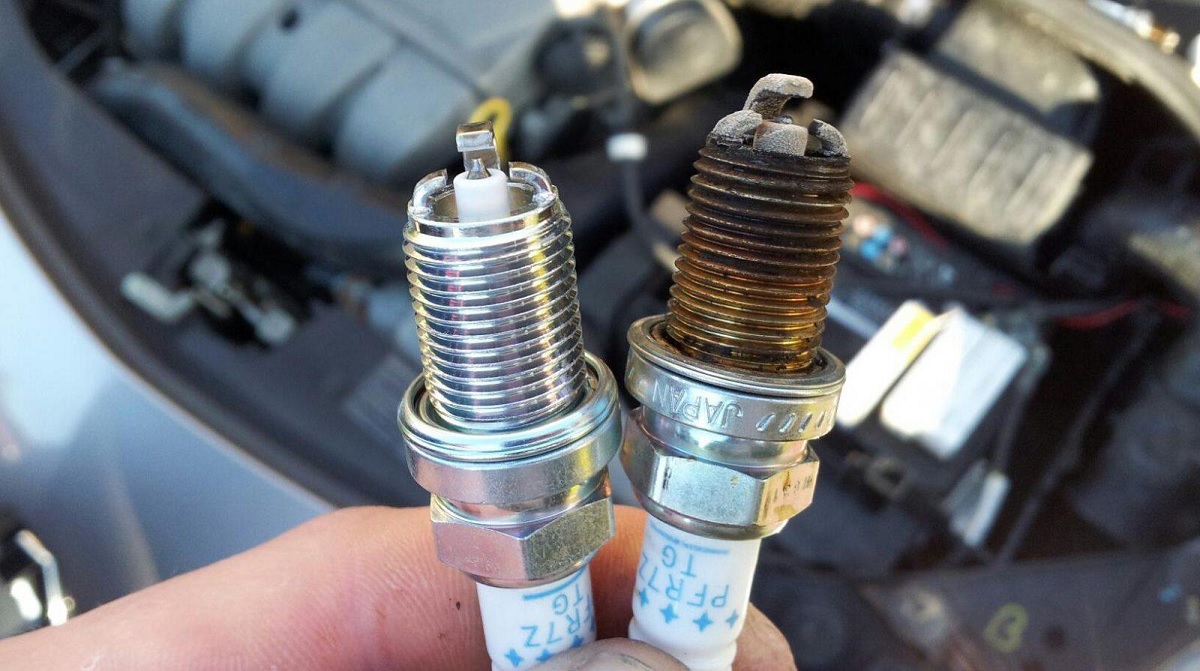
Carbon buildup around the spark plug can interfere with its proper seating and make it more likely to blow out. Over time, oil, fuel residues, and combustion byproducts accumulate on the threads and seating surface, creating uneven pressure distribution. This weakens the plug’s hold inside the cylinder head.
Fouled plugs can also cause misfires, which increase pressure fluctuations in the combustion chamber. Repeated exposure to abnormal pressure and vibration further stresses the spark plug, potentially leading to ejection. Regular cleaning or replacing spark plugs at recommended intervals helps prevent carbon buildup and reduces blowout risk.
Preventing fouling involves maintaining proper engine tuning, using high-quality fuel, and following recommended maintenance schedules. Ensuring the combustion chamber remains clean is essential for the spark plug to stay secure under operating conditions.
Thermal and Mechanical Stress
Finally, thermal and mechanical stress can contribute to spark plug blowouts. High engine temperatures can expand metal components differently, creating movement that loosens the spark plug. Severe acceleration, high RPMs, or racing conditions increase mechanical vibration and pressure, further stressing the plug.
Engines with poor cooling systems or recurring overheating issues are particularly vulnerable. Over time, repeated stress can wear threads, compromise the plug’s seating, and make it prone to ejection. Using spark plugs rated for the engine’s temperature and stress levels helps mitigate this risk.
Addressing engine overheating, monitoring performance under high-stress conditions, and selecting appropriate spark plug types ensures better stability and reduces the likelihood of a spark plug blowing out.
How to Remove a Spark Plug That Blew Out
When a spark plug blows out of the motor, removing it safely becomes a priority to prevent further damage to the cylinder head or surrounding components. This process requires patience, the right tools, and careful attention to avoid making the situation worse. Knowing the proper removal techniques ensures the threads can be assessed and repaired, and it sets the stage for safe reinstallation.
Preparing the Engine and Tools
Before attempting to remove a blown spark plug, preparation is key. First, disconnect the battery to eliminate the risk of electrical shorts while working in the engine bay. Ensure the engine is cool, as hot components can cause burns or make metal parts more difficult to handle.
Gather the necessary tools, which may include a spark plug socket, ratchet, extension bars, a swivel joint, and a spark plug extractor kit if threads are damaged. A magnetic pickup tool or needle-nose pliers can help retrieve broken pieces safely. Having compressed air or a vacuum cleaner ready is also useful for clearing debris around the spark plug hole. Proper preparation minimizes the risk of additional damage and ensures a smoother removal process.
Removing the Loose or Partially Ejected Plug
If the spark plug is still partially in the cylinder head, start by gently unscrewing it using a socket and ratchet. Avoid forcing the plug, as this can strip the threads further or break the plug, making extraction more difficult. Applying penetrating oil around the threads and allowing it to soak for a few hours can help loosen seized plugs.
For plugs that are blown completely out or broken, using a specialized spark plug extractor is recommended. These tools are designed to grip the plug securely without damaging the cylinder head threads. Slowly rotate the extractor counterclockwise while maintaining steady pressure. Using patience during this stage is crucial, as rushing may push debris into the cylinder or further damage the threads.
Once the plug is removed, inspect it for damage and check the cylinder head threads for signs of wear, stripping, or carbon buildup. This inspection guides the next steps for repair and reinstallation.
Handling Stripped or Damaged Threads
After removing the spark plug, the threads in the cylinder head may be stripped or damaged. This is a common outcome when a plug blows out under pressure. To repair stripped threads, a helicoil or thread repair kit is often necessary. These inserts restore proper thread engagement, allowing a new spark plug to be installed securely.
Before using a helicoil, clean the spark plug hole thoroughly to remove carbon, oil, or debris. Drill the hole to the specified size and tap new threads following the instructions included with the kit. Insert the helicoil carefully, ensuring it is seated correctly. This process strengthens the cylinder head threads and prevents future blowouts.
Professional assistance may be required if damage is severe or the cylinder head is cracked. Avoid attempting aggressive fixes without proper tools or experience, as this can lead to more costly repairs.
Preparing for Reinstallation
Once the spark plug is removed and threads are repaired, preparing the new spark plug is essential. Apply anti-seize compound to the threads if recommended by the manufacturer, ensuring smooth installation without over-tightening. Use a torque wrench to tighten the spark plug to the correct specification, preventing the risk of blowouts in the future.
Check that all surrounding components, including wiring, ignition coils, and boot connectors, are dry and intact. Proper installation techniques combined with regular maintenance reduce the likelihood of recurrence and help maintain optimal engine performance.
Repairing Threads and Installing a New Spark Plug
When a spark plug blows out of the motor, repairing the threads in the cylinder head and installing a new spark plug correctly is crucial to restore engine performance and prevent future failures. Damaged threads compromise the spark plug’s seating, increasing the risk of misfires, blowouts, or engine damage. Understanding proper repair techniques, tools, and installation methods ensures the job is done safely and effectively.
Assessing and Preparing the Cylinder Head Threads
The first step is to carefully inspect the cylinder head threads. Look for signs of stripped, worn, or damaged threads, as these will prevent the spark plug from seating properly. Use a flashlight and magnifying glass if needed to identify hairline cracks, carbon buildup, or metal deformation around the spark plug hole.
Cleaning the spark plug hole thoroughly is essential. Remove all debris, carbon deposits, and oil using compressed air, a wire brush, or a vacuum. A clean surface ensures that the thread repair process is accurate and that the new spark plug seats securely. Proper assessment and preparation reduce the risk of repeated failures and make subsequent repair steps more effective.
Using a Helicoil or Thread Repair Kit
Once the threads are assessed, a helicoil or thread repair kit is often required for damaged threads. These kits provide a threaded insert that restores the spark plug hole to its original size and strength. Begin by drilling the hole to the correct size as specified in the kit instructions.
Next, use a tap tool to create new threads that will accommodate the helicoil insert. Insert the helicoil carefully, ensuring it seats evenly without cross-threading. Once installed, the insert provides durable, properly threaded engagement for the new spark plug, preventing blowouts and restoring the cylinder head’s structural integrity.
For severe thread damage, professional assistance may be necessary, especially if the cylinder head is aluminum, as improper repair can cause cracks or further damage. Following the kit instructions meticulously ensures a reliable repair and a secure spark plug installation.
Installing the New Spark Plug
With the threads repaired, the next step is installing the new spark plug. Begin by checking that the plug is the correct type and heat rating for your engine. Apply anti-seize compound to the threads if recommended by the manufacturer to prevent future binding and ensure smooth installation.
Carefully screw the spark plug into the repaired threads by hand first to avoid cross-threading. Once hand-tight, use a torque wrench to tighten the spark plug to the manufacturer’s specified torque. Avoid over-tightening, which can strip the new threads, and under-tightening, which can allow the plug to loosen under combustion pressure.
Check that the spark plug is seated correctly and that the ignition coil or spark plug boot fits snugly. Proper installation ensures a secure seal in the combustion chamber, maintaining optimal compression and preventing misfires or ejection during engine operation.
Testing Engine Performance After Installation
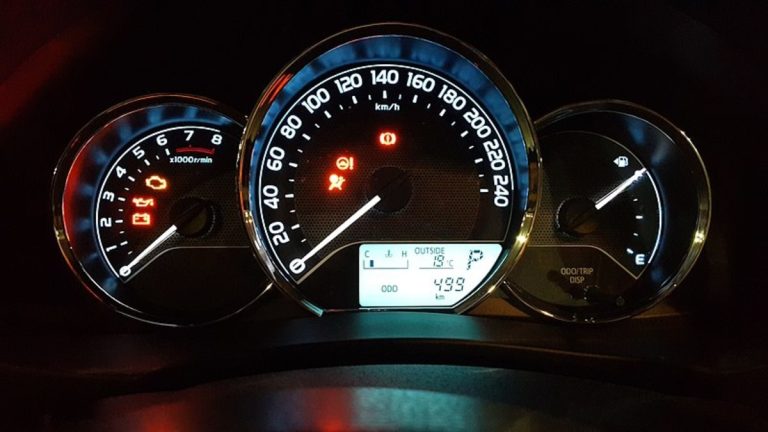
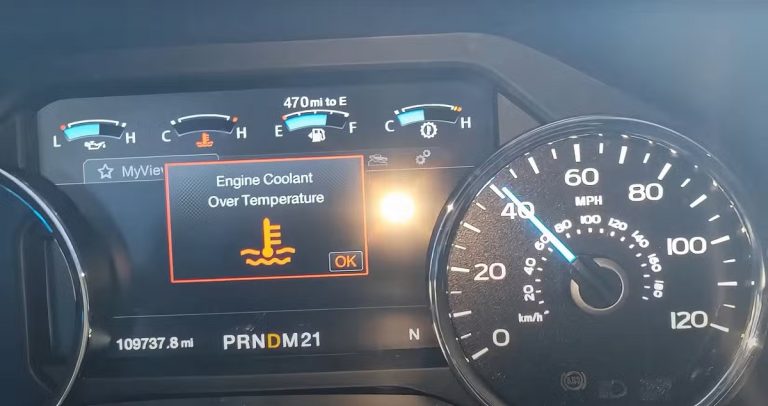
After installing the new spark plug, it’s essential to test the engine to confirm proper operation. Start the vehicle and listen for any abnormal noises, misfires, or rough running. Check the dashboard for warning lights that may indicate ignition or engine management issues.
Driving the vehicle under normal conditions allows you to verify that the spark plug is seated correctly and that the repair has resolved the original problem. Any unusual behavior should be addressed immediately, as it may indicate additional damage or installation issues. Regular inspection and maintenance will help ensure the longevity of the repaired threads and spark plug.
Preventive Measures for Future Maintenance
Preventing future spark plug blowouts starts with proper maintenance and installation practices. Always follow manufacturer torque specifications, avoid cross-threading, and inspect cylinder head threads regularly. Using anti-seize compounds and replacing worn spark plugs at recommended intervals reduces the risk of ejection.
For high-performance or turbocharged engines, consider spark plugs rated for higher pressures and temperatures to withstand combustion stresses. Combining careful installation, routine maintenance, and attention to engine health ensures that your spark plugs remain secure, maintaining engine performance and reliability over time.
Frequently Asked Questions
What Causes a Spark Plug to Blow Out of the Motor?
A spark plug can blow out of the motor due to several factors. One of the most common causes is improper installation, such as cross-threading or failing to torque the plug to the manufacturer’s specifications. This leaves the plug vulnerable to high combustion pressures.
Excessive engine pressure, detonation, worn cylinder head threads, or carbon buildup can also force a spark plug out of its seat. Understanding these causes helps you prevent recurrence by following proper installation techniques, maintaining clean threads, and monitoring engine performance regularly.
How Can I Tell If a Spark Plug Blew Out?
You can recognize a blown spark plug by several signs. A sudden engine misfire, rough running, or loss of power is often the first indicator. Unusual noises, such as popping or banging from the cylinder, may also occur.
Visual inspection can confirm the issue. You may notice the spark plug partially ejected or completely missing from the cylinder head. In severe cases, the cylinder threads may appear damaged or stripped. Prompt recognition allows you to stop driving and prevent further engine damage.
Is It Dangerous to Drive with a Spark Plug Blown Out?
Yes, driving with a spark plug blown out is risky. The exposed cylinder may lose compression, leading to poor engine performance, misfires, and difficulty starting. Driving under these conditions can also allow combustion gases to escape, potentially damaging the cylinder head or pistons.
Additionally, the loose plug or debris could harm other engine components. Stopping immediately and addressing the issue is essential to avoid costly repairs and prevent long-term engine damage.
Can I Fix a Blown Spark Plug Myself?
Repairing a blown spark plug is possible for someone with mechanical experience, but it requires proper tools and caution. You will need to remove the plug carefully, inspect the cylinder head threads, and possibly use a helicoil or thread repair kit.
Incorrect handling can worsen thread damage or break the plug further. If the threads are heavily damaged or you lack experience, it’s safer to consult a professional mechanic to ensure the repair is done correctly and avoid additional engine problems.
How Do I Repair Cylinder Head Threads After a Blowout?
Repairing threads typically involves cleaning the spark plug hole, drilling it to the correct size, and installing a helicoil insert or thread repair kit. This restores proper threading and ensures the new spark plug seats securely.
Preparation is key: remove debris, carbon buildup, and damaged metal carefully before inserting the coil. For aluminum cylinder heads, professional guidance is often recommended to avoid cracking or further damage. Proper repair prevents future blowouts and restores engine reliability.
What Preventive Measures Can Stop Spark Plugs from Blowing Out?
Preventive measures include following manufacturer torque specifications, avoiding cross-threading, and inspecting cylinder head threads regularly. Using anti-seize compounds on threads when recommended also helps maintain a secure fit.
Maintaining engine performance, cleaning carbon deposits, and replacing spark plugs at recommended intervals reduce stress on the threads. Choosing plugs rated for your engine’s pressure and temperature conditions, especially in turbocharged or high-performance engines, provides additional protection against blowouts.
How Much Does It Cost to Fix a Spark Plug Blowout?
The cost of fixing a spark plug blowout varies depending on thread damage severity and labor rates. Minor repairs, such as re-tapping threads or installing a helicoil, may cost between $50 and $150. Severe damage requiring cylinder head replacement or professional machining can run much higher.
DIY repair kits are available at lower costs, but professional repair ensures threads are restored correctly, reducing the risk of recurrence. Factoring in labor, parts, and potential engine inspection, costs can range widely, making timely attention and proper installation critical.
Final Words
Experiencing a blown spark plug can be alarming and potentially damaging to your engine, but addressing the issue promptly can prevent further complications. Inspecting the cylinder head, threads, and surrounding components is essential to ensure no additional damage occurred during the blowout. Acting quickly helps maintain engine performance and avoids costly repairs.
Understanding why a [spark plug blew out of motor] is crucial to prevent it from happening again. Common causes like improper installation, overtightening, worn threads, or engine detonation should be carefully addressed. Ensuring the correct spark plug type, proper torque, and regular maintenance checks will significantly reduce the risk of future blowouts and keep your engine running smoothly.
Proper repair and preventive measures restore both functionality and safety. By repairing damaged threads correctly, reinstalling the spark plug with care, and monitoring engine conditions, you can avoid recurring issues. Recognizing the warning signs and addressing why a [spark plug blew out of motor] ensures long-term engine reliability and performance.