What Can A Bad Intake Manifold Runner Control Cause – Warning Signs, Engine Damage & Fix Guide
Engine performance problems often begin with small components that many drivers rarely think about. One of those overlooked parts is the intake manifold runner control system. When this system starts to fail, your vehicle can quickly show noticeable symptoms that affect power, fuel efficiency, and overall drivability.
Many car owners begin searching for answers when they experience rough idling, hesitation during acceleration, or a sudden drop in gas mileage. At that point, it becomes important to understand what can a bad intake manifold runner control cause and how it directly impacts engine airflow and combustion efficiency.
The intake manifold runner control is responsible for regulating airflow inside the intake manifold, helping the engine perform efficiently at different speeds. When it malfunctions, the balance between air and fuel becomes inconsistent, leading to performance issues that should never be ignored.
Common Symptoms Of A Faulty Intake Manifold Runner Control
When the intake manifold runner control system starts to fail, your engine’s performance can change in noticeable and frustrating ways. This component manages airflow inside the intake manifold, helping optimize combustion at different speeds. A malfunction can disrupt that balance, leading to several drivability problems that affect power, fuel efficiency, and overall engine responsiveness.
Rough Idle And Engine Misfires
One of the earliest and most noticeable symptoms you may experience is a rough or unstable idle. When the intake manifold runner control is not functioning properly, it cannot regulate airflow as designed. This imbalance affects the air and fuel mixture entering the combustion chamber, causing the engine to idle unevenly. You might feel vibrations while sitting at a traffic light or notice fluctuating RPM levels on the dashboard.
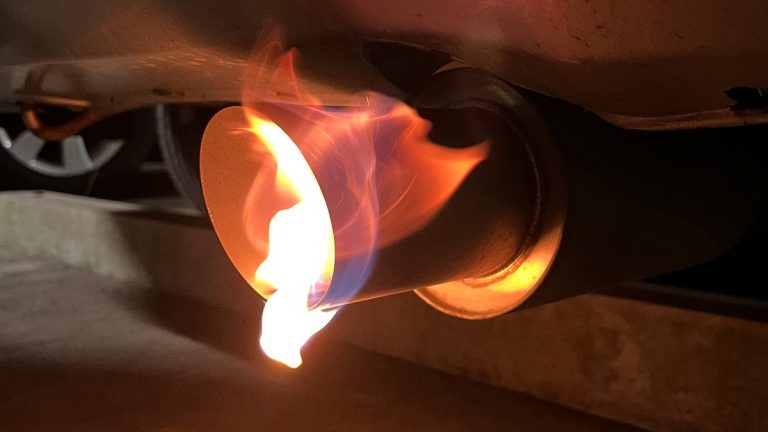
Engine misfires are also common when airflow becomes inconsistent. Incomplete combustion occurs because the cylinders are not receiving the proper air mixture. As a result, the engine may stumble, shake, or briefly lose power. You may even hear popping sounds from the exhaust or feel jerking movements while driving at low speeds.
These symptoms tend to worsen over time. What begins as a mild rough idle can turn into frequent misfires that strain other engine components. Spark plugs, ignition coils, and even catalytic converters may suffer additional stress due to improper combustion. Addressing the issue early can prevent further damage and restore smooth engine operation.
In many cases, the check engine light will illuminate alongside rough idling and misfires. Diagnostic trouble codes related to intake manifold runner control performance often appear during a scan. Ignoring these signs can lead to reduced reliability and more expensive repairs later.
Reduced Engine Power And Poor Acceleration
A faulty intake manifold runner control often leads to noticeable power loss. This system is designed to optimize airflow at both low and high engine speeds. When it fails, your engine struggles to adjust airflow efficiently, which directly affects performance. You may find that your vehicle feels sluggish, especially during acceleration or when merging onto highways.
Poor acceleration becomes more obvious under load. Pressing the gas pedal may not deliver the expected response, and the vehicle can feel hesitant or delayed. The engine may rev higher than usual without producing proportional power. This lack of responsiveness can make driving frustrating and even unsafe in certain traffic situations.
At higher RPMs, the engine relies on proper runner control positioning to maximize airflow. A malfunctioning system may remain stuck in one position, limiting air intake. As a result, combustion efficiency drops, and horsepower output decreases. You may also notice difficulty climbing hills or towing loads that were previously manageable.
Over time, continuous power loss can place additional strain on other components. The transmission may shift more frequently in an attempt to compensate for reduced torque. This added stress can increase wear and negatively impact long-term vehicle performance.
Decreased Fuel Efficiency
Another common symptom of a faulty intake manifold runner control is a drop in fuel economy. Since the system plays a critical role in balancing airflow and fuel delivery, any malfunction disrupts combustion efficiency. When the engine does not receive the correct air mixture, it burns more fuel than necessary to maintain performance.
You may notice that you are visiting the gas station more often despite maintaining the same driving habits. Even moderate city driving can result in noticeably lower miles per gallon. The engine control module may attempt to compensate for improper airflow by adjusting fuel injection timing, but this often leads to excessive fuel consumption.
Incomplete combustion caused by restricted or misdirected airflow contributes directly to wasted fuel. The engine struggles to operate efficiently, and excess fuel may pass through unburned. Over time, this not only increases fuel costs but also contributes to carbon buildup inside the intake system and exhaust components.
Decreased fuel efficiency can also signal broader performance issues. As the imbalance continues, other systems may work harder to maintain engine stability. Addressing the intake manifold runner control problem promptly can help restore optimal fuel economy and prevent unnecessary strain on related engine parts.
Illuminated Check Engine Light
The check engine light is often one of the first warnings that something is wrong with the intake manifold runner control. Modern vehicles are equipped with sensors that monitor airflow, throttle position, and manifold performance. When the system detects irregularities in runner movement or airflow control, it stores a diagnostic trouble code and activates the warning light.
You may not immediately notice performance issues, but the illuminated light indicates that the engine management system has identified a fault. Codes related to intake manifold runner control position or performance commonly appear during a scan. These codes help technicians pinpoint whether the issue stems from the actuator, linkage, or internal runner mechanism.
Driving with the check engine light on can mask worsening symptoms. While the vehicle may continue operating, underlying airflow problems persist. Over time, these issues can reduce engine efficiency and potentially affect emissions performance. Failing to address the warning may also result in failed emissions tests in regions where inspections are required.
What Can A Bad Intake Manifold Runner Control Cause In Engine Performance
The intake manifold runner control system plays a key role in managing airflow inside your engine. It adjusts the length and path of the intake runners to improve combustion efficiency at different RPM ranges. When this system fails, engine performance can decline in multiple ways, affecting power delivery, smoothness, fuel economy, and overall drivability.
Loss Of Low-End Torque And Throttle Response
A bad intake manifold runner control can significantly reduce low-end torque, making your vehicle feel weak during initial acceleration. This system is designed to optimize airflow at lower RPMs by adjusting runner positions for better air velocity. When it stops functioning correctly, airflow becomes inefficient, and the engine struggles to generate proper torque at low speeds.
You may notice delayed throttle response when pressing the gas pedal. The engine may hesitate before accelerating, especially when starting from a stop or driving in city traffic. This sluggish behavior makes everyday driving less responsive and more frustrating. In manual vehicles, it can even make gear shifts feel less smooth and controlled.
Reduced low-end torque also affects performance during uphill driving. The engine may feel strained when climbing inclines, requiring more throttle input to maintain speed. This extra effort increases engine load and may cause higher fuel consumption over time.
As the problem continues, the engine control module may attempt to compensate by adjusting fuel delivery and ignition timing. These adjustments cannot fully correct airflow imbalance, leading to ongoing performance issues that gradually worsen without proper repair.
Inconsistent Power Delivery At Higher RPMs
At higher engine speeds, the intake manifold runner control is supposed to open fully to allow maximum airflow into the cylinders. When the system fails or becomes stuck, airflow restriction can occur, limiting the engine’s ability to produce full horsepower. This results in inconsistent or reduced power output during highway driving or aggressive acceleration.
You may feel that the engine revs freely but does not translate RPM into actual speed. The vehicle might struggle when overtaking other cars or merging onto highways. This lack of top-end performance is often noticeable during rapid acceleration or when carrying heavy loads.
In some cases, the runner control mechanism may remain partially closed. This limits air intake and disrupts the air-fuel ratio, reducing combustion efficiency. The engine may feel uneven or unpredictable at higher RPMs, making performance less reliable during demanding driving conditions.
Over time, restricted airflow at higher speeds can contribute to additional stress on internal engine components. Prolonged strain can affect overall engine health and shorten the lifespan of related systems, including sensors and actuators connected to the intake manifold.
Increased Engine Strain And Overheating Risk
A malfunctioning intake manifold runner control can cause the engine to work harder than necessary. When airflow is not properly regulated, combustion becomes less efficient. The engine compensates by using more fuel and producing additional heat. This added strain increases overall engine temperature during normal driving.
Higher operating temperatures may not immediately trigger a warning, but prolonged inefficiency can place stress on cooling system components. Radiators, thermostats, and coolant passages must handle the extra heat generated by inefficient combustion. In severe cases, overheating risks increase, particularly during extended drives or hot weather conditions.
Excessive engine strain can also impact oil performance. Engine oil may break down more quickly under higher temperatures, reducing its ability to lubricate internal components effectively. This accelerates wear on pistons, valves, and cylinder walls.
Continuous strain without correction may lead to long-term mechanical damage. Gaskets, seals, and even the intake manifold itself can experience premature wear. Addressing airflow control issues early helps maintain balanced engine temperatures and protects critical components from unnecessary stress.
Higher Emissions And Failed Emissions Tests
Proper airflow management is essential for clean and complete combustion. A bad intake manifold runner control disrupts this balance, leading to incomplete fuel burning. When combustion efficiency drops, the engine produces higher levels of harmful emissions such as carbon monoxide and unburned hydrocarbons.
You may not immediately notice increased emissions while driving, but the issue often becomes apparent during emissions testing. Vehicles with faulty runner control systems may fail inspection due to elevated pollutant levels. This can result in additional repair costs and inconvenience before registration renewal.
Incomplete combustion also contributes to carbon buildup inside the intake manifold and exhaust system. Over time, this buildup restricts airflow even further and worsens engine performance. The catalytic converter may also face extra strain while attempting to process excess pollutants.
Increased emissions do not only affect environmental performance but also signal underlying inefficiency within the engine. Restoring proper intake manifold runner control function helps improve combustion quality, reduce pollutants, and maintain compliance with emissions standards while supporting overall engine health.
Impact On Fuel Economy And Emissions
Fuel efficiency and emissions performance are closely tied to how well your engine manages airflow and combustion. When components like the intake manifold runner control system malfunction, the balance between air and fuel is disrupted. This imbalance not only increases fuel consumption but also leads to higher exhaust emissions, affecting both your wallet and the environment.
How Airflow Imbalance Reduces Fuel Efficiency
Proper airflow inside the intake manifold ensures that the correct amount of air mixes with fuel before combustion. When the intake manifold runner control fails, airflow may become restricted or inconsistent. This prevents the engine from achieving optimal combustion, forcing it to burn more fuel to maintain performance levels.
You may begin to notice a steady drop in miles per gallon, even though your driving habits remain unchanged. The engine control module may attempt to compensate by adjusting fuel injection timing and pulse width. These corrections often result in an overly rich air-fuel mixture, which increases fuel consumption rather than improving efficiency.
Inefficient combustion means some fuel does not burn completely inside the cylinders. This wasted fuel reduces overall engine efficiency and places additional stress on the ignition system. Spark plugs and oxygen sensors may experience increased wear due to the imbalance.
Over time, continuous poor airflow management can create a cycle of declining performance and rising fuel costs. Addressing airflow issues early helps restore proper combustion and ensures that your engine operates within its intended efficiency range.
Increased Carbon Emissions And Pollutant Output
A malfunctioning airflow control system directly affects exhaust emissions. When the air-fuel mixture becomes too rich or too lean, combustion quality decreases. Incomplete combustion produces higher levels of carbon monoxide, hydrocarbons, and other harmful pollutants that exit through the exhaust system.
You may not see visible smoke in every case, but emission levels can still exceed acceptable limits. Vehicles equipped with onboard diagnostics often detect irregular oxygen sensor readings caused by improper combustion. These readings can trigger warning lights and indicate rising emission output.
Higher pollutant levels place additional strain on the catalytic converter. This component works harder to break down harmful gases into less toxic substances. Excessive unburned fuel entering the exhaust system can overheat or damage the converter, leading to costly repairs.
Rising emissions do not only impact environmental compliance but also signal declining engine health. Maintaining proper airflow and combustion ensures cleaner exhaust output and supports long-term system reliability without placing unnecessary strain on emission control components.
Long-Term Effects On Catalytic Converter And Sensors
The catalytic converter and oxygen sensors depend on stable combustion conditions to function correctly. When airflow becomes inconsistent, these components are exposed to fluctuating exhaust gas compositions. Prolonged exposure to unbalanced mixtures can shorten their lifespan.
Excess fuel entering the exhaust stream increases internal temperatures within the catalytic converter. Elevated temperatures accelerate internal wear and may cause partial blockage or failure. Once the converter becomes damaged, exhaust flow restriction can further reduce engine performance and fuel efficiency.
Oxygen sensors also suffer from carbon buildup and contamination when combustion remains inefficient. Inaccurate sensor readings lead to further fuel mixture adjustments by the engine control module. This creates a feedback loop where poor airflow results in incorrect fuel delivery, compounding the efficiency problem.
Replacing emission system components can be expensive, especially when multiple sensors or converters require attention. Restoring proper intake airflow helps stabilize exhaust conditions, protecting both the catalytic converter and oxygen sensors from premature damage.
Risk Of Failing Emissions Testing And Legal Compliance Issues
Modern vehicles must meet strict emissions standards to remain road-legal in many regions. When airflow management systems malfunction, emission levels often exceed regulatory thresholds. This increases the likelihood of failing periodic emissions inspections.
A failed test can lead to registration delays, repair requirements, and additional expenses. Even without noticeable drivability issues, elevated emission readings may reveal underlying combustion inefficiencies. Diagnostic trouble codes related to airflow imbalance often appear during inspection scans.
Driving with unresolved emission problems may also expose you to potential fines in areas with strict environmental enforcement. Beyond legal concerns, high emissions contribute to air pollution and reduced environmental quality.
Keeping the intake and airflow systems in proper working condition supports compliance with emission regulations. Stable combustion ensures that your vehicle operates efficiently while maintaining acceptable pollutant levels, helping you avoid unnecessary complications during inspections and routine testing.
Engine Codes Related To Intake Manifold Runner Control
When the intake manifold runner control system malfunctions, your vehicle’s onboard diagnostics system quickly detects irregular airflow or actuator movement. This triggers specific engine trouble codes stored in the engine control module. Understanding these codes helps you identify whether the issue is electrical, mechanical, or performance-related within the intake manifold runner control system.
P2004 And P2006 Intake Manifold Runner Stuck Codes
Trouble codes P2004 and P2006 are among the most common codes related to intake manifold runner control problems. These codes typically indicate that the intake manifold runner is stuck open or stuck closed. When the runner does not move to its commanded position, airflow becomes restricted or improperly regulated.
You may notice rough idling, hesitation during acceleration, or reduced engine power when these codes appear. A runner stuck open can reduce low-end torque, while a runner stuck closed can limit high-RPM performance. The imbalance directly affects combustion efficiency and overall drivability.
Mechanical binding inside the intake manifold often causes these codes. Carbon buildup, broken linkage arms, or damaged internal flaps can prevent proper movement. In some cases, a faulty actuator motor fails to adjust the runner position as instructed by the engine control module.
Ignoring P2004 or P2006 can lead to worsening airflow issues and additional strain on related components. Early diagnosis allows you to inspect both electrical connections and mechanical parts to restore proper intake operation.
P2015 Intake Manifold Runner Position Sensor Code
The P2015 code generally indicates a problem with the intake manifold runner position sensor. This sensor monitors the actual position of the runner flaps and sends feedback to the engine control module. When the signal falls outside the expected range, the system stores the code and activates the check engine light.
You may experience inconsistent acceleration or fluctuating engine performance when this code appears. Since the engine control module relies on accurate position feedback, incorrect readings can disrupt fuel delivery adjustments. This leads to unstable combustion and reduced efficiency.
Common causes include a faulty position sensor, damaged wiring, or loose electrical connectors. Over time, vibration and heat exposure can degrade wiring insulation, leading to signal interruptions. In some cases, the runner mechanism itself may move improperly, causing inaccurate sensor feedback.
Prompt inspection of the sensor circuit and mechanical linkage helps determine the root cause. Addressing wiring issues early prevents further communication errors between the intake manifold runner control system and the engine control module.
P2008 And P2011 Control Circuit Malfunction Codes
Codes P2008 and P2011 typically indicate electrical control circuit malfunctions in the intake manifold runner control system. These codes suggest that the actuator responsible for moving the intake runners is not receiving or transmitting proper electrical signals.
When these circuit-related codes appear, you may notice reduced engine performance combined with an illuminated check engine light. The engine may enter a default mode to protect itself, limiting power output. This protective response helps prevent further internal damage caused by airflow imbalance.
Electrical issues often stem from corroded connectors, damaged wiring harnesses, or a failing actuator motor. Moisture intrusion and prolonged exposure to engine heat can weaken electrical components over time. A blown fuse or relay associated with the runner control circuit may also trigger these codes.
Diagnosing circuit malfunction codes requires careful testing of voltage supply, ground connections, and actuator resistance. Restoring stable electrical communication ensures that the intake manifold runner control responds accurately to engine demands.
P2009 Intake Manifold Runner Control Circuit Low
The P2009 code indicates that the intake manifold runner control circuit is experiencing a low voltage condition. This means the actuator is not receiving sufficient electrical power to operate properly. As a result, the runner flaps may fail to adjust based on engine speed and load conditions.
Low voltage issues often cause sluggish acceleration and uneven power delivery. Since the runner mechanism cannot respond quickly, airflow regulation becomes inconsistent. The engine control module may compensate by altering fuel injection timing, which further affects efficiency.
Common causes include weakened wiring connections, high resistance in the circuit, or a partially failing actuator motor. In some cases, battery or charging system issues contribute to unstable voltage supply within the control circuit.
Testing the circuit for proper voltage levels helps identify whether the issue originates from the power source or internal actuator failure. Correcting low voltage conditions restores reliable operation of the intake manifold runner control and stabilizes overall engine performance.
Acceleration And Driveability Problems
When the intake manifold runner control system fails, acceleration and overall driveability can noticeably decline. Since this system regulates airflow based on engine speed and load, any malfunction directly affects how smoothly and efficiently your vehicle responds. From hesitation during takeoff to inconsistent highway performance, these issues can make daily driving frustrating and less predictable.
Hesitation During Initial Acceleration
One of the first signs of acceleration trouble is hesitation when you press the gas pedal. The engine may pause briefly before responding, creating a lag that feels unnatural. This delay often occurs because the intake manifold runner control is not adjusting airflow properly at lower RPM levels. Without optimized air velocity, combustion becomes less efficient.
You may notice this hesitation most clearly when starting from a complete stop. The vehicle might feel sluggish or weak during the first few seconds of movement. In city traffic, this can make smooth driving difficult and increase the need for heavier throttle input.
As the airflow imbalance continues, the engine control module may attempt to compensate by injecting more fuel. This temporary adjustment does not fully restore performance and can lead to inconsistent throttle behavior. The result is uneven acceleration that varies depending on engine load and temperature.
Over time, repeated hesitation places added strain on engine components. Frequent throttle corrections and unstable combustion can increase wear on spark plugs and fuel injectors, further affecting driveability.
Jerking Or Surging While Driving
Jerking or surging during steady driving is another common driveability problem. When airflow inside the intake manifold fluctuates due to faulty runner control, the air-fuel mixture becomes unstable. This instability can cause sudden bursts of power followed by brief drops in engine output.
You may feel the vehicle lurch forward unexpectedly or experience mild bucking at consistent speeds. This symptom often appears during light acceleration or when maintaining a steady cruising speed. The unpredictable power delivery can make the vehicle feel difficult to control smoothly.
Surging typically results from improper runner positioning. When the intake runners fail to open or close as required, airflow changes abruptly. These sudden shifts disrupt combustion timing and cause uneven engine performance.
In addition to discomfort, jerking places stress on drivetrain components. The transmission, motor mounts, and drive shafts absorb the shock from inconsistent torque delivery. Continuous surging can accelerate wear in these systems, increasing long-term repair costs.
Difficulty Maintaining Highway Speed
A malfunctioning intake manifold runner control system can make it harder to maintain consistent highway speed. At higher RPMs, the runners are supposed to allow maximum airflow for optimal power. When they fail to adjust correctly, the engine may struggle to produce steady output.
You may notice that the vehicle requires more throttle input to stay at cruising speed. Even slight inclines can cause noticeable drops in speed, forcing frequent gear shifts. This constant adjustment reduces driving comfort and increases fuel consumption.
In some cases, the engine may feel like it is working harder than normal without delivering expected performance. Higher RPM readings combined with limited acceleration often signal restricted airflow within the intake system. This imbalance reduces overall efficiency.
Sustained highway strain can also increase engine temperature. Working harder to compensate for airflow limitations adds stress to cooling and lubrication systems. Restoring proper intake runner function helps stabilize performance during long-distance driving.
Stalling And Unstable Engine Behavior
Severe intake manifold runner control problems can lead to stalling or unstable engine operation. When airflow regulation becomes highly inconsistent, combustion may fail to remain steady at low speeds. The engine can struggle to maintain idle or shut off unexpectedly.
You might experience stalling while slowing down or when coming to a stop. The RPM gauge may fluctuate before the engine cuts off completely. Restarting the vehicle may temporarily resolve the issue, but the instability usually returns.
Unstable engine behavior often results from extreme air-fuel imbalance. When the runners remain stuck in an incorrect position, airflow does not match engine demand. This mismatch disrupts smooth combustion cycles and increases the likelihood of stalls.
Repeated stalling creates safety concerns, especially in heavy traffic or at intersections. It also increases stress on the starter motor and battery due to frequent restarts. Proper diagnosis and repair of the intake manifold runner control system help restore consistent driveability and prevent further mechanical complications.
Mechanical Damage That Can Occur
When the intake manifold runner control system fails and remains unresolved, it can lead to more than just performance issues. Prolonged airflow imbalance affects internal engine components and connected systems. Over time, improper combustion, excess heat, and carbon buildup can cause mechanical damage that becomes costly and complex to repair.
Carbon Buildup Inside The Intake Manifold
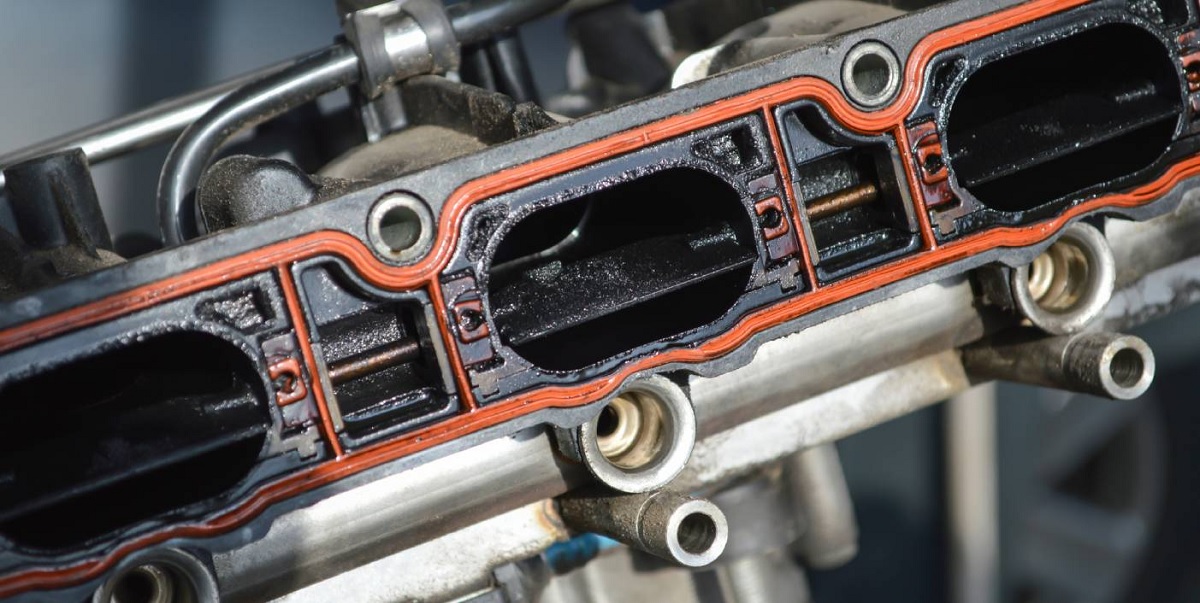
A faulty intake manifold runner control often leads to incomplete combustion. When the air-fuel mixture is not properly balanced, unburned fuel particles and soot begin to accumulate inside the intake manifold. This carbon buildup gradually restricts airflow even further, worsening the original problem.
As deposits thicken, the intake runners may struggle to move freely. Sticky carbon residue can cause flaps to bind or remain partially stuck. This mechanical restriction increases strain on the actuator motor and linkage components. Eventually, the actuator may fail completely due to excessive resistance.
Carbon accumulation does not stay limited to the intake manifold. It can spread to intake valves, reducing their ability to seal properly. Poor valve sealing affects compression levels and overall engine efficiency. Reduced compression leads to weaker combustion and declining performance.
If left untreated, severe carbon buildup may require professional cleaning or even manifold replacement. Regular inspection and early correction of airflow issues help prevent heavy deposits from forming and protect the internal surfaces of the intake system.
Premature Wear Of Intake Runner Actuator Components
The actuator motor and linkage assembly responsible for adjusting the intake runners are designed to move smoothly under controlled conditions. When airflow problems cause mechanical binding, these components experience abnormal stress. Continuous effort to reposition stuck runners accelerates wear.
The actuator motor may overheat as it attempts to overcome resistance caused by carbon deposits or damaged flaps. Electrical windings inside the motor can degrade, leading to intermittent operation or total failure. Once the actuator fails, the runners may remain fixed in one position, severely limiting airflow flexibility.
Linkage arms and pivot joints can also wear out prematurely. Repeated forced movement against obstruction weakens plastic or metal components. Over time, small cracks or loosened connections may develop, creating additional movement irregularities.
Replacing actuator components can be costly, especially when damage spreads to surrounding intake parts. Addressing the root cause of restricted movement early reduces stress on the actuator system and extends its operational lifespan.
Damage To Valves And Cylinder Components
Improper airflow regulation affects combustion quality inside the cylinders. When the intake manifold runner control system malfunctions, the engine may operate with an inconsistent air-fuel mixture. This imbalance can increase combustion temperatures and place extra stress on internal components.
Intake valves are particularly vulnerable. Excess heat and carbon buildup can cause valve surfaces to wear unevenly. Over time, valves may not close completely, leading to compression loss and reduced engine power. Persistent sealing issues can require costly valve repair or replacement.
Pistons and cylinder walls may also experience accelerated wear due to inefficient combustion. Higher temperatures and improper fuel burning increase friction and stress within the combustion chamber. Engine oil may degrade more quickly under these conditions, reducing lubrication effectiveness.
Long-term neglect of airflow control problems can contribute to significant internal engine damage. Maintaining balanced intake airflow helps protect valves, pistons, and cylinders from unnecessary mechanical strain and ensures smoother, more reliable engine operation.
Causes Behind Intake Manifold Runner Control Failure
The intake manifold runner control system relies on both mechanical and electrical components to function properly. When any part of this system weakens or becomes obstructed, airflow regulation suffers. Understanding the underlying causes of failure helps you identify problems early and prevent more serious engine performance and efficiency issues.
Carbon Buildup And Internal Contamination
One of the most common causes of intake manifold runner control failure is carbon buildup inside the intake manifold. Over time, unburned fuel residues, oil vapors, and exhaust gases passing through the EGR system create sticky carbon deposits. These deposits accumulate along the intake runners and around the runner flaps.
As carbon thickens, the runner flaps may struggle to open or close smoothly. Restricted movement places strain on the actuator motor and linkage components. Eventually, the system may become stuck in one position, triggering engine codes and performance problems.
Short trips and frequent stop-and-go driving often accelerate carbon formation. The engine may not reach optimal operating temperature long enough to burn off deposits effectively. Poor-quality fuel can also contribute to increased residue buildup.
Routine maintenance and periodic inspection of the intake system help reduce contamination risks. Addressing early signs of airflow restriction prevents carbon from progressing into severe mechanical binding that leads to complete system failure.
Faulty Actuator Motor Or Linkage Assembly
The actuator motor is responsible for physically adjusting the intake runner flaps based on commands from the engine control module. When this motor begins to fail, the entire intake manifold runner control system becomes unreliable. Electrical wear, overheating, or internal motor damage can prevent accurate flap positioning.
A weakened actuator may respond slowly or inconsistently to control signals. This delay disrupts airflow adjustments, leading to poor throttle response and uneven power delivery. Over time, repeated strain can cause the motor to stop functioning entirely.
The linkage assembly connecting the actuator to the runner flaps can also fail. Plastic components may crack due to heat exposure, while metal linkages can bend or loosen. Even minor alignment issues can interfere with smooth runner operation.
Vibration from engine movement further accelerates wear in these parts. Once mechanical connections weaken, airflow regulation becomes unpredictable. Replacing worn actuator or linkage components restores proper function and prevents extended engine performance issues.
Electrical Wiring And Sensor Problems
Electrical faults are another major cause of intake manifold runner control failure. The system depends on accurate communication between the actuator, position sensor, and engine control module. Damaged wiring, corroded connectors, or loose terminals can interrupt these signals.
Heat exposure under the hood often degrades wiring insulation over time. Cracked or brittle wires may cause intermittent electrical connections. Moisture intrusion can also lead to corrosion, increasing resistance in the circuit and affecting voltage supply.
A malfunctioning runner position sensor may send incorrect feedback to the engine control module. When the module receives inaccurate position data, it cannot properly adjust airflow. This leads to inconsistent performance and may trigger diagnostic trouble codes.
Regular inspection of wiring harnesses and electrical connectors helps identify early signs of damage. Ensuring clean and secure electrical connections supports accurate communication within the intake manifold runner control system.
Vacuum Leaks And Related Engine System Issues
In some vehicles, the intake manifold runner control system operates using vacuum pressure. When vacuum lines crack, disconnect, or leak, the runner mechanism may not move as intended. Insufficient vacuum pressure prevents proper flap adjustment, leading to airflow imbalance.
Rubber vacuum hoses naturally degrade over time due to heat and age. Small cracks may go unnoticed but still reduce vacuum efficiency. Even minor leaks can cause delayed or incomplete runner movement, affecting combustion performance.
Other related engine issues can indirectly contribute to runner control failure. Problems within the EGR system, throttle body contamination, or PCV system malfunctions may increase carbon buildup and internal intake contamination. These interconnected systems rely on stable airflow conditions.
Diagnosing vacuum integrity and inspecting related engine components help identify underlying causes of failure. Maintaining these supporting systems ensures the intake manifold runner control operates smoothly and responds accurately to changing engine demands.
FAQs
What Can A Bad Intake Manifold Runner Control Cause In Engine Performance?
A bad intake manifold runner control can directly affect how your engine performs. When the runners fail to open or close properly, airflow inside the intake manifold becomes unbalanced. This leads to poor combustion efficiency, causing rough idling, hesitation during acceleration, and uneven power delivery.
You may notice that the vehicle struggles at low RPMs or fails to generate smooth power at higher speeds. Over time, prolonged imbalance can also stress internal engine components and reduce overall reliability, making early diagnosis crucial for maintaining optimal performance.
How Does It Affect Fuel Economy?
When the intake manifold runner control malfunctions, your engine cannot regulate airflow efficiently. This imbalance forces the engine to burn more fuel to compensate for incomplete combustion, directly reducing fuel economy.
You may notice a steady drop in miles per gallon, even with normal driving habits. The engine control module may try to adjust fuel injection, but it cannot fully correct the air-fuel mixture. Over time, this not only increases fuel costs but also places additional stress on spark plugs and sensors.
Can It Cause Rough Idling Or Stalling?
Yes, a faulty intake manifold runner control can cause rough idling or even stalling. When the runner flaps are stuck or not positioned correctly, airflow to the cylinders becomes inconsistent. This disrupts the air-fuel mixture needed for smooth combustion.
You might feel the engine vibrate at a stop or notice RPM fluctuations on your dashboard. In severe cases, the engine may stall unexpectedly when slowing down or coming to a stop. Regular maintenance and timely repair of the runner system help prevent these issues.
Does It Reduce Engine Power And Acceleration?
A malfunctioning intake manifold runner control can noticeably reduce engine power. The system is responsible for optimizing airflow based on RPM and load. When it fails, low-end torque suffers, and the engine struggles to accelerate efficiently.
You may experience sluggish response when pressing the gas pedal, delayed acceleration, or difficulty merging onto highways. At higher speeds, the engine may feel like it is revving without delivering proportional power. Addressing the problem restores proper airflow and improves throttle responsiveness.
Can It Trigger The Check Engine Light?
Yes, a bad intake manifold runner control often triggers the check engine light. The engine control module monitors runner position and performance. When the actuator or sensor sends irregular signals, the module stores diagnostic trouble codes.
Codes like P2004, P2006, or P2015 may appear, indicating issues with the runner control system. While the vehicle may still drive, ignoring the warning light can lead to worsening engine performance and potential mechanical damage over time.
How Does It Affect Emissions?
Faulty intake manifold runner control disrupts the air-fuel mixture, leading to incomplete combustion. This produces higher levels of harmful emissions, including carbon monoxide and unburned hydrocarbons.
You may not see visible smoke, but exhaust gases contain increased pollutants. Over time, this can overload the catalytic converter and oxygen sensors, leading to further engine inefficiency. Maintaining a properly functioning runner system ensures cleaner combustion and compliance with emission standards.
Can It Cause Mechanical Damage To The Engine?
Yes, prolonged failure of the intake manifold runner control can cause mechanical damage. Stuck runners and inconsistent airflow increase stress on the actuator motor, linkage, and intake manifold components. Carbon buildup inside the manifold can worsen, restricting movement further.
Additionally, poor combustion caused by airflow imbalance may increase internal temperatures, affecting pistons, valves, and cylinder walls. If left unresolved, these conditions can accelerate engine wear and result in costly repairs. Early detection and repair protect both performance and mechanical integrity.
Final Thoughts
Engine performance problems often begin with small airflow issues that gradually affect overall drivability. When airflow inside the intake manifold is not properly controlled, you may notice rough idling, poor acceleration, and reduced fuel efficiency. Understanding what can a bad intake manifold runner control cause helps you recognize these warning signs before they turn into costly engine damage.
Ignoring this issue can lead to misfires, carbon buildup, and even long-term internal engine wear. The longer the system remains faulty, the more strain it puts on fuel delivery and combustion efficiency. That is why diagnosing the root cause early is essential for protecting engine performance.
If you suspect symptoms related to what can a bad intake manifold runner control cause, addressing them quickly can restore smooth power delivery and prevent expensive repairs. Routine maintenance and timely diagnostics always make a significant difference in engine reliability.