Car AC Stops Working When Hot Outside – Causes, Fixes, and Prevention Tips
Experiencing a sudden lack of cooling while driving on a hot day can turn a comfortable ride into a frustrating ordeal. When the air conditioning system fails during extreme temperatures, it not only affects comfort but can also make long drives exhausting. Understanding the potential causes and solutions is essential for maintaining a functional AC system.
High outdoor temperatures place extra stress on your vehicle’s air conditioning components. The compressor, condenser, and refrigerant all work harder to cool the cabin, and any weakness in these parts can lead to reduced performance or complete failure. Ignoring these issues can make the AC system more prone to long-term damage.
Knowing the warning signs and performing routine maintenance can help prevent the AC from shutting down during hot weather. Timely inspections, proper refrigerant levels, and attention to system components ensure reliable performance when you need it most.
Learning why the AC struggles under high temperatures empowers vehicle owners to take proactive steps. By identifying the problem early, you can avoid discomfort, protect your car’s system, and maintain a cool, pleasant driving experience.
Common Symptoms When Car AC Stops Working in Hot Weather
A car AC that fails during hot weather can make driving uncomfortable and even unsafe. Recognizing the common symptoms helps you identify underlying issues early, allowing for timely repairs and maintenance. Understanding these warning signs ensures your AC system functions properly, keeps you cool, and prevents long-term damage to the air conditioning components.
Reduced Cooling Performance
One of the first and most noticeable symptoms is reduced cooling performance. The AC may blow air, but it won’t feel as cold as usual, or the temperature may fluctuate unpredictably. This often happens when the refrigerant is low, the compressor is weak, or the condenser is clogged.
During extremely hot conditions, these problems become more apparent because the AC system has to work harder to maintain the desired cabin temperature. Reduced cooling can also indicate partially blocked evaporator coils or a malfunctioning thermostat. Ignoring this symptom may lead to further stress on the system, increasing the likelihood of complete AC failure during peak heat.
Strange Noises From the AC System
Unusual sounds coming from your car’s AC system are a clear indication that something is wrong. Common noises include hissing, rattling, or squealing when the AC is turned on. Hissing can indicate refrigerant leaks, while rattling may result from loose components or debris in the compressor or condenser.
Squealing or grinding noises can point to a failing compressor or worn belts, which often worsen under high-temperature conditions. These noises are usually accompanied by reduced airflow or inconsistent cooling. Paying attention to these warning signs allows you to address mechanical problems early, preventing a complete system breakdown in hot weather when AC functionality is most critical.
Weak or No Airflow
Another common symptom is weak airflow from the vents or no airflow at all. The fan may be running, but the air doesn’t circulate effectively. This can be caused by a failing blower motor, clogged cabin air filter, or obstructions in the ductwork.
During hot weather, weak airflow is more noticeable because the system struggles to maintain cabin cooling. A malfunctioning AC system with restricted airflow can make long drives uncomfortable and increase fatigue. Identifying this symptom early allows for cleaning, filter replacement, or mechanical repair to restore proper airflow and system efficiency.
Unpleasant Odors or Moisture Issues
Foul odors or excessive moisture inside the vehicle are also indicators that your AC is struggling. Musty smells often result from mold or mildew buildup in the evaporator or ducts, which can occur when the system isn’t cooling effectively. Water leaks or condensation pooling in the cabin can also indicate a clogged drain line or compromised seals.
These symptoms not only reduce comfort but may also lead to health concerns due to mold exposure. Addressing odors and moisture issues promptly ensures that the AC system functions properly and maintains a clean, healthy environment inside the vehicle. Regular maintenance, such as evaporator cleaning and checking drainage systems, prevents these problems from worsening during hot weather.
Inconsistent or Intermittent Cooling
A frequently overlooked symptom is inconsistent or intermittent cooling. The AC may work normally for a few minutes, then suddenly blow warm air, or the temperature may fluctuate unpredictably. This often occurs due to low refrigerant, electrical issues, or a failing compressor clutch.
In hot weather, these fluctuations are particularly frustrating, as the system struggles to keep up with high heat. Inconsistent cooling may also be accompanied by other symptoms, such as unusual noises or weak airflow. Detecting this problem early allows you to inspect system pressures, check for leaks, or evaluate electrical connections, preventing complete AC failure during extreme temperatures.
Typical Causes of Car AC Stops Working When Hot Outside
A car AC that fails during hot weather can be caused by various mechanical, electrical, or refrigerant-related issues. Understanding the most common causes helps you identify problems quickly and take corrective action. Addressing these issues early prevents complete AC failure and ensures your vehicle remains comfortable even during extreme heat.
Low Refrigerant Levels
One of the most frequent causes of AC failure in hot weather is low refrigerant levels. Refrigerant is essential for absorbing heat from the cabin and releasing it outside. When levels drop due to leaks or long-term depletion, the system struggles to cool the air effectively.
Low refrigerant can also cause the compressor to work harder than usual, leading to overheating and potential mechanical failure. Common signs include reduced airflow, inconsistent cooling, or hissing noises from the system. Checking for leaks and recharging the refrigerant with the manufacturer-recommended type restores cooling performance and prevents further stress on AC components.
Faulty AC Compressor
The compressor is the heart of your car’s AC system, circulating refrigerant and maintaining pressure. A malfunctioning or failing compressor often leads to reduced cooling or complete AC failure. Common causes include worn internal components, electrical issues, or overheating caused by excessive load in hot weather.
Symptoms of a faulty compressor include unusual noises, intermittent cooling, or AC that stops blowing cold air. A failing compressor can strain other AC components, potentially leading to additional repairs. Diagnosing and replacing a faulty compressor promptly ensures reliable performance, especially when high outdoor temperatures place extra demand on the system.
Clogged Condenser or Radiator
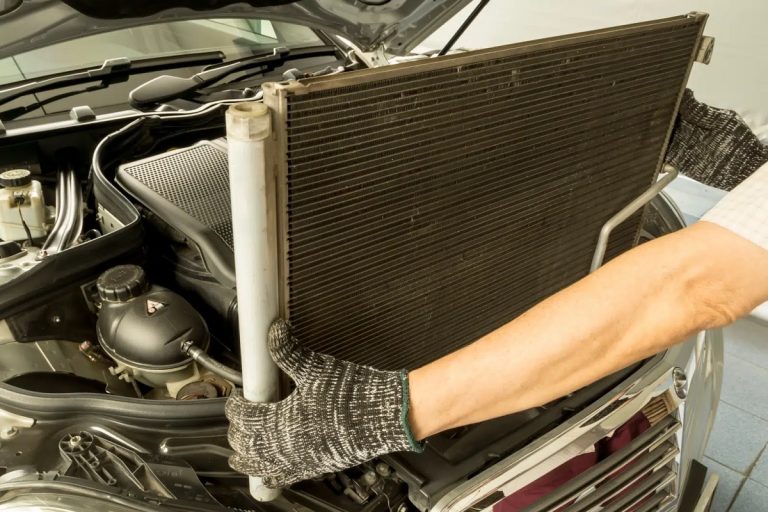
The condenser and radiator are responsible for releasing heat from the refrigerant. When either becomes clogged with debris, dirt, or insects, airflow is restricted, reducing cooling efficiency. This problem becomes especially noticeable during hot weather, as the AC struggles to maintain the desired cabin temperature.
A clogged condenser can also lead to higher system pressure, which may damage the compressor or other components. Regularly cleaning the condenser and ensuring unobstructed airflow improves heat dissipation and restores consistent cooling. Preventive maintenance minimizes the risk of AC failure during extreme heat.
Electrical or Wiring Issues
Modern car AC systems rely heavily on electrical components to operate the compressor, fans, and temperature controls. Wiring issues, blown fuses, or a malfunctioning relay can interrupt power to the AC system, causing it to stop working when hot outside.
Intermittent operation, unexpected shutdowns, or the AC not turning on at all are common signs of electrical problems. Diagnosing wiring issues involves inspecting fuses, relays, switches, and connectors. Timely repairs restore consistent function and prevent repeated system failures, ensuring your car remains cool even under high temperatures.
Faulty Blower Motor or Fan
The blower motor and cooling fans are responsible for moving air through the AC system and across the condenser. When either fails, airflow is reduced or stops entirely, making the system ineffective in hot conditions. Worn brushes, a seized motor, or a malfunctioning fan relay can all contribute to airflow problems.
A weak or non-functional blower motor often results in uneven cabin temperatures or hot spots, leaving you uncomfortable during driving. Replacing the faulty motor or fan restores proper airflow, ensures efficient heat transfer, and allows the AC system to perform effectively in hot weather.
Diagnosing the AC Problem in Hot Conditions
When a car AC stops working under hot conditions, accurate diagnosis is crucial for identifying the underlying cause and restoring performance. AC issues can arise from mechanical failures, refrigerant problems, or electrical malfunctions. Understanding the steps to diagnose these issues allows you to address them efficiently, prevent further damage, and ensure reliable cooling even during extreme heat.
Checking Refrigerant Levels and Leaks
The first step in diagnosing an AC problem is to inspect refrigerant levels and check for leaks. Low refrigerant prevents the system from cooling effectively, and leaks can occur in hoses, seals, or the condenser. Using a pressure gauge or a professional AC diagnostic kit allows you to measure system pressure accurately.
Visible signs of leaks include oil stains around hoses or connections and hissing sounds when the system is running. Identifying leaks early prevents further refrigerant loss and ensures the compressor isn’t overworked. Recharging the system and repairing leaks restores cooling capacity and protects other AC components from stress-related failures.
Inspecting the Compressor and Clutch
The compressor is critical to the AC system, circulating refrigerant and maintaining pressure. Diagnosing a faulty compressor involves checking for proper engagement of the clutch, unusual noises, and consistent operation. A compressor that fails to engage, produces grinding sounds, or runs intermittently may require repair or replacement.
Testing electrical connections and fuses that control the compressor helps determine if the issue is mechanical or electrical. Ensuring the compressor operates properly under high-temperature conditions prevents sudden AC failure and improves overall system efficiency. Prompt attention to compressor problems protects the AC from further damage.
Evaluating the Condenser and Cooling Fans
The condenser and cooling fans are responsible for dissipating heat from the refrigerant. A blocked or damaged condenser reduces heat transfer, while faulty fans fail to circulate air effectively. Diagnosing these components involves inspecting for dirt, debris, or bent fins on the condenser and verifying fan operation under high heat conditions.
Improper airflow can increase system pressure and reduce cooling efficiency, causing the AC to struggle in hot weather. Cleaning the condenser, removing obstructions, and testing fan motors restores proper heat exchange. Diagnosing these issues early ensures the system remains functional and prevents overheating of AC components.
Assessing Electrical Components
AC systems rely heavily on electrical components to function properly. Diagnosing electrical issues involves checking fuses, relays, switches, and wiring for damage or loose connections. Intermittent operation, failure to turn on, or inconsistent cooling often point to electrical faults.
Using a multimeter to test voltage and continuity helps identify which component is malfunctioning. Addressing wiring or electrical problems promptly restores consistent AC performance and prevents repeated failures, especially under extreme heat when the system is under maximum load. Proper electrical diagnosis protects the AC system and ensures reliability during hot conditions.
Testing Blower Motors and Airflow
Finally, diagnosing the blower motor and airflow is essential. Weak airflow or no airflow from vents indicates potential issues with the motor, fan, or duct obstructions. Inspecting and testing these components ensures air moves efficiently through the system, which is critical for cooling the cabin effectively.
A functioning blower motor combined with proper ductwork ensures even temperature distribution and prevents hotspots. Diagnosing and addressing motor or fan problems under hot conditions guarantees that your AC performs reliably, keeping the cabin comfortable and protecting other components from stress caused by inadequate airflow.
Quick Fixes for AC Malfunction on Hot Days
A malfunctioning AC on a hot day can make driving extremely uncomfortable and even unsafe. While some AC problems require professional service, there are quick fixes you can attempt to restore temporary cooling and improve comfort. These solutions address common issues and help you maintain airflow and temperature control until a permanent repair can be performed.
Checking and Recharging Refrigerant
One of the simplest quick fixes is to check the refrigerant levels. Low refrigerant can reduce cooling efficiency, causing your AC to struggle in hot weather. Using a pressure gauge or a DIY AC recharge kit, you can identify low levels and add refrigerant safely.
Before recharging, inspect hoses and connections for visible leaks or oil stains. Adding refrigerant temporarily restores cooling performance and reduces stress on the compressor. While this is a fast solution, it’s important to schedule a proper leak inspection afterward, as continuous loss of refrigerant can lead to long-term damage to the AC system.
Inspecting and Resetting Fuses and Relays
Electrical issues, such as blown fuses or malfunctioning relays, are common causes of AC failure. Checking your vehicle’s fuse box and replacing any blown fuses is a quick way to restore AC function. Relays can also be tested or swapped temporarily to see if the system starts working again.
This approach addresses sudden AC shutdowns or intermittent cooling without major repairs. It is particularly effective when your AC stops working only under high heat conditions, indicating that electrical load or system stress may be involved. Proper inspection ensures that the issue doesn’t recur unexpectedly while driving in hot weather.
Clearing Debris from the Condenser and Fans
Blocked airflow due to dirt, leaves, or debris on the condenser or cooling fans can reduce AC performance. A quick visual inspection and careful removal of debris can improve heat dissipation and restore some cooling efficiency. Use a soft brush, compressed air, or water to clean the condenser without damaging the fins.
Ensuring the fans operate correctly also improves airflow through the system. This quick fix can temporarily relieve overheating problems in hot conditions and allows the AC to function more effectively until a full professional cleaning or maintenance service is performed.
Using Cabin Heat Management Techniques
While not a mechanical fix, managing the cabin environment can temporarily improve comfort during AC malfunctions. Parking in shaded areas, using windshield sunshades, and keeping windows slightly cracked for ventilation reduces heat buildup inside the car.
Turning on the fan at higher settings can help circulate air even if the AC isn’t blowing cold. These techniques reduce cabin temperatures, making the ride more tolerable until professional repairs or permanent fixes are completed. Simple habits like this can prevent further strain on the AC system.
Checking Cabin Air Filter
A clogged or dirty cabin air filter can restrict airflow, making the AC ineffective during hot days. Inspecting the filter and replacing it if necessary can significantly improve cooling performance. This is a fast and inexpensive fix that often restores airflow immediately.
Maintaining a clean cabin air filter also protects the blower motor from overworking and improves overall air quality inside the vehicle. Regular filter replacement is an easy preventive measure that reduces the chances of sudden AC malfunctions during peak summer temperatures.
FAQs
Why Does My Car AC Stop Working When Hot Outside?
Your car AC may stop working when hot outside due to increased stress on the system. High temperatures make the compressor, condenser, and refrigerant work harder to maintain cabin cooling. Low refrigerant levels, clogged condensers, or a failing compressor can cause the system to struggle or shut down completely under heat.
Electrical components like fuses, relays, or wiring may also fail temporarily during extreme heat. Recognizing these issues early allows you to prevent long-term damage and maintain reliable AC performance when you need it most.
How Can I Quickly Fix My AC When It Stops Working in Hot Weather?
Quick fixes include checking refrigerant levels, inspecting and resetting blown fuses or relays, and clearing debris from the condenser and cooling fans. Recharging refrigerant temporarily restores cooling if levels are low, while cleaning the condenser improves airflow.
Adjusting cabin temperature and using sunshades or shade parking can reduce heat buildup, providing temporary relief. While these fixes restore comfort temporarily, professional inspection ensures underlying issues are addressed, preventing repeated failures during extreme heat.
Can Low Refrigerant Cause AC Failure on Hot Days?
Yes, low refrigerant is a common cause of AC failure when temperatures rise. Refrigerant absorbs heat from the cabin and transfers it to the condenser outside. When levels drop due to leaks or depletion, the AC system struggles to maintain cold air, especially during high heat.
Low refrigerant can overwork the compressor, leading to potential mechanical failure. Recharging the system and repairing leaks restores cooling efficiency and protects other components from strain caused by insufficient refrigerant.
What Role Does the Compressor Play in AC Malfunctions During Heat?
The compressor circulates refrigerant through the AC system and maintains pressure. In hot weather, the compressor works harder to cool the cabin, making mechanical issues more apparent. Worn components, overheating, or electrical faults can cause the compressor to fail, resulting in little or no cooling.
Unusual noises, intermittent operation, or AC shutdowns are common signs of compressor problems. Diagnosing and repairing the compressor promptly prevents further damage to the AC system and restores reliable cooling during extreme temperatures.
Could Electrical Problems Cause My AC to Stop Working Only in Hot Weather?
Yes, electrical issues often trigger AC failures under high temperatures. Blown fuses, faulty relays, damaged wiring, or malfunctioning switches can interrupt power to the compressor, fans, or climate control system. These problems may only appear when the system is under heavy load in extreme heat.
Checking fuses, relays, and connections, or using a multimeter to test continuity, helps identify electrical faults. Repairing these components restores AC function and ensures consistent cooling during hot weather conditions.
How Can I Prevent My AC From Failing on Hot Days?
Preventive maintenance is key. Regularly check and recharge refrigerant, inspect and clean the condenser, replace cabin air filters, and ensure all electrical components are functioning. Conditioning the system before summer and keeping the car shaded when possible reduces strain on the AC.
Routine inspections catch small leaks, worn belts, or loose wiring early. Following these steps keeps your AC reliable, protects critical components, and ensures you stay cool even during extreme heat.
When Should I Seek Professional Help for My AC?
Professional help is necessary when quick fixes don’t restore cooling, or if you notice unusual noises, intermittent airflow, or persistent warm air. Complex issues like compressor failure, severe leaks, or electrical faults require specialized tools and expertise to diagnose and repair properly.
Seeking professional service ensures a lasting solution, prevents further damage, and maintains the efficiency and reliability of your AC system. Timely intervention protects both your comfort and the longevity of your car’s air conditioning components.
Final Thoughts
Experiencing a sudden drop in cooling during hot days can make driving uncomfortable and stressful. When your air conditioning struggles, it is often a sign of issues with refrigerant levels, the compressor, or airflow components. Addressing these problems early can restore comfort and prevent further damage to the AC system.
Regular maintenance, such as checking refrigerant levels, cleaning condensers, and inspecting electrical components, can significantly reduce the chances of failure. Even simple habits like using sunshades, parking in shaded areas, and avoiding excessive strain on the AC help maintain consistent performance during extreme heat.
Understanding the potential causes and fixes equips you to respond effectively whenever your car AC stops working when hot outside. Whether through DIY checks or professional servicing, staying proactive ensures your vehicle remains cool, safe, and reliable, even during the hottest summer days.