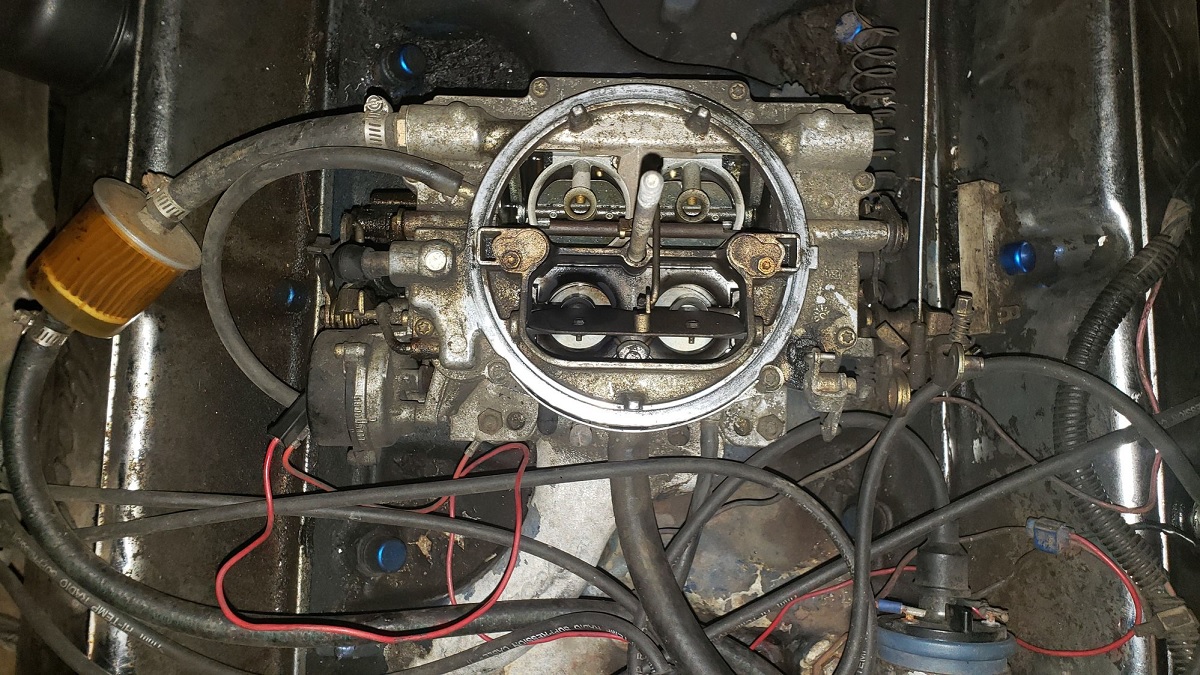
Troubleshooting Backfire through Carb on Startup: Causes, Diagnosis, and Fixes
Hearing a loud bang or pop from your engine during startup can be alarming, especially when it comes from the carburetor. Engine backfires are not only startling but can also signal underlying issues that may affect performance, fuel efficiency, and long-term engine health. Identifying the source early is key to maintaining a smooth-running engine.
Troubleshooting Backfire through Carb on Startup focuses on understanding why fuel ignites prematurely or improperly in the intake system. Problems such as incorrect air-fuel mixtures, worn components, or ignition timing issues can all contribute to startup backfires. Recognizing these factors allows for targeted adjustments and repairs.
Many drivers may notice that the engine hesitates, sputters, or produces flames or loud pops from the carburetor during ignition. These symptoms often indicate specific carburetor or ignition system problems that can be corrected with proper inspection and maintenance.
By approaching the issue methodically, evaluating both fuel delivery and ignition timing, you can prevent damage and ensure consistent engine performance. Understanding the basics of Troubleshooting Backfire through Carb on Startup prepares you to address common issues effectively and maintain engine reliability.
Common Symptoms During Startup
Startup backfires through a carburetor can signal several underlying engine issues. Recognizing these early helps in diagnosing the root cause and preventing further damage. When troubleshooting backfire through carb on startup, noting specific symptoms during ignition is critical, as they often point directly to fuel delivery, ignition timing, or carburetor-related problems.
Loud Pops or Bangs from the Carburetor
A loud pop or bang from the carburetor during startup is the most noticeable symptom of backfiring. This occurs when unburned fuel ignites prematurely in the intake manifold instead of inside the combustion chamber.
Drivers may notice a sharp sound accompanied by visible flames or smoke from the carburetor. This often indicates an excessively rich air-fuel mixture, worn gaskets, or timing issues that allow fuel to accumulate in the intake. Observing the timing and frequency of the pops helps isolate the cause, whether it’s fuel delivery-related, ignition-based, or due to air leaks. Documenting these observations is crucial for technicians when performing targeted repairs, ensuring the carburetor and ignition system are correctly adjusted to prevent repeated backfires.
Engine Hesitation or Stalling
Another common symptom is engine hesitation or stalling immediately after ignition. The engine may crank normally but struggle to maintain idle, sputtering or dying before reaching a stable RPM.
This behavior often occurs when the carburetor is delivering too much or too little fuel to the combustion chamber. Lean mixtures may cause misfires, while overly rich mixtures can flood the engine, triggering backfires.
Faulty choke operation or vacuum leaks can exacerbate these issues. Recognizing hesitation during startup provides valuable diagnostic insight, allowing mechanics to examine carburetor adjustments, fuel delivery, and ignition timing in a systematic manner. Proper correction improves both performance and reliability during engine ignition.
Visible Smoke or Fuel Odor
Smoke from the carburetor or a strong fuel smell during startup is another indication of backfire problems. This often points to unburned fuel entering the intake manifold due to improper carburetor operation or ignition timing issues.
Drivers may see black, white, or blue smoke depending on the source of combustion or oil leakage. Black smoke typically indicates a rich fuel mixture, white smoke suggests ignition of raw fuel in the manifold, and blue smoke can point to oil being burned alongside the fuel. Noticing these visual cues is essential when troubleshooting backfire through carb on startup, as they help determine whether adjustments are needed to the air-fuel mixture, choke operation, or ignition timing components.
Unusual Engine Vibrations or Rough Idle
Rough idling or unusual vibrations during startup often accompany carburetor-related backfires. The engine may feel uneven, misfire, or shake excessively as fuel ignites unpredictably in the intake manifold.
These symptoms can result from air leaks, worn carburetor components, or incorrect ignition timing. Vibrations may also indicate that one or more cylinders are not firing correctly, further confirming issues with the fuel-air mixture or spark delivery. Observing engine behavior during startup provides essential information for correcting carburetor settings, ensuring smooth ignition, and eliminating backfires.
Delayed Engine Response
A delayed engine response during ignition is another common symptom. The throttle may feel sluggish, or the engine may take longer than usual to reach operational RPM.
This delay often occurs when fuel is not atomizing properly or when ignition timing is off. Drivers may notice that pressing the accelerator has little immediate effect, or that the engine hesitates before firing fully. This symptom helps identify problems in fuel delivery, choke function, or spark timing, which are all critical areas to evaluate when troubleshooting backfire through carb on startup. Correcting these issues ensures the engine starts efficiently and eliminates sudden backfire occurrences.
By carefully observing these common startup symptoms, drivers and technicians can pinpoint the root causes of carburetor backfires. Detailed attention to sounds, engine behavior, smoke, and vibrations allows for accurate diagnosis and targeted corrective measures, maintaining engine performance and reliability.
Fuel Delivery Issues
Fuel delivery plays a critical role in engine performance, especially during startup. When a vehicle experiences backfires through the carburetor, problems with fuel delivery are often a primary cause. Proper fuel flow ensures the correct air-fuel mixture for combustion, while inconsistencies can lead to misfires, hesitation, or backfires. Understanding how fuel delivery issues manifest helps in troubleshooting backfire through carb on startup effectively.
Clogged Fuel Lines or Filters
Clogged fuel lines or filters can restrict the flow of gasoline to the carburetor, causing an uneven or insufficient air-fuel mixture. During startup, this restriction often results in sputtering, hesitation, or a backfire as the engine struggles to ignite the fuel properly.
Drivers may notice delayed ignition, rough cranking, or engine stalling immediately after turning the key. Debris, rust, or accumulated sediment in the fuel tank can clog filters or narrow fuel lines over time. Inspecting and replacing fuel filters, cleaning lines, and ensuring unobstructed flow restores proper fuel delivery. Addressing these issues prevents lean conditions in the carburetor that contribute to backfire through carb on startup, improving both performance and engine reliability.
Faulty Fuel Pump
A malfunctioning fuel pump can cause insufficient fuel pressure, leading to erratic carburetor performance. During startup, this can result in backfires as the air-fuel mixture becomes too lean for proper combustion.
Symptoms of a failing fuel pump include weak engine cranking, delayed acceleration, sputtering, and inconsistent fuel pressure. Pumps may fail due to wear, electrical issues, or contamination in the fuel system. Diagnosing involves measuring fuel pressure and observing flow consistency. Replacing or repairing a faulty pump ensures the carburetor receives the proper fuel supply, eliminating premature ignition in the intake and resolving startup backfire issues.
Incorrect Carburetor Adjustment
Even when fuel reaches the carburetor, improper adjustment can cause backfiring during startup. An overly rich or lean air-fuel mixture disrupts combustion timing, allowing unburned fuel to ignite in the intake manifold.
Drivers may notice black smoke, strong fuel odors, or popping sounds from the carburetor. Adjusting idle mixture screws, float height, or choke operation ensures the correct ratio of fuel to air enters the engine. Proper tuning reduces the likelihood of ignition occurring outside the combustion chamber, providing smoother startups and minimizing the risk of backfire through carb on startup. Regular maintenance and adjustment are key to preventing recurring fuel-related backfire problems.
Leaking or Faulty Fuel Injectors
For carbureted engines with auxiliary fuel injection systems, leaking or faulty injectors can lead to excessive fuel entering the intake. This creates a rich mixture that may ignite prematurely, resulting in backfire during startup.
Symptoms include strong fuel smell, visible smoke, or wet spark plugs, along with popping noises from the intake manifold. Inspecting injectors for leaks, clogs, or improper spray patterns allows for precise correction. Cleaning, repairing, or replacing faulty injectors restores consistent fuel delivery and prevents sudden ignition of unburned fuel. Addressing injector issues ensures smoother engine startup and improved combustion efficiency.
Fuel Pressure Regulation Problems
Proper fuel pressure is crucial for consistent carburetor performance. Malfunctioning fuel pressure regulators or blocked return lines can create surges or drops in fuel delivery, causing the engine to misfire or backfire during startup.
Symptoms include inconsistent throttle response, rough cranking, and popping sounds from the carburetor. Testing fuel pressure with a gauge can reveal irregularities, while adjusting or replacing regulators restores stable flow. Maintaining proper fuel pressure ensures that the carburetor receives a consistent supply of gasoline, preventing air-fuel mixture imbalances that contribute to backfire through carb on startup.
Ignition System Causes
The ignition system is critical for ensuring fuel combusts at the proper moment within the engine. When a car experiences backfire through the carburetor on startup, problems in the ignition system are often a key factor. Faulty spark delivery, timing misalignments, or worn components can all lead to premature ignition or incomplete combustion, resulting in backfires, popping sounds, or engine hesitation.
Faulty Spark Plugs
Worn or fouled spark plugs are a common cause of backfires during startup. Spark plugs ignite the air-fuel mixture in the combustion chamber, and any inefficiency in this process can lead to fuel igniting in the intake manifold.
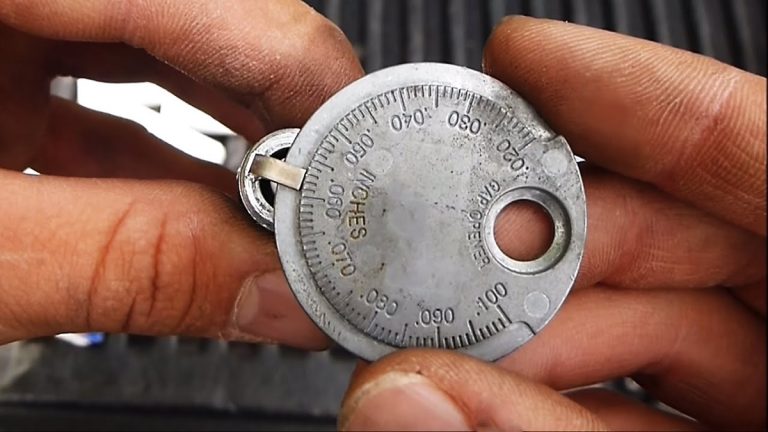
Symptoms of faulty spark plugs include engine hesitation, rough idling, misfires, or popping sounds from the carburetor. Carbon buildup, worn electrodes, or incorrect gap settings can prevent proper spark formation, especially during cold starts. Inspecting spark plugs, cleaning or replacing them, and ensuring the correct gap allows the engine to ignite fuel at the proper moment. This adjustment reduces the risk of backfire through carb on startup and improves overall engine performance.
Faulty Ignition Timing
Incorrect ignition timing is another major contributor to backfires. If the spark occurs too early or too late, unburned fuel may ignite in the intake manifold instead of the combustion chamber.
Drivers may notice popping sounds, rough cranking, or delayed engine response during startup. Timing misalignment can result from worn timing chains, distributor issues, or incorrect adjustments. Checking timing marks, inspecting the distributor, and adjusting ignition timing ensures that the spark occurs precisely when needed. Correcting timing misalignments helps prevent premature combustion, reducing startup backfires and improving engine efficiency.
Worn Distributor Components
The distributor directs high-voltage current from the ignition coil to each spark plug in sequence. Worn or damaged components, including the rotor, cap, or points, can disrupt spark delivery and cause backfires during startup.
Symptoms include irregular engine firing, weak or inconsistent spark, and audible popping from the intake. Moisture, corrosion, or mechanical wear can impair the distributor’s function. Inspecting and replacing worn rotors, caps, or points ensures proper spark distribution, restoring synchronized ignition and preventing fuel from igniting in the carburetor. Maintaining distributor components is essential for consistent startup performance and smooth combustion.
Faulty Ignition Coil
The ignition coil generates the high-voltage electricity necessary for the spark plugs to ignite the fuel mixture. A weak or failing coil can cause intermittent sparks or misfires, leading to carburetor backfires.
Drivers may notice engine hesitation, difficulty starting, or erratic firing during startup. Heat, age, or electrical damage can degrade coil performance. Testing the coil for proper resistance and output and replacing a faulty unit ensures that each spark plug receives sufficient voltage to ignite fuel efficiently. Proper coil function is critical for preventing backfire through carb on startup and ensuring consistent combustion.
Wiring and Connection Issues
Damaged wiring, loose connectors, or corrosion in the ignition system can interrupt spark delivery and trigger backfires. Even minor electrical inconsistencies can cause the engine to misfire during startup, particularly in carbureted engines.
Symptoms include intermittent sparks, popping noises, engine hesitation, or inconsistent cranking. Inspecting ignition wires, connectors, and grounds for wear or corrosion ensures proper electrical continuity. Repairing or replacing damaged components restores stable spark delivery, helping the engine ignite fuel at the correct time and reducing the likelihood of startup backfires.
By addressing ignition system causes, including spark plugs, timing, distributors, coils, and wiring, drivers and technicians can eliminate backfires, improve engine performance, and ensure reliable startups. Proper maintenance and timely repairs are essential for resolving backfire through carb on startup effectively.
Air Intake and Vacuum Problems
The air intake and vacuum system play a crucial role in maintaining the correct air-fuel mixture for combustion. When a car experiences backfire through the carburetor on startup, issues with air intake or vacuum leaks often contribute to the problem. Incorrect airflow or pressure can cause fuel to ignite prematurely or inconsistently, resulting in popping sounds, engine hesitation, or startup backfires.
Vacuum Leaks
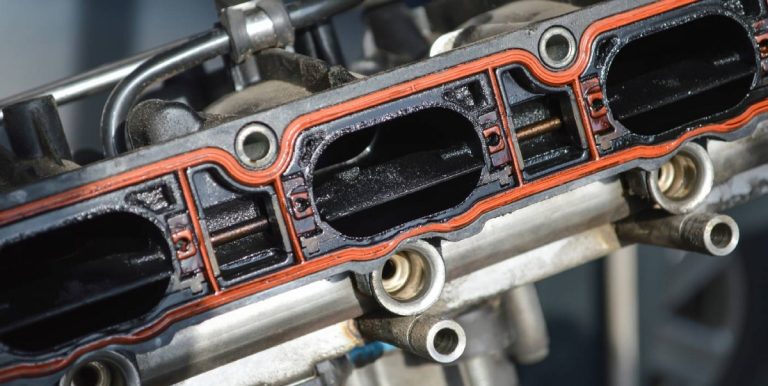
Vacuum leaks are a common cause of backfires during startup. Leaks allow extra air to enter the intake manifold, which can lean out the air-fuel mixture. This imbalance may cause unburned fuel to ignite in the intake instead of the combustion chamber.
Symptoms of vacuum leaks include rough idling, engine hesitation, popping sounds from the carburetor, and higher-than-normal RPM at startup. Leaks often occur at hoses, gaskets, or intake manifold seals. Inspecting all vacuum connections for cracks, loose fittings, or damaged gaskets is essential. Repairing leaks restores proper manifold pressure and air-fuel balance, reducing premature ignition and mitigating backfire through carb on startup.
Clogged or Dirty Air Filters
A clogged or dirty air filter restricts airflow into the carburetor, affecting the air-fuel mixture and causing improper combustion. Restricted airflow can lead to rich or uneven mixtures, increasing the risk of backfires during startup.
Drivers may notice engine hesitation, reduced throttle response, and popping sounds when turning the key. Replacing a dirty air filter ensures consistent airflow, allowing the carburetor to mix fuel and air accurately. Regular maintenance of the air intake system helps prevent startup backfires and maintains optimal engine performance. Proper air filtration is critical for combustion efficiency and smooth ignition.
Faulty Intake Manifold or Carburetor Connections
Loose or damaged intake manifold bolts, carburetor gaskets, or throttle body connections can create air leaks that disrupt fuel atomization. This uneven mixture often leads to startup backfires.
Symptoms include popping sounds, uneven engine idle, and occasional stalling during ignition. Inspecting intake connections and tightening bolts or replacing gaskets restores a sealed pathway for air and fuel. Ensuring proper connection between the carburetor and intake manifold allows the engine to maintain the correct mixture, reducing the chances of premature ignition and backfire occurrences.
Impact of Improper Air-Fuel Ratios
Air intake and vacuum problems directly affect the air-fuel ratio. Too much air (lean mixture) or too little air (rich mixture) can cause the fuel to ignite outside the combustion chamber, producing popping sounds or flames from the carburetor.
Monitoring mixture balance, checking vacuum hoses, and ensuring clean airflow paths are essential steps when troubleshooting backfire through carb on startup. Maintaining proper airflow allows fuel to combust at the correct timing, ensuring smooth ignition, preventing backfires, and improving overall engine efficiency.
Carburetor Mechanical Issues
The carburetor is responsible for mixing the right amount of air and fuel for combustion. When mechanical issues occur within the carburetor, they can lead to backfires, engine hesitation, and difficulty starting. Understanding these problems is essential for troubleshooting backfire through carb on startup, as proper fuel atomization and delivery are critical for smooth engine operation.
Worn or Sticking Float
The float inside the carburetor regulates fuel flow into the bowl. A worn or sticking float can allow too much or too little fuel to enter, disrupting the air-fuel mixture and causing backfires during startup.
Symptoms include flooding, fuel leaks, sputtering, and popping noises from the carburetor. A float that sticks in the down position allows excess fuel, creating a rich mixture that can ignite prematurely in the intake manifold. Conversely, a float stuck high limits fuel flow, resulting in a lean mixture and misfires. Inspecting the float for wear, proper movement, and leaks is essential. Replacing or repairing the float restores consistent fuel levels and prevents backfire through carb on startup, ensuring the engine receives the correct mixture for combustion.
Worn Throttle Shaft or Linkage
The throttle shaft and linkage control airflow into the carburetor. Wear or excessive play in these components can disrupt the air-fuel mixture, leading to uneven combustion and startup backfires.
Drivers may notice rough idling, popping sounds, or hesitation when pressing the accelerator. Over time, the throttle shaft can develop grooves, or the linkage can become loose, allowing unmetered air to bypass the carburetor’s metering system. Lubricating, tightening, or replacing worn shafts and linkages restores proper airflow control. Correcting these mechanical issues ensures consistent mixture delivery and smooth engine response during ignition, reducing the risk of backfires.
Damaged or Clogged Jets
Jets inside the carburetor control fuel flow to the combustion chamber. Clogged or damaged jets can restrict fuel delivery or create uneven distribution, causing misfires and backfires during startup.
Symptoms include hesitation, sputtering, uneven idling, and popping from the carburetor. Dirt, debris, or varnish from old fuel can clog jets, while wear or improper adjustment can disrupt flow. Cleaning, inspecting, and replacing jets ensures the correct amount of fuel reaches the engine, allowing proper combustion. Maintaining jet integrity is critical when troubleshooting backfire through carb on startup, as it directly affects mixture balance and ignition reliability.
Sticking Choke Mechanism
The choke regulates the air-fuel mixture during cold starts. A sticking or malfunctioning choke can flood the engine with fuel or prevent enough fuel from entering, causing startup backfires.
Symptoms include hard starting, black smoke, popping noises, or rough idling. Inspecting the choke for smooth operation, cleaning or adjusting it, and replacing worn components restores proper fuel enrichment during cold starts. A properly functioning choke ensures the engine receives the correct mixture, reducing backfires and improving overall ignition performance.
Mechanical issues in the carburetor significantly impact startup performance and backfire occurrences. Addressing floats, throttle shafts, jets, and the choke mechanism ensures proper fuel delivery, smooth ignition, and reliable engine operation.
Frequently Asked Questions
Why Does My Car Backfire Through the Carburetor on Startup?
Backfiring through the carburetor on startup usually happens when the air-fuel mixture ignites prematurely in the intake manifold. This can be caused by a lean or overly rich mixture, incorrect timing, or a flooded carburetor.
Weak spark or worn ignition components can also contribute, causing misfires that ignite fuel in the wrong place. Inspecting the carburetor settings, ignition timing, and fuel delivery system helps identify the cause. Proper adjustment and maintenance prevent repeated backfires and improve startup performance.
Can Improper Carburetor Fuel Mixture Cause Backfire on Startup?
Yes, an improper fuel mixture is a leading cause of backfire through the carb on startup. If the mixture is too lean, combustion may occur late, igniting in the intake. Conversely, an overly rich mixture can flood the carb, creating unburned fuel pockets that ignite suddenly.
Adjusting the fuel mixture, cleaning the carburetor jets, and ensuring proper float levels can eliminate backfire. Regular tuning and inspection maintain the correct air-fuel ratio for smooth and safe startup.
How Does Ignition Timing Affect Backfire Through the Carburetor?
Ignition timing plays a critical role in preventing backfire. If the spark occurs too early or too late, it can ignite fuel in the intake manifold instead of the combustion chamber.
Checking and adjusting timing according to the manufacturer’s specifications ensures fuel burns at the correct moment. Inspecting the distributor, spark plugs, and coil for wear or damage also helps prevent startup backfires and maintains overall engine performance.
Can Vacuum Leaks or Air Intake Problems Cause Backfire?
Yes, vacuum leaks or restricted airflow can disrupt the carburetor’s air-fuel mixture, leading to backfire through the carb on startup. Leaks allow extra air into the manifold, creating a lean mixture, while blockages can create pockets of unburned fuel.
Inspecting vacuum lines, gaskets, and intake passages for cracks, leaks, or debris helps restore proper airflow. Proper maintenance of these components reduces the risk of startup backfire and ensures smooth engine operation.
Could a Flooded Carburetor Be Responsible for Backfire on Startup?
Absolutely. A flooded carburetor occurs when excess fuel enters the intake manifold, often due to a stuck float, faulty needle valve, or over-choking during startup. This unburned fuel can ignite abruptly, causing backfire through the carburetor.
Draining excess fuel, adjusting the float level, and cleaning the carburetor jets and passages usually resolves the problem. Preventive maintenance prevents repeated flooding and keeps the engine starting smoothly without backfire.
How Can I Prevent Backfire Through the Carb on Startup?
Preventing startup backfire requires regular maintenance of the carburetor and ignition system. Ensure the fuel mixture is properly adjusted, carburetor jets are clean, and float levels are correct.
Regularly inspect spark plugs, ignition timing, and vacuum lines to prevent misfires or air-fuel disruptions. Keeping all intake passages clean and free from obstructions also helps. Following these steps ensures your engine starts smoothly, improves performance, and eliminates the risk of backfire through the carburetor.
Final Thoughts
Experiencing backfires during startup can be both alarming and damaging to your engine if left unaddressed. Understanding the potential causes—ranging from fuel delivery problems and ignition system faults to air intake issues and carburetor mechanical failures—allows drivers to take a systematic approach to diagnosis and repair. Careful observation of symptoms, such as popping sounds, engine hesitation, or smoke, provides valuable clues about where the problem originates.
By following a structured diagnostic process, you can identify the specific issue affecting your carburetor and related systems. Checking fuel lines, spark plugs, timing, vacuum connections, and carburetor components ensures that every possible source of premature ignition is considered. Correcting these issues not only eliminates startup backfires but also improves overall engine efficiency, performance, and reliability.
Proper maintenance and timely repairs are essential for preventing recurring problems. Through diligent attention and the right adjustments, troubleshooting backfire through carb on startup becomes manageable, allowing your engine to start smoothly, run efficiently, and remain reliable for years to come.