Engine Vibration When Decelerating – Causes, Fixes, and Prevention Tips
Experiencing unusual movements or shaking in your vehicle during slowing down can be alarming. Engine vibrations are one of the common signs that something may be affecting the vehicle’s performance. Noticing these vibrations specifically when reducing speed can indicate underlying issues that require attention to ensure safe and smooth operation.
Observing how and when the vibration occurs provides valuable clues. Vibrations during deceleration may feel different from those at idle or while accelerating, often signaling problems with the engine, transmission, or related components. Understanding these patterns helps identify whether the issue is minor or something that could lead to more serious damage.
Various factors can contribute to engine vibration when decelerating, including worn engine mounts, misfiring cylinders, or imbalance in rotating components. Early recognition and assessment allow drivers to address potential problems before they escalate, preventing costly repairs and maintaining reliable vehicle performance.
How To Recognize Engine Vibration During Deceleration
Engine vibration during deceleration can be subtle or pronounced, depending on the underlying cause. Being able to recognize these vibrations early allows you to address potential issues before they lead to major repairs. Observing the vehicle closely and understanding the patterns of shaking can help pinpoint whether the vibration is engine-related or caused by other components such as the drivetrain or suspension.
Notice The Timing And Conditions Of The Vibration
One of the first steps in recognizing engine vibration during deceleration is paying attention to when it occurs. Vibrations that appear only while slowing down, as opposed to during acceleration or idle, are more likely linked to engine or transmission issues rather than external factors like road conditions.
Observe whether the vibration occurs at specific speeds or during light versus heavy braking. This pattern can help differentiate between engine-related problems and issues in the braking or drivetrain systems. Recording the conditions in which the vibration happens allows you to provide more accurate information to a mechanic for diagnosis.
Documenting the frequency, intensity, and context of the vibration ensures a clear understanding of the issue, making it easier to identify the root cause.
Feel The Intensity And Location Of The Vibration
The intensity and location of engine vibrations provide valuable diagnostic clues. Engine vibrations are often felt through the steering wheel, brake pedal, or the seat, whereas other issues might transmit shaking differently.
Pay attention to whether the vibration is mild and barely noticeable or strong enough to rattle the cabin. Mild vibrations may indicate minor engine imbalance or misfires, while more pronounced shaking could suggest worn engine mounts, damaged transmission components, or other mechanical problems.
Noting the specific areas where vibrations are felt helps narrow down the potential causes. A systematic approach to observing intensity and location ensures a more accurate assessment and quicker resolution.
Listen For Unusual Noises
Alongside physical vibrations, unusual noises often accompany engine vibration during deceleration. Clicking, knocking, or rumbling sounds can indicate internal engine issues or problems with mounting components.
Identify whether the sound changes with vehicle speed, gear selection, or braking pressure. Some noises may only appear during deceleration, signaling an imbalance or misalignment that becomes noticeable when engine load decreases. Keeping a log of these auditory cues aids mechanics in diagnosing the problem efficiently.
Combining noise detection with vibration observation increases the chances of identifying the exact cause and preventing further damage to engine or transmission components.
Observe Related Performance Symptoms
Engine vibration during deceleration may be accompanied by other performance symptoms, such as rough idling, delayed throttle response, or unusual exhaust behavior. These additional signs often point to misfires, fuel delivery problems, or worn engine mounts.
By monitoring overall vehicle behavior, you can correlate vibrations with specific mechanical or engine issues. This helps in determining whether the vibration is isolated or part of a larger problem affecting the vehicle’s performance. Accurate observation ensures that corrective measures are targeted and effective.
Documenting related symptoms, intensity, and timing creates a comprehensive picture for accurate diagnosis. Awareness of these indicators allows you to address engine vibration promptly, reducing the risk of more serious mechanical failures.
Common Causes Of Engine Vibration When Decelerating
Experiencing engine vibration during deceleration is a common concern for drivers, and understanding the potential causes is essential for timely intervention. Several mechanical, electrical, and fuel-related issues can lead to vibrations specifically when the vehicle slows down. Identifying these causes helps prevent further damage, maintain smooth performance, and ensure safe driving conditions.
Worn Or Damaged Engine Mounts
One of the most frequent causes of engine vibration when decelerating is worn or damaged engine mounts. These mounts are designed to secure the engine to the vehicle’s frame while absorbing vibrations. Over time, they can crack, loosen, or lose their elasticity.
When engine mounts are compromised, the engine is less stable and may shift slightly during deceleration, causing noticeable shaking. This vibration can often be felt in the steering wheel, floorboard, or seat. Symptoms may worsen during quick deceleration or when braking hard, as the engine moves more abruptly.
Replacing or repairing worn mounts restores engine stability and significantly reduces vibrations. Regular inspection of mounts as part of routine maintenance can prevent early wear and ensure the engine remains properly supported, reducing strain on other components.
Misfiring Cylinders Or Ignition Issues
Engine misfires or ignition problems are another common source of vibration during deceleration. When a cylinder fails to fire correctly, the engine experiences uneven power delivery, creating shaking that can be felt throughout the vehicle.
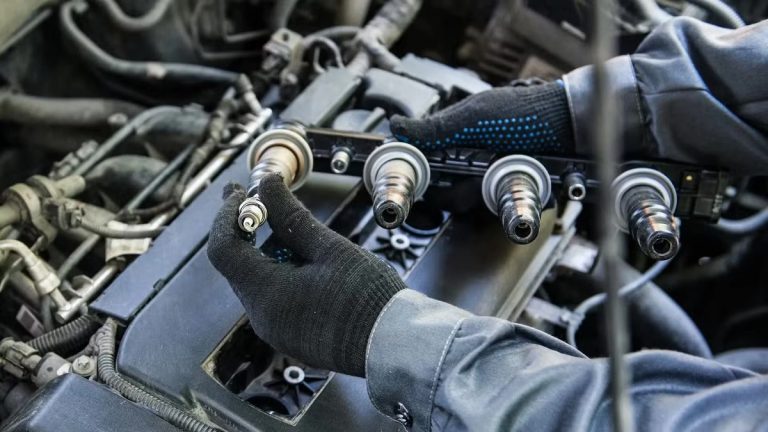
Causes of misfires include worn spark plugs, faulty ignition coils, or issues with fuel injectors. These problems may also trigger check engine lights or reduce engine efficiency. During deceleration, misfires can become more noticeable as engine load changes, creating irregular vibrations.
Addressing ignition problems promptly ensures smooth operation, improves fuel efficiency, and prevents additional strain on engine components. Proper maintenance of spark plugs, ignition coils, and fuel delivery systems is key to minimizing vibration-related issues.
Imbalanced Or Worn Rotating Components
Rotating components such as the crankshaft, driveshaft, or pulleys can cause engine vibration if they are worn, imbalanced, or misaligned. Even minor irregularities in these components may become noticeable during deceleration when engine speed and load fluctuate.
Vibrations may be accompanied by unusual noises, such as rattling or humming. Misalignment or imbalance increases stress on bearings and other components, potentially causing accelerated wear or failure. Identifying the specific rotating part responsible requires careful inspection by a professional.
Maintaining proper alignment and replacing worn or damaged components ensures smooth engine performance and prevents vibration from affecting vehicle control or comfort. Routine inspections can catch these issues before they worsen.
Fuel Delivery Problems
Inconsistent fuel delivery can also contribute to engine vibration when decelerating. Issues such as clogged fuel injectors, a dirty fuel filter, or a failing fuel pump can disrupt the engine’s combustion process, leading to irregular power output.
During deceleration, the reduced fuel demand may highlight these irregularities, resulting in vibrations. Drivers may also notice rough idling, hesitation, or reduced acceleration performance. Maintaining clean fuel lines and replacing filters as recommended helps prevent vibration caused by fuel inconsistencies.
Proper fuel system maintenance ensures steady combustion, smooth engine operation, and reduced likelihood of vibration during speed changes.
Transmission And Drivetrain Concerns
Problems within the transmission or drivetrain can mimic engine vibration during deceleration. Worn universal joints, torque converter issues, or failing transmission mounts can create shaking that feels like engine vibration.
These issues often occur when engine speed drops but rotational components continue to move, transmitting vibration through the vehicle frame. Addressing transmission or drivetrain problems promptly prevents further damage and maintains smooth deceleration performance.
Regular maintenance, including fluid changes and inspection of drivetrain components, helps ensure that vibrations are not caused by mechanical wear outside the engine itself. Proper care keeps all moving parts functioning harmoniously, reducing stress and prolonging vehicle life.
How To Diagnose The Source Of Vibrations
Engine vibrations during deceleration can stem from a variety of causes, and accurately diagnosing the source is crucial for proper repairs. A systematic approach that combines observation, testing, and elimination of potential issues helps identify whether the problem is related to the engine, drivetrain, fuel system, or other components. Understanding how to pinpoint the source reduces repair costs and prevents further damage.
Observe When And How The Vibration Occurs
The first step in diagnosing vibrations is carefully observing when and how they appear. Pay attention to whether the shaking occurs only during deceleration or is also present at idle, acceleration, or while coasting. Note the vehicle’s speed, gear, and load conditions when the vibration is most pronounced.
Recording these details provides valuable clues about the source. For instance, engine-specific vibrations are often felt in the steering wheel, floorboard, or seat, whereas drivetrain or wheel-related vibrations may be more noticeable through the pedals or chassis. Observing patterns and consistency helps isolate the problem, allowing for targeted inspection and repair.
Inspect Engine Mounts And Structural Components
Worn or damaged engine mounts are a common culprit of vibrations during deceleration. Carefully inspect mounts for cracks, loosened bolts, or signs of deterioration. A visual inspection can often reveal rubber degradation, metal fatigue, or oil contamination that reduces the mount’s effectiveness.
Additionally, examine transmission mounts and nearby structural components, as loose or worn mounts in these areas can transmit vibration throughout the vehicle. Testing by lightly rocking the engine while the vehicle is stationary can reveal excessive movement, helping to confirm whether mounts are the source of shaking.
Check Ignition And Fuel Systems
Engine misfires or inconsistent fuel delivery frequently contribute to vibration. Inspect spark plugs, ignition coils, and wires for wear, corrosion, or improper installation. Misfiring cylinders often create uneven power output, which becomes more noticeable during deceleration.
Examine the fuel system as well, including injectors, filters, and the fuel pump. Blocked or partially clogged components can lead to irregular combustion, causing the engine to shake. Monitoring engine performance, noting rough idling or hesitation, and using diagnostic tools can help pinpoint ignition or fuel-related causes.
Evaluate Rotating Components And Drivetrain
Rotating components, such as the crankshaft, pulleys, or driveshaft, should also be inspected. Imbalance, misalignment, or wear in these parts can generate vibration that increases or becomes noticeable during deceleration.
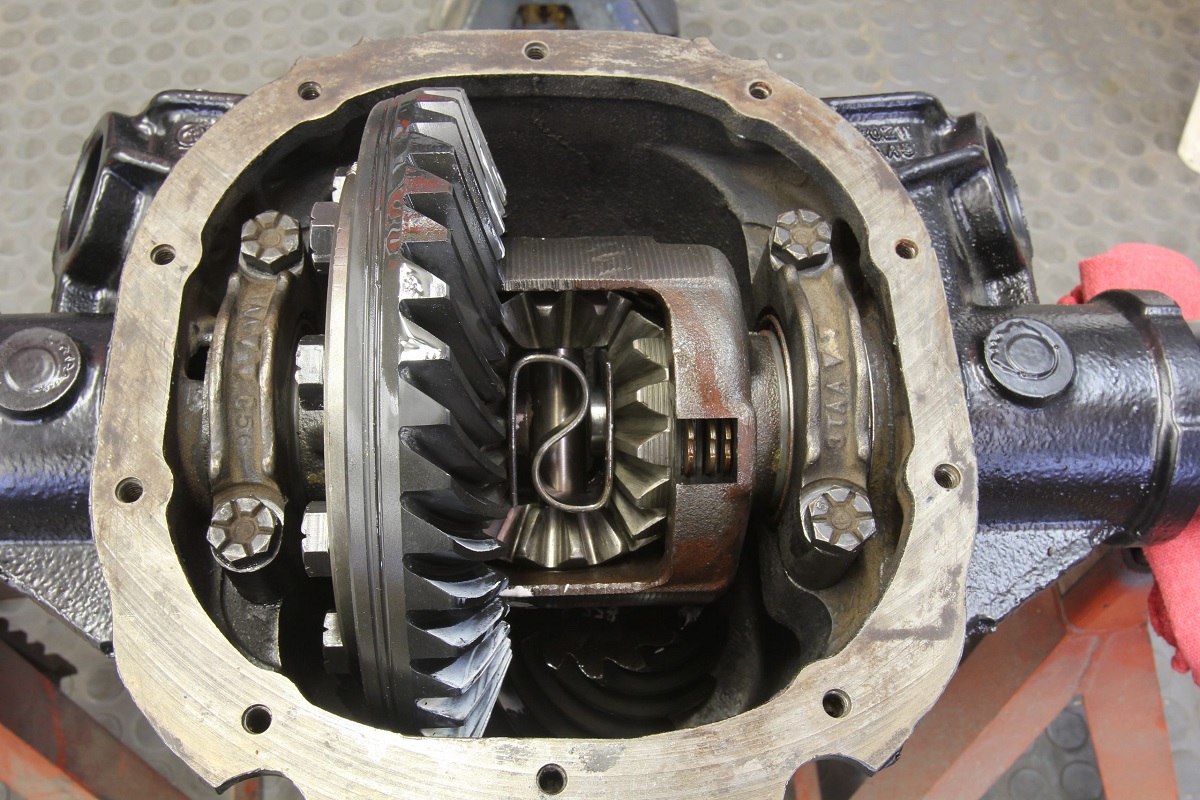
Check the drivetrain, including the transmission, differential, and universal joints. Worn or damaged components can transfer vibrations to the chassis, giving the impression of engine-related shaking. Using test drives and feeling for changes in vibration intensity helps distinguish between engine and drivetrain sources.
Use Diagnostic Tools And Professional Assistance
Diagnostic tools, such as OBD-II scanners, vibration analyzers, or engine monitors, provide additional insight into the source of shaking. These tools can detect misfires, sensor errors, or performance inconsistencies that may not be visible during a basic inspection.
Consulting a professional mechanic ensures thorough evaluation and accurate diagnosis. Professionals can perform in-depth tests, such as engine balance checks, fuel system flow tests, and drivetrain inspections, which pinpoint the root cause efficiently. Combining observation, testing, and expert advice leads to a reliable solution and restores smooth vehicle operation.
Preventive Measures To Avoid Engine Vibrations
Preventing engine vibrations during deceleration starts with regular maintenance and proactive care. By addressing potential issues before they escalate, drivers can ensure smoother performance, reduce wear on components, and maintain vehicle safety. Implementing routine checks and following manufacturer recommendations helps minimize the risk of vibrations and keeps your car running efficiently.
Regular Engine Maintenance
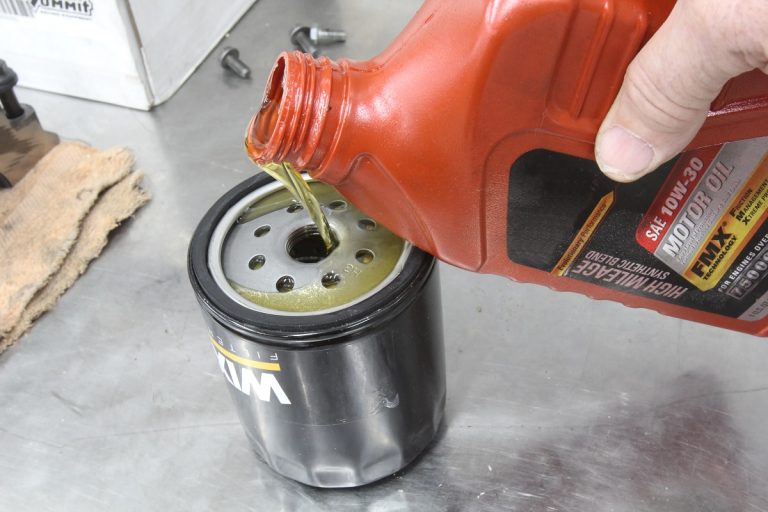
Consistent engine maintenance is key to preventing vibrations. This includes timely oil changes, replacing air and fuel filters, and inspecting spark plugs and ignition components. Clean oil and properly functioning engine parts reduce friction, promote smooth combustion, and maintain balance within the engine.
Regular maintenance also involves checking for leaks, unusual noises, or signs of wear that could affect engine stability. Keeping the engine in optimal condition ensures that deceleration does not trigger unwanted vibrations and extends the lifespan of essential components.
Inspect And Replace Engine Mounts
Engine mounts play a crucial role in absorbing vibrations. Regular inspection of mounts for cracks, wear, or loosening prevents excessive engine movement. Replacing damaged or deteriorated mounts ensures that the engine remains stable under varying loads, including deceleration.
Properly maintained mounts reduce stress on other components and minimize shaking felt in the cabin. Monitoring mounts during routine service intervals allows for early detection of potential problems, keeping vibrations under control and maintaining a smoother driving experience.
Maintain Fuel And Ignition Systems
Preventive care for the fuel and ignition systems helps reduce engine vibration risks. Regularly clean or replace fuel injectors, check the fuel pump, and ensure spark plugs and ignition coils are in good condition. Consistent fuel delivery and proper ignition timing prevent misfires, which are a common cause of vibration during deceleration.
Routine inspections and using quality fuel can also help prevent clogging or buildup that disrupts combustion. Properly functioning ignition and fuel systems maintain smooth engine operation, minimizing vibrations and improving overall vehicle performance.
Monitor Rotating Components And Drivetrain
Regular checks of rotating components such as the crankshaft, pulleys, and driveshaft prevent imbalances that can cause engine vibration. Lubricating moving parts, ensuring alignment, and replacing worn components reduce the risk of uneven rotation that transmits shaking during deceleration.
Drivetrain maintenance, including transmission and differential inspections, ensures smooth power transfer and prevents vibrations from propagating through the chassis. Early detection and correction of imbalances or wear keep the vehicle running efficiently and reduce stress on other engine components.
Adopt Safe Driving Practices
Driving habits also influence engine vibration. Avoid harsh acceleration or sudden deceleration, and maintain consistent speeds when possible. Smooth driving reduces strain on the engine, mounts, and drivetrain, lowering the likelihood of vibrations.
Combining careful driving with proactive maintenance ensures long-term engine stability and enhances overall vehicle safety. By staying attentive to both mechanical and operational factors, drivers can effectively minimize the occurrence of engine vibrations during deceleration.
FAQs
Why Does My Car Experience Engine Vibration When Decelerating?
Engine vibration when decelerating often indicates that certain components in the engine or driveline are under stress or worn out. Common culprits include worn engine mounts, misfiring spark plugs, or issues with the fuel system.
During deceleration, the engine experiences sudden load changes, which can make existing problems more noticeable. If ignored, these vibrations can worsen over time, affecting driving comfort and potentially leading to more serious mechanical issues. Identifying the root cause early helps maintain smooth performance and prevents costly repairs.
Can Worn Engine Mounts Cause Vibration During Deceleration?
Yes, worn or damaged engine mounts are a frequent cause of vibration when decelerating. Engine mounts secure the engine to the chassis and absorb vibrations. Over time, they can crack, deteriorate, or lose elasticity.
When you decelerate, the engine shifts slightly due to inertia. Worn mounts fail to stabilize it properly, leading to noticeable vibrations or shaking in the cabin. Replacing worn mounts usually resolves the issue and restores a smoother, quieter driving experience.
Do Spark Plugs Or Ignition Issues Cause Engine Vibration When Slowing Down?
Yes, misfiring spark plugs or ignition system issues can contribute to engine vibration during deceleration. A misfire disrupts the combustion cycle, which can make the engine run unevenly, especially when load changes suddenly.
At idle or under light acceleration, the misfire may be less noticeable. Deceleration highlights the problem because the engine momentarily operates under partial load. Replacing worn spark plugs, checking ignition coils, and ensuring proper timing can often eliminate this vibration.
Can Fuel System Problems Lead To Vibrations When Decelerating?
Absolutely. Fuel delivery issues like clogged injectors, a weak fuel pump, or dirty filters can cause engine vibrations during deceleration. Uneven fuel supply can lead to inconsistent combustion, which manifests as shaking or vibration.
During deceleration, the engine’s demand for fuel fluctuates, making these issues more noticeable. Cleaning or replacing injectors, maintaining proper fuel pressure, and ensuring a clean fuel system can significantly reduce vibrations and restore smooth operation.
Could The Transmission Or Driveline Cause Engine Vibration When Decelerating?
Yes, worn driveline components, including CV joints, driveshafts, or transmission mounts, can create engine vibration during deceleration. Imbalances or looseness in these parts transmit movement and shaking to the engine and chassis.
If vibrations occur only when slowing down, it may indicate that these components are struggling to absorb changes in torque. Inspecting the transmission mounts, driveshaft, and related components, and replacing any worn or damaged parts, often resolves the issue.
Is It Dangerous To Ignore Engine Vibration When Slowing Down?
While occasional minor vibration may seem harmless, persistent engine vibration when decelerating should not be ignored. It can indicate worn mounts, misfires, fuel issues, or driveline problems, which may worsen over time.
Ignoring the problem can lead to reduced engine performance, accelerated wear of components, or even mechanical failure. Timely diagnosis ensures safety, prevents further damage, and maintains reliable vehicle operation, protecting both you and your passengers.
How Can I Prevent Engine Vibration During Deceleration?
Preventing engine vibration during deceleration requires regular maintenance of the engine, fuel system, ignition components, and mounts. Checking and replacing worn parts like spark plugs, engine mounts, and driveline components is key.
Keeping fuel and air systems clean, inspecting the transmission, and addressing small issues early prevents vibrations from developing. Routine servicing ensures smooth deceleration, reduces cabin shaking, and prolongs the life of critical engine and driveline components, providing a safer and more comfortable driving experience.
Conclusion
Experiencing unusual shaking while slowing down can signal underlying issues in your vehicle. Identifying and understanding the causes of engine vibration when decelerating is essential for maintaining safe and smooth operation. From worn engine mounts to misfiring cylinders or drivetrain imbalances, addressing these problems promptly prevents further damage and ensures reliable performance.
Regular maintenance and careful observation play a key role in reducing vibrations. Checking engine mounts, ignition components, fuel systems, and rotating parts helps detect potential problems early. Coupled with proper installation and alignment, these preventive measures minimize the risk of vibration and improve the longevity of your engine and drivetrain components.
Being proactive also involves adopting smooth driving habits and monitoring your vehicle for changes in performance. Staying attentive to symptoms of engine vibration when decelerating ensures that corrective action can be taken quickly, maintaining both safety and comfort on the road.