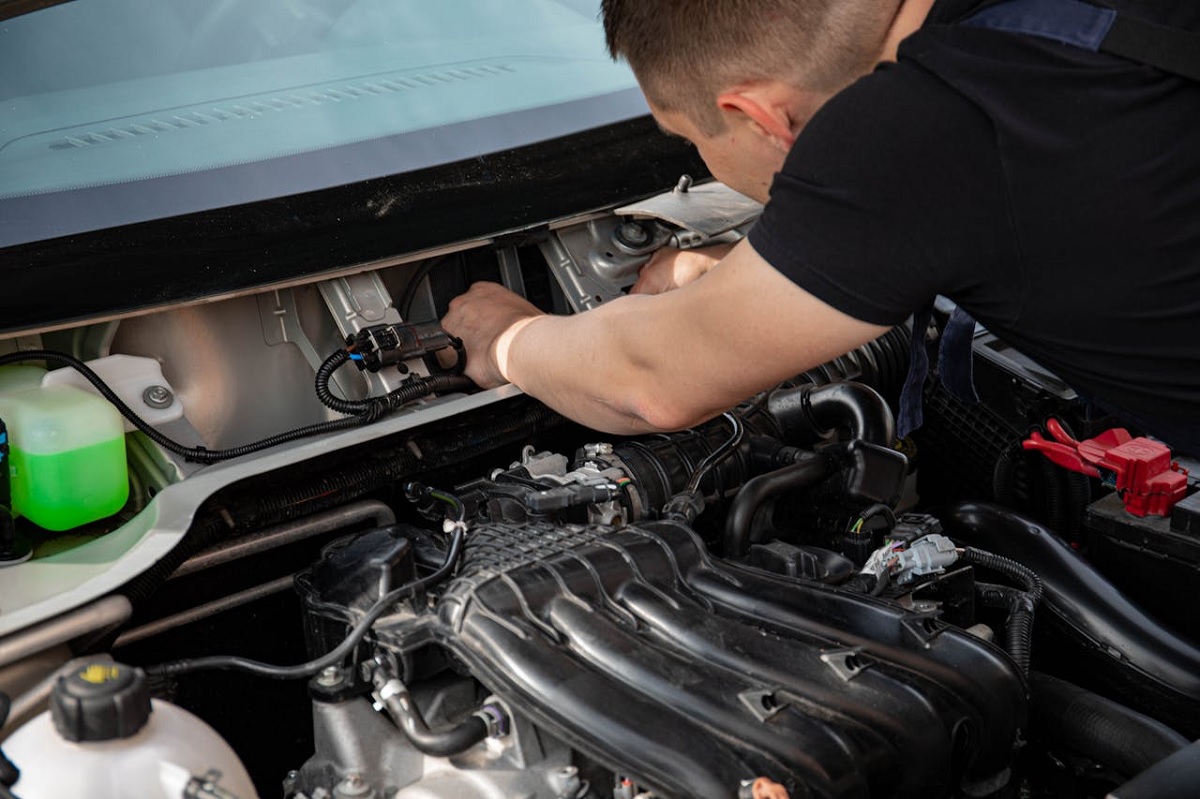
Why Your Transmission Works Cold, But Not Hot: Causes and Solutions
Experiencing inconsistent transmission performance can be frustrating, especially when your vehicle shifts smoothly at first but struggles once it heats up. Many drivers notice that their car functions normally after startup, only to encounter slipping, delayed engagement, or harsh shifts as the transmission warms.
Why your transmission works cold, but not hot often points to underlying mechanical or hydraulic issues. Worn clutches, failing solenoids, or fluid problems can behave differently depending on temperature, affecting pressure and overall performance. A transmission may operate efficiently when cold because the fluid is more viscous and components engage effectively, but as it heats, viscosity changes or worn parts may reduce proper function.
Driving with a hot transmission that underperforms can lead to increased wear, potential damage, and costly repairs. Understanding the causes and recognizing early warning signs ensures timely maintenance and prevents long-term damage. Addressing temperature-dependent transmission issues improves reliability, prolongs component life, and restores smooth shifting across all driving conditions.
Common Symptoms When Transmission Fails When Hot
Transmission problems that appear only when the system is hot are often easy to overlook but can indicate serious mechanical or hydraulic issues. Recognizing the common symptoms helps drivers diagnose problems early, prevent further damage, and maintain safe vehicle operation. Hot transmission failures can affect shifting, responsiveness, and overall drivability.
Slipping Gears During Hot Operation
One of the most noticeable symptoms is gear slipping when the transmission reaches operating temperature. The engine may rev higher than normal without corresponding acceleration, or the vehicle may unexpectedly drop out of gear.
Gear slipping often results from worn clutch packs, low or degraded transmission fluid, or failing bands within the transmission. When cold, fluid viscosity is higher and clutch engagement is firmer, so the transmission may operate normally. Once hot, fluid thins and worn components fail to maintain proper hydraulic pressure, causing slipping.
Drivers should avoid aggressive driving when slipping occurs, as continued operation can further damage clutches, gears, and the valve body. Timely inspection, fluid replacement, or component repair restores proper engagement and prevents permanent transmission damage. Regular maintenance and monitoring fluid condition can reduce the likelihood of temperature-sensitive slipping.
Delayed or Harsh Shifting
Delayed engagement or harsh shifts when the transmission is hot is another common symptom. Drivers may notice hesitation when shifting from park to drive, jerky gear changes, or sudden lurching during acceleration.
This behavior is often caused by worn or burnt clutch packs, failing solenoids, or internal hydraulic issues. Heat exacerbates the problem because high temperatures reduce fluid viscosity and impair the hydraulic circuits that control smooth gear engagement. Drivers may experience these symptoms more prominently in stop-and-go traffic or after prolonged driving.
Addressing delayed or harsh shifting requires inspection of clutch packs, solenoids, and transmission fluid condition. Replacing worn components or servicing the hydraulic system restores smooth operation. Regular fluid changes and maintenance help maintain consistent shifting across all temperatures.
Unusual Noises When Transmission Is Hot
Noises such as whining, grinding, or humming that appear only when the transmission is hot can indicate internal wear. Worn bearings, gears, or pump components may produce vibrations that increase with temperature.
Cold operation may mask these noises due to tighter tolerances and higher fluid viscosity. As the transmission heats up, expansion and fluid thinning can amplify friction and vibration, making worn components audible. Drivers may hear grinding during gear changes or whining when the vehicle is moving at low or high speeds.
Prompt diagnosis of unusual noises is critical. Continuing to drive with internal transmission wear can accelerate damage and lead to complete failure. Inspecting bearings, gears, and the fluid pump, and replacing worn parts, ensures long-term reliability and quiet operation.
Transmission Overheating And Fluid Issues
Transmission overheating or hot fluid is another symptom of failure under high temperatures. Drivers may notice warning lights, unusual odor, or unusually high transmission temperature readings.
Overheating can result from low fluid levels, degraded fluid, clogged cooling lines, or excessive friction from worn components. Heat reduces fluid viscosity, limiting lubrication and hydraulic function, which further affects shifting and gear engagement. Persistent overheating can permanently damage clutches, seals, and the valve body.
Addressing overheating involves checking fluid levels and condition, flushing and replacing degraded fluid, and inspecting the cooling system. Ensuring proper lubrication and cooling prevents temperature-sensitive failures and maintains reliable operation under hot conditions.
Loss Of Power Or Responsiveness
A transmission that works when cold but loses power or responsiveness when hot may struggle to transfer engine torque efficiently. Drivers may notice sluggish acceleration, difficulty maintaining speed, or unusual hesitations during shifts.
This symptom is typically caused by worn clutch packs, low or degraded fluid, or internal hydraulic failures. Heat reduces the fluid’s ability to maintain proper pressure, causing partial engagement or slippage. Prolonged operation in this state increases wear and can lead to complete transmission failure.
Repairing the transmission involves inspecting clutches, fluid condition, and hydraulic circuits. Replacing worn components and maintaining fluid integrity restores consistent performance, ensuring smooth acceleration and reliable power delivery in all temperature conditions.
Transmission Fluid-Related Causes
Transmission fluid is essential for lubrication, hydraulic pressure, and cooling within an automatic transmission. Problems with fluid quality, level, or contamination can cause your transmission to work when cold but fail when hot. Understanding fluid-related causes helps identify issues early and prevents severe damage to clutches, gears, and other internal components. Proper fluid maintenance is critical for smooth operation across all temperatures.
Low Transmission Fluid Levels
One of the most common fluid-related causes is low transmission fluid. Fluid levels that are insufficient to maintain hydraulic pressure can result in slipping, delayed engagement, and poor responsiveness, especially when the transmission heats up.
When cold, even low fluid may provide enough pressure for basic operation, masking the problem. As fluid warms and thins, hydraulic pressure drops, causing clutches and bands to slip or fail to engage fully. Drivers may notice gear slippage, delayed shifting, or difficulty accelerating once the vehicle has been driven for a while.
Regularly checking and topping off transmission fluid is essential. Using the correct type of fluid specified by the manufacturer ensures proper lubrication and hydraulic function. Low fluid levels should be addressed immediately to prevent overheating and long-term damage.
Contaminated Or Dirty Transmission Fluid
Dirty or contaminated transmission fluid can also cause performance issues when hot. Over time, fluid can accumulate metal particles, debris, or burnt residues, reducing its effectiveness as a lubricant and hydraulic medium.
Contaminated fluid increases friction within clutches and bands, creating slipping, harsh shifts, and vibration. Heat further reduces the fluid’s viscosity, making it less capable of maintaining pressure, which explains why the transmission works cold but struggles when hot. Drivers may also notice a burnt smell or darkened fluid as a warning sign.
Flushing and replacing contaminated fluid restores proper lubrication, prevents overheating, and improves hydraulic pressure. Regular fluid inspections and changes according to manufacturer recommendations are critical for reliable transmission performance.
Incorrect Transmission Fluid Type
Using the wrong type of transmission fluid can negatively affect shifting and overall performance, particularly under high temperatures. Each transmission is designed to operate with a specific fluid type, which provides the correct viscosity and additive package.
Incorrect fluid may be too thin or too thick, causing improper hydraulic pressure, slipping, and harsh or delayed shifts when the transmission is hot. While it might appear to work fine when cold, heat exaggerates the problem. Drivers may notice inconsistent performance, unusual noises, or difficulty engaging gears.
Replacing the incorrect fluid with the manufacturer-specified type ensures proper lubrication, hydraulic function, and temperature resistance. Correct fluid type is essential for smooth operation, long-term component protection, and preventing heat-related failures.
Fluid Degradation From Overheating
Transmission fluid can degrade when exposed to excessive heat, losing its ability to lubricate and maintain pressure. Hot driving conditions, towing, or heavy load situations accelerate fluid breakdown, which leads to temperature-dependent transmission problems.
Degraded fluid may appear dark, have a burnt smell, or feel gritty. When hot, it cannot provide sufficient hydraulic pressure, causing slipping, delayed shifts, or harsh engagement. Operating the transmission under these conditions can accelerate internal wear and eventually lead to failure.
Replacing overheated and degraded fluid with fresh, high-quality fluid restores proper function. Using an external transmission cooler or monitoring temperature during heavy use helps prevent future fluid degradation and protects the transmission.
Importance Of Regular Transmission Fluid Maintenance
Maintaining transmission fluid is critical to prevent hot-condition failures. Regular inspections, level checks, and timely fluid replacement protect hydraulic circuits, clutches, and other internal components.
Consistent fluid maintenance ensures smooth shifting, reduces wear, and prevents temperature-sensitive issues. By monitoring fluid quality and using the correct type, you can avoid slipping, delayed engagement, and overheating, maintaining reliable transmission performance in both cold and hot conditions.
Internal Transmission Component Issues
Internal transmission components work together to transfer power from the engine to the wheels smoothly. Worn or damaged parts can cause your transmission to function correctly when cold but fail once it heats up. Understanding how clutches, solenoids, bands, and valves affect performance is critical for diagnosing temperature-dependent transmission problems and preventing costly repairs.
Worn Clutch Packs
Clutch packs in automatic transmissions engage and disengage gears to provide smooth power transfer. When these clutches wear out, they may work when cold but fail under heat due to reduced friction and hydraulic pressure.
Drivers may notice gear slipping, delayed engagement, or jerky shifts after driving for some time. Heat reduces fluid viscosity, making worn clutch surfaces less effective at maintaining pressure. This can result in partial engagement, which accelerates wear and reduces overall transmission efficiency.
Replacing worn clutch packs restores proper engagement and smooth power transfer. Regular transmission maintenance, including fluid inspection and timely servicing, prolongs clutch life and prevents heat-related failures that affect performance and drivability.
Faulty Transmission Solenoids
Transmission solenoids control fluid flow to various clutches and bands, regulating gear engagement. A failing solenoid may operate properly when cold but struggle under heat, causing inconsistent shifting.
Drivers might experience delayed shifts, harsh gear changes, or slipping when the transmission is hot. Heat can cause solenoid valves to stick or fail, preventing proper hydraulic pressure distribution. Ignoring faulty solenoids may lead to increased internal wear and eventual transmission failure.
Testing and replacing malfunctioning solenoids ensures consistent fluid control, smooth shifting, and proper hydraulic pressure. Routine maintenance can identify early signs of solenoid wear, preventing temperature-sensitive transmission issues.
Worn Bands And Valves
Bands and valves inside the transmission regulate hydraulic pressure and gear engagement. Over time, these components may wear, stretch, or stick, causing shifting problems that appear when the system heats up.
Symptoms include slipping gears, delayed engagement, and harsh or erratic shifts. Heat reduces fluid viscosity, exacerbating the effects of worn bands or sticky valves. This can cause incomplete clutch engagement or improper gear timing, impacting acceleration and drivability.
Repairing or replacing worn bands and valves restores proper hydraulic function, stabilizes gear engagement, and eliminates heat-dependent shifting problems. Regular inspections and fluid maintenance help preserve the integrity of these internal components.
Importance Of Timely Internal Component Maintenance
Timely maintenance of internal transmission components is essential for reliable operation. Monitoring fluid condition, responding to early signs of slipping or delayed engagement, and addressing worn clutches, solenoids, or bands prevents heat-related failures.
Proactive maintenance reduces wear, prolongs transmission life, and ensures smooth shifting across all temperatures. Understanding the role of internal components in transmission performance allows drivers to detect problems early and avoid costly repairs while maintaining vehicle safety and drivability.
Cooling System and Overheating Problems
Transmission performance is heavily influenced by proper cooling. Overheating can reduce fluid viscosity, impair hydraulic pressure, and damage internal components, leading to situations where your transmission works when cold but fails when hot. Understanding cooling system issues and how they contribute to overheating helps prevent long-term transmission damage and ensures smooth operation across all driving conditions.
Faulty Transmission Cooler
A malfunctioning transmission cooler is a common cause of overheating. The cooler is designed to dissipate heat from transmission fluid, maintaining optimal operating temperatures. When the cooler is blocked, leaking, or damaged, fluid can overheat and lose its ability to maintain proper hydraulic pressure.
Drivers may notice delayed engagement, slipping gears, or harsh shifting once the transmission warms up. Cold operation may appear normal because the fluid hasn’t yet reached high temperatures, masking the issue. Overheating increases the wear on clutches, bands, and valves, potentially leading to permanent internal damage.
Repairing or replacing a faulty cooler restores proper fluid cooling, stabilizes transmission performance, and prevents heat-related failures. Regular inspections and cleaning of the cooler are essential to ensure it operates efficiently under all driving conditions.
Low Or Contaminated Transmission Fluid
Transmission fluid plays a key role in both lubrication and cooling. Low fluid levels or contaminated fluid can reduce heat dissipation, causing the transmission to overheat and underperform when hot.
Drivers may notice slipping, delayed shifts, or vibration as the transmission warms up. Contaminants, including debris or burnt particles, increase friction and reduce cooling efficiency, while low fluid prevents proper hydraulic pressure. Heat accelerates internal wear and may permanently damage clutches, gears, and solenoids.
Maintaining proper fluid levels, performing regular fluid changes, and using manufacturer-recommended fluid types ensure adequate cooling. This prevents heat-related problems, stabilizes hydraulic pressure, and promotes consistent performance at all operating temperatures.
Radiator And Cooling Line Issues
The vehicle’s radiator and cooling lines also affect transmission temperature. Some automatic transmissions use a radiator-integrated cooler or external lines to circulate fluid. Blockages, leaks, or corrosion in these components can restrict flow and reduce cooling efficiency.
Symptoms include slipping, delayed engagement, and hot fluid warnings. Drivers may notice performance degradation only after extended driving or in heavy traffic when heat builds up. Inefficient cooling allows transmission fluid to reach unsafe temperatures, damaging internal components over time.
Repairing leaks, flushing cooling lines, and ensuring the radiator is functioning properly restores effective heat dissipation. Regular inspection of the cooling system helps maintain stable transmission temperatures and prevents heat-induced failures.
Overheating Due To Heavy Loads Or Towing
Excessive load, towing, or stop-and-go driving can cause the transmission to overheat, even with a properly functioning cooling system. Heat builds quickly under heavy stress, reducing fluid viscosity and hydraulic efficiency.
Drivers may notice performance issues such as slipping, delayed shifts, or harsh engagement only after prolonged driving or under heavy load. Prolonged overheating accelerates wear on internal components, including clutches and solenoids, and increases the likelihood of permanent damage.
Installing auxiliary transmission coolers, monitoring fluid temperature, and avoiding sustained heavy loads can mitigate overheating risks. Adjusting driving habits and maintaining the cooling system ensures that the transmission operates reliably under all conditions.
Importance Of Cooling System Maintenance
Maintaining the transmission cooling system is critical for preventing heat-related performance issues. Regular inspections, fluid checks, and cleaning or repairing coolers, lines, and radiators help maintain optimal fluid temperature.
Proper cooling prevents slipping, delayed engagement, and internal damage, ensuring smooth operation whether the transmission is cold or hot. Monitoring fluid condition and temperature, especially under heavy use, preserves component life and improves reliability. A well-maintained cooling system is essential for consistent performance, long-term transmission health, and safe driving.
Electronic and Sensor-Related Causes
Modern automatic transmissions rely heavily on electronics and sensors to regulate shifting, hydraulic pressure, and overall performance. When these components malfunction, your transmission may work properly when cold but exhibit slipping, delayed engagement, or harsh shifts once it heats up. Understanding electronic and sensor-related causes helps identify problems early and ensures reliable transmission operation across all temperatures.
Faulty Transmission Control Module (TCM)
The Transmission Control Module (TCM) manages gear selection, shift timing, and hydraulic pressure. A malfunctioning TCM can result in temperature-dependent transmission issues, causing smooth operation when cold but erratic or delayed shifting when hot.
Drivers may notice delayed engagement, rough gear changes, or unexpected slipping after driving for a while. Heat can exacerbate electrical issues or poor connections, affecting the TCM’s ability to send correct signals to the transmission. Ignoring TCM problems can lead to further damage to clutches, solenoids, and bands.
Diagnosing TCM issues involves scanning for error codes, checking wiring and connectors, and verifying sensor inputs. Repairing or reprogramming the TCM restores proper communication with transmission components, ensuring smooth and predictable operation under all temperature conditions.
Malfunctioning Transmission Sensors
Several sensors, such as the input/output speed sensors, throttle position sensor, and temperature sensor, provide critical data for the transmission. When these sensors fail or provide incorrect readings, the TCM cannot accurately control gear shifts.
Symptoms include delayed shifting, slipping, harsh engagement, or failure to shift at the correct RPM, often appearing only when the transmission is hot. Heat can cause sensor resistance or intermittent signal loss, amplifying issues that may not appear when the system is cold. Drivers may also notice warning lights or error codes on the dashboard.
Replacing or repairing faulty sensors ensures the TCM receives accurate data, allowing proper hydraulic pressure control and shift timing. Regular diagnostic scans and sensor checks help prevent temperature-dependent transmission problems and maintain consistent performance.
Wiring And Connector Issues
Electrical wiring and connectors that serve the transmission system can develop heat-related issues, such as short circuits, corrosion, or loose connections. These problems can interfere with the TCM and sensors, causing erratic behavior when the transmission heats up.
Drivers may experience slipping, delayed engagement, or harsh shifts that worsen after extended driving. Cold operation may appear normal because electrical resistance is lower, masking the problem. Heat expands wires and connectors, highlighting poor contacts or damaged insulation.
Inspecting and repairing wiring, connectors, or harnesses ensures consistent electrical signals, stabilizing transmission operation. Preventive maintenance, such as cleaning contacts and checking for corrosion, reduces the risk of temperature-sensitive electrical failures and improves overall reliability.
Importance Of Electronic System Maintenance
Maintaining transmission electronics and sensors is critical for preventing heat-related failures. Regular diagnostic scans, sensor checks, and inspection of wiring and connectors help identify early signs of malfunction.
Proper maintenance ensures accurate communication between sensors, the TCM, and hydraulic components, preventing slipping, delayed engagement, or harsh shifts. Addressing electronic and sensor-related issues improves shifting reliability, extends transmission life, and restores smooth performance whether the system is cold or hot.
Diagnostic Steps to Identify Hot Transmission Issues
Diagnosing transmission problems that appear only when hot requires a systematic approach. Heat-sensitive issues can involve mechanical wear, fluid problems, or electronic malfunctions. By following step-by-step diagnostic procedures, drivers and technicians can pinpoint the root cause, prevent further damage, and restore reliable performance across all temperature conditions.
Checking Transmission Fluid Condition And Level
The first step in diagnosing hot transmission issues is inspecting the fluid. Transmission fluid affects lubrication, cooling, and hydraulic pressure, all of which are critical for smooth operation. Low, dirty, or burnt fluid can cause slipping, delayed engagement, or harsh shifting when the system heats up.
Check fluid level according to manufacturer recommendations, ensuring the vehicle is warm and on a level surface. Examine the fluid color and smell—healthy fluid is typically red and has a slightly sweet odor, while burnt or degraded fluid is darker with a burnt smell. Fluid that appears contaminated may contain debris or metal particles, indicating internal wear.
Topping off low fluid, performing a flush, or replacing degraded fluid can often resolve heat-related performance problems. Regular fluid checks and maintenance prevent recurrence, protect internal components, and ensure consistent transmission function at both cold and hot temperatures.
Inspecting Transmission Cooling System
A properly functioning cooling system is vital for preventing heat-induced transmission failure. Inspect the transmission cooler, radiator connections, and fluid lines for leaks, blockages, or damage that could reduce heat dissipation.
Symptoms of overheating include slipping, delayed shifts, harsh engagement, and warning lights or temperature indicators. Fluid that circulates inefficiently through the cooler loses its ability to maintain hydraulic pressure, causing the transmission to underperform when hot. Drivers may notice that issues appear only after extended driving or under heavy load conditions.
Repairing or replacing a faulty cooler, flushing lines, and maintaining proper fluid flow restores consistent cooling. Regular inspections prevent overheating, protect internal components, and ensure the transmission operates reliably under all conditions.
Evaluating Mechanical Components
Mechanical issues, such as worn clutch packs, bands, or valve bodies, often contribute to heat-dependent transmission problems. These components may engage correctly when cold but fail to maintain proper pressure as fluid thins with heat.
Drivers may notice slipping gears, delayed engagement, or harsh shifting after driving for some time. A thorough inspection involves checking for worn clutches, stretched bands, or damaged valves. Testing hydraulic pressure under operating temperature conditions helps identify components that lose efficiency when hot.
Replacing worn components restores proper engagement, smooth shifting, and prevents heat-related wear. Routine maintenance and inspection of internal transmission parts help avoid costly repairs and ensure consistent performance across all temperatures.
Testing Electronic And Sensor Functions
Modern transmissions rely on sensors and the Transmission Control Module (TCM) for precise hydraulic and gear control. Heat can expose issues with faulty sensors, wiring, or the TCM itself, leading to slipping, delayed shifts, or harsh engagement.
Diagnostics include scanning for error codes, monitoring sensor readings under hot conditions, and checking wiring connections for heat-induced faults. Common culprits include input/output speed sensors, throttle position sensors, and temperature sensors. Heat may cause intermittent signals, amplifying problems that are not evident when the transmission is cold.
Repairing or replacing faulty sensors, securing wiring, or reprogramming the TCM ensures accurate communication and stable transmission function. Regular electronic system checks prevent temperature-dependent issues and maintain reliable shifting under all conditions.
Performing Controlled Test Drives
After inspections and repairs, a controlled test drive is essential to verify hot transmission performance. Drive the vehicle under conditions similar to those that trigger symptoms, including extended driving or load situations, to observe shifting behavior.
During the test drive, monitor for slipping, delayed engagement, harsh shifts, unusual noises, or vibration. Documenting performance helps confirm that the root cause has been addressed and ensures all repairs were effective. Minor adjustments may still be necessary, especially after replacing components or servicing fluid systems.
Test driving validates the accuracy of the diagnosis, confirms stable transmission operation, and ensures smooth, predictable shifting at all temperatures. Combined with prior checks, this step completes a comprehensive diagnostic process for heat-sensitive transmission issues.
People Also Asked
Why Does My Transmission Shift Smoothly When Cold But Slips When Hot?
You might notice your transmission works fine when the engine is cold but begins slipping or hesitating as it warms up. This often happens due to low or degraded transmission fluid, which loses viscosity and fails to properly lubricate internal components.
Internal parts like clutch packs or bands can also expand when hot, creating increased friction or reduced clearance. If your transmission fluid is old, contaminated, or the wrong type, it may fail under heat, causing slipping or rough shifts. Regular fluid checks and timely maintenance are crucial to prevent these issues.
Can Low Transmission Fluid Cause It To Work Cold But Not Hot?
Yes, low transmission fluid is a common reason your transmission may operate normally when cold but struggle once it heats up. Cold fluid is thicker and temporarily maintains pressure, allowing smooth shifts initially.
As the transmission warms, fluid thins, reducing hydraulic pressure. This can prevent clutch packs from fully engaging, leading to slipping or delayed shifting. Checking the fluid level regularly, topping up with the correct type, and monitoring for leaks are essential steps to ensure your transmission performs consistently in all conditions.
How Does Transmission Fluid Condition Affect Hot Performance?
Transmission fluid degrades over time, losing its lubricating and cooling properties. When cold, even degraded fluid may work well enough to allow smooth operation.
However, once the transmission reaches operating temperature, poor-quality fluid can overheat, reduce hydraulic pressure, and fail to engage internal components fully. Dirty or burnt fluid also increases wear on clutches, valves, and bands. Changing fluid according to manufacturer recommendations ensures your transmission remains responsive both when cold and hot.
Could A Faulty Torque Converter Cause This Issue?
Yes, a failing torque converter can make your transmission work fine when cold but slip or hesitate when hot. Cold operation masks issues because the internal components are tighter and hydraulic pressure is adequate.
When the transmission warms up, the torque converter may fail to maintain proper fluid coupling. Symptoms include delayed acceleration, shuddering, or slipping under load. A professional inspection can determine whether the torque converter requires repair or replacement to restore consistent transmission performance.
Can Overheating Transmission Cause It To Fail Only When Hot?
Absolutely. Overheating transmission fluid can reduce hydraulic pressure and compromise clutch engagement, causing smooth operation when cold and poor performance when hot. External factors like towing, stop-and-go traffic, or cooling system issues may worsen overheating.
Inspecting the transmission cooler, radiator, and fluid lines is critical to ensure proper heat dissipation. Addressing overheating early prevents long-term damage to clutches, bands, and other internal components, keeping your transmission functional in all conditions.
Do Transmission Solenoids Affect Performance Only When Hot?
Yes, transmission solenoids can malfunction or stick when they heat up. Solenoids control hydraulic flow to engage gears, and if they fail under heat, your transmission may slip or hesitate.
Cold operation may appear normal because hydraulic pressure compensates for partial solenoid failure. Symptoms include delayed shifting, harsh gear engagement, or error codes. Cleaning, testing, or replacing faulty solenoids often resolves the issue, ensuring consistent shifting regardless of transmission temperature.
Can Worn Clutch Packs Cause This Cold-Hot Difference?
Worn clutch packs can lead to a transmission that operates normally when cold but slips or shudders when hot. Cold fluid and tighter clearances temporarily allow the clutches to engage.
When hot, expansion and reduced fluid viscosity prevent the clutches from fully gripping, causing slipping or delayed shifts. Replacing worn clutch packs and maintaining proper fluid levels is essential to restore smooth operation and prevent further damage.
Should I Drive My Car If The Transmission Works Cold But Not Hot?
Driving a car with a transmission that fails only when hot is risky. Continuous slipping or delayed engagement generates heat, accelerates wear, and may lead to complete transmission failure.
You should monitor fluid levels, avoid heavy loads, and schedule a professional inspection as soon as possible. Ignoring the issue can result in costly repairs, but addressing the root causes early—whether fluid replacement, solenoid repair, or clutch maintenance—ensures your transmission remains reliable and safe in all driving conditions.
Final Thoughts
Understanding why a vehicle behaves differently when the transmission is cold versus hot is essential for maintaining long-term reliability and safety. Many drivers experience smooth shifting at startup, only to notice slipping, delayed engagement, or harsh shifts once the transmission reaches operating temperature. These symptoms can stem from fluid problems, worn internal components, overheating, or sensor and electronic malfunctions.
Addressing issues promptly can prevent further damage and costly repairs. Proper transmission fluid maintenance, inspecting and replacing worn clutches, solenoids, or bands, and ensuring the cooling system functions correctly all play a crucial role. Identifying and fixing sensor or TCM issues also restores consistent performance. Understanding [Why Your Transmission Works Cold, But Not Hot] allows drivers to recognize early warning signs and take corrective action before permanent damage occurs.
Regular maintenance, including fluid checks, cooling system inspections, and component evaluations, ensures smooth, reliable transmission operation under all conditions. Recognizing temperature-dependent issues enhances driving confidence, prolongs transmission life, and reduces the risk of unexpected breakdowns.