Transmission Jerks When Changing Gears: Causes And How To Fix Them
Many drivers notice a sudden jolt or hesitation when shifting between gears, which can make driving uncomfortable and concerning. These jerks often indicate underlying issues within the transmission system, which can affect overall vehicle performance and longevity. Understanding the causes helps you address the problem before it worsens and ensures a smoother driving experience.
Transmission jerks when changing gears can occur in both manual and automatic vehicles, though the causes may differ. In automatic transmissions, issues such as low transmission fluid, worn clutches, or faulty solenoids may be responsible. In manual vehicles, problems with the clutch, linkage, or synchronization can create similar jerking sensations during gear changes.
Paying attention to patterns, such as whether the jerks occur at specific speeds or gears, provides clues about the source of the problem. Diagnosing and addressing these symptoms early helps maintain safe operation, improves vehicle comfort, and prevents more serious and costly transmission damage in the long run.
Common Symptoms Accompanying Transmission Jerks
Transmission jerks when changing gears rarely occur in isolation. Often, they are accompanied by other noticeable symptoms that indicate underlying transmission or drivetrain issues. Recognizing these accompanying signs helps drivers diagnose problems accurately, prevent further damage, and maintain smooth vehicle operation.
Delayed Gear Engagement
A common symptom that accompanies transmission jerks is delayed gear engagement. When you shift into drive or reverse, the vehicle may hesitate before responding. In automatic transmissions, this delay is often caused by low fluid levels, worn clutch packs, or faulty transmission solenoids.
Drivers may notice the engine revving without immediate movement or feel a sudden jolt when the gear finally engages. In manual transmissions, worn clutch components or misadjusted linkages can produce similar delays. Observing when the delay occurs—whether at startup, during acceleration, or at certain gears—provides important clues for diagnosis. Addressing delayed engagement early prevents further stress on transmission components and reduces the risk of complete gear failure. Proper fluid maintenance, timely clutch adjustments, and inspection of solenoids or valves can restore smooth engagement and eliminate associated jerks.
Unusual Noises During Shifting
Jerks during gear changes are often accompanied by unusual transmission noises. Drivers may hear clunking, grinding, whining, or buzzing sounds when the transmission shifts. These noises indicate mechanical wear, damaged gears, or problems with internal hydraulics in automatic transmissions.
Grinding or clunking sounds in a manual transmission often point to worn synchronizers, clutch issues, or misaligned gears. Ignoring these noises can accelerate wear on internal components, increase repair costs, and even cause transmission failure. Diagnosing the source of the noise involves careful observation during gear changes and may require professional inspection using diagnostic tools. Addressing worn components or mechanical misalignment restores quiet and smooth shifting while eliminating associated jerks, improving overall drivability.
Engine Stalling Or Surging
In some cases, transmission jerks coincide with engine stalling or surging. Hesitation or abrupt power delivery during gear changes may cause the engine to rev unexpectedly or stall, especially at low speeds or under load.
Automatic transmissions with failing torque converters or hydraulic issues can cause power fluctuations, while manual transmissions with a worn clutch or misadjusted linkages may trigger similar behavior. Symptoms include unexpected rev spikes, hesitation during acceleration, and uneven power delivery. Prompt inspection and repair of the transmission or clutch system are necessary to restore consistent engine performance. Addressing these issues not only eliminates jerks but also prevents potential stalling-related accidents and improves overall vehicle control.
Dashboard Warning Lights
Transmission jerks are often accompanied by warning lights on the dashboard. The check engine light or transmission-specific warning indicators may illuminate when sensors detect irregularities in gear engagement, fluid pressure, or mechanical operation.
Modern vehicles rely on sensors to monitor transmission function. Fault codes related to solenoids, torque converters, or clutch packs provide valuable diagnostic information. Reading these codes with an OBD-II scanner helps pinpoint the exact cause of jerks and associated symptoms. Addressing sensor-detected issues early prevents further mechanical damage, restores smooth operation, and ensures safe, predictable driving performance.
Reduced Fuel Efficiency
Transmission jerks during gear changes can also impact fuel efficiency. Abrupt or delayed shifts cause the engine to work harder, consume more fuel, and reduce overall efficiency. This symptom often accompanies jerks caused by low fluid, worn clutches, or torque converter problems.
Drivers may notice an increase in fuel consumption, uneven acceleration, or inconsistent speed during gear changes. Addressing the underlying transmission issues, performing fluid maintenance, and repairing worn components can restore smooth gear engagement, reduce jerks, and improve fuel economy. Monitoring fuel efficiency alongside other symptoms helps identify the source of transmission problems more accurately and ensures reliable vehicle performance.
Low Or Contaminated Transmission Fluid
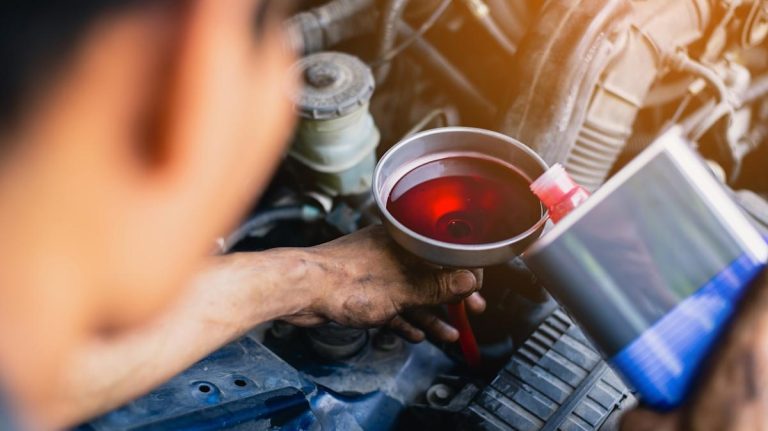
Transmission fluid is essential for lubricating moving parts, maintaining hydraulic pressure, and enabling smooth gear shifts. When the fluid level is low or the fluid becomes contaminated, the transmission can behave unpredictably, causing jerks during gear changes. Understanding how fluid issues impact transmission performance helps drivers identify problems early and prevent costly repairs.
Causes Of Low Transmission Fluid
Low transmission fluid often results from leaks in seals, gaskets, or the transmission pan. Over time, worn components allow fluid to escape, reducing lubrication and hydraulic pressure. In automatic transmissions, this directly affects gear engagement and can cause jerks when shifting between gears.
Symptoms of low fluid include delayed engagement, rough shifting, and unusual noises like whining or clunking. Regularly checking fluid levels using the dipstick ensures there is adequate fluid for proper operation. Addressing leaks promptly by replacing seals or gaskets restores fluid levels and helps prevent further transmission damage, eliminating jerky shifts and improving overall drivability.
Effects Of Contaminated Transmission Fluid
Contaminated transmission fluid can result from accumulated metal shavings, debris, or degraded fluid. Dirty fluid loses its lubricating and hydraulic properties, causing poor gear engagement, slippage, and jerks during shifts. Contaminants can also clog valves, solenoids, and channels, further compromising transmission performance.
Symptoms of contaminated fluid include rough or erratic shifting, overheating, and unusual noises during operation. Regular fluid changes according to manufacturer recommendations prevent contamination buildup. Flushing the system and replacing with clean, high-quality fluid restores proper lubrication, ensures smooth hydraulic operation, and reduces jerky or delayed gear changes, protecting internal transmission components.
Diagnosing Fluid-Related Transmission Issues
To diagnose fluid-related transmission problems, begin by checking the fluid level and condition. Healthy fluid is typically red and clear, while low or contaminated fluid may appear dark, brown, or have a burnt odor. Using a dipstick or consulting the owner’s manual helps determine fluid status.
Monitoring transmission performance while checking fluid can reveal delays, jerks, or unusual noises linked to inadequate or dirty fluid. Professional diagnostic tools can measure hydraulic pressure and confirm whether fluid issues are causing irregular gear engagement. Proper diagnosis ensures targeted maintenance and prevents further mechanical damage.
Maintenance And Prevention
Preventing fluid-related transmission problems involves regular inspections and scheduled fluid changes. Monitoring for leaks, maintaining the correct fluid level, and using manufacturer-approved transmission fluid help prevent jerks and prolong transmission life.
Routine maintenance also protects other transmission components, including clutches, gears, and torque converters, from excessive wear caused by low or contaminated fluid. Taking proactive steps ensures smooth gear shifts, consistent acceleration, and reliable overall vehicle performance, reducing the likelihood of costly repairs caused by neglected fluid issues.
Transmission Mounts And Mechanical Components
Transmission mounts and other mechanical components are critical for holding the transmission securely in place and ensuring smooth power transfer to the drivetrain. When these parts wear out or fail, they can cause transmission jerks when changing gears, vibrations, and even damage to surrounding systems. Understanding these mechanical factors helps you identify issues early and maintain safe, reliable vehicle operation.
Worn Or Damaged Transmission Mounts
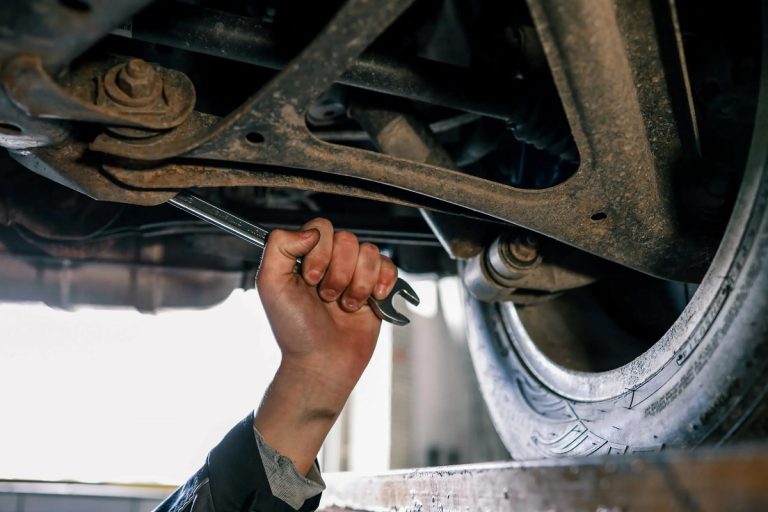
Transmission mounts secure the transmission to the vehicle frame and absorb engine vibrations. Over time, mounts can deteriorate due to age, heat, or exposure to oil and road debris. Worn or damaged mounts allow excessive movement of the transmission during gear shifts, resulting in jerks or clunks.
Symptoms of failing mounts include noticeable vibrations through the cabin, loud clunking noises during acceleration or deceleration, and abrupt jerks when shifting gears. Drivers may also feel the car lurch slightly when moving from one gear to another. Inspecting mounts for cracks, broken rubber, or loose bolts is essential. Replacing damaged mounts restores stability, reduces unwanted movement, and eliminates jerks, improving overall drivability.
Proper maintenance of mounts not only ensures smooth gear changes but also protects transmission components and surrounding engine parts from stress caused by excessive movement.
Issues With Linkages And Shifters
Mechanical linkages and shifter assemblies connect the gear lever to the transmission. Wear or misalignment in these components can cause inconsistent gear engagement, leading to jerks when changing gears. Over time, bushings, cables, or joints may wear out, creating slack or binding in the system.
Symptoms of worn linkages include difficulty shifting, a loose or sloppy gear lever, grinding noises, or delayed engagement. Inspecting the linkage, adjusting cables, and replacing worn bushings restores precise gear selection and smooth shifting. Properly functioning linkages ensure consistent engagement between the transmission and drivetrain, reducing jerks and improving overall performance.
Addressing linkage and shifter issues prevents long-term damage to the transmission and ensures safe, reliable operation during daily driving or under load.
Worn Gears Or Synchros
In manual transmissions, worn gears or synchronizers can contribute to jerky gear changes. Synchronizers help match gear speeds during shifts, ensuring smooth engagement. When they wear out, the transmission may grind, hesitate, or jerk as gears clash.
Symptoms include difficulty shifting, grinding sounds, or sudden jerks during acceleration or deceleration. Heat from prolonged driving can make worn synchronizers more noticeable, worsening the jerks as the engine warms up. Inspecting and replacing damaged gears or synchronizers restores smooth engagement and eliminates jerky movement, improving overall manual transmission performance.
Maintaining proper lubrication and addressing wear early prevents further damage to the transmission housing, gears, and shafts. Timely repair enhances drivability and extends the lifespan of the transmission.
Problems With Torque Converters And Clutch Assemblies
In automatic transmissions, the torque converter transfers engine power to the transmission while allowing smooth gear changes. In manual transmissions, the clutch assembly manages engine-to-transmission engagement. Worn or damaged torque converters or clutches can cause jerks, slipping, or delayed engagement during gear changes.
Symptoms include surging, slipping, engine revving without proportional acceleration, and vibrations during shifts. Inspecting and repairing or replacing torque converters or clutch components ensures consistent power transfer, smooth engagement, and eliminates jerky movements. Proper maintenance protects internal transmission components and enhances overall vehicle performance.
Routine inspection of these mechanical systems, including mounts, linkages, gears, and clutches, ensures smooth gear changes, reduces vibration, and prevents more serious transmission damage that can result from neglect.
Sensor And ECU-Related Causes
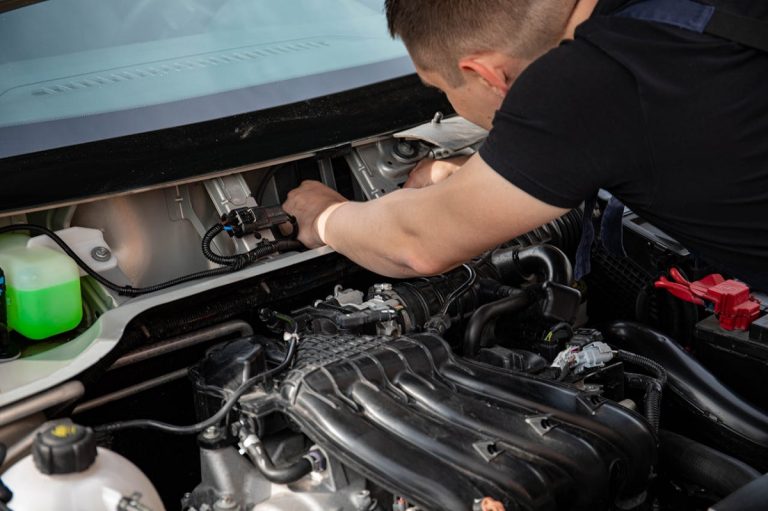
Modern vehicles rely heavily on sensors and the ECU (Engine Control Unit) to manage transmission operation. When these components malfunction, they can cause transmission jerks when changing gears, delayed shifts, or erratic performance. Understanding sensor and ECU-related issues helps drivers diagnose problems accurately, maintain smooth gear transitions, and prevent long-term transmission damage.
Faulty Transmission Sensors
Transmission sensors, such as the speed sensor, throttle position sensor, and gear position sensor, provide critical input to the ECU for regulating shift timing. When these sensors fail or deliver inaccurate data, the transmission may shift unpredictably, causing jerks during gear changes.
Symptoms of faulty sensors include delayed gear engagement, abrupt or harsh shifts, warning lights on the dashboard, and uneven acceleration. Heat and engine load can exacerbate sensor malfunctions, making jerks more noticeable after prolonged driving. Diagnosing faulty sensors typically involves reading diagnostic trouble codes (DTCs) with an OBD-II scanner and testing sensor outputs for proper voltage and resistance. Replacing malfunctioning sensors restores accurate communication with the ECU, ensuring smoother shifts and eliminating jerks.
Maintaining properly functioning sensors is critical for predictable transmission behavior, fuel efficiency, and overall vehicle drivability.
ECU Malfunctions
The ECU controls shift timing, hydraulic pressure, and torque converter operation in automatic transmissions. Software glitches, corrupted data, or hardware failure within the ECU can lead to erratic or harsh gear changes.
Symptoms of ECU-related issues include transmission jerks, delayed engagement, surging, or inconsistent acceleration. Warning lights may illuminate, and error codes often appear when the ECU detects irregular sensor readings or mechanical issues. Resetting or reprogramming the ECU, performing firmware updates, or replacing a faulty unit can resolve these problems. Proper ECU function ensures precise control over shift timing and hydraulic pressure, eliminating jerky transmission behavior and restoring smooth driving performance.
Addressing ECU problems early prevents further mechanical stress and protects the transmission from long-term damage.
Wiring And Connection Problems
Wiring harnesses and electrical connectors transmit data from sensors to the ECU. Loose, corroded, or damaged connections can interrupt communication, causing the transmission to behave unpredictably and produce jerks during gear changes.
Symptoms include intermittent or harsh shifting, sudden power surges, and dashboard warning lights. Inspecting wiring harnesses and connectors for corrosion, fraying, or loose terminals is essential. Repairing or replacing damaged wiring restores reliable communication between sensors and the ECU, allowing the transmission to respond accurately to driver input.
Proper maintenance of wiring and connections prevents sensor misreads, ensures smooth gear engagement, and eliminates erratic transmission behavior caused by electrical issues.
Importance Of Regular Diagnostics
Regular diagnostic checks help identify sensor and ECU-related causes of transmission jerks before they escalate into serious problems. Using an OBD-II scanner to read trouble codes can pinpoint failing sensors, electrical issues, or ECU faults.
Timely diagnosis allows for precise repairs, whether replacing faulty sensors, correcting wiring issues, or updating ECU software. Maintaining sensor and ECU integrity ensures consistent shift timing, smooth acceleration, and reliable transmission operation. Routine diagnostics protect both mechanical and electronic transmission components, reducing repair costs and enhancing overall vehicle performance.
People Also Asked
Why Does My Transmission Jerks When Changing Gears?
You may notice your transmission jerking due to low or contaminated transmission fluid, worn mechanical components, or sensor malfunctions. When fluid levels are low, gears struggle to engage smoothly, leading to sudden lurches.
Mechanical issues like damaged mounts or worn linkages can also transmit vibrations to the vehicle during gear shifts. Additionally, a faulty torque converter or clutch in your transmission system may cause jerking, especially under load. Understanding these causes helps you diagnose the problem and prevent further damage to your transmission system.
Can Low Transmission Fluid Cause Jerking During Shifts?
Yes, low transmission fluid can significantly affect gear engagement. Transmission fluid lubricates moving parts and ensures smooth power transfer. Without sufficient fluid, the gears may grind, slip, or cause sudden jerks when shifting.
You might also notice overheating, unusual noises, or delayed gear response alongside the jerking. Checking fluid levels regularly and topping off or replacing old fluid can restore smooth operation and prevent long-term damage to your transmission system.
How Do Faulty Transmission Mounts Lead To Gear Jerks?
Transmission mounts secure your transmission to the vehicle’s chassis and absorb vibrations. If they are worn or damaged, they fail to stabilize the transmission, causing jerking during gear changes.
You may notice increased vibrations, clunking noises, or misaligned gears when mounts degrade. Replacing faulty mounts restores stability, reduces jerking, and improves overall driving comfort while protecting other transmission components from unnecessary stress.
Can A Torque Converter Cause Transmission Jerks?
Yes, a malfunctioning torque converter can make your automatic transmission jerk when changing gears. The torque converter transfers power from the engine to the transmission, and any internal issue can disrupt smooth power flow.
Symptoms may include delayed engagement, shuddering, or noticeable jerks during acceleration. Proper diagnosis and repair or replacement of the torque converter are essential to restore smooth gear changes and prevent further transmission wear.
Do Manual Clutch Issues Cause Jerking While Shifting?
Absolutely, worn or improperly adjusted clutch components in manual transmissions can lead to jerking during gear changes. A slipping clutch may fail to fully engage, causing the car to lurch or hesitate as you shift.
You might also experience difficulty in shifting gears or unusual noises from the clutch assembly. Inspecting the clutch disc, pressure plate, and hydraulic system and performing adjustments or replacements can resolve jerking issues and restore smooth shifting.
How Do Transmission Sensors Affect Gear Smoothness?
Transmission sensors monitor speed, temperature, and gear selection to help the ECU control smooth shifting. Faulty sensors may send incorrect signals, causing delayed or abrupt gear changes that feel like jerking.
You may notice erratic shifting patterns, warning lights on the dashboard, or inconsistent acceleration. Diagnosing sensor issues using a scan tool and replacing defective sensors ensures proper communication with the ECU and restores smooth transmission operation.
Can Driving Habits Cause Transmission Jerks?
Yes, aggressive acceleration, rapid gear changes, or towing heavy loads can put extra stress on your transmission, causing temporary jerking. The transmission may struggle to keep up with sudden demands, especially in older or poorly maintained vehicles.
Adjusting driving habits, such as smooth acceleration and avoiding abrupt load changes, reduces strain on the transmission. Coupled with regular maintenance, careful driving helps prevent jerking and prolongs the life of your transmission system.
When Should I See A Mechanic For Transmission Jerks?
You should consult a mechanic if jerking occurs consistently, worsens over time, or is accompanied by warning lights, unusual noises, or fluid leaks. Persistent jerks indicate underlying issues that could lead to severe transmission damage.
A professional can inspect mounts, fluid, clutch components, torque converters, and sensors to pinpoint the cause. Early intervention prevents costly repairs, restores smooth gear changes, and ensures your vehicle remains safe and reliable on the road.
Conclusion
Experiencing sudden jolts or delays while shifting can make driving stressful and potentially damage your vehicle over time. Transmission jerks when changing gears are often a sign of underlying issues, ranging from low or contaminated fluid to worn mechanical components, faulty sensors, or ECU malfunctions. Recognizing the root causes early allows you to address them before they escalate into more serious transmission problems.
Regular maintenance and careful observation play a crucial role in preventing these jerks. Checking fluid levels, inspecting transmission mounts, cleaning or replacing sensors, and monitoring the performance of mechanical components help ensure smooth gear changes. Timely repairs not only improve drivability but also extend the life of your transmission and related drivetrain systems.
Understanding the symptoms and causes of transmission jerks when changing gears empowers drivers to take proactive steps. By addressing both mechanical and electronic issues promptly, you can restore smooth operation, enhance vehicle performance, and enjoy safer, more comfortable driving every day.