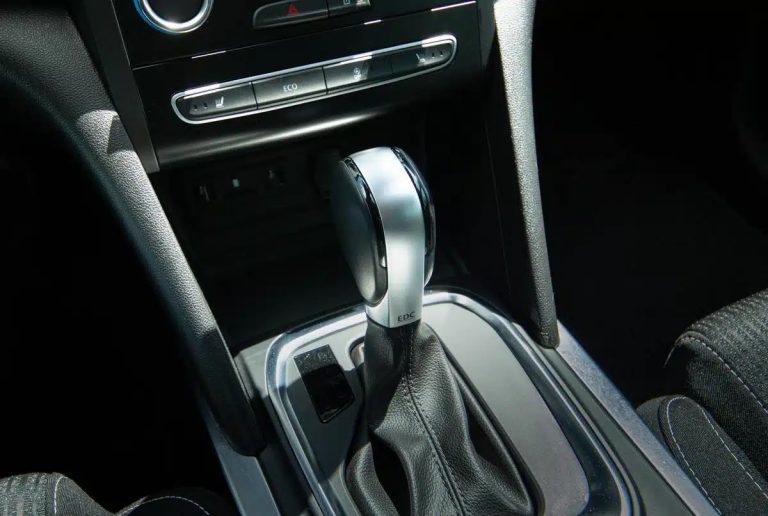
Troubleshooting Transmission Problems in Cold Weather: Tips and Fixes
Experiencing transmission issues during cold weather is a common challenge for many drivers. The drop in temperature can affect fluid viscosity, component performance, and overall transmission responsiveness, making your vehicle feel sluggish, hesitant, or noisy when shifting gears. Identifying and addressing these problems early can prevent costly repairs and ensure smooth operation throughout the winter months.
Cold weather can amplify existing transmission weaknesses, including low fluid levels, worn seals, or aging parts. Drivers may notice delayed engagement, unusual noises, or rough shifting, which can compromise safety and performance. Recognizing these signs helps you take proactive steps to maintain your vehicle’s reliability.
[Troubleshooting Transmission Problems in Cold Weather] involves careful observation, checking fluid levels and condition, and performing basic maintenance to keep the transmission functioning optimally. Understanding common winter-related transmission issues allows drivers to protect the vehicle and avoid unexpected breakdowns.
Common Signs of Transmission Problems in Cold Weather
Cold weather can have a significant impact on your vehicle’s transmission, revealing problems that may otherwise go unnoticed. Freezing temperatures affect fluid viscosity, seals, and electronic components, which can make shifting sluggish, noisy, or inconsistent. Recognizing the common signs of transmission issues during winter months helps drivers take preventive measures and avoid costly repairs. By paying attention to symptoms such as delayed engagement, unusual noises, or slipping gears, you can troubleshoot early and ensure safer, more reliable driving in freezing conditions.
Delayed or Sluggish Gear Engagement
One of the most noticeable signs of transmission problems in cold weather is delayed or sluggish gear engagement. When you shift from park to drive or reverse, the vehicle may take longer than usual to respond. This is often due to thicker transmission fluid caused by low temperatures, which reduces fluid circulation and hydraulic pressure needed for smooth gear changes.
Drivers may feel a pause, hesitation, or a slight jolt before the gear fully engages. Prolonged delays can strain the transmission, leading to accelerated wear of internal components such as clutches, bands, or gears. Cold weather exacerbates minor issues, making them more apparent during early morning starts or after extended periods of inactivity.
Regularly checking the transmission fluid level and condition, warming up the engine slightly before driving, and keeping up with scheduled maintenance can reduce the impact of cold temperatures on engagement. Understanding this symptom helps you take timely action and avoid potential damage to the transmission system.
Unusual Noises When Shifting
Transmission problems in cold weather often manifest as unusual noises during gear shifts. Common sounds include whining, clunking, grinding, or humming, which may indicate low fluid levels, worn gears, or internal component stress. Cold temperatures make these noises more pronounced because thickened fluid reduces lubrication and increases friction.
Drivers may notice these sounds primarily during the first few minutes of driving or when accelerating in low temperatures. Persistent noise during shifting can signal mechanical wear in the transmission, such as damaged bearings or worn synchronizers. Ignoring these warnings may lead to further damage and costly repairs.
Addressing abnormal sounds early involves checking fluid levels, warming up the vehicle properly, and scheduling professional inspections. Technicians can identify whether the noise originates from fluid issues, worn parts, or other transmission components, ensuring safe operation and preventing more severe damage.
Gear Slipping or Unexpected Downshifts
Cold weather can also reveal transmission problems through gear slipping or unexpected downshifts. Slipping occurs when the transmission temporarily disengages from the selected gear, causing the engine to rev higher without proper acceleration. Unexpected downshifts can feel abrupt, often surprising the driver and affecting control.
These symptoms often result from low hydraulic pressure caused by cold, thick transmission fluid, or worn internal components like clutches or bands. Slipping and sudden downshifts not only compromise acceleration but also increase wear on the transmission, potentially leading to overheating or mechanical failure if left unresolved.
Monitoring how the transmission responds in freezing conditions is essential. Proper fluid maintenance, gradual warm-up, and professional diagnostics help identify the source of slipping or downshifts, protecting the transmission from damage and maintaining smooth, predictable performance.
Fluid Leaks and Smell of Burning Transmission Fluid
Transmission fluid leaks become more noticeable in cold weather due to contracting seals and hoses. Fluid may seep from worn gaskets, lines, or pan bolts, creating puddles under the vehicle or low fluid levels in the reservoir. Driving with insufficient fluid can amplify noise, delay engagement, or cause slipping.
Additionally, cold weather stress can make overheating or friction more pronounced, sometimes producing a burning smell from the transmission. This odor indicates that fluid is breaking down or that internal components are under excessive strain. Ignoring leaks or burning fluid can lead to severe damage, including total transmission failure.
Regular inspection for fluid levels, color, and smell during winter months helps identify early signs of trouble. Prompt repair of leaks or fluid replacement ensures proper lubrication, reduces wear, and restores smooth, quiet operation during cold weather driving.
Vibrations or Shuddering During Acceleration
Another sign of transmission problems in cold weather is vibrations or shuddering when accelerating. Drivers may feel a trembling or jerking sensation, especially at low speeds or when shifting gears. Cold fluid, worn clutches, or torque converter issues can amplify these vibrations, making them more noticeable during winter driving.
Shuddering can indicate improper fluid circulation, internal wear, or a failing torque converter. Repeated vibrations increase stress on internal components and can accelerate damage if left unresolved. Observing when the shudder occurs—during initial acceleration or steady driving—helps pinpoint the cause.
Professional inspection and maintenance, including fluid changes, torque converter evaluation, and component replacement, are critical to addressing vibration issues. Recognizing this symptom early prevents costly repairs, maintains smooth performance, and ensures safe handling in freezing conditions.
Causes of Transmission Issues in Cold Conditions
Cold weather can put significant stress on a vehicle’s transmission, revealing underlying issues or creating temporary performance problems. Freezing temperatures affect fluid viscosity, seals, and the operation of mechanical and electronic components, leading to symptoms like delayed shifting, slipping, or unusual noises. Understanding the common causes of transmission issues in cold conditions allows drivers to take preventive measures and protect their vehicle from long-term damage.
Thickened Transmission Fluid
One of the primary causes of transmission problems in cold conditions is thickened or sluggish transmission fluid. Low temperatures cause the fluid to become more viscous, reducing its ability to circulate and properly lubricate the transmission’s moving parts.
This can lead to delayed gear engagement, rough or hard shifting, and increased wear on internal components such as clutches, bands, and gears. Drivers may notice hesitation when shifting from park to drive or reverse, especially after the vehicle has been sitting overnight in freezing conditions.
Maintaining proper fluid levels and using the manufacturer-recommended winter-grade fluid can improve performance. Allowing the vehicle to warm up slightly before driving also helps thin the fluid for smoother operation. Regular fluid changes prevent buildup and ensure optimal viscosity, reducing stress on the transmission during cold weather.
Worn Seals and Gaskets
Cold temperatures can cause seals and gaskets within the transmission to contract, crack, or harden, resulting in leaks or reduced hydraulic pressure. Even minor leaks can significantly affect the transmission’s performance, leading to delayed engagement, slipping, or rough shifts.
Drivers may also notice fluid pooling beneath the vehicle or a burning smell if fluid leaks onto hot components. Over time, continued use with damaged seals accelerates wear on internal components and increases the likelihood of costly repairs.
Regular inspection and timely replacement of seals and gaskets help maintain proper fluid levels and pressure, ensuring consistent transmission performance. Addressing these issues early prevents more extensive damage and preserves smooth operation even in extremely cold temperatures.
Cold-Related Sensor Malfunctions
Modern vehicles rely on electronic sensors to manage transmission operation, such as shift timing, torque converter lockup, and adaptive shift patterns. Cold conditions can affect sensor performance, causing delayed shifts, erratic behavior, or even triggering warning lights.
Moisture or condensation can interfere with electrical connections, and extremely low temperatures may temporarily alter sensor readings. This can cause the transmission to operate unpredictably until the system warms up and stabilizes.
Professional diagnostics often detect sensor-related issues, allowing for calibration, repair, or replacement. Keeping sensors and wiring clean and dry, combined with proper winter maintenance, helps ensure reliable electronic transmission control and prevents cold-weather performance problems.
Increased Wear on Mechanical Components
Cold conditions exacerbate existing wear in mechanical transmission components such as clutches, bands, gears, or the torque converter. Reduced fluid circulation and stiffened seals increase friction and stress on these parts, making symptoms more noticeable during acceleration or gear shifts.
Drivers may experience vibrations, shuddering, or unusual noises as worn parts struggle to operate efficiently under freezing conditions. Ignoring these signs can lead to accelerated deterioration, expensive repairs, or even complete transmission failure.
Routine inspections, fluid maintenance, and addressing early signs of wear help mitigate the impact of cold weather. Ensuring that mechanical components are properly lubricated and functioning prevents severe damage and maintains smooth, reliable transmission performance.
How to Diagnose Transmission Problems in Cold Weather
Diagnosing transmission problems in cold weather requires careful observation, routine checks, and an understanding of how freezing temperatures affect fluid, seals, and mechanical components. Cold conditions can reveal issues that remain hidden in warmer months, including sluggish shifts, delayed engagement, and unusual noises. By learning to identify these symptoms early, drivers can take preventive action, maintain vehicle performance, and avoid costly repairs caused by prolonged cold-weather stress.
Observing Shifting Behavior
The first step in diagnosing transmission problems in cold weather is observing how the vehicle shifts during different driving conditions. Pay attention to delayed engagement when moving from park to drive or reverse, rough or hard shifts, and any slipping or sudden downshifts.
Cold transmission fluid can increase shift times and reduce hydraulic pressure, which often exaggerates minor mechanical or fluid issues. Drivers may also notice that the symptoms are more pronounced during the first few minutes of driving, after the vehicle has been sitting overnight in freezing temperatures.
Keeping a log of when and how these symptoms occur helps identify patterns and determines whether the issue is fluid-related, mechanical, or electronic. This initial observation stage is crucial for accurate troubleshooting and helps decide whether professional inspection is necessary.
Checking Transmission Fluid
Transmission fluid is a key factor in diagnosing cold-weather problems. Low, dirty, or overly thick fluid can cause sluggish shifts, delayed engagement, or unusual noises. Begin by checking the fluid level with the engine warm, as some vehicles require running or idling for an accurate reading.
Observe the fluid’s color and smell. Healthy fluid is typically red and has a mild scent, while dark, burnt-smelling fluid indicates overheating or contamination. Thickened or cloudy fluid reduces lubrication and can exacerbate symptoms in freezing temperatures.
Addressing fluid issues early—by topping off, replacing, or using manufacturer-recommended winter-grade fluid—helps restore normal hydraulic pressure and improves transmission response. Regular fluid maintenance is essential for preventing cold-weather problems and extending the life of the transmission.
Listening for Unusual Noises
Cold weather often amplifies noises caused by internal transmission wear, low fluid, or mechanical stress. Listen for whining, clunking, or grinding when accelerating, decelerating, or shifting gears. Each type of noise can provide clues about the underlying problem.
Whining may indicate worn gears, belts, or pulleys, while clunking can suggest worn or loose internal components. Grinding or metallic tapping often signals friction due to insufficient lubrication, fluid issues, or worn internal parts. Observing when the noises occur—during startup, gear changes, or under load—helps pinpoint the affected area.
Recording the noise and its context can guide professional diagnosis, allowing mechanics to identify the cause more efficiently. Addressing these sounds early prevents further internal damage and ensures safe operation during cold weather.
Inspecting Mechanical and Electronic Components
Mechanical and electronic components can also be affected by freezing temperatures. Cold can stiffen clutches, bands, or torque converters, and can interfere with electronic sensors that control shifting patterns or adaptive transmission behavior.
Check for excessive vibration, shuddering, or delayed responses in gear changes. Inspect sensor connections for corrosion or moisture intrusion, which can affect electrical signals. Worn mechanical components may also reveal themselves through unusual engagement or jerking during acceleration.
Professional diagnostics may involve scanning for error codes, testing sensor outputs, and assessing hydraulic pressure. Early inspection and maintenance of mechanical and electronic components reduce the risk of long-term transmission damage and improve reliability in winter driving conditions.
Testing Driving Conditions Safely
Finally, safely testing the vehicle under different driving conditions is key to diagnosing cold-weather transmission problems. Drive slowly in a safe area, observing how the transmission behaves during acceleration, deceleration, uphill driving, and shifting between gears.
Take note of delayed engagement, slipping, shuddering, or unusual noises. Performing these tests in cold conditions simulates real-world stress on the transmission, helping identify fluid-related, mechanical, or sensor issues. Combining observational data with fluid checks and mechanical inspections ensures a comprehensive understanding of the problem.
Practical Solutions and Temporary Fixes
Transmission problems in cold weather can often be mitigated with practical solutions and temporary fixes while waiting for professional repairs. Taking preventive measures and applying simple remedies helps maintain smooth operation, reduces wear, and ensures safer driving during freezing conditions. Understanding how to manage fluid, warm up the vehicle, and adjust driving habits provides immediate relief and protects the transmission until permanent solutions are implemented.
Warming Up the Vehicle
One of the simplest temporary fixes for cold-weather transmission problems is allowing the vehicle to warm up before driving. Cold transmission fluid is thicker and flows less efficiently, which can cause delayed engagement or rough shifts. Letting the engine run for a few minutes helps the fluid warm up, restoring proper lubrication and hydraulic pressure.
During this warm-up period, avoid rapid acceleration or heavy load, as the transmission components are still cold and less responsive. Drivers may also gently shift through gears while idling to circulate fluid throughout the system. This practice reduces stress on clutches, bands, and torque converters, minimizing the risk of slipping or delayed engagement.
Regular warm-up routines during winter months provide an immediate improvement in transmission performance and can prevent long-term damage caused by driving with cold, thickened fluid. Combining warm-up with other preventive measures ensures smoother operation in freezing conditions.
Using Manufacturer-Recommended Fluid
Using the correct transmission fluid recommended for your vehicle, particularly winter-grade or low-viscosity options, is another practical solution. Cold temperatures can significantly increase fluid thickness, reducing hydraulic efficiency and causing delayed or rough shifting. The proper fluid maintains optimal flow and lubrication in low temperatures.
Drivers should check fluid levels regularly and top off with the recommended grade if necessary. Avoid mixing different types of fluid, as this can alter performance and create inconsistencies in lubrication. Maintaining clean and properly graded fluid ensures that the transmission operates smoothly even in sub-zero temperatures.
Switching to the appropriate fluid acts as a temporary fix and complements other preventive measures, such as warming up the engine. It minimizes friction and stress on internal components, reducing the likelihood of slipping, noise, or delayed gear engagement.
Gentle Driving Techniques
Adjusting driving habits during cold weather can provide immediate relief for transmission issues. Avoid rapid acceleration, aggressive gear changes, and heavy towing until the transmission warms up and performs reliably. Smooth, gradual acceleration reduces stress on internal components and prevents unnecessary wear.
Drivers should also anticipate traffic conditions and maintain a steady speed, allowing the transmission to operate efficiently under low temperatures. Avoiding stop-and-go driving during the first few minutes of operation further reduces the risk of slipping or delayed engagement.
Implementing gentle driving techniques, combined with warming up the vehicle and proper fluid management, provides a temporary solution for managing cold-weather transmission challenges. These practices extend component life and improve performance until professional maintenance is possible.
Inspecting for Visible Leaks
While not a permanent fix, checking the transmission for visible leaks can help prevent further fluid loss and reduce cold-weather problems. Inspect the area under the vehicle for puddles or damp spots, and monitor the fluid level in the reservoir.
Minor leaks can be temporarily managed by topping off the fluid to maintain proper levels. This ensures the transmission continues to operate with sufficient lubrication, preventing rough shifting, slipping, or increased noise in freezing conditions.
Regular visual inspections allow drivers to catch small problems early, reduce the risk of major failure, and maintain operational safety until a professional can perform permanent repairs. Maintaining fluid levels is essential for both immediate performance and long-term transmission health.
People Also Asked
Why Does My Transmission Hesitate in Cold Weather?
Transmission hesitation in cold weather usually occurs because the transmission fluid thickens when temperatures drop. Thick fluid struggles to flow through the system, causing delayed or sluggish gear shifts.
Worn seals or low fluid levels can make the issue worse, as the system may not maintain proper pressure. Allowing your vehicle to warm up before driving can improve fluid flow and reduce hesitation. If the problem persists, a mechanic can check fluid condition, seals, and transmission components to prevent long-term damage.
Can Cold Weather Damage My Transmission?
Yes, extremely cold temperatures can put stress on your transmission. Thickened fluid, frozen linkages, or worn seals can all contribute to improper gear engagement and increased wear.
Driving aggressively in cold conditions can worsen these issues, leading to slipping gears or even component failure. Regular maintenance, proper fluid selection, and gentle driving during cold starts reduce risks. Catching early signs of trouble helps prevent costly repairs and ensures your transmission remains reliable during harsh winters.
How Do I Check Transmission Fluid in Cold Weather?
Checking transmission fluid in cold weather requires warming your engine to its normal operating temperature. Park on a level surface, start the car, and allow the engine to run for a few minutes to circulate the fluid.
Use the dipstick to check fluid level and condition. Fluid should be at the correct level and not appear dark or burnt. If the fluid is thick, dirty, or low, it may need to be topped off or replaced with a winter-appropriate transmission fluid recommended by your manufacturer.
What Are Common Signs of Transmission Problems in Cold Weather?
Common signs include delayed or rough gear shifts, slipping or jerking, unusual whining or clunking noises, and dashboard warning lights. You may notice these issues more when the car is first started in freezing temperatures.
Cold-weather problems can indicate thick fluid, worn seals, frozen linkages, or sensor malfunctions. Monitoring these symptoms helps you address minor issues before they become severe. Early intervention protects your transmission and maintains smooth, safe driving throughout the winter months.
Should I Warm Up My Vehicle Before Driving to Prevent Transmission Issues?
Yes, warming up your vehicle before driving in cold weather is essential. Allowing the engine and transmission to reach operating temperature ensures fluid flows properly and lubricates all components.
Avoid high RPMs during the first few minutes of driving, as cold fluid cannot handle heavy load efficiently. Gentle driving after a warm-up period helps prevent gear slippage, hesitation, and wear on transmission components, extending the life of your system and maintaining performance even in freezing conditions.
When Should I See a Mechanic for Cold Weather Transmission Problems?
You should see a mechanic if you notice persistent slipping, delayed shifts, unusual noises, or warning lights during cold starts. These are signs that simple warming or fluid adjustments may not be enough.
A professional can inspect the transmission system, check fluid quality, test sensors, and repair worn seals or components. Timely intervention prevents more serious damage, ensures safe driving, and keeps your transmission functioning efficiently throughout the winter months.
Final Thoughts
Addressing transmission issues during freezing temperatures is crucial to maintaining vehicle performance and preventing costly repairs. Cold weather can exacerbate fluid, mechanical, and electronic problems, making symptoms like delayed shifting, slipping, or unusual noises more noticeable. Being attentive to these signs ensures that small issues are caught early, reducing the risk of long-term damage.
[Troubleshooting Transmission Problems in Cold Weather] involves a combination of observation, maintenance, and practical fixes. Checking fluid levels, warming up the vehicle, and using the correct transmission fluid are key steps in managing cold-weather challenges. Gentle driving techniques and monitoring for leaks further help protect the transmission until professional service can be performed.
Proactive care and awareness help drivers maintain smooth, reliable performance even in sub-zero conditions. By following proper troubleshooting methods and addressing issues promptly, you can extend the life of your transmission and ensure safer, more predictable operation during harsh winter months.