Why Your Steering Wheel Isn’t Straight After Alignment: Causes and Solutions
Many drivers expect that after a professional wheel alignment, the steering wheel should sit perfectly centered. However, there are times when the wheel appears off-center even after the alignment is complete. This misalignment can be frustrating and may make driving feel uneven or less controlled, raising concerns about safety and vehicle performance.
Why your steering wheel isn’t straight after alignment often stems from subtle differences in the way each wheel is adjusted or underlying suspension and steering issues. Even small variations in tire wear, tie rod settings, or camber adjustments can cause the steering wheel to sit slightly off-center.
Driving with a misaligned steering wheel can affect handling, especially at higher speeds, and may lead to uneven tire wear over time. It can also make lane changes and cornering feel awkward or less predictable.
Understanding the possible causes of steering misalignment helps you communicate effectively with your mechanic and ensures that any adjustments made are precise. Addressing the issue promptly maintains safe handling and extends the life of your tires.
Common Symptoms When Steering Wheel Remains Off-Center
When your steering wheel remains off-center after an alignment, it’s rarely just an aesthetic issue. This problem can affect vehicle handling, tire wear, and overall driving safety. Recognizing the common symptoms helps identify whether the issue is related to the alignment process, suspension components, or tire inconsistencies, allowing for a more accurate and timely resolution.
Vehicle Pulling To One Side
One of the most noticeable symptoms is the car pulling to one side even when driving on a straight, level road. This often indicates that the wheel angles are not balanced, and the steering wheel is compensating for uneven alignment.
You may notice that the vehicle drifts toward the left or right without adjusting the steering. Drivers often need to constantly correct the wheel to maintain a straight path, which can be tiring on longer drives. Pulling to one side also accelerates uneven tire wear, particularly on the edges, reducing tire lifespan and efficiency.
Causes may include unequal toe settings, uneven camber, or improper adjustment during the alignment process. Regular monitoring and professional evaluation ensure the steering system and suspension components are functioning correctly, preventing further handling issues. Correcting the root cause restores both comfort and safety while driving.
Uneven Tire Wear
Off-center steering can lead to uneven tire wear, which is another clear symptom. Tires may wear faster on one edge than the other, or the wear pattern may appear diagonal across the tread. This happens because the misaligned wheels cause the tires to scrub against the road rather than rolling evenly.
You may notice decreased traction, especially in wet conditions, and a rougher ride due to inconsistent tire contact with the road surface. Uneven wear not only shortens tire life but can also affect fuel efficiency, as the engine works harder to maintain speed with added resistance.
This symptom often appears gradually, making it easy to overlook until wear becomes significant. Checking tire tread regularly and rotating tires can help identify early signs of off-center alignment. Resolving the underlying steering or suspension issue restores even tire contact and prolongs tire lifespan.
Steering Wheel Vibration Or Shaking
When the steering wheel is off-center, you may also experience vibration or shaking, especially at higher speeds. This symptom indicates that the wheels are not aligned properly or that suspension components are stressed, causing uneven tire rotation and imbalance.
Vibration can be subtle at low speeds but becomes more noticeable as velocity increases. Drivers may feel the wheel twitch or shimmy, which can make maintaining lane control more challenging. Prolonged vibration can also strain the steering column and lead to premature wear on bearings and other components.
Addressing wheel imbalance, checking tire pressure, and inspecting suspension parts can help reduce vibrations. Correcting alignment issues ensures smooth wheel rotation, enhances handling, and improves driver comfort.
Difficulty Maintaining Lane Position
Off-center steering often makes it harder to maintain a straight lane position without constant correction. Even minor deviations can force frequent steering adjustments, leading to fatigue and increased risk of accidental lane departure.
This symptom is particularly noticeable on highways, where maintaining a centered lane position requires steady input. Drivers may find themselves overcorrecting to compensate, which can exacerbate tire wear and create an inconsistent driving experience.
Proper evaluation of toe, camber, and caster angles is critical in resolving this issue. Once adjustments are made, the steering wheel centers naturally, lane tracking improves, and overall handling becomes safer and more predictable.
Noise Or Uneven Handling During Turns
An off-center steering wheel can also lead to unusual noises or uneven handling during turns. You may hear squeaks, clunks, or groaning sounds from the suspension, or feel the car respond inconsistently when cornering.
These symptoms arise because misaligned wheels place uneven stress on suspension and steering components, affecting their movement. Tires may also lose contact with the road at critical points, reducing grip and creating a less controlled turning response.
Addressing alignment issues and inspecting suspension components like tie rods, control arms, and bushings resolves both noise and handling problems. Properly aligned wheels improve cornering stability, reduce stress on components, and provide a safer, more comfortable driving experience.
Incorrect Alignment Procedures
Proper wheel alignment is essential for vehicle handling, tire longevity, and driver safety. When the steering wheel remains off-center after an alignment, one of the main causes is incorrect alignment procedures. Mistakes during measurement, adjustment, or calibration can lead to misaligned wheels, uneven handling, and persistent steering issues. Understanding the common procedural errors helps prevent recurring problems and ensures a precise alignment.
Misreading Alignment Measurements
One of the most frequent mistakes in alignment is misreading the initial measurements. Alignment machines rely on precise inputs to determine camber, caster, and toe angles. If these measurements are recorded incorrectly, the adjustments made will not center the steering wheel.
Even a small error in reading the wheel angles can translate into a noticeably off-center steering wheel. Drivers may feel the car pulling slightly to one side or notice uneven tire wear over time. Misreading measurements can occur due to human error, uncalibrated machines, or improper vehicle setup on the alignment rack.
Proper training, careful verification of readings, and using calibrated equipment help eliminate this error. Ensuring that measurements are taken accurately before adjustments are made prevents the need for repeated alignments and maintains precise steering control.
Improper Adjustment Of Suspension Components
Another common procedural issue is improper adjustment of suspension or steering components. Alignment involves adjusting tie rods, control arms, and other critical parts to achieve the correct wheel angles. If these components are not adjusted correctly, the steering wheel may remain off-center even after alignment.
Over-tightening, under-tightening, or misadjusting tie rods or camber settings can lead to subtle but noticeable deviations in wheel orientation. Drivers may experience delayed or uneven response when steering, especially at low speeds. Uneven stress on suspension parts can also accelerate wear and reduce component lifespan.
Technicians must follow manufacturer specifications closely when adjusting components. Accurate adjustment ensures the steering wheel centers properly and prevents handling issues. Regular inspection of suspension components before alignment further reduces the risk of procedural errors.
Failure To Account For Vehicle-Specific Specifications
Vehicles have unique alignment specifications depending on make, model, and suspension type. Ignoring these specifications or using generic settings can result in misalignment, leaving the steering wheel off-center.
Even slight deviations from recommended toe, camber, or caster angles can produce noticeable handling issues. Drivers may feel inconsistent steering feedback, difficulty maintaining a straight path, or premature tire wear. Using incorrect specifications can also mask underlying suspension problems, making them harder to diagnose.
Referencing the manufacturer’s alignment guide and inputting precise data into alignment machines ensures accurate adjustments. This approach guarantees that the steering wheel centers properly and that the vehicle handles as intended by the manufacturer.
Skipping Calibration Or Verification Steps
A crucial step often overlooked is post-alignment calibration and verification. After adjustments are made, the alignment should be checked by driving the vehicle and confirming that the steering wheel is centered and the car tracks straight. Skipping this step can leave unnoticed deviations that cause off-center steering.
Failure to verify alignment may result in repeated returns to the shop, increased tire wear, and driver frustration. A proper test drive identifies subtle issues such as slight pulls, vibrations, or uneven steering response.
Performing thorough post-adjustment checks ensures that the alignment is accurate and the steering wheel remains centered. This final step is essential for both safety and long-term vehicle performance, reducing the likelihood of recurring steering problems.
Suspension and Steering Component Issues
A vehicle’s suspension and steering components are critical for safe handling, stability, and proper wheel alignment. When your steering wheel isn’t straight after an alignment, underlying problems in these systems are often to blame. Worn, damaged, or misadjusted parts can prevent the wheels from aligning properly, causing the steering wheel to remain off-center and leading to uneven tire wear, handling issues, and driver fatigue.
Worn Tie Rods And Ball Joints
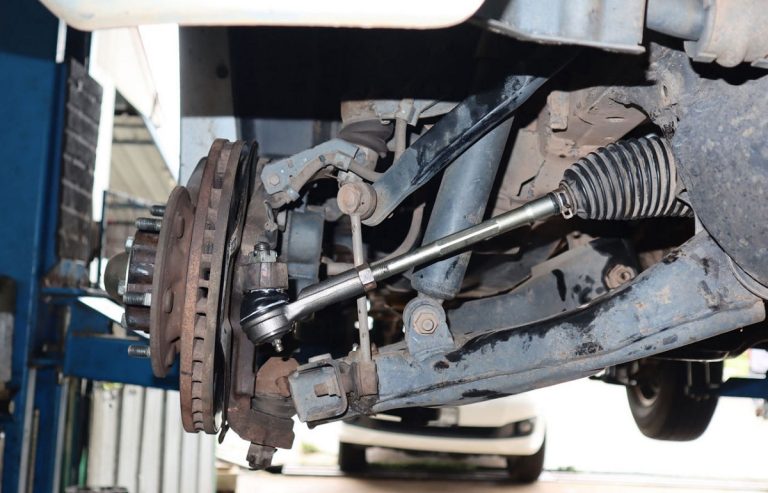
Tie rods and ball joints connect the steering system to the wheels and allow for smooth movement and proper wheel angles. Over time, these components wear out or loosen, causing the wheels to shift slightly and preventing the steering wheel from centering correctly.
Drivers may notice delayed steering response, uneven turning, or a subtle pull to one side. Loose or worn tie rods can also produce clunking noises when turning or driving over bumps. Ball joints that are worn may cause vibrations, rough handling, and accelerated tire wear.
Replacing worn tie rods and ball joints restores proper wheel alignment and ensures that steering input translates accurately to wheel movement. Regular inspection and maintenance of these components are essential for safe handling and preventing off-center steering after an alignment.
Damaged Control Arms Or Bushings
Control arms and their bushings help maintain wheel alignment and absorb shocks from road irregularities. Worn or damaged bushings allow the control arm to move excessively, which can throw off camber and caster angles, leaving the steering wheel off-center.
Symptoms may include uneven tire wear, vibrations in the steering wheel, and poor handling when cornering. The vehicle may feel unstable at higher speeds, and drivers often need to compensate by holding the wheel slightly off-center.
Replacing damaged bushings or control arms restores stability and correct wheel positioning. Ensuring that these components are in good condition prevents recurring alignment issues and maintains predictable handling characteristics. Routine suspension checks can catch wear early and avoid costly repairs.
Faulty Steering Rack Or Gear
The steering rack or gear transmits your steering input to the wheels. A worn or damaged rack can cause the steering wheel to sit crooked even after alignment. Misalignment within the rack may result from internal wear, leaks, or improper installation.
You may experience uneven steering effort, difficulty maintaining a straight path, or the wheel feeling off-center during normal driving. Noise, stiffness, or a loose feeling in the steering wheel can also indicate rack problems. Driving with a faulty steering rack can reduce control and accelerate wear on related components.
Repairing or replacing a damaged steering rack restores precise wheel control and ensures that the steering wheel centers correctly. Proper lubrication and regular inspection help prevent premature failure of the steering system.
Worn Suspension Springs Or Shocks
Suspension springs and shock absorbers maintain vehicle height and absorb road impacts. When these components wear out unevenly, one side of the vehicle may sit lower, affecting wheel angles and alignment. This imbalance often leaves the steering wheel off-center even after a professional alignment.
Symptoms include a noticeable tilt in the vehicle, uneven tire wear, and poor handling when turning or braking. Drivers may also feel vibrations or jolts through the steering wheel, particularly on rough roads. Worn shocks can reduce traction, making the car feel less stable.
Replacing worn springs or shocks restores proper ride height, wheel positioning, and suspension balance. Maintaining suspension components ensures accurate alignment, improves handling, and allows the steering wheel to remain centered during normal driving.
Importance Of Regular Suspension And Steering Inspections
Regular inspections of suspension and steering components prevent small issues from becoming major alignment problems. Worn parts, loose connections, or internal damage can affect wheel angles and steering responsiveness.
Drivers may notice gradual changes in handling, subtle steering pull, or off-center alignment over time. Addressing these issues early prevents excessive tire wear, improves vehicle safety, and ensures a comfortable driving experience.
Proper maintenance, including checking tie rods, ball joints, control arms, bushings, shocks, and steering racks, is essential to maintain accurate wheel alignment and centered steering. Timely replacement of worn components helps your vehicle handle predictably and extends the life of tires and suspension parts.
Tire-Related Causes Affecting Steering Position
Tires play a critical role in maintaining proper alignment and steering response. Even after a professional wheel alignment, issues related to tires can cause the steering wheel to remain off-center. Factors such as uneven tire wear, incorrect tire pressure, or mismatched tire sizes can affect handling, steering feel, and overall vehicle stability, making it essential to consider tires when diagnosing off-center steering.
Uneven Tire Wear
Uneven tire wear is one of the most common tire-related causes of an off-center steering wheel. Tires that wear more on one side than the other can create imbalances, causing the vehicle to pull subtly in one direction.
Drivers may notice that the steering wheel is slightly crooked while driving straight or that the car drifts to one side. Uneven wear can result from prolonged misalignment, aggressive driving, or improper tire rotation schedules. It can also affect braking performance and cornering stability, creating a less predictable driving experience.
Correcting the steering position often requires addressing the uneven wear, either by rotating tires, replacing worn tires, or adjusting the alignment once the tires are in good condition. Monitoring tire tread regularly ensures balanced wear and helps maintain a centered steering wheel.
Incorrect Tire Pressure
Tire pressure is crucial for proper vehicle handling and wheel alignment. Overinflated or underinflated tires can cause the car to lean slightly, resulting in an off-center steering wheel even after alignment.
Drivers may notice pulling to one side, uneven steering feedback, or vibrations at certain speeds. Inconsistent pressure between the front tires can create subtle handling imbalances, making the steering feel off during takeoff or straight-line driving. Maintaining proper tire pressure according to the manufacturer’s recommendations ensures even tire contact with the road and consistent wheel alignment.
Checking and adjusting tire pressure regularly, especially before alignment procedures, helps prevent steering issues. Properly inflated tires also improve fuel efficiency, ride comfort, and overall vehicle safety.
Mismatched Or Incorrect Tire Sizes
Using mismatched tires or incorrect tire sizes can also affect steering alignment. Tires with different diameters or tread patterns on the front axle can cause one wheel to rotate slightly faster than the other, leaving the steering wheel off-center.
Symptoms include pulling to one side, inconsistent handling, and uneven tire wear. Drivers may feel the vehicle wandering during straight-line driving, or notice a subtle vibration through the steering wheel. Mismatched tires can also compromise traction and stability, especially in wet or slippery conditions.
Ensuring that all tires match in size, type, and tread pattern is essential for proper steering alignment. When replacing tires, always follow manufacturer specifications to maintain vehicle handling, tire life, and a centered steering wheel.
Tire Balance Issues
Tire imbalance can create vibrations that affect steering wheel positioning. Even if the alignment is correct, unbalanced tires can cause the steering wheel to shake or sit slightly off-center at certain speeds.
Symptoms include vibrations through the steering wheel, uneven tread wear, and difficulty maintaining a straight path. Imbalanced tires put extra stress on suspension components and can exacerbate steering misalignment over time.
Balancing the tires during installation or after noticing vibrations ensures smooth rotation and accurate steering. Regular tire maintenance, including balancing and rotation, prevents off-center steering and contributes to a safer, more comfortable driving experience.
Vehicle Load and Weight Distribution Problems
Proper weight distribution is critical for maintaining steering alignment and overall vehicle stability. Uneven load or improperly balanced weight can affect how the wheels sit and respond, causing the steering wheel to remain off-center even after an alignment. Understanding how weight impacts alignment helps drivers recognize contributing factors and make necessary adjustments to restore proper steering performance.
Overloading One Side Of The Vehicle
Overloading one side of a vehicle can tilt the suspension and affect wheel angles, causing the steering wheel to sit off-center. This uneven load shifts weight to one side, altering toe and camber angles, which affects how the tires contact the road.
Drivers may notice a subtle pull to one side while driving straight, along with uneven tire wear. The steering may also feel heavier or lighter on the side carrying more weight, making lane changes or cornering feel less predictable. Long-term overloading can strain suspension components and lead to more significant alignment issues.
Balancing the load or removing excess weight from one side can help restore proper wheel angles. Ensuring even weight distribution before and after alignment allows the steering wheel to remain centered and reduces stress on suspension parts.
Uneven Cargo Distribution
Even when the vehicle is not overloaded, uneven cargo placement can cause off-center steering. Items stored on one side of the trunk, roof, or bed can shift weight and subtly tilt the suspension.
You may notice that the steering wheel leans slightly or that the car feels “off-balance” when braking or accelerating. This imbalance can affect handling, particularly during turns or lane changes, and may also lead to uneven tire wear over time.
Properly securing and distributing cargo ensures that weight is evenly spread across the axles. Regularly checking load placement, especially before long trips, helps maintain stable handling and prevents steering misalignment caused by uneven weight distribution.
Impact Of Passenger Weight Distribution
Passenger placement can also influence steering alignment. When multiple passengers sit on one side, especially in vehicles with soft suspension, the imbalance can affect wheel angles and steering response.
Drivers may feel a slight pull toward the heavier side and notice that the steering wheel does not sit perfectly centered. This is more noticeable in vehicles with independent suspension systems or those designed for lighter loads. Consistently carrying passengers unevenly can exacerbate wear on tires and suspension components over time.
Encouraging even passenger distribution and considering weight limits ensures proper handling and helps maintain centered steering. Awareness of passenger impact allows drivers to anticipate minor changes in alignment and adjust their driving accordingly.
Effects Of Roof Racks And Heavy Equipment
Roof racks, heavy equipment, or aftermarket accessories can alter the vehicle’s center of gravity and affect steering alignment. The additional weight shifts balance and can subtly tilt the suspension, leaving the steering wheel off-center.
Drivers may experience slight pulling, increased steering effort, or uneven tire contact with the road. Handling may feel less predictable, especially during sudden maneuvers or at higher speeds. Over time, the added weight can strain suspension components, worsening alignment issues.
Removing unnecessary roof loads, distributing equipment evenly, and adjusting suspension settings where possible can reduce these effects. Proper attention to vehicle load ensures stable handling, a centered steering wheel, and longer-lasting suspension and tire performance.
Step-by-Step Checks to Diagnose Steering Misalignment
Diagnosing steering misalignment requires a systematic approach to identify the underlying causes accurately. Off-center steering can result from alignment errors, suspension wear, tire issues, or uneven weight distribution. Following a structured step-by-step process ensures that each potential factor is evaluated, reducing guesswork and unnecessary repairs. This approach helps restore a centered steering wheel, improves handling, and prevents further damage to tires and suspension components.
Visual Inspection Of Steering And Suspension Components
The first step in diagnosing steering misalignment is a thorough visual inspection of steering and suspension components. Examine tie rods, ball joints, control arms, bushings, and the steering rack for signs of wear, damage, or looseness.
Drivers may notice clunks, rattling, or unusual play in the steering wheel, which can indicate worn parts. Cracks, corrosion, or broken components in the suspension system may also compromise wheel angles, leaving the steering wheel off-center. Uneven tire wear is often a visible clue during inspection, pointing to misalignment or worn suspension parts.
A careful visual inspection identifies components that require immediate attention before performing further alignment checks. Ensuring that all parts are intact and secure prevents recurring off-center steering and improves overall vehicle stability. Regular inspection during maintenance helps catch early wear before it affects handling.
Checking Tire Condition And Pressure
Tires play a crucial role in maintaining alignment and steering accuracy. Uneven wear, incorrect pressure, or mismatched tire sizes can contribute to an off-center steering wheel. Start by checking tire tread depth across all four tires, looking for irregular wear patterns.
Drivers may notice one side of a tire worn more than the other, or diagonal wear across the tread, indicating uneven contact with the road. Checking and adjusting tire pressure according to manufacturer specifications ensures even tire performance. Mismatched tire sizes, including temporary or replacement tires with differing diameters, can also affect wheel alignment.
Correcting tire issues often resolves subtle misalignment symptoms. Rotating or replacing tires and ensuring consistent pressure across all wheels restores stability and allows the steering wheel to remain centered after alignment procedures. Regular tire maintenance is essential for both performance and safety.
Measuring Steering Wheel Position
After inspecting components and tires, measure the steering wheel’s position relative to the vehicle’s centerline. This involves positioning the wheels straight ahead and checking whether the steering wheel aligns with the car’s forward direction.
A steering wheel that remains off-center indicates either a misalignment during the previous service or underlying mechanical issues affecting wheel angles. Drivers may notice that one side of the vehicle feels heavier or that the car subtly drifts while driving straight. Small deviations can create fatigue during long drives and uneven tire wear over time.
Adjustments may involve minor corrections to tie rods or recalibrating the steering column. Recording measurements before and after adjustments ensures accurate alignment. Verifying the wheel position is critical to confirm that all corrective actions restore proper steering center.
Testing Wheel Alignment Angles
Wheel alignment angles, including camber, caster, and toe, must be measured to identify misalignment accurately. Using specialized alignment equipment, check each wheel’s angle and compare it with manufacturer specifications.
Improper toe settings often cause the vehicle to pull, while incorrect camber angles can lead to uneven tire wear and off-center steering. Incorrect caster may affect handling and steering feel, particularly during turns or lane changes. Drivers may also experience vibrations or a loose feeling in the steering wheel when angles are off.
Once angles are measured, technicians can adjust tie rods, control arms, or other components to bring wheels within specification. Accurate measurement and adjustment of these angles are essential to ensure the steering wheel centers correctly and the vehicle tracks straight.
Inspecting Vehicle Load And Weight Distribution
Weight distribution impacts alignment and steering feel, so it is important to evaluate how cargo and passenger load affect the steering wheel. Check for uneven loads in the trunk, roof, or passenger compartment, as they can tilt the suspension and leave the wheel off-center.
Drivers may notice a slight pull toward one side when the vehicle is loaded unevenly, or the steering wheel may feel off-center during acceleration or braking. Heavy equipment, roof racks, or irregular cargo placement can exacerbate misalignment symptoms.
Redistributing weight evenly or removing excessive load helps restore proper suspension balance. This step ensures that any alignment adjustments are accurate and that the steering wheel remains centered under normal driving conditions. Regular attention to weight distribution prevents recurring misalignment issues.
Performing Test Drives For Confirmation
After completing inspections, measurements, and adjustments, performing a controlled test drive is crucial to confirm that the steering wheel is centered and the vehicle handles properly. Drive on a straight, level road at various speeds to observe steering response and wheel position.
Drivers should note whether the car drifts, the steering feels loose or tight, or if vibrations persist. Test drives also reveal intermittent issues that may not appear during static inspections. Feedback from these drives guides final adjustments and ensures that all underlying causes have been addressed.
A systematic test drive validates alignment procedures, confirms accurate steering center, and identifies any remaining concerns. It is the final step in ensuring safe, stable, and predictable handling.
Using Diagnostic Tools And Technology
Modern vehicles often require electronic diagnostic tools to evaluate steering sensors, electronic power steering systems, and alignment settings. Scanners and alignment machines provide precise data that complements visual inspections and test drives.
Diagnostic tools can detect faulty sensors, inconsistent steering angle readings, or electronic control issues affecting alignment. Drivers may not notice these problems through feel alone, but electronic feedback helps pinpoint subtle causes of off-center steering.
Integrating technology with hands-on inspection allows for a comprehensive diagnosis. Accurate detection of both mechanical and electronic issues ensures the steering wheel centers correctly, tires wear evenly, and the vehicle drives safely under all conditions.
Repair and Adjustment Solutions
Correcting an off-center steering wheel requires targeted repairs and precise adjustments. The issue can stem from suspension wear, steering component faults, tire problems, or improper alignment procedures. Addressing these problems systematically restores proper steering wheel position, improves handling, and prolongs tire and suspension life, ensuring a safe and comfortable driving experience.
Adjusting Tie Rods And Steering Linkages
Tie rods and steering linkages are essential for accurate wheel alignment. If they are misadjusted or worn, the steering wheel may remain off-center. Adjusting these components ensures that the front wheels track correctly and that the steering wheel sits in its proper position.
During adjustments, a technician measures the toe angle and fine-tunes the tie rod ends to balance the wheel alignment. Loose or worn components may need replacement before adjustment to maintain long-term stability. Correctly adjusted tie rods improve steering responsiveness, reduce uneven tire wear, and eliminate the pull to one side.
Regular inspection of steering linkages during maintenance helps detect early wear and prevents recurring off-center steering. Accurate adjustments also ensure safer handling and better control, particularly during lane changes and turns.
Replacing Worn Suspension Components
Worn suspension components, such as ball joints, control arms, bushings, or shocks, can prevent proper wheel alignment. Replacing damaged or worn parts restores proper geometry and allows the wheels to align correctly, centering the steering wheel.
Symptoms of worn suspension include vibrations, uneven tire wear, pulling, and rough handling. Technicians replace or rebuild worn components, ensuring that each wheel maintains the proper camber, caster, and toe angles. This repair stabilizes the vehicle and restores predictable steering response.
Routine suspension checks prevent these issues from recurring. By maintaining suspension health, you ensure a centered steering wheel, even tire wear, and improved overall driving comfort.
Correcting Tire-Related Issues
Tires are critical to proper steering alignment. Uneven wear, incorrect tire pressure, mismatched sizes, or unbalanced tires can all leave the steering wheel off-center. Addressing these issues often resolves misalignment symptoms without additional suspension repairs.
Balancing the tires, rotating them, or replacing worn or mismatched tires restores even contact with the road. Adjusting tire pressure according to manufacturer specifications ensures consistent handling. These corrections improve vehicle stability, reduce vibration, and allow the steering wheel to return to its proper position.
Maintaining tires through regular inspections, pressure checks, and rotations prevents off-center steering from recurring. Proper tire care also improves fuel efficiency and extends tire life.
Performing Wheel Alignment
Once mechanical and tire issues are addressed, a professional wheel alignment ensures precise correction of camber, caster, and toe angles. Proper alignment centers the steering wheel, improves handling, and reduces tire wear.
During alignment, technicians use specialized equipment to measure each wheel’s angle and adjust components as needed. This process ensures that all wheels are oriented correctly relative to the vehicle’s frame and to each other. Accurate alignment eliminates steering pull, vibration, and off-center wheel issues.
Regular alignment checks, especially after suspension repairs or tire changes, ensure long-term vehicle stability. Proper alignment restores smooth steering, enhances safety, and maintains optimal tire performance.
Final Adjustments And Verification
After repairs and alignment, performing test drives verifies that the steering wheel is centered and handling issues are resolved. Fine adjustments to tie rods, suspension components, or tire balance may be necessary to achieve perfect centering.
Test drives help detect subtle vibrations, pulls, or handling inconsistencies that static inspections may miss. Ensuring proper steering feedback improves driver confidence and vehicle control.
Combining repairs, adjustments, and verification ensures a centered steering wheel, safe handling, and predictable vehicle performance. This comprehensive approach prevents recurring alignment problems and prolongs the life of tires and suspension components.
People Also Asked
What Causes A Steering Wheel To Remain Off-Center After Alignment?
A steering wheel can remain off-center after alignment due to several factors. Misadjusted tie rods, worn suspension components, uneven tire wear, or incorrect alignment procedures are common causes. Even slight variations in camber, caster, or toe angles can leave the wheel crooked.
Mechanical issues like worn ball joints, control arm bushings, or a damaged steering rack may also contribute. Ensuring proper adjustments, replacing worn parts, and checking tire condition usually resolves the problem. Regular maintenance and precise alignment measurements are key to preventing recurring off-center steering issues.
Can Worn Suspension Components Affect Steering Alignment?
Yes, worn suspension components are a frequent reason your steering wheel isn’t straight after alignment. Ball joints, control arms, and bushings help maintain proper wheel angles, and wear or damage can shift the wheels slightly.
Symptoms include pulling to one side, vibrations, uneven tire wear, and loose steering feel. Replacing worn suspension parts and rechecking alignment restores correct wheel angles and centers the steering wheel. Regular inspections help catch worn components before they affect alignment or handling, ensuring smooth and predictable driving.
Do Tire Issues Cause Off-Center Steering?
Tire problems often contribute to a steering wheel that isn’t centered. Uneven tire wear, mismatched tire sizes, incorrect pressure, or unbalanced tires can all affect handling and wheel alignment.
You may notice pulling to one side, vibrations, or uneven tread wear. Rotating, balancing, or replacing tires, and maintaining proper pressure helps restore steering accuracy. Ensuring all tires match in size and type prevents recurring off-center steering and maintains consistent handling and tire life.
How Does Improper Alignment Procedure Lead To Steering Issues?
Incorrect alignment procedures are another common cause. Misreading wheel angles, skipping calibration steps, or using improper vehicle specifications can leave the steering wheel off-center even after an alignment.
Even small deviations in camber, caster, or toe angles can affect handling and steering feel. Verifying alignment measurements, adjusting components precisely, and following manufacturer guidelines ensures the steering wheel centers correctly and prevents recurring problems. Proper procedure is critical for long-term alignment accuracy.
Can Vehicle Load And Weight Distribution Affect Steering Position?
Yes, uneven weight distribution can impact steering alignment. Overloading one side, uneven passenger placement, or roof cargo can tilt the suspension and shift wheel angles, leaving the steering wheel off-center.
You may notice a subtle pull or heavier steering effort on one side, especially under load. Redistributing weight or removing excess cargo helps restore proper suspension balance. Addressing load distribution ensures alignment adjustments remain effective and maintains a centered steering wheel during normal driving.
Could A Faulty Steering Rack Cause Off-Center Steering?
A worn or damaged steering rack can prevent the steering wheel from centering properly. Internal wear, leaks, or misalignment in the rack may offset wheel positioning even after a professional alignment.
Drivers may feel uneven steering effort, delayed response, or notice the wheel slightly crooked. Repairing or replacing a faulty steering rack restores accurate steering control and allows the wheel to sit centered. Regular inspection of steering components helps prevent long-term misalignment issues.
How Can I Check If My Alignment Was Done Correctly?
You can check alignment by driving on a straight, level road and observing whether the steering wheel remains centered. Any pull to one side or uneven tire wear indicates misalignment.
Professional tools like alignment machines or steering angle sensors can provide precise readings. If issues persist, reviewing the alignment procedure, checking suspension components, and inspecting tires ensures proper correction. Verifying alignment immediately after service helps prevent off-center steering from going unnoticed.
When Should I Take My Car Back To The Shop For Off-Center Steering?
You should return to the shop if the steering wheel remains off-center after alignment, pulls to one side, or shows uneven tire wear. Persistent issues indicate that adjustments, worn components, or procedural errors need attention.
Prompt inspection prevents further wear on tires and suspension parts and ensures safe handling. A qualified technician can evaluate tie rods, suspension, tires, and alignment angles to correct the problem and restore a centered steering wheel. Timely intervention prevents recurring misalignment and maintains vehicle stability.
Final Thoughts
Even after a professional alignment, noticing that your steering wheel is off-center can be confusing and concerning. This issue often indicates underlying problems beyond a simple adjustment, such as worn suspension components, tire irregularities, or errors during the alignment process. Addressing these factors promptly ensures safe and comfortable driving while preventing further wear on your vehicle.
Regular inspection of the steering and suspension system, combined with proper tire maintenance, plays a key role in maintaining correct wheel alignment. Small issues like uneven tire pressure or minor component wear can gradually throw the steering wheel off-center, even after an alignment. A careful diagnostic approach helps identify the root cause and ensures that corrections are effective and long-lasting.
Understanding the reasons behind Why Your Steering Wheel Isn’t Straight After Alignment allows you to take informed action, whether that involves professional adjustment, part replacement, or preventive maintenance. By tackling the problem methodically, you can restore precise steering control and enjoy a smoother, safer driving experience.