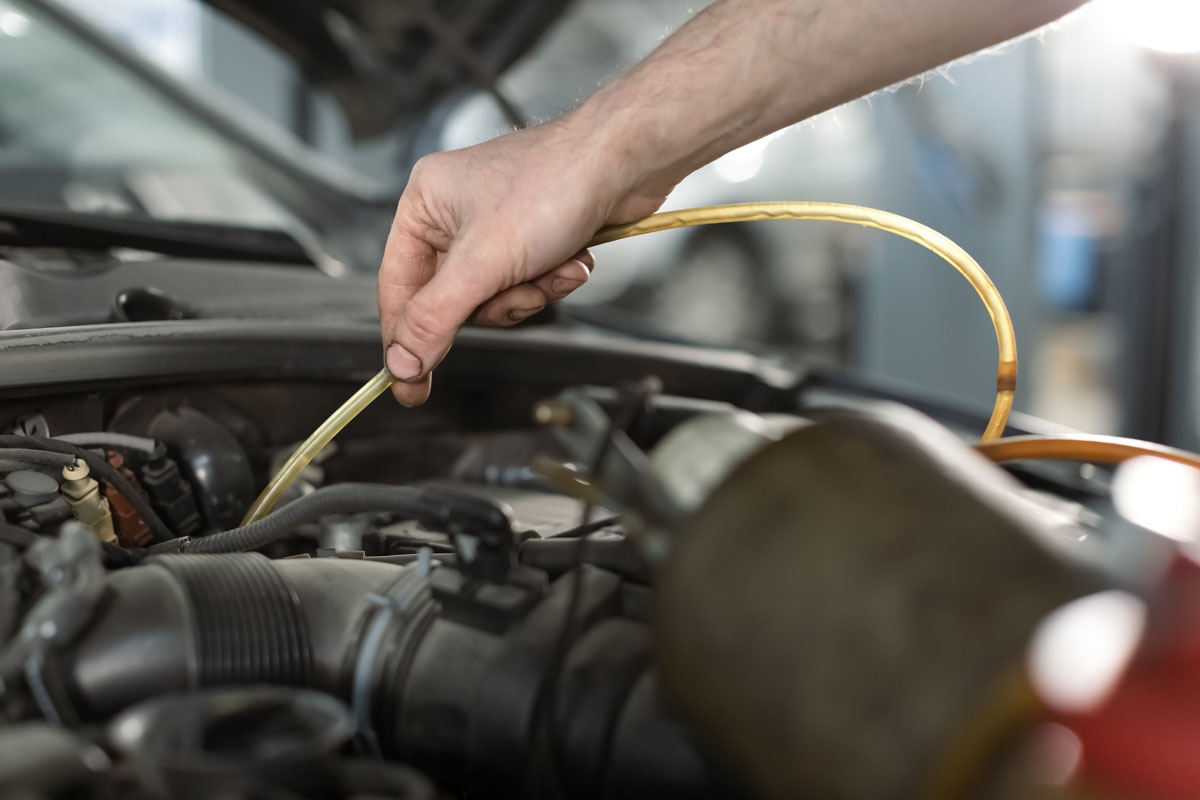
Signs Your Car Needs Transmission Fluid: How To Detect Early Warning Signs
Maintaining your car’s transmission is essential for smooth shifting, engine efficiency, and long-term vehicle health. Transmission fluid plays a crucial role in lubricating gears, cooling components, and ensuring the transmission operates properly under varying conditions. Without adequate fluid, your transmission can experience excessive wear, overheating, and even complete failure.
Knowing the signs your car needs transmission fluid helps you identify potential issues early before they become costly repairs. Unusual noises, delayed gear engagement, or fluid leaks are common indicators that your transmission may be low on fluid or that the fluid has degraded over time.
Regular checks and paying attention to changes in how your car drives can prevent serious damage. Transmission fluid is often overlooked, but monitoring its level and condition is critical for maintaining performance.
Recognizing these warning signs allows you to take action promptly, protecting your transmission and avoiding unexpected breakdowns. Staying informed ensures smoother operation and extends the life of your vehicle.
Unusual Transmission Noises
Transmission noises are often one of the first indicators that something is wrong with your vehicle’s transmission system. Recognizing abnormal sounds can help you identify issues early and prevent costly repairs. Understanding the types of noises, their causes, and their relationship to fluid levels is essential for maintaining proper transmission function and overall vehicle performance.
Grinding Or Shaking When Shifting
One of the most common unusual noises is grinding or shaking when changing gears. This sound can indicate low or deteriorated transmission fluid. Transmission fluid lubricates gears and ensures smooth engagement; when fluid levels are insufficient, metal components rub against each other, creating grinding noises and vibrations.
Experiencing this noise during gear shifts, especially when accelerating or decelerating, is a strong sign your car needs transmission fluid. Continued driving under these conditions can cause premature wear on the gears, leading to more significant mechanical issues. Checking fluid levels and quality, and topping it off or replacing it as needed, often resolves these noises while protecting the transmission from long-term damage.
Whining Or Humming Sounds
A whining or humming noise coming from the transmission while the vehicle is in motion can also indicate fluid problems. Low transmission fluid or fluid that has lost its viscosity can fail to provide adequate lubrication, causing friction and generating high-pitched noises.
This sound is often more noticeable at higher speeds or during prolonged driving, signaling that the transmission is under stress. Ignoring whining noises can accelerate wear on internal components like clutches and bearings. Ensuring the fluid is at the proper level, clean, and of the correct type recommended by the manufacturer helps reduce these sounds and maintain smooth operation. Regular fluid checks prevent further deterioration and protect the transmission.
Clunking Or Banging During Gear Engagement
Clunking or banging sounds when shifting into drive, reverse, or neutral can also be associated with transmission fluid issues. When fluid is low, it cannot provide adequate hydraulic pressure to control gear engagement, leading to hard or delayed shifts that create loud, jarring noises.
These sounds often indicate that the transmission is struggling to engage gears correctly, increasing wear and the risk of internal damage. Vehicles exhibiting these noises should have their fluid levels checked immediately. Properly maintaining fluid levels ensures that gear transitions are smooth, protects internal components, and reduces the likelihood of costly repairs down the line.
Squealing Or Slipping Noises
Squealing or slipping noises are another warning sign that your transmission may need attention. These sounds often occur when the fluid is contaminated, old, or insufficient, reducing its ability to create proper hydraulic pressure. Slipping occurs when gears fail to maintain engagement, resulting in irregular movement and noticeable noise.
Addressing squealing or slipping by inspecting and replacing the fluid can restore normal transmission operation. Using the correct type of fluid and ensuring it is clean and at the proper level helps prevent friction-related damage and ensures longevity. Monitoring these unusual noises allows you to take corrective action before serious mechanical problems arise.
Importance Of Early Detection
Paying attention to unusual transmission noises is vital for early detection of fluid issues. Grinding, whining, clunking, and squealing are all signs your car needs transmission fluid or a fluid replacement. Prompt action can prevent more severe damage, maintain smooth performance, and extend the life of the transmission.
Regular maintenance, including fluid checks, is critical for keeping your transmission operating efficiently. Being proactive about addressing unusual noises ensures the vehicle remains reliable and avoids costly repairs caused by neglecting transmission fluid problems.
Delayed Or Sluggish Shifting
Delayed or sluggish shifting is one of the most noticeable signs of transmission issues in a vehicle. When gears do not engage promptly or feel hesitant during acceleration, it can indicate underlying problems with the transmission system. Recognizing these symptoms early allows you to identify potential fluid deficiencies or mechanical issues before they cause serious damage.
Causes Of Delayed Shifting
Delayed or sluggish gear engagement often occurs due to low or degraded transmission fluid. Transmission fluid provides hydraulic pressure required for smooth gear operation and also lubricates internal components. Without sufficient fluid, gears may struggle to engage, causing hesitation or delayed response when shifting from park to drive, reverse, or between gears while driving.
Other potential causes include worn clutch packs in automatic transmissions, failing solenoids, or internal mechanical wear. Each of these issues affects the timing and responsiveness of gear engagement. Low fluid levels are often the first thing to check, as topping off or replacing fluid can resolve minor issues. Addressing this early prevents excessive wear on transmission components and helps maintain overall performance.
Impact On Driving Experience
Experiencing sluggish shifting can make everyday driving uncomfortable and unpredictable. Hesitation during acceleration or sudden jolts when shifting gears can compromise vehicle control and increase stress on the engine and transmission. Drivers may notice longer delays when moving from a complete stop or when downshifting during deceleration, creating a jerky driving experience.
Such behavior often worsens if the underlying cause, like low fluid or worn parts, is ignored. Sluggish shifting can reduce fuel efficiency and place additional strain on transmission components, potentially leading to costly repairs. Being aware of this symptom allows you to act quickly and maintain smooth, reliable operation.
Identifying Transmission Fluid Issues
One of the first steps in diagnosing delayed shifting is inspecting the transmission fluid. Check the fluid level and color according to the manufacturer’s guidelines. Healthy fluid is typically red or amber and has a slightly sweet smell, while old or degraded fluid may appear dark brown and have a burnt odor.
Low or contaminated fluid reduces hydraulic pressure, resulting in sluggish gear engagement. Adding the correct type of transmission fluid or performing a complete fluid replacement can often restore proper shifting behavior. Ensuring regular fluid maintenance is a proactive way to prevent delayed shifting and extend the life of the transmission.
When To Seek Professional Help
While minor fluid issues can be addressed at home, persistent or severe delayed shifting often requires professional inspection. Internal transmission components, such as solenoids, valve bodies, or clutches, may need repair or replacement. A mechanic can perform diagnostic tests to identify the exact cause and recommend the appropriate solution.
Ignoring delayed or sluggish shifting can accelerate wear on the transmission, leading to more significant failures. Prompt attention not only restores smooth gear engagement but also prevents costly repairs, ensures safety, and maintains overall vehicle reliability. Regular maintenance and monitoring for early signs of delayed shifting are crucial for long-term performance.
Preventive Measures
Monitoring transmission performance and fluid levels regularly can prevent delayed shifting issues. Maintaining clean, adequately filled transmission fluid ensures proper hydraulic pressure, reducing the likelihood of hesitation during gear changes.
Drivers should also avoid aggressive driving, towing beyond the vehicle’s capacity, or frequently shifting between gears abruptly, as these behaviors increase strain on the transmission. Following manufacturer recommendations for fluid type, change intervals, and driving practices helps keep the transmission operating smoothly and extends its lifespan. Recognizing sluggish shifting early allows for timely intervention, protecting your vehicle and enhancing overall driving comfort.
Transmission Overheating
Transmission overheating is a serious issue that can lead to significant damage if not addressed promptly. High temperatures compromise fluid performance, reduce lubrication, and accelerate wear on internal components. Recognizing the causes and early warning signs of overheating is essential for preventing costly repairs and maintaining smooth transmission operation. Understanding how fluid levels and driving conditions contribute to heat buildup is critical for vehicle longevity.
Causes Of Transmission Overheating
One of the primary causes of transmission overheating is low or degraded transmission fluid. Fluid not only lubricates internal parts but also helps dissipate heat generated by friction and hydraulic pressure. Insufficient fluid reduces heat transfer, causing temperatures to rise rapidly.
Other contributing factors include towing heavy loads, driving in stop-and-go traffic, and prolonged operation in high ambient temperatures. Malfunctioning cooling systems, such as a failing transmission cooler or radiator, can also lead to excessive heat buildup. Overheating damages clutches, seals, and gears, and can lead to total transmission failure if ignored. Regular fluid checks and maintenance are essential to prevent overheating and ensure the transmission functions optimally under varying conditions.
Warning Signs Of Overheating
Recognizing the early signs of transmission overheating helps prevent severe damage. Common indicators include a burning smell from the transmission area, dark or discolored transmission fluid, and warning lights on the dashboard. Drivers may also notice delayed or slipping gears, unusual noises, or erratic shifting.
Prolonged overheating can cause more subtle issues like reduced engine performance, vibrations, or sudden loss of power. Monitoring fluid temperature and checking for abnormal behavior during heavy driving conditions or hot weather can alert you to overheating early. Addressing these signs promptly ensures proper lubrication, prevents internal wear, and maintains reliable transmission performance.
Effects On Transmission Performance
Overheated transmission fluid loses its viscosity and lubricating properties, reducing the protective film between moving parts. This increases friction, accelerates wear, and can lead to warped components, clutch damage, and seal failure. Sluggish shifting, slipping gears, and erratic performance are common consequences of high temperatures.
Heat also degrades the chemical additives in transmission fluid, reducing its ability to prevent corrosion and maintain hydraulic pressure. Vehicles exposed to repeated overheating without proper maintenance face increased repair costs and a shorter transmission lifespan. Preventing overheating through fluid management and proper cooling measures is essential for maintaining long-term performance.
Preventive Measures Against Overheating
Preventing transmission overheating involves monitoring fluid levels, maintaining clean and appropriate fluid, and ensuring the cooling system functions properly. Adding a transmission cooler, using high-quality fluid rated for your driving conditions, and avoiding excessive towing or load can reduce heat buildup.
Drivers should also follow manufacturer recommendations for service intervals and fluid types. Regular inspections of cooling components, hoses, and radiators help prevent blockages or leaks that can lead to overheating. By proactively managing fluid health and monitoring driving habits, you can protect your transmission, maintain smooth shifting, and avoid costly repairs caused by excessive heat.
When To Seek Professional Help
Persistent overheating or repeated warning signs require professional evaluation. Transmission specialists can test fluid temperatures, inspect internal components, and identify root causes such as worn clutches, malfunctioning solenoids, or cooling system failures.
Prompt attention not only restores proper transmission operation but also prevents permanent damage. Addressing overheating issues early ensures that your vehicle remains safe, reliable, and capable of handling various driving conditions without compromising transmission health.
Leaks And Fluid Levels
Maintaining proper transmission fluid levels is essential for smooth shifting, efficient performance, and long-term transmission health. Leaks can quickly deplete fluid, leading to overheating, delayed shifts, and accelerated wear. Understanding how to detect leaks and monitor fluid levels ensures your vehicle stays in optimal condition and helps prevent costly repairs caused by fluid-related issues.
Common Causes Of Transmission Leaks
Transmission leaks often occur due to worn seals, gaskets, or damaged hoses. Over time, these components can degrade from heat, pressure, or age, allowing fluid to escape. Loose or improperly tightened pan bolts can also cause leaks, especially after recent service.
Leaking fluid often collects under the vehicle as red or brown puddles, sometimes accompanied by a sweet or burnt odor. Ignoring leaks reduces hydraulic pressure inside the transmission, causing delayed or slipping gear engagement and increasing internal friction. Identifying the source of a leak early allows for timely repairs, maintaining fluid levels and preventing further damage to transmission components.
Checking Transmission Fluid Levels
Regularly checking transmission fluid levels is crucial for preventing issues. Most vehicles have a dipstick labeled for transmission use, often requiring the engine to be warm and running in park or neutral. Properly reading the dipstick ensures the fluid is at the recommended level and shows whether the fluid is clean or contaminated.
Healthy transmission fluid is typically red or amber with a slightly sweet smell. Dark, burnt, or gritty fluid indicates degradation or contamination, signaling the need for a fluid change. Maintaining correct fluid levels ensures smooth shifting, prevents overheating, and protects internal components from excessive wear.
Effects Of Low Or Contaminated Fluid
Low or contaminated fluid can cause serious transmission problems. Without sufficient fluid, internal components lack lubrication, increasing friction and wear. Slipping gears, delayed engagement, and rough shifting are common consequences, while prolonged operation can result in overheating or total transmission failure.
Contaminated fluid loses its ability to cool and protect internal parts, accelerating component degradation. Regular inspections and fluid replacements help maintain proper viscosity, prevent leaks, and ensure the transmission operates reliably. Monitoring fluid health protects the transmission and extends its service life.
Preventive Measures For Fluid Management
Preventing leaks and maintaining fluid levels requires regular inspections, timely fluid changes, and monitoring for signs of damage. Checking under the vehicle for puddles, inspecting seals and hoses, and following manufacturer-recommended service intervals are essential practices.
Using the correct type of transmission fluid and topping it up when necessary ensures proper hydraulic pressure, lubrication, and heat dissipation. Staying proactive with fluid management prevents costly repairs, reduces the risk of slipping or delayed shifting, and maintains smooth, reliable transmission performance throughout the vehicle’s lifespan.
Warning Lights And Dashboard Indicators
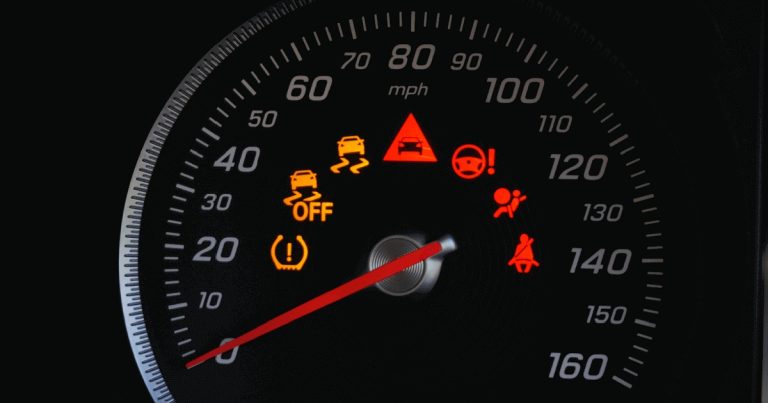
Warning lights and dashboard indicators are essential tools for alerting drivers to potential transmission issues. Modern vehicles are equipped with sensors that monitor fluid levels, temperature, and overall transmission performance. Paying attention to these alerts can help identify problems early, including signs your car needs transmission fluid, preventing costly repairs and ensuring safe driving conditions.
Transmission Temperature Warning Light
The transmission temperature warning light indicates that the fluid or transmission components are operating at unsafe temperatures. Overheating can occur due to low fluid levels, degraded fluid, or heavy towing and high-load driving. When this light illuminates, it is crucial to stop the vehicle safely and check the transmission fluid.
High temperatures reduce the fluid’s ability to lubricate gears and dissipate heat, increasing wear and the risk of component failure. Continuing to drive with the warning light on can lead to slipping gears, delayed shifting, and permanent damage. Regular monitoring of fluid condition and level ensures the transmission maintains optimal temperature and performance, preventing costly repairs.
Check Engine Or Transmission Warning Light
The check engine or transmission warning light can signal a range of issues, including low fluid levels, sensor malfunctions, or mechanical problems. These lights often indicate that the onboard diagnostic system has detected abnormal transmission behavior that requires attention.
When this light turns on, drivers may notice sluggish shifts, unusual noises, or fluid leaks. Checking the transmission fluid level and condition is a vital first step, as low or degraded fluid is a common cause of warning lights. Addressing issues promptly helps maintain smooth operation, reduces stress on internal components, and prevents minor problems from escalating into major transmission failures.
Gear Shift Indicator Issues
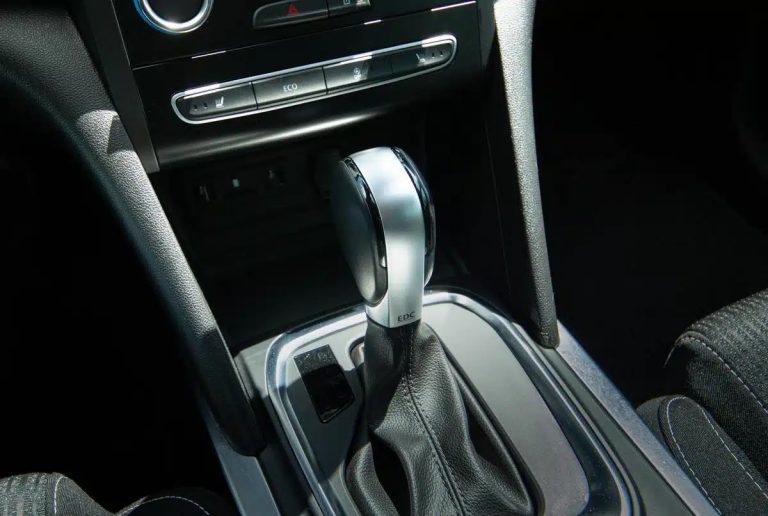
Some vehicles are equipped with digital gear indicators that highlight transmission malfunctions. Inconsistent readings, delayed gear engagement, or warning symbols on the dashboard can indicate fluid problems or mechanical wear. Low hydraulic pressure from insufficient transmission fluid often triggers these indicators.
Monitoring how the vehicle responds to shifts alongside dashboard alerts can help identify the need for a fluid check. Ensuring proper fluid levels and replacing degraded fluid restores smooth shifting and prevents long-term damage. Dashboard indicators serve as early warnings, giving drivers an opportunity to maintain the transmission before severe problems arise.
Importance Of Timely Response
Promptly addressing dashboard warnings is critical for protecting your transmission. Ignoring lights or continuing to drive with persistent alerts can accelerate wear, cause overheating, and lead to costly repairs. Fluid maintenance, including topping off or replacing transmission fluid, is often the first step in resolving these issues.
Understanding and responding to dashboard indicators allows you to identify signs your car needs transmission fluid and take corrective action. Regular monitoring, combined with routine maintenance, ensures the transmission operates reliably, extends its lifespan, and prevents sudden breakdowns that could compromise safety.
FAQs
What Are The Common Signs Your Car Needs Transmission Fluid?
The most common indicators that your car needs transmission fluid include delayed or sluggish shifting, unusual noises like whining or grinding, and overheating of the transmission. You may also notice fluid leaks under the vehicle or burning smells coming from the transmission area.
Paying attention to these signs early helps prevent serious transmission damage. Checking the fluid level and condition can confirm whether the transmission is low or the fluid has degraded. Addressing these issues promptly ensures smooth shifting, proper lubrication, and protection of internal components, avoiding costly repairs down the road.
How Can I Check My Transmission Fluid Level?
To check your transmission fluid, park your car on a level surface and leave the engine running. Locate the transmission dipstick, usually labeled and positioned near the back of the engine. Pull it out, wipe it clean, reinsert it fully, and then remove it again to read the level.
Healthy fluid should be at the recommended level and appear red or amber. Dark, burnt, or gritty fluid indicates degradation. Regular checks allow you to monitor fluid levels and condition, helping you identify signs your car needs transmission fluid before serious problems occur.
Can Low Transmission Fluid Cause Slipping Gears?
Yes, low transmission fluid is a common cause of slipping gears. When fluid levels drop, the hydraulic pressure needed to engage gears properly decreases, leading to delayed or incomplete gear shifts. You may notice the car slipping out of gear or unusual jerking during acceleration.
Slipping gears indicate insufficient lubrication and increased friction, which can damage clutches, gears, and other transmission components over time. Maintaining proper fluid levels and performing regular fluid replacements helps prevent slipping, improves shifting performance, and ensures your transmission operates smoothly and reliably.
What Are The Warning Signs Of Overheating Transmission Fluid?
Overheating transmission fluid can be identified by a burning smell, a hot transmission warning light on the dashboard, or unusually rough shifting. Fluid overheating often occurs when levels are low or the fluid has degraded and lost its ability to lubricate and cool internal components.
Continuing to drive with overheated fluid can cause accelerated wear, slipping gears, and permanent transmission damage. Checking fluid levels regularly and replacing old or contaminated fluid ensures the transmission stays cool, lubricated, and protected, allowing the system to operate efficiently and safely.
Can Fluid Leaks Indicate Transmission Problems?
Yes, fluid leaks are one of the clearest signs your car needs transmission fluid. Leaks often appear as red or brown puddles under the vehicle and may have a slightly sweet or burnt odor. They commonly originate from worn seals, gaskets, or damaged transmission lines.
Ignoring leaks reduces fluid levels, causing low hydraulic pressure and improper gear engagement. Regular inspections of the vehicle’s undercarriage and immediate attention to leaks prevent more severe transmission problems. Replacing or topping off fluid ensures proper lubrication, reducing wear and maintaining smooth operation.
How Does Sluggish Shifting Relate To Transmission Fluid Levels?
Sluggish or delayed shifting is a strong indicator that your transmission may be low on fluid. Transmission fluid provides hydraulic pressure necessary for gears to engage quickly. Low levels increase friction and cause hesitation when moving between gears.
You may notice jerky movements, slow response when accelerating, or difficulty engaging reverse or drive. Checking the fluid level and topping it off or replacing old fluid usually resolves these issues. Proper fluid maintenance ensures consistent shifting, reduces wear, and prevents potential long-term damage to your transmission system.
What Should I Do If I Suspect My Transmission Fluid Is Low?
If you suspect low transmission fluid, check the dipstick to confirm the level and inspect the fluid’s color and smell. Top off the fluid using the manufacturer-recommended type if levels are low.
Driving with low or degraded fluid can cause slipping, overheating, and internal damage. For persistent issues or leaks, seek professional service to prevent further problems. Regular monitoring and timely fluid replacement help maintain smooth shifting, protect internal components, and address early signs your car needs transmission fluid before they escalate into costly repairs.
Final Thoughts
Maintaining proper transmission fluid levels is essential for your vehicle’s smooth operation and longevity. Ignoring early warning signs can lead to costly repairs and reduced performance. By paying attention to changes in shifting behavior, unusual noises, or overheating, you can address potential issues before they become severe. Regular checks and timely fluid top-ups or replacements help keep the transmission functioning optimally.
Understanding the [signs your car needs transmission fluid] allows you to act proactively. Leaks, slipping gears, delayed shifts, and dashboard warnings are clear indicators that your transmission may be low or deteriorating. Observing these signs and taking immediate action prevents further wear and potential damage to critical components.
Routine maintenance and using the correct type of transmission fluid ensure your vehicle runs efficiently and safely. Recognizing the [signs your car needs transmission fluid] early protects your investment and gives you peace of mind on the road.