Preventing Transmission Leaks After Inactivity – Essential Tips for Vehicle Care
Transmission fluid leaks can cause serious damage to a vehicle, leading to costly repairs and reduced performance. When a car sits unused for an extended period, seals, gaskets, and hoses can dry out or weaken, increasing the likelihood of leaks once the vehicle is back on the road. Understanding how to protect your transmission during inactivity is essential for long-term reliability and smooth operation.
Preventing transmission leaks after periods of non-use requires attention to fluid levels, proper storage conditions, and occasional maintenance checks. Cold weather, high humidity, or improper storage can accelerate the deterioration of rubber seals and connections, leaving the system vulnerable to leaks when the car is restarted.
Vehicle owners who regularly maintain their transmission and monitor potential problem areas can reduce the risk of fluid loss. Inspecting seals, checking fluid levels, and using protective additives are simple measures that help maintain transmission integrity.
Preventing Transmission Leaks After Inactivity ensures your vehicle remains reliable and reduces the risk of unexpected mechanical failures. Taking proactive steps not only saves money but also preserves overall vehicle performance and safety.
Signs Your Transmission May Be Leaking
Transmission leaks can lead to serious mechanical issues if not detected early. Recognizing the signs of a leak allows you to take prompt action, preventing damage and expensive repairs. Leaks may develop in seals, gaskets, or fluid lines, and they often present visible and noticeable symptoms that signal a need for maintenance.
Puddles Or Stains Under The Vehicle
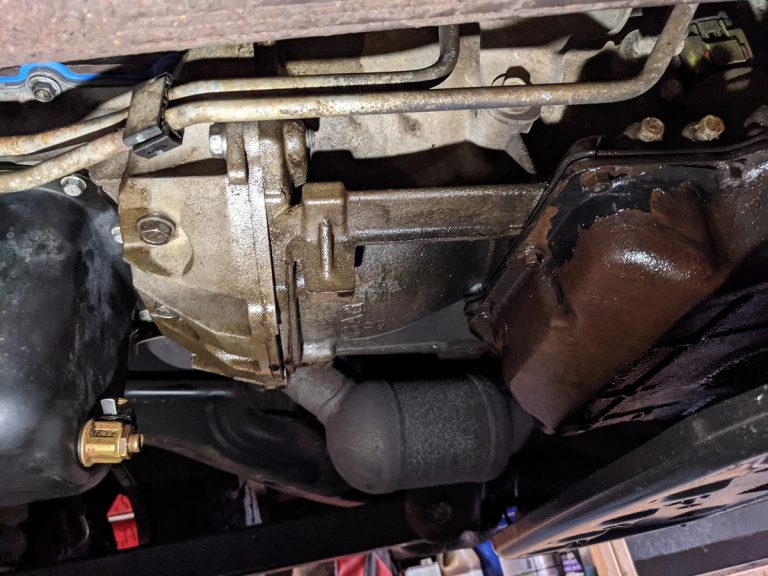
One of the most obvious signs of a transmission leak is fluid pooling under the vehicle. Transmission fluid is typically red, pink, or brown, and it may appear as small drips or larger puddles on the driveway or garage floor.
Leaks often occur at seals, gaskets, or the pan, allowing fluid to escape when the vehicle is stationary or during driving. While some stains may be minor at first, leaving leaks unaddressed can lead to a rapid loss of fluid, reducing lubrication and causing overheating. Drivers may notice the puddles forming more frequently after long trips or during hot weather, which can accelerate seal deterioration.
Regularly checking for fluid spots beneath the car and inspecting the transmission pan, hoses, and connections helps detect leaks early. Addressing visible leaks prevents more severe damage, ensuring smooth operation and extending the life of the transmission.
Low Transmission Fluid Levels
A drop in transmission fluid levels is another clear indication of a potential leak. Transmission fluid lubricates and cools moving parts, so a low level can cause erratic shifting, overheating, and increased wear on internal components.
You may notice difficulty in shifting gears, delayed engagement, or unusual whining noises when the fluid is low. Checking the transmission dipstick regularly allows you to monitor fluid levels and detect early signs of leakage. Even small leaks can gradually deplete fluid, reducing system efficiency and increasing the risk of costly repairs.
Maintaining proper fluid levels and investigating sudden drops ensures the transmission continues to operate smoothly. Prompt attention to low fluid levels preserves internal components, prevents overheating, and reduces the likelihood of complete transmission failure.
Burning Smell From Transmission Fluid
A distinct burning smell can signal that transmission fluid is leaking onto hot components or that fluid levels are critically low. Transmission fluid overheating or coming into contact with the exhaust or engine parts can produce a noticeable odor, often described as sweet or acrid.
This symptom is particularly concerning because overheated fluid can break down, reducing its ability to lubricate and protect the transmission. Drivers may notice the smell during or after driving, especially under heavy load or stop-and-go traffic conditions. Prolonged exposure to low or burning fluid can lead to internal damage, including worn gears and friction plates.
Monitoring for unusual smells and checking fluid quality helps detect leaks and overheating before severe damage occurs. Replacing degraded fluid and repairing leaks ensures consistent lubrication, proper cooling, and reliable transmission performance.
Difficulty Shifting Gears
Transmission leaks often result in low fluid levels, which directly affect shifting performance. You may notice delayed engagement when putting the car into drive or reverse, jerky or rough gear changes, or unusual clunking noises during operation.
These issues occur because low or contaminated fluid reduces hydraulic pressure and friction needed for smooth gear transitions. Drivers might also experience slipping, where the engine revs but the vehicle moves sluggishly or inconsistently. Ignoring these signs can lead to accelerated wear, overheating, and eventual transmission failure.
Regular monitoring of fluid levels and servicing the transmission ensures smooth shifting. Repairing leaks and replenishing fluid restores proper hydraulic pressure, improving performance, and reducing the risk of internal component damage.
Transmission Warning Lights
Modern vehicles often include dashboard warning lights that alert you to transmission problems. A leaking transmission can trigger a check engine or transmission warning light due to low fluid pressure or internal sensor irregularities.
When the warning light illuminates, it indicates a potential mechanical or hydraulic issue that requires immediate attention. Drivers may experience additional symptoms, such as rough shifting, unusual noises, or delayed gear engagement, coinciding with the warning. Ignoring these indicators increases the likelihood of severe damage and costly repairs.
Having the vehicle inspected by a professional when warning lights appear helps identify leaks or other transmission problems early. Timely intervention ensures proper fluid levels, prevents internal damage, and maintains safe, reliable operation.
Common Causes Of Transmission Leaks After Inactivity
When a vehicle sits unused for an extended period, its transmission system becomes vulnerable to leaks and other issues. Components such as seals, gaskets, and fluid lines can degrade over time, leading to fluid loss once the car is back in operation. Understanding the common causes of transmission leaks after inactivity helps you take preventive measures and maintain reliable performance.
Deteriorated Seals And Gaskets
One of the most common causes of transmission leaks after inactivity is the deterioration of seals and gaskets. Rubber and synthetic materials used in seals can dry out, shrink, or crack when left idle for long periods, especially in extreme temperatures.
Seals around the transmission pan, output shafts, and fluid lines are particularly susceptible. As these components lose flexibility, they can no longer maintain a tight seal, allowing fluid to escape. Even a small leak at a dried-out seal can reduce fluid levels quickly, leading to poor lubrication, overheating, and potential damage to internal transmission components.
Regular inspection of seals and gaskets, along with the application of protective lubricants or seal conditioners, can help maintain their integrity. Addressing deteriorated seals early prevents fluid loss, improves system performance, and avoids costly repairs caused by prolonged leakage.
Fluid Line And Hose Degradation
Transmission fluid travels through a network of hoses and lines, which can become brittle or cracked during periods of inactivity. Exposure to fluctuating temperatures, humidity, or UV light can accelerate material breakdown, leaving the lines prone to leaks.
Hoses that are older or have experienced previous stress may develop small cracks or pinhole leaks. These issues often go unnoticed until the vehicle is restarted and the transmission system reaches operating pressure, causing fluid to seep out. A leaking line not only reduces fluid levels but also risks introducing air into the system, leading to erratic shifting or overheating.
Inspecting and replacing degraded hoses before resuming regular use ensures proper fluid flow and system pressure. Maintaining hose integrity reduces the likelihood of leaks, preserves transmission components, and supports smooth operation.
Corrosion On Transmission Components
Corrosion is another frequent cause of transmission leaks after extended inactivity. Moisture can accumulate on metal surfaces, particularly in damp storage environments, leading to rust on pans, bolts, and fittings.
Corrosion weakens metal parts and compromises the sealing surfaces between components. Rusted pan bolts or corroded connections may fail to maintain a tight seal, allowing fluid to leak once the vehicle is back in operation. Corrosion is particularly common in older vehicles or those stored in areas with high humidity or exposure to road salts.
Regular cleaning, applying anti-corrosion sprays, and keeping storage areas dry help minimize the effects of corrosion. Preventive maintenance ensures that metal surfaces remain intact, seals maintain proper contact, and leaks are less likely to occur.
Pressure Build-Up From Idle Fluid Settling
During long periods of inactivity, transmission fluid can settle unevenly, sometimes creating localized pressure points within the system. This pressure can stress seals, gaskets, and weak points in hoses, especially when the vehicle is restarted and fluid begins circulating under normal operating pressures.
Excessive stress on aged or compromised seals can lead to leaks immediately after the car is put back into use. Drivers may notice fresh fluid under the vehicle or inconsistent transmission performance shortly after restarting the engine. Addressing weak points before resuming regular operation can prevent fluid loss and protect the transmission from damage caused by sudden leaks.
Performing a pre-start inspection, checking fluid levels, and warming up the vehicle gradually after periods of inactivity helps reduce pressure-induced leaks. Proper preparation ensures the transmission operates smoothly and prolongs the lifespan of seals and gaskets.
Neglected Maintenance During Storage
Failure to perform maintenance during periods of inactivity is a significant contributor to transmission leaks. Old or degraded fluid, combined with neglected seals, hoses, and components, creates ideal conditions for leaks when the vehicle is restarted.
Fluid can lose its lubricating properties over time, increasing friction and accelerating wear on seals and gaskets. Additionally, dirt and contaminants may settle in the system, weakening components and increasing the risk of leaks. Regular inspections, fluid changes, and protective treatments during storage reduce the likelihood of transmission leaks after inactivity and keep the system ready for smooth operation.
How Inactivity Affects Transmission Health
Vehicles that remain unused for extended periods are prone to a variety of transmission issues. Lack of regular operation can cause fluid deterioration, seal shrinkage, and corrosion, all of which compromise system performance. Understanding how inactivity impacts transmission health helps vehicle owners take preventive measures to avoid leaks, poor shifting, and costly repairs.
Fluid Settling And Degradation
Transmission fluid is vital for lubricating moving parts, maintaining hydraulic pressure, and cooling internal components. When a vehicle sits idle for weeks or months, the fluid can settle unevenly, leaving certain components under-lubricated. Over time, fluid can also degrade due to oxidation and contamination, losing its ability to protect internal parts effectively.
Degraded or settled fluid increases friction on gears, clutches, and bearings, which may lead to premature wear once the vehicle is restarted. Drivers may notice delayed or rough gear engagement, slipping, or unusual noises. Regularly inspecting fluid condition and performing a complete flush or refill before extended storage can help preserve its lubricating and cooling properties, reducing the risk of long-term damage.
Preventive Measures To Avoid Transmission Leaks
Transmission leaks can lead to serious mechanical problems and costly repairs if not addressed early. By taking preventive measures, especially during periods of inactivity, you can maintain proper fluid levels, preserve seals and gaskets, and ensure the transmission operates smoothly. Regular inspections and simple maintenance routines significantly reduce the risk of leaks and extend the lifespan of your vehicle’s transmission system.
Regular Fluid Checks And Maintenance
One of the most effective ways to prevent transmission leaks is to monitor and maintain proper fluid levels. Transmission fluid lubricates moving parts, ensures smooth gear engagement, and helps cool the system. Low or degraded fluid can accelerate wear on seals and gaskets, increasing the likelihood of leaks.
Checking fluid levels periodically, even during periods of inactivity, allows you to detect minor losses early. Replacing old or contaminated fluid according to manufacturer recommendations ensures the system remains properly lubricated and protected. Additionally, using the correct type of transmission fluid maintains compatibility with seals and prevents premature deterioration, reducing the risk of leaks when the vehicle is restarted.
Inspecting And Maintaining Seals And Gaskets
Seals and gaskets are the primary barriers that prevent transmission fluid from escaping. Over time, these components can dry out, crack, or shrink, especially when a vehicle is left unused. Regular inspection of seals and gaskets helps identify early signs of wear or damage.
Applying seal conditioners or lubricants during storage can help maintain flexibility and prevent drying or cracking. Replacing worn seals before they fail protects the system from leaks and preserves internal fluid pressure. Attention to these critical components ensures long-term reliability and smooth operation when the vehicle is back in use.
Proper Vehicle Storage Practices
How you store your vehicle during periods of inactivity has a direct impact on transmission health. Exposure to extreme temperatures, humidity, or direct sunlight can accelerate deterioration of seals, gaskets, and hoses, increasing the likelihood of leaks.
Storing the vehicle in a cool, dry, and covered environment reduces the effects of heat and moisture. Additionally, raising the vehicle on jack stands or moving it periodically prevents flat spots on tires and ensures proper fluid distribution within the transmission. Proper storage minimizes stress on components and preserves overall transmission integrity, reducing the risk of leaks upon resuming use.
Timely Professional Inspections
Routine inspections by a qualified mechanic are crucial in preventing transmission leaks. Professionals can detect early signs of wear, minor leaks, or fluid contamination that may not be obvious during casual checks.
A technician can assess the condition of seals, gaskets, fluid lines, and the transmission pan, recommending preventive repairs or replacements as needed. Regular professional inspections help address potential issues before they escalate, ensuring the transmission remains reliable, leak-free, and in optimal operating condition.
Using Additives And Protective Treatments
Certain protective additives can help preserve transmission components during periods of inactivity. Seal conditioners or stabilizers maintain flexibility in gaskets and seals, reducing the likelihood of cracks or leaks.
Additives may also enhance fluid performance, preventing degradation and ensuring proper lubrication when the vehicle is restarted. While not a replacement for proper maintenance, these treatments provide an additional layer of protection, especially for vehicles stored for extended periods or in harsh conditions. Incorporating protective additives complements routine checks and storage practices, helping prevent transmission leaks and maintaining overall system health.
FAQs
How Can I Prevent Transmission Leaks After Inactivity?
Preventing transmission leaks after periods of inactivity involves proper storage, maintenance, and monitoring of fluid levels. Ensuring the vehicle is stored in a dry, covered area helps protect seals and gaskets from drying out or cracking. Regularly checking transmission fluid, even when the car is unused, ensures adequate lubrication and pressure for smooth operation.
You can also apply seal conditioners or protective additives to maintain flexibility in gaskets. Starting the vehicle occasionally or moving it short distances keeps fluid circulated and prevents seals from deteriorating, reducing the likelihood of leaks when the vehicle is back in regular use.
Why Is Transmission Fluid Important During Storage?
Transmission fluid lubricates gears, bearings, and clutches while maintaining hydraulic pressure. During inactivity, fluid can settle, degrade, or lose its protective properties, increasing friction and stress on seals. This makes leaks more likely once the vehicle is started.
Keeping fluid at proper levels, using high-quality fluid, and replacing degraded fluid before storage ensures optimal lubrication. Circulating fluid occasionally by starting the vehicle or moving it short distances maintains consistent pressure and protects internal components, reducing the risk of leaks and ensuring smooth transmission performance when the car is back in use.
How Do Seals And Gaskets Fail During Inactivity?
Seals and gaskets are made from rubber or synthetic materials that rely on flexibility to prevent leaks. When a car sits idle, these components can dry out, shrink, or crack due to lack of movement and exposure to temperature fluctuations.
Deteriorated seals fail to maintain proper fluid containment, leading to leaks when the transmission is restarted. Applying seal conditioners or lubricants during storage can help maintain elasticity. Inspecting and replacing worn seals before extended storage ensures they remain effective, reducing the risk of transmission leaks and protecting internal components from damage.
Can Storage Conditions Affect Transmission Health?
Yes, storage conditions have a direct impact on transmission integrity. High humidity, extreme temperatures, and exposure to sunlight can accelerate deterioration of seals, gaskets, and hoses. Moisture can also cause corrosion on metal components, compromising sealing surfaces and increasing the risk of fluid leaks.
Storing the vehicle in a climate-controlled garage or using protective covers helps maintain a stable environment. Keeping the car elevated or moving it periodically ensures fluid distribution and reduces stress on components. Proper storage conditions are a crucial preventive step in avoiding transmission leaks after inactivity.
How Often Should I Check Transmission Fluid During Inactivity?
Even during extended periods of inactivity, it’s important to check transmission fluid at least once a month. Monitoring fluid levels ensures there are no leaks and that the transmission remains adequately lubricated.
Visual inspections can detect fluid color changes or contamination, which may indicate early problems. Maintaining proper fluid levels helps prevent seal drying, internal friction, and component wear. Regular checks reduce the risk of leaks and ensure the transmission remains in good working condition, even when the vehicle is not in regular use.
Are Additives Useful For Preventing Transmission Leaks?
Yes, certain additives and seal conditioners can help prevent transmission leaks during periods of inactivity. These products keep seals and gaskets flexible, reducing the risk of cracking or shrinking.
Additives can also enhance fluid performance, maintaining lubrication and preventing oxidation. While they do not replace proper maintenance, using protective treatments complements routine inspections, fluid checks, and proper storage. Incorporating additives ensures the transmission remains well-protected, reducing the chance of leaks when the vehicle is back in operation.
Should I Move The Vehicle Occasionally During Long-Term Storage?
Moving the vehicle periodically is highly beneficial for preventing transmission leaks. Starting the engine or driving the car short distances circulates fluid, maintains hydraulic pressure, and reduces the chance of seals drying out.
Regular movement also prevents fluid from settling unevenly, which can create stress points on gaskets and hoses. By keeping the transmission components active, you minimize wear and the risk of leaks when returning the vehicle to regular use. This simple practice, combined with proper storage and fluid maintenance, ensures long-term transmission health.
Conclusion
Maintaining the health of your vehicle during periods of inactivity is crucial to avoid costly repairs and ensure reliable performance. Transmission seals and gaskets can dry out, fluid can degrade, and small leaks may develop if the car sits unused for long periods. Regular checks and proper care help keep the transmission system in optimal condition.
Focusing on preventive measures such as periodically starting and moving the vehicle, inspecting seals and fluid lines, and keeping transmission fluid at recommended levels significantly reduces the risk of leaks. These steps address the main issues that contribute to transmission problems and ensure the vehicle is ready for safe operation when you return to driving.
By implementing routine maintenance and storage strategies, you can effectively manage the risks associated with prolonged inactivity. Proper attention to your vehicle supports long-term performance and efficiency, making preventing transmission leaks after inactivity a manageable and essential part of car care.