Why Your Steering Wheel Shakes When Turning: Causes and Fixes
Feeling a noticeable vibration through the steering wheel while turning can be unsettling and may indicate underlying issues with your vehicle’s handling or suspension. Many drivers experience this problem during low-speed maneuvers or while navigating curves, which can make steering feel unstable and reduce confidence on the road.
Why your steering wheel shakes when turning can result from a variety of factors, including worn suspension components, tire imbalances, misaligned wheels, or issues with the brake system. The severity of the shake can vary, from mild vibrations to more pronounced trembling that affects vehicle control.
Ignoring the problem can lead to further wear on tires, suspension parts, and steering components. Addressing the root cause early ensures smooth handling, improves safety, and prevents more costly repairs down the line.
Understanding the potential causes and symptoms of steering wheel vibration allows drivers to identify whether the issue is mechanical, alignment-related, or tire-related. Timely inspection and maintenance restore stability, control, and confidence behind the wheel.
Common Symptoms of Steering Wheel Shaking During Turns
Steering wheel shaking during turns is not only uncomfortable but also a warning sign that something may be wrong with your vehicle. Identifying the common symptoms associated with this issue helps pinpoint the root cause, whether it involves tires, suspension, brakes, or steering components. Recognizing these signs early allows for timely maintenance, ensuring safe and stable handling on the road.
Vibration At Low Speeds
One common symptom is noticeable vibration when turning at low speeds, such as in parking lots or tight corners. Drivers often feel the steering wheel trembling in their hands, which may make maneuvering feel awkward or imprecise.
This type of vibration is often caused by worn suspension components, loose steering parts, or tire issues. Even minor imbalance in the tires can create significant vibration during low-speed turns. Drivers may also notice that the intensity increases when making sharper turns or while navigating uneven surfaces.
Addressing low-speed vibration often involves inspecting suspension and steering components for wear, checking tire balance, and ensuring wheel alignment. Timely correction prevents further damage to tires, steering systems, and suspension parts, maintaining predictable vehicle control.
Steering Wheel Shaking During High-Speed Turns
Shaking that occurs during high-speed turns is another common symptom. Drivers may experience a more pronounced vibration through the wheel when navigating curves at highway speeds or while changing lanes quickly.
This symptom may indicate issues such as warped brake rotors, tire imbalance, or worn tie rods and ball joints. High-speed steering vibration can compromise vehicle stability, making it more difficult to maintain control, especially during emergency maneuvers or sudden lane changes.
Corrective action includes inspecting brake rotors for warping, balancing tires, and checking suspension components for play or wear. Addressing these issues ensures that high-speed handling remains smooth, the steering wheel stays stable, and the vehicle responds predictably during turns.
Pulling Or Drift While Turning
Another noticeable symptom is the vehicle pulling or drifting to one side while turning. This often occurs alongside steering wheel shaking and may signal uneven tire pressure, alignment issues, or worn suspension parts.
Drivers may feel the need to constantly adjust the steering wheel to maintain the intended path. This symptom can increase fatigue during longer drives and may lead to uneven tire wear over time. Drifting while turning also affects braking performance and reduces overall control of the vehicle.
Resolving pulling or drift issues requires a thorough inspection of tires, wheel alignment, and suspension components. Adjusting or replacing worn parts ensures that the steering wheel remains stable and the vehicle tracks correctly through turns.
Unusual Noises With Shaking
Steering wheel shaking is often accompanied by unusual noises, such as clunks, squeaks, or grinding sounds. These noises typically occur when turning and indicate potential wear in suspension or steering components.
Loose or damaged tie rods, ball joints, or control arm bushings can create both vibration and noise during steering. Drivers may also notice a rhythmic thumping or squealing if tires are unevenly worn or improperly balanced. Ignoring these signs can accelerate damage to steering and suspension systems and reduce vehicle stability.
Diagnosing the source of noise alongside shaking is critical. Replacing worn components, balancing tires, and performing proper alignment helps eliminate both vibrations and associated sounds, improving vehicle handling and safety.
Intermittent Or Sudden Steering Wheel Shakes
Some drivers experience intermittent or sudden steering wheel shaking during turns. This symptom may not occur consistently but appears under specific conditions, such as sharp turns, changes in speed, or after hitting a pothole.
Intermittent shaking can point to suspension play, loose steering parts, or tire deformities like bulges or separated belts. These sudden vibrations are dangerous because they may occur unpredictably, affecting control and confidence behind the wheel. Drivers may also notice brief wobbling or a “loose” steering feel during these events.
Proper inspection of steering components, tires, and suspension is essential for diagnosing intermittent shaking. Timely repair or replacement of worn parts ensures the steering wheel remains stable, improving safety and providing smooth, controlled turns.
Tire-Related Causes
Tires play a pivotal role in maintaining smooth steering and vehicle stability. Many instances of steering wheel shaking during turns are directly linked to tire-related issues. Problems such as uneven wear, imbalance, incorrect tire pressure, or mismatched tire types can all affect handling and create vibrations, making it crucial to inspect tires when diagnosing steering problems.
Uneven Tire Wear
Uneven tire wear is a primary cause of steering wheel vibrations during turns. When the tread wears more on one side than the other, the tire may lose consistent contact with the road, resulting in vibrations that transfer to the steering wheel.
Drivers may notice a rhythmic shake or a slight pull toward the side with more wear while cornering. Uneven wear can result from misalignment, worn suspension components, or prolonged driving without tire rotation. Tires with inconsistent tread depth fail to grip the road evenly, leading to unstable handling, especially on curves or during lane changes.
Correcting uneven tire wear often requires replacing or rotating tires and addressing the underlying alignment or suspension issues. Maintaining even tread ensures smooth contact with the road, stabilizes steering, and prolongs tire life.
Tire Imbalance
Tire imbalance occurs when the weight distribution of a tire and wheel assembly is uneven. Even after mounting new tires, imbalance can cause noticeable steering wheel shaking, particularly during turns or at higher speeds.
Symptoms include vibrations that increase with speed and become more noticeable during cornering. Imbalanced tires can accelerate uneven wear and put additional stress on suspension components, contributing to misalignment and handling instability. Professional balancing with precision weights restores even rotation, eliminating vibrations and improving ride comfort.
Regular balancing during tire installation or routine maintenance prevents recurring steering wheel shakes. Ensuring proper weight distribution across all wheels is critical for smooth, predictable handling and overall vehicle stability.
Incorrect Tire Pressure
Tire pressure significantly affects vehicle handling and steering response. Overinflated or underinflated tires can create uneven road contact, leading to vibrations during turns. Even slight discrepancies between tires on the front axle may cause the steering wheel to shake.
Drivers may notice the vehicle pulling to one side or experiencing uneven steering feedback. Incorrect pressure also increases tire wear, reduces fuel efficiency, and affects braking performance. Maintaining manufacturer-recommended tire pressure ensures consistent contact with the road and stabilizes the steering system.
Regularly checking and adjusting tire pressure, especially before long trips or after seasonal changes, prevents steering wheel vibrations and enhances both safety and performance. Properly inflated tires also prolong tread life and improve overall ride quality.
Mismatched or Damaged Tires
Mismatched tires or damaged tires can also contribute to steering wheel shaking. Using tires with different sizes, tread patterns, or levels of wear on the same axle can create uneven rolling resistance, causing vibrations during turns.
Bulges, separated belts, or internal tire damage can exacerbate steering issues. Drivers may experience sudden jerks or wobbling through the steering wheel while cornering, reducing vehicle control and increasing safety risks. Uneven grip can also affect braking and traction, especially in wet or slippery conditions.
Replacing damaged or mismatched tires with proper, manufacturer-specified tires ensures uniform rotation and consistent road contact. Maintaining tire integrity and proper matching eliminates vibrations, improves handling, and restores smooth steering response during turns.
Importance Of Tire Maintenance
Proper tire maintenance is crucial for preventing steering wheel shakes during turns. Regular inspections, rotations, balancing, and pressure checks help identify issues early and maintain consistent tire performance.
Neglecting tire care can lead to uneven wear, imbalance, or hidden damage, resulting in vibrations, poor handling, and reduced vehicle safety. Maintaining tires according to manufacturer guidelines ensures that the steering wheel remains stable, handling is predictable, and tire lifespan is maximized. Consistent tire maintenance is a simple yet highly effective way to prevent steering-related problems.
Wheel Alignment and Suspension Issues
Steering wheel shaking during turns is often linked to problems with wheel alignment or the suspension system. Proper alignment ensures that tires meet the road at the correct angles, while a healthy suspension maintains stability and absorbs road impacts. When either system is compromised, the steering wheel can vibrate, pulling the vehicle off its intended path and reducing handling precision. Understanding these issues is essential for accurate diagnosis and repair.
Misaligned Wheels
Misaligned wheels are a primary cause of steering wheel vibrations during turns. When the camber, caster, or toe angles are off, the tires do not track straight, creating resistance and uneven contact with the road.
Drivers may notice the steering wheel shaking, a subtle pull to one side, or uneven tire wear patterns. Misalignment can result from hitting potholes, curbs, or simply from regular wear and tear on suspension components. Even after a recent alignment, if adjustments were not precise or the vehicle’s specifications were not followed, the steering wheel may remain off-center or vibrate.
Correcting wheel alignment involves precise measurement and adjustment of all angles, ensuring the tires roll straight and evenly. Professional alignment restores smooth steering, improves tire lifespan, and eliminates vibration caused by misaligned wheels.
Worn Suspension Components
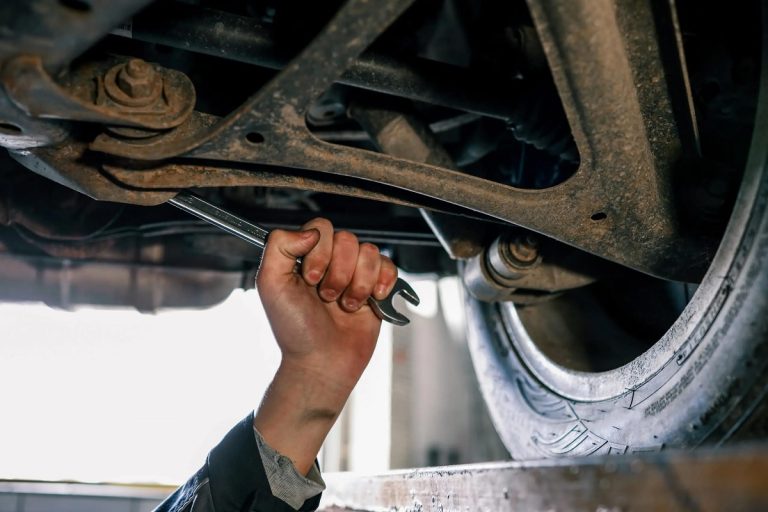
Worn suspension components, including control arms, bushings, ball joints, and shocks, can cause the steering wheel to shake during turns. These parts maintain wheel positioning and absorb road forces, keeping the vehicle stable.
When suspension components wear out, the wheels may shift slightly under load, creating vibrations that transfer to the steering wheel. Drivers may also notice uneven tire wear, clunking noises, or a loose steering feel. Worn shocks or struts reduce the suspension’s ability to absorb road impacts, increasing the likelihood of vibrations during cornering.
Replacing damaged or worn suspension parts restores proper wheel geometry and ensures stable steering. Regular inspection of suspension components prevents steering instability, uneven tire wear, and unpredictable vehicle handling.
Loose Or Damaged Steering Components
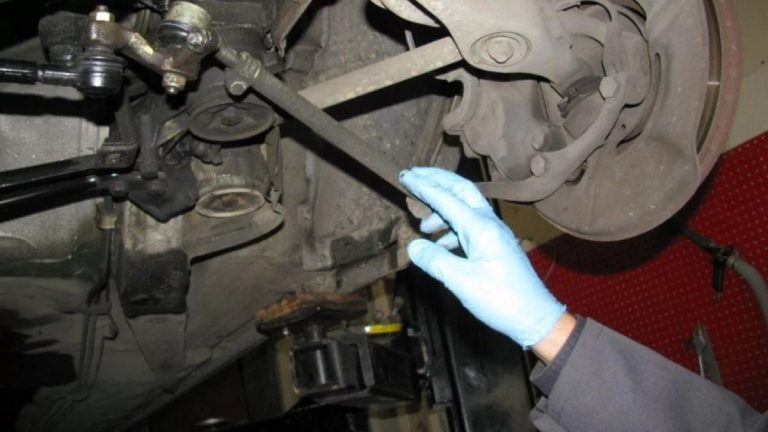
Loose or damaged steering components, such as tie rods, steering racks, or idler arms, can contribute to vibrations when turning. These parts directly connect the steering wheel to the wheels, so any play or damage affects control and feedback.
Drivers may feel a trembling steering wheel during low-speed turns or notice uneven response when changing lanes. Ignoring loose steering components can accelerate tire wear, strain suspension parts, and increase the risk of handling issues or accidents. A visual inspection and manual testing can help identify excessive play or worn parts that require replacement or tightening.
Repairing or replacing faulty steering components ensures accurate response and eliminates vibration. Maintaining the steering system’s integrity is essential for smooth, predictable handling during turns and overall vehicle safety.
Impact Of Worn Wheel Bearings
Worn or damaged wheel bearings can also contribute to steering wheel shaking, particularly when turning. Bearings allow wheels to rotate smoothly, and any play or wear affects alignment and stability.
Drivers may notice a humming or grinding noise alongside the vibration, which intensifies when cornering. Loose wheel bearings can cause slight wheel movement, translating into steering wheel shake and uneven tire wear. Over time, ignoring worn bearings can lead to more serious suspension or drivetrain damage.
Replacing worn wheel bearings restores smooth wheel rotation, improves steering stability, and prevents further damage to related components. Regular inspection and timely replacement of bearings are crucial for preventing vibrations and maintaining predictable handling.
Regular Inspection And Maintenance
Regular inspection and maintenance of wheel alignment and suspension components are key to preventing steering wheel shaking during turns. Misalignment, worn parts, or loose connections can compromise vehicle stability and driver confidence.
Routine checks include verifying alignment angles, inspecting suspension components, checking for loose steering parts, and examining wheel bearings. Addressing issues early prevents tire damage, improves handling, and maintains a smooth, vibration-free steering experience. Proper care of these systems ensures safety, prolongs component life, and provides a more comfortable driving experience.
Brake System Problems
The brake system plays a crucial role in vehicle safety and handling. When components within the braking system are worn, damaged, or improperly maintained, they can contribute to steering wheel shaking during turns. Vibrations may occur due to uneven braking forces, warped rotors, or worn pads, affecting both vehicle control and driver confidence. Understanding brake-related causes helps diagnose and resolve steering wheel vibrations effectively.
Warped Brake Rotors
Warped brake rotors are one of the most common brake-related causes of steering wheel shaking. Rotors can warp due to excessive heat from heavy braking, frequent stop-and-go traffic, or using low-quality components.
When the rotor surface is uneven, the brake pads make inconsistent contact, producing vibrations that travel through the steering wheel. Drivers may notice shaking specifically when braking while turning, or during gentle stops at low speeds. Warped rotors can also increase stopping distances and reduce braking efficiency, making driving less predictable and potentially dangerous.
Addressing warped rotors involves resurfacing or replacing them, along with inspecting brake pads and calipers. Proper maintenance, including avoiding prolonged heavy braking and using high-quality parts, helps prevent rotor warping and eliminates steering wheel vibration.
Worn Brake Pads
Brake pads that are excessively worn or unevenly worn can also contribute to steering wheel shaking. Thin or glazed pads fail to engage the rotor uniformly, causing vibrations that are noticeable while braking and turning.
Drivers may experience pulsation in the brake pedal, uneven stopping, or slight tremors through the steering wheel. Uneven wear can result from misaligned calipers, faulty hardware, or poor-quality brake pads. Continuing to drive with worn pads can damage rotors and increase repair costs while reducing braking performance.
Replacing worn or damaged brake pads restores consistent contact with the rotors, improves braking efficiency, and minimizes vibrations transmitted to the steering wheel. Regular inspection of brake pads ensures safe, smooth, and predictable braking.
Loose Or Worn Brake Components
Loose or worn brake components, such as calipers, mounting brackets, or hardware, can create instability in the braking system, leading to steering wheel shake during turns. These issues prevent the brake pads from applying even pressure on the rotors.
Drivers may notice clunking noises, vibration, or pulling to one side when braking, especially during cornering. Worn hardware can cause the caliper to move excessively, creating uneven friction on the rotor surface. This not only causes vibrations but also accelerates wear on other brake components and may compromise vehicle safety.
Securing or replacing worn hardware, including bolts, clips, and caliper mounts, ensures even braking and stabilizes the steering wheel. Routine inspection of brake components helps prevent sudden vibrations and maintains consistent braking performance.
Brake Fluid And Hydraulic System Issues
Problems in the brake fluid or hydraulic system can also affect steering feel and stability. Contaminated or low brake fluid, leaking lines, or air trapped in the system can reduce braking efficiency and create uneven pressure, resulting in vibrations.
Drivers may notice inconsistent braking response, spongy brake pedals, or shaking through the steering wheel when applying brakes during turns. Uneven hydraulic pressure can also exacerbate existing issues with rotors or pads, amplifying vibrations. Maintaining the hydraulic system is essential for reliable and smooth braking performance.
Flushing and replacing brake fluid, bleeding the system to remove air, and repairing leaks restores consistent hydraulic pressure. A well-maintained braking system ensures smoother steering, safer stopping, and eliminates vibration-related issues.
Regular Brake Maintenance
Regular brake system maintenance is critical for preventing steering wheel shaking during turns. This includes inspecting rotors, pads, calipers, hardware, and hydraulic components to identify wear or damage early.
Routine checks prevent uneven braking forces, reduce vibrations, and extend the life of brake components. Timely maintenance ensures consistent stopping power, stable steering, and overall driving safety. Proper attention to the brake system contributes to smoother handling and a more comfortable, controlled driving experience.
Steering System and Power Steering Factors
A properly functioning steering system is essential for vehicle control and handling. When components within the steering system are worn, loose, or improperly maintained, they can cause the steering wheel to shake during turns. Power steering issues can amplify these problems, affecting both responsiveness and stability. Understanding steering-related causes helps identify the source of vibrations and ensures smooth, predictable handling.
Worn Tie Rods And Ball Joints
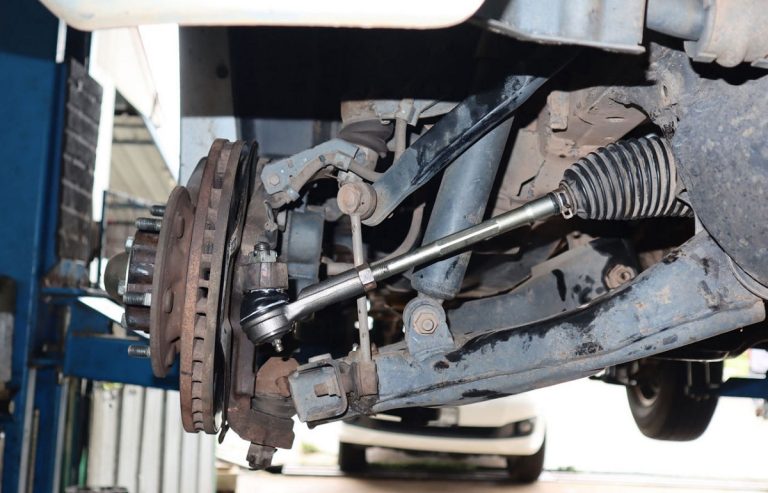
Tie rods and ball joints connect the steering mechanism to the wheels, allowing precise control and smooth motion. When these components wear out, play or looseness can occur, causing the steering wheel to vibrate during turns.
Drivers may notice uneven steering response, clunking noises, or a loose feel in the wheel when navigating curves. Worn tie rods and ball joints affect wheel alignment and suspension geometry, which not only causes vibration but can also lead to uneven tire wear. This reduces stability and handling precision, especially during cornering.
Replacing worn tie rods and ball joints restores proper steering geometry, stabilizes the wheel, and improves handling. Regular inspection during routine maintenance prevents vibrations and extends the lifespan of tires and suspension components.
Power Steering Fluid And Pump Issues
Problems with power steering fluid or the pump can contribute to shaking while turning. Low fluid levels, contamination, or a failing pump can create inconsistent hydraulic assistance, making steering heavier or uneven and amplifying vibrations.
Drivers may notice jerky steering, difficulty turning, or unusual noises such as whining or groaning when the wheel is rotated. Inconsistent power assistance can make the vehicle feel unstable, particularly during slow-speed turns or sharp maneuvers. Neglecting power steering maintenance may cause permanent pump damage or increased wear on steering components.
Flushing and refilling power steering fluid, checking for leaks, and replacing a failing pump restores consistent hydraulic pressure. Proper fluid maintenance ensures smooth, controlled steering and reduces the likelihood of vibrations during turns.
Loose Or Damaged Steering Rack
A loose or damaged steering rack can cause the steering wheel to shake during turns. The rack translates steering input to the wheels, so any internal wear, looseness, or misalignment directly affects handling.
Symptoms include vibrations, uneven steering response, and subtle drifting while turning. A damaged rack can also amplify existing suspension or tire issues, making the steering wheel feel unstable. Ignoring a faulty steering rack may lead to more severe wear on other components and increase the risk of accidents.
Repairing or replacing a worn steering rack restores precision in wheel movement, eliminates steering vibrations, and ensures reliable handling. Regular inspections of the steering system are key to early detection of such issues.
Importance Of Steering System Maintenance
Maintaining the steering system is essential for safe, smooth vehicle operation. Regular inspections of tie rods, ball joints, the steering rack, and power steering components prevent shaking and preserve handling stability.
Routine maintenance ensures proper wheel alignment, consistent hydraulic assistance, and predictable steering response. Addressing minor issues early prevents vibrations from worsening and extends the life of both steering and suspension components. Proper care of the steering system guarantees a centered, stable steering wheel and a comfortable, controlled driving experience.
Step-by-Step Diagnostic Checks
Diagnosing why your steering wheel shakes during turns requires a systematic approach. Multiple factors, including tires, suspension, brakes, and steering components, can contribute to this issue. Performing step-by-step checks ensures you identify the root cause accurately, preventing unnecessary repairs and restoring smooth, controlled handling. A structured diagnostic process also helps maintain vehicle safety and prolongs the life of tires and suspension parts.
Inspecting Tires And Wheel Balance
The first step in diagnosing steering wheel vibration is a thorough inspection of the tires and wheel balance. Check for uneven tread wear, bulges, or damage that could cause instability. Even minor imperfections in the tire can create noticeable shaking while turning.
Wheel imbalance is another common culprit. Tires that are not properly balanced cause vibrations that transfer to the steering wheel, particularly during turns or at higher speeds. Using a professional wheel balancing machine helps identify weight distribution issues and ensures smooth rotation. Rotating tires, checking tire pressure, and replacing damaged or mismatched tires often resolves vibrations related to the wheels.
Regular tire inspections and proper balancing prevent recurring steering wheel shakes, improve handling, and extend tire lifespan. Ensuring tires are in optimal condition is a crucial first step in diagnosing any steering-related problems.
Checking Suspension Components
Suspension components play a critical role in vehicle stability and steering response. Worn or damaged parts such as control arms, ball joints, bushings, and shocks can contribute to steering wheel vibration during turns.
During inspection, look for signs of wear, looseness, or damage. Loose ball joints or bushings allow excessive play in the wheels, causing instability and uneven handling. Worn shocks or struts reduce the suspension’s ability to absorb road impacts, amplifying vibrations. Drivers may notice clunking noises, uneven tire wear, or a loose steering feel during this stage.
Replacing or repairing worn suspension components restores proper wheel geometry, stabilizes steering, and eliminates vibration. Routine suspension checks prevent recurring issues and ensure predictable handling, especially during cornering or sudden maneuvers.
Evaluating Brake System Condition
The brake system can also cause steering wheel shake, particularly during turning. Warped rotors, worn brake pads, or loose calipers may create vibrations that transmit through the steering wheel.
Warped rotors produce uneven friction during braking, leading to shaking that is noticeable when decelerating through turns. Worn or uneven brake pads can create pulsation in the pedal and tremors in the steering wheel. Loose hardware may worsen the problem, causing clunking sounds and additional vibration.
Inspecting and addressing brake issues involves resurfacing or replacing rotors, replacing worn pads, and securing loose components. Ensuring the hydraulic system is functioning properly, with no air or leaks, also helps maintain smooth braking and prevents vibrations that affect steering.
Assessing Steering System And Power Steering
Steering components and power steering systems directly influence wheel control. Worn tie rods, ball joints, or a damaged steering rack can cause play in the system, leading to shaking during turns. Power steering fluid issues, including low levels or contamination, can amplify the problem.
Drivers may experience uneven steering response, difficulty turning, or a loose, vibrating feel in the wheel. Checking for leaks, inspecting hoses and the pump, and ensuring proper fluid levels are essential steps. Replacing worn tie rods or ball joints and repairing a failing steering rack restores precise wheel movement and eliminates vibration.
Maintaining the steering system through regular inspections and timely repairs ensures predictable handling and a stable, centered steering wheel. This step complements tire, suspension, and brake checks for a comprehensive diagnosis.
Test Driving And Final Verification
After performing inspections and repairs, a controlled test drive is critical to confirm the source of vibration has been addressed. Drive at various speeds and make turns to observe steering response and wheel behavior.
During the test drive, note any lingering vibrations, pulling, or unusual feedback. Minor adjustments to suspension, tires, brakes, or steering components may still be required. Recording observations ensures that all diagnostic steps were effective and provides a baseline for future maintenance.
Test driving validates the accuracy of repairs, ensures the steering wheel remains stable, and confirms safe, smooth handling. Combining inspections, component repairs, and verification completes a thorough step-by-step diagnostic process.
Repair Solutions and Preventive Maintenance
Addressing steering wheel shaking during turns requires targeted repair solutions and ongoing preventive maintenance. Identifying the root cause—whether tires, suspension, brakes, or steering components—is the first step. Properly addressing these issues restores smooth steering, enhances handling, and ensures driver safety. Preventive maintenance helps avoid future problems and prolongs the life of key vehicle components.
Tire Repairs and Maintenance
Tires are often the first place to start when resolving steering wheel vibrations. Damaged, worn, or improperly balanced tires can cause noticeable shaking during turns. Addressing tire-related issues involves replacing worn tires, balancing them, and ensuring correct tire pressure across all wheels.
Drivers may also need to rotate tires regularly to promote even tread wear and maintain stability. Checking for tire deformities, such as bulges, flat spots, or mismatched sizes, is crucial for eliminating vibration. Proper tire maintenance improves grip, ensures consistent handling, and reduces strain on suspension and steering components.
Regular tire inspections, pressure checks, and rotations prevent uneven wear and recurring vibrations. High-quality, properly maintained tires provide a smoother, more controlled driving experience while enhancing safety during turns.
Suspension and Steering Repairs
Worn or damaged suspension and steering components often contribute to steering wheel shake. Replacing worn ball joints, tie rods, bushings, control arms, or shocks restores proper wheel alignment and stabilizes the steering wheel.
Loose steering racks or failing power steering pumps may also require repair or replacement to restore smooth steering response. Drivers may notice clunking noises, loose steering, or vibrations that diminish after correcting these issues. Maintaining suspension and steering components prevents misalignment, uneven tire wear, and unstable handling.
Routine inspections help detect early wear before vibrations worsen. Ensuring the integrity of suspension and steering systems enhances safety, reduces maintenance costs, and provides precise control during cornering.
Brake System Repairs
Brake system issues, such as warped rotors, worn pads, or loose calipers, can transmit vibration to the steering wheel. Repairing these components involves resurfacing or replacing rotors, installing new brake pads, and securing loose hardware.
Proper maintenance of brake fluid, including flushing and bleeding, ensures consistent hydraulic pressure and smooth braking. Drivers may notice reduced vibration and improved braking response after addressing these issues. Regular brake inspections prevent further damage, restore predictable stopping performance, and eliminate one of the common causes of steering wheel shake.
Maintaining the brake system improves both steering stability and overall vehicle safety. Timely repairs reduce the risk of accidents and enhance handling during turns or emergency maneuvers.
Preventive Maintenance Practices
Preventive maintenance is essential to avoid recurring steering wheel shake. Regular tire inspections, rotations, and balancing, along with suspension and steering checks, ensure the vehicle remains stable and responsive.
Keeping tires properly inflated, addressing alignment issues promptly, and servicing steering components, including power steering fluid, helps prevent vibration. Brake inspections and fluid maintenance further contribute to smooth, controlled driving. Routine preventive care reduces wear on critical systems, extends component life, and maintains consistent handling.
Consistent maintenance ensures the steering wheel stays centered and vibration-free, providing a safer and more comfortable driving experience. Preventive practices also minimize costly repairs and promote long-term vehicle reliability.
FAQs
What Are The Main Causes Of Steering Wheel Shaking When Turning?
Steering wheel shaking when turning can result from several factors. Common causes include uneven or worn tires, wheel imbalance, misalignment, and suspension or steering component wear. Brake system issues like warped rotors or loose calipers can also contribute to vibration.
Drivers may notice shaking during low-speed turns, high-speed curves, or while braking. Identifying the underlying cause requires inspecting tires, suspension, steering, and brakes. Addressing these issues promptly improves handling, stabilizes the steering wheel, and prevents further wear on tires and suspension components.
Can Worn Tires Cause Steering Wheel Vibrations During Turns?
Yes, worn, damaged, or unevenly worn tires are a frequent cause of steering wheel shaking. Uneven tread wear, flat spots, or mismatched tire sizes can create vibrations, especially during cornering.
Wheel imbalance amplifies the problem, transmitting vibration through the steering wheel. Maintaining proper tire pressure, rotating tires regularly, and replacing damaged tires are essential steps to restore smooth handling. Balanced, properly maintained tires reduce vibration, improve grip, and extend tire lifespan, ensuring safer and more comfortable driving during turns.
How Do Suspension Components Affect Steering Stability?
Worn suspension components like ball joints, control arms, bushings, and shocks can lead to steering wheel shaking when turning. These parts maintain wheel alignment and absorb road impacts, keeping the vehicle stable.
When suspension components wear out, the wheels may move slightly under load, creating vibration. Drivers may also notice clunking noises, uneven tire wear, or a loose steering feel. Replacing worn suspension parts restores proper geometry, stabilizes the steering wheel, and improves handling during turns. Regular suspension inspections prevent recurring vibration issues and ensure predictable vehicle control.
Could Brake System Problems Cause Steering Wheel Shakes?
Yes, brake system issues often contribute to steering wheel vibrations. Warped rotors, worn pads, or loose calipers create uneven braking forces, which transmit through the steering wheel during turns.
Drivers may notice pulsation in the brake pedal, shaking when slowing down, or clunking noises. Repairing or replacing worn components, resurfacing rotors, and maintaining brake fluid ensures smooth braking. Proper brake maintenance stabilizes the steering wheel and prevents vibrations, improving overall handling and safety.
Can Steering System And Power Steering Issues Cause Vibration?
Yes, steering system and power steering problems can lead to shaking during turns. Worn tie rods, ball joints, or a damaged steering rack allow play in the system, producing vibrations.
Power steering fluid issues, such as low levels or contamination, can reduce hydraulic assistance, making steering feel jerky or uneven. Inspecting and repairing steering components and maintaining proper power steering fluid restores smooth steering. These measures ensure predictable wheel response and eliminate vibration, improving control and handling.
How Does Wheel Alignment Affect Steering Wheel Stability?
Wheel misalignment is a common reason for a shaking steering wheel. Incorrect camber, caster, or toe angles cause uneven tire contact and resistance while turning, transmitting vibrations through the steering wheel.
Misalignment can occur from hitting potholes, curbs, or worn suspension parts. Professional wheel alignment adjusts angles to manufacturer specifications, restoring smooth steering. Regular alignment checks, especially after suspension repairs or tire replacement, prevent vibrations, ensure the steering wheel stays centered, and improve tire longevity.
When Should I Take My Car To A Mechanic For Steering Wheel Shakes?
You should see a mechanic if the steering wheel consistently shakes during turns, pulls to one side, or shows uneven tire wear. Persistent vibration may indicate worn suspension, steering, brake, or tire issues.
Prompt inspection prevents further damage to tires, brakes, and suspension components, ensuring safe handling. A professional can diagnose the root cause, perform necessary repairs, and restore smooth steering. Addressing issues early reduces repair costs, prolongs component life, and improves vehicle safety and driving comfort.
Conclusion
Feeling vibrations or instability while turning can be alarming and may affect both comfort and safety. Steering wheel shaking often signals issues with tires, suspension, brakes, or steering components. Addressing these problems early can prevent further damage and ensure your vehicle handles smoothly during every turn.
Regular inspection of tires, alignment, and suspension components is essential to maintain optimal driving performance. Even minor issues like unbalanced tires, worn bushings, or loose tie rods can lead to noticeable shaking. Proper maintenance, timely repairs, and attentive driving habits play a key role in preventing recurring problems.
Understanding the potential causes of Why Your Steering Wheel Shakes When Turning allows you to take informed steps toward resolution. Whether it involves tire balancing, suspension repairs, or brake maintenance, identifying and fixing the root cause ensures safer driving and restores confidence behind the wheel. Regular checks keep your vehicle stable and responsive.