Fixing 1st to 2nd Gear Jerk in Automatic Transmission: Causes, Diagnosis, and Solutions
Experiencing a sudden jolt when your automatic transmission shifts from first to second gear can be frustrating and concerning. These jerks can affect driving comfort, vehicle performance, and even long-term transmission health. Understanding the underlying causes is crucial to addressing the problem effectively and preventing further damage.
Fixing 1st to 2nd Gear Jerk in Automatic Transmission focuses on identifying the mechanical, fluid-related, and electronic issues that can trigger this problem. From worn transmission components to low or degraded fluid, several factors influence smooth gear engagement. Recognizing these factors helps drivers and technicians take targeted corrective measures.
Many drivers notice that the car hesitates, lurches forward, or produces unusual vibrations during this shift. These symptoms often indicate specific problems in the transmission system, such as faulty solenoids, fluid inconsistencies, or internal wear.
By examining these causes and understanding how each component contributes to smooth shifting, you can restore reliable performance and ensure your automatic transmission operates efficiently. Fixing 1st to 2nd Gear Jerk in Automatic Transmission requires careful diagnosis and maintenance to maintain comfort, safety, and long-term vehicle reliability.
Common Symptoms of 1st to 2nd Gear Jerk
Experiencing a sudden jolt when your automatic transmission shifts from first to second gear is a clear sign that something may be wrong. Recognizing these symptoms early can help prevent further damage, reduce repair costs, and ensure smoother driving. Understanding how the transmission behaves during gear shifts allows you to identify the root cause and take timely corrective action.
Sudden Lurch or Jolt During Shift
One of the most noticeable symptoms is a sudden lurch or jolt as the transmission changes from first to second gear. This occurs when the gears do not engage smoothly, often due to worn clutch packs, faulty solenoids, or improper hydraulic pressure.
Drivers may feel a brief but strong push forward, which can make acceleration feel jerky and uneven. Over time, repeated jolts can increase wear on transmission components, including gear teeth and bushings. Paying attention to the timing and intensity of the jolt helps mechanics pinpoint whether the issue is fluid-related, mechanical, or electronic. By noting these patterns, corrective measures can be taken to restore smooth shifts and improve overall transmission performance.
Hesitation or Delay in Gear Engagement
Another common symptom is hesitation or delay when shifting from first to second gear. The vehicle may take longer to accelerate, causing a lag that disrupts driving flow.
This hesitation can result from low or degraded transmission fluid, clogged filters, or failing shift solenoids. Drivers may notice that the engine revs increase without immediate movement, indicating that the transmission is struggling to engage the next gear. Regular maintenance, including fluid checks and solenoid inspections, ensures proper hydraulic pressure and timely gear engagement. Recognizing hesitation early allows you to address these issues before they escalate into more severe transmission damage or costly repairs.
Unusual Noises During Shift
Unusual noises during the shift from first to second gear, such as clunks, thuds, or whining sounds, often accompany gear jerks. These noises indicate that internal components are not meshing correctly or that hydraulic pressure is inconsistent.
Common causes include worn planetary gears, damaged clutch packs, or malfunctioning torque converters. Drivers may hear the noise only during the 1-2 shift or notice it intermittently under acceleration. Identifying the specific gear stage and the type of sound helps technicians determine whether mechanical wear or fluid issues are to blame. Addressing these noises promptly prevents further internal damage and ensures smoother operation.
Shuddering or Vibration During Acceleration
Shuddering or vibration is another key symptom of a 1st to 2nd gear jerk. This is often caused by inconsistent fluid pressure, worn transmission mounts, or irregular clutch engagement.
Drivers may feel vibrations in the cabin or steering wheel during the gear transition. Over time, continuous shuddering can increase wear on internal transmission parts, mounts, and drivetrain components. Observing the frequency and intensity of shuddering helps diagnose whether the cause is hydraulic, mechanical, or related to electronic controls. Proper inspection and maintenance can eliminate these vibrations, improving ride quality and transmission longevity.
Erratic or Harsh Shifts
Erratic or harsh shifting between first and second gear is a general symptom that combines jolt, hesitation, noise, and vibration. It signals that the transmission is not operating optimally, potentially due to worn components, fluid contamination, or solenoid failure.
Drivers may experience inconsistent acceleration or abrupt changes in speed, making the vehicle feel unpredictable during normal driving. Monitoring these erratic shifts provides critical diagnostic information and guides mechanics in addressing the precise cause. Ensuring proper maintenance and timely repair of the transmission system helps restore smooth gear engagement, prolongs component life, and enhances driving comfort.
Transmission Fluid Issues
Transmission fluid plays a critical role in the smooth operation of automatic gear shifts. Low, degraded, or contaminated fluid can cause hesitation, jerking, or harsh shifts, especially when moving from first to second gear. Understanding how fluid issues affect the transmission is essential for fixing 1st to 2nd gear jerk in automatic transmission and maintaining overall drivetrain performance.
Low or Insufficient Fluid Levels
One of the most common causes of gear jerks is low transmission fluid. Fluid levels that are below the manufacturer’s recommended range can reduce hydraulic pressure, which is essential for smooth clutch and gear engagement.
Drivers may notice delayed shifts, a sudden jolt between gears, or inconsistent acceleration. Low fluid can result from leaks in seals, gaskets, or cooler lines. Checking the dipstick, inspecting for leaks, and topping off fluid with the correct type ensures that the transmission maintains proper hydraulic pressure. Maintaining adequate fluid levels is critical for preventing harsh 1-2 shifts and protecting internal transmission components from premature wear.
Contaminated or Old Transmission Fluid
Old or contaminated fluid loses its lubricating and hydraulic properties, leading to irregular gear engagement. Dirt, metal particles, or sludge in the fluid can cause friction and prevent smooth clutch operation, contributing to the 1-2 gear jerk.
Symptoms include delayed or rough shifts, shuddering during acceleration, and unusual noises during gear changes. Flushing and replacing the fluid with fresh, manufacturer-approved transmission oil restores proper lubrication and hydraulic performance. Regular fluid maintenance ensures consistent shifts, reduces stress on the transmission, and improves the vehicle’s overall drivability.
Incorrect Fluid Type
Using the wrong type of transmission fluid can also cause harsh shifts and jerking. Each automatic transmission is designed to operate with a specific fluid formula that ensures proper friction, hydraulic pressure, and lubrication.
Drivers may notice rough gear engagement, slipping, or jerking during acceleration if incompatible fluid is used. Consulting the owner’s manual and using the recommended fluid type ensures optimal clutch operation and proper hydraulic function. Correct fluid selection is a straightforward but often overlooked step in fixing 1st to 2nd gear jerk in automatic transmission, as mismatched properties can significantly impact shifting smoothness.
Air or Bubbles in the Fluid
Air trapped in the transmission fluid can disrupt hydraulic pressure and cause inconsistent gear engagement. Bubbles in the fluid reduce the transmission’s ability to transfer force evenly, leading to jerks between first and second gear.
Drivers may notice intermittent rough shifts or a spongy feel in the accelerator response. This issue can occur after improper fluid changes, overfilling, or leaks that draw in air. Bleeding the system or performing a professional fluid replacement helps remove trapped air, restoring consistent hydraulic pressure and smoother gear transitions. Proper fluid maintenance prevents recurring jerks and enhances transmission reliability.
Impact on Overall Transmission Performance
Transmission fluid issues not only affect the 1-2 gear shift but can also impact overall drivetrain performance. Poor fluid condition or incorrect levels can accelerate wear on clutch packs, gears, and internal seals, leading to more extensive repairs if left unaddressed.
Regular fluid inspections, timely changes, and using the correct fluid type are essential steps in maintaining smooth gear engagement and preventing jerks. Addressing fluid problems early ensures long-term transmission health and contributes to a smoother, more comfortable driving experience, particularly during critical shifts like first to second gear.
Mechanical and Internal Transmission Problems
Mechanical and internal transmission issues are a common source of jerks when shifting from first to second gear. Worn or damaged components can disrupt smooth engagement, cause hesitation, and produce harsh or abrupt shifts. Understanding these internal problems is crucial for fixing 1st to 2nd gear jerk in automatic transmission, as addressing them promptly can prevent further damage and extend the life of your vehicle’s drivetrain.
Worn Clutch Packs
Clutch packs within an automatic transmission engage and disengage to allow smooth gear changes. Over time, these clutches can wear down, glaze, or become uneven, leading to jerky shifts between first and second gear.
Symptoms of worn clutch packs include abrupt jolts during acceleration, slipping during gear changes, and a noticeable decrease in transmission responsiveness. The wear occurs due to normal friction, heat buildup, or insufficient transmission fluid maintenance. Repairing or replacing worn clutch packs restores proper friction surfaces and ensures smoother gear transitions. Maintaining the integrity of clutch packs is critical for consistent hydraulic operation and reliable automatic shifting, particularly during the 1-2 gear change, which is often the most noticeable stage for drivers.
Damaged Planetary Gears
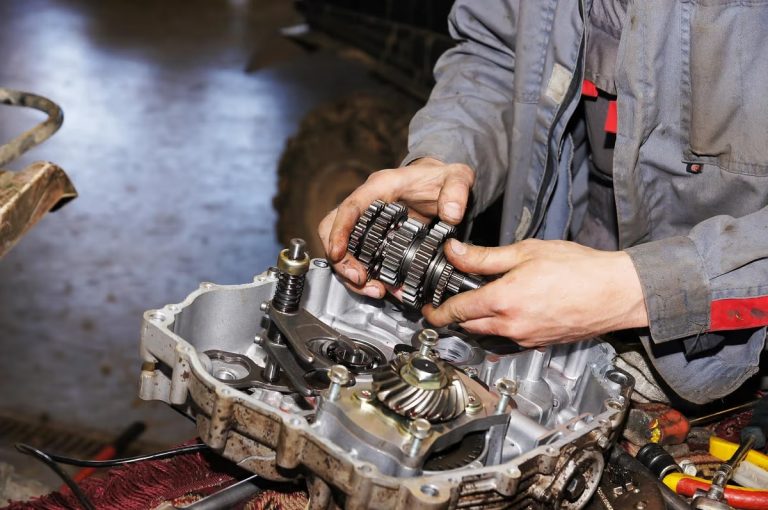
Planetary gear sets are essential for changing gear ratios in automatic transmissions. Damage to these gears, including chipping, wear, or misalignment, can cause uneven torque distribution and result in jerks when shifting from first to second gear.
Drivers may notice harsh engagement, metallic clunking sounds, or inconsistent acceleration when planetary gears are compromised. Diagnosis often involves disassembling the transmission to inspect gear teeth, bearings, and alignment. Repairing or replacing damaged gears restores smooth torque transfer, improves shift timing, and eliminates jerking during low-speed gear changes. Proper attention to planetary gear health ensures long-term transmission reliability and consistent operation under all driving conditions.
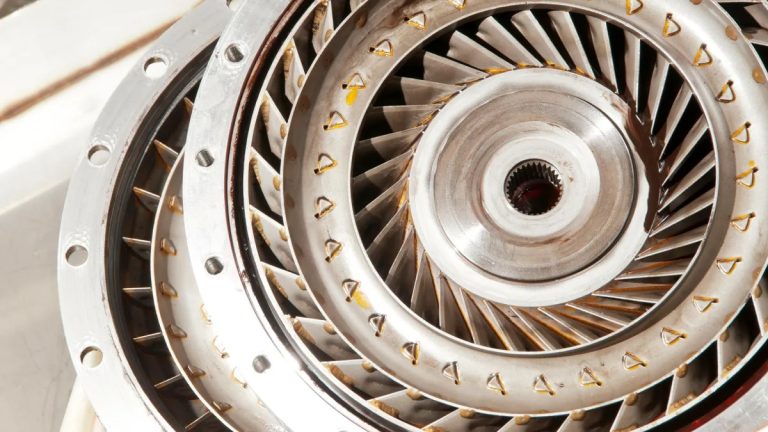
Faulty Torque Converter
The torque converter transfers engine power to the transmission and smooths out acceleration by using hydraulic pressure. A failing torque converter can cause delayed engagement or uneven power transfer, producing jerks during the 1-2 gear shift.
Symptoms include shuddering, slipping, or harsh jolts during acceleration, particularly noticeable at low speeds or during stop-and-go driving. Torque converter issues may arise from worn internal components, contaminated transmission fluid, or damaged seals. Repairing or replacing the torque converter ensures consistent hydraulic pressure, restores smooth power delivery, and eliminates jerking between first and second gear. Proper torque converter maintenance is essential for overall transmission performance and driving comfort.
Worn Bearings and Bushings
Internal bearings and bushings support moving components within the transmission, allowing gears to rotate smoothly. Wear or damage to these parts can cause friction, uneven movement, and abrupt shifts during gear changes.
Drivers may experience rough transitions, vibrations, or noticeable jolts when the transmission moves from first to second gear. Regular maintenance, fluid checks, and inspections help identify worn bearings or bushings before they cause significant transmission damage. Replacing compromised components restores proper alignment, reduces friction, and ensures smooth gear engagement, directly addressing jerks experienced during low-speed acceleration.
Internal Valve Body Issues
The valve body directs hydraulic fluid to the correct channels, controlling gear engagement. Wear, clogging, or malfunctioning valves can disrupt hydraulic pressure, causing delayed or harsh shifts between first and second gear.
Symptoms include abrupt or inconsistent gear changes, slipping, or hesitation during acceleration. Cleaning, repairing, or replacing the valve body ensures proper hydraulic flow, restores correct gear timing, and eliminates jerks. Maintaining the valve body is essential for smooth operation, consistent fluid pressure, and long-term transmission reliability.
By addressing worn clutches, planetary gears, torque converters, bearings, and valve body issues, drivers and technicians can effectively restore smooth operation and eliminate 1-2 gear jerks. Proper maintenance and timely repairs are key to fixing 1st to 2nd gear jerk in automatic transmission and ensuring the longevity of your drivetrain.
Electronic and Sensor-Related Causes
Modern automatic transmissions rely heavily on electronic controls and sensors to regulate smooth gear shifts. When these components malfunction, the transmission can experience jerks, delays, or harsh engagement, particularly between first and second gear. Understanding the role of electronic and sensor-related issues is vital for fixing 1st to 2nd gear jerk in automatic transmission and maintaining consistent, reliable performance.
Faulty Transmission Control Module (TCM)
The Transmission Control Module manages gear shifts by processing signals from various sensors and controlling solenoid activation. A faulty TCM can misinterpret data or fail to send proper commands, causing abrupt or delayed 1-2 gear shifts.
Symptoms include inconsistent shifting, delayed engagement, jerking, and warning lights on the dashboard. Software glitches, electrical faults, or internal TCM failure can trigger these issues. Diagnosing TCM problems often involves using a diagnostic scanner to check for error codes and verifying electrical connections. Reprogramming, repairing, or replacing a faulty TCM restores proper shift timing, eliminates jerks, and ensures smooth operation between gears, directly addressing issues that disrupt low-speed acceleration.
Malfunctioning Shift Solenoids
Shift solenoids control hydraulic pressure within the transmission, directing fluid to engage specific gears. When solenoids fail, they may not provide consistent pressure, causing harsh or abrupt gear changes.
Drivers often notice jerks, hesitation, or slipping between first and second gear. Solenoids can fail due to electrical issues, wear, or contamination in the transmission fluid. Testing solenoid function and resistance identifies faulty units, while cleaning or replacing them restores proper fluid control. Proper solenoid operation ensures precise hydraulic pressure, smooth clutch engagement, and consistent 1-2 gear shifts, reducing the jerking experienced during acceleration.
Sensor Failures
Several sensors, such as the vehicle speed sensor, throttle position sensor, or transmission input/output sensors, provide data to the TCM for shift timing. Sensor failure can cause incorrect signals, resulting in delayed, abrupt, or erratic gear engagement.
Symptoms include rough or unpredictable shifts, engine hesitation, or unusual vibration during gear changes. Sensors may fail due to wiring issues, contamination, or internal malfunction. Replacing or repairing faulty sensors ensures accurate data transmission to the TCM, allowing precise control over hydraulic pressure and clutch engagement. Correct sensor function is crucial for resolving 1-2 gear jerks and maintaining overall transmission performance.
Wiring and Electrical Connection Problems
Loose or damaged wiring, corroded connectors, or short circuits in the transmission control system can disrupt communication between the TCM and solenoids or sensors. These issues can lead to inconsistent shifts and jerks during the first-to-second gear transition.
Drivers may notice erratic shifting, delayed engagement, or dashboard warning lights. Inspecting wiring harnesses, connectors, and grounds for damage or corrosion ensures proper electrical continuity. Repairing or replacing compromised wiring restores reliable signal flow and allows the transmission to operate as intended. Maintaining electrical integrity is essential for smooth gear engagement and preventing recurring jerks.
Impact on Transmission Performance
Electronic and sensor-related problems often affect not just the 1-2 gear shift but overall transmission behavior. Faulty components can increase wear on mechanical parts, reduce fuel efficiency, and compromise driving comfort.
Routine diagnostics, sensor inspections, and timely replacement of malfunctioning electronic components help restore proper shift timing and smooth engagement. Addressing these issues ensures accurate communication between the TCM and hydraulic systems, preventing 1st to 2nd gear jerks in automatic transmission and enhancing overall drivability.
Driving and External Factors
External conditions and driving habits can significantly influence how smoothly an automatic transmission shifts. Even a well-maintained transmission can exhibit jerks between first and second gear under certain circumstances. Understanding how driving style, load, and environmental factors contribute is essential for fixing 1st to 2nd gear jerk in automatic transmission and ensuring consistent performance.
Aggressive Acceleration or Braking
Sudden acceleration or abrupt braking can put extra strain on the transmission during low-speed gear changes. Rapid throttle input forces the transmission to engage gears quickly, sometimes faster than the hydraulic system can respond.
Drivers may notice jerks, shudders, or hesitation when shifting from first to second gear during aggressive driving. Frequent stop-and-go city driving or harsh takeoffs exacerbate this issue by stressing clutch packs and torque converters. Adjusting driving habits to accelerate smoothly and brake gradually reduces stress on transmission components and helps maintain consistent 1-2 gear shifts. Over time, this approach also prolongs transmission life and improves fuel efficiency.
Heavy Loads or Towing
Carrying heavy loads or towing a trailer increases transmission workload, which can amplify jerks between first and second gear. The added resistance requires higher hydraulic pressure and precise gear engagement.
Drivers may notice delayed engagement, rough shifts, or increased vibration when the transmission handles extra weight. Transmission fluid may overheat under load, reducing its effectiveness and causing harsh shifts. Using the correct transmission fluid, ensuring proper fluid levels, and considering a transmission cooler for heavy towing can mitigate these effects. Understanding load limits and driving cautiously under strain helps maintain smooth gear transitions and prevents long-term damage.
Environmental Conditions
Extreme temperatures, inclines, and uneven roads can also impact gear shifts. Cold weather thickens transmission fluid, slowing hydraulic response, while steep hills increase load on the transmission during low-speed acceleration.
Drivers may experience jerks, hesitation, or rough engagement in cold climates or on steep inclines. Regular fluid maintenance, pre-warming the vehicle in cold weather, and cautious driving on hilly terrain can help minimize these effects. Environmental awareness allows you to anticipate transmission behavior and prevent sudden jolts between first and second gear.
Impact of Tire and Drivetrain Conditions
Worn tires, uneven tire pressure, or drivetrain issues can create the sensation of jerks that seem like transmission problems. While the transmission may operate correctly, inconsistent traction or drivetrain binding can amplify perceived gear jerks.
Drivers may notice vibrations, shudders, or uneven acceleration during the 1-2 shift. Maintaining proper tire pressure, replacing worn tires, and inspecting drivetrain components like axles and mounts ensures smooth power transfer and reduces the likelihood of jerks caused by external factors.
Influence of Road Surface
Driving on rough, uneven, or slippery surfaces can exacerbate transmission jerks. The transmission may struggle to maintain consistent engagement under changing traction conditions, especially at low speeds.
Drivers may feel more pronounced 1-2 gear jolts on gravel, wet, or icy roads. Adjusting driving speed, accelerating gradually, and avoiding sudden maneuvers can minimize the impact of road conditions. Understanding the role of external factors helps drivers anticipate and manage gear behavior effectively, complementing mechanical and maintenance solutions for smoother automatic shifting.
Recognizing how driving style, load, environmental conditions, and road surfaces contribute to jerks is essential for maintaining smooth first-to-second gear transitions and overall transmission reliability.
FAQs
What Causes 1st To 2nd Gear Jerks In An Automatic Transmission?
Jerks between first and second gear often result from a combination of mechanical, hydraulic, and electronic issues. Worn clutch packs, damaged planetary gears, or a failing torque converter can disrupt smooth engagement.
Low, old, or contaminated transmission fluid reduces hydraulic pressure, making gear shifts abrupt. Additionally, faulty solenoids, sensors, or a malfunctioning Transmission Control Module can send incorrect signals, causing delayed or harsh shifts. Identifying the root cause requires inspection of fluid condition, internal components, and electronic controls. Understanding the specific source of the problem helps you take targeted measures to restore smooth 1-2 gear transitions.
How Can Transmission Fluid Affect 1-2 Gear Shifts?
Transmission fluid maintains hydraulic pressure and lubricates internal components for smooth gear engagement. Low or contaminated fluid reduces pressure, preventing clutches from engaging properly and causing jerks during the first-to-second shift.
Old fluid can lose viscosity, while debris or sludge increases friction and delays gear engagement. Overheating or incorrect fluid type can further disrupt smooth shifts. Regularly checking fluid levels, replacing worn or contaminated fluid, and using the manufacturer-recommended type ensures consistent hydraulic performance, reduces wear on internal components, and significantly minimizes jerks between first and second gear. Proper fluid maintenance is essential for reliable automatic transmission operation.
Can Worn Clutch Packs Cause Hard Shifts From 1st To 2nd Gear?
Yes, worn clutch packs are a primary cause of hard or jerky 1-2 gear shifts. Clutch packs engage to transfer power between gears, and wear or glazing reduces friction, preventing smooth engagement.
Symptoms include abrupt jolts, slipping, or hesitation during acceleration. Over time, worn clutches increase stress on other transmission components, including gears and bearings. Replacing or servicing worn clutch packs restores proper friction surfaces, improves gear engagement, and eliminates jerks during the first-to-second gear shift. Regular inspection and timely replacement are crucial for maintaining smooth transmission performance.
Do Faulty Shift Solenoids Cause Gear Jerks?
Yes, malfunctioning shift solenoids can cause erratic or harsh shifts between first and second gear. Solenoids regulate hydraulic pressure to engage gears, and a failure may result in delayed or abrupt engagement.
Symptoms include jerking, slipping, or inconsistent acceleration during low-speed gear changes. Solenoids may fail due to electrical issues, contamination, or normal wear. Testing solenoids for proper function and replacing faulty units ensures accurate hydraulic control, smooth clutch operation, and consistent 1-2 gear shifts. Proper solenoid maintenance is essential for eliminating sudden jerks in automatic transmissions.
Can Driving Habits Influence 1st To 2nd Gear Jerks?
Yes, aggressive acceleration, abrupt braking, or towing heavy loads can amplify jerks between first and second gear. Rapid throttle inputs can overwhelm the transmission’s hydraulic system, causing delayed or harsh shifts.
Heavy loads increase resistance, requiring higher hydraulic pressure for smooth engagement. Stop-and-go city driving or sudden maneuvers further stress clutch packs and torque converters. Adjusting driving style to accelerate smoothly, brake gradually, and manage loads reduces transmission stress, minimizes jerks, and improves overall drivetrain performance. Driving habits are an often-overlooked factor in maintaining smooth 1-2 gear transitions.
How Do Electronic Issues Cause 1-2 Gear Jerks?
Electronic components, including the Transmission Control Module, sensors, and wiring, manage shift timing and hydraulic pressure. Malfunctions or incorrect signals can lead to delayed or abrupt gear engagement.
Symptoms include inconsistent shifts, jolts, dashboard warning lights, or slipping. Faulty speed sensors, throttle position sensors, or solenoid circuits can disrupt TCM commands, causing the transmission to engage gears improperly. Diagnosing electronic issues with a scanner and repairing faulty components ensures precise control of hydraulic pressure, restoring smooth 1-2 gear transitions and improving overall automatic transmission performance.
When Should I Seek Professional Help For 1st To 2nd Gear Jerks?
Professional inspection is recommended when jerks are persistent, severe, or accompanied by slipping, unusual noises, or warning lights. Transmission systems are complex, and incorrect DIY repairs can worsen damage.
A certified technician can perform fluid checks, diagnose mechanical or electronic issues, inspect clutch packs, solenoids, torque converters, and sensors, and recommend necessary repairs or replacements. Early professional intervention prevents further wear, restores smooth 1-2 gear engagement, and ensures long-term reliability, making it a critical step in fixing 1st to 2nd gear jerk in automatic transmission.
Conclusion
Experiencing sudden jerks or lurches between the 1st and 2nd gear can make driving uncomfortable and may indicate underlying transmission issues. Common causes include worn clutch packs, faulty shift solenoids, low or contaminated transmission fluid, and sensor malfunctions. Understanding these potential problems helps you address them before they escalate into more serious damage.
Proper diagnosis is essential for resolving gear jerks. Using an OBD-II scanner to check for error codes, inspecting fluid levels and condition, and evaluating mechanical and electronic components allows you to pinpoint the root cause. Timely attention to worn parts, faulty solenoids, or fluid issues can restore smooth shifting and prevent further strain on the transmission.
Regular maintenance, including fluid checks, using recommended transmission fluid, and avoiding harsh driving habits, plays a crucial role in preventing future issues. By following these steps, Fixing 1st to 2nd Gear Jerk in Automatic Transmission becomes manageable, ensuring smoother rides, improved performance, and longer transmission life.