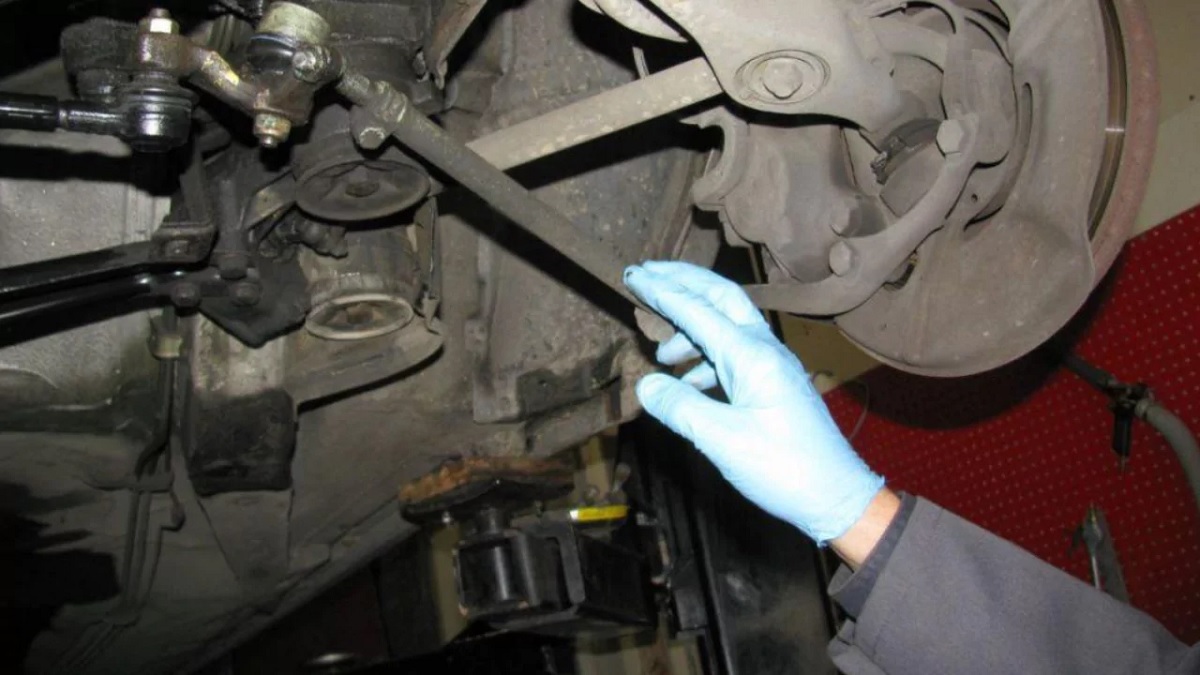
Car Makes Grinding Noise When Turning Right But Not Left: Causes, Diagnosis, and Fixes
Hearing unusual noises from your vehicle can be alarming, especially when they occur only during specific maneuvers. One scenario that often puzzles drivers is a grinding sound that appears exclusively when turning in one direction. This type of noise can indicate a problem with the steering, suspension, or drivetrain components, and paying attention early can prevent more serious damage.
Understanding car makes grinding noise when turning right but not left is crucial for diagnosing and addressing the issue. The fact that the sound occurs only when turning right suggests that the problem is likely isolated to one side of the vehicle, such as a wheel bearing, CV joint, or brake component.
Highway speeds, sharp turns, and weight distribution all affect how these components interact, making certain issues more noticeable in one direction. Ignoring these sounds can lead to further mechanical damage, increased repair costs, or even safety risks while driving.
Being aware of the potential causes and recognizing the circumstances under which the noise appears empowers drivers to take timely action. Early inspection and maintenance can restore smooth handling and prevent the problem from escalating.
Common Causes of Grinding Noise When Turning Right
Experiencing a grinding noise when turning your vehicle can be alarming and indicates that a component in the steering, suspension, or drivetrain may be worn or damaged. Understanding the common causes of car makes grinding noise when turning right but not left is essential for timely diagnosis and safe driving. Focusing on the right-hand side of the vehicle often helps isolate the source and prevent further damage.
Worn CV (Constant Velocity) Joint
One of the most frequent causes of grinding noises when turning is a worn or damaged CV joint. CV joints connect the transmission to the wheels and allow for smooth rotation while accommodating steering angles. When the CV joint wears out, the bearings inside may grind or click during turns, particularly in one direction.
The noise often intensifies during sharper turns or under load, such as when accelerating while turning right. Torn CV boots can accelerate wear by allowing dirt, debris, and moisture to enter the joint. Inspecting the CV joint for visible damage or excessive play can confirm the issue. Replacing a failing CV joint restores smooth rotation and eliminates grinding noises while turning.
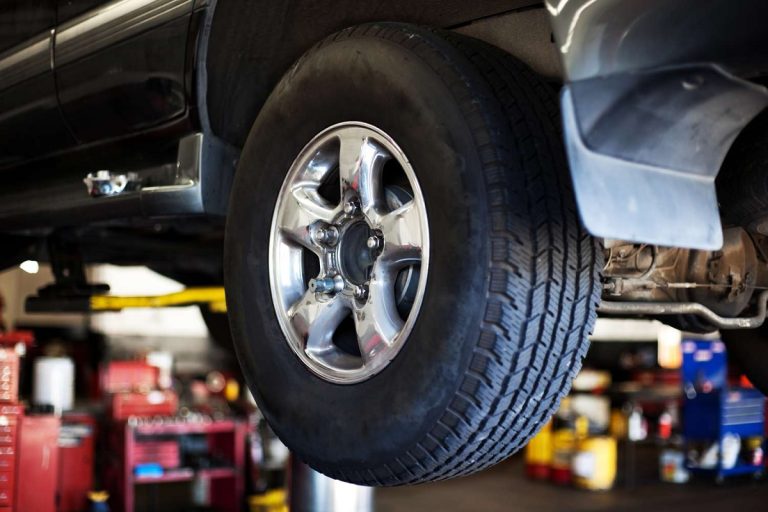
Failing Wheel Bearings
Wheel bearings support the weight of the vehicle and allow wheels to rotate with minimal friction. When a wheel bearing starts to fail, it can produce grinding or humming noises that are often more noticeable when turning in one direction. A right-side bearing issue typically produces a grinding sound specifically during right turns.
Worn bearings may also cause uneven tire wear, steering instability, or a slight pull to one side. Symptoms often worsen with speed or load. Early replacement prevents further damage to the hub assembly or suspension components. Proper lubrication and inspection of wheel bearings are crucial for maintaining safe and quiet operation of the vehicle.
Brake System Issues
Brake components can also contribute to grinding noises when turning right. Stuck or worn brake pads, warped rotors, or loose calipers may rub against the rotor or hub when the vehicle turns, producing a grinding or scraping sound.
The problem may be isolated to the right front or rear brakes, explaining why the noise occurs only when turning in that direction. Corrosion, debris buildup, or uneven wear can exacerbate the issue. Inspecting the brake pads, rotors, and calipers, and replacing worn parts as necessary, restores smooth operation and eliminates grinding during turns.
Suspension and Steering Component Wear
Suspension and steering components, such as tie rods, ball joints, or control arms, can also produce grinding noises when they wear out. These components stabilize the wheel and allow for smooth steering. When they deteriorate, turning the wheel places additional stress on worn parts, resulting in grinding, clunking, or squeaking noises.
Right-side suspension issues often manifest only during right-hand turns because the components are loaded differently in that direction. Visual inspection for torn bushings, loose connections, or excessive play is essential. Timely replacement ensures proper steering response and prevents further wear on tires and other suspension parts.
Contaminants and Lubrication Issues
Foreign objects, rust, or lack of lubrication in components like wheel hubs, CV joints, or steering linkages can also create grinding noises when turning. Debris trapped between moving parts can cause friction, producing a noticeable sound when the vehicle turns in a specific direction.
Regular maintenance, including cleaning, lubrication, and inspection, helps prevent these problems. Identifying and addressing minor contamination early can save significant repair costs and restore smooth, quiet operation during turns.
Load and Vehicle Weight Considerations
Lastly, vehicle load can accentuate grinding noises on one side. Extra weight over the right side during a turn may stress worn components, such as CV joints, bearings, or suspension parts, making the noise more noticeable when turning right.
Being aware of weight distribution and how it affects component stress helps drivers identify patterns in when and how grinding occurs. Addressing worn parts and maintaining proper load management ensures smooth steering and reduces the risk of mechanical failure.
CV Joint and Axle Problems
CV joints and axles play a crucial role in transferring power from the transmission to the wheels while allowing smooth steering and suspension movement. Issues with these components often manifest as grinding or clicking noises, especially during turns. Understanding how CV joint and axle problems contribute to a car makes grinding noise when turning right but not left can help diagnose and address the issue effectively.
Signs of a Failing CV Joint
A failing CV (constant velocity) joint often produces a distinct clicking or grinding sound when turning. The right-side CV joint typically causes noise only when turning right because the joint experiences increased stress in that direction. The sound may intensify during sharp turns or under acceleration.
Torn CV boots are a common precursor to joint failure. When the protective boot is damaged, grease leaks out, and dirt or moisture enters, accelerating wear. Drivers may also notice vibration during acceleration or a popping sound when turning. Early detection through visual inspection of the boot and listening for noises prevents further damage to the axle and drivetrain.
Axle Shaft Wear and Damage
The axle shaft connects the CV joint to the wheel hub, transmitting rotational force to the wheels. Damage or wear in the axle can result from impacts, corrosion, or prolonged CV joint issues. A bent or weakened axle may create grinding, clunking, or shaking, which is often directional depending on which side is affected.
Axle problems can also cause uneven tire wear, steering instability, and reduced handling. Detecting axle issues early is critical, as continued driving with a compromised axle can lead to complete failure, potentially immobilizing the vehicle or causing unsafe driving conditions. Professional inspection and replacement of worn or damaged axles restore smooth operation.
Diagnosing CV Joint and Axle Issues
Proper diagnosis of CV joint and axle problems requires a combination of visual inspection and test driving. Mechanics often look for torn boots, grease leaks, excessive play in joints, or unusual vibration patterns. Test driving the vehicle while making right and left turns helps isolate the affected side.
Symptoms like grinding, clicking, or vibration concentrated during right turns indicate the right-side CV joint or axle is likely the source. A mechanic may also lift the vehicle to manually check for joint movement and shaft integrity. Accurate diagnosis ensures that the correct component is repaired or replaced.
Repair and Maintenance Recommendations
Repairing CV joint and axle problems usually involves replacing the damaged joint or the entire axle assembly, depending on severity. Using high-quality replacement parts and ensuring proper installation restores smooth rotation and eliminates grinding noises during turns.
Preventive maintenance, such as regular inspection of CV boots and lubrication checks, helps prolong joint and axle life. Addressing minor issues before they escalate can prevent more costly repairs and maintain safe vehicle operation. Proper attention to CV joints and axles ensures reliability and a smoother driving experience.
Wheel Bearings and Hub Assembly Issues
Wheel bearings and hub assemblies are critical components that allow the wheels to rotate smoothly while supporting the weight of the vehicle. When these parts begin to fail, they can cause grinding, humming, or vibration, often noticeable when turning in one direction. Understanding how car makes grinding noise when turning right but not left relates to wheel bearings and hub assemblies helps identify and address these issues promptly.
Symptoms of Failing Wheel Bearings
A primary indicator of a failing wheel bearing is a grinding or humming noise that intensifies during turns. If the right-side bearing is worn, the noise will be more prominent when turning right, as additional load is applied to that wheel. Other symptoms may include uneven tire wear, a pulling sensation toward one side, or increased play in the steering wheel.
Driving with a failing wheel bearing can cause the noise to worsen over time and lead to further damage, including hub assembly wear. Early detection through careful observation of noise patterns and vibrations is essential. Regular inspections and listening for unusual sounds while turning can prevent more extensive repairs and maintain safe vehicle handling.
Hub Assembly Problems
The hub assembly houses the wheel bearing and provides the mounting point for the wheel. Damage or wear in the hub assembly, such as corrosion, cracks, or loose mounting bolts, can amplify vibrations and grinding noises when turning. A compromised hub assembly affects wheel alignment, resulting in uneven tire wear and unstable handling.
Hub assembly issues often manifest as clicking, popping, or grinding noises that vary depending on vehicle speed and direction of the turn. If left unaddressed, a worn hub assembly can compromise wheel attachment and overall vehicle safety. Professional inspection and replacement of damaged hubs restore stability and eliminate unwanted noise during turns.
Diagnosing Wheel Bearing and Hub Issues
Diagnosis involves lifting the vehicle and inspecting the wheel for play, unusual movement, or rough rotation. Mechanics may spin the wheel by hand to detect grinding, humming, or resistance. Observing which direction amplifies the noise helps isolate the affected side, confirming that the right wheel bearing or hub assembly is the culprit.
Additional checks may include measuring bearing preload, examining the hub flange for damage, and inspecting wheel studs and mounting bolts. A thorough evaluation ensures the root cause of the grinding noise is identified, preventing misdiagnosis and unnecessary part replacement.
Maintenance and Replacement
Regular maintenance of wheel bearings and hub assemblies includes cleaning, proper lubrication, and periodic inspection for signs of wear or damage. When a bearing or hub is failing, replacement is typically the only effective solution. High-quality components and correct installation are essential to restore smooth wheel rotation and eliminate grinding noises.
Addressing wheel bearing and hub assembly issues promptly improves steering stability, reduces vibration, and ensures safe operation. Proper attention to these components enhances vehicle performance and prevents costly repairs caused by prolonged neglect.
Brake System-Related Causes
The brake system is a critical component of vehicle safety, and issues within it can lead to unusual noises and vibrations. When a car makes grinding noise when turning right but not left, the brakes are often a key area to inspect. Understanding how brake pads, rotors, and calipers contribute to these symptoms can help diagnose and resolve the issue effectively.
Worn or Uneven Brake Pads
Brake pads are designed to create friction against the rotors to slow or stop the vehicle. Over time, brake pads wear down, and uneven wear can develop between the left and right sides. When the right brake pad is more worn than the left, turning right places additional pressure on the compromised pad, resulting in a grinding or scraping sound.
This grinding occurs because the metal backing of the pad may contact the rotor surface directly, creating both noise and potential rotor damage. Drivers may also notice reduced braking efficiency, longer stopping distances, or vibration through the brake pedal. Regular inspection and timely replacement of worn pads prevent excessive noise, protect rotors, and maintain optimal braking performance.
Warped or Damaged Rotors
Brake rotors can warp due to excessive heat, improper installation, or prolonged use with worn pads. A warped rotor may produce grinding or pulsating sensations that are especially noticeable during turns or braking at higher speeds. When the right rotor is affected, the sound typically occurs when turning right because the rotor is under increased lateral stress.
Warped rotors can also cause uneven braking, leading to pulling to one side, vibrations through the steering wheel, and accelerated pad wear. Addressing rotor issues through resurfacing or replacement ensures smooth braking, eliminates grinding noises, and restores vehicle stability. Regular rotor inspections help detect warping early and prevent further damage.
Caliper Problems
Brake calipers are responsible for applying pressure to the brake pads, allowing them to contact the rotor. Sticking or seized calipers can cause pads to remain partially engaged, creating a constant grinding or dragging sound, particularly during turns. Right-side caliper issues will often produce noise when turning right due to additional load on that side.
Corrosion, dirt, or worn caliper hardware can exacerbate the problem, reducing braking efficiency and increasing pad and rotor wear. Lubricating slide pins, replacing damaged hardware, or swapping out faulty calipers restores smooth operation and eliminates grinding noises. Proper caliper maintenance ensures even braking and prolongs the life of other brake components.
Debris and Contaminants
Foreign objects, dirt, or rust buildup between brake components can also lead to grinding noises. Small stones, debris, or corrosion trapped between the rotor and pads can produce scraping sounds, which may become more noticeable when turning in a specific direction due to weight distribution and lateral forces.
Regular cleaning and inspection of brake components prevent contamination from causing premature wear or noise. Removing debris, rust, or dirt ensures consistent brake contact, reduces vibrations, and maintains smooth braking performance. Preventive maintenance in this area is critical to avoiding costly repairs and ensuring safe operation.
Diagnosing Brake-Related Noise
Identifying brake-related causes involves a combination of visual inspection and test driving. Mechanics check pad thickness, rotor condition, caliper movement, and for any debris trapped between components. Test driving while turning both right and left helps determine whether the noise is directional, pointing to right-side brake issues.
A systematic approach ensures the correct component is addressed, preventing unnecessary part replacements and ensuring safe, smooth vehicle operation. Proper attention to brake system health is essential for preventing noise, maintaining stopping power, and enhancing overall driving confidence.
Steering and Suspension Factors
The steering and suspension systems are vital for maintaining vehicle stability, handling, and comfort. When a car makes grinding noise when turning right but not left, worn or damaged components in these systems are often the cause. Steering and suspension parts support the vehicle, absorb shocks, and ensure precise wheel alignment, so any malfunction can lead to noise, vibrations, or uneven handling, especially during turns.
Worn Tie Rods and Ball Joints
Tie rods and ball joints connect the steering linkage to the wheels, allowing smooth directional control. Over time, these components can wear, loosen, or develop play, causing grinding or clunking noises when turning. Right-side wear will typically result in noise during right turns because the affected joint is under increased stress.
Symptoms of worn tie rods or ball joints include looseness in the steering wheel, uneven tire wear, and vibrations while driving. Ignoring these issues can lead to misalignment, reduced handling, and even loss of steering control. Regular inspection and replacement of worn steering components restore precise handling, reduce noise, and enhance vehicle safety.
Control Arm and Bushing Wear
Control arms maintain wheel alignment while allowing suspension movement. Worn or damaged bushings can create metal-to-metal contact or excessive play, producing grinding or knocking sounds during turns. When the right-side control arm bushings are compromised, right-hand turns become particularly noisy.
Additional signs include uneven tire wear, pulling to one side, and harsh ride quality. Over time, worn bushings can accelerate suspension wear, affecting other components like ball joints or struts. Timely replacement of bushings and control arms restores smooth suspension movement, reduces noise, and ensures consistent wheel alignment for safe handling.
Steering Rack and Linkage Issues
The steering rack converts the driver’s input into wheel movement. Worn or damaged steering racks, tie rod ends, or related linkages can create grinding, clunking, or resistance during turns. Right-side steering linkage problems will often cause noise specifically when turning right, due to increased lateral load.
Symptoms of steering rack wear include uneven steering effort, vibrations in the steering wheel, and occasional stiffness during turning. Regular maintenance, including inspection for leaks, lubrication, and replacement of worn components, ensures smooth and responsive steering. Addressing these issues prevents excessive wear on tires and other suspension parts.
Shock Absorbers and Strut Mount Problems
Shock absorbers and strut mounts control wheel movement and absorb road impacts. Worn shocks or loose strut mounts can produce grinding, clunking, or rattling noises during turns. Right-side wear often results in noise during right turns due to asymmetric load distribution.
Symptoms include excessive body roll, reduced handling stability, and uneven tire contact with the road. Replacing worn shocks or strut mounts restores proper suspension damping, reduces noise, and enhances ride comfort and vehicle control. Regular inspection of suspension components ensures long-term durability and safe handling.
Diagnosing Steering and Suspension Noise
Diagnosing steering and suspension factors involves both visual inspection and test driving. Mechanics check tie rods, ball joints, control arms, bushings, struts, and steering racks for wear, play, or damage. Observing noise patterns during right and left turns helps isolate the affected components.
A comprehensive approach ensures accurate identification of the root cause, preventing unnecessary replacements and ensuring smooth, safe operation. Maintaining steering and suspension health is essential for reducing noise, improving handling, and providing a comfortable driving experience.
FAQs
What Causes A Car To Make Grinding Noise When Turning Right But Not Left?
A car making grinding noise when turning right but not left usually indicates a problem isolated to the right side of the vehicle. Common causes include worn CV joints, failing wheel bearings, brake issues, or damaged suspension components. Each of these parts experiences additional stress during right turns, making the noise more noticeable in that direction.
Paying attention to when and how the noise occurs helps identify the source. Addressing the issue early prevents further damage, ensures smooth handling, and maintains vehicle safety. Professional inspection is often needed for accurate diagnosis.
Can CV Joints Cause Grinding When Turning Right?
Yes, CV joints are a common culprit for grinding noises during turns. The CV joint transfers power from the transmission to the wheels while allowing them to pivot. When the right CV joint is worn or the protective boot is torn, dirt and debris enter, causing grinding or clicking noises specifically when turning right.
Symptoms may include vibration during acceleration, a popping sound while turning, or grease leaking from the CV boot. Replacing a damaged CV joint or boot restores smooth rotation, eliminates grinding, and ensures proper power transfer to the wheels.
Could Worn Wheel Bearings Be Responsible?
Worn or damaged wheel bearings often produce grinding or humming noises that increase during turns. If the right-side bearing is failing, the grinding sound becomes prominent when turning right, as additional load stresses the worn bearing.
Other signs include uneven tire wear, a pulling sensation to one side, or vibration through the steering wheel. Early replacement of worn bearings prevents further damage to the hub assembly and ensures safe, smooth wheel rotation. Regular inspection is key to avoiding unexpected failures.
Can Brake System Problems Cause Right-Turn Grinding?
Yes, issues with brakes such as worn pads, warped rotors, or sticking calipers can create grinding noises during turns. Right-side brake components may make noise specifically when turning right due to increased pressure on that wheel.
Other indicators include reduced braking efficiency, pulsating brake pedals, or scraping sounds during motion. Inspecting and replacing worn pads, resurfacing rotors, or fixing calipers eliminates noise, restores braking performance, and prevents further wear to associated components.
Do Steering Or Suspension Components Contribute To This Noise?
Worn steering and suspension components, including tie rods, ball joints, control arms, and bushings, can cause grinding when turning. Right-side wear often manifests only during right-hand turns because the affected parts carry more load in that direction.
Symptoms may include looseness in the steering, uneven tire wear, vibration, or clunking sounds while turning. Timely inspection and replacement of worn steering or suspension components restores stability, reduces noise, and improves handling and safety.
How Can You Diagnose The Source Of Grinding Noise?
Diagnosing the cause requires a combination of visual inspection and test driving. Mechanics check CV joints, wheel bearings, brakes, and suspension components for wear, play, or damage. Observing whether the noise occurs during acceleration, braking, or steady turns helps narrow down the source.
Lifting the vehicle allows manual inspection of moving parts, while listening for noise during controlled turns confirms which side is affected. Accurate diagnosis ensures the proper component is repaired, preventing unnecessary replacements and restoring smooth, safe driving.
Is It Safe To Drive With Grinding Noise When Turning Right?
Driving with grinding noise when turning right is risky because it may indicate failing CV joints, wheel bearings, or suspension parts. Ignoring the issue can lead to further damage, loss of vehicle control, or even wheel detachment in severe cases.
Minimizing driving until inspection is recommended. Early identification and repair of the affected component not only restores quiet, smooth operation but also ensures your vehicle remains safe and reliable on the road. Prompt attention reduces repair costs and prevents more serious mechanical failure.
Conclusion
A grinding noise when turning can signal a serious issue that affects both safety and vehicle performance. If the sound only occurs when turning right, it often points to problems on the right side of your vehicle, such as worn CV joints, failing wheel bearings, or brake component issues. Addressing the problem promptly helps prevent further damage and ensures smooth steering and handling.
Understanding why your car makes grinding noise when turning right but not left allows for more precise diagnosis. Inspecting CV joints, wheel bearings, and brake parts can help identify the exact source. Test driving at various speeds and angles can confirm which component is causing the noise and whether it worsens under load or tight turns.
Regular maintenance and timely repairs are essential to avoid costly damage. By recognizing that your car makes grinding noise when turning right but not left, you can take action quickly, maintain vehicle safety, and restore quiet, reliable operation for daily driving.