Why Does Your Car Pull to the Right? – Causes and Solutions
Experiencing your car drifting to one side while driving can be unsettling, especially when it happens consistently. Many drivers notice their vehicle slowly veering to the right, requiring constant correction to maintain a straight path. This behavior not only affects driving comfort but also raises safety concerns, particularly on highways or busy roads.
Several factors can contribute to uneven vehicle movement, ranging from simple tire issues to more complex suspension or alignment problems. Even small inconsistencies in tire pressure or wear can cause the car to favor one side, while worn suspension components or misaligned wheels can create more persistent pulling.
Understanding why does your car pull to the right? is crucial for addressing the issue promptly. Identifying the root cause early helps prevent uneven tire wear, reduces fuel consumption, and ensures better handling. Recognizing the warning signs allows you to take corrective action before the problem escalates into a safety hazard.
Common Causes Your Car Pulls to the Right
A car that consistently drifts to the right is a common issue that can stem from multiple factors. From tire conditions to suspension and alignment problems, understanding the root cause is essential for safe driving. Identifying these causes helps prevent uneven tire wear, reduced fuel efficiency, and potential safety risks on the road.
Uneven Tire Pressure And Inflation Issues
Uneven tire pressure is one of the simplest yet most common reasons a car pulls to the right. When the tires on one side of the vehicle have higher or lower pressure than the other, it creates imbalance, causing the car to drift toward the side with lower resistance. Low pressure increases rolling resistance, while overinflation can reduce traction, both affecting the car’s alignment naturally.
Regularly checking tire pressure and maintaining the recommended PSI for all tires helps prevent this issue. Using a reliable tire gauge ensures accurate measurements. In addition, consistent tire rotations promote even wear, which helps the vehicle maintain a straight path. Drivers may also notice uneven braking or slight vibrations if tire pressure is uneven, emphasizing the need for consistent maintenance. Proper inflation supports stability, improves fuel efficiency, and reduces the likelihood of the car pulling to one side.
Wheel Alignment Problems
Misaligned wheels are a frequent cause of a car drifting to the right. Over time, hitting potholes, curbs, or rough roads can shift the wheels out of their intended alignment. Misalignment affects how tires contact the road, creating uneven distribution of forces that causes the vehicle to pull toward one side.
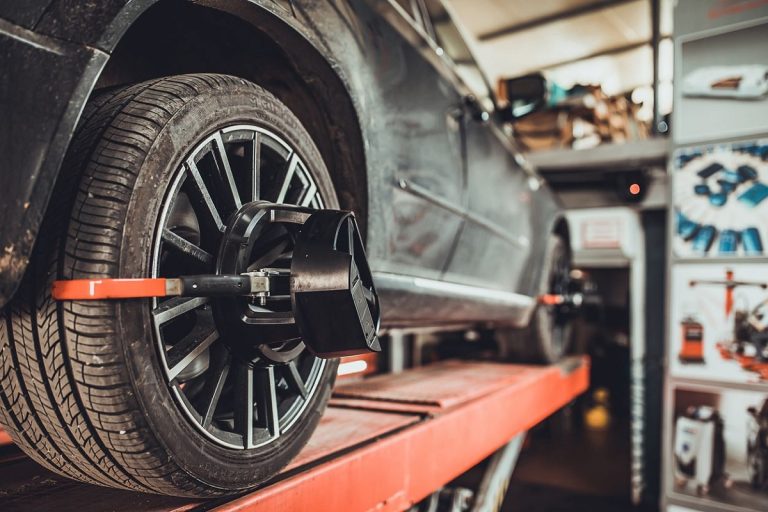
Symptoms of alignment issues include uneven tire wear, steering wheel off-center, and decreased handling precision. Professional alignment services measure camber, caster, and toe angles to ensure all wheels are positioned correctly relative to each other. Correcting alignment restores balanced contact between the tires and the road, eliminating unwanted pull. Maintaining proper alignment not only improves vehicle stability but also prolongs tire life and enhances overall driving safety.
Worn Suspension Components
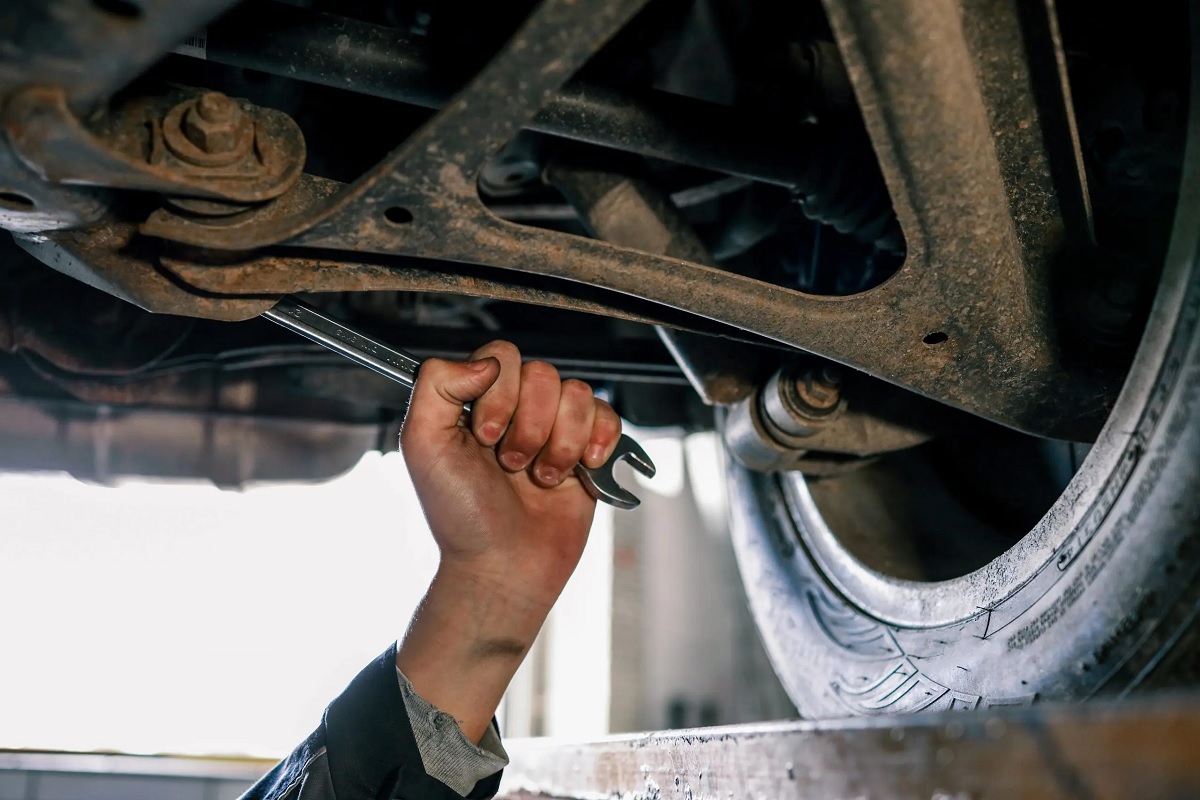
Suspension components such as tie rods, ball joints, and control arm bushings play a crucial role in maintaining vehicle stability. When these parts wear out or become loose, they can allow the wheels to shift slightly, causing the car to pull to one side. Uneven suspension behavior affects steering responsiveness and can make straight-line driving difficult.
Worn suspension parts often produce additional symptoms such as clunking noises, vibrations, or uneven tire wear. Inspecting these components regularly helps identify wear before it significantly impacts driving safety. Replacing damaged bushings, ball joints, or tie rods restores proper geometry, stabilizes the vehicle, and prevents it from drifting to the right. Well-maintained suspension ensures smooth handling and even load distribution across all wheels.
Brake System Issues
Brake problems can also contribute to a car pulling to the right, especially if one side’s caliper or brake pad is sticking. When brakes on one side engage more than the other, it creates uneven braking force, which can pull the car during normal driving or sudden stops.
Drivers may notice this pulling more prominently when braking, along with a slight vibration or noise from the wheels. Regular brake inspections, including caliper function checks and pad condition assessment, help ensure even braking performance. Maintaining a well-functioning brake system prevents uneven wear and reduces the risk of the car drifting while driving or stopping. Proper brake maintenance improves both safety and driving confidence.
Brake-Related Causes
Braking issues can play a significant role in why a car pulls to the right. Uneven braking forces, worn components, or hydraulic problems often lead to steering drift during deceleration. Understanding these brake-related causes helps drivers identify potential safety risks and address problems before they worsen, ensuring better control and more balanced braking performance.
Sticking Brake Calipers
Sticking brake calipers are a common reason a vehicle pulls to one side while braking. Calipers are responsible for applying even pressure to the brake pads, which then grip the rotors. When a caliper is stuck due to corrosion, dirt buildup, or worn seals, it continues to apply pressure even when the brakes are released.
This uneven braking force causes the car to drift toward the side where the caliper is sticking. Drivers may notice pulling during normal braking or a slight resistance when taking their foot off the pedal. Sticking calipers also increase brake pad and rotor wear, reducing braking efficiency and safety.
Cleaning and lubricating the caliper slides, or replacing the caliper when necessary, restores proper movement. Regular inspection prevents corrosion or buildup that leads to sticking. Addressing this issue ensures that braking force is evenly distributed, eliminating the pull and improving overall vehicle control.
Uneven Brake Pad Wear
Brake pads that wear unevenly can create inconsistent braking force, causing the car to pull to one side. When one pad is thinner or harder than the other, it grips the rotor differently, producing an imbalance that the driver can feel through the steering wheel.
Uneven pad wear can result from sticking calipers, misaligned hardware, or inferior-quality brake pads. Drivers may also notice unusual noises or vibrations during braking. Continuing to drive with uneven brake pads not only exacerbates pulling but can also damage rotors, increasing repair costs.
Replacing worn or uneven pads and ensuring proper installation restores even contact with the rotors. Routine brake inspections help identify uneven wear early, preventing steering drift and maintaining smooth, reliable braking performance. Proper maintenance of brake pads ensures consistent braking response and safer driving.
Rotor Warping Or Damage
Warped or damaged brake rotors contribute significantly to a car pulling to the right while braking. Excessive heat from aggressive braking or prolonged downhill driving can cause rotors to expand unevenly and develop surface distortions. The uneven rotor surface prevents brake pads from making consistent contact, creating unbalanced braking force.
Drivers may notice a pulsing sensation in the brake pedal along with steering wheel pull. Warped rotors often occur alongside worn pads or stuck calipers, compounding the problem. Ignoring this issue can reduce braking efficiency and accelerate pad wear, leading to more expensive repairs.
Resurfacing or replacing warped rotors restores a smooth braking surface, allowing brake pads to apply even force. Regular rotor inspection and timely replacement prevent excessive wear or warping, ensuring balanced braking and eliminating pulling to the right. Maintaining healthy rotors is essential for both steering stability and overall braking performance.
Brake Hose Or Hydraulic Issues
Problems with brake hoses or the hydraulic system can also cause uneven braking, resulting in the vehicle pulling to one side. Collapsed or partially blocked brake hoses reduce fluid flow to one caliper, while air in the brake lines creates inconsistent pressure.
During braking, the caliper with restricted hydraulic pressure applies less force than the other side, causing the car to drift toward the side with stronger braking. Drivers may notice spongy brake pedal feel or inconsistent braking response, signaling hydraulic issues that require immediate attention.
Flushing brake fluid, bleeding air from the system, and replacing damaged hoses ensures balanced hydraulic pressure. Proper maintenance of the brake system restores uniform braking force across all wheels, reducing pull and improving overall vehicle safety during deceleration.
Tire and Road Factors
Tire and road conditions play a major role in how a vehicle handles, particularly when it pulls to one side. Differences in tire wear, inflation, or tread type, combined with road surface variations, can make steering feel uneven. Understanding these factors helps drivers identify causes of pulling and take appropriate steps to maintain stability, safety, and smooth handling.
Uneven Tire Wear
Uneven tire wear is one of the most common tire-related causes of a car pulling to the right. When tires wear more on one side due to misalignment, suspension issues, or improper rotation, the rolling resistance becomes uneven. This imbalance makes the car naturally drift toward the side with higher resistance.
Drivers may notice that pulling occurs even on flat, straight roads, and that steering requires constant correction. Uneven wear patterns can also reduce traction, increase road noise, and accelerate tire replacement costs. Checking tires for cupping, feathering, or bald spots helps identify uneven wear early.
Rotating tires regularly, maintaining proper inflation, and ensuring alignment are key preventive measures. Replacing worn tires restores balanced traction and improves handling. Properly maintained tires minimize steering effort and reduce the risk of the car drifting to the right during normal driving.
Incorrect Tire Pressure
Incorrect tire pressure affects rolling resistance and vehicle stability. Underinflated tires create more friction with the road, while overinflated tires reduce contact area and traction. Both scenarios can cause a car to pull to one side, particularly if the pressure is uneven between the left and right tires.
Drivers may feel the car drifting toward the side with lower pressure, requiring continuous steering adjustment. Incorrect pressure also accelerates tire wear and reduces fuel efficiency. Maintaining the manufacturer-recommended PSI for all tires ensures consistent road contact and balanced handling.
Regularly checking tire pressure with a reliable gauge, especially before long trips or seasonal changes, prevents pressure-related pulling. Adjusting tires to proper levels distributes weight evenly, enhances braking performance, and keeps the vehicle stable under normal driving conditions. Proper tire inflation is essential for both safety and comfort.
Road Camber And Surface Conditions
Road camber, the slight slope designed for water drainage, can influence vehicle direction. Roads with a significant right-side slope naturally cause a car to drift toward that side, especially if combined with uneven tires or suspension wear. Drivers may notice more pulling on highways or newly paved roads with pronounced camber.
Additionally, uneven or damaged road surfaces amplify the effect of tire and vehicle imperfections. Potholes, cracks, or rough asphalt can disturb tire contact, increasing the tendency for a car to pull to the right. Smooth, level driving may reduce the pull, indicating that road factors contribute alongside mechanical causes.
Being aware of road camber helps differentiate between vehicle issues and external influences. Maintaining proper tire condition and suspension alignment minimizes the impact of road slope and surface irregularities. Understanding how road factors interact with tire performance helps drivers anticipate vehicle behavior and maintain control during everyday driving.
Tire Type And Tread Design
Tire type and tread design can also influence directional stability. High-performance tires, all-season tires, or tires with asymmetric tread patterns may respond differently to braking, acceleration, or crosswinds. A mismatch between front and rear tires or variations in tread wear can make the car pull toward one side.
Tires with worn outer edges or uneven tread depth affect rolling resistance and traction, particularly on wet or slippery surfaces. Drivers may notice pulling or drifting in specific conditions, such as during rain or on steep inclines. Replacing tires in matched sets and choosing designs appropriate for the vehicle improves directional stability.
Proper tire selection, regular tread inspections, and timely replacement reduce the risk of pulling caused by tire characteristics. Ensuring balanced and matched tires allows for smoother handling and better control, preventing the car from drifting to the right during normal driving conditions.
Steps to Diagnose and Fix Pulling Issues
When your car consistently pulls to the right, addressing the problem requires a structured approach. Diagnosing the root cause ensures repairs are accurate, prevents recurring issues, and enhances driving safety. A step-by-step process that examines tires, brakes, alignment, and suspension helps pinpoint the source of pulling and determines the appropriate fixes to restore vehicle stability and control.
Inspect Tire Condition and Pressure
The first step in diagnosing pulling issues is a thorough inspection of your tires. Uneven tread wear, bulges, flat spots, or sidewall damage can all contribute to the car drifting to one side. Examine each tire carefully, checking for signs of excessive wear on either the inner or outer edges, which may indicate alignment or suspension problems.
Next, check tire pressure using a reliable gauge. Unequal pressure between the left and right tires can create imbalance and cause the vehicle to pull toward the side with lower inflation. Adjust all tires to the manufacturer’s recommended PSI. Rotating tires regularly helps even out wear and extends their lifespan.
Drivers should also consider tire age and quality. Tires with worn treads or low-quality construction may not maintain consistent traction, especially in wet or slippery conditions. Maintaining healthy, properly inflated tires is often the simplest yet most effective way to reduce pulling and improve overall handling.
Examine Wheel Alignment
Misaligned wheels are a major cause of directional pulling. Alignment issues can develop gradually from hitting potholes, curbs, or uneven roads. Poor alignment alters the angles at which tires contact the road, creating uneven rolling resistance and making the car drift toward one side.
A professional alignment check measures camber, caster, and toe angles to determine whether adjustments are needed. Drivers may notice uneven tire wear, off-center steering, or vehicle wandering when alignment is out of specification. Correcting alignment restores even tire contact and eliminates pulling.
Proper wheel alignment not only improves handling but also extends tire life and enhances fuel efficiency. Scheduling alignment checks after suspension repairs, tire replacements, or impacts from road hazards ensures consistent vehicle performance and prevents pulling from recurring.
Inspect Brake System Components
Brakes play a critical role in directional stability. Sticking calipers, uneven brake pads, or warped rotors can cause the car to pull to one side during braking or even while coasting. Begin by visually inspecting calipers for signs of corrosion or binding, and check that brake pads are evenly worn.
Test the brakes in a safe area at low speeds. Pulling during braking is often more pronounced at higher speeds or under heavier braking force. Pay attention to vibrations, unusual noises, or resistance in the brake pedal. Warped rotors may produce pulsations, while sticking calipers can cause a continuous drift.
Routine brake maintenance, including pad replacement, rotor resurfacing, and caliper lubrication, ensures even braking force across all wheels. Addressing brake-related pulling restores stability and prevents uneven wear, improving both safety and handling.
Check Suspension and Steering Components
Worn or damaged suspension and steering parts can create pulling by allowing excessive wheel movement. Tie rods, ball joints, control arm bushings, and wheel bearings should be inspected for looseness, cracks, or play. Any wear can affect wheel angles and alignment, resulting in a right-side drift.
Perform a visual and hands-on inspection. Lift the vehicle and check for movement in ball joints and tie rods by applying gentle force to the wheels. Listen for clunking or unusual noises that indicate worn components. Misalignment caused by suspension wear may also show through uneven tire wear patterns.
Replacing worn suspension components restores proper geometry, improves handling, and reduces steering effort. Regular inspection and maintenance of these parts prevent long-term damage, maintain wheel alignment, and keep the car driving straight.
Address Road and Tire Factors
After checking tires, brakes, alignment, and suspension, evaluate external factors such as road conditions and tire characteristics. Uneven pavement, road camber, or steep slopes can exaggerate pulling, especially when combined with minor tire or alignment imperfections.
Ensure that tires are matched in size, type, and tread design. Mismatched or worn tires can produce uneven traction, contributing to pulling. Maintain proper inflation and rotate tires regularly to promote even wear and balanced handling.
Drivers may notice that correcting tire pressure, balancing, or replacing worn tires reduces pulling on various road surfaces. Taking these steps alongside mechanical inspections ensures that both external and internal factors are addressed, providing a comprehensive solution to the vehicle drifting to the right.
Professional Diagnostic Tools and Testing
When self-inspection and basic adjustments do not fully resolve pulling, professional diagnostics may be necessary. Wheel alignment machines, brake testing tools, and suspension analysis equipment can pinpoint subtle issues that are not easily detected visually.
Technicians can measure rotor runout, check hydraulic pressure in brake lines, and test suspension geometry precisely. Advanced diagnostics may reveal problems such as minor caliper sticking, misaligned subframes, or hidden tire defects.
Using professional tools ensures accurate diagnosis and prevents unnecessary part replacements. Combining these insights with routine maintenance and repairs restores driving stability, eliminates pulling to the right, and enhances overall vehicle safety and performance.
Preventive Maintenance to Avoid Pulling
Preventive maintenance is key to keeping your car driving straight and stable. Regular inspections and timely care of tires, brakes, alignment, and suspension components help avoid pulling issues. By addressing minor problems early, you reduce wear on critical parts, improve safety, and maintain smooth, predictable handling on all types of roads.
Regular Tire Inspections and Maintenance
Tires are often the first factor to check when a car pulls to the right. Regularly inspecting tires for uneven wear, bulges, or sidewall damage can prevent stability issues. Uneven wear patterns may indicate misalignment or suspension problems that need correction. Maintaining the recommended tire pressure ensures balanced rolling resistance, which keeps the car traveling straight.
Rotating tires according to the manufacturer’s schedule promotes even wear and extends tire life. Balancing tires during rotation also reduces vibrations that can contribute to pulling. Choosing the correct tire type and tread pattern for your vehicle further supports stability. Drivers who prioritize tire maintenance notice smoother steering, better braking performance, and reduced likelihood of drifting to one side during normal driving.
Wheel Alignment and Suspension Checks
Proper wheel alignment is essential for preventing pulling. Misaligned wheels create uneven tire contact and rolling resistance, causing the vehicle to drift to the right or left. Scheduling periodic alignment checks, especially after hitting potholes or curbs, ensures all wheels remain correctly positioned.
Suspension components, including tie rods, ball joints, control arm bushings, and shocks, should also be inspected regularly. Worn or loose parts affect wheel geometry and can contribute to directional drift. Replacing worn suspension parts maintains proper alignment, distributes weight evenly, and supports predictable handling. Preventive checks reduce tire wear, improve fuel efficiency, and enhance overall vehicle stability.
Brake System Maintenance
A well-maintained brake system prevents uneven braking forces that can cause the car to pull. Regular inspections of brake pads, rotors, and calipers ensure even contact and proper operation. Lubricating caliper slides and checking for corrosion or sticking prevents uneven pressure on one side of the vehicle.
Replacing worn or damaged components promptly restores balanced braking. Periodic brake fluid replacement maintains hydraulic pressure and ensures smooth pedal response. Drivers who maintain their brake system notice reduced pulling during stops, improved safety, and longer-lasting brake components.
Tire Rotation and Pressure Monitoring
Rotating tires and monitoring pressure are simple but highly effective preventive measures. Unevenly worn tires or incorrect inflation can amplify pulling issues. Checking tire pressure at least once a month and before long trips keeps rolling resistance balanced.
Rotating tires regularly helps distribute wear evenly across all four wheels, maintaining proper traction and stability. Tire rotation also allows inspection of each tire for hidden damage or irregular wear patterns. Combined with alignment and suspension maintenance, this step significantly reduces the likelihood of a car drifting to the right, ensuring safer and smoother driving.
FAQs
Why Does Your Car Pull to the Right?
You may notice your car drifting to the right while driving due to multiple factors, including tire, brake, suspension, or alignment issues. Uneven tire pressure or tread wear can create imbalance, making the vehicle favor one side.
Worn suspension components like tie rods, ball joints, or control arm bushings can also allow wheels to shift, causing pulling. Brake problems, such as sticking calipers or uneven pads, may contribute as well. Identifying the root cause early prevents further wear, improves steering stability, and ensures safer driving on both highways and city roads.
Can Uneven Tire Pressure Cause My Car to Pull Right?
Yes, uneven tire pressure is a common reason for a vehicle to drift toward one side. Tires with lower pressure have higher rolling resistance, causing the car to naturally pull in that direction. Overinflated tires reduce traction and may worsen the issue.
Maintaining the manufacturer-recommended PSI for all tires ensures even road contact and balanced handling. Checking tire pressure regularly, especially before long trips or seasonal changes, prevents uneven wear and improves stability. Proper tire inflation also enhances fuel efficiency and reduces the risk of sudden pulling on highways or uneven surfaces.
Do Misaligned Wheels Make a Car Drift to the Right?
Misaligned wheels are a frequent cause of directional pulling. When camber, caster, or toe angles are out of specification, tires do not contact the road evenly. This imbalance increases rolling resistance on one side, causing the vehicle to pull toward the higher resistance side.
Drivers may notice uneven tire wear, steering wheel off-center, or drifting on straight roads. Professional wheel alignment corrects these angles, restoring balanced tire contact and improving handling. Regular alignment checks, especially after hitting potholes or curbs, help maintain stability and prevent the car from consistently pulling to the right.
Can Worn Suspension Components Cause Pulling?
Yes, worn suspension parts can contribute to your car drifting to the right. Tie rods, ball joints, control arm bushings, and wheel bearings keep wheels aligned and stable. When these components wear or loosen, wheels may shift slightly, producing uneven handling.
Suspension issues often show additional signs like clunking noises, vibrations, or uneven tire wear. Inspecting and replacing worn parts restores proper wheel geometry, improves steering response, and prevents the vehicle from pulling. Maintaining suspension health ensures safer handling and smoother driving on both straight roads and curves.
How Do Brake Problems Cause a Car to Pull to One Side?
Brake issues can create uneven braking force, leading the car to drift to one side. Sticking calipers, uneven brake pads, or warped rotors may apply more pressure on one wheel, causing the vehicle to pull while braking or even during coasting.
Drivers may feel steering wheel pull or pedal pulsation, especially under higher braking pressure. Regular brake inspections, caliper lubrication, and timely pad or rotor replacement restore balanced braking. A properly maintained brake system prevents pulling, improves vehicle control, and ensures consistent stopping performance.
Can Road Conditions Make My Car Pull to the Right?
Yes, road factors like camber and surface irregularities can cause a car to drift. Roads often have a slight slope to aid water drainage, which may naturally make the vehicle pull to one side. Uneven pavement or potholes can exacerbate the effect, especially when combined with tire or alignment issues.
Understanding that road conditions can influence pulling helps differentiate between mechanical problems and external factors. Maintaining proper tire condition, alignment, and suspension minimizes the impact of road camber and uneven surfaces, allowing smoother and safer driving.
How Can I Prevent My Car from Pulling to the Right?
Preventing pulling requires regular maintenance of tires, brakes, suspension, and alignment. Check tire pressure monthly and rotate tires regularly to ensure even wear. Inspect suspension components for looseness or damage and replace worn parts promptly.
Scheduling professional wheel alignments after tire changes or impacts helps maintain proper geometry. Maintaining brake system health, including pads, rotors, and calipers, ensures even braking force. Consistent preventive care keeps the car stable, reduces wear on critical components, and minimizes the likelihood of drifting to the right during everyday driving.
Conclusion
Experiencing your car drifting to one side can be alarming and affect both safety and driving comfort. Pulling to the right often indicates underlying issues with tires, brakes, suspension, or alignment. Identifying the cause early can prevent uneven tire wear, reduced handling, and more costly repairs down the road. Regular inspections and maintenance are key to ensuring your vehicle stays stable and responsive.
If you notice your car consistently veering right, it’s important to check tire pressure, alignment, and suspension components. Brake problems, such as a sticking caliper or uneven pad wear, can also contribute to this issue. By addressing these areas promptly, you can restore balanced steering and avoid unexpected driving hazards.
Understanding [Why Does Your Car Pull to the Right?] helps you take informed action to maintain vehicle safety. Proper tire care, alignment checks, and brake inspections will correct the problem, improve driving performance, and give you peace of mind on the road.