Vibration in Steering Wheel at High Speeds: Causes and Fixes
Experiencing unexpected shaking while driving can be alarming, especially when it occurs at highway speeds. One of the most common concerns drivers face is a vibration in the steering wheel at high speeds, which can affect control and overall driving comfort. Understanding the causes and implications of this issue is critical for maintaining both safety and vehicle performance.
This type of vibration often signals underlying mechanical or alignment problems that require attention. It may start subtly and gradually worsen over time, making it important to notice even minor changes in steering feel. Ignoring the warning signs can lead to accelerated wear on tires, suspension components, or even the steering system itself.
Several factors can contribute to high-speed steering vibrations, including wheel imbalance, misaligned tires, worn suspension parts, or brake issues. Identifying the source early allows for targeted repairs and prevents more costly damage in the future.
Being proactive about diagnosing and addressing steering wheel vibrations ensures a safer, smoother driving experience. Regular inspections and maintenance play a key role in preventing these issues from escalating.
Common Causes of Vibration in Steering Wheel at High Speeds
Vibration in the steering wheel at high speeds is a common issue that can compromise driving comfort and safety. Understanding the potential causes helps you address the problem effectively and prevent further damage to tires, suspension, or steering components. This section explores the most frequent mechanical and alignment-related factors behind steering wheel vibrations.
Wheel Imbalance
One of the primary reasons for steering wheel vibration at high speeds is wheel imbalance. When a wheel is not evenly weighted, it causes uneven rotation, which translates into vibrations felt through the steering wheel. Over time, this imbalance can worsen, leading to more pronounced shaking at highway speeds.
Wheel imbalance can occur due to normal wear and tear, hitting potholes, or improper installation of tires and rims. Signs of imbalance often include vibrations at specific speeds, uneven tire wear, and noticeable shaking during acceleration. Professional balancing of tires is essential to correct this issue. Proper wheel maintenance not only reduces vibrations but also extends tire life and improves vehicle handling.
Regularly checking and balancing your wheels helps maintain smooth performance, ensuring that minor imbalances don’t develop into more significant steering or suspension problems.
Tire Wear and Alignment Issues
Worn or uneven tires and misaligned wheels are another major contributor to high-speed steering vibrations. Uneven tread wear can cause the tires to lose contact consistency with the road, producing vibrations and instability. Similarly, incorrect wheel alignment causes tires to roll at improper angles, further intensifying shaking at higher speeds.
Tire-related vibrations may also be accompanied by pulling to one side, irregular tire wear patterns, or poor handling. Alignment checks and rotating or replacing worn tires address the root cause. Ensuring that tires are properly inflated and aligned prevents vibrations and promotes safety during high-speed driving.
Maintaining tires in good condition and monitoring alignment regularly ensures a smoother, more stable driving experience while protecting suspension components from additional stress.
Worn Suspension Components
Suspension components, including ball joints, tie rods, control arms, and bushings, play a key role in stabilizing the steering system. When these parts wear out or loosen, they fail to properly absorb road vibrations, causing them to transmit through the steering wheel.
Symptoms often include not only vibrations at high speeds but also clunking noises over bumps, uneven tire wear, or difficulty maintaining directional control. Over time, worn suspension parts can affect handling, braking, and overall vehicle safety. Addressing worn components promptly prevents further damage and restores smooth steering performance.
Regular suspension inspections and timely replacement of faulty parts maintain vehicle stability, reduce vibration, and enhance driver confidence on the road.
Brake System Issues
Although less common than tires or suspension, problems in the brake system can contribute to steering wheel vibration at high speeds. Warped rotors, uneven pads, or sticking calipers can create pulsations felt through the steering wheel, especially when braking from high speeds.
Even if the vibration occurs without braking, existing brake component wear may exacerbate shaking caused by other mechanical issues. Inspecting rotors, pads, and calipers for wear or warping and replacing them as needed ensures both braking efficiency and smooth steering.
Proper brake maintenance not only prevents vibrations but also improves overall safety by providing consistent stopping power.
Loose or Worn Steering Components
Finally, worn or loose steering components, such as the steering rack, column, or power steering system, can amplify vibrations at high speeds. Play or slack in the steering mechanism reduces precision, allowing road irregularities to transmit more readily to the wheel.
Indicators of steering component issues include excessive free play, knocking noises, or difficulty maintaining a straight path. Timely inspection and repair of these parts restore precise steering control and reduce high-speed vibrations.
Ensuring the integrity of steering components protects the entire system and enhances vehicle stability, making high-speed driving safer and more comfortable.
How to Diagnose Steering Wheel Vibration at High Speeds
Steering wheel vibration at high speeds is not only uncomfortable but can also indicate serious vehicle issues. Proper diagnosis helps identify the root cause, whether it’s tires, suspension, brakes, or steering components. Accurate detection ensures that repairs are effective, saving time and preventing further damage. This section explores step-by-step diagnostic approaches to determine the source of steering wheel vibration.
Inspect Wheel Balance and Tire Condition
The first step in diagnosing steering wheel vibration is to inspect your tires and wheel balance. Uneven tire wear, low tire pressure, or damaged rims can all contribute to shaking at high speeds. Visually check for bald spots, bulges, or cracks, and rotate tires to observe changes in vibration.
Wheel imbalance can be confirmed by professional balancing at a service center. A small imbalance may cause minor vibrations at moderate speeds, but pronounced shaking at highway speeds often points to this as a primary culprit. Maintaining proper tire pressure and replacing worn tires ensures stability and reduces vibration.
Checking tire condition and balance is critical because tires are the direct contact point with the road, and any irregularity translates directly into steering wheel feedback.
Evaluate Wheel Alignment
Misaligned wheels are another common source of high-speed steering vibration. Even a slight misalignment changes the angle at which tires contact the road, causing uneven wear and instability. Check for signs such as the vehicle pulling to one side, uneven tire tread wear, or a crooked steering wheel while driving straight.
Professional alignment services use precise measurements to adjust camber, toe, and caster angles, restoring correct tire orientation. Aligning your wheels not only minimizes vibrations but also improves handling, fuel efficiency, and tire longevity.
Neglecting alignment can exacerbate existing tire or suspension issues, making steering vibrations more pronounced over time. Regular alignment checks help prevent long-term wear and improve driving comfort.
Inspect Suspension and Steering Components
Worn or loose suspension and steering parts are frequent contributors to steering wheel vibration. Inspect components such as tie rods, ball joints, control arms, and bushings for excessive play, cracks, or damage. Worn suspension parts fail to absorb road shocks, allowing vibrations to transfer to the steering wheel.
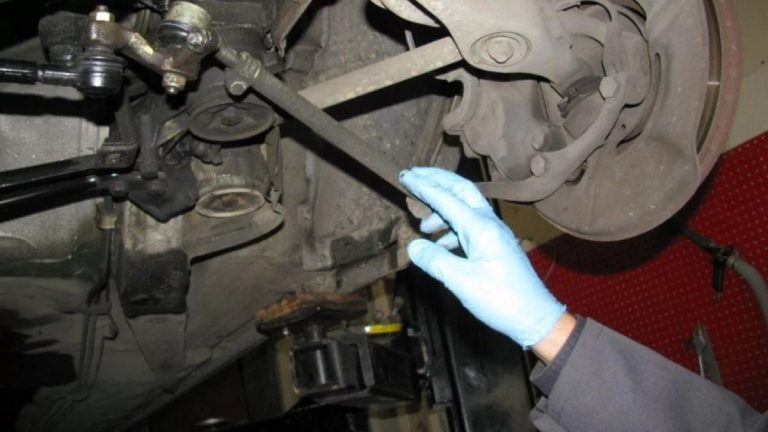
A simple physical check involves lifting the vehicle and testing for movement in joints or shaking individual wheels. Clunking noises, uneven ride height, or difficulty maintaining control are warning signs of failing suspension components.
Timely replacement of worn suspension and steering parts restores stability, reduces vibration, and ensures safe vehicle operation, especially at higher speeds.
Examine Brake Components
Although less obvious, brake system issues can contribute to steering wheel vibration, particularly warped rotors or uneven brake pad wear. Inspect rotors for scoring, warping, or thickness variations. Sticking calipers or misaligned pads can also transmit vibrations to the steering wheel during braking or coasting.
Driving at high speeds with compromised brake components can amplify existing steering vibrations and create uneven braking forces. Addressing brake-related issues involves resurfacing or replacing rotors, pads, or calipers as needed.
Maintaining brake components in optimal condition ensures smooth deceleration, reduces steering feedback issues, and improves overall vehicle safety.
Conduct a Test Drive and Observe Patterns
A systematic test drive helps confirm the source of vibration. Drive at varying speeds and note when the vibration occurs, whether it is constant or appears only at specific speeds. Observe whether the vibration changes when braking, accelerating, or turning.
Documenting these patterns aids mechanics in pinpointing the exact cause. It also helps differentiate between tire, suspension, brake, or steering-related issues, allowing for targeted repairs.
A thorough test drive, combined with visual inspections and professional diagnostic tools, ensures accurate identification of the problem and guides effective corrective measures.
Effective Solutions for Vibration
Experiencing vibration in the steering wheel at high speeds can affect comfort, handling, and safety. Addressing the issue promptly with targeted solutions ensures smooth driving and prevents further damage to tires, suspension, or steering components. This section explores effective ways to eliminate steering wheel vibrations and maintain overall vehicle performance.
Balancing Tires and Wheels
One of the most effective solutions for steering wheel vibration is balancing your tires and wheels. Imbalanced wheels create uneven rotation, which directly causes vibrations at higher speeds. Professional balancing adjusts the weight distribution of each wheel, reducing oscillation and restoring smooth steering.
Even minor imbalances can lead to shaking at highway speeds, and hitting potholes or curbs can worsen the condition. Regular wheel balancing, along with tire rotation, prevents uneven tire wear and prolongs tire life. Properly balanced wheels also reduce strain on suspension components and improve fuel efficiency, making it a cost-effective and essential maintenance step.
Maintaining wheel balance ensures a smoother driving experience, minimizes vibrations, and reduces wear on other vehicle systems.
Correcting Wheel Alignment
Misaligned wheels are another frequent contributor to high-speed steering vibration. Correcting wheel alignment ensures that tires make proper contact with the road, reducing uneven wear and improving handling. Professional alignment services adjust camber, toe, and caster angles to restore correct positioning.
Misaligned wheels can cause the steering wheel to pull to one side or create uneven tire wear patterns, which worsen vibrations over time. Periodic alignment checks, especially after hitting curbs, potholes, or replacing suspension components, help prevent vibrations and maintain driving stability.
Proper alignment also enhances tire lifespan, improves fuel efficiency, and ensures consistent steering response, making it a crucial preventive and corrective measure.
Replacing Worn Suspension and Steering Components
Worn suspension and steering parts are often the root cause of persistent steering wheel vibrations. Components such as tie rods, ball joints, control arms, and bushings lose effectiveness over time, failing to absorb road shocks and transmitting vibrations to the wheel.
Inspecting and replacing these worn parts restores proper vehicle handling and reduces vibration. Symptoms like clunking noises, uneven ride height, or difficulty maintaining control signal the need for suspension and steering repairs. High-speed stability improves significantly once worn components are addressed, preventing further strain on tires and steering systems.
Timely replacement of suspension and steering parts not only eliminates vibration but also enhances safety and driving comfort.
Servicing Brake Components
Brake-related issues, including warped rotors or uneven pads, can amplify steering wheel vibrations, especially during braking at high speeds. Resurfacing or replacing rotors and ensuring even pad wear addresses this problem effectively. Calipers should be inspected for sticking or misalignment that may contribute to vibrations.
Even if vibration occurs while coasting, brake irregularities can worsen the shaking and accelerate tire or suspension wear. Maintaining brake components in good condition ensures smooth stopping power and reduces steering wheel feedback issues.
Regular brake inspections and timely repairs prevent vibrations and enhance overall vehicle safety.
Ensuring Tire Quality and Pressure
Tire health plays a vital role in preventing steering vibrations. Using high-quality tires with uniform tread patterns and proper inflation helps reduce shaking at high speeds. Uneven tire wear, bulges, or low pressure can amplify vibrations, even if wheels are balanced and aligned.
Regularly checking tire pressure and replacing damaged tires prevents uneven contact with the road. Rotating tires at recommended intervals also promotes even wear and enhances stability. Properly maintained tires complement other corrective measures, ensuring smooth steering and optimal performance.
Maintaining tire quality and pressure is an essential, ongoing step in eliminating high-speed steering wheel vibrations and improving overall vehicle control.
FAQs
What Causes Vibration in the Steering Wheel at High Speeds?
Vibration in the steering wheel at high speeds usually stems from issues with tires, wheels, suspension, or brakes. Unbalanced wheels, worn tires, and misaligned wheels are among the most common causes. Suspension components like tie rods, ball joints, or control arms that have worn out can also transmit vibrations.
Even brake components, such as warped rotors, can create noticeable shaking at high speeds. Recognizing the source early helps prevent further damage to tires, steering, and suspension, while ensuring safer and smoother driving.
How Can I Tell If My Tires Are Causing the Vibration?
Tires are often the first component to check when you feel vibration. Uneven wear, bulges, low pressure, or damaged tread can cause the steering wheel to shake at highway speeds. Signs may include vibration only above certain speeds or irregular tire wear patterns.
Balancing tires and checking for proper inflation can often solve the issue. Regular tire rotation and replacing worn tires prevent uneven contact with the road, helping maintain smooth steering and vehicle stability.
Can Wheel Alignment Affect Steering Wheel Vibration?
Yes, misaligned wheels can directly contribute to steering wheel vibration at high speeds. When the camber, toe, or caster angles are off, tires roll unevenly, causing instability and shaking. Misalignment can also lead to uneven tire wear, amplifying vibrations over time.
Professional alignment restores correct angles, ensuring tires maintain proper contact with the road. Maintaining wheel alignment improves handling, prevents excessive tire wear, and significantly reduces high-speed steering wheel vibrations.
Do Suspension Problems Cause Steering Vibrations?
Worn or damaged suspension components, such as tie rods, ball joints, control arms, or bushings, can transmit road vibrations directly to the steering wheel. These parts are designed to absorb shocks and maintain wheel stability, and when compromised, vibrations become more noticeable.
Symptoms may include clunking noises, uneven ride height, or difficulty maintaining straight-line control. Timely inspection and replacement of worn suspension components restore smooth handling, reduce steering wheel vibration, and enhance overall driving safety.
Can Brake Issues Lead to Steering Wheel Shaking?
Brake problems, including warped rotors, uneven brake pads, or sticking calipers, can cause vibrations that transfer to the steering wheel. This is often most noticeable when braking from high speeds, but even coasting can amplify vibrations if the brake system is compromised.
Inspecting and replacing worn or warped components resolves these issues. Properly maintained brakes
Conclusion
Experiencing shaking or wobbling in your steering wheel while driving at high speeds can be both unsettling and dangerous. Addressing the issue promptly ensures safer handling and prevents further wear on tires, suspension, and steering components. Regular inspections and maintenance play a key role in keeping your vehicle stable and responsive on the road.
Understanding the causes of [vibration in steering wheel at high speeds] allows you to identify the right solution. Common culprits include wheel imbalance, tire wear, misalignment, brake issues, or worn suspension parts. By diagnosing the root cause—through visual inspection, test driving, or professional tools—you can take targeted action, whether it’s balancing wheels, replacing tires, aligning wheels, or repairing suspension components.
Preventive care is essential to avoid recurring issues. Routine tire rotations, wheel balancing, suspension checks, and careful driving habits help reduce [vibration in steering wheel at high speeds]. Addressing these factors ensures smoother driving, improved vehicle longevity, and enhanced safety at all speeds.