Types Of Steering System: Complete Guide To Modern And Traditional Designs
Modern vehicles rely on precise handling to deliver safety, comfort, and control on the road. The steering mechanism plays a critical role in how smoothly a car responds to driver input, especially during turns, lane changes, and tight maneuvers. Understanding how this system works helps you appreciate the engineering behind everyday driving.
There are several types of steering system designed to match different vehicle needs, driving styles, and performance expectations. Each system offers its own balance of control, responsiveness, and maintenance requirements. From traditional mechanical setups to advanced electronically assisted designs, steering technology continues to evolve.
Drivers often notice differences in steering feel without realizing the mechanical variations behind it. The types of steering system used in a vehicle directly influence effort, precision, and road feedback.
Mechanical Types Of Steering System
Mechanical steering systems rely entirely on physical linkages, gears, and manual force to control vehicle direction. These systems do not use hydraulic pumps or electric motors for assistance. Instead, steering input travels through solid components that convert rotational movement into wheel motion. Understanding mechanical types of steering system helps you recognize how traditional vehicles achieved reliable and direct steering control.
Rack And Pinion Steering
Rack and pinion steering is one of the most widely used mechanical steering systems in passenger vehicles. It operates through a simple yet highly effective design. When you turn the steering wheel, a circular gear called the pinion rotates. This pinion engages with a flat, toothed bar known as the rack, converting rotational motion into linear movement that pushes the wheels left or right.
This system offers precise steering response and a direct connection between the driver and the road. Because of its straightforward structure, rack and pinion steering provides better feedback, allowing you to feel subtle changes in road conditions. That feedback enhances control, especially at moderate speeds and during cornering.
Another advantage lies in its compact design. Rack and pinion setups take up less space compared to older steering mechanisms. This makes them ideal for smaller cars and modern front-wheel-drive vehicles where space efficiency matters.
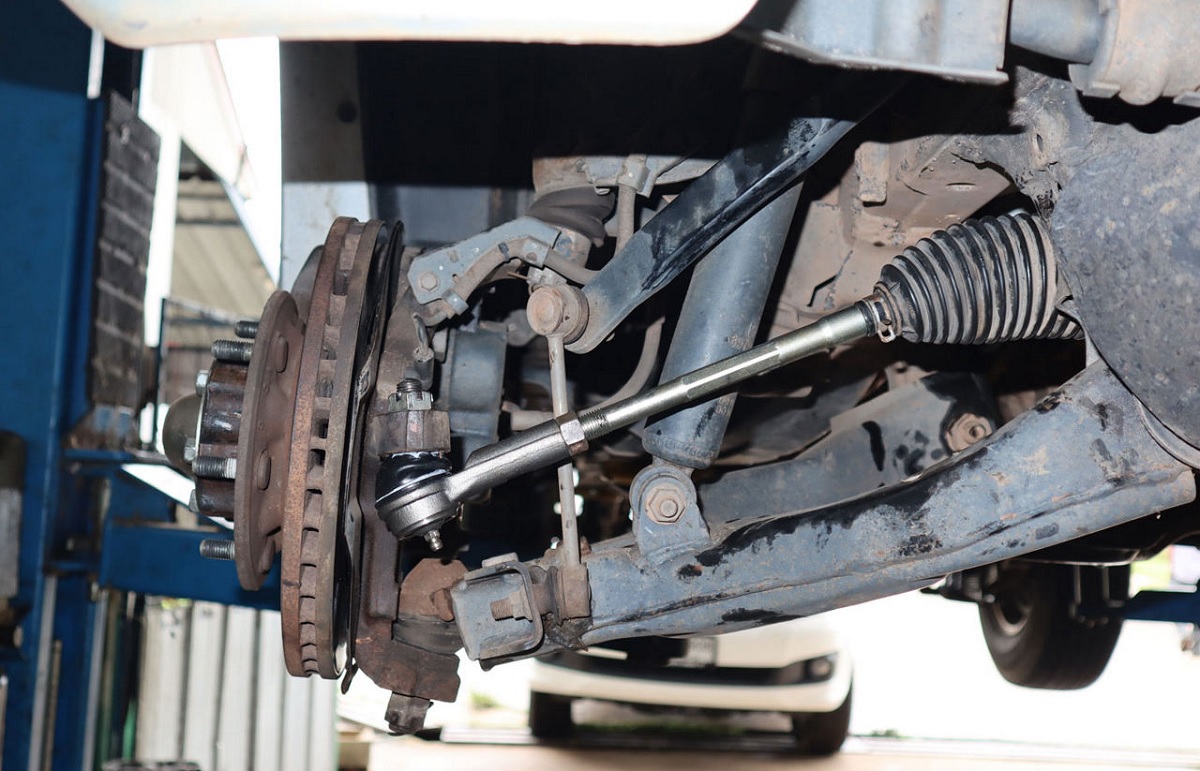
Maintenance requirements are generally minimal, though components like tie rods and boots may wear over time. Regular inspections help maintain alignment and prevent uneven tire wear. The simplicity and reliability of rack and pinion steering make it a dominant choice among mechanical steering systems.
Recirculating Ball Steering
Recirculating ball steering is another important mechanical steering system commonly found in older vehicles, trucks, and heavy-duty models. Instead of direct gear contact like rack and pinion systems, this design uses a worm gear and a series of ball bearings to reduce friction and improve durability.
When you rotate the steering wheel, the worm gear turns and moves ball bearings within a threaded chamber. These ball bearings circulate through the system, transferring motion to a sector gear that ultimately moves the steering linkage. This setup reduces metal-to-metal friction, resulting in smoother operation under heavy loads.
This steering type is particularly beneficial for larger vehicles that require additional strength and durability. Trucks and SUVs often rely on recirculating ball steering because it can handle heavier front-end weight and rough driving conditions more effectively than lighter systems.
However, this system may provide slightly less road feedback compared to rack and pinion steering. Over time, internal components can develop play, which may cause a looser steering feel. Proper lubrication and periodic adjustment help maintain performance and extend system lifespan in demanding applications.
Worm And Sector Steering
Worm and sector steering represents one of the earlier mechanical steering designs used in automotive history. This system features a worm gear attached to the steering shaft and a sector gear connected to the pitman arm. As the steering wheel turns, the worm gear rotates and moves the sector gear, which directs the wheels accordingly.
The design is sturdy and capable of handling moderate loads, making it suitable for older vehicles and certain utility models. Its straightforward construction allowed manufacturers to build durable steering systems before more advanced designs became widespread.
One of the defining characteristics of worm and sector steering is its mechanical advantage. The gear arrangement amplifies steering input, allowing you to turn the wheels with less effort compared to purely direct systems. This was particularly helpful in vehicles without power assistance.
Despite its durability, worm and sector steering can experience increased friction and wear over time. This may result in less precise steering and more noticeable free play. Routine maintenance, including lubrication and component inspection, is essential to maintain steering accuracy and safe vehicle handling.
Power-Assisted Types Of Steering System
Power-assisted steering systems reduce the physical effort required to turn the steering wheel while improving overall driving comfort. These systems use hydraulic pressure, electric motors, or a combination of both to support steering movement. Power-assisted types of steering system enhance maneuverability, especially at low speeds, and provide smoother handling in modern vehicles.
Hydraulic Power Steering
Hydraulic power steering is one of the earliest and most widely adopted power-assisted systems. It uses hydraulic fluid pressure generated by a pump, typically driven by the engine, to assist steering movement. When you turn the steering wheel, pressurized fluid flows through hoses into a steering gear or rack, helping push the wheels in the desired direction.
This system significantly reduces steering effort, making it easier to handle larger vehicles or navigate tight parking spaces. The hydraulic assistance delivers a smooth and consistent feel, which many drivers describe as stable and predictable. That steady response is particularly beneficial during highway driving or gradual turns.
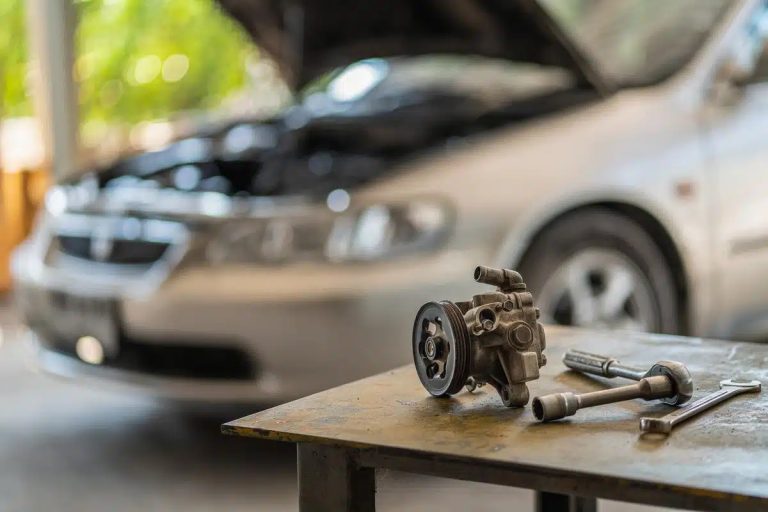
Hydraulic power steering systems include components such as a pump, reservoir, hoses, control valve, and steering gear. Each part plays a crucial role in maintaining fluid pressure and ensuring proper assistance. Regular inspection of fluid levels and hose condition is important to prevent leaks or reduced performance.
Although reliable, hydraulic systems draw power directly from the engine, which can slightly reduce fuel efficiency. Over time, seals and hoses may wear out, requiring maintenance. Despite these factors, hydraulic steering remains a durable and proven solution in many vehicles worldwide.
Electric Power Steering
Electric power steering replaces hydraulic components with an electric motor and electronic control unit. Instead of fluid pressure, the motor provides steering assistance based on sensor input. These sensors measure steering angle, torque, and vehicle speed, allowing the system to adjust assistance levels in real time.
One of the biggest advantages of electric power steering is improved fuel efficiency. Since the motor operates only when steering assistance is needed, it does not constantly draw power like a hydraulic pump. This efficiency makes it popular in modern compact cars, hybrids, and electric vehicles.
Electric systems also allow for more advanced driving features. Technologies such as lane-keeping assist and automatic parking rely on electric steering motors for precise control. The system’s electronic design enables smoother integration with driver-assistance technologies.
Maintenance requirements are generally lower because there is no hydraulic fluid or pump to service. However, electronic components must function correctly to ensure safe operation. When properly maintained, electric power steering delivers responsive handling, lighter steering effort, and improved overall driving comfort.
Electro-Hydraulic Power Steering
Electro-hydraulic power steering combines elements of both hydraulic and electric systems. Instead of using an engine-driven pump, this system uses an electric motor to power the hydraulic pump. The steering assistance still relies on hydraulic fluid, but energy consumption becomes more efficient.
This hybrid design reduces engine load compared to traditional hydraulic systems. The electric motor operates only when assistance is required, which improves fuel economy while maintaining the familiar steering feel of hydraulic setups. Many drivers appreciate the balance between efficiency and consistent road feedback.
Electro-hydraulic systems are often found in vehicles transitioning between older hydraulic technology and newer electric designs. They provide smoother operation than purely mechanical systems and offer better adaptability to varying driving speeds.
Although more efficient than traditional hydraulic steering, this system still includes fluid lines, seals, and pumps that require periodic maintenance. Monitoring fluid condition and checking for leaks remain important tasks. Electro-hydraulic steering stands as a practical bridge between conventional hydraulic assistance and fully electric steering technologies.
Electric Types Of Steering System
Electric types of steering system rely on electric motors and sensors to provide steering assistance without the need for hydraulic fluid. These systems are becoming increasingly common in modern vehicles due to their efficiency, reduced maintenance requirements, and compatibility with advanced driver-assistance technologies. Understanding the different electric steering systems helps drivers appreciate their advantages in handling, fuel economy, and precision.
Column-Mounted Electric Power Steering
Column-mounted electric power steering (EPS) uses an electric motor attached directly to the steering column to provide assistance. Sensors measure the driver’s input, including the torque and angle of the steering wheel, and the motor delivers proportional assistance to reduce steering effort.
This setup is popular in compact cars and smaller vehicles because of its simplicity and cost-effectiveness. Column-mounted EPS improves maneuverability, making low-speed parking and tight turns easier. The system also allows for adjustable steering feel, which can be customized for comfort or sportier handling depending on vehicle design.
Maintenance requirements are minimal compared to hydraulic systems, as there is no fluid to monitor or pump to drive. However, the electronic components must remain functional, and any sensor or motor issues should be addressed promptly to ensure reliable operation. Column-mounted EPS provides efficient, smooth, and responsive steering for everyday driving.
Rack-Mounted Electric Power Steering
Rack-mounted electric power steering integrates the electric motor directly with the steering rack, offering more precise assistance compared to column-mounted systems. The motor applies force to the rack, which moves the wheels in response to driver input.
This design provides better feedback from the road, giving drivers a more connected feel while maintaining the benefits of electric assistance. The system is commonly used in mid-size and larger vehicles, where improved steering precision and responsiveness are important for safety and comfort.
Because there is no hydraulic system, rack-mounted EPS is lighter and more energy-efficient, contributing to improved fuel economy. The electronic control unit continuously adjusts assistance based on vehicle speed, making steering lighter at low speeds and firmer at higher speeds for stability. This adaptability enhances driver confidence and control in various driving conditions.
Steer-By-Wire Systems
Steer-by-wire systems eliminate the mechanical connection between the steering wheel and the wheels entirely. Steering input is transmitted electronically to a control unit, which then commands motors to turn the wheels.
This advanced system allows for completely customizable steering response. Automakers can program variable ratios, sensitivity, and force feedback to suit different driving modes, such as comfort, sport, or automated driving. Steer-by-wire also enables integration with autonomous driving technologies, making it a key component in future vehicle designs.
While traditional systems rely on physical linkages, steer-by-wire depends entirely on sensors, actuators, and software for safe operation. Redundant safety systems ensure that the vehicle maintains control in case of component failure. This cutting-edge technology represents the next step in electric steering innovation, offering precise control, enhanced adaptability, and the potential for fully automated vehicle operation.
Advantages Of Electric Steering Systems
Electric steering systems, whether column-mounted, rack-mounted, or steer-by-wire, offer several advantages. They are energy-efficient, require less maintenance, and improve fuel economy by removing the engine-driven hydraulic pump. Electric systems are also lighter, reducing vehicle weight and enhancing overall efficiency.
Integration with driver-assistance features is another major benefit. Lane-keeping assist, automatic parking, and collision avoidance systems rely on electric steering motors for precise control. The customizable steering feel improves driver comfort, while the responsiveness enhances safety. As electric steering technology continues to evolve, these systems are becoming standard in modern vehicles for both efficiency and enhanced driving experience.
Comparison Of Different Types Of Steering System
Understanding the differences between various steering systems helps drivers and automotive enthusiasts make informed decisions about vehicle performance, maintenance, and safety. Each system—mechanical, power-assisted, and electric—offers unique benefits and drawbacks in terms of handling, effort, feedback, and complexity. Comparing these systems highlights why manufacturers choose specific types for different vehicles and driving conditions.
Mechanical Steering Vs Power-Assisted Steering
Mechanical steering systems, including rack and pinion, recirculating ball, and worm-and-sector designs, provide direct feedback from the road. Drivers feel every surface change, making mechanical systems highly responsive and predictable. However, they require more physical effort to turn, especially at low speeds or in larger vehicles.
Power-assisted steering reduces driver effort by using hydraulic or electric assistance. Hydraulic systems rely on fluid pressure to amplify steering input, while electric systems use motors and sensors. This assistance makes low-speed maneuvers and parking easier, and modern electric systems can adapt based on speed or driving mode.
While mechanical steering excels in simplicity and reliability, power-assisted systems prioritize comfort and convenience. Maintenance differs as well: mechanical systems need minimal servicing, whereas hydraulic setups require fluid checks, and electric systems rely on functional electronics.
Electric Steering Vs Hydraulic Power Steering
Electric power steering (EPS) has gained popularity for efficiency and low maintenance. Unlike hydraulic systems, EPS uses motors and sensors to provide assistance, drawing power only when needed, which improves fuel economy. Rack-mounted and column-mounted configurations allow precise control, and advanced steer-by-wire systems even remove mechanical connections entirely.
Hydraulic systems, on the other hand, offer a familiar feel and smooth operation but continuously draw engine power, reducing fuel efficiency. They also require regular fluid monitoring, hose inspections, and occasional pump servicing. Hydraulic assistance often feels heavier at high speeds compared to EPS, which can dynamically adjust resistance based on conditions.
EPS allows seamless integration with modern safety features, such as lane-keeping assist, automatic parking, and collision avoidance, which rely on precise electronic control. Hydraulic systems, while reliable, are less adaptable to these technologies, making electric steering the preferred choice in contemporary vehicles.
Feedback And Driving Experience
Steering feel is a major differentiator between these systems. Mechanical systems provide the most direct road feedback, which appeals to drivers who value control and precision. Every turn communicates subtle changes in road conditions, tire grip, and vehicle response.
Power-assisted hydraulic steering balances effort reduction with feedback, offering a more comfortable driving experience without losing too much connection to the road. Electric systems, particularly steer-by-wire, can simulate road feel artificially, allowing manufacturers to tune responsiveness for comfort or sportiness.
While mechanical systems emphasize raw connection, electric systems prioritize adaptability. Drivers may notice lighter steering at low speeds and firmer feedback at high speeds in electric systems, which can improve stability and reduce fatigue. The choice often depends on whether a driver values precision, comfort, or advanced technology integration.
Maintenance, Durability, And Lifespan
Mechanical systems are generally the most durable, with minimal components that can fail. Regular lubrication and alignment checks are typically sufficient to maintain performance over the vehicle’s lifespan.
Hydraulic power steering adds complexity with pumps, hoses, and fluid, which can wear over time. Leaks or pump failures may require costly repairs. Electric systems reduce mechanical complexity and fluid requirements, but their reliance on electronics and sensors introduces different potential failure points.
Durability varies by application. Heavy-duty trucks may favor recirculating ball or hydraulic systems for strength, while passenger vehicles benefit from electric steering’s efficiency, low maintenance, and integration with safety technologies. Understanding these differences helps drivers anticipate maintenance needs and choose vehicles that suit their priorities.
Summary Of Strengths And Weaknesses
Mechanical steering excels in simplicity, reliability, and feedback but requires more physical effort. Hydraulic power-assisted systems reduce effort and provide smooth operation but consume engine power and require fluid maintenance. Electric steering is energy-efficient, low-maintenance, and compatible with advanced driver-assistance systems, though it may feel less connected without careful calibration.
Selecting a steering system involves balancing driver preference, vehicle type, maintenance expectations, and technology needs. Comparing these systems highlights why manufacturers choose mechanical designs for rugged applications, hydraulic setups for traditional comfort, and electric solutions for modern efficiency and innovation.
Common Problems Across Types Of Steering System
Steering systems, whether mechanical, hydraulic, or electric, are critical for safe vehicle operation. Despite differences in design, all steering systems can experience issues that affect handling, safety, and comfort. Understanding common problems across types of steering system helps drivers recognize warning signs early, prevent costly repairs, and maintain optimal vehicle control.
Steering Wheel Play And Looseness
Excessive play or looseness in the steering wheel is a frequent problem across all steering systems. In mechanical setups, worn tie rods, bushings, or gear components can create free movement, reducing responsiveness. Drivers may notice delayed reaction when turning or inconsistent handling during maneuvers.
In hydraulic and electric power-assisted systems, worn components or degraded linkages can also contribute to steering play. For instance, leaks in hydraulic lines reduce fluid pressure, resulting in slack, while failing sensors in electric systems may produce irregular assistance. Regular inspections and timely replacement of worn parts are essential to maintain precise steering and ensure safety on the road.
Difficulty In Steering Or Excessive Effort
Another common issue is difficulty in turning the wheel or feeling unusually heavy steering. In mechanical systems, this often results from lack of lubrication, binding in linkages, or misalignment. Steering effort increases, especially at low speeds, making maneuvering cumbersome.
Hydraulic systems can also develop stiff steering if fluid levels are low, the pump is failing, or hoses are clogged. Electric systems may experience motor or sensor faults that reduce assistance, creating similar resistance. Monitoring steering performance and addressing abnormal effort promptly prevents strain on drivers and protects the steering components from further damage.
Unusual Noises During Steering
Grinding, whining, or clunking noises are common complaints across steering types. In mechanical systems, worn gears or joints produce grinding sounds when turning. Hydraulic steering may generate whining if the pump is failing or fluid is low, while air in the system can cause bubbling sounds.
Electric steering systems may produce clicking or buzzing if the motor or control unit malfunctions. Any unusual noise should be investigated immediately, as it can indicate internal damage or potential failure. Addressing these issues early avoids more extensive repairs and maintains safe vehicle operation.
Steering Pull Or Drift
Steering pull occurs when the vehicle drifts to one side without driver input. In mechanical systems, misaligned wheels, uneven tire pressure, or worn suspension components often cause this issue. Hydraulic systems may also develop pull due to uneven fluid pressure or leaks affecting the rack or gear.
Electric systems can produce inconsistent steering assistance if sensors or calibration are off, causing subtle drift or uneven response. Steering pull not only affects comfort but also reduces safety, making regular alignment checks and system inspections essential. Detecting and correcting pull early ensures smoother handling and minimizes wear on tires and suspension.
Fluid Leaks And Component Wear
While more relevant for hydraulic systems, fluid leaks can affect steering performance across multiple types. Mechanical and electric systems may experience wear in bushings, joints, or motors over time, reducing efficiency and responsiveness.
Routine maintenance, lubrication, and component checks help prevent these problems. Keeping an eye on fluid levels, listening for unusual noises, and monitoring steering feel ensures all types of steering systems continue functioning reliably. Proper care minimizes the risk of sudden steering failure and extends the overall lifespan of the steering system.
FAQs
What Are The Main Types Of Steering System In Cars?
The main types of steering system include mechanical, power-assisted, and electric systems. Mechanical systems like rack and pinion and recirculating ball use gears and linkages to transfer motion from the steering wheel to the wheels. Power-assisted systems, including hydraulic and electro-hydraulic, reduce the effort needed to steer, making driving easier.
Electric systems, such as Electric Power Steering (EPS) and steer-by-wire, use electric motors and sensors to control steering, improving efficiency and precision. Knowing the type helps you understand how your car handles and how to maintain it properly.
How Does Rack And Pinion Steering System Work?
Rack and pinion steering system converts the rotational motion of the steering wheel into linear motion to turn the wheels. A pinion gear on the steering shaft meshes with a flat rack gear, moving it left or right as you steer.
This system is compact, responsive, and widely used in passenger cars. It provides better steering feel and accuracy. You should regularly check for worn components or leaks in power-assisted versions to ensure smooth performance and avoid uneven steering response.
What Is Recirculating Ball Steering And Where Is It Used?
Recirculating ball steering uses a series of ball bearings inside a worm gear to reduce friction while turning the wheels. It is commonly used in trucks, SUVs, and heavy vehicles because it can handle higher loads and provides durability over long-term use.
This system can feel less precise than rack and pinion but is robust for heavier vehicles. Regular maintenance, including lubrication and checking for play in the steering box, ensures safe operation and avoids steering looseness or difficulty while driving.
What Are The Advantages Of Hydraulic Power Steering?
Hydraulic power steering uses pressurized fluid from a pump to assist the driver in turning the wheels. This reduces physical effort, especially at low speeds or while parking. It provides smooth and predictable steering feel and is reliable across various vehicle sizes.
However, you must monitor fluid levels and check for leaks regularly, as worn pumps or hoses can affect performance. Hydraulic systems are easier to repair in some cases, and they offer consistent steering support even under heavy vehicle loads.
How Is Electric Power Steering Different From Traditional Systems?
Electric Power Steering (EPS) replaces hydraulic assistance with an electric motor connected to the steering column or rack. Sensors detect steering input and provide precise torque assistance. This system improves fuel efficiency by eliminating the hydraulic pump and allows for advanced features like lane-keeping assistance and automatic parking.
EPS requires less maintenance than hydraulic systems but depends on electronics, so any sensor or motor failure can impact steering performance. Understanding EPS helps you identify when professional inspection is needed for smooth, safe driving.
Can Steer-By-Wire Systems Replace Mechanical Linkages Completely?
Yes, steer-by-wire systems replace traditional mechanical linkages with electronic signals to control wheel movement. Sensors detect steering input and transmit commands to actuators at the wheels. This system allows for customizable steering response, integration with autonomous driving features, and improved safety through fail-safes.
While highly advanced, it relies entirely on electronics, so backups and redundancies are critical to prevent failure. You should be aware of software updates and system diagnostics to ensure steer-by-wire remains responsive and reliable.
Conclusion
Understanding how different steering systems work is essential for any driver or automotive enthusiast. The variety of designs, from traditional mechanical setups to modern electric power steering, shows how technology has evolved to balance control, comfort, and safety. Each system offers unique benefits that suit specific vehicle types and driving conditions, making awareness of these differences important when choosing or maintaining a car.
The types of steering system available today—mechanical, hydraulic power-assisted, and electric—each present distinct handling characteristics, maintenance requirements, and performance capabilities. Mechanical systems provide direct feedback and durability, hydraulic systems offer smooth assistance for comfort, and electric systems deliver efficiency, adaptability, and integration with advanced driver-assistance technologies. Recognizing these traits helps drivers make informed decisions about repairs, upgrades, or vehicle selection.
Ultimately, knowing the types of steering system and their advantages ensures safer driving experiences. Proper maintenance and understanding of each system’s functionality contribute to longevity, performance, and confident control on the road.