Steering Wheel Shakes When Accelerating: Causes and Fixes
Experiencing vibrations in your vehicle can be unsettling, especially when they appear during acceleration. One common symptom many drivers notice is the steering wheel shaking, which can indicate underlying mechanical or maintenance issues. Addressing these symptoms promptly is essential for both safety and driving comfort.
When the steering wheel shakes while accelerating, it often points to problems with the tires, suspension, or drivetrain. Worn or unbalanced tires, damaged suspension components, or issues with wheel alignment can all contribute to this vibration. Ignoring the problem may lead to further wear on parts and reduced vehicle stability, making it important to identify the source quickly.
Beyond mechanical causes, the issue may sometimes be related to brake or axle conditions, particularly if the shaking intensifies at higher speeds or under load. Understanding the potential reasons behind steering wheel vibrations can help you take the right corrective steps.
By recognizing the symptoms early and inspecting key vehicle components, you can maintain smoother handling and avoid more significant repairs. Knowing what to look for when your steering wheel shakes when accelerating ensures safer and more confident driving.
Common Causes of Steering Wheel Shakes During Acceleration
Experiencing a shaking steering wheel while accelerating is more than just an annoyance—it can indicate underlying issues with your vehicle’s performance or safety. Identifying the root causes is essential for preventing further damage and ensuring a smooth, safe driving experience. Several factors, from tires to drivetrain components, can contribute to this problem, and understanding them helps you address the issue efficiently.
Unbalanced or Worn Tires
One of the most common reasons for steering wheel shakes during acceleration is unbalanced or worn tires. Tires that are not properly balanced can cause uneven rotation, leading to vibrations that transmit directly to the steering wheel. Worn tires with uneven tread patterns can exacerbate this issue, especially when the vehicle picks up speed.
Regular tire maintenance, including rotation, balancing, and alignment checks, plays a crucial role in preventing vibrations. Even minor imbalances can become more noticeable during acceleration because the increased speed amplifies rotational inconsistencies. Worn tires may also reduce traction, creating uneven contact with the road surface and further contributing to shaking.
Drivers should inspect tires for visible signs of wear, such as bald spots, uneven tread, or cupping. Professional tire balancing and alignment services can often resolve steering wheel vibrations effectively. By maintaining tire health, you not only improve comfort but also enhance vehicle safety and handling.
Routine inspections before long trips or after driving on rough roads can help catch these issues early. Ignoring tire problems may lead to accelerated wear on other components, such as suspension parts, which can create a compounding effect and worsen steering wheel shake.
Misaligned Wheels
Wheel misalignment is another common culprit behind steering wheel vibrations during acceleration. Misalignment occurs when the wheels are not positioned correctly according to manufacturer specifications, causing uneven tire wear and steering instability. Over time, this can result in vibrations felt through the steering wheel, particularly at higher speeds or under load.
Misalignment often arises from hitting potholes, curbs, or general wear and tear on suspension components. Uneven tire wear caused by misalignment reduces the tire’s ability to maintain consistent contact with the road, leading to shaking. Additionally, steering components may experience increased stress, potentially causing long-term damage if not addressed promptly.
Correcting wheel alignment involves adjusting the angles of the wheels—camber, caster, and toe—so they meet manufacturer specifications. This process ensures the tires wear evenly, the vehicle tracks straight, and vibrations are minimized. Periodic alignment checks are recommended, especially if you notice drifting, pulling, or irregular tire wear patterns.
Drivers should also be aware that alignment issues can affect fuel efficiency and handling, in addition to causing vibrations. Regular maintenance and prompt alignment adjustments are key to reducing steering wheel shake during acceleration. Proper alignment contributes to overall vehicle stability, safety, and comfort.
Worn Suspension Components
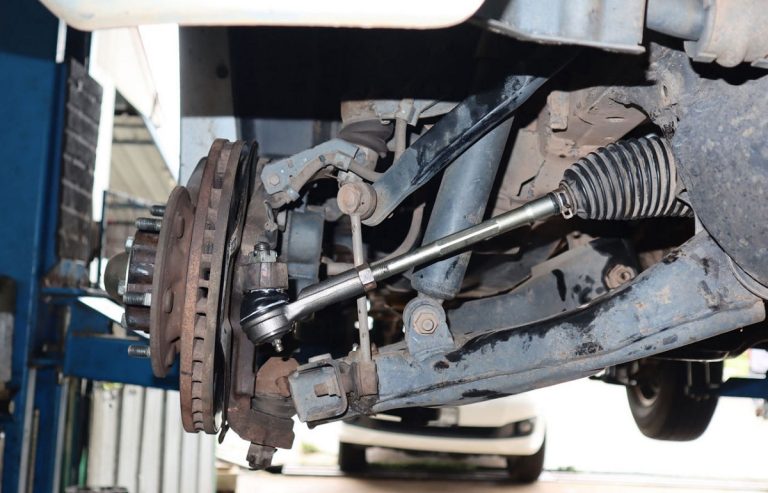
The suspension system plays a critical role in absorbing road shocks and maintaining stability. Worn or damaged components such as control arms, bushings, tie rods, or ball joints can cause steering wheel vibrations during acceleration. When these parts deteriorate, the tires may not maintain proper contact with the road, transmitting unwanted vibrations to the driver.
Suspension issues often develop gradually, making them easy to overlook until shaking becomes noticeable. Drivers may also hear clunking or notice uneven handling when braking or turning, which can accompany vibrations during acceleration. Addressing suspension problems promptly is vital for maintaining vehicle control and safety.
Mechanics typically inspect suspension components visually and through driving tests to detect looseness or wear. Replacing worn bushings, tie rods, or ball joints often resolves steering wheel shake and improves overall handling. Regular inspections, particularly for vehicles driven on rough roads, help prevent the progressive deterioration of suspension components.
Maintaining suspension health also ensures even tire wear, which reduces the likelihood of recurring steering wheel vibrations. A well-maintained suspension system contributes to smoother rides, better steering response, and improved driving confidence.
Issues With Drive Axles or CV Joints
Drive axles and constant velocity (CV) joints are essential for transmitting power from the engine to the wheels. When these components become worn or damaged, they can cause vibrations that intensify during acceleration. A failing CV joint, for instance, may produce a clicking noise or cause the steering wheel to shake when the vehicle is under load.
Worn axles can result from prolonged driving, exposure to rough terrain, or lack of maintenance. The imbalance in power transmission creates uneven forces on the wheels, directly causing the steering wheel to vibrate. Prompt inspection and replacement are critical to prevent further drivetrain damage.
Symptoms of axle or CV joint problems include noticeable vibrations during acceleration, clicking or popping noises while turning, or difficulty maintaining straight-line stability. Mechanics often conduct road tests and visual inspections to identify worn or damaged parts.
Addressing drive axle and CV joint issues restores smooth power delivery to the wheels and eliminates associated steering wheel vibrations. Proper maintenance of these drivetrain components is crucial for both safety and performance, ensuring the vehicle operates reliably under acceleration.
Diagnosing Steering Wheel Shakes
When your steering wheel shakes, especially during acceleration, identifying the root cause is crucial for safety and performance. Vibrations can stem from tires, suspension, drivetrain, or brake issues, among other factors. Proper diagnosis ensures that repairs target the actual problem rather than symptoms, saving time and money. Understanding key diagnostic steps allows you to pinpoint issues effectively and maintain a smooth, reliable driving experience.
Inspecting Tires and Wheels
The first step in diagnosing steering wheel shakes is to inspect the tires and wheels. Unbalanced or worn tires are a leading cause of vibrations. Check for uneven tread wear, bald spots, or visible damage. Tire pressure should also be verified, as improper inflation can exacerbate shaking and reduce handling performance.
Tire balancing is another critical aspect. Even minor imbalances can create noticeable vibrations at higher speeds. Using a professional tire balancing machine or having a mechanic check the tires ensures that rotational inconsistencies are corrected. Wheel alignment should also be evaluated, as misaligned wheels cause uneven tire wear and additional shaking during acceleration.
Rotation patterns should be reviewed, as improper tire rotation can lead to uneven wear and worsen vibrations. For vehicles with alloy or aftermarket wheels, inspect for bends or cracks, which can create a similar effect. Addressing these tire and wheel issues often resolves steering wheel shakes entirely.
Routine inspections are recommended, particularly after long trips or driving on rough roads. By examining tires and wheels carefully, you can quickly rule out or confirm common causes of steering wheel vibration.
Checking Suspension and Steering Components
Suspension and steering components play a major role in maintaining vehicle stability. Worn bushings, ball joints, tie rods, and control arms can create vibrations that are felt in the steering wheel. Diagnosing these components requires both a visual inspection and physical testing for looseness or play.
Mechanics often use a combination of jack lifts and manual checks to identify worn parts. Any component that allows excessive movement can transmit vibrations from the road to the steering system. These issues often worsen during acceleration because weight transfer and torque stress exacerbate looseness.
Symptoms may include not only steering wheel shakes but also clunking noises, uneven tire wear, or pulling to one side while driving. Regular suspension maintenance, including lubrication and part replacement, can prevent these problems from developing.
Properly diagnosing suspension and steering components ensures that repairs target the source of vibrations. Replacing worn parts restores stability, smooth handling, and vehicle safety, especially at higher speeds or during acceleration.
Examining Drivetrain and Axles
The drivetrain, including drive axles and CV joints, is another critical area to inspect when diagnosing steering wheel shakes. Worn or damaged axles can transmit vibrations to the steering system, particularly during acceleration when torque is applied. CV joint issues often manifest as clicking noises in addition to shaking.
Diagnosing these components involves inspecting for leaks, play, or damage. Road tests can help identify irregular vibrations that change with speed or load, pointing to specific drivetrain problems. Regular maintenance, such as checking boots and joints, can prevent further deterioration.
Axle imbalance or joint wear affects power transmission to the wheels, creating uneven rotation that shakes the steering wheel. Identifying the exact faulty component ensures targeted repairs rather than temporary fixes. Correcting drivetrain issues restores smooth power delivery, eliminates vibrations, and enhances overall handling.
Regular inspection and maintenance of the drivetrain are essential for both safety and performance. Prompt attention to axle or CV joint issues prevents more severe damage and ensures that steering wheel vibrations are effectively addressed.
Assessing Brakes and Engine Mounts
Brake and engine-related issues can also cause steering wheel shakes. Warped brake rotors often produce vibrations at certain speeds, while worn engine or transmission mounts allow excessive movement that can be felt through the steering wheel during acceleration. Diagnosing these requires careful observation and testing.
Brake inspection involves checking rotor thickness, surface condition, and caliper function. Warped rotors create a pulsing sensation during braking but may also be noticeable during acceleration due to torque transfer. Engine and transmission mounts should be examined for cracks, wear, or fluid leaks. Excessive movement in mounts allows vibrations from the engine and drivetrain to reach the steering column.
Symptoms may include vibration that changes with engine load, noise during acceleration, or uneven brake pedal feel. Accurate diagnosis ensures that the correct component—whether brakes or mounts—is repaired, preventing unnecessary replacements.
Effective Solutions and Repairs
Dealing with a steering wheel that shakes during acceleration requires identifying the cause and applying the right solution. Effective repairs not only eliminate vibrations but also restore vehicle safety and handling. From tires to suspension and drivetrain components, addressing the underlying issues ensures smoother acceleration, improved control, and long-term reliability. Understanding the correct solutions helps you maintain both performance and comfort while driving.
Tire Balancing and Replacement
One of the most straightforward solutions for steering wheel shakes is addressing tire issues. Unbalanced tires or those with uneven wear often create vibrations that intensify during acceleration. Balancing the tires ensures that weight is evenly distributed around the wheel, reducing rotational irregularities and smoothing out vibrations.
Tire replacement may be necessary if the tread is worn, damaged, or uneven. Properly inflated and aligned tires are critical for consistent road contact and smooth steering. In addition to eliminating shakes, this improves traction, fuel efficiency, and overall vehicle handling.
Professional mechanics use specialized balancing machines to detect and correct even minor imbalances. Rotating tires periodically and checking alignment after replacement helps maintain stability and prevent future vibrations. Well-maintained tires are a cost-effective solution that often resolves steering wheel shakes without further complications.
Addressing tire issues early prevents additional wear on suspension components. By combining balancing, alignment, and replacement when needed, drivers can restore steering stability and ensure safer, smoother acceleration.
Suspension and Steering Repairs
Worn or damaged suspension and steering components are common causes of steering wheel vibrations. Replacing parts like control arms, ball joints, tie rods, or bushings restores stability and eliminates unwanted movement in the steering system. Proper inspection identifies which components need attention.
Repairing suspension issues improves tire contact with the road and distributes forces evenly during acceleration. This reduces vibrations, prevents uneven tire wear, and enhances overall handling. Mechanics may also adjust wheel alignment after suspension repairs to ensure optimal performance.
Lubrication and tightening of suspension joints can also be effective for minor wear. However, severely worn or damaged parts should be replaced to maintain vehicle safety and reliability. Regular maintenance ensures these components do not degrade to the point of causing steering wheel shakes.
Effective suspension and steering repairs provide long-term benefits beyond eliminating vibrations. They improve ride comfort, reduce stress on other vehicle systems, and ensure responsive steering during all driving conditions.
Drivetrain and Axle Repairs
Steering wheel shakes can also result from issues in the drivetrain, such as worn drive axles or CV joints. Replacing damaged axles or joints restores smooth power transmission to the wheels and eliminates vibrations caused by uneven rotation.
Diagnosing drivetrain issues often requires a combination of visual inspection and road testing. Worn CV joints may produce clicking noises during turns or noticeable shaking during acceleration. Axle replacement or joint lubrication addresses these problems and restores normal performance.
Routine maintenance, such as inspecting boots and joints, can prevent future issues. Neglecting drivetrain repairs may lead to more severe damage, including transmission strain or uneven tire wear, which can worsen steering wheel vibrations.
Repairing drivetrain components ensures consistent torque distribution and smooth acceleration. Properly maintained axles and joints enhance both vehicle performance and safety, reducing the likelihood of unexpected steering issues.
Brake and Engine Mount Adjustments
In some cases, steering wheel shakes are linked to brake rotors or engine mounts. Warped rotors may produce vibrations that are noticeable even during acceleration, while worn engine or transmission mounts allow excessive movement that transmits to the steering wheel.
Brake rotor resurfacing or replacement corrects warping, restoring smooth braking and reducing vibrations. Engine and transmission mounts should be inspected and replaced if cracked or worn. Properly functioning mounts stabilize the powertrain, absorbing vibrations that would otherwise affect the steering column.
Identifying whether the issue originates from brakes or mounts requires careful observation and testing. Addressing these components prevents additional wear on the steering system and improves overall driving comfort.
Maintaining brakes and mounts not only solves steering wheel shakes but also enhances vehicle stability and reduces strain on other mechanical parts. Corrective adjustments ensure smoother acceleration and better handling in everyday driving conditions.
Preventive Measures to Avoid Future Shakes
Preventing steering wheel shakes before they become a serious problem is key to maintaining vehicle safety and comfort. Regular maintenance, timely inspections, and proper driving habits all contribute to smoother handling and a longer lifespan for your tires, suspension, and drivetrain. Implementing preventive measures helps you avoid costly repairs and ensures a more stable, vibration-free driving experience.
Regular Tire Maintenance
One of the most effective ways to prevent steering wheel shakes is proper tire maintenance. Tires should be inspected frequently for uneven wear, bald spots, and proper inflation. Ensuring the tires are balanced and aligned helps distribute weight evenly and reduces vibrations during acceleration.
Rotation of tires is also essential. Regularly rotating tires according to the manufacturer’s recommendations ensures even tread wear and prolongs tire life. Keeping tires inflated to the correct pressure minimizes uneven stress, maintains road contact, and prevents wobbling that can affect the steering wheel.
Investing in high-quality tires and replacing them when necessary further reduces the risk of future shakes. Even small imbalances or wear can grow into major issues over time, especially under higher speeds or heavy loads.
Maintaining tire health proactively not only prevents steering wheel shakes but also improves fuel efficiency, handling, and safety. A solid tire maintenance routine is the first line of defense against vibrations during acceleration.
Suspension and Steering Checks
Regular inspection and maintenance of suspension and steering components are critical for avoiding future vibrations. Worn bushings, ball joints, tie rods, or control arms can create instability that eventually leads to a shaking steering wheel. Identifying and replacing worn parts before failure helps maintain smooth vehicle handling.
Lubricating suspension joints and tightening connections prevents excessive play, reducing stress on the steering system. Additionally, periodic wheel alignment checks ensure that the tires maintain proper contact with the road, which distributes forces evenly and prevents uneven wear.
Driving carefully over potholes and avoiding harsh impacts also protects suspension components from premature damage. Even minor shocks can loosen parts or misalign wheels, contributing to vibrations during acceleration.
Routine suspension and steering maintenance not only prevents shakes but also enhances safety and extends the life of tires and other drivetrain components. Regular checks provide early warning signs, allowing timely repairs before larger issues develop.
Drivetrain and Engine Care
Maintaining the drivetrain and engine mounts is another preventive measure to avoid steering wheel shakes. Inspecting CV joints, drive axles, and mounts regularly ensures that power is transmitted smoothly and that vibrations are not transferred to the steering wheel.
Lubricating CV joints and replacing worn boots prevents dirt and debris from causing joint failure. Similarly, inspecting engine and transmission mounts for cracks or wear ensures they continue to absorb vibrations effectively. Replacing mounts as needed keeps the drivetrain stable, reducing stress on the steering system.
Regular maintenance also includes checking for any unusual noises or performance changes during acceleration. Early detection of drivetrain issues allows timely intervention before they cause steering wheel shakes or other mechanical problems.
By prioritizing drivetrain and engine care, you ensure consistent power delivery, reduce wear on tires and suspension, and maintain a smooth driving experience. Preventive maintenance keeps components functioning optimally, avoiding future vibrations and costly repairs.
Safe Driving Practices
Adopting safe driving habits plays a significant role in preventing steering wheel shakes. Avoiding sudden acceleration, hard braking, and aggressive cornering reduces stress on tires, suspension, and drivetrain components. Smooth driving helps maintain balance and prolongs the life of vehicle parts.
Slowly navigating potholes, speed bumps, and rough roads protects the suspension system from premature wear. Regularly monitoring tire pressure and load distribution also prevents uneven stress that can cause vibrations over time.
Safe driving practices, combined with routine maintenance, create a proactive approach to preventing steering wheel shakes. By reducing unnecessary strain on the vehicle, drivers can enjoy a smoother ride and extend the service life of critical components.
Consistent attention to vehicle care and careful driving ensures that your steering system remains stable, responsive, and vibration-free. Preventive measures safeguard both comfort and safety for long-term driving reliability.
FAQs
What Causes My Steering Wheel Shakes When Accelerating?
Steering wheel shakes when accelerating are usually caused by issues with tires, suspension, or the drivetrain. Unbalanced or worn tires are a common culprit, as uneven rotation creates vibrations that transfer directly to the steering wheel.
Suspension components like tie rods, ball joints, or control arms can also transmit vibrations if they are loose or worn. Additionally, drivetrain problems, such as worn CV joints or axles, may create shaking under acceleration. Understanding the source of the vibration is essential to apply the correct repair and restore smooth handling.
Can Worn Tires Cause Steering Wheel Shakes When Accelerating?
Yes, worn or improperly balanced tires are a frequent cause of steering wheel shakes when accelerating. Uneven tread wear or bald spots can create vibrations that become noticeable at higher speeds.
Tire imbalance amplifies these issues, as even small weight differences in the wheel rotation create shaking. Regular tire rotation, proper inflation, and balancing help maintain stability. Inspecting tires visually and correcting imbalances often resolves steering wheel vibrations effectively while improving safety, traction, and overall vehicle handling.
Could Suspension Problems Be Responsible For Steering Wheel Shakes?
Suspension issues are a major contributor to steering wheel shakes when accelerating. Components like ball joints, control arms, bushings, and tie rods wear over time and can transmit vibrations from the road to the steering wheel.
Loose or damaged suspension parts reduce the stability of your vehicle and may worsen vibrations during acceleration. Inspecting these components regularly, lubricating moving parts, and replacing worn components ensures proper handling and prevents uneven tire wear. Addressing suspension issues early helps maintain comfort, safety, and smooth driving performance.
How Do Drivetrain Issues Affect Steering Wheel Stability?
Drivetrain problems, such as worn CV joints, axles, or differential components, can cause steering wheel shakes when accelerating. Uneven power transmission from the engine to the wheels creates vibrations that are felt through the steering system.
CV joints may also produce clicking noises during turns, while damaged axles can transmit shaking under load. Timely inspection, lubrication, or replacement of these components restores smooth torque delivery, eliminates vibrations, and improves vehicle stability. Proper drivetrain maintenance is essential for safe and reliable acceleration.
Is Wheel Alignment Important To Prevent Steering Wheel Shakes?
Yes, wheel alignment plays a key role in preventing steering wheel shakes when accelerating. Misaligned wheels create uneven tire wear, reduce stability, and cause vibrations that are felt through the steering wheel.
Regular alignment ensures tires contact the road evenly, improving traction and reducing stress on suspension components. Professional alignment checks are recommended after tire replacement, suspension repairs, or hitting potholes. Keeping wheels properly aligned maintains smooth handling, prevents uneven wear, and minimizes the chance of steering wheel vibrations during acceleration.
When Should I Be Concerned About Steering Wheel Shakes?
Steering wheel shakes when accelerating should be addressed promptly. Persistent vibrations may indicate worn tires, suspension issues, or drivetrain damage that could worsen over time. Ignoring the problem increases the risk of accidents and further vehicle damage.
Pay attention to associated symptoms like uneven tire wear, unusual noises, or pulling to one side. Early detection allows you to take corrective measures such as tire balancing, suspension repair, or drivetrain inspection. Addressing the issue promptly ensures safe handling and prolongs the life of key vehicle components.
Can I Fix Steering Wheel Shakes Myself?
Minor causes of steering wheel shakes, such as tire imbalance or low pressure, can often be fixed by yourself with proper tools. Balancing tires, checking inflation, or rotating tires may resolve the issue.
However, more serious problems, like worn suspension parts, misaligned wheels, or drivetrain issues, require professional inspection and repair. Attempting to fix these without expertise can be unsafe and worsen the problem. Understanding the source of the vibration helps you decide whether a DIY solution is sufficient or professional service is needed.
Final Thoughts
Experiencing vibrations while driving can be both unsettling and dangerous, especially when they occur during acceleration. Steering wheel shakes when accelerating are often a sign of underlying issues such as unbalanced tires, worn suspension components, or drivetrain problems. Identifying and addressing these problems promptly ensures both vehicle safety and driving comfort.
Regular maintenance, including tire balancing, alignment, and suspension inspections, plays a key role in preventing steering wheel shakes when accelerating. Paying attention to changes in handling, unusual noises, or uneven tire wear allows drivers to catch issues early, reducing the risk of costly repairs and further damage to the vehicle.
By understanding the common causes and implementing proper solutions, you can maintain smooth and stable steering. Taking proactive steps ensures that your vehicle remains reliable, responsive, and safe, giving you confidence on the road while minimizing the chance of recurring vibrations or accidents.