Why Does Your Steering Feel Light and Loose? – Causes and Solutions
Feeling a sudden change in how your steering responds can be unnerving while driving. Many drivers notice that the steering feels unusually light or loose, making the vehicle seem less stable and harder to control, especially at higher speeds or during turns. These sensations often indicate underlying issues that should not be ignored, as they can affect both performance and safety.
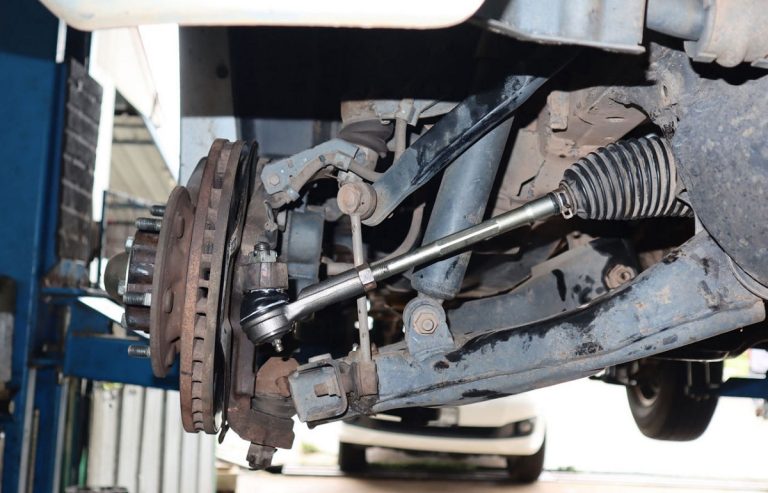
Changes in steering feel can result from worn components, fluid issues, or alignment problems. Parts such as the steering rack, tie rods, or power steering system play a critical role in maintaining proper control. When any of these components begin to fail or degrade, the steering may feel unresponsive or excessively free, creating a loose sensation.
Driving with a steering system that feels light and loose can increase the risk of oversteering, delayed reactions, or loss of control in emergency situations. Understanding the common causes of this behavior helps you address problems early and maintain safe handling.
Exploring the reasons behind [Why Does Your Steering Feel Light and Loose?] empowers drivers to identify potential mechanical issues, take corrective action, and ensure a safer and more confident driving experience. Timely attention to steering problems preserves vehicle control and prevents more extensive repairs down the line.
Common Signs Your Steering Feels Light and Loose
A steering system that feels unusually light or loose can compromise vehicle control and safety. Recognizing the signs early allows you to take timely action and prevent further damage. Several indicators suggest that your steering system may be experiencing issues, ranging from mechanical wear to power steering failures. Understanding these warning signs ensures safer driving and helps maintain the overall health of your vehicle’s steering components.
Excessive Play in the Steering Wheel
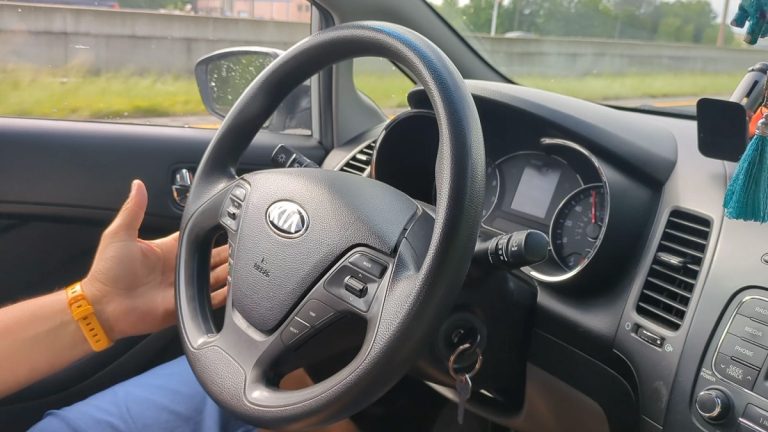
One of the most noticeable signs of loose steering is excessive play in the steering wheel. This occurs when the wheel moves more than usual before the tires respond, making it difficult to control the vehicle accurately. The problem can be caused by worn tie rods, ball joints, or steering rack components.
Drivers may feel that the steering wheel has a “sloppy” or disconnected sensation, particularly at lower speeds. Excessive play can also make it challenging to keep the vehicle moving straight, requiring constant corrections during highway driving. Ignoring this sign can increase the risk of oversteering or delayed response during emergency maneuvers.
Addressing excessive steering play often involves inspecting the front-end suspension and steering components. Replacing worn parts, such as tie rods or ball joints, restores precise steering control. Regular maintenance and periodic inspections are crucial to detecting wear before it creates unsafe driving conditions.
Unusual Steering Sensitivity
Another sign of light and loose steering is unusual sensitivity, where even minor movements of the steering wheel produce exaggerated changes in vehicle direction. This symptom often indicates a power steering system malfunction, low fluid levels, or issues with the steering rack.
Drivers may notice that the vehicle responds too quickly or unpredictably to small steering inputs, especially at higher speeds. Excessive sensitivity reduces control and makes it difficult to maintain a steady line on the road. Overcorrection in such situations can increase the risk of accidents, particularly during sudden lane changes or emergency turns.
Addressing steering sensitivity requires checking power steering fluid levels, inspecting the pump, and examining the steering rack for wear or leaks. Maintaining proper fluid levels and replacing faulty components restores balance and ensures smoother, safer steering performance.
Pulling to One Side
A vehicle that pulls to one side while driving can indicate loose or light steering caused by alignment or suspension issues. Uneven tire wear, bent suspension components, or worn steering parts may create a drifting sensation, requiring constant wheel adjustment to maintain a straight path.
Symptoms include drifting while driving straight, needing to hold the steering wheel at an angle, or feeling uneven resistance when turning. This can affect handling during acceleration, braking, or cornering, reducing overall vehicle stability. Addressing the root cause ensures safer driving and prevents further wear on tires and suspension components.
Correcting a pulling vehicle typically involves a full wheel alignment and inspection of suspension and steering parts. Replacing worn components and adjusting alignment restores even steering response and prevents the tires from wearing prematurely. Regular inspections of tires and suspension components help maintain optimal control and minimize light or loose steering sensations.
Vibrations or Shaking in the Steering Wheel
Vibrations or shaking in the steering wheel can also signal steering issues. This may result from unbalanced wheels, worn suspension components, or loose steering linkages. When combined with a light or loose feeling, it indicates that parts controlling the wheel’s movement are compromised.
Drivers may notice shaking that intensifies with speed or during turns. Uneven or worn tires can exacerbate this, but underlying problems with tie rods, ball joints, or the steering rack often play a more significant role. Ignoring these vibrations can lead to further component wear and reduce the accuracy of steering response.
Addressing steering vibrations involves wheel balancing, tire inspections, and checking steering and suspension components. Replacing or repairing worn parts eliminates shaking, improves vehicle stability, and restores precise control, preventing the steering from feeling excessively light or unresponsive.
Unusual Noises While Steering
Noises such as clunks, squeaks, or whining during steering are often associated with light or loose steering. These sounds can indicate worn tie rods, ball joints, bushings, or a failing power steering pump. Hearing these noises often accompanies a noticeable reduction in steering resistance.
Drivers may notice squealing when turning at low speeds, clunking when going over bumps, or whining during acceleration while turning. These audible warnings often precede more severe steering failures and should not be ignored. Timely attention helps prevent accidents and further damage to the steering system.
Inspection typically includes checking power steering fluid levels, assessing the condition of steering linkages, and examining bushings and joints for wear or damage. Replacing worn components and maintaining the steering system ensures smooth, quiet, and controlled steering, reducing the feeling of excessive looseness or lightness.
Major Causes of a Light and Loose Steering
Steering that feels unusually light or loose is often a warning sign of mechanical or hydraulic issues in your vehicle. Recognizing the major causes helps you identify potential problems before they compromise safety or lead to costly repairs. Various components, including the steering system, suspension, and power steering, can contribute to this sensation. Understanding these causes allows drivers to take timely action and maintain reliable control over their vehicle.
Worn or Loose Steering Linkages
One of the most common causes of light and loose steering is worn or loose steering linkages. These components, including tie rods, idler arms, and center links, connect the steering wheel to the wheels, transmitting input to control direction. Over time, wear, corrosion, or improper installation can cause excessive play, resulting in a disconnected or sloppy feeling in the steering wheel.
Drivers may notice that the steering wheel moves more than usual before the tires respond, especially at lower speeds. This excessive play makes it difficult to maintain a straight line or perform precise maneuvers. Worn linkages can also create vibrations, clunks, or unusual noises during turns. Replacing or tightening these components restores proper connection, ensuring the steering feels firm and responsive.
Routine inspections of the steering linkages prevent sudden failure and maintain vehicle safety. By addressing wear early, you reduce stress on other steering components and maintain consistent handling, improving both control and driver confidence.
Low or Contaminated Power Steering Fluid
Power steering fluid plays a critical role in providing hydraulic assistance for smooth and effortless steering. Low fluid levels or contaminated fluid can cause the steering to feel unusually light or loose. Without adequate fluid pressure, the steering system may not respond consistently, resulting in uneven resistance and a floating sensation.
Symptoms often include delayed response, whining noises when turning the wheel, or inconsistent effort required to steer. Low fluid levels can result from leaks in hoses, seals, or the power steering pump, while contaminated fluid can degrade system performance. Regularly checking fluid levels and replacing old or dirty fluid helps maintain proper hydraulic pressure and smooth operation.
Maintaining clean and adequate power steering fluid ensures consistent steering resistance, prevents damage to pumps and hoses, and restores a firm, controlled feel. Proper fluid maintenance is essential for reliable and predictable steering performance.
Faulty or Worn Steering Rack
The steering rack converts rotational input from the steering wheel into lateral motion to control the wheels. A worn or damaged rack can create excessive play or looseness in the steering system. Common causes include age-related wear, leaking seals, or internal gear damage, which reduce precision and responsiveness.
Drivers may experience a loose sensation, uneven steering resistance, or difficulty keeping the vehicle straight at high speeds. In severe cases, vibrations or clunking noises may accompany the light feeling. Repairing or replacing a worn steering rack restores direct connection between the steering wheel and wheels, improving control and safety.
Regular inspection of the steering rack and seals prevents sudden failures and ensures smooth operation. Addressing issues promptly helps maintain proper handling characteristics, reducing steering play and eliminating the sensation of light or disconnected steering.
Worn Suspension Components
Suspension parts such as ball joints, control arms, and bushings also influence steering feel. When these components wear out, they allow excessive movement in the wheels, which can translate to a loose or floating sensation at the steering wheel. The vehicle may feel unstable, especially during cornering or braking.
Signs include uneven tire wear, wandering while driving straight, or clunking noises over bumps. Inspecting suspension components and replacing worn bushings or joints restores proper alignment and wheel control. Well-maintained suspension ensures that the steering system remains connected to the wheels, preventing the light, loose feeling and improving overall handling.
Proper suspension maintenance not only enhances steering control but also improves ride comfort, tire longevity, and safety during high-speed maneuvers or emergency situations. Regular inspections and timely replacements are crucial to prevent steering instability.
Malfunctioning Power Steering Pump
The power steering pump generates the hydraulic pressure needed for assisted steering. A failing pump can result in inconsistent pressure, causing the steering to feel unusually light or loose. In some cases, the wheel may feel heavy at low speeds and overly sensitive at higher speeds, creating an unpredictable driving experience.
Symptoms include whining or groaning noises while turning, uneven steering effort, and fluid leaks. Replacing or repairing a malfunctioning pump restores proper hydraulic assistance and consistent steering feel. Maintaining the pump in optimal condition ensures smooth, predictable, and responsive steering across all driving conditions.
Timely attention to power steering pump issues prevents damage to other hydraulic components, restores control, and eliminates the sensation of light or loose steering. Regular inspection and fluid maintenance are key to preventing sudden failures.
How to Diagnose Steering Issues at Home
Detecting steering issues early can prevent costly repairs and ensure safer driving. Many steering problems, such as excessive play, unusual noises, or a light and loose feel, can be identified through simple at-home inspections. Understanding what to look for and how to check key components allows drivers to spot potential problems before they escalate, saving time and money while maintaining vehicle control and reliability.
Checking Steering Wheel Play
One of the first steps in diagnosing steering issues at home is checking for excessive play in the steering wheel. To do this, park your vehicle on a level surface and turn the wheel slightly left and right without moving the car. Excessive movement before the wheels respond indicates worn tie rods, ball joints, or steering rack components.
Pay attention to unusual sensations such as a “sloppy” or disconnected feeling. This can also be noticed while driving slowly in a safe area, where delayed response may be more apparent. Excessive steering wheel play is a clear sign that some steering components may be worn or loose.
Documenting the extent of the play can help mechanics identify the specific parts that require inspection or replacement. Regularly checking steering wheel responsiveness at home helps you monitor changes over time, allowing you to act before the problem worsens or becomes unsafe.
Inspecting for Unusual Noises
Noises such as clunks, squeaks, or whining from the steering system are another indicator of potential problems. At home, you can safely turn the steering wheel from lock to lock while the car is stationary and listen for unusual sounds. This helps identify issues with tie rods, ball joints, power steering pumps, or the steering rack.
Squeaks often indicate worn bushings, while clunking sounds suggest loose or damaged components. Whining or groaning noises may point to low power steering fluid or a failing pump. Noting when the noise occurs—during slow turns, high-speed driving, or both—can help pinpoint the source of the problem.
Performing this simple inspection regularly allows you to identify early warning signs. Addressing abnormal noises promptly prevents further wear, ensures proper steering response, and protects other connected components from damage caused by excessive play or improper alignment.
Checking Power Steering Fluid and Leaks
Low or contaminated power steering fluid can cause light, loose, or inconsistent steering. At home, check the fluid level in the power steering reservoir with the engine off. The fluid should be within the marked range, clean, and free of debris. Discolored or burnt-smelling fluid indicates contamination or overheating, which reduces hydraulic assistance.
Inspect under the hood and around steering hoses for leaks, which may manifest as fluid puddles beneath the vehicle. Leaks can lower fluid levels, reduce pressure, and make the steering feel unusually light. Addressing leaks promptly prevents damage to the power steering pump and restores consistent steering performance.
Maintaining proper fluid levels and replacing contaminated fluid improves responsiveness and reduces wear on hydraulic components. Regular monitoring of power steering fluid is a simple and effective way to prevent steering issues before they become serious safety concerns.
Observing Steering Behavior While Driving
Another at-home diagnostic method is observing how the steering responds while driving in a safe, controlled environment. Pay attention to unusual pulling, wandering, or vibrations, especially during acceleration, braking, or cornering. Notice whether the steering feels overly light or unresponsive.
Driving tests can also reveal misalignment, worn suspension components, or power steering issues. Documenting when and how the symptoms occur helps identify whether the problem is mechanical, hydraulic, or sensor-related. Gradual changes in steering behavior over time often indicate progressive wear that requires inspection.
Combining driving observations with stationary inspections, such as checking for wheel play or fluid levels, gives a comprehensive understanding of the steering system’s condition. This approach allows you to detect issues early, prioritize repairs, and maintain safe, predictable control of the vehicle.
Professional Repairs and Solutions
When your steering feels light, loose, or otherwise unresponsive, professional repairs may be necessary to ensure safety and restore proper vehicle handling. While some issues can be diagnosed at home, many steering problems require specialized tools, expertise, and parts to fix effectively. Understanding the professional solutions available helps you make informed decisions and ensures that your vehicle operates reliably and safely.
Steering Rack and Linkage Replacement
A worn or damaged steering rack or linkages are common reasons for loose or light steering. Professional mechanics can inspect, repair, or replace these components to restore precise steering control. Replacing the steering rack involves removing the old unit, checking for fluid leaks, and installing a properly calibrated replacement.
Tie rods, ball joints, and idler arms are often replaced simultaneously to ensure the entire steering system functions cohesively. Mechanics also perform wheel alignment after repairs to maintain correct tire angles and vehicle stability. Professional inspection ensures that worn components are identified and replaced before causing further damage.
Choosing a certified repair shop ensures high-quality parts and proper installation. Addressing steering rack and linkage issues professionally prevents accidents, improves throttle response, and restores confidence while driving. Routine maintenance checks alongside repairs can extend the lifespan of these critical components.
Power Steering System Repairs
Professional repairs also address issues within the power steering system, including failing pumps, fluid leaks, or worn hoses. Mechanics can diagnose hydraulic or electronic power steering problems using specialized diagnostic tools and restore consistent steering performance.
Repairs may involve replacing a faulty pump, repairing leaks, flushing contaminated fluid, or servicing hoses and seals. Proper restoration of hydraulic pressure ensures smooth steering effort and eliminates the floating or overly light sensation. Professionals also check fluid levels, hoses, and connections to prevent recurring issues.
Timely professional maintenance of the power steering system not only restores control but also prevents damage to other components, such as the steering rack and pump. It ensures reliable performance under all driving conditions, improving safety and comfort.
Suspension and Alignment Services
Loose or light steering can also be caused by worn suspension components or misaligned wheels. Professional mechanics inspect control arms, bushings, shocks, and struts to identify wear that affects steering stability. Wheel alignment services correct angles to ensure proper handling and tire contact with the road.
Replacing worn suspension parts restores correct geometry, eliminates drifting or pulling, and improves steering response. A professional alignment ensures that the vehicle tracks straight, prevents uneven tire wear, and maintains smooth, predictable handling. This is critical for both safety and the longevity of steering components.
Routine suspension inspections and professional alignment services reduce the risk of light or loose steering, protect tires, and enhance overall vehicle control. Addressing these issues promptly prevents further wear and costly repairs down the line.
Electronic and Sensor Repairs
Modern vehicles rely on sensors and electronic systems to assist steering, including electric power steering and throttle-linked adjustments. Professionals can diagnose malfunctioning sensors, such as torque angle sensors or steering angle sensors, and recalibrate or replace them as needed.
Faulty sensors can cause unpredictable steering response, uneven effort, or delayed wheel movement. Professional repair ensures accurate readings, restores electronic assistance, and improves responsiveness. Mechanics use specialized equipment to test, calibrate, and integrate sensors with the vehicle’s onboard systems, ensuring safe and consistent steering.
Maintaining functional electronic steering components is essential for modern vehicles. Professional repairs prevent erratic steering behavior, improve driving confidence, and protect both mechanical and electronic systems from long-term damage.
People Also Asked
What Causes Your Steering to Feel Light and Loose?
Your steering can feel light and loose for several reasons, most commonly due to issues with the power steering system or worn mechanical components. Low power steering fluid reduces hydraulic pressure, making it harder to control the wheel precisely.
Worn tie rods, ball joints, or steering racks can also create excessive play, leading to a loose sensation. Even tire pressure that is too low or too high can affect steering response. Identifying the exact cause early helps prevent further damage and ensures safer handling on the road.
Can Low Power Steering Fluid Make Steering Feel Loose?
Yes, low power steering fluid is a common cause of light and loose steering. When fluid levels drop, the hydraulic system struggles to assist your steering, creating a sensation that the wheel is floating or overly easy to turn.
You may also notice whining noises or uneven resistance while turning. Checking fluid levels regularly and topping them up with the correct type of power steering fluid can restore proper feel. Ignoring this issue can lead to pump damage and expensive repairs.
How Do Worn Steering Components Affect Steering Feel?
Worn steering components like tie rods, ball joints, or the steering rack can increase play in the steering system. You may feel the wheel moving more freely than usual, which reduces precision and control, especially at low speeds.
Driving with these worn parts can worsen tire wear and make handling unpredictable during emergency maneuvers. Regular inspections of your steering and suspension system help detect these issues early, ensuring safer driving and preventing costly replacements.
Can Tire Pressure Make Your Steering Feel Loose?
Yes, incorrect tire pressure can change how your steering feels. Low tire pressure makes the steering feel vague and soft, while overinflated tires can make it overly sensitive but unstable. Both extremes can affect handling and reduce traction.
Checking and maintaining the recommended tire pressure for your vehicle improves steering responsiveness and safety. Tires also need proper alignment and rotation to prevent uneven wear, which can further contribute to a loose or light steering sensation.
Is Wheel Alignment Responsible for Light Steering?
Improper wheel alignment can definitely make your steering feel light or loose. Misaligned wheels can cause uneven tire contact with the road, reducing the grip needed for precise steering control.
Symptoms include drifting, pulling to one side, or the steering wheel not returning smoothly after turns. Correcting alignment at a professional shop restores proper handling and prevents premature tire wear, ensuring your steering feels consistent and secure during every drive.
How Can You Diagnose Loose Steering at Home?
You can check for loose steering by inspecting the steering wheel and suspension system. With the vehicle parked, gently shake the wheel; excessive play may indicate worn components. Check tie rods, ball joints, and steering linkage for visible wear or damage.
Monitoring how the car responds during low-speed turns also helps. If the wheel feels unusually easy to move or lacks feedback, these are signs you should address immediately. Regular home inspections combined with professional checks help maintain safe and responsive steering.
When Should You See a Mechanic for Loose Steering?
You should see a mechanic immediately if your steering feels unusually light or loose. Persistent symptoms, especially with noises, uneven tire wear, or drifting, indicate potential safety risks.
A professional can inspect the power steering system, steering components, and wheel alignment to identify and repair the exact cause. Timely intervention prevents accidents, ensures smooth handling, and avoids more costly repairs down the line. Never ignore loose steering, as it directly affects your control on the road.
Final Thoughts
Experiencing a steering system that feels unusually light or loose can significantly impact your confidence and control while driving. This sensation often signals underlying issues in the steering components, suspension, or power steering system, which, if ignored, may compromise safety. Paying attention to signs like excessive play, unusual noises, or wandering while driving helps you identify problems early.
Understanding the common causes of steering looseness, including worn linkages, low power steering fluid, or faulty racks, allows drivers to take proactive steps. Performing simple at-home checks, such as inspecting fluid levels, listening for noises, or observing wheel response, can provide valuable insights before seeking professional assistance.
Addressing concerns promptly with professional repairs ensures precise handling, reliable vehicle performance, and long-term safety. By recognizing and resolving issues related to [Why Does Your Steering Feel Light and Loose?], you protect both your vehicle and yourself, maintaining smooth, responsive, and confident steering on every drive.