Why Your Engine Kickbacks on Startup – Common Causes and Fixes
Experiencing sudden jolts or unusual reactions when turning the key can be frustrating for any vehicle owner. One moment the engine is ready to roar, and the next, it seems to fight back against the ignition. Understanding the underlying reasons for these occurrences is crucial to maintaining your engine’s health and ensuring smooth performance over time.
Several mechanical and electrical factors can contribute to this behavior. Worn components, timing issues, or fuel inconsistencies can all lead to the engine resisting startup. Paying attention to these signs early can prevent more serious damage and costly repairs down the line.
In addition to mechanical wear, improper handling during startup or neglected maintenance routines often exacerbate the problem. Recognizing the warning signs and addressing them promptly helps preserve the lifespan of the engine while maintaining safety on the road.
Knowing the specifics behind [Why Your Engine Kickbacks on Startup] allows drivers to take proactive measures. From simple adjustments to professional inspections, understanding the root causes empowers you to tackle the issue efficiently and avoid repeated frustrations.
Why Your Engine Kickbacks on Startup
Understanding engine kickbacks during startup is crucial for every vehicle owner. These sudden jolts or backward movements in the engine can indicate underlying mechanical or electrical issues. Addressing them promptly can prevent serious damage to the engine, ignition system, or surrounding components. Regular monitoring and maintenance are key to identifying warning signs early. This section explores the most common causes behind engine kickbacks and how they manifest.
Ignition Timing Issues
One of the primary causes of engine kickbacks is incorrect ignition timing. The ignition system is responsible for igniting the air-fuel mixture at the precise moment in the combustion cycle. If this timing is off, the fuel can ignite too early or too late, causing the engine to resist the starter motor. Early ignition can force the piston backward, resulting in a noticeable jolt or kickback when trying to start the vehicle.
Several factors can contribute to timing problems. Worn timing belts or chains, a malfunctioning distributor, or an improperly adjusted crankshaft sensor can all disrupt the ignition sequence. Over time, components naturally wear out, causing even slight deviations in timing. Ignition timing problems are more common in older vehicles, but modern engines with electronic ignition systems can also face issues due to sensor failures or software glitches.
Addressing ignition timing issues typically involves inspecting the timing belt or chain, verifying the crankshaft and camshaft alignment, and testing ignition components like coils and spark plugs. Ensuring proper timing not only prevents engine kickbacks but also improves overall fuel efficiency and performance.
Fuel Delivery Problems
Fuel delivery issues can also trigger engine kickbacks during startup. The engine requires a precise air-fuel mixture to ignite properly. When the fuel supply is inconsistent or contaminated, the mixture may fail to combust correctly. This incomplete combustion can create pressure in the cylinder at the wrong moment, causing the engine to kick back.
Several components play a role in fuel delivery, including the fuel pump, injectors, and fuel filter. A clogged fuel filter or a weak fuel pump can reduce fuel flow, while dirty or malfunctioning fuel injectors may spray uneven amounts of fuel into the combustion chamber. Even small inconsistencies in fuel delivery can lead to kickbacks and rough starting behavior.
Regular maintenance is essential to prevent fuel-related issues. Replacing the fuel filter periodically, keeping the injectors clean, and monitoring fuel pump performance can help maintain a steady fuel supply. For vehicles using ethanol-blended fuel, extra caution is necessary, as water absorption can lead to corrosion and blockages in the fuel system, increasing the likelihood of startup problems.
Worn or Damaged Starter Components
Another common reason for engine kickbacks involves the starter system itself. The starter motor engages the flywheel to turn the engine over during ignition. If the starter is worn, misaligned, or damaged, it may struggle to engage smoothly, leading to a backward jolt. Similarly, a worn flywheel or loose teeth can result in irregular contact with the starter gear, producing a noticeable kickback when attempting to start the engine.
Electrical issues in the starter system can also contribute. Low battery voltage, corroded terminals, or loose connections can prevent the starter from delivering consistent torque. Without sufficient power, the starter may hesitate, causing the engine to resist turning or to kick back suddenly.
Fixing starter-related kickbacks typically involves inspecting both the starter motor and the flywheel for wear or damage. Ensuring secure electrical connections and verifying the battery’s health are also crucial steps. Timely replacement of worn components can eliminate the risk of repeated startup issues and protect other engine parts from unnecessary stress.
Engine Compression and Mechanical Problems
Low engine compression or internal mechanical issues can cause kickbacks during startup. The engine relies on proper compression within the cylinders to ignite the air-fuel mixture efficiently. If compression is uneven or too low due to worn piston rings, valves, or cylinder walls, the combustion process can become erratic. This irregularity sometimes creates backward force, resulting in an engine kickback.
Mechanical problems may also include valve timing errors, camshaft wear, or issues with the crankshaft. Any of these can disrupt the normal operation of the engine, producing unexpected resistance during startup. In some cases, accumulated carbon deposits on pistons or valves can create hotspots that ignite fuel prematurely, leading to kickbacks.
Diagnosing compression-related issues requires specialized tools, such as a compression tester or leak-down tester, to evaluate cylinder performance. Identifying worn components early helps prevent further damage, maintain smooth engine operation, and extend the lifespan of the vehicle. Regular inspections and adherence to service schedules are essential for avoiding serious mechanical problems that contribute to engine kickbacks.
Spark Plug and Ignition Component Malfunctions
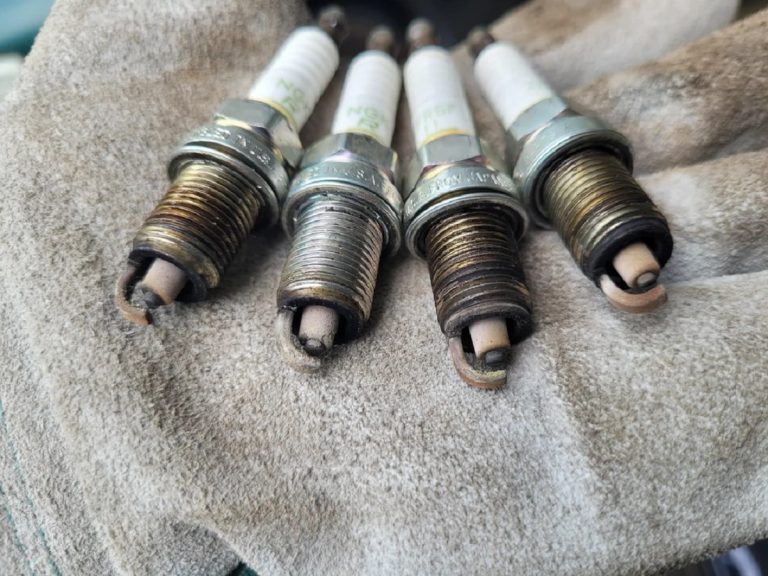
Faulty spark plugs or ignition components can directly lead to startup kickbacks. Spark plugs create the spark that ignites the air-fuel mixture. When they are worn, fouled, or incorrectly gapped, ignition may occur at the wrong time, causing the engine to resist turning over. Coils, wires, and the distributor (in older models) play a similar role, and any malfunction can disrupt the precise timing of the spark.
Spark plug wear is often gradual, but its effects are noticeable during engine startup. Misfiring cylinders can create uneven combustion, and in severe cases, a cylinder may ignite while the piston is moving upward instead of downward, resulting in a backward kick. High-resistance ignition wires, weak coils, or corroded connectors can amplify this problem.
Routine replacement of spark plugs and inspection of ignition components are essential preventive measures. Maintaining proper gaps, checking coil health, and securing wiring connections ensures smooth ignition timing. Doing so not only prevents engine kickbacks but also improves fuel efficiency, reduces emissions, and enhances overall engine reliability.
Common Causes Behind Engine Kickbacks on Startup
Engine kickbacks during startup can be alarming and indicate underlying mechanical or electrical issues. These sudden backward movements occur when the engine resists turning over, often signaling problems that need immediate attention. Recognizing the common causes can help vehicle owners diagnose and address the issues before they escalate. This section delves into the primary reasons behind engine kickbacks, from ignition timing to fuel delivery and mechanical wear, providing a clear understanding of why they happen.
Incorrect Ignition Timing
One of the most frequent causes of engine kickbacks is improper ignition timing. The ignition system controls when the spark ignites the air-fuel mixture in the cylinders. If the spark occurs too early or too late, it can create backward pressure against the pistons, resulting in a kickback during startup. Engines rely on precise timing, and even minor deviations can cause noticeable resistance when turning the key.
Ignition timing problems can stem from worn timing belts or chains, malfunctioning sensors, or misaligned components in the ignition system. Older vehicles with mechanical distributors are particularly prone to timing errors, but modern electronic systems can also experience glitches due to faulty sensors or software issues. Symptoms of timing-related kickbacks may include rough starts, unusual engine noises, or decreased fuel efficiency.
Addressing ignition timing requires careful inspection of the timing belt or chain, checking crankshaft and camshaft alignment, and evaluating the performance of ignition coils and spark plugs. Properly timed ignition not only prevents startup kickbacks but also improves overall engine performance and longevity. Regular maintenance is crucial to avoid complications.
Fuel Delivery Issues
Fuel delivery problems are another common culprit behind engine kickbacks. The engine depends on a consistent and precise air-fuel mixture to ignite efficiently. When fuel flow is irregular or contaminated, combustion may occur unpredictably, causing backward pressure in the cylinder. This resistance is often felt as a kickback when attempting to start the engine.
Components affecting fuel delivery include the fuel pump, injectors, and fuel filter. A clogged filter or weak pump can reduce fuel flow, while dirty injectors may spray uneven amounts of fuel into the combustion chamber. Vehicles running on ethanol-blended fuel are especially susceptible, as water absorption can cause corrosion and blockages in the fuel system. Fuel-related kickbacks are typically accompanied by rough idle, hesitation, or sputtering during startup.
Preventive maintenance is essential to avoid fuel issues. Replacing filters, cleaning or servicing injectors, and monitoring fuel pump performance help maintain a consistent fuel supply. Ensuring high-quality fuel and following manufacturer-recommended maintenance schedules further reduces the likelihood of kickbacks caused by fuel delivery problems.
Worn Starter and Flywheel Components
Starter motor and flywheel problems also contribute to engine kickbacks. The starter engages the flywheel to turn the engine during ignition. If the starter is worn, misaligned, or damaged, it may struggle to engage properly, causing sudden jolts or backward motion. Similarly, worn flywheel teeth or improper alignment can disrupt the smooth transfer of motion, producing noticeable kickbacks.
Electrical issues such as low battery voltage, corroded terminals, or loose connections can worsen starter performance. Insufficient power prevents the starter from turning the engine consistently, creating resistance and backward motion. Symptoms may include slow cranking, clicking sounds, or repeated failed start attempts.
Inspection of the starter motor, flywheel, and associated electrical connections is crucial. Replacing worn or damaged components and ensuring secure connections can eliminate repeated kickbacks. Maintaining battery health and regularly checking starter functionality also prevent stress on the engine during ignition.
Engine Mechanical Problems
Internal mechanical issues can trigger engine kickbacks as well. Uneven or low compression in the cylinders, worn piston rings, valves, or cylinder walls can disrupt combustion timing, creating backward pressure. This resistance is often experienced as a jolt during startup, especially in older engines or those with neglected maintenance.
Valve timing errors, camshaft wear, or crankshaft misalignment further contribute to irregular combustion cycles. Even carbon deposits on pistons or valves can create hotspots, igniting fuel prematurely and causing kickbacks. Diagnosing mechanical causes requires tools like compression testers or leak-down testers to evaluate cylinder performance. Regular inspections and adherence to service schedules help detect these issues early, preventing severe engine damage and ensuring reliable startup performance.
Safety Concerns and Risks of Ignoring Kickbacks
Ignoring engine kickbacks during startup can pose serious safety hazards and lead to extensive damage over time. Kickbacks are not just minor annoyances; they often signal underlying mechanical or electrical problems that, if left unaddressed, can compromise vehicle performance and driver safety. Understanding the potential risks is crucial for taking timely action and avoiding costly repairs or accidents. This section explores the primary safety concerns and long-term consequences of neglecting engine kickbacks.
Increased Risk of Engine Damage
One of the most immediate risks of ignoring engine kickbacks is severe engine damage. Kickbacks occur when the engine resists turning over, often due to timing, ignition, or mechanical issues. Each backward jolt puts significant stress on pistons, crankshafts, and connecting rods. Over time, repeated exposure to this force can lead to cracked or bent components, damaged bearings, and even catastrophic engine failure.
Engines with worn timing belts or chains, malfunctioning ignition components, or poor compression are particularly vulnerable. The backward force from a kickback can also damage valves or cylinder heads, compounding existing issues. Ignoring these early warning signs often escalates repair costs, as small adjustments or replacements may evolve into full engine overhauls. Timely diagnosis and intervention are critical to prevent irreversible damage and maintain engine reliability.
Regular monitoring, maintenance, and addressing symptoms immediately can help avoid costly repairs. Components like timing belts, spark plugs, ignition coils, and starter systems should be inspected regularly to ensure proper function. Recognizing early signs of kickbacks and understanding the associated risks protects the engine from long-term damage.
Safety Hazards While Driving
Engine kickbacks are not only a threat to the vehicle’s components but also pose serious safety risks to the driver and passengers. A sudden jolt during startup can catch the driver off guard, potentially causing loss of control, especially if the vehicle is on an incline or in traffic. Unpredictable engine behavior can also affect steering response and overall vehicle stability.
Beyond startup, underlying issues that cause kickbacks, such as fuel delivery problems or ignition misfires, can lead to stalling or sudden power loss while driving. This increases the likelihood of accidents in critical situations, particularly on highways or in congested areas. Even minor kickbacks, if ignored, can gradually compromise vehicle safety systems due to additional stress on engine mounts and transmission components.
Addressing the root cause of kickbacks promptly is essential for preventing dangerous scenarios. Ensuring the engine starts smoothly every time reduces the risk of unexpected vehicle behavior and protects both the driver and surrounding traffic from potential accidents. Awareness of these risks encourages proactive maintenance and safer driving practices.
Escalation of Repair Costs
Neglecting engine kickbacks often results in escalating repair costs. Initially, a kickback may seem minor and easy to ignore. However, the underlying issues—such as timing misalignment, worn starters, or fuel system inconsistencies—can worsen over time. Small problems compound, leading to extensive damage that requires expensive repairs or part replacements.
For instance, a misaligned timing belt can damage pistons and valves, while repeated backward force on the starter and flywheel may necessitate full component replacements. Fuel delivery problems left unresolved can harm injectors or cause internal combustion issues, further increasing repair complexity. Ignoring early signs means facing higher labor costs, longer downtime, and more significant financial strain.
Preventive maintenance and early intervention are cost-effective solutions. Replacing worn components, cleaning fuel systems, and inspecting ignition timing before the problem escalates not only saves money but also reduces vehicle downtime. Understanding the financial implications of ignoring kickbacks emphasizes the importance of addressing issues promptly and responsibly.
Long-Term Vehicle Reliability Concerns
Repeated engine kickbacks, when left unresolved, can compromise the overall reliability of the vehicle. Constant backward jolts stress critical engine and transmission components, potentially leading to premature wear. Over time, the engine’s performance deteriorates, affecting fuel efficiency, smoothness of operation, and overall lifespan.
Long-term exposure to the forces causing kickbacks can also impact secondary systems, including engine mounts, starter motors, and electrical connections. Neglecting maintenance may result in cascading failures, where one unresolved issue triggers multiple mechanical or electrical problems. This not only affects daily usability but can also reduce the resale value of the vehicle.
Maintaining reliability requires routine inspections, addressing kickbacks promptly, and ensuring all associated systems are functioning correctly. Early attention to ignition, fuel, and mechanical systems helps preserve the integrity of the vehicle, allowing for safer and more predictable operation over the long term.
How to Fix Engine Kickbacks on Startup
Engine kickbacks during startup can be alarming, but they are often fixable with the right approach. Addressing the root causes promptly prevents further damage, improves safety, and ensures reliable vehicle performance. Understanding which components are likely responsible and knowing the proper corrective measures is essential. This section outlines practical ways to fix engine kickbacks, from ignition adjustments to fuel system maintenance, so vehicle owners can take effective action.
Adjusting Ignition Timing
Incorrect ignition timing is a leading cause of engine kickbacks, and correcting it is one of the most effective ways to resolve the issue. Timing refers to the precise moment when the spark ignites the air-fuel mixture in the cylinders. If the spark occurs too early or too late, the piston may experience backward pressure, causing a kickback during startup.
Fixing timing issues requires inspecting and adjusting the timing belt or chain, ensuring the camshaft and crankshaft are properly aligned. Modern vehicles with electronic ignition systems may require software diagnostics to verify sensor performance and timing accuracy. Worn or malfunctioning ignition components, such as spark plugs, coils, or the distributor in older models, should be replaced or serviced.
Properly adjusting ignition timing not only eliminates kickbacks but also enhances overall engine performance, fuel efficiency, and smoothness of operation. Regular maintenance checks and adherence to manufacturer guidelines are key to preventing future timing-related startup issues.
Cleaning and Maintaining the Fuel System
Fuel delivery problems are another common cause of engine kickbacks, and addressing them can often resolve startup issues. The engine requires a consistent air-fuel mixture to ignite correctly, and blockages or irregular fuel flow can cause backward pressure in the cylinders. Components such as fuel filters, fuel pumps, and injectors play a critical role in delivering fuel efficiently.
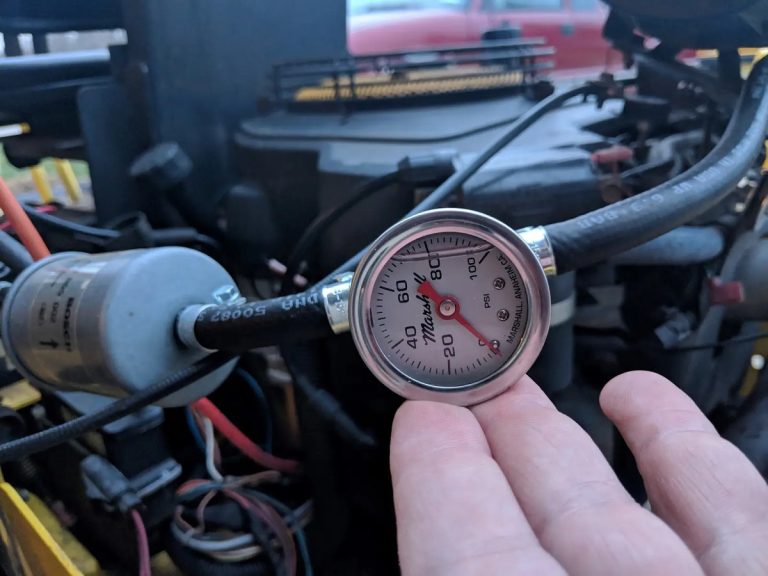
Cleaning or replacing clogged fuel filters ensures unobstructed fuel flow. Fuel injectors should be cleaned or replaced if they are dirty, as uneven fuel spraying can disrupt combustion. Fuel pumps must be tested for proper pressure and flow rate, and any malfunctioning pumps should be replaced promptly. For vehicles running on ethanol-blended fuel, attention must be given to corrosion or water accumulation in the system, as these issues can worsen kickbacks.
Routine fuel system maintenance prevents irregular combustion and ensures smooth engine startup. By keeping fuel components clean and functioning properly, drivers can eliminate one of the most common causes of kickbacks and maintain consistent engine performance.
Inspecting and Replacing Starter and Flywheel Components
Starter motors and flywheels are directly involved in turning the engine during ignition, and worn or damaged components in these systems can lead to kickbacks. Inspecting the starter motor for wear, alignment issues, or electrical problems is crucial. Corroded terminals, loose connections, or insufficient battery voltage can reduce the starter’s effectiveness, causing resistance during startup.
Similarly, the flywheel must be checked for worn teeth or misalignment, as irregular engagement with the starter gear can produce backward jolts. Replacement of damaged components, along with securing all electrical connections, ensures smooth interaction between the starter and engine. Battery health should also be verified, as low voltage can exacerbate the problem.
Addressing starter and flywheel issues not only resolves kickbacks but also reduces stress on other engine components. Timely inspection and maintenance of these systems are essential for reliable and safe engine operation.
Fixing Internal Mechanical Problems
Internal engine issues, such as low compression, worn piston rings, or valve timing errors, can also cause kickbacks. Diagnosing these problems requires checking cylinder compression and evaluating the condition of pistons, valves, and camshafts. Uneven compression or misaligned components can create backward pressure during combustion, resulting in startup jolts.
Repairing internal mechanical problems may involve replacing worn components, correcting valve timing, or performing cylinder reconditioning. In some cases, accumulated carbon deposits must be removed to prevent premature ignition and irregular combustion. Using specialized tools like compression testers or leak-down testers helps accurately diagnose the root cause and ensure effective repairs.
Regular engine inspections and adherence to service schedules are critical in preventing internal mechanical issues from triggering kickbacks. Addressing these problems promptly preserves engine performance, improves reliability, and prevents more costly repairs over time.
Servicing Spark Plugs and Ignition Components
Faulty spark plugs or ignition components can directly lead to engine kickbacks by igniting the air-fuel mixture at the wrong time. Spark plugs that are worn, fouled, or incorrectly gapped should be replaced, as should ignition coils, wires, or distributors in older vehicles. Malfunctioning components disrupt the precise timing required for smooth combustion, resulting in backward pressure during startup.
Proper maintenance involves verifying spark plug gaps, testing ignition coils, and ensuring wiring connections are secure and corrosion-free. In electronic ignition systems, diagnostic tools may be used to assess sensor performance and timing accuracy. Servicing these components improves combustion consistency, reduces misfires, and eliminates startup kickbacks.
Routine ignition system maintenance is essential for engine longevity and efficiency. Ensuring all spark-producing components are in optimal condition prevents unnecessary stress on engine parts, enhances smooth operation, and eliminates one of the most common causes of kickbacks.
FAQs
What Causes Engine Kickbacks During Startup?
Engine kickbacks during startup usually happen because the combustion process occurs at the wrong time. When fuel ignites too early or too late, it creates backward pressure in the cylinder, causing the engine to resist turning over. Timing issues, worn ignition components, or uneven fuel delivery are often the main culprits.
You may notice that your engine struggles to start, makes unusual noises, or jerks backward when you turn the key. Addressing these causes involves inspecting ignition timing, checking spark plugs and coils, and maintaining the fuel system to ensure smooth and safe startup.
Can Worn Spark Plugs Cause Engine Kickbacks?
Yes, worn or fouled spark plugs are a common reason for engine kickbacks. Spark plugs ignite the air-fuel mixture, and if they are damaged, improperly gapped, or dirty, combustion may occur at the wrong moment. This misfire can force the piston backward, creating a kickback.
If your vehicle struggles to start or experiences irregular engine jolts, checking the spark plugs is a good first step. Replacing old or damaged plugs and ensuring correct gaps improves combustion timing and reduces the likelihood of kickbacks, while also enhancing overall engine performance and fuel efficiency.
How Does Fuel Delivery Affect Engine Kickbacks?
Fuel delivery problems can directly cause startup kickbacks. Your engine needs a precise air-fuel mixture for proper combustion. If the fuel pump, injectors, or fuel filter are faulty, fuel may not reach the cylinder consistently. This irregularity can cause combustion at the wrong time, creating backward pressure in the engine.
Dirty injectors, clogged filters, or weak pumps often lead to rough starts, stalling, or jerking motions. You can fix this by cleaning injectors, replacing the fuel filter, and ensuring the fuel pump operates at the correct pressure. Regular fuel system maintenance prevents future kickbacks and keeps the engine running smoothly.
Do Timing Belt or Chain Problems Cause Kickbacks?
Absolutely, timing belt or chain issues can trigger engine kickbacks. The timing system ensures that the valves and pistons move in sync with the ignition. If the belt or chain is worn, misaligned, or damaged, the combustion cycle may occur too early or too late, forcing the engine backward.
Symptoms may include rough starts, engine misfires, or unusual noises during ignition. Replacing worn timing belts or chains, checking camshaft alignment, and maintaining proper tension are essential to prevent kickbacks. Regular inspections are especially important for older vehicles or high-mileage engines prone to timing system wear.
Can a Faulty Starter or Flywheel Lead to Kickbacks?
Yes, a worn or damaged starter motor and flywheel can contribute to engine kickbacks. The starter engages the flywheel to turn the engine, and if either component is misaligned or damaged, it can create sudden backward resistance. Electrical problems, like low battery voltage or corroded terminals, can worsen the issue.
You might notice slow cranking, clicking sounds, or inconsistent engagement when trying to start the engine. Ensuring the starter motor is functional, the flywheel teeth are intact, and battery connections are secure can eliminate these kickbacks and protect your engine from unnecessary stress.
Are Kickbacks Dangerous for My Vehicle?
Yes, engine kickbacks can be dangerous if ignored. Repeated backward jolts put stress on pistons, crankshafts, and other internal components, potentially causing serious engine damage. They can also create safety hazards while starting the vehicle, especially on inclines or in traffic, where sudden jerks may lead to loss of control.
Addressing kickbacks promptly prevents expensive repairs and protects both the engine and your safety. Checking ignition timing, fuel delivery, starter systems, and spark plugs regularly ensures smooth startups, reduces risk, and improves overall vehicle reliability and performance.
Conclusion
Experiencing engine kickbacks during startup can be alarming and frustrating, but understanding the underlying causes is crucial for maintaining your vehicle’s performance. Engine kickbacks are often signs of issues such as incorrect ignition timing, worn spark plugs, poor fuel quality, or mechanical problems within the engine. Addressing these issues early can prevent further damage and ensure a smoother, safer driving experience.
Proper diagnosis and timely maintenance play a key role in resolving the problem. Regularly checking ignition components, fuel quality, and engine mechanics can significantly reduce the likelihood of kickbacks. Consulting a professional mechanic for persistent or severe cases ensures that repairs are done accurately, preventing costly long-term damage.
In conclusion, knowing the reasons behind engine malfunctions is essential for vehicle longevity. By being proactive and attentive, you can effectively tackle issues related to [Why Your Engine Kickbacks on Startup] and keep your engine running reliably for years.