Steering Wheel Rattling – Causes, Dangers, and How to Fix It Fast
A rattling sound coming from the steering wheel can be unsettling, especially when it occurs unexpectedly while driving. Such noises often indicate underlying issues in the steering system, suspension components, or related parts that may require attention. Understanding the signs and causes of unusual steering noises is essential for maintaining both safety and vehicle performance.
Steering wheel rattling is a common symptom of mechanical wear, loose components, or alignment issues. Drivers may notice it while turning, accelerating, or driving over uneven surfaces, and the intensity of the sound can vary depending on speed and road conditions. Recognizing these patterns can help identify the source of the problem early.
Often, rattling originates from worn tie rods, loose steering column components, or suspension parts that no longer absorb vibrations effectively. Other causes may include issues with wheel bearings or improper installation of steering system components.
Addressing steering noise promptly not only prevents further damage but also ensures precise handling, improves driving comfort, and enhances overall vehicle safety. Being attentive to subtle changes in your steering can help you avoid more significant repairs in the future.
Common Signs Of Steering Wheel Rattling
Noticing unusual noises from the steering wheel can be alarming, and rattling is among the most common complaints from drivers. Recognizing the signs early is crucial to preventing further damage, maintaining safe handling, and avoiding costly repairs. Understanding how rattling manifests helps you identify the source of the problem and take timely action.
Vibrations While Driving Over Rough Roads
One of the most common signs of steering wheel rattling is noticeable vibration while driving over uneven or rough surfaces. These vibrations can be subtle at first but often become more pronounced as road conditions worsen or speed increases.
This type of rattling is frequently caused by worn suspension components, loose steering linkages, or unbalanced tires. Tie rods, control arms, and sway bar links that have excessive play can transmit vibrations directly to the steering wheel. Drivers may also feel additional shaking in the seats or pedals, indicating that the suspension system is struggling to absorb road imperfections.
Paying attention to how the vehicle responds over different surfaces can help pinpoint whether the source is the suspension, tires, or steering system. Early recognition and inspection prevent further wear, ensuring smoother handling and reducing the risk of component failure.
Noise When Turning The Steering Wheel
Another key indicator of steering wheel rattling occurs when turning the wheel, particularly during low-speed maneuvers like parking or cornering. A rattling or clunking sound can suggest loose or worn components within the steering column, tie rods, or power steering assembly.
The noise may change in pitch or intensity depending on the direction and degree of the turn, which provides clues about the affected parts. In some cases, a failing power steering pump or worn bushings may amplify the vibration, creating a consistent rattling sound. Ignoring these symptoms can result in reduced steering precision, increased effort to turn the wheel, or even sudden failure of critical components.
Timely inspection of the steering column, linkages, and associated suspension components helps diagnose the root cause and ensures that repairs address the source rather than just masking the noise. Proper maintenance restores smooth steering and reduces rattling during turns.
Rattling Accompanied By Loose or Unresponsive Steering
Steering wheel rattling can also be accompanied by a feeling of looseness or delayed response. Drivers may notice that the wheel moves slightly before the vehicle responds, indicating potential issues with the steering linkage or worn tie rods.
This symptom is particularly concerning because it affects vehicle control and safety. Loose steering components can transmit vibrations, clunks, or rattles directly to the wheel, especially when driving over bumps or uneven terrain. Over time, unaddressed play in the system may lead to misalignment, uneven tire wear, or more severe mechanical failure.
Monitoring steering responsiveness alongside rattling helps differentiate between simple noise and a serious safety concern. Addressing worn or loose components promptly ensures precise handling and reduces the risk of accidents caused by compromised steering performance.
Intermittent Rattling At High Speeds
Some drivers notice that the rattling becomes more pronounced at higher speeds, even on smooth roads. This can indicate issues with wheel bearings, tie rods, or other steering system components that experience vibration under load.
High-speed rattling is often accompanied by subtle shaking in the steering wheel or a humming noise from the tires, suggesting that the problem may involve multiple components. Worn or improperly torqued parts can resonate at certain speeds, creating the sensation of a continuous rattle. Addressing these issues early prevents further damage to the suspension, steering, or wheel assembly, ensuring stable and safe high-speed driving.
Accompanying Signs Like Clunks Or Knocks
Rattling in the steering wheel is sometimes accompanied by other unusual sounds, such as clunks, knocks, or squeaks, which provide additional clues about the source. These noises often indicate worn bushings, loose bolts, or failing suspension components.
Drivers may hear clunks when going over bumps, hitting potholes, or making sharp turns. The combination of rattling and other noises helps mechanics pinpoint which parts are causing the vibrations, whether it’s the steering column, tie rods, sway bar, or control arms. Recognizing these accompanying signs allows for targeted repairs, improving handling, comfort, and overall vehicle safety.
Major Causes Behind Steering Wheel Rattling
Steering wheel rattling is rarely random and usually points to underlying issues within the steering or suspension system. Understanding the major causes helps you identify problems early and prevent further damage. From worn components to alignment issues, several mechanical factors can transmit vibrations or noises to the steering wheel, affecting driving comfort and safety.
Worn Tie Rods And Ball Joints
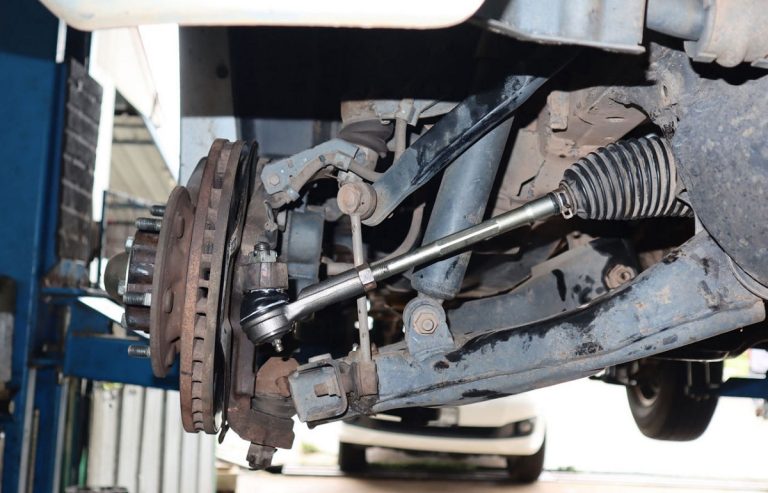
Tie rods and ball joints are essential for connecting the steering system to the wheels and allowing smooth directional changes. Over time, these components wear out due to normal use, poor lubrication, or exposure to rough roads. When worn, they develop excessive play, causing the steering wheel to rattle during turns, acceleration, or over bumps.
A loose or failing tie rod can also cause uneven tire wear, pulling to one side, or vibrations that worsen at higher speeds. Ball joint wear may produce clunking noises that coincide with rattling, signaling instability in the steering linkage. Addressing these components early through inspection and replacement ensures stable steering, reduces vibration, and prevents more serious suspension damage.
Faulty Steering Column Components
The steering column houses multiple moving parts, including shafts, bearings, and bushings that allow smooth rotation of the wheel. Over time, these parts may loosen, wear out, or develop corrosion, leading to rattling noises that are noticeable while driving.
Drivers may hear rattling while turning the wheel, and the intensity can vary depending on speed and road conditions. Worn column bearings or bushings allow the wheel to vibrate and transmit noise directly into the cabin. Repairing or replacing faulty steering column components restores proper function, eliminates rattling, and improves control and safety. Regular inspection of the column can prevent these issues from escalating into more significant mechanical failures.
Loose Or Damaged Suspension Parts
Suspension components such as control arms, sway bars, and struts play a crucial role in absorbing road vibrations and maintaining wheel alignment. When these parts become loose, worn, or damaged, vibrations and rattling can transmit directly to the steering wheel.
A loose sway bar link or damaged control arm bushing can cause noticeable rattling over bumps or uneven surfaces. Struts or shocks that no longer dampen effectively contribute to vibrations that are amplified in the steering system. Replacing worn suspension components not only eliminates rattling but also restores proper handling, tire wear, and driving comfort, reducing the risk of further steering or suspension damage.
Wheel And Tire Issues
Wheel and tire problems are another frequent cause of steering wheel rattling. Unbalanced wheels, damaged rims, or uneven tire wear can create vibrations that travel up the suspension into the steering wheel, producing a humming or rattling sensation.
Drivers may notice that the noise intensifies at higher speeds or when turning. Loose lug nuts or improperly seated wheels can also transmit rattling, and worn wheel bearings may amplify vibrations further. Regular tire rotation, balancing, and inspection of wheels and bearings are critical for preventing steering rattling caused by wheel-related issues.
Loose Bolts And Fasteners
Simple mechanical issues like loose bolts or fasteners in the steering or suspension system can also contribute to rattling. Even a single loose connection in a control arm, steering linkage, or engine mount can create vibrations noticeable in the steering wheel.
Over time, these vibrations can worsen as the vehicle is driven, potentially causing more severe component wear or misalignment. Checking and tightening bolts to manufacturer specifications ensures the steering system remains secure and vibration-free. This preventive measure often resolves minor rattling before it escalates into costly repairs, preserving both comfort and safety.
How Tire And Wheel Problems Contribute
Tire and wheel issues are among the most common causes of steering wheel rattling. Problems like uneven tire wear, unbalanced wheels, and damaged rims can transmit vibrations directly to the steering column. Understanding how these factors contribute to rattling helps drivers identify the root cause and take corrective action before the issue affects safety or performance.
Unbalanced Wheels And Tires
Unbalanced wheels occur when the weight distribution around the tire and rim is uneven. This imbalance can cause the tire to wobble as it rotates, producing a rattling or vibrating sensation in the steering wheel, especially at higher speeds.
Drivers often notice that the vibration intensifies between 40–60 mph and may feel it in the hands and seats. Unbalanced tires not only cause rattling but can also lead to accelerated wear on suspension and steering components, reducing overall vehicle stability. Regular tire balancing during rotation or replacement helps maintain smooth handling and prevents rattling caused by uneven rotation.
Uneven Or Worn Tire Tread
Tire tread wears unevenly over time due to improper inflation, misalignment, or suspension issues. Uneven tread creates irregular contact with the road surface, which can translate into vibrations and rattling felt in the steering wheel.
Drivers may notice the noise or vibration is more pronounced at certain speeds or when driving over smooth surfaces, where the irregular tread pattern makes contact repeatedly. Worn tires also reduce traction, affecting braking and cornering performance. Monitoring tire wear, performing proper rotations, and replacing tires when necessary minimizes rattling and ensures optimal handling and safety.
Bent Or Damaged Rims
Bent or damaged rims can significantly contribute to steering wheel rattling. Hitting potholes, curbs, or road debris can deform the wheel, causing vibrations as the tire rotates unevenly.
The rattling caused by a bent rim is often accompanied by a noticeable thumping or shaking in the steering wheel. Driving with damaged rims increases the risk of tire blowouts and additional suspension wear. Inspecting wheels after impacts and repairing or replacing bent rims ensures smooth rotation, eliminates rattling, and protects the vehicle’s steering and suspension systems.
Loose Lug Nuts Or Improper Installation
Loose lug nuts or improperly installed wheels can transmit vibrations and rattling directly to the steering wheel. Even a small amount of play in the wheel mounting can create noticeable noise while driving.
The rattling may intensify at higher speeds or when turning, signaling that the wheel is not securely attached. Regularly checking torque specifications and ensuring proper installation during tire changes or rotations prevents steering vibrations and reduces wear on wheel bearings and suspension components. Properly secured wheels maintain driving stability and eliminate rattling caused by mechanical looseness.
Worn Wheel Bearings
Wheel bearings allow the wheels to rotate smoothly while supporting vehicle weight. When they wear out or become damaged, they produce vibrations, humming, or rattling that can be felt in the steering wheel.
Drivers may notice the noise increases with speed or when turning, indicating uneven rotation caused by bearing wear. Ignoring worn bearings can lead to wheel lock-up, uneven tire wear, or complete failure, posing a serious safety risk. Replacing worn wheel bearings restores smooth wheel rotation, eliminates rattling, and ensures safe and precise steering performance.
Suspension And Steering Component Issues
Problems with suspension and steering components are a leading cause of steering wheel rattling. Worn, loose, or damaged parts can transmit vibrations and noises directly to the steering wheel, affecting vehicle handling and comfort. Understanding how these components contribute to rattling helps identify the source and ensures timely repairs to maintain safety and performance.
Worn Tie Rods And Ball Joints
Tie rods and ball joints are critical for connecting the steering system to the wheels and allowing precise directional control. Over time, these components can wear out, develop play, or lose lubrication, causing rattling or clunking noises in the steering wheel.
A failing tie rod may cause uneven tire wear, a pulling sensation, or vibrations felt through the wheel. Similarly, worn ball joints can produce rattling over bumps or during turns, indicating instability in the steering linkage. Ignoring these issues can lead to misalignment, reduced handling, and increased wear on other suspension components. Timely replacement of worn tie rods and ball joints restores proper steering response and eliminates rattling.
Faulty Control Arms And Bushings
Control arms and bushings connect the wheels to the chassis while absorbing road shocks and maintaining alignment. Over time, bushings can crack, wear out, or loosen, causing rattling that resonates through the steering wheel.
Drivers may notice the noise when driving over uneven roads, hitting bumps, or making turns. Worn control arms or bushings reduce the suspension’s ability to stabilize the vehicle, increasing vibrations and potentially affecting braking or handling. Replacing damaged bushings and control arms restores smooth operation, minimizes rattling, and ensures consistent contact between tires and the road.
Loose Or Damaged Sway Bar Links
The sway bar stabilizes the vehicle during turns and helps reduce body roll. Worn or loose sway bar links can create rattling noises that transfer directly to the steering wheel.
Symptoms often appear when driving over uneven surfaces or cornering at moderate speeds. Worn links allow the sway bar to move excessively, producing vibrations and clunks that affect steering precision. Replacing damaged sway bar links restores stability, eliminates rattling, and improves overall vehicle handling, making driving safer and more comfortable.
Struts And Shock Absorber Wear
Struts and shocks absorb road impacts and help maintain tire contact with the road. When these components wear out, vibrations are not effectively dampened, causing the steering wheel to rattle over bumps or rough surfaces.
Worn shocks may also increase body roll, reduce braking efficiency, and transmit additional stress to other suspension parts. Regular inspection and replacement of struts and shock absorbers ensure proper damping, reduce rattling, and improve vehicle stability and ride comfort. Properly maintained suspension is key to preventing steering wheel vibrations and maintaining safe handling.
Risks Of Ignoring Steering Wheel Rattling
Steering wheel rattling is more than just a minor annoyance—it can indicate underlying issues that compromise vehicle safety and performance. Ignoring this problem can lead to accelerated wear, mechanical failure, and even dangerous driving conditions. Understanding the risks associated with unaddressed rattling helps drivers prioritize inspections and repairs to maintain both control and comfort on the road.
Increased Wear On Suspension And Steering Components
Continuing to drive with a rattling steering wheel puts extra stress on suspension and steering components. Worn tie rods, ball joints, control arms, and bushings are subjected to additional movement and vibration, accelerating deterioration.
This added stress can cause parts to fail prematurely, increasing the risk of misalignment, uneven tire wear, and reduced handling precision. Over time, minor rattling can escalate into more severe issues, such as broken components or compromised steering linkage. Addressing the problem early prevents costly repairs and ensures that the vehicle’s steering system continues to function safely and reliably.
Compromised Vehicle Control And Safety
A rattling steering wheel can directly affect vehicle control, particularly during turns, lane changes, or emergency maneuvers. Loose or worn components may lead to delayed steering response, vibrations, or instability, increasing the risk of accidents.
Drivers may also experience reduced traction and less predictable handling, especially on uneven or slippery surfaces. Ignoring these symptoms can result in sudden loss of control, making the vehicle unsafe to operate. Timely inspection and repair of rattling causes maintain precise steering and reduce the likelihood of accidents, protecting both occupants and other road users.
Higher Repair Costs Over Time
Neglecting steering wheel rattling can significantly increase repair costs. Small issues, such as worn bushings, loose bolts, or minor tie rod wear, can be addressed relatively inexpensively if caught early.
Over time, however, these small problems can lead to major damage affecting multiple suspension and steering components. For instance, worn tie rods can damage tires and alignment, while failing control arms may require extensive suspension repairs. Early diagnosis and timely maintenance save money by preventing cascading failures and avoiding emergency repairs that are often more costly and time-consuming.
Reduced Driving Comfort And Vehicle Longevity
Persistent rattling also affects overall driving comfort and vehicle longevity. Vibrations transmitted through the steering wheel can make driving tiring, particularly on long trips or rough roads.
Additionally, continued stress on suspension and steering components accelerates wear, potentially reducing the vehicle’s lifespan. Regular maintenance and addressing rattling issues improve ride quality, reduce fatigue, and help preserve the car’s structural and mechanical integrity, ensuring both comfort and long-term reliability.
Frequently Asked Questions
What Causes Steering Wheel Rattling?
Steering wheel rattling is usually caused by worn or loose components within the steering or suspension system. Tie rods, ball joints, control arms, bushings, and sway bar links can develop play over time, transmitting vibrations directly to the steering wheel.
Wheel and tire issues, such as unbalanced tires, uneven tread wear, or damaged rims, can also contribute to rattling. Loose bolts, worn engine or steering mounts, and misaligned suspension parts may amplify these vibrations. Identifying the root cause requires inspecting both steering and suspension components to prevent further damage and maintain safe handling.
Is Steering Wheel Rattling Dangerous?
Yes, steering wheel rattling can be dangerous if ignored. Loose or worn steering and suspension components can reduce handling precision, cause delayed steering response, and increase the risk of accidents.
Rattling may indicate issues like failing tie rods, worn ball joints, or loose control arms, all of which compromise vehicle stability. Ignoring these signs can lead to sudden component failure, uneven tire wear, or loss of control during turns and emergency maneuvers. Addressing rattling promptly ensures safe, predictable handling and prevents more severe mechanical problems.
When Should I Be Concerned About Steering Wheel Rattling?
You should be concerned when rattling occurs consistently or worsens over time. Vibrations that intensify at higher speeds, during turns, or when driving over bumps indicate worn or loose components in the steering or suspension system.
Additional signs like clunking noises, uneven tire wear, or a loose feeling in the steering wheel signal that the problem may affect vehicle safety. Early inspection and maintenance prevent minor issues from escalating into costly repairs, ensuring the steering system functions reliably and the car remains safe to drive.
Can Tire Problems Cause Steering Wheel Rattling?
Yes, tire issues are a common source of steering wheel rattling. Unbalanced tires, uneven tread wear, or damaged rims can create vibrations that transmit through the suspension to the steering wheel.
Loose lug nuts or improperly mounted wheels may also cause rattling, especially at higher speeds. Drivers may feel vibrations in the steering wheel or notice a humming noise from the tires. Regular tire rotations, balancing, and inspections help prevent rattling caused by wheel or tire issues while maintaining smooth handling and reducing stress on steering components.
How Do Suspension Issues Contribute To Rattling?
Suspension components like control arms, sway bars, struts, and bushings absorb road impacts and maintain wheel alignment. When these parts wear out, loosen, or break, vibrations are no longer effectively dampened, causing the steering wheel to rattle.
Drivers may notice rattling over bumps, uneven roads, or during turns. Worn suspension parts can also reduce braking efficiency, increase tire wear, and compromise overall vehicle handling. Timely repair or replacement of these components restores stability, eliminates rattling, and improves comfort and safety while driving.
Can Steering Column Problems Cause Rattling?
Yes, worn or loose steering column components, including shafts, bearings, and bushings, can produce a rattling sound. Over time, these parts may lose lubrication, develop play, or become misaligned, transmitting vibrations directly to the steering wheel.
Rattling from the column is often noticeable during turns or when applying slight force to the wheel. Addressing worn components in the steering column prevents further wear, restores smooth wheel rotation, and ensures precise control of the vehicle. Regular inspection of the column can detect issues before they affect safety or handling.
Can I Fix Steering Wheel Rattling Myself?
Some minor causes of rattling, like loose bolts or unbalanced tires, may be addressed with basic tools and mechanical knowledge. Adjusting belt tension, tightening bolts, or balancing wheels can reduce vibrations temporarily.
However, many sources of rattling, such as worn tie rods, ball joints, control arms, or steering column components, require professional inspection and repair. Attempting to fix these without expertise can worsen the problem or create safety risks. Consulting a qualified mechanic ensures accurate diagnosis, safe repairs, and elimination of the steering wheel rattling while protecting vehicle performance.
Final Thoughts
Feeling unusual vibrations or noises while driving can be more than just an annoyance—it often signals underlying issues with your vehicle’s steering or suspension system. Ignoring these warning signs can lead to further damage, reduced control, and unsafe driving conditions. Addressing the problem early ensures smoother handling and prevents costly repairs down the line.
Several factors can cause steering wheel rattling, including worn suspension components, loose steering linkages, unbalanced tires, or brake system issues. Even minor problems like a bent rim or uneven tire wear can amplify vibrations, making them noticeable through the steering wheel. Regular inspections of tires, suspension, and steering components help pinpoint the source of the noise and resolve it effectively.
Taking preventive measures and performing timely maintenance is key to avoiding persistent issues. By monitoring for unusual vibrations, maintaining tire balance and alignment, and replacing worn parts promptly, you can prevent steering wheel rattling from escalating and ensure a safer, more comfortable driving experience.