Noise When Turning Steering Wheel At Low Speed: Causes And Fixes For Smooth Handling
Many drivers notice unusual sounds when maneuvering their vehicles at slow speeds, such as while parking or making tight turns. These noises can range from squeaks and creaks to grinding or clunking sounds, signaling that parts of the steering or suspension system may need attention. Understanding the root causes helps maintain smooth handling and safe operation.
Noise when turning steering wheel at low speed can stem from worn components, lack of lubrication, or issues with the power steering system. The sound often becomes more pronounced in tight turns or when the vehicle is stationary, highlighting potential mechanical or fluid-related concerns.
Observing accompanying symptoms, such as stiffness, vibrations, or uneven steering effort, provides important clues about the source of the noise. Timely diagnosis and maintenance prevent further wear and ensure safe vehicle handling.
Identifying the cause early allows for targeted repairs, restores quiet steering operation, and improves overall driving comfort. Regular inspection of steering and suspension components is essential for long-term reliability.
Common Symptoms Of Steering Noise At Low Speed
Steering noises at low speeds can indicate a range of mechanical or fluid-related issues that affect handling and vehicle safety. Recognizing these symptoms early helps you diagnose problems before they lead to more serious damage. Observing patterns in noise, stiffness, or vibration can provide critical clues about the source of the issue, ensuring timely maintenance and smooth steering performance.
Squeaking Or Creaking Sounds
One of the most common symptoms of steering noise at low speed is a high-pitched squeak or creak when turning the wheel. These noises often originate from worn suspension components such as ball joints, tie rods, or bushings. Lack of lubrication in steering linkages or suspension points can also cause squeaks.
Drivers may notice the sound is more pronounced when turning in tight spaces or after the vehicle has been stationary for a while. Inspecting suspension joints, steering linkage, and lubrication points can help identify the source. Replacing worn parts or applying appropriate grease eliminates squeaks, restores smooth steering, and prevents further wear on connected components.
Consistent attention to lubrication and component condition prolongs the life of your steering system and improves driving comfort.
Grinding Or Thumping Noises
Grinding or thumping sounds during low-speed turns usually point to more serious issues, such as worn power steering components, failing wheel bearings, or damaged CV joints. These noises indicate metal-on-metal contact or misaligned components within the steering or suspension system.
Symptoms include a rough steering feel, vibrations through the steering wheel, or a noticeable thump when turning sharply. Ignoring these sounds can accelerate wear and lead to expensive repairs. A thorough inspection by a professional mechanic helps identify failing bearings, CV joints, or power steering components. Replacing damaged parts restores smooth steering operation, eliminates grinding noises, and ensures safe handling during low-speed maneuvers.
Addressing these issues early improves vehicle control and prevents additional stress on the steering system.
Stiff Or Heavy Steering
Stiff or heavy steering is another symptom commonly associated with low-speed steering noise. Difficulty turning the wheel can result from low power steering fluid, a failing power steering pump, or binding in suspension components.
Drivers may notice the wheel feels harder to turn than usual, especially when parking or navigating tight corners. A thorough check of fluid levels, hoses, and the pump, as well as inspecting bushings and ball joints, can reveal the cause. Restoring fluid levels, replacing a failing pump, or addressing worn suspension components relieves stiffness, improves steering responsiveness, and reduces noises during turns.
Maintaining proper power steering fluid levels and lubrication ensures smooth and predictable steering performance, enhancing safety and driving comfort.
Vibrations And Steering Wheel Shimmy
Vibrations or a shimmy in the steering wheel at low speeds can accompany noises during turns. This typically results from uneven tire wear, loose or worn suspension components, or issues with wheel bearings or alignment.
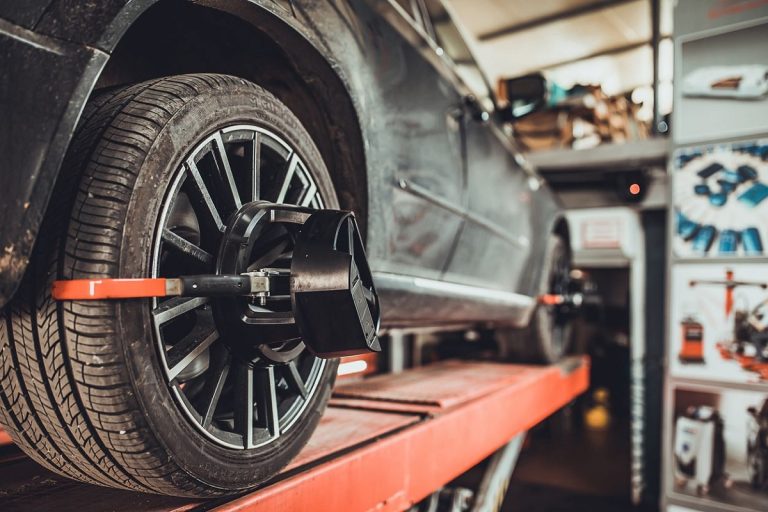
Symptoms include shaking or wobbling of the steering wheel while turning slowly, often combined with squeaks or thumps. Balancing tires, tightening loose components, or replacing worn bushings and bearings can eliminate vibrations and restore smooth steering. Regular wheel alignment checks prevent uneven wear and reduce stress on suspension and steering systems.
Monitoring vibrations along with noises helps diagnose underlying mechanical issues early, preventing more significant damage and ensuring predictable, safe handling at low speeds.
Clicking Or Popping Sounds
Clicking or popping sounds while turning the steering wheel at low speeds are frequently linked to worn CV joints, tie rods, or ball joints. These components are crucial for smooth wheel articulation and steering control.
Drivers may hear intermittent clicks or pops when making sharp turns or maneuvering in tight areas. Ignoring these sounds can result in joint failure, loss of steering control, or further suspension damage. Inspecting CV joints, tie rods, and ball joints for wear or damage and replacing faulty components restores smooth steering and eliminates clicking noises. Proper maintenance ensures both safety and longevity of steering and suspension systems.
Power Steering Fluid Issues
Power steering fluid is essential for smooth and effortless steering. Problems with the fluid, such as low levels, contamination, or leaks, can lead to unusual noises when turning the steering wheel at low speed. Understanding power steering fluid issues is crucial for maintaining responsive steering, preventing damage to the pump and components, and ensuring safe vehicle operation.
Low Power Steering Fluid
Low power steering fluid is a common cause of squealing, whining, or groaning noises when turning the steering wheel at low speed. When fluid levels drop, the power steering pump struggles to circulate enough fluid, reducing hydraulic assistance.
Symptoms include increased steering effort, uneven wheel response, and unusual noises during tight maneuvers or slow-speed turns. Drivers may notice the noise is more pronounced when turning the wheel from a stationary position. Checking fluid levels regularly and topping off with the manufacturer-recommended power steering fluid can restore smooth steering. Consistently maintaining proper fluid levels prevents pump damage, reduces noise, and ensures predictable steering performance, improving both comfort and safety.
Contaminated Or Degraded Fluid
Over time, power steering fluid can become contaminated with dirt, debris, or metal particles from pump wear. Degraded fluid loses its lubricating and hydraulic properties, causing increased friction, noise, and potential damage to the steering system.
Symptoms of contaminated fluid include whining or grinding noises during turns, stiffer steering, and inconsistent response. Flushing the power steering system and replacing the fluid with clean, high-quality fluid restores proper operation. Regular fluid changes prevent premature pump wear, eliminate noise, and maintain smooth hydraulic assistance for low-speed steering maneuvers. Proper fluid maintenance is essential for protecting steering components and ensuring long-term reliability.
Leaks And System Pressure Issues
Leaks in the power steering system can reduce fluid pressure, leading to increased effort and unusual noises when turning. Common leak points include hoses, seals, and the power steering pump itself.
Symptoms include a low fluid warning, visible fluid puddles under the vehicle, or whining noises when steering. Leaks not only cause noise but also accelerate wear on the pump and other components due to inadequate lubrication. Identifying and repairing leaks promptly, while refilling fluid to proper levels, restores hydraulic pressure and reduces steering noise. Maintaining system integrity ensures smooth operation and prevents costly repairs from prolonged fluid loss.
Pump And Component Wear
Worn or failing power steering pumps, along with associated components such as pulleys or belts, can amplify noises at low speeds. Reduced pump efficiency or damaged internal parts creates whining, groaning, or squealing sounds when hydraulic pressure is applied during turns.
Symptoms include variable steering effort, persistent noise during tight turns, and vibration in the steering wheel. Inspecting the pump, belts, and hoses, and replacing worn components, ensures consistent fluid flow and pressure. Maintaining the pump and system components prevents noise, preserves hydraulic assistance, and protects the overall steering system from damage.
Worn Steering Components
Steering components play a critical role in maintaining vehicle control and handling. Over time, parts such as tie rods, ball joints, bushings, and the steering rack can wear out, causing unusual noises when turning the steering wheel at low speed. Identifying worn components early helps prevent further damage, ensures smooth steering, and maintains safe driving conditions.
Tie Rod Wear And Damage
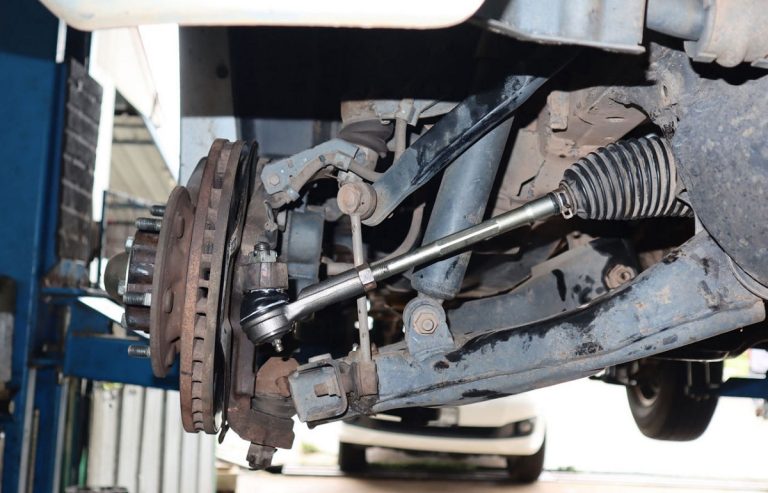
Tie rods connect the steering rack to the wheels and allow precise control over vehicle direction. Worn or damaged tie rods can produce clicking, popping, or squeaking noises, particularly at low speeds or during sharp turns.
Symptoms of tie rod wear include loose steering, uneven tire wear, or the vehicle pulling to one side. Over time, worn tie rods can compromise steering precision, making the wheel feel sloppy or unstable. Inspecting the tie rods for play, damage, or torn boots and replacing them as necessary restores accurate steering response and eliminates associated noises. Proper maintenance of tie rods ensures safe handling, reduces vibrations, and prevents premature wear on other suspension and steering components.
Ball Joint Deterioration
Ball joints act as pivot points between the steering knuckle and control arms, allowing smooth wheel articulation. When ball joints wear out, they can create clunking or squeaking sounds, especially during low-speed turns when the suspension moves more slowly.
Signs of worn ball joints include uneven tire wear, steering vibrations, and a loose or wandering steering feel. Neglecting deteriorated ball joints can lead to more severe suspension damage and potential safety hazards. Replacing worn ball joints restores smooth movement, stabilizes the steering system, and reduces noise while enhancing vehicle control. Regular inspection of ball joints is essential for maintaining safe and quiet low-speed maneuvering.
Bushings And Mount Wear
Bushings cushion the connection between the steering rack, control arms, and chassis, absorbing vibrations and reducing noise. Over time, bushings can crack, tear, or compress, leading to squeaks, creaks, or vibrations when turning the wheel at low speed.
Symptoms include increased steering effort, unusual noises during cornering, and a less responsive feel through the steering wheel. Replacing worn bushings restores proper alignment, absorbs vibrations, and eliminates squeaks caused by metal-on-metal contact. Maintaining bushings ensures smooth steering operation, prevents additional wear on the steering system, and improves overall ride comfort.
Steering Rack And Pinion Wear
The steering rack and pinion convert the rotational motion of the steering wheel into lateral movement of the wheels. Worn components within the rack or pinion assembly can produce grinding, whining, or clunking noises, particularly during low-speed maneuvers.
Symptoms include uneven steering response, difficulty turning, or vibrations in the steering wheel. Inspecting the rack for leaks, play, or worn internal gears is crucial. Replacing or repairing a worn rack restores precise steering control, eliminates noise, and ensures consistent vehicle handling. Proper maintenance protects surrounding suspension and steering components from premature wear and keeps low-speed steering smooth and quiet.
Regular inspection and maintenance of worn steering components, including tie rods, ball joints, bushings, and the rack and pinion, are vital for safe, predictable handling and for preventing noises when turning the steering wheel at low speed.
Power Steering Pump Problems
The power steering pump is essential for providing hydraulic assistance that makes steering smooth and effortless. When the pump develops issues, drivers may notice unusual noises when turning the steering wheel at low speed, increased steering effort, or inconsistent response. Understanding the signs and causes of power steering pump problems is critical to maintaining safe and reliable vehicle handling.
Whining Or Groaning Noises
One of the most common symptoms of a failing power steering pump is a whining or groaning noise when turning the wheel at low speed. This often occurs when the pump struggles to circulate fluid due to low fluid levels, internal wear, or air trapped in the system.
Drivers may notice the noise is more pronounced during tight maneuvers or after the vehicle has been stationary for a while. A whining pump can indicate worn bearings, damaged internal components, or insufficient lubrication. Checking fluid levels, inspecting for leaks, and bleeding the system to remove air bubbles can often reduce noise. In cases of severe wear, pump replacement is necessary to restore smooth and quiet steering.
Maintaining proper fluid levels and ensuring the pump is in good condition prolongs its lifespan and prevents further steering issues.
Leaks And Fluid Contamination
Power steering pump problems can also stem from leaks or contaminated fluid. Leaks reduce hydraulic pressure, making steering heavier and noisier, while contaminated fluid can damage internal pump components, causing whining, groaning, or jerky steering.
Symptoms include low fluid warnings, visible puddles under the vehicle, or unusual steering effort. Inspecting hoses, seals, and the pump for leaks and flushing contaminated fluid restores system efficiency. Using manufacturer-recommended fluid ensures proper lubrication, reduces noise, and protects the pump from premature wear. Timely attention to leaks and fluid contamination prevents further damage and maintains smooth, low-speed steering performance.
Failing Pump Bearings Or Internal Components
Internal wear within the power steering pump, such as worn bearings or damaged gears, can produce grinding or whining noises and reduce hydraulic assistance. A failing pump may also cause inconsistent steering effort or a jerky feel when turning the wheel at low speed.
Symptoms include irregular noise patterns, increased pedal effort, and vibration through the steering wheel. Diagnosing internal pump issues typically requires professional inspection and often necessitates pump replacement. Addressing worn internal components restores consistent hydraulic pressure, eliminates noise, and ensures smooth steering operation during tight turns or slow-speed maneuvers.
Proper pump maintenance, including regular fluid checks and timely replacement of worn parts, ensures reliable low-speed steering and protects connected components.
Belt And Pulley-Related Problems
The power steering pump relies on a belt and pulley system to function. Worn, loose, or misaligned belts can cause squealing or whining noises when turning the steering wheel at low speeds. Pulley issues can also lead to uneven pump operation, further reducing hydraulic assistance.
Symptoms include high-pitched squeals, inconsistent steering feel, or vibrations in the steering wheel. Inspecting belt tension, alignment, and condition, and replacing worn belts or pulleys, restores smooth pump operation. Proper belt maintenance prevents additional stress on the pump, reduces noise, and ensures reliable steering performance, particularly during low-speed maneuvers like parking or tight turns.
FAQs
Why Do I Hear Noise When Turning Steering Wheel At Low Speed?
Noise when turning steering wheel at low speed is often caused by worn or dry steering and suspension components. Tie rods, ball joints, bushings, or the steering rack can produce squeaks, creaks, or clunks when they move under low-speed stress.
Power steering fluid issues, such as low levels or contamination, can also create whining or groaning sounds. Observing accompanying symptoms like stiffness or vibration helps identify the cause. Timely inspection and maintenance of steering components and fluid levels ensure smooth, quiet, and safe steering operation.
Can Low Power Steering Fluid Cause Steering Noise?
Yes, low power steering fluid can lead to whining, groaning, or squeaking noises when turning the wheel at low speeds. Insufficient fluid reduces hydraulic pressure, making it harder for the pump to assist steering.
You may notice increased steering effort, uneven wheel response, or noise that worsens during tight maneuvers. Checking fluid levels and topping off with the correct manufacturer-recommended fluid often resolves the issue. Maintaining proper fluid levels prevents pump wear, restores smooth steering, and eliminates noise, ensuring safe handling during low-speed turns.
Could Worn Steering Components Be The Cause?
Absolutely, worn steering components like tie rods, ball joints, bushings, or the steering rack often cause noise when turning at low speed. These parts allow movement and flexibility in the steering system, and wear creates metal-on-metal contact or loose movement.
Symptoms include clunks, squeaks, vibrations, or loose-feeling steering. Inspecting and replacing worn parts restores proper alignment and smooth operation. Regular maintenance of steering components prevents further damage, eliminates noise, and ensures consistent handling during tight turns and slow maneuvers.
Do Power Steering Pumps Cause Noise When Turning Slowly?
Yes, a failing or worn power steering pump can produce whining or groaning sounds when turning the wheel at low speed. Internal wear, leaks, or air in the hydraulic system reduces fluid circulation and creates unusual noises.
Symptoms include inconsistent steering effort, vibrations, and louder noise during sharp turns or low-speed maneuvers. Checking for leaks, flushing contaminated fluid, or replacing a failing pump restores smooth steering. Maintaining the pump prolongs its lifespan, improves hydraulic assistance, and eliminates noise during slow-speed maneuvers like parking or tight turns.
Can Suspension Issues Lead To Steering Noise?
Yes, worn or dry suspension components like control arm bushings, sway bar links, or strut mounts can cause creaks and squeaks when turning the steering wheel at low speeds. These components absorb movement and vibrations, and wear or lack of lubrication can amplify noise.
Drivers may notice clunking or squeaking sounds during parking or tight turns. Replacing worn suspension parts or lubricating pivot points restores smooth movement and eliminates noise. Proper suspension maintenance enhances steering comfort, prevents additional wear, and ensures safe low-speed handling.
How Do CV Joints Affect Steering Noise?
CV joints transfer power to the wheels while allowing suspension and steering movement. Worn or damaged CV joints can create clicking or popping noises when turning at low speeds. This typically occurs during tight turns or parking maneuvers.
Symptoms include repetitive clicking sounds, vibrations, or uneven wheel movement. Replacing worn CV joints restores smooth rotation and eliminates noise while maintaining predictable steering control. Proper inspection of CV joints prevents further drivetrain damage and ensures safe handling during low-speed maneuvers.
When Should I See A Mechanic For Steering Noise?
You should see a mechanic when noise persists despite checking fluid levels or minor lubrication. Persistent squeaks, clunks, or whining when turning at low speed may indicate worn steering components, power steering pump issues, or suspension damage.
Early professional inspection prevents further wear, ensures safe operation, and avoids costly repairs. A technician can check fluid, calipers, tie rods, ball joints, bushings, and the power steering pump. Prompt attention restores quiet, smooth steering and guarantees reliable performance during low-speed maneuvers like parking or tight turns.
Final Thoughts
Hearing unusual sounds while steering can be alarming and often indicates that components in your steering or suspension system need attention. Low-speed turns tend to put extra stress on joints, belts, and the power steering system, which can result in creaks, squeaks, or grinding noises. Identifying the source early helps prevent more severe damage and ensures safer handling of your vehicle.
Regular maintenance, such as checking power steering fluid levels, inspecting belts and pulleys, and lubricating steering joints, can minimize or eliminate these noises. Worn components like tie rods, ball joints, or bushings should be replaced promptly to restore smooth steering and avoid further wear on connected parts.
Understanding the causes of noise when turning steering wheel at low speed allows you to take proactive steps for repair. Addressing the issue promptly improves driving comfort, protects critical steering components, and ensures your vehicle operates safely and reliably on the road.