Car Hesitates and Sputters When Accelerating – Causes and Quick Fixes
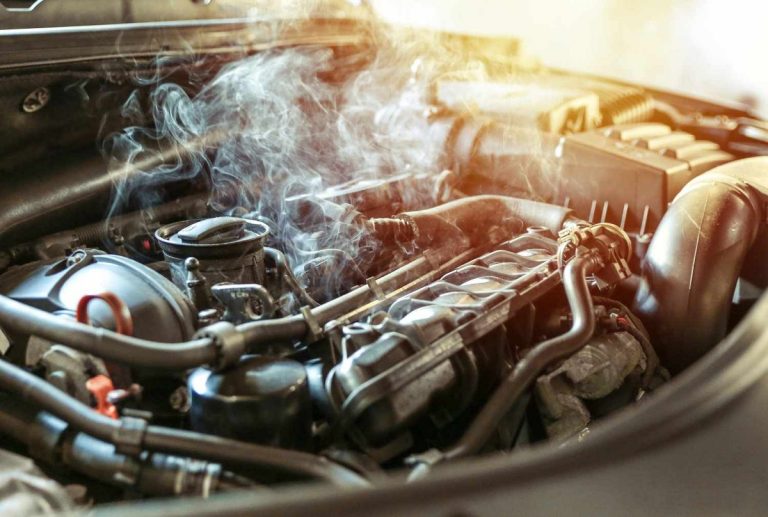
Experiencing a sudden loss of power or irregular engine performance while driving can be unsettling. One moment your car responds normally, and the next it hesitates, sputters, or struggles to accelerate. These signs often point to underlying issues in your vehicle that need attention before they escalate into more serious problems.
Several factors can cause this behavior, ranging from fuel delivery problems to ignition system malfunctions. Components like spark plugs, fuel injectors, and sensors play a critical role in maintaining smooth engine performance, and any disruption in their function can lead to hesitation or sputtering during acceleration.
Environmental factors such as poor fuel quality or clogged filters can also contribute to these symptoms, affecting how efficiently your engine receives and burns fuel. Regular maintenance and attentive care can help prevent these issues from affecting your driving experience.
Understanding the specific reasons why your [car hesitates and sputters when accelerating] empowers you to address the problem promptly. By identifying the root cause, you can ensure safer, smoother, and more reliable driving while protecting your vehicle from long-term damage.
Car Hesitates and Sputters When Accelerating
Experiencing hesitation or sputtering when pressing the accelerator can make driving unpredictable and concerning. This problem usually signals an underlying issue within the engine, fuel system, or ignition components. Identifying the cause is essential for maintaining vehicle performance, safety, and longevity. By understanding the factors that contribute to hesitation and sputtering, drivers can address the issues promptly and prevent costly repairs. This section explores the most common causes and how they impact acceleration performance.
Fuel Delivery Problems
One of the most frequent reasons a car hesitates or sputters when accelerating is inconsistent fuel delivery. The engine relies on a precise mixture of air and fuel to ignite properly. When the fuel pump, fuel injectors, or fuel filter is compromised, the air-fuel ratio can be disrupted, leading to uneven combustion and reduced engine power.
A clogged fuel filter restricts fuel flow, while dirty or malfunctioning injectors may spray fuel unevenly into the cylinders. Weak fuel pumps can fail to maintain consistent pressure, especially during rapid acceleration. Drivers may notice a delay in engine response, sputtering sounds, or jerking movements when pressing the accelerator.
Addressing fuel delivery issues requires regular inspection and maintenance. Cleaning or replacing injectors, testing the fuel pump, and changing filters as recommended by the manufacturer ensures smooth fuel flow. High-quality fuel and proper maintenance prevent hesitation, improve engine efficiency, and reduce the risk of long-term damage caused by irregular combustion.
Ignition System Malfunctions
Faulty ignition components are another common cause of hesitation and sputtering. Spark plugs, ignition coils, and wires are responsible for creating the spark that ignites the air-fuel mixture. When these components are worn, damaged, or improperly gapped, ignition timing can be disrupted, causing the engine to misfire during acceleration.
Symptoms of ignition problems include rough idling, jerking during acceleration, and noticeable sputtering sounds. Misfiring cylinders put extra stress on the engine and can lead to reduced fuel efficiency or even damage to the catalytic converter over time. Older vehicles with distributors are more prone to ignition-related issues, but modern engines can experience coil or sensor failures as well.
Routine inspection and replacement of spark plugs, ignition coils, and wires are essential preventive measures. Ensuring proper spark timing allows the engine to combust fuel efficiently, restoring smooth acceleration and eliminating hesitation. Timely maintenance enhances both performance and safety during driving.
Air Intake and Sensor Issues
Problems with the air intake system or engine sensors can also cause a car to hesitate and sputter when accelerating. Sensors such as the mass airflow sensor (MAF) or oxygen sensor monitor air and fuel ratios, adjusting engine performance accordingly. If these sensors malfunction, the engine may receive incorrect information, leading to hesitation, sputtering, or poor throttle response.
Dirty air filters, vacuum leaks, or blocked intake components further disrupt airflow to the engine. Restricted airflow reduces combustion efficiency, making the engine struggle to respond under acceleration. Drivers may notice uneven power delivery, jerking, or occasional stalls, especially when accelerating from low speeds or climbing inclines.
Addressing these issues involves inspecting and cleaning the air intake system, replacing clogged filters, and testing sensors with diagnostic tools. Correcting airflow and sensor-related problems restores engine balance, ensures proper combustion, and allows the accelerator to respond smoothly and consistently.
Transmission and Throttle-Related Issues
Hesitation and sputtering can also be linked to transmission or throttle system problems. In automatic vehicles, a slipping transmission or delayed gear engagement can make the engine appear unresponsive during acceleration. Manual vehicles may experience clutch issues that interfere with smooth power delivery.
Electronic throttle control (ETC) systems or throttle position sensors (TPS) in modern vehicles play a critical role in regulating engine power. Malfunctions in these systems can cause delayed or erratic throttle response, resulting in sputtering or hesitation when pressing the accelerator. Drivers may experience uneven acceleration, surges, or lack of power even when the engine is running smoothly.
Fixing these issues involves inspecting transmission health, clutch operation, and throttle components. Recalibrating the throttle or replacing faulty sensors ensures the engine receives accurate signals, providing consistent and reliable acceleration. Addressing these components improves overall drivability and prevents unnecessary strain on the engine.
Exhaust and Emission System Problems
Exhaust system issues, including clogged catalytic converters or malfunctioning emission components, can contribute to hesitation and sputtering. A blocked exhaust increases backpressure in the engine, reducing airflow and affecting combustion efficiency. This can make the engine struggle to accelerate and create sputtering sounds under load.
Catalytic converters that are clogged or partially blocked are common in older vehicles or those exposed to poor-quality fuel. Oxygen sensors that misread exhaust gases can also alter the fuel-air mixture, causing misfires and uneven acceleration. Signs may include reduced power, poor fuel economy, and hesitation during throttle input.
Resolving exhaust-related problems involves inspecting and cleaning the catalytic converter, replacing faulty oxygen sensors, and checking for leaks or blockages in the exhaust system. Proper maintenance ensures smooth airflow, efficient combustion, and responsive acceleration, eliminating sputtering and hesitation.
Fuel System Issues Causing Hesitation and Sputtering
A vehicle’s fuel system plays a critical role in maintaining smooth acceleration and overall engine performance. When the fuel system malfunctions, it can cause the car to hesitate, sputter, or lose power during acceleration. These problems are often linked to fuel delivery inconsistencies, clogged components, or worn parts that disrupt the air-fuel mixture. Understanding the common fuel system issues helps drivers diagnose problems early and maintain reliable vehicle performance. This section explores the primary causes of hesitation and sputtering related to the fuel system.
Clogged Fuel Filters
A clogged fuel filter is one of the most common reasons for engine hesitation and sputtering. The fuel filter’s job is to remove impurities from the fuel before it reaches the engine. Over time, debris, dirt, and sediment can accumulate, restricting fuel flow and reducing engine performance. When the filter is partially blocked, the engine may not receive enough fuel, especially during heavy acceleration, causing sputtering or jerking motions.
Drivers may notice delayed throttle response, reduced power, or rough idling when the fuel filter is clogged. The severity of symptoms typically increases over time as the blockage worsens. Replacing the fuel filter according to the manufacturer’s maintenance schedule restores proper fuel flow, ensuring the engine receives a consistent air-fuel mixture. Regular replacement of fuel filters prevents strain on the fuel pump and maintains smooth acceleration.
In addition to restoring performance, a clean fuel filter protects other components in the fuel system. By removing contaminants, it reduces the risk of injector clogging or fuel pump wear, which can be more costly to repair. Keeping the fuel filter in good condition ensures reliable engine operation and prevents hesitation and sputtering during acceleration.
Faulty Fuel Injectors
Fuel injectors are responsible for delivering precise amounts of fuel into the combustion chamber. When injectors are dirty, clogged, or malfunctioning, they can spray uneven fuel or fail to deliver enough fuel, causing the engine to hesitate or sputter under load. Uneven fuel distribution results in poor combustion and reduced engine responsiveness, particularly noticeable during acceleration or high-demand driving conditions.
Symptoms of faulty injectors include rough idling, engine misfires, uneven acceleration, or poor fuel economy. Cleaning the injectors or using high-quality fuel additives can remove minor deposits, while severely clogged or damaged injectors may require replacement. Regular injector maintenance ensures consistent fuel delivery and optimal combustion, eliminating sputtering and improving throttle response.
Proper injector performance also protects the engine from long-term damage caused by lean fuel mixtures. A misfiring cylinder can stress pistons, valves, and the catalytic converter over time. Maintaining clean, functioning injectors not only restores smooth acceleration but also supports overall engine efficiency and longevity.
Weak or Failing Fuel Pump
A weak or failing fuel pump is another critical cause of hesitation and sputtering. The fuel pump delivers pressurized fuel from the tank to the engine. When it fails to maintain consistent pressure, the engine may receive less fuel than needed, especially during heavy acceleration, creating backward pressure in the cylinders. This results in hesitation, sputtering, and reduced power.
Symptoms of a failing fuel pump include difficulty starting the engine, low fuel pressure readings, reduced acceleration, and occasional stalling. Testing the fuel pump with a pressure gauge can confirm whether it is functioning correctly. Replacing a weak pump restores consistent fuel flow, allowing the engine to accelerate smoothly without sputtering.
Regular maintenance of the fuel system, including fuel pump inspection, helps prevent sudden failures. Using quality fuel and keeping the fuel tank clean reduces strain on the pump and prevents premature wear. Addressing pump-related issues promptly avoids engine hesitation and protects other fuel system components from damage.
Contaminated or Low-Quality Fuel
Fuel contamination and poor fuel quality can also cause the car to hesitate or sputter. Water, dirt, or other impurities in the fuel can disrupt combustion and create misfires, while low-octane fuel in engines designed for higher octane can lead to knocking and uneven acceleration. Contaminated fuel can clog injectors, filters, or other components, compounding the problem.
Symptoms of fuel-related hesitation include rough idling, jerking during acceleration, and occasional engine stalls. Flushing the fuel system, replacing filters, and using high-quality fuel can restore proper engine function. Avoiding long-term storage of fuel in vehicles exposed to moisture also prevents water accumulation, which can lead to sputtering and hesitation.
Preventing fuel contamination ensures the engine receives a clean, consistent air-fuel mixture, improving performance and protecting critical components like the injectors, fuel pump, and catalytic converter. Regular attention to fuel quality is a simple yet effective way to maintain smooth acceleration and eliminate hesitation.
Air-Fuel Ratio Imbalance
Fuel system problems can also create an air-fuel ratio imbalance, where the engine receives too much or too little fuel relative to the air entering the cylinders. A lean mixture (too much air, not enough fuel) can cause sputtering, hesitation, and even engine knocking. A rich mixture (too much fuel, not enough air) can flood the engine, creating rough acceleration and poor fuel economy.
Air-fuel ratio issues often result from faulty sensors, clogged injectors, or inconsistent fuel pressure. Addressing these problems involves inspecting the fuel system, cleaning or replacing injectors, and verifying sensor readings. Ensuring a balanced air-fuel mixture allows combustion to occur efficiently, restoring smooth throttle response and eliminating hesitation and sputtering.
Maintaining the correct air-fuel ratio is crucial for engine performance, longevity, and emissions control. Regular fuel system checks prevent misfires, rough acceleration, and other issues that can develop into costly repairs over time. Proper calibration ensures the engine runs efficiently under all driving conditions.
Ignition System Problems
The ignition system is vital for starting your vehicle and maintaining smooth engine performance. When components within the ignition system fail or wear out, the engine can hesitate, sputter, or misfire, especially during acceleration. Identifying and addressing ignition system problems promptly ensures reliable operation, prevents damage to other engine parts, and maintains overall vehicle performance. This section explores the main issues related to ignition systems and their effects.
Worn or Fouled Spark Plugs
Spark plugs are the primary components responsible for igniting the air-fuel mixture in the engine’s cylinders. Over time, they can become worn, fouled with carbon deposits, or improperly gapped, leading to incomplete combustion. This often causes the engine to misfire, hesitate, or sputter under load, particularly when accelerating.
Symptoms of worn spark plugs include rough idling, reduced fuel efficiency, delayed throttle response, and noticeable jerking during acceleration. Ignoring these issues can put additional strain on the ignition coils and catalytic converter, potentially leading to further engine damage. Replacing spark plugs according to the manufacturer’s recommended schedule restores proper spark timing and ensures smooth engine performance.
Regular inspection and maintenance of spark plugs are essential for consistent ignition. Cleaning or replacing fouled plugs and verifying proper gap settings improves combustion efficiency, reduces engine hesitation, and enhances overall acceleration performance. Keeping spark plugs in optimal condition also prolongs the life of other ignition system components.
Faulty Ignition Coils
Ignition coils convert battery voltage into the high voltage needed to create a spark at the spark plugs. When an ignition coil fails, the affected cylinder may misfire, causing the engine to hesitate or sputter. A faulty coil can produce inconsistent spark timing, leading to rough acceleration and poor engine performance.
Drivers may notice symptoms such as engine misfires, jerking during acceleration, uneven idle, or difficulty starting the vehicle. Ignition coil problems are more common in high-mileage vehicles or engines exposed to extreme heat and vibration over time. Testing the coils with a multimeter or using diagnostic tools can confirm which coil is malfunctioning.
Replacing faulty coils promptly prevents further misfires and protects the spark plugs from damage. Ensuring proper coil function improves engine efficiency, restores smooth throttle response, and reduces stress on the catalytic converter caused by unburned fuel. Proper maintenance also prevents long-term ignition system failures.
Faulty Ignition Wires or Connectors
In older vehicles, ignition wires or distributor connectors play a key role in delivering electrical current from the coils to the spark plugs. Damaged, worn, or corroded wires can disrupt spark delivery, causing misfires, hesitation, and sputtering during acceleration. Even minor damage can lead to uneven combustion and reduced engine performance.
Symptoms of ignition wire problems include engine jerking, rough idling, decreased fuel efficiency, and delayed throttle response. Inspecting wires for cracks, corrosion, or loose connections and replacing damaged components restores reliable spark delivery. Properly routed and maintained wires ensure each cylinder fires correctly, improving overall acceleration and engine smoothness.
Routine inspection of ignition wires and connectors is critical for older vehicles or engines with higher mileage. Maintaining strong connections and replacing worn components prevents misfires, hesitation, and sputtering, while also protecting other ignition system parts from unnecessary stress.
Malfunctioning Ignition Control Module
Modern vehicles often rely on an ignition control module (ICM) to regulate spark timing electronically. When the ICM malfunctions, it can disrupt the timing of sparks, causing misfires, hesitation, and sputtering during acceleration. A faulty module may also prevent the engine from starting or cause intermittent stalling.
Symptoms of a malfunctioning ICM include rough acceleration, engine jerks, uneven idling, and diagnostic trouble codes stored in the vehicle’s computer. Testing and replacing a faulty module restores proper spark timing and ensures that each cylinder ignites the air-fuel mixture at the correct moment. Proper module function is critical for smooth acceleration and overall engine reliability.
Addressing ignition control module issues promptly protects other components in the ignition system, including coils and spark plugs. Ensuring accurate spark timing enhances fuel efficiency, reduces emissions, and restores consistent engine performance, eliminating hesitation and sputtering during acceleration.
Air Intake and Engine Sensor Issues
The air intake system and engine sensors play a crucial role in maintaining smooth engine performance. Proper airflow and accurate sensor readings ensure the right air-fuel mixture, efficient combustion, and responsive acceleration. When problems occur in these systems, the engine may hesitate, sputter, or lose power, particularly during acceleration. Understanding the causes and effects of air intake and sensor issues helps maintain engine reliability and overall vehicle performance.
Clogged or Dirty Air Filters
A clogged or dirty air filter restricts airflow into the engine, reducing the amount of oxygen available for combustion. This can result in a rich fuel mixture, causing hesitation, sputtering, or reduced engine power during acceleration. Over time, accumulated debris, dust, and pollutants can significantly impact engine efficiency and throttle response.
Symptoms of a clogged air filter include decreased acceleration, rough idling, reduced fuel efficiency, and unusual engine noises. Regular inspection and timely replacement of the air filter restore proper airflow, allowing the engine to perform at its best. High-quality filters and routine maintenance prevent long-term damage to other engine components caused by restricted airflow.
Maintaining a clean air filter ensures optimal combustion, smoother throttle response, and improved fuel efficiency. It also protects sensors and other intake components from contamination, reducing the likelihood of misfires, sputtering, or hesitation during acceleration.
Malfunctioning Mass Airflow (MAF) Sensor
The mass airflow sensor measures the amount of air entering the engine and sends this data to the engine control unit (ECU) to adjust fuel delivery. A malfunctioning MAF sensor can send inaccurate readings, causing the engine to run too rich or too lean, which leads to hesitation and sputtering during acceleration.
Common symptoms include jerking during throttle input, rough idling, reduced fuel economy, and delayed engine response. Cleaning the MAF sensor or replacing a faulty unit restores accurate airflow readings, allowing the ECU to maintain the proper air-fuel ratio. Timely sensor maintenance ensures smoother acceleration and prevents additional stress on the engine and fuel system.
Proper MAF sensor operation is essential for consistent performance. Keeping this sensor in good condition helps the engine respond quickly to driver input, reduces sputtering, and improves overall reliability and efficiency.
Faulty Oxygen (O2) Sensors
Oxygen sensors monitor the level of oxygen in the exhaust and provide feedback to the ECU for fuel mixture adjustments. A failing O2 sensor can cause the ECU to miscalculate the air-fuel ratio, leading to poor combustion, hesitation, or sputtering during acceleration. Prolonged issues can also increase emissions and reduce fuel efficiency.
Symptoms of faulty O2 sensors include rough acceleration, engine jerks, illuminated check engine lights, and decreased fuel economy. Replacing malfunctioning sensors restores accurate readings and helps the ECU maintain the optimal air-fuel mixture. This ensures smoother throttle response and more efficient engine performance.
Maintaining functional oxygen sensors is critical for both engine health and emission control. Proper sensor operation prevents hesitation and sputtering while protecting catalytic converters and other exhaust components from damage caused by unburned fuel or rich mixtures.
Throttle Body and Sensor Malfunctions
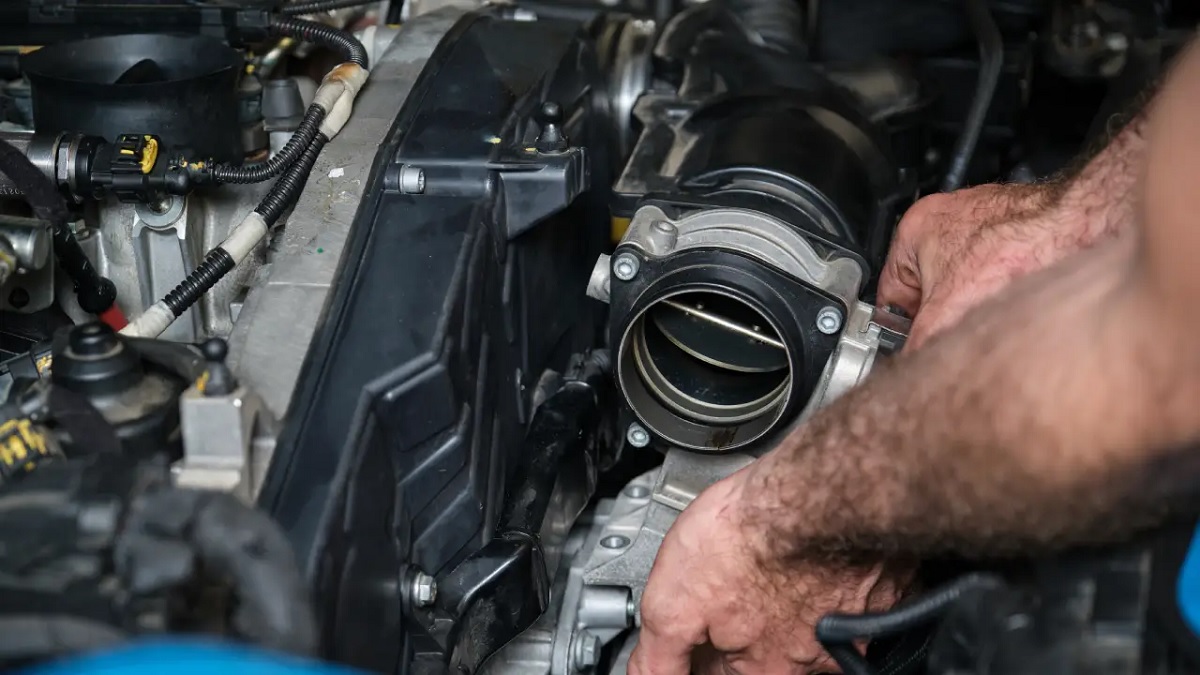
The throttle body regulates airflow into the engine, and its sensors, such as the throttle position sensor (TPS), provide crucial feedback to the ECU. Malfunctions in these components can lead to delayed throttle response, engine hesitation, or sputtering. Dirt buildup, wear, or electrical failures may disrupt airflow and sensor accuracy.
Symptoms of throttle body issues include uneven acceleration, rough idling, and inconsistent engine power. Cleaning the throttle body, calibrating sensors, or replacing faulty units restores accurate airflow and smooth engine response. Proper maintenance ensures the throttle and sensors work together to provide reliable acceleration and prevent sputtering or hesitation.
Regular inspection and servicing of the throttle body and related sensors are vital for smooth engine operation. Keeping these components in optimal condition allows the vehicle to respond quickly to driver input, improving both performance and drivability.
Transmission or Drivetrain-Related Causes
The transmission and drivetrain play a crucial role in transferring power from the engine to the wheels. When issues arise in these systems, the vehicle may hesitate, sputter, or respond sluggishly during acceleration. Problems can originate from worn components, fluid issues, or electronic malfunctions, and addressing them promptly is essential to prevent further damage. Understanding how the transmission and drivetrain affect acceleration helps drivers maintain reliable performance and safe operation.
Slipping or Malfunctioning Transmission
A slipping or malfunctioning transmission can directly cause hesitation and sputtering during acceleration. In automatic transmissions, worn clutch packs, damaged bands, or low transmission fluid can prevent the gearbox from engaging smoothly, creating a delay between engine power and wheel movement. This lag often feels like the car is unresponsive or sputtering when accelerating.
Drivers may notice delayed throttle response, strange noises during gear changes, or the engine revving without corresponding acceleration. Manual transmissions may also experience similar symptoms if the clutch is worn, causing inconsistent power delivery to the wheels. Checking transmission fluid levels, performing regular fluid changes, and addressing worn components can restore proper gear engagement and smooth acceleration.
Addressing transmission issues promptly prevents further internal damage, reduces stress on the engine, and ensures reliable acceleration. Regular maintenance, including fluid replacement and inspection of transmission components, improves drivetrain performance and minimizes hesitation during throttle input.
Driveshaft and CV Joint Problems
Issues with the driveshaft or constant velocity (CV) joints can also affect acceleration and cause sputtering. These components transmit power from the transmission to the wheels, and any damage, wear, or imbalance can create irregular power delivery. Worn CV joints may produce clicking noises during turns, while a damaged driveshaft can cause vibrations and inconsistent acceleration.
Symptoms often include uneven acceleration, jerking movements, and unusual vibrations under load. Regular inspections can detect cracks, excessive play, or worn joints before they worsen. Replacing damaged CV joints or driveshaft components restores smooth power transfer and eliminates hesitation caused by drivetrain inefficiencies.
Maintaining driveshaft and CV joint health is essential for consistent acceleration and overall vehicle stability. Proper lubrication, timely replacement, and careful monitoring prevent further drivetrain damage and ensure smooth throttle response during everyday driving.
Torque Converter and Electronic Control Issues
In vehicles with automatic transmissions, the torque converter ensures smooth transfer of engine power to the transmission. A malfunctioning torque converter can cause delayed acceleration, sputtering, or unusual shuddering during gear engagement. Similarly, electronic transmission control modules (TCM) regulate shift timing and clutch engagement, and faults in these systems can create hesitation during acceleration.
Symptoms include delayed or harsh gear shifts, unusual engine revs without movement, or erratic acceleration. Diagnosing these issues typically involves checking fluid quality, scanning for diagnostic trouble codes, and inspecting electronic components. Repairing or replacing a faulty torque converter or addressing TCM errors restores smooth acceleration and prevents further drivetrain damage.
Timely attention to torque converter and transmission control issues ensures consistent power delivery, protects the transmission from excessive wear, and eliminates hesitation or sputtering caused by delayed gear engagement. Regular inspection and maintenance improve both drivability and safety.
Worn Differential or Axle Components
The differential and axles distribute power to the wheels and maintain traction, and wear in these components can contribute to hesitation or sputtering during acceleration. Damaged gears, low differential fluid, or worn bearings can interfere with smooth power transfer, creating a lag or jerking sensation as the vehicle accelerates.
Drivers may notice vibrations, unusual noises, or uneven power delivery when the differential or axles are compromised. Inspecting and maintaining fluid levels, replacing worn bearings, and addressing gear damage promptly restore smooth operation. Ensuring these components are in optimal condition prevents drivetrain stress and improves overall acceleration performance.
Proper maintenance of differential and axle components is critical for consistent power delivery and vehicle stability. Addressing wear or damage early minimizes hesitation and sputtering while protecting the drivetrain from further mechanical failures.
People Also Asked
What Causes a Car to Hesitate and Sputter When Accelerating?
A car hesitates and sputters during acceleration when the engine does not receive the proper air-fuel mixture or spark timing. Common causes include fuel system issues like clogged filters or faulty injectors, ignition problems such as worn spark plugs or failing coils, and air intake disruptions from dirty filters or malfunctioning sensors.
You may also notice that hesitation worsens when accelerating from a stop or climbing hills. Addressing these issues promptly ensures smoother throttle response, prevents engine misfires, and avoids more expensive repairs caused by prolonged strain on components like the catalytic converter or fuel pump.
Can Dirty Fuel Injectors Cause Hesitation?
Yes, dirty or clogged fuel injectors are a common cause of hesitation and sputtering. Fuel injectors are responsible for delivering a precise amount of fuel to the engine’s combustion chamber. When they are blocked, the engine may run lean or unevenly, causing misfires and jerking during acceleration.
Symptoms include delayed throttle response, uneven engine power, and occasional stalling. Cleaning or replacing the fuel injectors restores proper fuel delivery, ensures smooth combustion, and eliminates hesitation. Using high-quality fuel and performing routine injector maintenance prevents deposits from forming and maintains engine efficiency.
Could Worn Spark Plugs Be the Problem?
Absolutely. Spark plugs ignite the air-fuel mixture in each cylinder, and worn, fouled, or improperly gapped plugs can disrupt combustion. This often leads to engine hesitation, sputtering, and misfires, particularly when you accelerate under load or at higher speeds.
You might notice rough idling, reduced fuel efficiency, and jerking movements when pressing the accelerator. Replacing old or damaged spark plugs restores proper spark timing, improves throttle response, and prevents stress on other ignition components like coils and catalytic converters. Regular spark plug maintenance ensures smoother and more reliable engine performance.
How Do Air Intake Issues Affect Acceleration?
Problems in the air intake system can disrupt airflow to the engine, affecting the air-fuel mixture. Clogged air filters, dirty throttle bodies, or malfunctioning sensors such as the mass airflow sensor can cause hesitation and sputtering when accelerating.
You may experience uneven power delivery, engine jerks, or reduced fuel efficiency. Cleaning the air intake components, replacing filters, and inspecting sensors restores proper airflow, allowing the engine to operate efficiently. Maintaining a clean air intake ensures consistent combustion and smoother acceleration during all driving conditions.
Can a Failing Fuel Pump Cause Hesitation?
Yes, a weak or failing fuel pump can prevent the engine from receiving sufficient fuel pressure, leading to hesitation and sputtering. This is especially noticeable when accelerating under load, such as merging onto highways or climbing hills.
Symptoms include delayed throttle response, sputtering, difficulty starting, or intermittent engine stalling. Testing the fuel pump pressure and replacing a weak or failing pump restores consistent fuel delivery. Proper maintenance prevents overworking the engine, ensures smoother acceleration, and prolongs the life of the fuel system components.
Are Transmission Problems Responsible for Hesitation?
Transmission or drivetrain issues can also cause hesitation during acceleration. Slipping gears, delayed engagement, or worn clutch components in manual or automatic transmissions can make the engine feel unresponsive when you press the accelerator.
Drivers may notice uneven power, jerking, or vibrations under load. Addressing transmission problems, such as checking fluid levels, servicing clutch components, or repairing electronic transmission modules, restores smooth gear engagement. Properly functioning transmission components ensure that engine power is efficiently transferred to the wheels without hesitation or sputtering.
Can a Malfunctioning Oxygen Sensor Affect Acceleration?
Yes, a faulty oxygen (O2) sensor can disrupt the air-fuel ratio and cause hesitation or sputtering. The sensor monitors exhaust oxygen levels and informs the ECU to adjust fuel delivery. Incorrect readings lead to poor combustion and engine misfires during acceleration.
Symptoms include rough throttle response, jerking, decreased fuel efficiency, and illuminated check engine lights. Replacing malfunctioning O2 sensors restores accurate fuel adjustments and smooth engine performance. Maintaining functional sensors ensures proper combustion, reduces hesitation, and protects the catalytic converter from damage caused by unburned fuel.
Final Thoughts
Experiencing hesitation or sputtering during acceleration can be both frustrating and concerning for any driver. These symptoms often indicate underlying issues with your fuel system, ignition components, air intake, or even the transmission. Addressing the root causes early can prevent more serious engine damage and improve overall vehicle performance.
Regular maintenance is key to keeping your car running smoothly. Checking and replacing worn spark plugs, cleaning fuel injectors, ensuring proper airflow, and monitoring sensors can significantly reduce the chances of engine hesitation. Additionally, using high-quality fuel and keeping up with routine inspections helps maintain optimal performance.
In summary, understanding the reasons behind these symptoms is essential for safe and efficient driving. By taking proactive steps to identify and fix the issues, you can effectively resolve [Car Hesitates and Sputters When Accelerating] and ensure a smoother, more reliable acceleration every time you hit the road.