What To Do If Engine Coolant Over Temperature – Immediate Actions and Safety Tips
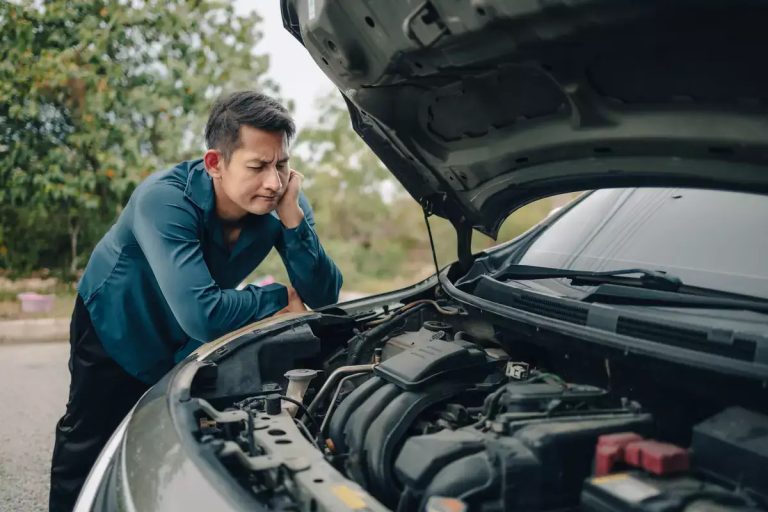
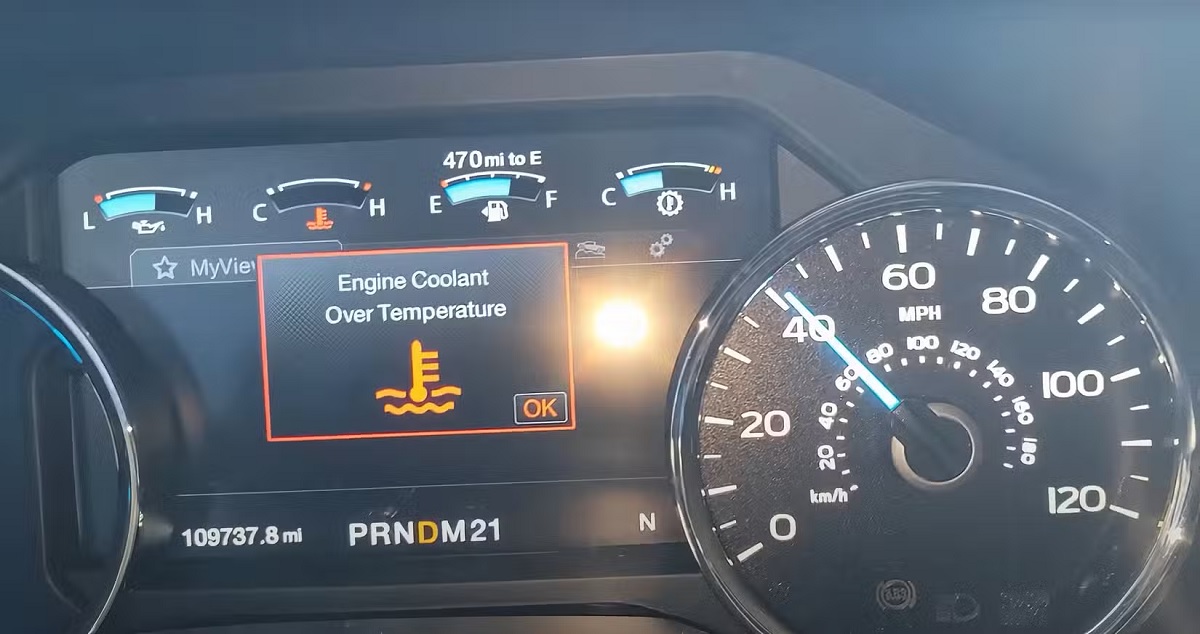
Noticing your vehicle’s temperature gauge rising or a warning light indicating high engine temperature can be alarming. Overheating can quickly cause serious engine damage, including warped components, blown gaskets, or even total engine failure. Acting promptly ensures both your safety and the longevity of your vehicle.
Understanding what to do if engine coolant over temperature occurs is essential for every driver. It involves assessing the situation safely, taking immediate steps to reduce heat, and preventing further damage while protecting yourself from burns or other hazards.
Coolant plays a crucial role in maintaining engine temperature by absorbing and dissipating heat. When it fails to do so, the engine overheats, which can lead to permanent damage if not addressed. Recognizing the signs early, such as rising temperature gauges, steam from the hood, or unusual smells, helps prevent critical failures.
Being aware of proper procedures and safety precautions allows you to manage overheating situations effectively. Knowing the right steps ensures your engine cools safely and minimizes the risk of costly repairs.
Immediate Steps When Engine Coolant Over Temperature
Experiencing engine coolant over temperature can be a stressful situation for any driver. Acting quickly and safely is crucial to prevent serious engine damage and ensure personal safety. Understanding the immediate steps to take helps control the situation, protect your vehicle, and reduce the risk of costly repairs while keeping yourself out of harm’s way.
Safely Pull Over And Turn Off The Engine
The first and most important step when facing engine coolant over temperature is to safely pull over to the side of the road. Continuing to drive with an overheated engine increases the risk of serious damage, such as warped cylinder heads or blown head gaskets.
Once stopped, turn off the engine immediately. Shutting down the engine prevents further heat buildup and allows the coolant to begin dissipating heat. Avoid opening the hood right away, as hot steam or coolant can cause severe burns. Waiting at least 15–30 minutes ensures the engine has cooled sufficiently before inspecting or handling any components.
Prioritizing safety in this initial step minimizes injury risk while preventing additional damage to internal engine components. Remaining calm and focused helps you manage the situation efficiently without panic.
Check Coolant Levels And Leaks
After the engine has cooled, the next step is to check coolant levels and inspect for leaks. Low coolant is a common cause of overheating, and a visible leak in hoses, the radiator, or the water pump may indicate where fluid is escaping.
Use caution when removing the radiator cap, as residual pressure may still be present. Slowly unscrew the cap using a cloth to avoid burns from hot steam. Check the coolant reservoir for proper fluid levels and look for signs of discoloration or contamination, which may indicate other engine issues.
Refilling the coolant with the correct type and amount can temporarily reduce overheating, allowing safe movement to a nearby repair facility. Monitoring for leaks is essential to ensure the problem does not recur immediately after refilling. Regular coolant inspections also help prevent future over-temperature situations.
Turn On Heater And Reduce Engine Load
Activating the vehicle’s heater can help draw excess heat away from the engine in emergency situations. By turning the heater to maximum temperature, some heat from the engine coolant is transferred to the passenger compartment, lowering overall engine temperature.
Reducing engine load is equally important. Avoid heavy acceleration, towing, or high-speed driving while the engine is overheating. Maintaining a steady, slow speed allows the cooling system to operate more effectively without placing additional stress on the engine.
Using these techniques temporarily stabilizes the engine until proper repairs or refills are made. This step should only be a short-term measure, as the heater cannot replace proper coolant levels or fix underlying mechanical issues causing overheating.
Call For Professional Assistance If Needed
If the engine continues to overheat despite immediate steps, professional assistance may be required. Towing the vehicle to a certified mechanic ensures proper diagnosis and prevents further damage. Overheating can result from multiple causes, including a faulty thermostat, radiator blockage, or water pump failure, all of which require expert attention.
Avoid attempting extensive repairs yourself unless you have proper knowledge and tools. Certified mechanics can perform pressure tests, flush the cooling system, and replace damaged components safely. Timely professional intervention protects the engine from catastrophic failure and ensures the cooling system is restored to full functionality.
Monitor Engine Temperature During Recovery
After taking initial actions, monitoring the engine temperature while moving slowly or waiting for assistance is critical. Keeping an eye on the gauge and watching for signs of re-overheating ensures the situation remains under control.
Using visual cues such as steam, unusual smells, or discoloration of coolant can alert you to recurring issues. Continuous observation allows you to respond promptly, either by stopping the vehicle again or signaling for help. Maintaining awareness during recovery prevents additional stress on the engine and ensures safety throughout the incident.
Common Causes of Engine Coolant Over Temperature
An engine that runs hotter than normal or triggers a coolant over temperature warning can indicate several underlying issues. Identifying the root cause is essential for preventing severe engine damage and ensuring safe vehicle operation. Overheating often results from mechanical failures, fluid problems, or blockages within the cooling system. Recognizing the common causes allows drivers to take corrective action promptly.
Low Coolant Levels
One of the most frequent causes of engine coolant over temperature is low coolant levels. Coolant absorbs heat from the engine and transfers it to the radiator for dissipation. When levels drop due to leaks, evaporation, or improper maintenance, the engine cannot effectively release heat, leading to overheating.
Low coolant can result from damaged hoses, faulty radiator caps, or small leaks in the water pump. Even a slow leak over time reduces coolant capacity enough to trigger high-temperature warnings. Regularly checking the coolant reservoir and ensuring proper fluid levels is critical to maintaining safe engine operation.
In addition, using the wrong type of coolant or mixing incompatible fluids can reduce cooling efficiency. Consistent maintenance, topping off with the correct coolant, and inspecting for leaks prevent overheating incidents and protect engine components from excessive stress.
Malfunctioning Thermostat
The thermostat regulates coolant flow between the engine and radiator, maintaining optimal operating temperature. A malfunctioning thermostat can remain closed, restricting coolant flow and causing the engine to overheat.
When the thermostat sticks, the coolant cannot circulate properly, resulting in hotspots and high temperature readings. This issue often presents as a sudden spike in the temperature gauge, sometimes accompanied by steam from the radiator or hood. Replacing a faulty thermostat restores proper coolant circulation and stabilizes engine temperature.
Timely detection of thermostat problems is critical because prolonged overheating can warp cylinder heads, damage gaskets, and strain other cooling system components. Regular maintenance checks ensure the thermostat functions correctly and prevents temperature-related engine damage.
Radiator Blockages or Malfunctions
A clogged or damaged radiator is another common cause of engine coolant over temperature. Radiators dissipate heat from the coolant, and any obstruction, corrosion, or damage can reduce efficiency.
Blockages may occur from debris, mineral deposits, or internal corrosion, preventing proper coolant flow. Leaks in the radiator, bent fins, or malfunctioning radiator fans further hinder heat dissipation. Symptoms include uneven heating, hot spots in the engine, and frequent overheating under normal driving conditions.
Flushing the radiator or replacing damaged components restores coolant flow and ensures effective heat transfer. Routine inspection of radiator hoses, fins, and fan operation helps maintain optimal engine cooling and prevents temperature spikes. Regular maintenance also protects the engine from long-term damage caused by repeated overheating.
Faulty Water Pump
The water pump circulates coolant throughout the engine and radiator. A failing water pump can reduce or stop coolant flow, leading to engine coolant over temperature. Common causes include worn bearings, broken impellers, or leaking seals.
Symptoms of a faulty water pump include coolant leaks, unusual noises, or rising temperature under normal driving conditions. Without proper circulation, the engine overheats quickly, putting stress on critical components such as the head gasket, cylinders, and pistons.
Replacing a failing water pump promptly ensures proper coolant circulation and prevents severe engine damage. Regular inspection during maintenance can identify early signs of wear, leaks, or malfunction, helping maintain engine temperature and reliability.
Malfunctioning Radiator Fan or Sensors
Radiator fans help draw air through the radiator to dissipate heat, especially at low speeds or idle. A malfunctioning fan or temperature sensor can result in engine coolant over temperature by preventing sufficient airflow when needed.
Electric fans may fail due to motor issues, blown fuses, or wiring problems, while faulty temperature sensors may not trigger fan operation correctly. Symptoms include high temperature readings, overheating at idle or in traffic, and hot engine smells.
Repairing or replacing faulty fans and sensors restores proper cooling system function, ensuring the engine operates within safe temperatures. Routine checks of fan operation, electrical connections, and sensor readings are essential preventive measures against overheating.
Long-Term Prevention and Maintenance
Preventing engine coolant over temperature requires consistent long-term maintenance and careful attention to your vehicle’s cooling system. Regular inspections, timely fluid changes, and proper driving habits help maintain optimal engine temperature and protect critical components. Adopting preventive measures ensures your engine runs efficiently while reducing the risk of costly repairs and unexpected breakdowns.
Regular Coolant Checks and Replacement
Consistently monitoring and maintaining coolant levels is one of the most effective ways to prevent overheating. Over time, coolant can become contaminated, lose its antifreeze properties, or degrade due to high heat exposure. Checking levels regularly ensures there is enough fluid to circulate through the engine and radiator.
Replacing coolant according to the manufacturer’s schedule maintains its ability to transfer heat effectively and prevents corrosion in the radiator, water pump, and engine block. Using the correct type of coolant is critical, as mixing incompatible fluids can reduce performance and cause deposits. Inspections should also include checking for leaks, discoloration, or unusual odors, which may indicate system issues.
Routine coolant maintenance not only prevents overheating but also extends the life of the entire cooling system. By ensuring proper fluid levels and quality, you minimize the risk of temperature-related engine damage and maintain reliable vehicle operation.
Inspecting and Maintaining the Radiator and Water Pump
The radiator and water pump are essential components in controlling engine temperature. Over time, radiators can become clogged with debris or mineral deposits, while water pumps may develop worn bearings or leaking seals. Regular inspections allow you to catch issues early before they lead to engine coolant over temperature.
Flushing the radiator periodically removes build-up and maintains efficient heat transfer. Checking hoses for cracks, leaks, or looseness ensures coolant flows properly without interruption. Similarly, monitoring water pump performance and listening for unusual noises can prevent catastrophic failure. Replacing faulty components proactively avoids unexpected overheating and costly repairs.
Routine attention to these key components ensures that your engine cooling system operates at peak efficiency. Proper maintenance safeguards the engine, improves reliability, and prevents sudden breakdowns caused by overheating.
Maintaining the Thermostat and Radiator Fans
The thermostat and radiator fans play a crucial role in regulating engine temperature. A malfunctioning thermostat can prevent coolant from circulating, while a faulty fan reduces airflow through the radiator, especially at low speeds or idle. Both issues can trigger engine coolant over temperature warnings.
Testing the thermostat regularly ensures it opens and closes at the correct temperatures, allowing coolant to flow consistently. Checking fan motors, blades, and electrical connections guarantees they operate effectively when needed. Cleaning or replacing sensors that control fan operation ensures accurate temperature regulation.
Proactively maintaining these components prevents overheating, reduces stress on the engine, and helps maintain consistent performance. Regular checks also allow early detection of electrical or mechanical failures before they compromise engine safety.
Regular Engine Inspections and Professional Maintenance
Routine engine inspections by a certified mechanic provide a holistic approach to preventing coolant over temperature issues. Mechanics can identify subtle leaks, worn hoses, failing pumps, or radiator blockages that may go unnoticed during casual checks.
Professional maintenance may include pressure testing the cooling system, checking fluid quality, flushing the radiator, and inspecting the thermostat and fan operation. This ensures all components work together efficiently, preventing overheating and extending the engine’s lifespan.
Scheduled inspections also help identify emerging problems early, reducing the likelihood of emergency repairs and maintaining peace of mind. Combining professional maintenance with personal monitoring provides the best long-term protection for your engine.
Adopting Safe Driving Habits
Long-term prevention also relies on safe and mindful driving practices. Avoiding prolonged idling, aggressive acceleration, or towing beyond the vehicle’s capacity reduces stress on the engine and cooling system. Allowing the engine to warm up gradually in colder climates ensures proper fluid circulation and stable operation.
Monitoring the temperature gauge and addressing minor fluctuations early prevents minor issues from escalating. Maintaining a smooth driving routine and avoiding excessive load on the engine contributes significantly to reducing the risk of overheating.
FAQs
What Should You Do Immediately If Engine Coolant Over Temperature?
If your engine coolant over temperature warning lights up, the first thing you should do is safely pull over. Continuing to drive can cause severe engine damage.
He, she, or you should turn off the engine to prevent further overheating. Avoid opening the radiator cap while the engine is hot, as pressurized steam or coolant can cause burns. Waiting for the engine to cool down is crucial before inspecting any components or adding coolant. Safety comes first before any troubleshooting.
Can You Keep Driving When Engine Coolant Over Temperature?
It is not safe to keep driving when the engine coolant over temperature warning appears. Continuing to operate the vehicle can lead to a blown head gasket, warped engine parts, or complete engine failure.
He, she, or you should pull over as soon as possible and allow the engine to cool. Only proceed after checking coolant levels, inspecting for leaks, and confirming the system is functioning properly. Ignoring the warning can result in costly repairs and permanent engine damage.
How Do You Check Coolant Levels Safely?
When engine coolant over temperature occurs, you must wait for the engine to cool before checking the coolant. Never remove the radiator cap while the engine is hot.
He, she, or you can safely inspect the coolant reservoir by looking at the minimum and maximum level marks. If the level is low, add a mixture of coolant and water as recommended by your vehicle manufacturer. Checking hoses for leaks or cracks can also help prevent future overheating issues.
What Are Common Causes Of Engine Coolant Over Temperature?
Engine coolant can overheat for several reasons, including low coolant levels, a stuck thermostat, a failing radiator, or a malfunctioning water pump. Blockages in the cooling system can also restrict flow and raise temperatures.
He, she, or you should investigate the cooling system for leaks, damaged hoses, or broken fans. Identifying the cause is essential for safe driving. Regular maintenance and timely repairs prevent repeated overheating and protect your engine’s longevity.
How Can You Cool Down The Engine Quickly?
Once your vehicle is safely parked, let the engine cool down naturally. Opening the radiator or coolant reservoir while hot is dangerous due to high pressure and temperature.
He, she, or you can use a fan to improve airflow around the engine if available, but avoid pouring cold water directly on a hot engine. Patience is key; allow at least 20-30 minutes for the engine to reach a safe temperature before performing any checks or adding coolant.
When Should You Call A Mechanic For Engine Coolant Over Temperature?
You should call a mechanic if the engine continues to overheat even after adding coolant or if you notice persistent leaks. Repeated overheating could indicate a failing thermostat, radiator blockage, or water pump problem.
He, she, or you should avoid driving long distances in this condition. Professional inspection ensures that critical components are repaired or replaced safely, preventing further engine damage and ensuring the vehicle runs reliably.
How Can You Prevent Engine Coolant Over Temperature In The Future?
Regular maintenance is essential to prevent engine coolant over temperature problems. Check coolant levels frequently, inspect hoses and belts, and replace worn components before they fail.
He, she, or you should schedule periodic coolant flushes to remove sediment and maintain proper flow. Ensuring that the radiator, water pump, and thermostat are in good condition helps maintain engine temperature and reduces the risk of overheating while driving.
Conclusion
Experiencing engine overheating can be stressful, but knowing how to respond quickly is essential for preventing serious damage. Taking immediate action by safely stopping the vehicle, turning off the engine, and allowing it to cool can protect critical components such as the cylinder head, radiator, and hoses. Recognizing the signs early helps minimize the risk of costly repairs and ensures your safety on the road.
Understanding what to do if engine coolant over temperature occurs allows you to take practical steps, such as checking coolant levels, inspecting for leaks, and using the heater to reduce heat temporarily. These measures stabilize the engine while you determine whether professional assistance is necessary. Following these steps promptly can prevent further overheating and maintain smooth engine operation.
Long-term prevention is equally important. Regular maintenance of the cooling system, including inspecting the radiator, water pump, thermostat, and coolant, helps avoid recurring issues. Coupled with safe driving habits, these practices ensure your vehicle remains reliable and reduces the chances of future overheating incidents.