Car Backfire vs. Gunshots: How to Tell the Difference
Hearing a loud, sudden noise while driving can be alarming and confusing, especially when it resembles something more serious than a simple engine sound. Understanding the difference between an engine backfire and an external explosive noise is crucial for safety, awareness, and proper vehicle maintenance.
Car engines are complex systems, and unusual noises can occur due to fuel combustion irregularities, exhaust issues, or mechanical malfunctions. Some of these sounds may closely mimic gunshots, creating panic for drivers and bystanders alike. Recognizing the signs and causes of each sound helps you determine whether it’s a mechanical issue or an external threat.
Car backfires are generally caused by delayed combustion or unburned fuel igniting in the exhaust system, producing a loud popping or banging sound. Gunshots, on the other hand, have a sharp, singular crack and are accompanied by different environmental cues.
Learning to distinguish between these noises not only helps in diagnosing vehicle issues but also improves situational awareness in potentially hazardous environments. Drivers who understand the difference can respond appropriately, whether by inspecting their car, seeking maintenance, or contacting authorities when necessary.
Understanding the Nature of Car Backfires and Gunshots
Differentiating between a car backfire and the sound of gunshots is essential for both safety and vehicle maintenance. These noises may sound similar at first, but their causes, characteristics, and contexts differ significantly. By understanding the nature of each sound, you can respond appropriately, whether that means diagnosing your vehicle or ensuring personal safety in a potential threat situation.
What Causes Car Backfires?
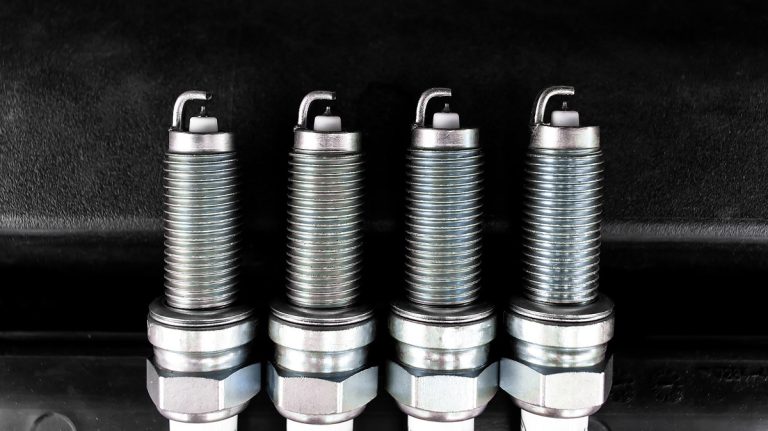
Car backfires occur when unburned fuel ignites either in the exhaust system or the intake manifold of an engine. This can happen due to delayed combustion, incorrect air-fuel mixture, faulty spark plugs, or timing issues. Older vehicles or performance cars with modified exhaust systems are particularly prone to producing these loud pops or bangs.
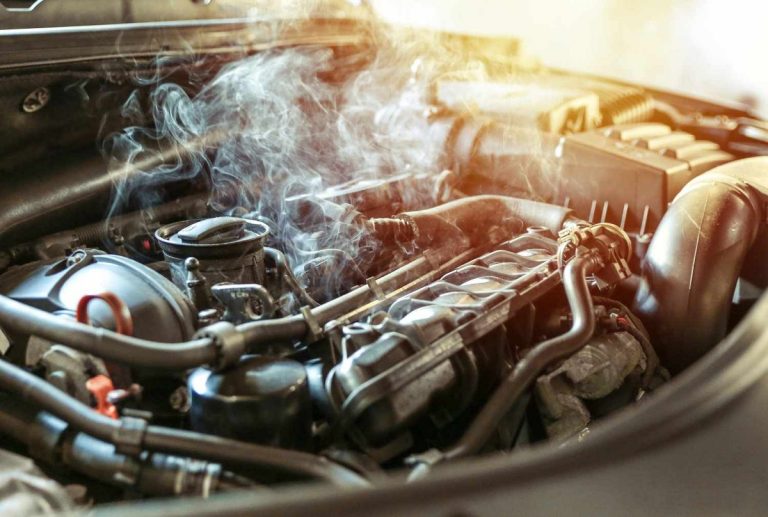
The sound of a backfire is typically sudden but short, often accompanied by a brief flash or smoke from the exhaust. It can happen during acceleration, deceleration, or even when the engine is idling. While alarming, most backfires are harmless if they occur occasionally. However, repeated or intense backfires can indicate a mechanical problem, such as a malfunctioning fuel injector or a failing ignition component, requiring inspection by a qualified mechanic.
Car backfires are purely mechanical and usually linked to fuel and combustion issues rather than external factors, making them distinguishable from other loud noises in your environment.
The Mechanics Behind Gunshot Sounds
Gunshots produce a sharp, high-decibel noise due to the rapid expansion of gases when a firearm is discharged. This creates a supersonic shockwave, which is instantly loud and distinct from mechanical engine sounds. Unlike car backfires, gunshots do not involve combustion within an engine system, making their origin external and unrelated to vehicles.
Gunshot sounds are often singular or repeated in rapid succession and may be accompanied by visual cues, such as muzzle flash or the movement of a shooter. Environmental factors, like echoes from nearby buildings or open fields, can also affect how the sound is perceived. Recognizing the sudden, cracking nature of gunshots and their consistent high pitch is key to distinguishing them from vehicle noises.
Understanding how gunshots produce their signature sound allows you to differentiate them from engine-related noises, which are generally lower in pitch, less sharp, and connected to mechanical activity.
Key Differences in Sound and Timing
While both car backfires and gunshots can be loud and startling, the differences in pitch, timing, and context are noticeable once you know what to listen for. Backfires usually have a deeper, more resonant tone caused by the engine’s exhaust system, whereas gunshots are higher-pitched and more instantaneous.
Timing is another distinguishing factor. Car backfires often occur when the throttle is adjusted, such as during acceleration or deceleration. In contrast, gunshots are independent of vehicle activity and can occur anywhere, often without warning. The rhythm and frequency of the noise also differ; backfires may repeat occasionally during engine operation, while gunshots are more likely to be isolated or in rapid bursts.
Listening carefully to these characteristics can help drivers, pedestrians, and bystanders quickly determine whether the sound is mechanical or external, enabling a more informed response.
Visual and Environmental Cues
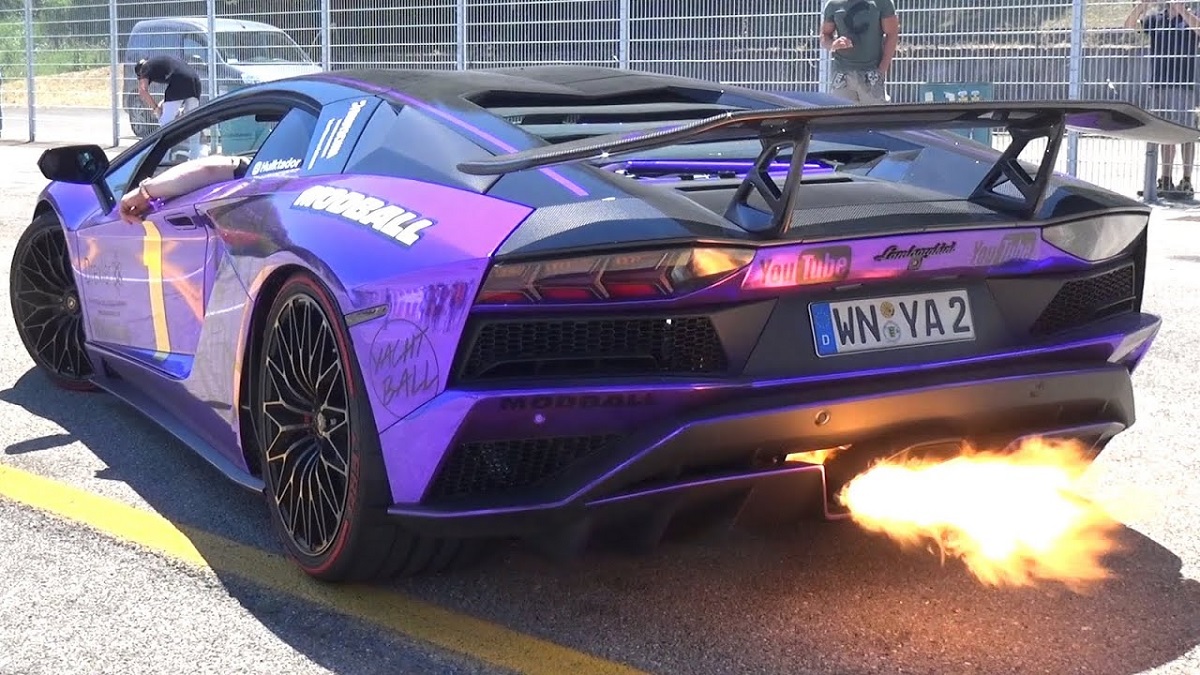
Beyond the sound itself, visual and environmental cues play a significant role in differentiating car backfires from gunshots. Backfires may produce smoke or brief flames from the exhaust pipe, especially in vehicles with modified or older systems. Observing your vehicle during the noise can confirm that the engine is the source.
Gunshots, however, do not originate from a vehicle and may be accompanied by muzzle flash, shell casings, or other indicators of firearm discharge. Environmental awareness, such as hearing echoes in urban areas or open spaces, can further assist in distinguishing between the two. Being mindful of surroundings, context, and accompanying visual cues is critical for safety and for assessing whether vehicle maintenance is needed.
Safety Implications
Recognizing the difference between a car backfire and a gunshot is not just about vehicle diagnostics—it is also about personal safety. Misidentifying a gunshot as a harmless backfire could put you in danger, while assuming a backfire is a threat might lead to unnecessary panic or emergency calls.
Maintaining situational awareness, observing accompanying visual cues, and understanding sound characteristics allows you to respond appropriately. For backfires, this may involve scheduling maintenance, while for potential gunfire, seeking cover and contacting authorities is the safest course of action. Understanding these distinctions empowers you to act responsibly in different scenarios.
Factors That Affect Perception of Sounds
Understanding why certain noises are perceived differently in various situations is crucial, especially when distinguishing between a car backfire and gunshots. Several factors influence how we hear and interpret sounds, including distance, environmental conditions, individual hearing ability, and surrounding background noise. Recognizing these influences helps you accurately identify the source of a sound and respond appropriately.
Distance From the Sound Source
The distance between you and the sound source significantly affects how a noise is perceived. Sounds lose intensity as they travel, so a distant car backfire may appear quieter and sharper, while a nearby gunshot can seem overwhelmingly loud and startling.
Distance also affects pitch and clarity. Low-frequency noises, such as engine backfires, can travel farther and feel muffled at a distance, whereas high-frequency noises, like gunshots, are more directional and may sound sharper even from farther away. Distance can also cause echoes or reverberations, which may distort the original sound, making it harder to distinguish between a vehicle backfire and gunfire.
Being aware of how proximity alters perception allows you to evaluate whether a noise is likely mechanical or external, helping to ensure both safety and accurate vehicle diagnostics.
Environmental and Acoustic Conditions
Environmental conditions play a major role in how we perceive sounds. Urban areas with tall buildings, narrow streets, and reflective surfaces can amplify or echo noises, making car backfires or gunshots seem louder or closer than they are. Open fields or rural areas allow sounds to disperse more easily, sometimes reducing volume and clarity.
Weather conditions like rain, wind, or fog can also distort sounds. Wind may carry noise farther or alter its direction, while rain can muffle or soften the impact of a sharp sound. Temperature layers in the air may bend sound waves, making a gunshot or backfire seem nearer or farther away. Understanding these environmental effects improves your ability to correctly identify noises and reduces unnecessary panic.
Acoustic awareness is key for drivers, pedestrians, and anyone responding to sudden or startling noises in different environments.
Background Noise and Competing Sounds
Competing sounds and background noise affect how clearly a primary sound is perceived. Heavy traffic, construction, or music can mask or distort both car backfires and gunshots, making them harder to recognize. Conversely, in quiet environments, even distant noises may appear amplified and startling.
The human brain often filters sounds based on what it considers familiar or important. An unexpected noise amidst constant background hum may be misinterpreted or cause delayed recognition. For instance, a popping engine sound might be mistaken for gunfire in a quiet area, while the same sound may blend in unnoticed during a noisy commute.
Being mindful of how background noise interacts with sudden sounds helps you differentiate mechanical issues from external threats, allowing for more accurate assessments and safer responses.
Individual Hearing and Perception Differences
Hearing ability varies between individuals, affecting how sounds are perceived and interpreted. Age, ear health, and hearing sensitivity all influence whether you detect high-pitched cracks of gunfire or the deeper pops of a backfiring engine.
Some people may perceive vibrations more than actual sound, especially with low-frequency engine backfires, while others may focus on sharp, sudden noises like gunshots. Prior experience and familiarity with specific sounds also shape perception, as a driver who has experienced repeated backfires may recognize them more quickly than someone unfamiliar with engines.
Understanding personal hearing limitations and accounting for differences in perception can prevent misinterpretation of sounds and improve safety awareness.
Psychological and Situational Factors
The context in which a sound occurs significantly affects how it is perceived. Stress, surprise, and attention levels can amplify reactions to noises. A popping engine sound in a calm setting may trigger panic, whereas the same sound during heavy traffic may go unnoticed.
Situational awareness and mental state influence how you interpret auditory information. Fear or anticipation may exaggerate the perceived intensity of a gunshot or backfire. Recognizing how psychological factors impact perception allows you to make more rational assessments, ensuring appropriate reactions whether you are addressing a mechanical issue or a potential threat.
Being aware of these psychological and situational factors, combined with knowledge of environmental influences and hearing abilities, equips you to accurately distinguish between car backfires and gunshots in real-world scenarios.
Visual and Contextual Clues
Identifying the source of loud, sudden noises requires more than just listening. Observing visual cues and understanding the context in which a sound occurs are essential to differentiate between a car backfire and gunshots. By paying attention to what you see and the surrounding circumstances, you can respond appropriately, ensuring both personal safety and accurate vehicle assessment.
Observing the Vehicle
When a loud pop or bang occurs, one of the first visual clues is the vehicle itself. Car backfires often produce visible signs, such as brief flames or smoke from the exhaust, particularly in older vehicles or performance-modified engines. The exhaust tip may flare, and sometimes a rhythmic popping aligns with acceleration or deceleration.
Monitoring your own vehicle for these indicators can quickly confirm whether the noise originates from your engine. Additionally, inspecting other vehicles nearby may provide context, as backfires can occur in passing cars on the road. Recognizing these visual cues helps distinguish mechanical engine noises from external threats, preventing unnecessary panic or misjudgment.
Environmental Context
The setting in which a sound occurs significantly influences its interpretation. Gunshots are more likely to occur in areas where firearms are accessible, such as shooting ranges or urban neighborhoods with reported violence. In contrast, engine backfires typically happen on streets, highways, or parking areas where vehicles are present.
Other contextual factors, such as time of day, traffic conditions, and pedestrian activity, also play a role. For instance, a loud pop in a quiet residential area late at night may require more caution than the same sound on a busy city street. Understanding the context helps you assess potential risks and determine the proper response, whether it’s checking your vehicle or seeking safety.
Additional Visual Cues
Beyond vehicles, other visual indicators can provide clues about the source of a noise. Gunfire may be accompanied by muzzle flashes, sudden movement of people, or shell casings on the ground. Car backfires rarely produce these signs and are usually confined to the vehicle itself.
Paying attention to the direction of smoke, flashes, or vibrations can also help you trace the source. A brief flame or smoke from a tailpipe aligns with a backfire, whereas an external flash or rapid movement away from the sound may indicate gunfire. These cues improve situational awareness and reduce misinterpretation.
Behavioral Observations
Observing human behavior around the noise can also provide important information. People reacting with alarm, taking cover, or calling for help may suggest an external threat like gunshots. In contrast, calm or neutral reactions in traffic generally indicate mechanical causes, such as a backfiring engine.
Crowd behavior, combined with other visual and auditory cues, offers additional confirmation about the nature of the sound. Being attentive to these reactions allows for better decision-making and appropriate responses without overreacting.
Combining Clues for Accurate Assessment
To reliably differentiate between car backfires and gunshots, combine visual cues with contextual awareness and sound characteristics. Observe vehicles for exhaust flares or smoke, consider the environment and time, notice human reactions, and watch for external flashes or movement.
Integrating these observations helps form a comprehensive understanding of the situation. Drivers and pedestrians can quickly determine whether the noise indicates a mechanical issue or a potential threat, enabling appropriate actions such as vehicle inspection, seeking shelter, or contacting authorities.
Safety Measures and Appropriate Responses
When confronted with loud, sudden noises, knowing how to respond can make a critical difference in personal safety and vehicle maintenance. Differentiating between car backfires and gunshots, combined with careful observation and sound analysis, allows you to take the right precautions. Adopting safety measures ensures you react effectively while minimizing risk and avoiding unnecessary panic.
Immediate Safety Actions
The first step after hearing a loud noise is to assess your surroundings calmly. Check for nearby vehicles, pedestrians, and potential hazards. If you suspect a gunshot, prioritize personal safety by finding cover or moving to a secure location away from the source of the sound. Avoid panicked reactions such as swerving abruptly in traffic, as this can create additional risks.
For a suspected car backfire, remain inside the vehicle if it’s safe, especially on a busy road, and observe any smoke or flashes from the exhaust. Staying calm and stationary allows you to evaluate whether the noise indicates a mechanical problem or is unrelated to your car. Immediate safety actions reduce the risk of injury and help you respond rationally.
Vehicle Inspection and Maintenance
After confirming that a loud noise is likely a car backfire, inspecting your vehicle is essential. Begin by checking the exhaust system, spark plugs, and air-fuel mixture to identify potential issues. Older vehicles or cars with performance modifications may experience backfires more frequently, requiring more frequent maintenance checks.
Regular inspections help prevent repeated backfires and ensure engine performance. Keeping up with scheduled maintenance, using
FAQs
What Is The Main Difference Between A Car Backfire And A Gunshot?
The main difference lies in the source and nature of the sound. A car backfire occurs when unburned fuel ignites in the exhaust system or intake, creating a loud popping or banging noise. A gunshot, however, comes from the rapid expansion of gases from a firearm, producing a sharp, explosive sound.
You can often distinguish them by observing the surroundings. A backfire is usually accompanied by engine noise, exhaust smoke, or sputtering, while a gunshot is sudden, isolated, and may be followed by visible muzzle flash or shell casings.
Can You Tell The Difference Between Car Backfire And Gunshots By Sound Alone?
Yes, you often can, but it requires careful attention. Car backfires generally have a deeper, rolling, or echoing tone, and sometimes occur in rapid succession. Gunshots are sharp, high-pitched, and abrupt.
Other cues, like timing, repetition, and proximity, can help. If the noise follows engine revving or occurs when a car accelerates, it’s likely a backfire. Gunshots, in contrast, usually happen independently of nearby vehicles and may sound more abrupt and piercing, especially in open areas.
How Can Location Help Distinguish Car Backfire From Gunshots?
Location is a key factor. Car backfires come from the direction of a vehicle, often moving with traffic. Gunshots generally come from a fixed point or multiple directions if multiple firearms are involved.
Observing your environment can provide clues. For example, if you see a vehicle with smoke or hear revving before the noise, it’s likely a backfire. Gunshots may have no visible source unless you notice muzzle flash or other indicators, helping you differentiate between the two in urban or rural settings.
Are There Visual Clues To Identify A Car Backfire Versus Gunshots?
Yes, visual cues make identification easier. A car backfire is often accompanied by brief flames or smoke from the exhaust pipe and engine sputtering. You might also see a vehicle slowing down or stopping immediately after the sound.
Gunshots, in contrast, may have no visible smoke near a car, but you could notice muzzle flash, flying shell casings, or people reacting to the gunfire. These visual indicators help you confirm whether the sound came from a vehicle or a firearm, especially in low-light conditions.
Can Time Of Day Affect How You Perceive Car Backfires And Gunshots?
Absolutely. At night, sounds tend to carry further due to less ambient noise, making it harder to distinguish. Car backfires may echo and sound louder, while gunshots may travel clearly across open areas.
During the day, traffic, construction, or other environmental noises can mask subtle differences, making it trickier. Observing context, such as traffic patterns, engine sounds, or sudden flashes, is important to accurately identify whether you’re hearing a backfire or gunfire, regardless of the time.
Should You Always Treat A Loud Bang As A Gunshot Or Car Backfire?
You should prioritize safety first. If you are unsure whether the noise is a backfire or gunfire, treat it as a potential threat. Move to a safe location and stay alert for additional noises.
Once you’re safe, observe for visual cues like vehicles, smoke, or muzzle flash. You can report gunfire to authorities if there is any doubt, while a car backfire typically requires no emergency response. Erring on the side of caution ensures your safety.
How Can You Prevent Mistaking Car Backfires For Gunshots?
Pay attention to multiple factors: source, sound characteristics, environment, and visual cues. Observing engine behavior, exhaust smoke, or vehicle movement can confirm a backfire. Listen for the tone and duration: backfires often roll or echo, while gunshots are sharp and abrupt.
Understanding local traffic patterns and potential sources of gunfire can help you make informed judgments. Staying calm, observing carefully, and using both auditory and visual information ensures you accurately identify whether you are hearing a car backfire or gunshots, reducing unnecessary panic.
Conclusion
Understanding the differences between sudden engine noises and external threats is crucial for both safety and vehicle maintenance. Loud, startling sounds can cause confusion and panic, but knowing how to identify the source allows you to respond appropriately. Observing visual cues, contextual factors, and sound characteristics helps you distinguish between mechanical issues and real dangers.
Car backfires typically produce smoke or brief flames from the exhaust and are linked to combustion irregularities within the engine. Gunshots, on the other hand, have a sharp, high-pitched crack and may be accompanied by muzzle flashes or rapid movements in the environment. Paying attention to these differences ensures that you take the correct actions, whether inspecting your vehicle, seeking safety, or contacting authorities.
By understanding the key indicators, drivers and pedestrians can make informed decisions in unexpected situations. Recognizing and reacting correctly to Car Backfire vs. Gunshots protects both your safety and your vehicle, ensuring peace of mind on the road.