What Causes Engine Backfire On Acceleration – Common Reasons & How To Fix It
Engine backfires during acceleration can be alarming and often indicate that something in the combustion process is not functioning properly. These loud pops or bangs are not just a noise issue—they can signal inefficiencies in fuel delivery, air intake, or ignition timing that may affect overall engine performance. Understanding the factors behind backfiring helps prevent long-term damage and ensures smoother driving.
Backfires occur when unburned fuel ignites either in the intake or exhaust system, creating a small explosion outside the combustion chamber. Drivers may notice a sudden pop or flame from the exhaust, rough engine running, or hesitation during acceleration. Such symptoms can be caused by a variety of mechanical or electrical issues, and recognizing them early is key to proper troubleshooting.
Knowing what to examine, from spark plugs to fuel injectors and timing components, allows drivers to address the problem accurately. A clear understanding of what causes engine backfire on acceleration empowers vehicle owners to maintain engine health and prevent repeated incidents.
Accurate diagnosis often requires a combination of observation, mechanical inspection, and sometimes professional testing. This approach ensures the underlying cause is identified, reducing the risk of damage to critical engine components and improving overall performance.
Signs That Your Engine Is Backfiring On Acceleration
Experiencing engine backfire on acceleration is more than a sudden noise; it’s a warning that the combustion process is not functioning correctly. Recognizing the signs early helps you identify underlying issues before they escalate into costly repairs. From unusual noises to performance problems, these symptoms often indicate fuel, ignition, or timing issues that require attention.
Loud Popping Or Bangs From The Exhaust
One of the most obvious signs of engine backfire on acceleration is a loud popping or banging sound coming from the exhaust. These noises occur when unburned fuel ignites outside the combustion chamber, typically in the exhaust system.
This sound is often sudden and occurs when pressing the accelerator, particularly during rapid acceleration or heavy engine load. Repeated occurrences can indicate that fuel is not being combusted efficiently, potentially caused by issues such as incorrect ignition timing, worn spark plugs, or fuel injector problems.
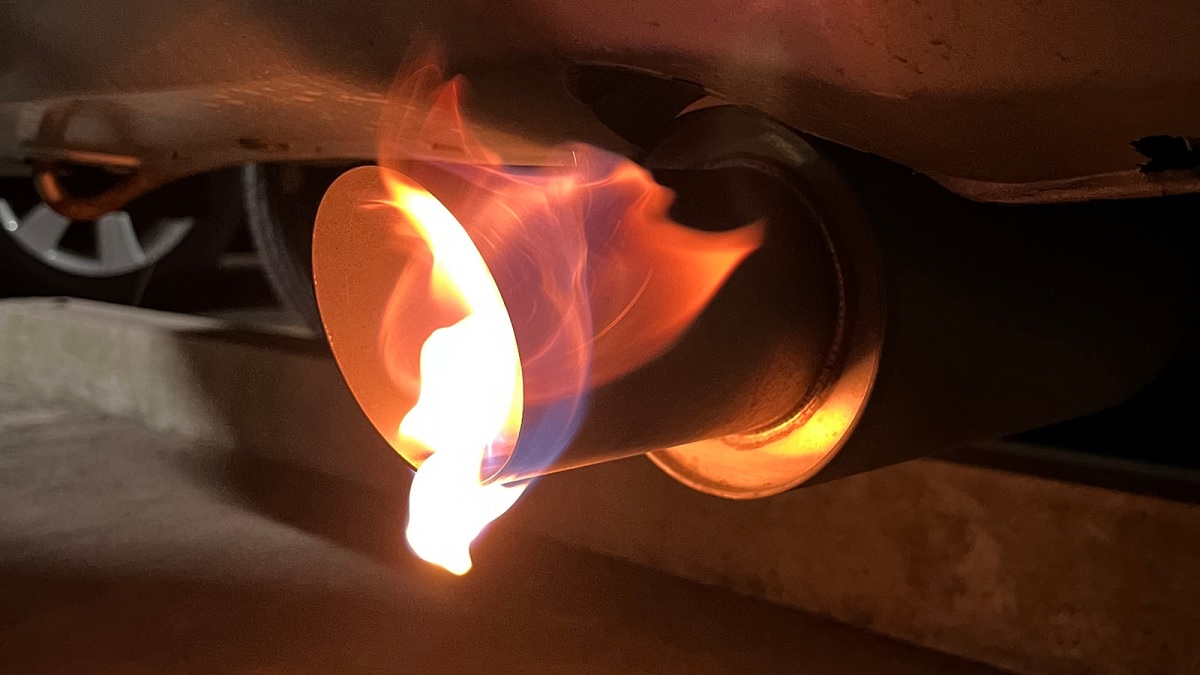
Drivers may also notice minor flames or smoke from the exhaust, which further signals unburned fuel is igniting outside the engine. Ignoring these auditory warnings can lead to damage in the exhaust system, catalytic converter, or engine internals, making timely diagnosis essential.
Rough Engine Idling And Hesitation
Engine backfiring on acceleration often accompanies rough idling or hesitation when trying to accelerate. The engine may feel unsteady, stumble, or temporarily lose power as fuel and air are not ignited efficiently.
Symptoms include sudden surges or dips in RPMs, engine vibrations, or inconsistent throttle response. Misfires caused by worn spark plugs, faulty ignition coils, or clogged fuel injectors can lead to this behavior. The uneven combustion disrupts engine performance, reducing responsiveness and efficiency.
Noticing hesitation during acceleration or irregular engine vibrations signals the need to inspect ignition timing, spark quality, and fuel delivery. Addressing these issues prevents repeated backfires and restores smooth engine operation.
Black Smoke Or Unusual Exhaust Smell
Another sign of backfiring is black smoke or a strong fuel odor from the exhaust. When fuel does not combust completely in the combustion chamber, it can ignite in the exhaust, creating visible smoke and an unburned fuel smell.
This symptom is often more pronounced during acceleration when the engine demands more fuel. Excessive black smoke can also indicate a rich fuel mixture, clogged air filters, or malfunctioning sensors that misreport air-fuel ratios to the ECM. Persistent black smoke or fuel odor not only signals inefficient combustion but may also damage the catalytic converter over time.
Monitoring exhaust color and smell during acceleration helps determine if backfiring is related to fuel mixture issues. Correcting air-fuel balance and ensuring proper combustion reduces smoke, odor, and repeated backfire events.
Engine Misfires And Power Loss
Frequent misfires or noticeable power loss during acceleration are common indicators that the engine is backfiring. Misfires occur when fuel in the cylinder does not ignite correctly, causing abrupt pressure changes that produce the characteristic popping sound.
Drivers may notice jerking motions, reduced acceleration, or inconsistent engine performance. Problems with spark plugs, ignition coils, timing components, or sensors like the MAF or TPS often contribute to these misfires. Even with proper fuel supply, incorrect ignition timing can lead to incomplete combustion and backfires.
Recording the conditions under which misfires occur—such as low or high RPM, sudden acceleration, or steep inclines—can help pinpoint the faulty component. Addressing the root cause restores engine power, smooth acceleration, and prevents further backfiring.
Check Engine Light Or Diagnostic Codes
A check engine light may illuminate on the dashboard when backfiring occurs. Modern vehicles monitor combustion and emissions, triggering alerts when misfires, incorrect fuel ratios, or sensor malfunctions are detected.
Reading diagnostic trouble codes (DTCs) with an OBD-II scanner helps identify components responsible for backfiring, such as ignition coils, fuel injectors, or timing sensors. Codes can indicate misfires, air-fuel mixture errors, or exhaust system problems contributing to unburned fuel igniting outside the combustion chamber.
Using these codes to guide inspections ensures a targeted approach, reducing guesswork and repair costs. Following up on DTCs alongside observing symptoms like popping, hesitation, or smoke helps identify and resolve the causes of engine backfire on acceleration efficiently.
Fuel System Issues Leading To Backfire
Engine backfire on acceleration is often linked to fuel system problems that disrupt the proper air-fuel mixture in the combustion chamber. When fuel delivery is inconsistent or excessive, unburned fuel can ignite in the exhaust system, causing loud pops, smoke, or even flames. Understanding common fuel system issues helps prevent damage and restores smooth engine performance.
Clogged Or Dirty Fuel Injectors
Fuel injectors are responsible for delivering a precise amount of fuel into each cylinder at the correct timing. When injectors become clogged or dirty, the fuel spray pattern is disrupted, leading to incomplete combustion.
This incomplete combustion can cause fuel to remain unburned and ignite in the exhaust system, resulting in backfires during acceleration. Drivers may notice rough idling, hesitation, or reduced engine performance along with the popping sounds. Even with a fully charged battery and proper ignition timing, clogged injectors prevent consistent fuel delivery, making backfires more likely.
Regular injector cleaning and using high-quality fuel can prevent buildup and maintain proper spray patterns. Replacing severely worn or damaged injectors ensures consistent fuel flow, restoring combustion efficiency and eliminating repeated backfiring.
Faulty Fuel Pump
The fuel pump maintains adequate fuel pressure for the engine’s operation. A weak or failing fuel pump can cause inconsistent fuel flow, leading to lean or rich conditions that promote backfiring.
Symptoms include engine hesitation, stalling, sputtering, or difficulty accelerating. When the engine receives too little fuel, combustion becomes incomplete, and unburned fuel can ignite in the exhaust system during acceleration. A failing pump may provide normal fuel flow at idle but falter under load, which is why backfires often occur when pressing the accelerator.
Testing fuel pressure and replacing a faulty pump restores consistent fuel delivery. Maintaining proper fuel pressure prevents misfires, engine hesitation, and reduces the risk of combustion occurring outside the cylinder.
Malfunctioning Fuel Pressure Regulator
The fuel pressure regulator ensures the correct pressure for fuel injectors. A malfunctioning regulator can allow excessive fuel into the combustion chamber, creating a rich mixture that does not fully burn.
A rich fuel mixture increases the likelihood of backfires during acceleration, as unburned fuel travels into the exhaust system. Drivers may notice black smoke, poor fuel economy, and hesitation alongside popping noises. Even with a healthy battery and ignition system, inconsistent fuel pressure can destabilize combustion and trigger backfires.
Replacing or adjusting a faulty regulator restores proper fuel pressure, ensuring an optimal air-fuel mixture. Correcting this imbalance improves engine performance, reduces emissions, and prevents repeated backfire incidents.
Contaminated Fuel
Contaminated fuel containing water, dirt, or debris can disrupt proper combustion, causing backfires. Impurities may clog injectors, restrict fuel flow, or affect the air-fuel mixture, leading to incomplete combustion.
Symptoms include sputtering during acceleration, misfires, hesitation, or loud pops from the exhaust. The problem often becomes more noticeable under load or during rapid acceleration, as the engine demands more precise fuel delivery. Even a fully functioning ignition system cannot compensate for contaminated fuel.
Flushing the fuel system and refilling with clean, high-quality fuel resolves contamination issues. Regularly using reputable fuel sources and treating the tank with additives can prevent buildup, maintaining smooth engine operation and reducing the risk of backfiring.
Air-Fuel Mixture Imbalance
An improper air-fuel ratio caused by fuel system issues can directly lead to backfires. Too much fuel or too little air prevents complete combustion, allowing unburned fuel to ignite in the exhaust system.
This imbalance often arises from clogged injectors, a faulty fuel pump, or a malfunctioning regulator. Drivers may experience popping noises, black smoke, rough idling, or hesitation during acceleration. Correcting the mixture requires inspecting and repairing the fuel delivery components to ensure the engine receives the precise amount of fuel relative to air intake.
Ignition System Problems That Cause Backfire
Backfires during acceleration are often linked to issues in the ignition system, which controls spark timing and fuel combustion. A malfunctioning ignition system can cause unburned fuel to ignite in the intake or exhaust system, producing loud pops or even flames. Understanding the common ignition problems that lead to backfire is essential for maintaining engine performance and preventing further damage.
Worn Or Fouled Spark Plugs
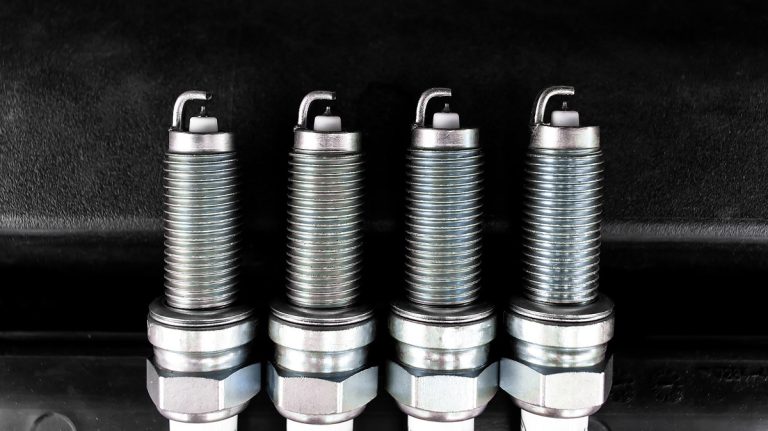
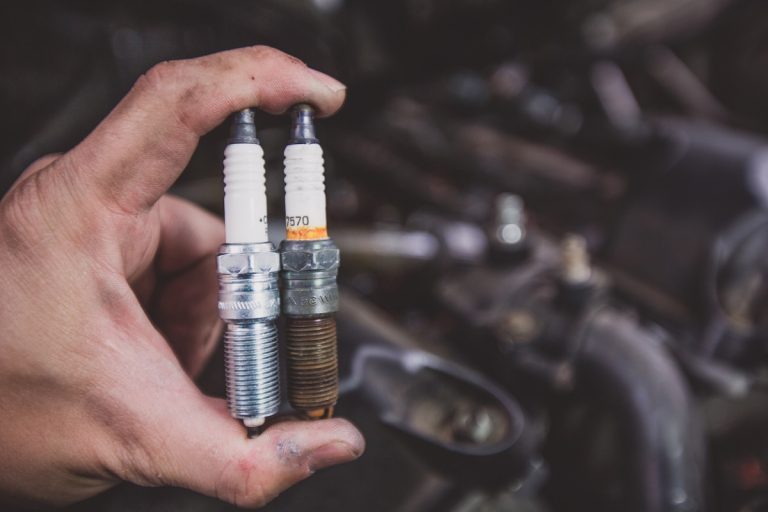
Spark plugs play a critical role in igniting the air-fuel mixture inside the engine cylinders. When spark plugs are worn, fouled, or incorrectly gapped, they fail to create a consistent spark, leading to incomplete combustion.
Incomplete combustion leaves unburned fuel that can ignite later in the exhaust system, causing backfires during acceleration. Symptoms include rough idling, hesitation when pressing the accelerator, reduced fuel efficiency, and noticeable popping sounds. Even with a fully functioning fuel system, poor spark delivery disrupts the combustion process.
Replacing worn or fouled spark plugs restores proper ignition, ensuring consistent combustion in each cylinder. Regular maintenance of spark plugs prevents misfires and reduces the likelihood of backfires, improving both engine performance and reliability.
Faulty Ignition Coils
Ignition coils convert battery voltage into the high voltage needed to produce a spark at the spark plugs. A failing coil can cause weak or intermittent sparks, resulting in misfires or incomplete combustion that leads to backfiring.
Symptoms of faulty ignition coils include engine hesitation, rough acceleration, jerking motions, and loud pops from the exhaust. Even with clean fuel and a properly functioning engine, inconsistent spark timing from a defective coil can cause unburned fuel to ignite outside the combustion chamber. Drivers may notice the problem intensifies under load or during rapid acceleration.
Testing ignition coils with a multimeter and replacing any faulty units ensures reliable spark delivery. This restores efficient combustion, smooth acceleration, and eliminates repeated backfires caused by inconsistent ignition.
Malfunctioning Crankshaft Or Camshaft Sensors
Crankshaft and camshaft position sensors provide critical timing information to the engine control module (ECM). These sensors ensure spark and fuel injection occur at the optimal moment. A malfunctioning sensor can disrupt ignition timing, leading to incomplete combustion and backfires.
Symptoms include misfires, hesitation, rough idling, or popping noises from the intake or exhaust during acceleration. Even with healthy spark plugs and coils, incorrect timing prevents proper combustion, leaving unburned fuel that can ignite improperly. Sensor failure can be intermittent, making backfires unpredictable and difficult to diagnose without proper diagnostic tools.
Replacing or recalibrating faulty sensors ensures accurate timing data is sent to the ECM. Correct timing improves combustion efficiency, reduces emissions, and eliminates engine backfires during acceleration.
Ignition Timing Issues
Incorrect ignition timing can occur due to worn timing belts, chains, or improper adjustments in older vehicles. Timing issues cause the spark to occur too early or too late, preventing complete combustion inside the cylinders.
Symptoms include engine knocking, reduced power, hesitation, and backfiring during acceleration. Even with a properly functioning fuel system and ignition components, mistimed sparks leave fuel unburned, which can ignite in the exhaust system. Timing problems often worsen under load or during rapid acceleration.
Adjusting ignition timing to manufacturer specifications or replacing worn timing components restores correct spark alignment. This ensures efficient combustion, smooth acceleration, and prevents repeated backfires that can damage the exhaust system and catalytic converter.
Failing Ignition Control Module
The ignition control module (ICM) regulates voltage to the ignition coils and spark plugs. A failing ICM can cause inconsistent spark delivery, leading to misfires, incomplete combustion, and backfires during acceleration.
Symptoms include engine stalling, hesitation, rough running, and popping sounds from the exhaust. Even with quality spark plugs, coils, and fuel delivery, an ICM that cannot maintain consistent spark timing disrupts combustion and increases the risk of backfire. Intermittent failure can make the problem unpredictable and challenging to troubleshoot.
Replacing a malfunctioning ICM restores proper spark control, stabilizes engine performance, and prevents unburned fuel from igniting outside the combustion chamber, eliminating repeated backfires during acceleration.
Air Intake And Vacuum System Causes
Engine backfires during acceleration are often linked to issues in the air intake or vacuum system. These systems regulate airflow and maintain the proper air-fuel mixture for efficient combustion. Any leaks, blockages, or sensor malfunctions can disrupt this balance, causing unburned fuel to ignite in the intake or exhaust, resulting in loud pops, sputtering, or even flames. Understanding these causes is key to preventing repeated backfires.
Vacuum Leaks
A vacuum leak occurs when unmetered air enters the engine, disrupting the precise air-fuel mixture required for combustion. This can happen due to cracked hoses, loose fittings, or damaged gaskets in the intake manifold or vacuum lines.
Symptoms of a vacuum leak include rough idling, hesitation during acceleration, and engine backfires. Unburned fuel can accumulate in the intake or exhaust system, igniting unpredictably and causing loud popping noises. Even with proper fuel delivery and ignition timing, the engine struggles to maintain smooth combustion when excess air dilutes the mixture.
Identifying and repairing vacuum leaks by inspecting hoses, gaskets, and intake connections ensures that the engine receives the correct air-fuel ratio. Fixing leaks restores efficient combustion, reduces backfires, and improves overall engine responsiveness.
Dirty Or Faulty Mass Air Flow (MAF) Sensor
The MAF sensor measures the volume of air entering the engine and communicates this data to the engine control module (ECM). A dirty or malfunctioning sensor can provide inaccurate readings, causing the ECM to supply too much or too little fuel.
Symptoms include rough acceleration, hesitation, engine backfires, and erratic idling. When the air-fuel ratio is too rich due to incorrect MAF readings, unburned fuel may ignite in the exhaust system during acceleration. Conversely, a lean mixture can cause misfires and popping in the intake. Even with functioning spark plugs and fuel injectors, faulty MAF sensor readings disrupt proper combustion.
Cleaning or replacing the MAF sensor ensures accurate airflow measurement. This allows the ECM to maintain the correct air-fuel mixture, stabilizing engine operation and reducing the risk of backfires.
Clogged Air Filter Or Intake Obstructions
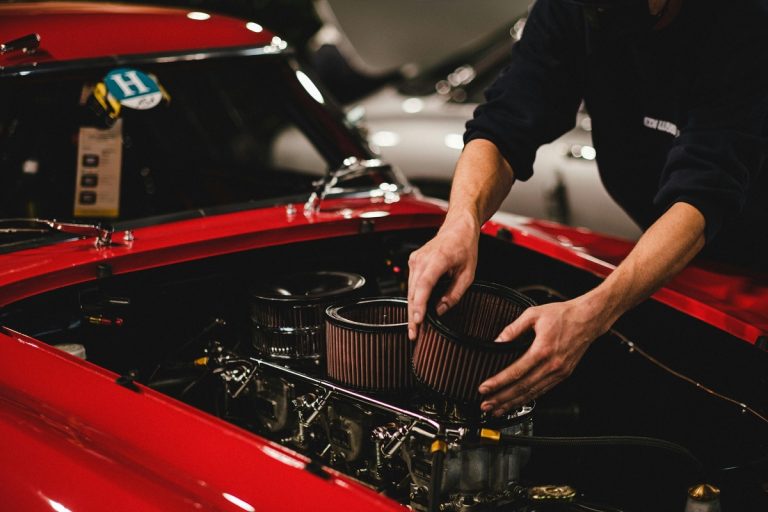
A clogged air filter or blocked intake can restrict airflow to the engine, causing a rich fuel mixture and incomplete combustion. Restricted airflow limits oxygen availability, preventing fuel from burning entirely in the cylinder.
Symptoms include rough idling, hesitation during acceleration, poor fuel economy, and engine backfires. The problem is more noticeable under load or rapid acceleration when the engine demands maximum airflow. Even with proper ignition and fuel delivery, restricted air can cause unburned fuel to ignite in the exhaust system.
Replacing a dirty air filter and inspecting the intake system for obstructions restores proper airflow. Ensuring unrestricted air supply promotes complete combustion, reduces popping noises, and improves engine performance and efficiency.
Faulty Throttle Body Or Sensors
The throttle body controls air intake based on driver input, while sensors such as the throttle position sensor (TPS) provide critical feedback to the ECM. A malfunctioning throttle body or sensor can disrupt air-fuel ratios, leading to backfires during acceleration.
Symptoms include rough acceleration, hesitation, erratic idling, and popping from the intake or exhaust. A malfunctioning TPS may cause the ECM to miscalculate fuel delivery, resulting in a mixture that is too rich or too lean. Even with functioning spark plugs and fuel injectors, incorrect throttle readings can trigger engine backfires.
Cleaning the throttle body and ensuring sensors are functioning properly restores accurate airflow control. This stabilizes the air-fuel mixture, improves engine response, and prevents repeated backfires.
Intake Manifold Leaks
Leaks in the intake manifold allow unmetered air to enter the engine, disrupting combustion timing and air-fuel ratios. This can cause unburned fuel to ignite outside the combustion chamber, producing loud pops or flames.
Symptoms include rough idling, hesitation, misfires, and engine backfires during acceleration. Intake manifold leaks can also affect sensor readings, further complicating fuel and spark management. Even with proper fuel and ignition systems, excess air entering the cylinders compromises combustion efficiency.
Inspecting and sealing intake manifold gaskets or connections restores proper airflow and pressure. Correcting these leaks ensures a balanced air-fuel mixture, smooth engine operation, and reduces the risk of backfires during acceleration.
Exhaust System Factors
Engine backfire during acceleration can often be traced to issues in the exhaust system. Since unburned fuel can ignite within the exhaust pipes or catalytic converter, any restriction, leak, or malfunction in the exhaust system can trigger loud pops, sputtering, or even flames. Understanding these factors helps prevent damage and ensures smoother engine performance.
Exhaust Leaks
Exhaust leaks occur when cracks, holes, or loose connections allow gases to escape before reaching the muffler or catalytic converter. These leaks can create backfires by providing oxygen to unburned fuel, causing it to ignite in the exhaust system.
Drivers may notice loud popping sounds, increased exhaust noise, or a sudden surge in temperature near the leak. Backfires often occur during acceleration when unburned fuel is expelled at higher pressure. Even with proper fuel delivery and ignition timing, exhaust leaks can ignite fuel outside the combustion chamber, producing dangerous pops or flames.
Inspecting exhaust pipes, gaskets, and connections for damage and repairing or replacing faulty components ensures the system is sealed. Fixing leaks prevents unburned fuel from igniting prematurely and reduces the risk of repeated backfires while maintaining proper emissions control.
Clogged Catalytic Converter
A clogged or partially blocked catalytic converter restricts exhaust flow, causing excess unburned fuel to accumulate in the exhaust system. When this fuel ignites, it produces backfires that can be loud and damaging.
Symptoms include reduced engine performance, hesitation during acceleration, rattling sounds from the converter, and noticeable popping from the exhaust. The blockage causes higher exhaust pressure, which can force unburned fuel to ignite outside the combustion chamber. Even with a functioning fuel system and ignition components, a clogged catalytic converter can trigger backfires and reduce engine efficiency.
Replacing or cleaning a clogged catalytic converter restores proper exhaust flow. This allows unburned fuel to burn in the combustion chamber as intended, eliminating backfires and improving engine performance and emissions.
Damaged Muffler Or Resonator
A damaged muffler or resonator can create turbulence in the exhaust flow, allowing pockets of unburned fuel to ignite and cause backfiring. Rust, holes, or internal component failure disrupt normal exhaust gas movement, making the engine more prone to popping sounds.
Symptoms include louder-than-normal exhaust noise, unusual vibration, and visible flames or sparks from the tailpipe during acceleration. Even with proper fuel and ignition systems, turbulence caused by a damaged muffler can ignite fuel outside the cylinders, producing backfires that may damage the exhaust system further.
Inspecting the muffler and resonator for cracks, rust, or internal damage and replacing faulty parts restores smooth exhaust flow. Properly functioning components prevent fuel ignition outside the combustion chamber and maintain consistent engine performance.
Faulty Exhaust Gas Recirculation (EGR) System
The EGR system recirculates a portion of exhaust gases back into the intake to reduce combustion temperatures and emissions. A malfunctioning EGR valve can allow excess exhaust gases or unburned fuel to enter the intake or create pressure imbalances, leading to backfires.
Symptoms include engine hesitation, rough idling, popping from the exhaust, and decreased fuel efficiency. Even with proper fuel and ignition systems, a faulty EGR valve can cause incomplete combustion or ignition in the exhaust system. This increases the likelihood of backfires during acceleration.
Cleaning, repairing, or replacing a faulty EGR valve restores proper gas recirculation and prevents pressure imbalances. This ensures the engine burns fuel efficiently and reduces the risk of backfires while maintaining emissions compliance.
Loose Or Damaged Exhaust Hangers
Exhaust hangers support the exhaust system and keep it properly aligned. Loose or damaged hangers can cause sections of the exhaust to shift, creating stress points or leaks where unburned fuel can ignite, resulting in backfires.
Drivers may notice rattling noises, unusual vibrations, or popping sounds from the exhaust during acceleration. Even with healthy ignition and fuel systems, misaligned exhaust components can produce turbulent gas flow and ignite unburned fuel outside the combustion chamber.
Inspecting and replacing damaged hangers ensures the exhaust system is securely mounted. Proper alignment maintains smooth gas flow, reduces turbulence, and minimizes the risk of repeated backfires, protecting both engine and exhaust components.
People Also Asked
What Causes Engine Backfire On Acceleration?
Engine backfire on acceleration occurs when unburned fuel ignites outside the combustion chamber, either in the intake or exhaust system. This typically happens due to an imbalance in the air-fuel mixture, incorrect ignition timing, or fuel delivery problems.
You may notice loud popping sounds, rough idling, or hesitation during acceleration. Factors like clogged fuel injectors, faulty spark plugs, malfunctioning sensors, vacuum leaks, or exhaust restrictions can all contribute. Identifying the root cause requires inspecting the ignition system, fuel delivery, sensors, and exhaust components to restore proper combustion and prevent repeated backfires.
Can A Faulty Spark Plug Cause Backfires?
Yes, faulty spark plugs are a common cause of engine backfires on acceleration. Worn, fouled, or improperly gapped plugs can fail to ignite the air-fuel mixture efficiently, leaving unburned fuel that ignites later in the exhaust system.
Symptoms include rough idling, hesitation, misfires, and popping sounds when accelerating. Even with a good fuel system, inconsistent spark delivery disrupts combustion, increasing the likelihood of backfires. Replacing worn spark plugs restores consistent ignition, improves engine performance, and prevents repeated popping during acceleration.
How Does A Fuel System Problem Lead To Backfiring?
Fuel system problems like clogged injectors, a weak fuel pump, or a faulty fuel pressure regulator can disrupt proper fuel delivery, creating a rich or lean air-fuel mixture. Incomplete combustion leaves unburned fuel that may ignite in the intake or exhaust system.
You may notice rough idling, hesitation, black smoke, or popping sounds when accelerating. Even with a functioning ignition system, inconsistent fuel flow prevents proper combustion, causing backfires. Cleaning or replacing fuel system components restores the correct fuel delivery, stabilizes engine performance, and reduces the risk of repeated backfires.
Can Air Intake Or Vacuum Leaks Cause Engine Backfires?
Yes, air intake or vacuum leaks can cause engine backfires by allowing unmetered air into the combustion chamber. This disrupts the air-fuel mixture, making combustion incomplete and allowing unburned fuel to ignite in the exhaust or intake.
Symptoms include rough idling, hesitation during acceleration, engine misfires, and popping noises. Even with a properly functioning fuel system and ignition, leaks prevent smooth combustion. Inspecting and repairing vacuum hoses, gaskets, and intake components restores proper air-fuel balance and prevents repeated engine backfires.
How Do Ignition Timing Issues Lead To Backfiring?
Incorrect ignition timing causes the spark to occur too early or too late, disrupting the combustion process. This leads to incomplete fuel burning, allowing unburned fuel to ignite in the intake or exhaust system and produce backfires.
You may experience engine hesitation, jerking motions, reduced acceleration, and popping sounds. Even with healthy spark plugs and fuel delivery, timing issues prevent efficient combustion. Adjusting ignition timing or replacing worn timing components restores proper spark alignment, stabilizing combustion and eliminating backfires during acceleration.
Can Exhaust System Problems Trigger Backfires?
Yes, problems in the exhaust system, such as leaks, blockages, or a clogged catalytic converter, can lead to engine backfires. Unburned fuel may ignite in the exhaust due to turbulence or excess oxygen, causing loud popping noises or flames.
Symptoms include popping sounds, black smoke, reduced performance, and abnormal exhaust odors. Even with proper ignition and fuel systems, damaged or restricted exhaust components can trigger backfires. Repairing leaks, cleaning blockages, or replacing faulty exhaust parts ensures smooth gas flow and prevents repeated popping during acceleration.
Do Engine Sensors Contribute To Backfiring?
Absolutely, faulty engine sensors such as the mass air flow (MAF) sensor, throttle position sensor (TPS), crankshaft, or camshaft sensors can lead to engine backfire. Incorrect readings from these sensors disrupt fuel injection and ignition timing.
Symptoms include rough idling, hesitation, misfires, and popping sounds from the exhaust during acceleration. Even with a healthy ignition and fuel system, faulty sensors prevent proper combustion. Cleaning or replacing malfunctioning sensors ensures accurate data is sent to the ECM, stabilizing engine operation and preventing repeated backfires.
Final Thoughts
Experiencing loud pops or sudden power loss during acceleration can be alarming and may indicate underlying engine problems. Several factors can contribute to this issue, including fuel delivery problems, ignition system faults, and air or vacuum leaks. Identifying the source early is essential to prevent further damage and ensure smooth engine performance. Understanding what causes engine backfire on acceleration helps you narrow down the possible issues and take the right corrective action.
Ignoring backfires can lead to long-term damage such as burned valves, catalytic converter failure, or increased wear on ignition components. Sensors like oxygen or mass airflow sensors, if malfunctioning, can also worsen the problem by mismanaging fuel and spark timing. Regular monitoring of engine components and timely diagnostics can prevent these costly repairs.
Addressing what causes engine backfire on acceleration requires a systematic approach, including inspecting fuel systems, ignition timing, and exhaust pathways. Proper maintenance, cleaning, and replacement of worn parts restore engine efficiency, reduce backfiring, and ensure safer, smoother acceleration.