Exhaust Backfire on Deceleration – Causes, Fixes, and Prevention Tips
Hearing a sudden pop or bang from the exhaust while letting off the accelerator can be startling. Many drivers notice this unexpected sound during normal driving, and it often raises questions about the health of their vehicle. Understanding what causes these noises is crucial for maintaining engine performance and preventing potential damage.
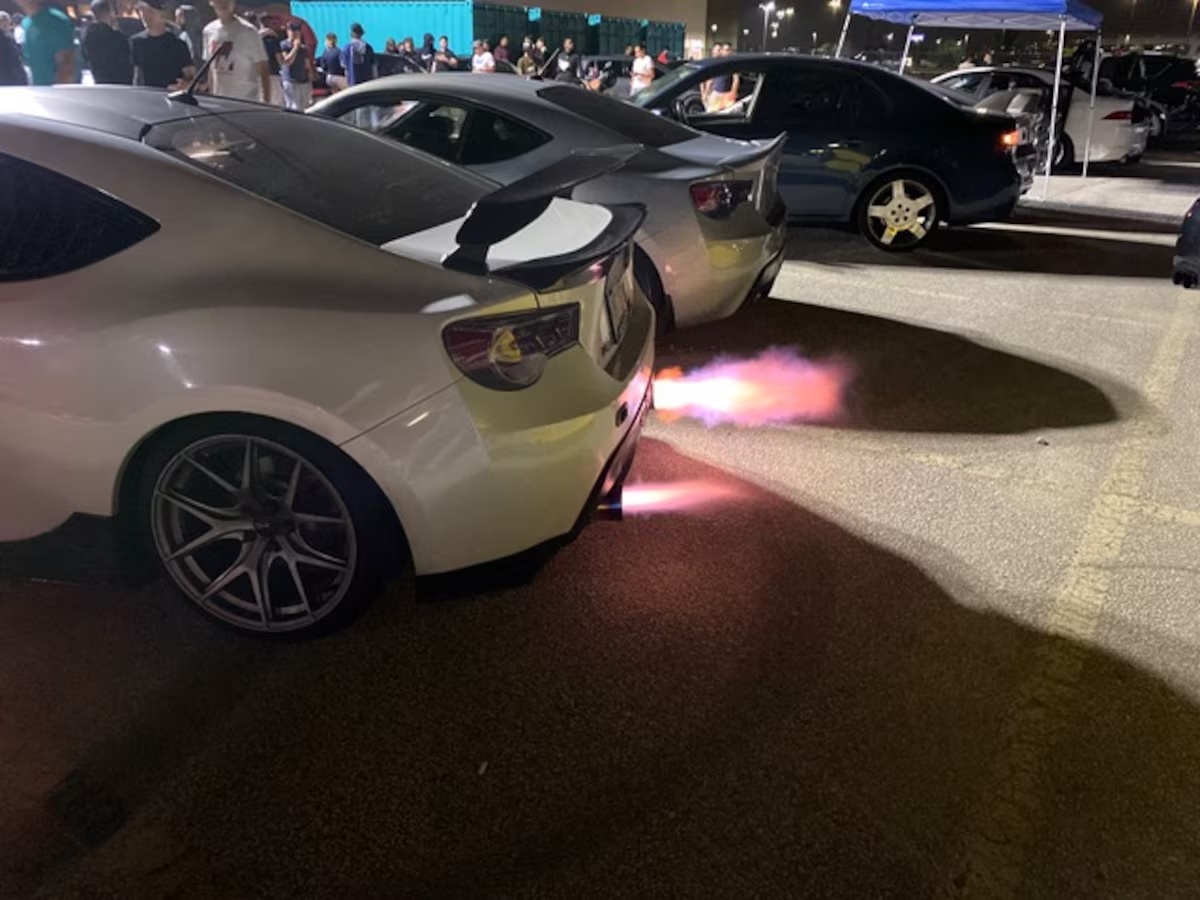
Exhaust backfire on deceleration is a phenomenon where unburned fuel ignites in the exhaust system as the throttle closes. This can produce loud popping sounds, smoke, or even flames from the tailpipe. While it may seem alarming, it doesn’t always indicate a severe mechanical problem.
Several factors contribute to this occurrence, including air-fuel mixture imbalances, ignition timing issues, or modifications in the exhaust system. Performance-tuned engines or vehicles with aftermarket exhausts tend to exhibit this behavior more frequently.
Recognizing the signs and understanding why the engine behaves this way helps drivers determine whether adjustments or repairs are needed. Paying attention to patterns and accompanying symptoms ensures that any necessary intervention is timely and effective.
Symptoms of Exhaust Backfire on Deceleration
Identifying the symptoms of exhaust backfire on deceleration is crucial for diagnosing potential engine or exhaust issues. Recognizing these signs early can help prevent further damage, improve vehicle performance, and maintain safety. Symptoms may range from unusual sounds to visible smoke, and understanding each one provides insight into the underlying cause. Vehicle owners should pay close attention to recurring patterns and the conditions under which backfires occur to determine the severity of the problem.
Loud Popping or Bangs from the Exhaust
One of the most noticeable symptoms of exhaust backfire on deceleration is the loud popping or banging sound coming from the tailpipe. These sudden noises often occur when letting off the accelerator and can startle drivers or passengers. The sound is caused by unburned fuel igniting in the exhaust system, creating a rapid expansion of gases. Vehicles with modified exhausts or performance tuning are more prone to this phenomenon, but even stock engines can experience it under certain conditions.
Repeated popping may indicate an air-fuel mixture problem or issues with ignition timing. In some cases, a worn spark plug or a leaking exhaust manifold can contribute to the frequency and intensity of the noise. Drivers should monitor whether the popping occurs consistently during deceleration or only under specific circumstances, such as cold starts or high engine loads. Paying attention to these details helps determine whether the backfire is minor or requires professional intervention.
Visible Smoke or Flames
Another clear symptom is the appearance of visible smoke or even flames from the tailpipe. Smoke can vary in color, with black smoke typically indicating excess fuel and white or blue smoke suggesting oil burning or coolant leakage. Flames are less common but can occur in high-performance vehicles or when the exhaust system has been modified to allow more airflow. These visual cues often accompany the audible pops and provide further evidence of fuel igniting after it leaves the combustion chamber.
The presence of smoke or flames is more than just a visual concern—it signals inefficient combustion or a malfunction in the engine management system. Drivers noticing these symptoms should check the fuel delivery system, spark plugs, and exhaust condition. While occasional small bursts of smoke may not be alarming, frequent or large flames indicate that the vehicle needs immediate attention to avoid potential engine damage or fire hazards. Regular inspection of the exhaust system and engine tuning can reduce the occurrence of these symptoms over time.
Engine Hesitation or Rough Running
Exhaust backfire on deceleration can also manifest as engine hesitation or rough running during throttle release. Drivers may feel the vehicle stumble, jerk, or experience a brief loss of power as the backfire occurs. This symptom often accompanies the popping sound and indicates irregular combustion or timing inconsistencies within the engine. It is particularly noticeable in vehicles with older ignition systems or engines that have undergone modifications.
This rough running may be caused by unburned fuel igniting too late or misfires occurring when the throttle closes. Fuel injection timing, spark plug condition, and ignition coil performance are all factors that can contribute to this symptom. Monitoring engine behavior alongside exhaust noises helps diagnose whether the problem lies in the fuel system, ignition, or exhaust setup. Proper maintenance, including regular spark plug replacement and fuel system cleaning, can minimize these occurrences.
Strong Fuel Smell from the Exhaust
A strong, unburned fuel odor from the exhaust is another symptom often linked to exhaust backfire on deceleration. This smell usually indicates incomplete combustion, where fuel remains unburned and exits the engine through the exhaust. The intensity of the fuel smell can vary based on engine condition, fuel type, and how aggressively the vehicle is driven.
Persistent fuel odors suggest that adjustments are necessary in the engine management system or fuel delivery components. It may point to issues like a rich fuel mixture, clogged injectors, or a malfunctioning oxygen sensor. Addressing this symptom promptly is important for both safety and efficiency, as unburned fuel in the exhaust can pose a fire risk and reduce fuel economy. Routine inspection and maintenance are effective ways to detect and correct these fuel-related issues early.
Backfire Frequency During Different Driving Conditions
Finally, the frequency of exhaust backfire on deceleration can serve as a critical symptom to monitor. Some vehicles only experience backfires during sudden throttle release, high-speed driving, or cold starts, while others may show signs under normal driving conditions. Tracking when and how often backfires occur can help identify the underlying cause.
Variations in backfire frequency often relate to engine load, throttle position, or environmental conditions. For instance, colder weather or a recent engine tune may increase the likelihood of backfires. Drivers should note patterns to assist mechanics in diagnosing the precise issue. Understanding the circumstances surrounding backfire incidents helps target the right repairs and prevents unnecessary parts replacement, ensuring the vehicle runs efficiently and safely.
Common Causes of Exhaust Backfire on Deceleration
Understanding the common causes of exhaust backfire on deceleration helps vehicle owners address the problem effectively and maintain engine performance. Several factors can lead to fuel igniting in the exhaust system, ranging from mechanical issues to modifications in the vehicle. Identifying the root cause is essential for determining whether a simple adjustment or professional repair is necessary. Each cause has its own set of symptoms and patterns, making careful observation important.
Air-Fuel Mixture Imbalance
One of the primary causes of exhaust backfire on deceleration is an air-fuel mixture imbalance. When the engine receives too much fuel (running rich) or too little (running lean), unburned fuel can pass through the combustion chamber and ignite in the exhaust system. A rich mixture is the more common culprit, especially in vehicles with older carburetors or faulty fuel injectors.
This imbalance can arise from clogged fuel injectors, a malfunctioning oxygen sensor, or improper carburetor adjustment. The excess fuel doesn’t combust fully during normal operation, and when the throttle closes, it meets hot exhaust gases, causing a backfire. Lean mixtures can also contribute, particularly when ignition timing is off. Regular engine maintenance, such as cleaning injectors and checking sensors, helps maintain the correct mixture and reduces the likelihood of deceleration backfires.
Ignition Timing Issues
Incorrect ignition timing is another common contributor to exhaust backfire on deceleration. If the spark occurs too late or too early in the combustion cycle, fuel may remain unburned in the cylinder when the exhaust valve opens. This unburned fuel then ignites in the exhaust system, producing the characteristic popping or banging sound.
Timing issues can result from worn distributor components, faulty ignition coils, or errors in engine tuning. Vehicles with modified engines or performance chips are particularly susceptible, as advanced or delayed timing can increase the frequency of backfires. Checking and adjusting ignition timing according to manufacturer specifications is crucial for preventing these incidents. Routine inspection of spark plugs and ignition components also ensures consistent combustion and minimizes the risk of fuel igniting in the exhaust.
Exhaust System Modifications
Aftermarket modifications to the exhaust system can also trigger exhaust backfire on deceleration. Many performance enthusiasts install larger diameter pipes, straight-through mufflers, or high-flow catalytic converters to increase power and sound. While these modifications enhance performance, they can alter the backpressure in the system, causing unburned fuel to ignite more easily during throttle release.
Reduced backpressure changes how exhaust gases exit the engine, allowing fuel to ignite in the muffler or tailpipe. Vehicles with modified exhausts may produce louder pops, occasional flames, or increased smoke during deceleration. While some modifications are intended to create these effects for a sportier sound, excessive or poorly designed changes can lead to engine stress and potential damage. Proper tuning alongside exhaust upgrades is essential to balance performance, sound, and engine safety.
Malfunctioning Fuel Delivery System
A faulty fuel delivery system is another frequent cause of backfires. Issues such as clogged fuel injectors, malfunctioning fuel pumps, or leaks in fuel lines can lead to inconsistent fuel flow, causing either a rich or lean mixture. This inconsistency increases the chances of unburned fuel reaching the exhaust during deceleration.
Fuel system problems may also cause engine hesitation, rough running, or strong fuel odors alongside backfires. Regular inspection of fuel lines, injectors, and pumps can prevent these issues. Cleaning or replacing worn components ensures consistent fuel delivery, improving combustion efficiency and minimizing the risk of exhaust backfire. Preventative maintenance, combined with timely repairs, keeps the engine operating smoothly and reduces potential safety hazards associated with unburned fuel igniting in the exhaust.
Worn or Faulty Spark Plugs
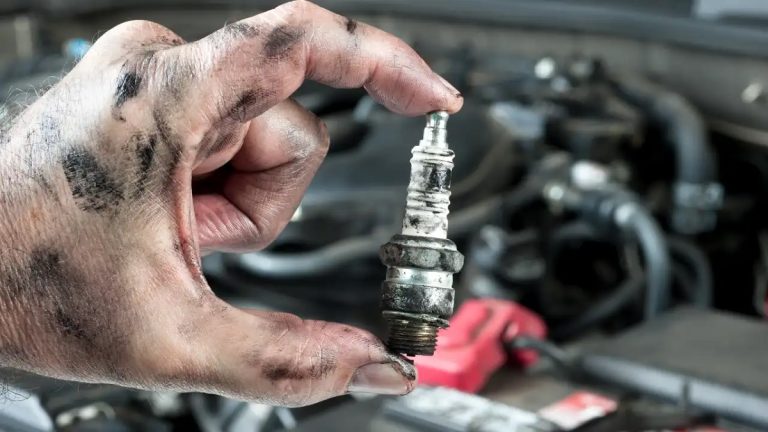
Worn or faulty spark plugs can also contribute to exhaust backfire on deceleration. Spark plugs play a vital role in igniting the air-fuel mixture at the right time. When plugs are dirty, worn, or improperly gapped, the ignition process becomes inconsistent, leaving unburned fuel in the combustion chamber.
This unburned fuel can then ignite in the exhaust system when the throttle closes. Symptoms often include rough engine idling, misfires, and decreased fuel efficiency, along with the characteristic backfire sounds. Replacing spark plugs at manufacturer-recommended intervals and checking the ignition system regularly ensures efficient combustion, prevents deceleration backfires, and maintains overall engine performance.
Diagnosing Exhaust Backfire on Deceleration
Accurately diagnosing exhaust backfire on deceleration is essential for identifying the underlying issues and applying the correct solution. The process involves observing symptoms, checking engine components, and using diagnostic tools to pinpoint the root cause. Careful inspection and systematic testing can save time, prevent unnecessary part replacements, and ensure the vehicle operates safely and efficiently. Proper diagnosis also helps distinguish between minor occurrences and serious mechanical problems.
Listening for Distinctive Exhaust Noises
The first step in diagnosing exhaust backfire on deceleration is paying attention to the sounds coming from the exhaust. Loud pops, bangs, or crackling noises indicate that unburned fuel is igniting within the exhaust system. The timing and frequency of these sounds can provide clues about the source. For example, occasional pops during high-speed deceleration might point to a minor air-fuel mixture imbalance, whereas consistent backfires at various speeds may indicate ignition timing or fuel delivery issues.
Mechanics often replicate the conditions under which the backfire occurs to better understand the problem. Listening closely during controlled deceleration allows them to identify patterns and potential triggers. Combining auditory observation with visual inspection of the exhaust can help confirm whether the backfire stems from unburned fuel, spark issues, or exhaust system modifications. This step is critical before proceeding with more technical diagnostics.
Inspecting the Air-Fuel System
A major part of diagnosing backfire involves checking the air-fuel system for imbalances or malfunctions. Tools like a fuel pressure gauge and oxygen sensor readings help determine whether the engine is running too rich or too lean. Clogged fuel injectors, faulty oxygen sensors, or a malfunctioning carburetor can lead to excess fuel entering the exhaust, which ignites during deceleration.
Technicians also examine fuel lines for leaks or blockages that could disrupt proper fuel flow. Misfires and irregular combustion often accompany these problems, providing additional diagnostic clues. Addressing air-fuel system issues usually involves cleaning or replacing injectors, recalibrating sensors, and ensuring proper fuel pressure. Proper air-fuel mixture management is crucial to reduce the likelihood of backfire and maintain overall engine efficiency.
Checking Ignition Components
Faulty ignition components are another common source of exhaust backfire on deceleration. Spark plugs, ignition coils, and timing systems all play a role in ensuring fuel ignites at the correct moment. Worn or misaligned spark plugs can leave unburned fuel in the combustion chamber, which then ignites in the exhaust system. Similarly, improper ignition timing caused by a malfunctioning distributor or engine control unit can increase backfire occurrences.
Mechanics diagnose these issues by inspecting spark plug condition, testing ignition coil output, and verifying timing settings with diagnostic equipment. Replacing worn components or correcting timing irregularities often resolves backfire problems. This step is especially important for older vehicles or those with performance modifications, where ignition timing adjustments are critical for preventing deceleration backfires.
Examining the Exhaust System
The exhaust system itself must also be inspected during diagnosis. Leaks, cracks, or modifications can influence backfire occurrence. Straight-through mufflers, larger diameter pipes, or removed catalytic converters change exhaust backpressure, which can allow unburned fuel to ignite more easily. Even small cracks or leaks in the exhaust manifold can create unusual sounds and exacerbate the backfire issue.
Visual inspections, along with smoke tests or pressure tests, help identify these problems. Once detected, repairs or adjustments to restore proper exhaust flow and backpressure can significantly reduce backfire events. Ensuring the exhaust system is intact, properly sealed, and correctly sized is crucial for both performance and safety.
Using Diagnostic Tools
Modern vehicles benefit from on-board diagnostic tools that can help pinpoint backfire causes. Scanning for engine codes using an OBD-II scanner can reveal problems in fuel delivery, oxygen sensors, or ignition systems. Live data from the engine control module allows mechanics to track fuel trims, air-fuel ratios, and ignition timing under real-world conditions.
These tools provide precise insights into how the engine operates during deceleration and can identify inconsistencies that cause backfire. Combining diagnostic readings with visual and auditory inspection ensures a comprehensive understanding of the issue. Accurate use of diagnostic tools is critical for efficiently addressing exhaust backfire on deceleration and preventing recurring problems.
Fixes for Exhaust Backfire on Deceleration
Addressing exhaust backfire on deceleration requires targeted fixes based on the underlying cause. From adjusting the air-fuel mixture to repairing ignition components and exhaust modifications, proper solutions improve engine performance, reduce noise, and prevent potential damage. Implementing these fixes systematically ensures long-term reliability and helps maintain optimal fuel efficiency. Timely intervention can also prevent safety risks associated with unburned fuel igniting in the exhaust.
Adjusting the Air-Fuel Mixture
One of the most effective fixes involves correcting the air-fuel mixture. Ensuring that the engine runs at the optimal ratio prevents unburned fuel from reaching the exhaust system, which is a primary trigger for backfire. For vehicles with carburetors, adjusting the carburetor settings can balance fuel and air intake. For fuel-injected engines, inspecting and cleaning fuel injectors, along with verifying oxygen sensor performance, is essential.
Sometimes, replacing clogged or faulty injectors or sensors is necessary to maintain proper combustion. Mechanics may also check fuel pressure to ensure consistent delivery. Correcting the air-fuel mixture not only reduces backfire but also improves throttle response, fuel efficiency, and overall engine health. Routine maintenance of the fuel system is key to preventing recurrence.
Repairing or Replacing Ignition Components
Faulty ignition components often require repair or replacement to stop exhaust backfire on deceleration. Worn spark plugs, damaged ignition coils, or misaligned timing can leave unburned fuel in the combustion chamber. Replacing spark plugs with manufacturer-recommended options and testing ignition coils ensures consistent spark and proper timing.
In cases where ignition timing is off, adjustments to the distributor or engine control module are necessary. Vehicles with performance modifications may require fine-tuning to accommodate changes in engine dynamics. Ensuring a properly functioning ignition system allows the engine to burn fuel completely before it reaches the exhaust, preventing popping sounds, smoke, and potential flames. Regular inspection of ignition components also reduces misfires and rough running.
Addressing Exhaust System Issues
Modifications or damage in the exhaust system can be a significant factor in backfire events. Fixes may include repairing leaks in the manifold, replacing damaged pipes, or adjusting the system to restore proper backpressure. Aftermarket exhaust modifications may require tuning to ensure that unburned fuel does not ignite in the tailpipe.
For vehicles with high-flow mufflers or straight-through designs, adding a properly sized resonator or catalytic converter can help regulate exhaust flow. Ensuring the exhaust system is intact, sealed, and designed for the vehicle’s engine prevents excessive popping and noise. Properly addressing these issues improves both performance and safety while reducing the likelihood of future backfires.
Cleaning or Replacing Fuel Delivery Components
Maintaining the fuel delivery system is crucial for preventing deceleration backfire. Cleaning fuel injectors, replacing clogged filters, and ensuring the fuel pump operates at correct pressure can eliminate inconsistent fuel flow. Any leaks or blockages should be repaired promptly.
Regular servicing of the fuel system ensures an even air-fuel mixture and consistent engine performance. This not only prevents backfire but also enhances fuel efficiency and reduces emissions. Mechanics may also calibrate the system after repairs to ensure the engine operates smoothly under all driving conditions. A well-maintained fuel system is a key component in eliminating exhaust backfire on deceleration.
Routine Maintenance and Monitoring
Routine maintenance plays a critical role in preventing exhaust backfire. Regularly inspecting spark plugs, ignition components, fuel systems, and the exhaust ensures that minor issues are addressed before they escalate. Monitoring engine performance during deceleration can also help detect problems early.
Implementing a consistent maintenance schedule and addressing warning signs promptly keeps the engine running efficiently and reduces the risk of unburned fuel igniting in the exhaust. Combined with targeted fixes, ongoing care ensures the vehicle remains safe, quiet, and reliable.
FAQs
What Causes Exhaust Backfire on Deceleration?
Exhaust backfire on deceleration usually occurs when unburned fuel ignites in the exhaust system. You might notice loud popping sounds or small flames when letting off the accelerator.
This can happen due to a rich air-fuel mixture, meaning the engine receives more fuel than it can burn efficiently. Faulty spark plugs, worn ignition components, or timing issues can also trigger backfires. Even small exhaust leaks can allow sparks to ignite unburned fuel, causing that characteristic popping sound you hear when decelerating.
Is Exhaust Backfire on Deceleration Dangerous?
Exhaust backfire on deceleration is generally not immediately dangerous, but it can indicate underlying engine issues. You could face decreased fuel efficiency, potential engine damage, or stress on exhaust components if left unaddressed.
There’s also a small fire risk if flames escape through leaks in the exhaust system. While occasional backfires may not be serious, persistent or loud backfiring requires inspection. A mechanic can check ignition timing, fuel mixture, and exhaust integrity to prevent any long-term damage.
How Can I Fix Exhaust Backfire on Deceleration?
Fixing exhaust backfire on deceleration starts with diagnosing the root cause. You should inspect the spark plugs, ignition wires, and fuel injectors for wear or malfunction. Adjusting the air-fuel mixture or cleaning injectors may also help.
Repairing exhaust leaks and ensuring the catalytic converter is functioning properly can reduce backfires. In some cases, tuning the engine timing or replacing worn ignition components is necessary. Regular maintenance and professional inspection ensure the problem is resolved and does not return.
Can Fuel Quality Affect Exhaust Backfire on Deceleration?
Yes, poor fuel quality can contribute to exhaust backfire on deceleration. You might notice more popping or rough engine performance if the fuel contains impurities or inconsistent octane levels.
Using high-quality fuel ensures proper combustion and reduces unburned fuel entering the exhaust system. Some fuel additives can also improve engine performance, helping the air-fuel mixture burn efficiently. Regularly refueling at trusted stations can prevent backfire issues caused by low-quality fuel.
How Do I Diagnose Exhaust Backfire on Deceleration?
You can start by listening carefully to your engine and noting when the popping occurs, such as only when decelerating. Checking for smoke or unusual flames from the exhaust can also help pinpoint the issue.
Next, inspect the fuel system, spark plugs, and ignition timing. A diagnostic scan tool can reveal error codes or misfire issues. Identifying whether the problem is fuel-related, ignition-related, or caused by an exhaust leak is crucial to applying the right fix and preventing further damage.
Can Engine Tuning Prevent Exhaust Backfire on Deceleration?
Yes, proper engine tuning can prevent exhaust backfire on deceleration. Maintaining the correct air-fuel ratio ensures fuel burns efficiently and reduces unburned fuel entering the exhaust system.
Regularly checking and replacing spark plugs, ignition wires, and timing components keeps the engine firing correctly. You should also monitor the fuel injectors and clean them if necessary. Professional tuning, especially after modifications or high-mileage use, significantly lowers the chances of backfires during deceleration.
When Should I Take My Car to a Mechanic for Exhaust Backfire on Deceleration?
You should visit a mechanic if exhaust backfire on deceleration happens frequently or loudly. Persistent backfires may indicate deeper engine issues like misfires, timing problems, or fuel system failures.
Seek help immediately if you notice smoke, flames, decreased performance, or strange odors from the exhaust. A professional can inspect the ignition system, fuel mixture, and exhaust components, providing a safe and long-term solution. Prompt attention prevents potential engine damage and ensures your vehicle runs smoothly.
Conclusion
Experiencing loud pops or bangs from your vehicle can be alarming, but understanding the reasons behind it helps drivers take informed action. Recognizing the symptoms, such as unusual exhaust noises, visible smoke, or engine hesitation, is the first step toward identifying the underlying cause and preventing further damage. Paying attention to these signs ensures timely maintenance and a safer driving experience.
Addressing the root causes, from air-fuel mixture imbalances and ignition timing issues to exhaust system modifications, is essential for resolving exhaust backfire on deceleration. Regular inspections, proper tuning, and repairing faulty components can significantly reduce the occurrence of these backfires. Maintaining both the fuel and ignition systems, along with careful monitoring of the exhaust, keeps the engine running smoothly and efficiently.
Implementing these fixes and following a consistent maintenance routine ensures long-term engine health. Understanding how and why exhaust backfire on deceleration occurs allows vehicle owners to protect performance, reduce noise, and prevent costly repairs in the future.