How To Charge A Car Battery Without A Battery Charger – Step-By-Step Methods
Finding yourself with a dead car battery can be frustrating, especially when you don’t have access to a battery charger. Being stranded due to a flat battery can disrupt your plans and leave you searching for alternative ways to get your vehicle running. Understanding safe methods to restore battery power without specialized equipment can be a lifesaver in such situations.
Learning how to charge a car battery without a battery charger involves using alternative techniques that rely on basic tools or another vehicle. These methods allow you to provide enough power to start your engine, get to a safe location, or reach a proper charging station.
Knowledge of these techniques not only saves time but also prevents damage to your vehicle’s electrical system. Proper understanding ensures that the battery is handled safely, avoiding sparks, acid spills, or injury.
Safety Precautions Before Charging
Before attempting to charge a car battery without a battery charger, safety should be your top priority. Car batteries contain acid and produce flammable gases, making them potentially dangerous if handled improperly. Understanding and following the necessary precautions reduces the risk of injury, sparks, or damage to your vehicle’s electrical system. Proper preparation ensures that charging is conducted safely and effectively.
Wear Protective Gear
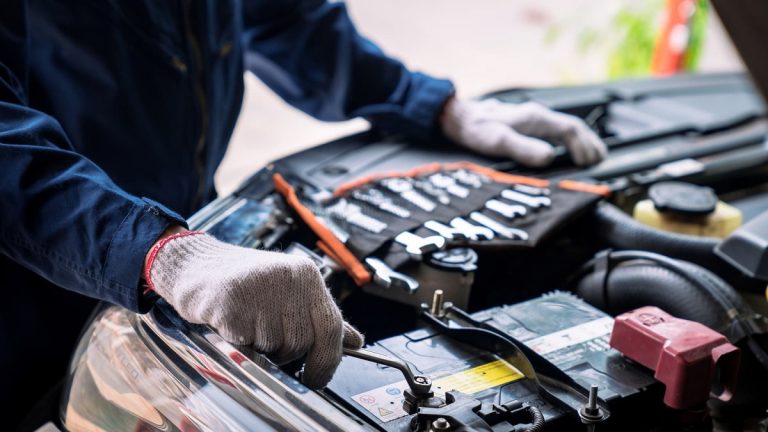
Handling a car battery exposes you to sulfuric acid, which can cause severe burns or eye damage. Wearing protective gloves and safety goggles is essential when attempting to charge a battery. Protective clothing, such as long sleeves, can further minimize skin exposure in case of accidental splashes.
Accidents can happen unexpectedly, even when you follow instructions carefully. Safety gear provides a barrier against potential acid leaks or sparks, reducing the risk of injury. In addition, wearing non-conductive footwear helps prevent accidental electrical shocks when working around the battery.
Investing in proper safety gear not only protects you during battery charging but also builds a habit of safe practices for other automotive maintenance tasks. By prioritizing personal safety, you reduce the likelihood of accidents and ensure a more controlled charging process.
Ensure Proper Ventilation
Car batteries release hydrogen gas while charging, which is highly flammable. Working in a well-ventilated area is critical to prevent the accumulation of gas that could ignite from a spark. Outdoor spaces or open garages provide the airflow needed to disperse these gases safely.
Avoid charging in confined or poorly ventilated spaces, as the buildup of hydrogen can lead to explosions. Keeping a safe distance from sparks, open flames, or smoking areas further minimizes risk. Even simple activities like connecting jumper cables can create sparks, making ventilation essential.
Proper ventilation ensures that gases dissipate naturally and prevents dangerous concentrations around the battery. This precaution is especially important when using alternative charging methods that involve another vehicle or electrical connections. Prioritizing airflow safeguards both you and your surroundings during the charging process.
Inspect The Battery And Terminals
Before attempting any charging method, inspecting the battery for cracks, leaks, or damage is crucial. A compromised battery can leak acid, release excessive gas, or fail entirely during charging, creating a hazardous situation.
Also, check the battery terminals for corrosion or buildup. Corroded terminals can prevent proper electrical contact and increase resistance, generating sparks or heat. Cleaning the terminals with a battery brush and a mixture of baking soda and water ensures secure connections and reduces the risk of short circuits.
Conducting a thorough inspection allows you to address minor issues before they escalate. Ensuring that the battery and terminals are in good condition protects both the vehicle and yourself, providing a safe foundation for charging.
Disconnect The Vehicle’s Electrical System
To avoid accidental damage to your car’s electrical system, it is advisable to disconnect the battery from the vehicle before attempting alternative charging methods. Disconnecting the negative terminal first reduces the risk of short circuits and electrical shocks.
This step is particularly important when connecting to another vehicle or using unconventional charging techniques. Electrical surges can harm sensitive electronics in modern cars, including the ECU, sensors, and infotainment systems. Following proper disconnection procedures ensures that current flows safely and prevents sparks or unexpected system failures.
Taking the time to disconnect the battery carefully protects both the car and the person handling the charging process. It also reduces the risk of creating hazards that could arise from accidental contact between metal tools and battery terminals.
Keep Fire Extinguishing Equipment Nearby
Having a fire extinguisher rated for electrical or chemical fires nearby is a critical precaution. Batteries can produce sparks or flare-ups if connections are mishandled, and hydrogen gas is highly flammable. Quick access to an extinguisher ensures immediate response in case of ignition.
Ensure the extinguisher is within reach and that you know how to operate it properly. Maintaining a safe distance from the battery while charging, along with ventilation and protective gear, complements the use of fire safety equipment.
Being prepared for emergencies reduces panic and allows you to address unexpected situations calmly. This proactive measure ensures that minor mishaps do not escalate into dangerous accidents, keeping both you and your vehicle safe during the charging process.
Using Jumper Cables With Another Vehicle
Charging a car battery without a battery charger is possible with the help of another vehicle. Using jumper cables is one of the most effective and accessible methods for restoring battery power safely. Understanding proper procedures, safety precautions, and correct connections ensures the process is effective while preventing damage to either vehicle or injury to yourself.
Positioning Vehicles Safely
Before connecting jumper cables, position both vehicles carefully. Park the assisting vehicle close enough for the cables to reach both batteries but avoid touching the cars together. Engaging the parking brakes on both vehicles adds stability, preventing accidental movement during the process.
Ensure both vehicles are turned off, with keys removed from the ignition, before handling the battery terminals. Keep all metal objects, such as tools or jewelry, away from the battery to avoid accidental sparks or short circuits. Choosing a flat surface is preferable to prevent rolling and maintain control during the procedure.
Proper positioning not only ensures safety but also reduces the risk of accidental cable contact or damage to vehicle components. Preparing the environment carefully sets the stage for a smooth and controlled jump-start.
Connecting Jumper Cables Correctly
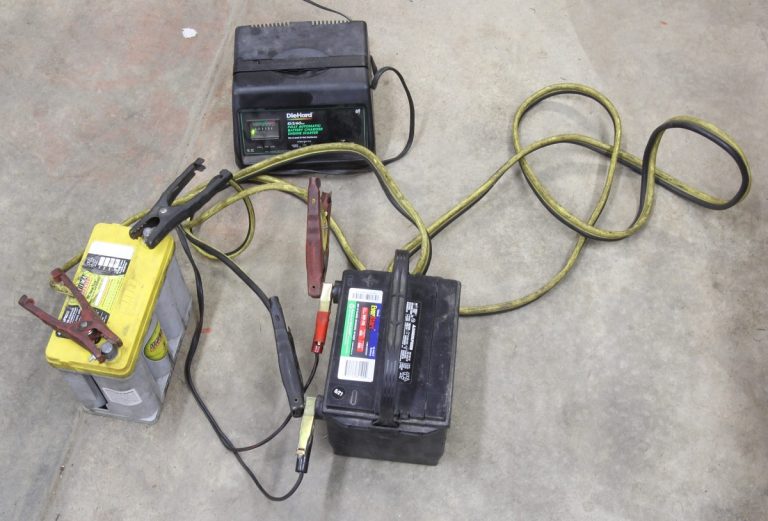
Connecting jumper cables in the correct order is critical for safety and effectiveness. Begin by attaching the red (positive) cable clamp to the positive terminal of the dead battery. Next, attach the other red clamp to the positive terminal of the assisting battery.
Then, connect the black (negative) cable clamp to the negative terminal of the assisting battery. The final connection should be to an unpainted metal surface on the vehicle with the dead battery, such as a bolt on the engine block. This reduces the risk of sparks near the battery, which can ignite hydrogen gas.
Following this sequence ensures proper current flow and prevents damage to the electrical systems in either vehicle. Double-checking connections before turning on the assisting vehicle adds an extra layer of safety.
Starting the Engine and Charging
After connections are secure, start the engine of the assisting vehicle and allow it to run for a few minutes. This helps transfer charge to the dead battery gradually. Avoid revving the engine, as a sudden spike in voltage can damage sensitive electronics.
Once the dead battery has received enough charge, attempt to start the vehicle. If the engine starts, leave both vehicles running for several minutes to allow additional charging. Avoid removing cables immediately to prevent sparks or electrical surges. Patience during this step ensures the battery receives sufficient power for reliable engine startup.
Monitoring the charging process also helps identify potential issues, such as a battery that fails to hold charge. Proper timing and observation prevent strain on either vehicle’s battery and ensure a successful jump-start.
Removing Jumper Cables Safely
Once the vehicle with the dead battery starts, carefully remove the jumper cables in the reverse order of connection. Begin by removing the black clamp from the previously dead vehicle, followed by the black clamp from the assisting vehicle. Then remove the red clamps in the same sequence.
Avoid letting cable clamps touch each other or the vehicle body during removal, as this could create sparks. Keeping cables organized and ensuring no tension in the lines prevents accidental contact with hot engine components or moving belts.
Safe removal of jumper cables protects both vehicles from electrical damage and reduces the risk of injury. Taking the time to follow these steps ensures the battery remains functional and prevents complications in future charging attempts.
Post-Charging Precautions
After jump-starting the vehicle, it is advisable to drive it for at least 20–30 minutes to allow the alternator to fully recharge the battery. Monitoring the battery performance during this period helps identify whether it is capable of holding a charge or if replacement may be necessary.
Checking for corrosion on the terminals and cleaning them ensures better electrical contact in the future. Inspecting the battery and surrounding components for damage or leaks also prevents recurrence of the problem. Taking these post-charging precautions extends battery life and maintains vehicle reliability.
Charging With A Power Inverter or Alternative Power Source
When a traditional battery charger isn’t available, a power inverter or other alternative power sources can provide a practical solution to charge a car battery. These methods allow you to safely deliver electricity to the battery while on the go or in emergency situations. Understanding proper connections, safety precautions, and monitoring techniques ensures that this approach is both effective and safe.
Using a Power Inverter Safely
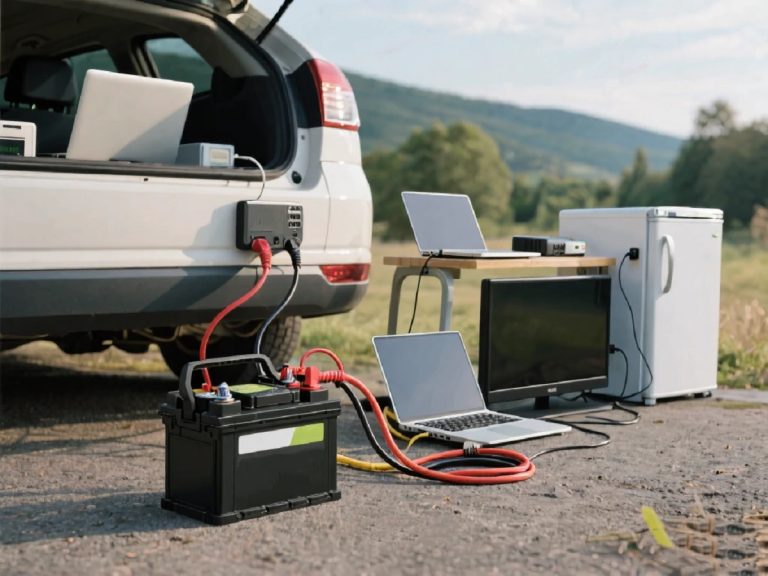
A power inverter converts DC power from a vehicle or portable battery into AC power, allowing you to run small devices or charge a car battery using compatible equipment. Before attempting this, ensure the inverter’s output matches the voltage and current requirements of the battery. Using an improperly rated inverter can overheat the battery or damage electronics.
Position the inverter on a stable, flat surface away from flammable materials. Keep cables organized and avoid contact with hot engine parts. Wearing protective gloves and goggles adds an extra layer of safety, reducing the risk of burns or sparks during connections.
Ensuring the inverter is rated for automotive use prevents voltage spikes and protects the battery. Proper setup allows gradual charging, giving the battery sufficient energy while minimizing the risk of damage. Regularly monitoring the voltage and current output is critical for safe operation.
Connecting The Battery To An Alternative Power Source
To charge a battery using an inverter or alternative source, proper connections are crucial. Connect the positive terminal of the battery to the positive output of the inverter, and the negative terminal to the inverter’s ground or negative output. Double-check that all connections are secure and that cables do not cross or touch metal surfaces.
Avoid direct contact with the battery terminals while making connections, as sparks or short circuits can occur. Ensuring the battery is stable and away from moving parts prevents accidental damage during charging. Start with a low current setting if the inverter allows adjustment, gradually increasing to the recommended charging rate.
Correctly connecting the battery ensures efficient power transfer and prevents accidents. Monitoring the process for unusual heat, noises, or smells allows immediate action in case of issues, keeping both you and the battery safe.
Monitoring The Charging Process
Continuous monitoring is essential when using an inverter or alternative power source. Check battery voltage frequently and observe the temperature of both the battery and cables. Overheating or excessive current draw can indicate an unsafe charging condition.
Never leave the battery unattended during charging. Hydrogen gas may accumulate, and high currents can generate sparks or heat. Maintaining ventilation and a safe distance from flammable materials is necessary to reduce the risk of fire or explosion.
Monitoring also allows you to stop charging once the battery reaches an appropriate level, preventing overcharging that can damage the battery plates or reduce lifespan. Regular observation ensures a controlled, safe, and efficient charging process.
Alternative Power Sources
In addition to inverters, portable jump-start packs or solar battery chargers offer other methods to charge a car battery without a traditional charger. Jump-start packs provide controlled DC power directly to the battery, while solar chargers offer a slower but steady charge using renewable energy.
Portable devices are typically equipped with built-in protections, such as voltage regulation and automatic shut-off, which minimize risk. Solar chargers are ideal for long-term maintenance or emergency situations where conventional electricity is unavailable. Combining these alternatives with proper safety measures ensures reliable battery restoration.
Choosing the right method depends on battery condition, available equipment, and urgency. Understanding the strengths and limitations of each option allows safe, effective charging in various scenarios.
Safety Precautions And Final Tips
Regardless of the power source, safety precautions remain paramount. Always wear protective gear, ensure ventilation, and avoid sparks near the battery. Check all cables for damage and avoid over-tightening clamps, which can crack terminals or create electrical resistance.
Using timers or monitoring devices can prevent overcharging and protect the battery from heat-related damage. Following proper procedures ensures that the alternative charging method is as safe and effective as possible. Proper handling, combined with consistent observation, reduces the risk of accidents while restoring battery power efficiently.
Emergency Methods
In situations where a car battery dies unexpectedly and conventional charging equipment isn’t available, emergency methods can help restore enough power to start the engine. These techniques are meant for short-term use and require caution to prevent injury or damage. Knowing how to apply these methods safely ensures that you can handle unexpected battery failures effectively.
Push-Starting a Manual Transmission Vehicle
Push-starting, also called bump-starting, is an effective emergency method for vehicles with manual transmissions. This method uses the vehicle’s momentum to turn the engine over and start the car without relying on the battery. Begin by turning the ignition key to the “on” position, ensuring the car is in neutral. Then, have helpers push the vehicle to gain speed, or use a downhill slope for momentum.
Once the vehicle reaches a walking or jogging speed, depress the clutch fully, shift into second gear, and release the clutch quickly. This action rotates the engine, allowing the spark plugs to ignite the fuel and start the engine. Once started, keep the engine running for several minutes to allow the alternator to recharge the battery.
Push-starting should only be attempted with caution, as improper handling can cause damage to the clutch, transmission, or drivetrain. Ensure the area is clear of obstacles and that helpers are positioned safely. This method is not suitable for automatic transmissions, which require other emergency techniques.
Using Portable Jump Packs
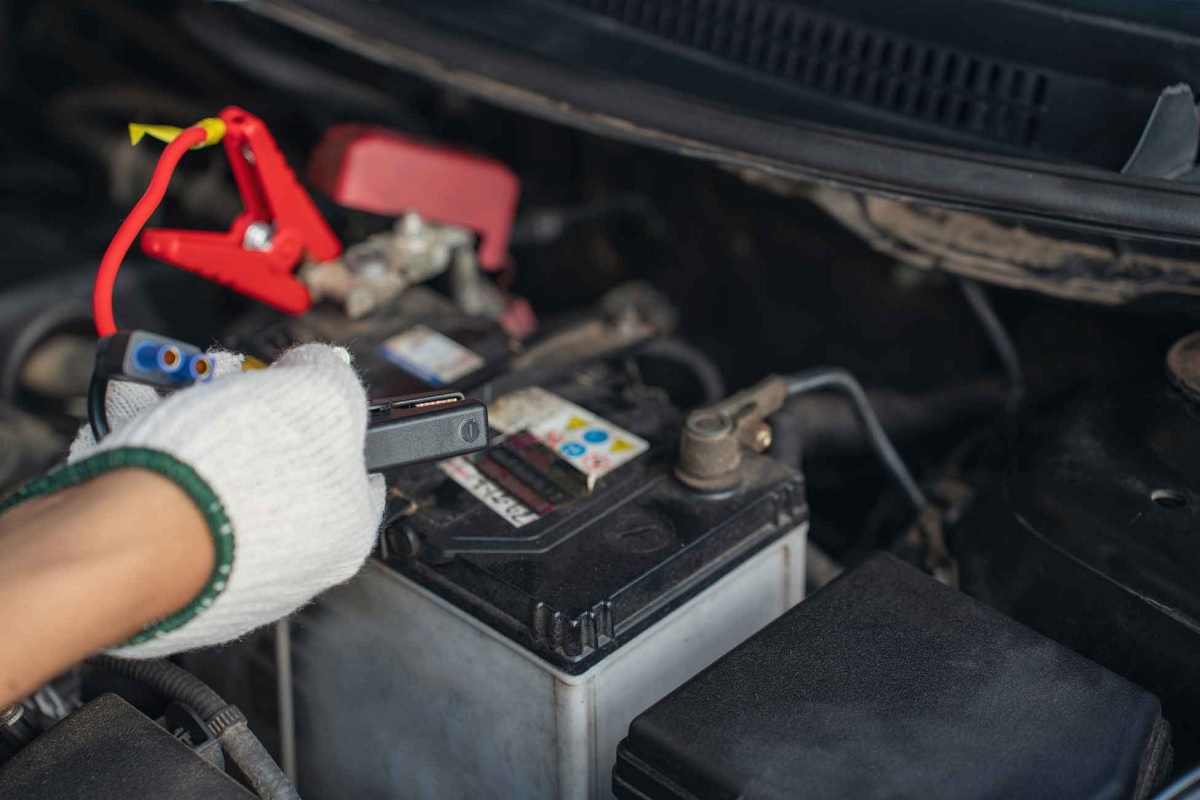
Portable jump packs are compact, battery-powered devices designed to provide enough current to start a vehicle without a traditional charger or another car. To use a jump pack, place it on a stable surface and connect the positive and negative clamps to the respective battery terminals. Ensure proper polarity to avoid sparks or electrical damage.
Once connected, turn on the jump pack and attempt to start the vehicle. If the engine starts, leave the jump pack connected for a few minutes to stabilize voltage. Some jump packs also include built-in protections against overcurrent, short circuits, and reverse polarity, making them safer than using improvised methods.
Portable jump packs are ideal for emergency situations, especially in remote areas where help or traditional chargers are unavailable. Regular maintenance, such as keeping the pack fully charged, ensures it functions effectively when needed.
Alternative Emergency Power Sources
In extreme cases, alternative power sources like another 12-volt battery or a power bank with DC output can provide temporary power. Connecting the alternative source requires careful attention to polarity, voltage, and current limitations to avoid damage. Use heavy-duty cables and ensure all connections are secure.
While these methods are not substitutes for proper charging, they can provide enough energy to start the engine, allowing you to reach a safe location or service center. Always monitor the battery and connections during the process to prevent overheating, sparks, or accidental short circuits.
Safety Precautions During Emergency Charging
Emergency methods carry risks, including electrical shocks, sparks, and battery acid exposure. Wearing gloves and safety glasses, working in a ventilated area, and keeping flammable materials away are essential safety measures. Avoid touching both battery terminals with metal tools simultaneously to prevent short circuits.
Ensuring proper handling of cables and alternative power sources reduces the risk of accidents. Always double-check connections and avoid rushing the procedure, as haste can lead to mistakes and potential injury. Emergency methods should be considered temporary solutions until a full battery charge or replacement can be performed.
Tips To Maintain Battery Health Without A Charger
Maintaining a car battery’s health without relying on a charger requires a combination of proper usage, regular inspection, and smart habits. Batteries naturally lose charge over time, especially when unused or exposed to extreme conditions. By adopting preventive measures, you can extend battery life, reduce the risk of sudden failures, and ensure reliable vehicle performance even without immediate access to a battery charger.
Regular Short Drives And Engine Use
One of the simplest ways to maintain battery health is by using the vehicle regularly. Short drives, even 10–15 minutes, help the alternator recharge the battery and keep its internal components active. Letting a car sit unused for extended periods can cause sulfation, a process where lead sulfate crystals form on battery plates and reduce capacity.
Driving the vehicle consistently prevents deep discharges, which can stress the battery. If the car is not used frequently, scheduling periodic trips or running the engine periodically helps maintain voltage levels. This practice ensures the battery stays within an optimal charge range, preventing deterioration caused by inactivity.
Additionally, turning off unnecessary electronics when starting the engine reduces the initial load on the battery. Combining regular use with mindful operation improves battery performance and reduces the likelihood of needing emergency charging methods.
Keep Battery Terminals Clean
Corrosion on battery terminals can interfere with electrical flow and reduce charging efficiency. Regularly inspecting and cleaning the terminals with a mixture of baking soda and water prevents buildup and maintains secure connections. Using a wire brush or terminal cleaner ensures good contact with the cables.
Apply a thin layer of petroleum jelly or specialized terminal protectant after cleaning to inhibit corrosion. Loose or corroded connections can cause difficulty starting the engine and place extra strain on the battery. Ensuring proper terminal maintenance is especially important when chargers are unavailable, as it maximizes the efficiency of self-charging through the alternator.
Routine cleaning also allows you to identify leaks, cracks, or other signs of battery damage early. This preventive step helps maintain consistent voltage and prolongs the battery’s life without relying on external charging equipment.
Avoid Deep Discharges And Overloading
Batteries are designed to operate within a specific charge range. Frequent deep discharges, where the battery is drained close to zero, reduce overall lifespan. Avoid leaving lights, electronics, or other accessories on when the engine is off, as this draws power directly from the battery.
Overloading the battery with high-draw devices, such as aftermarket audio systems, can accelerate depletion and reduce its ability to hold a charge. Limiting the use of such equipment when the engine is off helps preserve battery capacity and prevents situations where emergency charging becomes necessary.
Maintaining moderate electrical loads and monitoring usage ensures the battery remains healthy over time. Developing awareness of energy consumption habits allows you to extend battery life and avoid sudden failures without a charger.
Monitor Battery Voltage And Fluid Levels
Even without a charger, monitoring battery voltage using a multimeter provides insight into its health. Keeping track of voltage levels ensures the battery maintains an adequate charge and alerts you to potential problems before they worsen.
For non-sealed batteries, regularly checking electrolyte levels and topping up with distilled water helps maintain chemical balance and prevents overheating or damage. Ensure proper fluid levels and avoid spilling, as battery acid is corrosive. Monitoring these aspects supports optimal battery performance and longevity.
Routine checks also allow you to identify early signs of wear, such as slow engine cranking or dimming lights. Addressing these issues early reduces the likelihood of complete battery failure and keeps your vehicle operational without immediate access to a charger.
Store Batteries Properly When Not In Use
If a vehicle or battery will remain unused for an extended period, proper storage is crucial. Store the battery in a cool, dry location away from direct sunlight and extreme temperatures. Cold weather can reduce battery capacity, while excessive heat accelerates chemical deterioration.
Disconnecting the battery and placing it on a non-conductive surface prevents accidental short circuits. Periodically checking voltage levels during storage ensures the battery does not drop to dangerously low levels, which can permanently reduce its performance.
Proper storage combined with occasional maintenance helps preserve battery life, making it easier to start the vehicle when needed. By following these practices, you can maintain reliable battery health even without relying on a charger.
People Also Asked
How Can I Charge A Car Battery Without A Battery Charger?
You can charge a car battery without a battery charger using alternative methods such as jumper cables, a portable jump pack, or a power inverter. These methods provide enough current to start the vehicle or partially restore battery power. Using another vehicle with jumper cables is one of the most common approaches, while a jump pack offers a convenient, self-contained solution.
When using these methods, always ensure proper connections, polarity, and safety precautions. Gradually charging the battery prevents sparks, overheating, or damage to sensitive electronics. Regular monitoring during the process is essential to maintain safety.
Is It Safe To Use Jumper Cables To Charge My Battery?
Using jumper cables to charge your battery is safe when done correctly. Connect the positive and negative terminals of both vehicles carefully, following the correct sequence to prevent sparks or short circuits. Ensure both vehicles are turned off before connecting the cables and maintain a safe distance between the cars.
Wearing protective gear, working in a ventilated area, and avoiding contact with metal objects near the battery are important safety measures. Properly using jumper cables allows you to transfer charge from a healthy battery to a dead one efficiently, making it a reliable emergency solution.
Can I Use A Power Inverter To Charge My Car Battery?
Yes, a power inverter can charge a car battery by converting DC power from a source into AC power suitable for battery chargers. Some inverters have built-in functions that allow direct battery charging using the correct voltage and current. Always check the inverter specifications to ensure it matches your battery’s requirements.
Proper connections, secure placement, and monitoring are essential to prevent overheating or electrical damage. Using an inverter provides a controlled, safe way to recharge a battery when a traditional charger is unavailable, making it a practical option in emergencies or off-grid situations.
Can I Push-Start My Car To Charge The Battery?
Push-starting a car, also called bump-starting, is possible for vehicles with manual transmissions. By gaining momentum and engaging the clutch in the correct gear, the engine turns over, allowing the spark plugs to ignite the fuel and start the engine. This generates enough alternator output to partially recharge the battery.
Ensure safety by clearing the area, using helpers, and positioning the car on a slope if needed. Push-starting is an emergency method and not suitable for automatic vehicles. It provides temporary charge but should be followed by proper driving or charging to fully restore the battery.
How Long Should I Run The Engine After Charging Without A Charger?
After charging the battery using an alternative method, you should run the engine for at least 20–30 minutes. This allows the alternator to generate sufficient power to restore the battery’s charge gradually. Avoid revving the engine, as sudden voltage spikes can damage electronics.
Driving at a moderate speed with minimal electrical load ensures efficient recharging. Monitoring the battery voltage and electrical system during this period helps confirm that the battery is holding the charge and reduces the risk of another dead battery situation.
Are Portable Jump Packs Effective For Charging A Dead Battery?
Yes, portable jump packs are effective for charging or jump-starting a dead battery. They provide a controlled flow of electricity directly to the battery, sufficient to start the engine without another vehicle or a traditional charger. Many jump packs include safety features such as overcurrent protection and reverse polarity prevention.
To use a jump pack, connect the positive and negative clamps to the corresponding battery terminals and follow the manufacturer’s instructions. Once the engine starts, allow the alternator to recharge the battery fully. Regular maintenance of the jump pack ensures reliability when emergencies occur.
What Safety Precautions Should I Take While Charging Without A Charger?
Safety is crucial when charging a car battery without a charger. Wear protective gloves and goggles to prevent acid burns, ensure proper ventilation to avoid hydrogen gas accumulation, and keep sparks or open flames away from the battery. Always check for corrosion or leaks before starting.
Follow proper polarity when connecting clamps or alternative power sources, and avoid touching both terminals simultaneously. Monitoring the battery during charging and using protective measures minimizes the risk of injury, fire, or damage to your vehicle, making the process safe and effective.
Final Words
Charging a car battery without a traditional charger is possible if you follow safe and proper methods. Whether using jumper cables with another vehicle, a portable jump starter, or alternative power sources like solar panels, taking precautions is essential to avoid injury or battery damage. Understanding the correct connections and steps ensures the battery receives a proper charge without risking sparks or overloading.
Regular monitoring of battery health can prevent frequent discharge problems. Cleaning terminals, checking voltage, and keeping the battery in good condition help maintain reliable performance. He, she, or you should also be aware of emergency options like push-starting for manual transmission cars, which can temporarily recharge the battery via the alternator.
Knowing how to charge a car battery without a battery charger empowers you to handle unexpected situations safely. By combining careful techniques with preventive maintenance, you can extend battery life and ensure your vehicle starts reliably in every situation.