Car Idles Fine But Sputters When Accelerating – Causes, Fixes, and Tips
Experiencing smooth idling but hesitation during acceleration can be both frustrating and concerning for drivers. When your vehicle starts and runs quietly at a stop or in neutral, yet sputters or hesitates as you press the gas pedal, it signals a potential issue in the engine or fuel system. Understanding the reasons behind this behavior is crucial for maintaining performance and preventing long-term damage.
A car that idles normally but sputters under load may be facing problems such as fuel delivery inconsistencies, clogged injectors, or ignition system faults. These issues often go unnoticed at idle because the engine requires less fuel and air, but they become apparent under the stress of acceleration.
Environmental factors, such as low-quality fuel or contaminated gasoline, can exacerbate these symptoms, while mechanical components like spark plugs or sensors may be partially degraded. Recognizing the causes of a car idles fine but sputters when accelerating allows drivers to address the problem promptly and restore smooth, reliable performance.
Signs Your Car Sputters Only During Acceleration
Noticing that your car sputters exclusively during acceleration can be alarming. While your vehicle may idle smoothly and run normally at low speeds, hesitation or jerking during gas pedal application signals an underlying problem. Recognizing these signs early helps prevent damage to your engine, fuel system, or ignition components and ensures safer, more reliable driving.
Hesitation or Jerking When Pressing the Gas Pedal
One of the most obvious signs is hesitation or jerking when you press the accelerator. The engine may momentarily lose power or respond sluggishly, causing the car to feel like it stumbles or sputters. This symptom often indicates that the engine is not receiving the proper air-fuel mixture needed for acceleration.
Fuel delivery problems, such as clogged fuel injectors or a weak fuel pump, can cause inconsistent fuel flow under load. Even a partially blocked fuel filter can restrict the amount of gasoline reaching the engine when demand increases. Similarly, ignition system issues like worn spark plugs or failing ignition coils may produce weak sparks that cannot ignite the air-fuel mixture efficiently, leading to sputtering.
Environmental conditions such as high humidity or contaminated fuel may worsen this effect. Drivers often notice that hesitation occurs during uphill driving, rapid acceleration, or when passing other vehicles. Paying attention to these patterns can help pinpoint whether the problem is related to fuel, ignition, or airflow.
Engine Surging or Fluctuating RPM
Another sign of sputtering during acceleration is fluctuating engine RPM. While the car idles steadily, the tachometer may jump or surge when you attempt to accelerate. These RPM fluctuations often accompany jerking, rough transitions, or temporary loss of power.
Engine surging usually points to inconsistencies in fuel delivery or ignition timing. Problems with the mass airflow sensor, throttle position sensor, or oxygen sensors can cause the engine control unit to miscalculate the proper fuel mixture. As a result, the engine may momentarily run lean or rich, producing a sputtering sensation during acceleration.
These surges can also indicate clogged fuel injectors or partial vacuum leaks. Even small leaks in intake hoses or gaskets can disrupt air-fuel ratios when the engine is under load. Recognizing RPM fluctuations as a symptom allows drivers to communicate issues more accurately to technicians for diagnosis and repair.
Reduced Power During Acceleration
A car that sputters under acceleration often exhibits reduced power. While it may maintain normal speed at idle or low throttle, pushing the pedal produces delayed response or a noticeable struggle to reach higher speeds. This symptom can compromise driving safety, especially when merging or overtaking on highways.
Reduced acceleration power is commonly linked to fuel delivery or ignition issues. Insufficient fuel pressure, clogged injectors, or failing spark plugs prevent the engine from generating adequate combustion force. Airflow restrictions, such as a dirty air filter or malfunctioning sensor, can also limit engine performance, causing sputtering and loss of power.
Drivers may notice that the problem worsens under heavy loads, such as carrying passengers or climbing hills. Documenting when and how reduced power occurs provides valuable information for mechanics to diagnose the root cause accurately.
Black Smoke, Backfiring, or Strange Engine Noises
Sputtering during acceleration can also be accompanied by black smoke from the exhaust, backfiring, or unusual engine noises. Black smoke typically indicates incomplete combustion caused by excess fuel or poor ignition, while backfiring results from fuel igniting in the intake or exhaust system.
These signs often point to ignition misfires, clogged injectors, or faulty sensors. Worn spark plugs or ignition coils can prevent proper combustion under higher engine loads, producing sputtering and noise. Exhaust smoke and misfire sounds are warning indicators that the engine is struggling to function correctly during acceleration.
Ignoring these signs can cause long-term engine damage, including burnt valves, damaged catalytic converters, or increased wear on pistons. Paying attention to exhaust and engine behavior during acceleration helps identify serious issues early, allowing for timely repair before the problem worsens.
Check Engine Light Activation
A final sign to watch for is the illumination of the check engine light during acceleration events. The vehicle’s onboard diagnostics system detects misfires, fuel delivery inconsistencies, or sensor malfunctions and alerts you with this warning light.
The check engine light may flash or stay steady depending on the severity of the issue. Flashing lights often indicate active misfires that require immediate attention, while steady lights suggest that the problem is persistent but less urgent. Using an OBD-II scanner can reveal trouble codes that point directly to fuel system issues, ignition faults, or airflow sensor problems.
Monitoring the check engine light in conjunction with sputtering, reduced power, or unusual engine sounds allows drivers to gather a comprehensive picture of the problem. Early diagnosis helps prevent further damage and restores smooth acceleration performance.
Common Causes of Car Idles Fine But Sputters When Accelerating
A car that idles smoothly but sputters during acceleration can be frustrating and potentially damaging if left unaddressed. This symptom usually points to issues in the fuel, ignition, or air intake systems. Understanding the common causes helps you identify the problem quickly, prevent further engine damage, and restore smooth, reliable acceleration performance.
Fuel Delivery Problems
One of the most common reasons for a car to sputter during acceleration is fuel delivery issues. Components such as clogged fuel injectors, a weak fuel pump, or a dirty fuel filter can restrict gasoline flow when the engine demands more power. While the car may idle normally under low fuel demand, acceleration requires a larger volume of fuel, and any restriction can cause hesitation or sputtering.
Fuel injectors can accumulate carbon deposits or debris over time, reducing the efficiency of fuel atomization. Poor atomization prevents proper combustion, causing the engine to stumble when the throttle is pressed. Similarly, a fuel pump that loses pressure or delivers inconsistent flow may fail to meet acceleration demands, resulting in sputtering or jerking.
Contaminated gasoline or low-quality fuel can further exacerbate these issues. Water or impurities in the fuel system create uneven combustion, leading to hesitation and rough acceleration. Addressing fuel system problems often involves cleaning injectors, replacing filters, or testing fuel pressure to ensure consistent delivery.
Ignition System Faults
Ignition system issues are another frequent cause of sputtering under load. Worn spark plugs, failing ignition coils, or damaged spark plug wires can reduce spark strength, especially when the engine requires higher energy to combust the air-fuel mixture during acceleration.
Weak or inconsistent sparks result in misfires, causing the engine to stumble or sputter. While the idle requires minimal spark, acceleration demands precise ignition timing and strong spark energy to maintain smooth operation. Any degradation in these components becomes apparent only when the engine is under load.
Regular maintenance of spark plugs and ignition coils is essential. Replacing old plugs with the correct type for your engine ensures consistent firing. Inspecting ignition wires and coils for wear or damage helps prevent acceleration-related sputtering and keeps the engine running efficiently.
Air Intake and Sensor Malfunctions
Air intake issues, such as a clogged air filter, malfunctioning mass airflow (MAF) sensor, or faulty throttle position sensor (TPS), can also cause sputtering during acceleration. The engine relies on accurate air-fuel ratios to function correctly, and restrictions or sensor errors disrupt this balance.
A dirty air filter limits airflow into the combustion chamber, causing a temporarily rich mixture that can lead to hesitation. Sensors like the MAF or TPS communicate engine load and throttle position to the ECU. Faulty readings may result in improper fuel delivery or ignition timing during acceleration, producing sputtering or reduced power.
Addressing air intake and sensor issues often involves cleaning or replacing filters and performing diagnostic scans to detect sensor faults. Ensuring proper airflow and accurate sensor input restores smooth acceleration and prevents recurrent sputtering episodes.
Vacuum Leaks and Exhaust Blockages
Vacuum leaks in hoses, gaskets, or intake manifolds can cause uneven air-fuel mixtures, which may go unnoticed at idle but become apparent under acceleration. Similarly, a partially clogged catalytic converter or exhaust system can restrict exhaust flow, creating backpressure that affects engine performance.
These issues disrupt combustion efficiency, causing hesitation, sputtering, and sometimes engine misfires. Drivers may also notice reduced power, fluctuating RPMs, or unusual engine noises during acceleration. Regular inspections of vacuum lines, intake components, and the exhaust system help detect blockages or leaks early.
Repairing leaks, replacing worn gaskets, or addressing exhaust restrictions restores proper airflow and combustion efficiency. These fixes often eliminate sputtering and ensure the engine responds smoothly when accelerating.
Low-Quality Fuel and Contaminated Gasoline
Using low-quality or contaminated gasoline can also lead to sputtering during acceleration. Impurities, water, or ethanol separation in fuel disrupt consistent combustion, producing hesitation or misfires under load.
While the engine may idle fine with minimal fuel demand, acceleration amplifies the effects of fuel inconsistencies. Cleaning the fuel system, replacing filters, and using high-quality fuel prevents these issues. Monitoring fuel quality is an effective preventive measure to avoid recurrent sputtering and maintain optimal engine performance.
How to Diagnose the Problem
When your car idles fine but sputters during acceleration, accurate diagnosis is key to preventing further engine damage. Identifying whether the issue originates from the fuel system, ignition components, air intake, or sensors ensures targeted repairs. Using systematic checks and diagnostic tools allows you to pinpoint the root cause and restore smooth acceleration performance.
Checking the Fuel System
The first step in diagnosing acceleration sputtering is examining the fuel system. Start by inspecting the fuel filter for clogs or signs of contamination. A restricted fuel filter reduces the flow of gasoline to the engine, causing hesitation under load even though the car idles normally.
Next, test the fuel pressure using a fuel pressure gauge. Low or inconsistent fuel pressure can indicate a failing fuel pump or clogged fuel lines. Additionally, check the fuel injectors for carbon buildup or debris. Dirty injectors cannot atomize fuel properly, leading to incomplete combustion during acceleration.
Visual inspection of fuel lines for leaks or cracks is also important. Even minor leaks reduce fuel efficiency and contribute to sputtering. Cleaning or replacing clogged components and repairing leaks restores proper fuel delivery, often resolving acceleration-related issues.
Inspecting the Ignition System
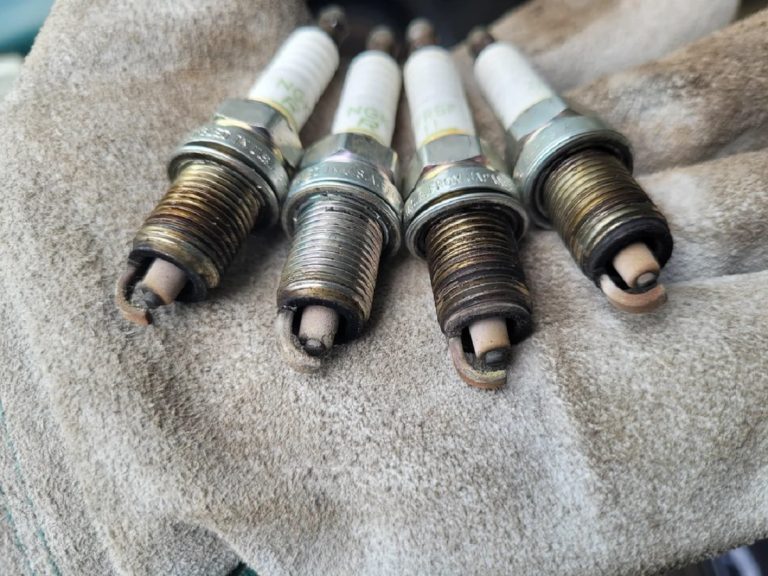
Faulty ignition components are another common culprit. Start by examining the spark plugs for wear, fouling, or improper gaps. Worn or dirty spark plugs produce weak sparks, causing misfires and sputtering when the engine requires more power.
Next, test the ignition coils and spark plug wires for damage or inconsistencies. Weak or intermittent sparks from failing coils prevent complete combustion under acceleration. Using an OBD-II scanner can help detect misfire codes that identify the cylinder or coil causing the issue.
Replacing faulty spark plugs, wires, or coils often resolves hesitation and restores smooth power delivery. Ensuring the ignition system is in good condition prevents recurring sputtering and protects other engine components from strain.
Examining Air Intake and Sensors
Airflow issues and sensor malfunctions can disrupt the air-fuel mixture, producing sputtering during acceleration. Begin by checking the air filter for dirt or debris. Restricted airflow reduces oxygen supply to the engine, causing temporary hesitation under load.
Inspect critical sensors, such as the mass airflow (MAF) sensor and throttle position sensor (TPS). Faulty readings from these sensors can mislead the engine control unit (ECU), causing improper fuel injection or ignition timing. Cleaning or replacing dirty or malfunctioning sensors often resolves acceleration issues.
Additionally, examine intake hoses and connections for cracks, leaks, or loose clamps. Vacuum leaks can allow unmetered air into the engine, creating a lean condition that only manifests during acceleration. Proper maintenance of the intake system ensures balanced combustion and smooth performance.
Using Diagnostic Tools
Modern vehicles are equipped with OBD-II systems that provide valuable insight into engine performance. Scanning for error codes helps identify misfires, sensor faults, or fuel delivery problems contributing to sputtering.
Once codes are retrieved, you can trace the problem to specific components, such as fuel injectors, ignition coils, or airflow sensors. Live data monitoring can also reveal abnormalities in fuel trim, oxygen sensor readings, or throttle response, helping to confirm the root cause.
Combining OBD-II diagnostics with visual inspections and physical tests allows for an accurate assessment of the problem. Systematic diagnosis ensures targeted repairs, preventing unnecessary part replacements and restoring smooth acceleration.
Preventive Tips to Avoid Sputtering Issues
Preventing sputtering issues during acceleration requires consistent maintenance and mindful driving habits. A car that idles fine but sputters when accelerating often signals problems in the fuel system, ignition components, or air intake. Implementing preventive measures ensures smooth performance, reduces the risk of engine damage, and improves overall vehicle reliability.
Regular Fuel System Maintenance
Keeping your fuel system clean and well-maintained is essential to prevent sputtering. Regularly replace fuel filters according to manufacturer recommendations to ensure a steady flow of gasoline to the engine. Clogged filters can restrict fuel delivery, causing hesitation during acceleration.
Cleaning fuel injectors periodically helps remove carbon deposits and debris that can disrupt fuel atomization. Poor atomization reduces combustion efficiency, leading to sputtering and reduced power. Using high-quality fuel also minimizes the risk of contamination, water buildup, or impurities that can affect engine performance.
Monitoring fuel pressure and checking fuel pump health during routine maintenance ensures consistent fuel delivery. Preventive attention to the fuel system reduces the likelihood of hesitation, misfires, or sputtering during acceleration and prolongs the life of engine components.
Ignition System Care
Maintaining your ignition system is critical for smooth acceleration. Regularly inspect spark plugs for wear, fouling, or improper gaps. Replacing old or damaged plugs ensures reliable sparks, which are essential for proper combustion when the engine is under load.
Check ignition coils and spark plug wires for damage or signs of deterioration. Worn or weak ignition components can lead to misfires, rough acceleration, and sputtering. Keeping the ignition system in top condition ensures consistent power delivery and prevents unnecessary strain on the engine.
Routine maintenance also includes checking the timing and adjusting the system according to manufacturer specifications. Proper ignition system care ensures that the engine fires efficiently, preventing hesitation and improving overall acceleration performance.
Air Intake and Sensor Maintenance
Ensuring proper airflow is key to preventing acceleration sputtering. Replace air filters regularly to maintain unobstructed airflow into the engine. A clogged filter reduces oxygen supply, which can lead to a rich fuel mixture and hesitation under load.
Inspect sensors like the mass airflow (MAF) sensor and throttle position sensor (TPS) to ensure accurate readings. Dirty or faulty sensors can mislead the engine control unit (ECU), resulting in improper fuel delivery or ignition timing. Cleaning or replacing malfunctioning sensors helps maintain balanced air-fuel ratios.
Additionally, check intake hoses and vacuum lines for leaks, cracks, or loose connections. Even minor air leaks can disrupt combustion efficiency and cause sputtering during acceleration. Maintaining the air intake system ensures consistent engine performance and prevents hesitation.
Regular Vehicle Inspections
Routine vehicle inspections are crucial to catch minor issues before they become major problems. Schedule periodic checks with a qualified mechanic to evaluate fuel system performance, ignition components, sensors, and exhaust conditions.
Use diagnostic tools like an OBD-II scanner to monitor engine codes and detect early signs of misfires or sensor errors. Identifying problems early allows timely repairs, preventing sputtering and other acceleration issues.
Regular inspections also help maintain overall engine health, ensuring smooth power delivery and improving fuel efficiency. Combining scheduled inspections with proper maintenance creates a proactive strategy to avoid sputtering problems and keep your car running reliably.
Mindful Driving Habits
Driving habits significantly impact engine performance and the likelihood of sputtering. Avoid aggressive acceleration, sudden throttle changes, or excessive load on the engine, which can stress fuel delivery and ignition systems.
Maintaining smooth acceleration, consistent speeds, and moderate loads reduces the risk of hesitation or sputtering. Allowing the engine to reach optimal operating temperature before demanding rapid acceleration ensures the fuel, ignition, and air systems function efficiently.
Mindful driving, combined with proper maintenance, extends the life of spark plugs, fuel injectors, and sensors. It also minimizes stress on the engine, helping prevent sputtering and ensuring consistent, reliable acceleration.
Frequently Asked Questions
Why Does My Car Idle Fine But Sputters When Accelerating?
If your car idles fine but sputters when accelerating, it usually points to a fuel, air, or ignition problem. At idle, the engine requires less fuel and airflow, so minor issues may not be noticeable. When you press the accelerator, the engine demands more fuel and air, which can reveal clogged injectors, a dirty air filter, or worn spark plugs.
It could also be caused by a vacuum leak or a failing sensor such as the mass airflow sensor. Identifying the exact cause quickly can prevent further engine damage.
Can Dirty Spark Plugs Cause My Car To Sputter During Acceleration?
Yes, dirty or worn spark plugs are a common reason your car idles fine but sputters when accelerating. Spark plugs ignite the fuel-air mixture, and when they are fouled or damaged, misfires occur, especially under load.
At idle, the engine isn’t under much stress, so the misfires may not show. However, once you accelerate, the engine demands more consistent combustion, and the gap in spark performance leads to sputtering, hesitation, or jerking. Replacing or cleaning spark plugs often solves this issue quickly.
Could Fuel System Issues Make My Car Sputter When I Press The Gas?
Absolutely. Problems in the fuel system such as a clogged fuel filter, weak fuel pump, or dirty fuel injectors can cause sputtering under acceleration. Your engine needs a steady flow of fuel to maintain performance, and any restriction reduces power output when you accelerate.
At idle, the fuel demand is lower, so the car may run smoothly. Regular maintenance like cleaning injectors and replacing fuel filters ensures your engine gets consistent fuel and prevents sudden sputtering while driving.
Does A Dirty Air Filter Cause Sputtering Only When Accelerating?
Yes, a dirty or clogged air filter can cause this problem. Your engine requires more air during acceleration, and if airflow is restricted, it leads to a fuel-air imbalance. This imbalance can cause sputtering, hesitation, or even a rough surge in power.
At idle, the engine doesn’t need as much air, so it can function normally. Inspecting and replacing the air filter regularly is a simple way to maintain smooth acceleration and prevent airflow-related sputtering issues.
Can A Faulty Mass Airflow Sensor Cause Sputtering During Acceleration?
Yes, a failing mass airflow (MAF) sensor can cause sputtering specifically under load. The MAF sensor measures the amount of air entering the engine and communicates this to the ECU for proper fuel injection. If it gives inaccurate readings, the engine may run too rich or too lean.
This often isn’t noticeable at idle because the airflow is minimal, but when accelerating, the mismatch between fuel and air becomes evident, causing sputtering, hesitation, or even stalling. Cleaning or replacing the sensor usually resolves the issue.
When Should I Take My Car To A Mechanic For Sputtering?
You should see a mechanic if the sputtering persists after basic maintenance like replacing spark plugs, fuel filter, or air filter. Persistent sputtering can indicate deeper issues such as a failing fuel pump, clogged catalytic converter, or serious ignition system problems.
A professional diagnostic can pinpoint the root cause and prevent further damage. Ignoring the problem can reduce fuel efficiency, cause engine damage, and even lead to a breakdown. Early intervention ensures safety and keeps your car running reliably.
Final Words
Experiencing hesitation or sputtering during acceleration can be frustrating, especially when your car runs smoothly at idle. This issue often points to underlying problems in the fuel system, ignition components, air intake, or sensors that only become apparent under engine load. Addressing the root cause early helps maintain engine performance and prevents more serious damage.
A car idles fine but sputters when accelerating often signals fuel delivery inconsistencies, worn spark plugs, clogged injectors, or faulty sensors. Regular maintenance, including checking fuel filters, ignition components, and air intake systems, can prevent these issues from worsening. Diagnostic tools like an OBD-II scanner are useful for pinpointing the exact source of the problem, allowing targeted repairs.
Proactive care and mindful driving habits help reduce the likelihood of acceleration-related sputtering. By monitoring symptoms and maintaining critical engine components, you can ensure smooth, reliable performance and prolong the life of your vehicle while avoiding the inconvenience of unexpected hesitation.