f150 Transmission Leak Bellhousing: Causes, Symptoms, Fixes, and Prevention Tips
Transmission issues often start quietly, but they rarely stay that way for long. A small fluid spot on the driveway or a faTransmission issues often start quietly, but they rarely stay that way for long. A small fluid spot on the driveway or a faint burning smell can quickly turn into a stressful situation for any Ford F-150 owner. These early signs deserve attention before they lead to costly repairs.
One common concern that raises alarms is an f150 transmission leak bellhousing, which usually points to a problem hidden between the engine and transmission. Fluid escaping from this area often suggests wear in critical seals or internal components that work under constant pressure and heat.
Driving with a leak in this area can affect shifting performance, cause slipping gears, and reduce overall transmission efficiency. Over time, low fluid levels increase friction, creating excess heat that accelerates internal damage and shortens the lifespan of the transmission system.
Understanding what causes this type of leak, how it presents itself, and why timely diagnosis matters can help protect the truck’s performance. Addressing the issue early keeps repairs manageable and helps maintain the reliability the F-150 is known for.int burning smell can quickly turn into a stressful situation for any Ford F-150 owner. These early signs deserve attention before they lead to costly repairs.
One common concern that raises alarms is an f150 transmission leak bellhousing, which usually points to a problem hidden between the engine and transmission. Fluid escaping from this area often suggests wear in critical seals or internal components that work under constant pressure and heat.
Driving with a leak in this area can affect shifting performance, cause slipping gears, and reduce overall transmission efficiency. Over time, low fluid levels increase friction, creating excess heat that accelerates internal damage and shortens the lifespan of the transmission system.
Understanding what causes this type of leak, how it presents itself, and why timely diagnosis matters can help protect the truck’s performance. Addressing the issue early keeps repairs manageable and helps maintain the reliability the F-150 is known for.
Common Causes Of Transmission Leak In The Bellhousing Area
Transmission fluid leaks around the bellhousing area often signal deeper mechanical issues rather than surface-level problems. This section explains why leaks develop in this specific location and how different internal components contribute to fluid loss. Understanding these causes helps drivers recognize warning signs early and take informed action before transmission damage becomes severe or expensive.
Worn Or Failing Rear Main Seal
One of the most frequent reasons for fluid leaking near the bellhousing is a worn or failing rear main seal. This seal sits between the engine and the transmission, designed to keep engine oil and transmission fluid from escaping as the crankshaft rotates. Over time, constant heat exposure, pressure, and natural aging cause the seal material to harden or crack.
Once the seal loses flexibility, small gaps form, allowing fluid to seep out gradually. These leaks often appear minor at first, showing up as light drips or stains under the vehicle. However, as driving continues, the leak rate increases due to rising internal pressure and ongoing friction at the seal surface.
Another contributing factor is improper installation during previous engine or transmission work. Even a slightly misaligned seal can fail prematurely. In high-mileage vehicles, vibration and engine movement also accelerate wear, especially if motor mounts are weakened.
When the rear main seal leaks, fluid collects inside the bellhousing and eventually escapes from the lowest point. This makes diagnosis tricky, as the leak may look like a transmission issue when it originates from the engine side. Ignoring this problem leads to reduced fluid levels, increased internal friction, and potential damage to both engine and transmission components.
Damaged Or Leaking Torque Converter Seal
The torque converter seal is another major source of bellhousing-area leaks. This seal connects the torque converter to the transmission and is responsible for containing pressurized transmission fluid while allowing smooth rotation. Because the torque converter spins constantly during engine operation, the seal endures continuous stress.
As the seal ages, heat and fluid breakdown weaken its structure. Dirt, metal debris, or old fluid can scratch the seal surface, creating channels where fluid escapes. Even a small imperfection can cause noticeable leaks due to the high pressure inside the torque converter.
Improper fluid type or low-quality transmission fluid can also accelerate seal deterioration. When fluid loses its lubricating properties, friction increases, raising temperatures and causing seals to fail faster. In some cases, excessive transmission pressure from internal valve body issues forces fluid past an otherwise intact seal.
A leaking torque converter seal usually worsens over time. Fluid loss leads to delayed engagement, slipping gears, and overheating. As fluid levels drop, internal components receive less lubrication, increasing wear across the transmission. Because accessing this seal requires transmission removal, early detection is critical to prevent more extensive internal damage.
Cracked Or Damaged Transmission Housing
Physical damage to the transmission housing itself can also result in leaks near the bellhousing area. Although less common, cracks or fractures develop due to road debris impact, improper lifting, or stress caused by misaligned components. Even small cracks allow fluid to seep out under pressure.
Transmission housings are designed to withstand heat and vibration, but metal fatigue becomes a factor over long periods. Repeated heating and cooling cycles cause expansion and contraction, which weakens the structure. When combined with vibration from worn mounts or drivetrain imbalance, cracks can slowly form around stress points.
Improper installation during previous repairs is another risk factor. Over-tightened bolts or uneven torque distribution can distort the housing. This distortion prevents proper sealing between mating surfaces, creating gaps where fluid escapes into the bellhousing area.
Leaks from housing damage often appear inconsistent, worsening during driving and slowing when parked. Because these leaks are structural, sealing additives rarely provide lasting results. Left unaddressed, fluid loss leads to overheating, poor shifting performance, and internal component failure. Identifying housing damage early allows for repair or replacement before transmission reliability is compromised.
Signs And Symptoms Of A Bellhousing Transmission Leak
Transmission leaks around the bellhousing area rarely appear without warning. The vehicle often shows noticeable changes in performance, sound, or behavior before the problem becomes severe. Recognizing these signs early helps prevent extensive transmission damage and unexpected breakdowns. This section outlines the most common symptoms that indicate fluid loss near the bellhousing and explains how each one affects drivability.
Transmission Fluid Dripping From The Center Of The Vehicle
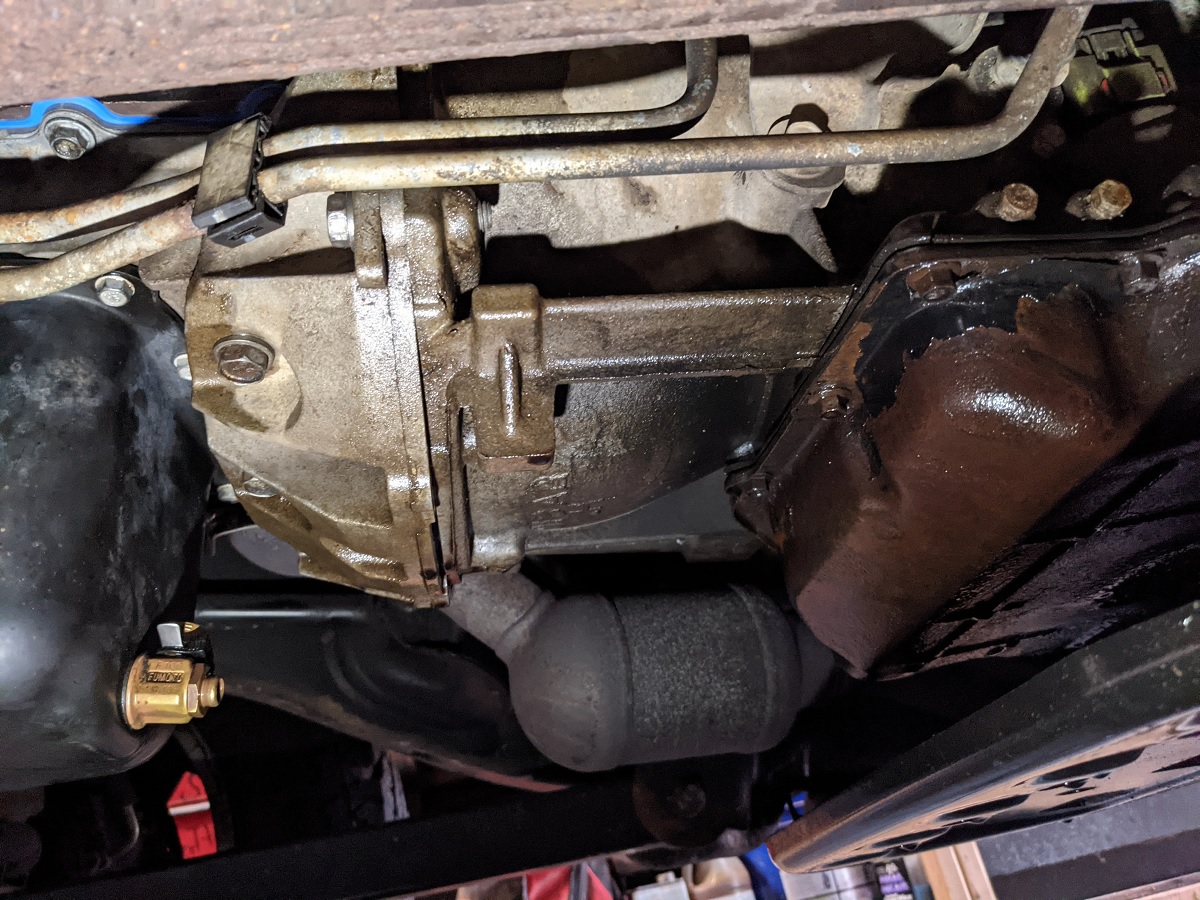
One of the clearest signs of a bellhousing transmission leak is fluid dripping from the center area underneath the vehicle. Unlike axle or pan leaks that appear closer to the sides, bellhousing leaks usually leave fluid marks directly below where the engine and transmission meet. The fluid may appear red, dark brown, or even slightly burnt depending on its condition and age.
These drips often start small and may only be noticeable after parking overnight. As the leak worsens, the spots become larger and more frequent, especially after driving. Heat buildup during operation increases internal pressure, forcing more fluid out through weakened seals or gaps. This pattern can make the leak seem intermittent, even though the underlying issue remains constant.
Ignoring visible fluid loss leads to progressively lower transmission fluid levels. Reduced fluid affects lubrication and cooling, causing internal components to operate under higher stress. Over time, metal-to-metal contact increases wear, accelerating transmission damage.
Drivers may also notice a slippery residue on the underside of the vehicle or around the bellhousing inspection cover. This buildup confirms that fluid is escaping from inside the bellhousing, signaling the need for immediate inspection before drivability is compromised.
Delayed Or Slipping Gear Engagement
Another common symptom linked to a bellhousing transmission leak is delayed or slipping gear engagement. Transmission fluid plays a critical role in building hydraulic pressure that allows gears to engage smoothly. When fluid levels drop due to a leak, this pressure becomes inconsistent, directly affecting shift quality.
Drivers often notice hesitation when shifting from park to drive or reverse. The vehicle may take a few seconds to respond, or it may lurch suddenly once the gear engages. During acceleration, gears can slip unexpectedly, causing a brief loss of power or erratic engine RPM changes.
As fluid loss continues, shifting becomes rougher and less predictable. The transmission may struggle to maintain proper gear ratios, especially under load or during uphill driving. This not only reduces driving comfort but also places additional strain on internal clutch packs and bands.
Slipping gears generate excess heat, which further degrades transmission fluid and damages seals. This creates a cycle where fluid loss worsens performance, and poor performance accelerates fluid loss. Recognizing shifting problems early helps prevent internal failure that often accompanies prolonged low-fluid operation.
Burning Smell Or Overheating Transmission
A burning smell coming from the vehicle is another warning sign of a bellhousing transmission leak. Transmission fluid serves as both a lubricant and a coolant. When levels drop, remaining fluid overheats more quickly, producing a distinct burnt odor that may enter the cabin or linger after driving.
Overheating occurs because insufficient fluid cannot properly absorb and dissipate heat generated by moving parts. As temperatures rise, seals harden and lose elasticity, allowing even more fluid to escape. This intensifies the leak and increases the risk of internal damage.
Drivers may also notice the transmission temperature warning light activating, especially during long drives or heavy towing. Performance may decline as the transmission enters a protective mode to limit damage. Shifts become slower, and throttle response may feel restricted.
Prolonged overheating causes fluid oxidation, turning it dark and reducing its ability to lubricate effectively. Internal components such as clutch plates and bearings suffer accelerated wear. A persistent burning smell should never be ignored, as it often indicates a leak severe enough to threaten transmission reliability.
Unusual Noises During Acceleration Or Shifting
Unusual noises can also signal a bellhousing transmission leak. As fluid levels decrease, internal components receive less cushioning and lubrication. This allows metal parts to produce sounds that are normally dampened by adequate fluid pressure.
Drivers may hear whining, grinding, or humming noises during acceleration or while shifting gears. These sounds often increase with engine speed and become more noticeable under load. In some cases, a rattling noise may appear when shifting from a stop or during low-speed driving.
Noise development usually indicates advanced fluid loss. Bearings, gears, and torque converter components begin to operate with increased friction, leading to audible wear. The bellhousing area may amplify these sounds as fluid accumulates and escapes unevenly.
Ignoring these noises can result in catastrophic transmission failure. Once internal components are damaged, repairs become more complex and expensive. Paying attention to new or worsening sounds provides an early opportunity to diagnose a bellhousing leak before irreversible damage occurs.
How To Diagnose f150 Transmission Leak Bellhousing Issues
Diagnosing a transmission leak around the bellhousing on an F-150 requires careful observation and a step-by-step approach. Because leaks in this area can originate from multiple internal components, identifying the exact source early helps avoid unnecessary repairs. This section explains practical methods used to pinpoint f150 transmission leak bellhousing problems accurately before they escalate.
Inspecting Fluid Location And Leak Patterns
The first step in diagnosing a bellhousing leak is closely examining where the transmission fluid appears. Parking the truck on a clean, level surface overnight makes fresh leaks easier to identify. Fluid dripping from the center underside, directly below where the engine and transmission meet, strongly suggests bellhousing involvement rather than a pan or cooler line leak.
After locating the drip point, checking the color and consistency of the fluid provides additional clues. Transmission fluid is typically red or dark red, while engine oil appears brown or black. This distinction helps determine whether the leak is transmission-related or coming from the rear main seal on the engine side.
Cleaning the underside with a degreaser and driving for a short distance helps track fresh fluid paths. New leaks become visible quickly, showing whether fluid is flowing from inside the bellhousing or running down from higher components. Gravity often causes fluid to spread, so observing the highest wet point is critical.
Repeated inspections over several days reveal whether the leak worsens under driving conditions. Increasing drip volume after longer drives indicates pressure-related leaks, narrowing the diagnosis to seals or internal components within the bellhousing area.
Checking Transmission Fluid Level And Condition
Evaluating transmission fluid level and condition is a crucial diagnostic step. Low fluid levels often confirm an active leak and explain symptoms like slipping or delayed shifting. Checking fluid according to manufacturer procedures ensures accurate readings, especially on sealed or temperature-sensitive systems.
Fluid condition reveals how long the leak has been present. Healthy fluid appears clean and slightly translucent, while dark or burnt-smelling fluid indicates overheating caused by prolonged low levels. Overheated fluid loses its ability to lubricate and protect internal components, accelerating seal failure.
Examining fluid residue around the bellhousing inspection cover also helps confirm the diagnosis. Removing this cover may reveal pooled fluid inside, which strongly points to an internal seal issue such as a torque converter seal failure. This visual confirmation reduces guesswork.
Monitoring fluid level over time adds clarity. A noticeable drop within a short period confirms an active leak rather than residual fluid from previous maintenance. Consistent fluid loss combined with bellhousing residue is a strong indicator of a developing internal transmission leak.
Ruling Out External And Related Component Leaks
Before confirming a bellhousing leak, ruling out external sources is essential. Cooler lines, transmission pan gaskets, and dipstick tube seals often leak and allow fluid to run toward the center of the vehicle. These leaks can mimic bellhousing issues if not carefully inspected.
Checking all surrounding components for wetness helps eliminate false diagnoses. Tightening loose bolts, inspecting cracked hoses, and examining gasket edges prevents misidentifying a simpler external leak as a major internal problem. Proper lighting and mirrors help view hard-to-reach areas.
Engine-related leaks must also be considered. A rear main seal leak can drip into the bellhousing, appearing similar to a transmission issue. Comparing fluid color and smell helps distinguish between engine oil and transmission fluid accurately.
Once external leaks are ruled out, remaining evidence usually confirms internal bellhousing involvement. At this stage, professional inspection may be required, as transmission removal is often necessary to identify the exact failed seal or component causing the f150 transmission leak bellhousing issue.
Repair Options For Transmission Leaks At The Bellhousing
Transmission leaks at the bellhousing usually indicate internal seal or component failure that cannot be resolved with simple adjustments. Repair options vary depending on the exact source of the leak, the vehicle’s mileage, and overall transmission condition. Understanding available repair methods helps set realistic expectations for cost, labor, and long-term reliability.
Replacing The Torque Converter Seal
Replacing the torque converter seal is one of the most common repair options for bellhousing transmission leaks. This seal sits at the front of the transmission where the torque converter engages, and its failure allows pressurized fluid to escape directly into the bellhousing area. Because of its location, accessing this seal requires complete transmission removal.
Once the transmission is separated from the engine, the torque converter is removed to expose the damaged seal. Technicians inspect the seal bore and converter hub for scoring or wear, as surface damage can cause new seals to fail prematurely. Installing a new seal requires precise alignment to ensure even contact and proper sealing under pressure.
In many cases, the torque converter itself is also inspected or replaced. A worn converter hub can quickly damage a new seal, leading to repeat leaks. Addressing both components during the same repair reduces the risk of future fluid loss.
After reassembly, fresh transmission fluid is added and pressure levels are tested. This repair restores proper fluid containment and helps prevent further slipping, overheating, and internal wear caused by low fluid levels.
Repairing Or Replacing The Rear Main Seal
Another repair option involves addressing a leaking rear main seal, which can mimic transmission leaks at the bellhousing. This seal prevents engine oil from escaping where the crankshaft meets the transmission. When it fails, oil collects inside the bellhousing and exits at the lowest point, appearing similar to a transmission fluid leak.
Repairing the rear main seal also requires removing the transmission to gain access. Once exposed, the old seal is carefully removed without damaging the crankshaft surface. Technicians inspect for grooves or wear that could prevent proper sealing, as even minor surface damage affects long-term results.
Installing a new rear main seal requires accurate depth placement and even pressure. Improper installation leads to immediate leaks or premature failure. In some cases, a repair sleeve is used to restore the crankshaft sealing surface.
Completing this repair eliminates oil contamination inside the bellhousing and prevents fluid loss that can affect clutch operation or transmission components. Properly sealed, the engine and transmission remain protected from cross-contamination and lubrication issues.
Transmission Removal And Internal Inspection
When the exact leak source remains unclear, full transmission removal with internal inspection becomes necessary. This approach allows technicians to inspect all front-facing seals, gaskets, and components that could contribute to bellhousing leaks. While labor-intensive, it provides a comprehensive diagnosis.
During inspection, seals, bushings, and the front pump assembly are examined for wear or damage. Cracks in the transmission housing or warped mating surfaces are also identified. These issues cannot be detected through external inspection alone.
If multiple seals show signs of deterioration, replacing them simultaneously is often recommended. This prevents future leaks and reduces the need for repeat transmission removal. Technicians also assess overall transmission health, checking clutch material, fluid condition, and internal clearances.
Although more costly upfront, this repair option ensures long-term reliability. Identifying and correcting all potential leak sources in one service visit minimizes downtime and protects against recurring bellhousing transmission leaks that lead to more severe transmission failure.
Risks Of Driving With A Bellhousing Transmission Leak
Driving with a transmission leak in the bellhousing area exposes the vehicle to serious mechanical risks. What may begin as a small fluid drip can quickly develop into a major transmission problem. Understanding the dangers involved helps explain why this issue should never be ignored, especially when the leak affects internal components and fluid pressure.
Accelerated Transmission Wear And Internal Damage
One of the biggest risks of driving with a bellhousing transmission leak is accelerated internal wear. Transmission fluid is essential for lubrication, cooling, and hydraulic pressure. When fluid escapes from the bellhousing area, internal components are forced to operate with reduced protection. Gears, bearings, and clutch packs experience increased friction, leading to rapid deterioration.
As fluid levels drop, metal-to-metal contact becomes more common. This causes heat buildup, which further breaks down the remaining fluid and hardens internal seals. Once seals lose flexibility, fluid loss increases, creating a cycle of escalating damage. Internal components that normally last for years can fail in a much shorter time under these conditions.
Delayed shifting, slipping gears, and rough engagement often follow. These symptoms indicate that internal clutches are struggling to maintain proper pressure. Continued driving places extreme stress on the transmission, increasing the likelihood of catastrophic failure that requires full replacement rather than repair.
Loss Of Vehicle Performance And Reliability
Another major risk is a noticeable loss of vehicle performance and reliability. Transmission leaks reduce hydraulic pressure, which directly affects how power is transferred from the engine to the wheels. As pressure drops, gear engagement becomes inconsistent, causing hesitation, slipping, or sudden surges during acceleration.
This unpredictability makes the vehicle difficult to control, especially in traffic or during towing. Shifts may occur at incorrect times, and the transmission may struggle to stay in the correct gear. Over time, these issues worsen, making the vehicle unreliable for daily driving or long trips.
Fuel efficiency also suffers as the transmission works harder to compensate for fluid loss. The engine may rev higher than normal, increasing fuel consumption and engine wear. In some cases, the transmission may enter a protective mode that limits performance to reduce further damage.
Relying on a vehicle with compromised transmission performance increases the risk of unexpected breakdowns. Sudden loss of drive can leave the vehicle stranded, creating safety concerns and additional repair costs.
Increased Repair Costs And Safety Concerns
Ignoring a bellhousing transmission leak often leads to significantly higher repair costs. What begins as a seal replacement can escalate into the need for a full transmission rebuild or replacement. Continued fluid loss damages multiple internal components, multiplying the scope and expense of repairs.
Safety concerns also increase as transmission function degrades. Slipping gears and delayed engagement can cause hesitation when merging or crossing intersections. In severe cases, the transmission may fail to engage at all, leaving the vehicle immobile at critical moments.
Leaking fluid can also contaminate other components, such as exhaust parts, creating smoke or fire hazards under extreme conditions. Fluid dripping onto hot surfaces increases the risk of burning smells and overheating issues.
Preventive Maintenance To Avoid Future Leaks
Preventive maintenance plays a critical role in reducing the risk of transmission leaks, especially around sensitive areas like the bellhousing. Consistent care helps maintain proper fluid pressure, seal flexibility, and overall transmission health. Focusing on routine inspections and maintenance habits can significantly extend transmission lifespan and prevent unexpected fluid loss.
Regular Transmission Fluid Checks And Changes
Regular transmission fluid checks are one of the most effective ways to prevent future leaks. Transmission fluid not only lubricates internal components but also conditions seals and gaskets. When fluid becomes dirty or degraded, it loses its protective qualities, causing seals to dry out and crack over time.
Checking fluid levels at recommended intervals helps identify slow leaks before they become serious. A gradual drop in fluid level often signals an early-stage leak that can be addressed before major damage occurs. Monitoring fluid color and smell also provides insight into transmission health, as dark or burnt fluid indicates overheating or internal wear.
Timely fluid changes help remove contaminants that accelerate seal deterioration. Old fluid contains metal particles and debris that damage sealing surfaces and increase friction. Replacing fluid restores proper lubrication and reduces operating temperatures, helping seals maintain elasticity.
Using the correct fluid type is equally important. Manufacturer-approved fluid ensures proper viscosity and additive compatibility, reducing stress on internal seals and minimizing the risk of bellhousing-related leaks.
Inspecting Seals, Mounts, And Related Components
Routine inspection of transmission seals, mounts, and surrounding components helps prevent future leaks from developing unnoticed. Seals located near the bellhousing endure constant heat, vibration, and pressure. Over time, these conditions weaken sealing materials, making early detection essential.
Inspecting the underside of the vehicle for fresh fluid residue helps identify developing issues. Small leaks around seals or mating surfaces often appear before noticeable performance problems. Catching these signs early allows for minor repairs rather than extensive transmission removal.
Motor and transmission mounts also play a role in leak prevention. Worn mounts allow excessive movement, placing added stress on seals and housings. This movement can cause seals to fail prematurely or create gaps between components. Replacing weakened mounts stabilizes the drivetrain and reduces strain on sealing surfaces.
Checking cooler lines, fittings, and gaskets prevents misdiagnosed leaks that may spread fluid toward the bellhousing. Keeping all related components in good condition supports overall transmission integrity and reduces the likelihood of future fluid leaks.
FAQs
What Does An F150 Transmission Leak Bellhousing Mean?
An f150 transmission leak bellhousing usually means fluid is escaping from the area where the engine and transmission connect. This location often hides internal seals, so leaks here are rarely simple or cosmetic.
You may notice fluid dripping from the center underside of the truck rather than the edges. This type of leak often points to a failing torque converter seal or rear main seal, both of which require transmission removal for proper repair and should not be ignored.
What Are The Most Common Causes Of A Bellhousing Transmission Leak?
The most common causes include a worn torque converter seal, a leaking rear main seal, or internal transmission pump issues. These components handle high pressure and constant rotation, making them prone to wear over time.
Improper installation during past repairs and degraded transmission fluid also contribute to seal failure. When fluid quality drops, heat and friction increase, accelerating leaks that appear inside the bellhousing and worsen during regular driving.
How Can You Tell If The Leak Is Transmission Fluid Or Engine Oil?
You can often tell by checking the color, smell, and consistency of the fluid. Transmission fluid is usually red or dark red with a slightly sweet smell, while engine oil appears brown or black and smells burnt.
Location also matters. An f150 transmission leak bellhousing typically drips from the center where the engine meets the transmission. Cleaning the area and monitoring fresh leaks helps confirm the fluid source more accurately.
Is It Safe To Drive With A Bellhousing Transmission Leak?
Driving with a bellhousing transmission leak is risky, even if the leak seems minor. Low fluid levels reduce lubrication and hydraulic pressure, leading to slipping gears and overheating.
As you continue driving, internal components wear faster and repair costs rise. Sudden transmission failure can occur without much warning, leaving you stranded. Addressing the leak early helps maintain reliability and prevents severe internal damage.
How Much Does It Cost To Fix An F150 Bellhousing Leak?
Repair costs vary based on the exact cause, but bellhousing leaks are typically labor-intensive. Most repairs require removing the transmission, which increases labor time significantly.
Replacing a torque converter seal or rear main seal costs less than a full transmission rebuild, but still represents a major repair. Delaying the fix often leads to additional internal damage, increasing overall repair expenses substantially.
Can A Bellhousing Leak Cause Shifting Problems?
Yes, an f150 transmission leak bellhousing can directly cause shifting issues. Transmission fluid creates the pressure needed for smooth gear engagement, and fluid loss disrupts this process.
You may experience delayed engagement, slipping gears, or harsh shifts. These symptoms worsen as fluid levels drop and internal heat increases. Addressing the leak restores proper pressure and helps protect clutch packs and internal components.
How Do You Prevent Future Bellhousing Transmission Leaks?
Preventing future leaks starts with regular transmission fluid checks and timely fluid changes. Clean, high-quality fluid helps maintain seal flexibility and proper operating temperatures.
Inspecting mounts, seals, and surrounding components also reduces stress on the bellhousing area. Using the correct transmission fluid and addressing small leaks early greatly lowers the risk of recurring f150 transmission leak bellhousing problems.
Conclusion
Ignoring a transmission fluid leak around the bellhousing can quickly turn a small issue into a costly repair. Fluid loss affects lubrication, cooling, and overall transmission performance, which may lead to slipping, overheating, or delayed shifting if left unchecked. Early attention helps protect internal components and extend the life of the transmission.
Accurate diagnosis is essential because leaks in this area can be confused with engine-related problems. Seals, torque converter issues, or even minor cracks can all produce similar symptoms. Addressing the exact cause of an f150 transmission leak bellhousing problem ensures the repair is effective and prevents repeated fluid loss.
Regular inspections and proper maintenance play a major role in prevention. Checking fluid levels, using the correct transmission fluid, and fixing minor leaks promptly can save time and money. Taking action early keeps your truck reliable and reduces the risk of major transmission failure caused by an f150 transmission leak bellhousing.