Steering Wheel Not Centered After Alignment: Causes And Fixes
Proper wheel alignment is essential for vehicle safety, handling, and tire longevity. After an alignment, your steering wheel should be perfectly centered when driving straight. When it isn’t, it can affect driving comfort, reduce control, and even cause uneven tire wear. Addressing this issue promptly ensures both safety and performance.
A steering wheel not centered after alignment is a common problem that drivers notice immediately. It often indicates that the alignment may need fine-tuning or that underlying suspension or steering components are misadjusted. Ignoring this can lead to discomfort, difficulty maintaining a straight line, and additional stress on tires and suspension parts.
Understanding why the steering wheel remains off-center helps in diagnosing the problem accurately. Proper evaluation can reveal whether it’s a simple correction, such as adjusting tie rods, or a more complex issue involving suspension components.
Recognizing the symptoms early allows you to take corrective action, restore proper steering function, and maintain safe handling on the road. Regular maintenance and professional alignment checks can prevent this issue from recurring.
Common Causes Of Steering Wheel Misalignment
A steering wheel not centered after alignment is often a symptom of underlying issues in the steering or suspension system. Understanding the common causes of misalignment can help you address the problem quickly, prevent uneven tire wear, and maintain safe vehicle handling. Identifying these causes allows drivers to take corrective measures before the issue escalates.
Improper Alignment Adjustment
One of the most frequent causes of a steering wheel not centered after alignment is an improper adjustment during the alignment process. Even minor deviations in toe, camber, or caster settings can result in a misaligned steering wheel. Mechanics must ensure that both front and rear wheels are correctly positioned relative to each other and the vehicle’s centerline.
Even high-quality alignment equipment may produce off-center results if the technician does not properly zero the steering wheel or accurately measure angles. Improper adjustment can cause the steering wheel to appear crooked while the vehicle drives straight, leading to discomfort and uneven tire wear. Verifying alignment after installation and requesting a test drive ensures that adjustments are accurate and the steering wheel remains centered.
Worn Suspension Components
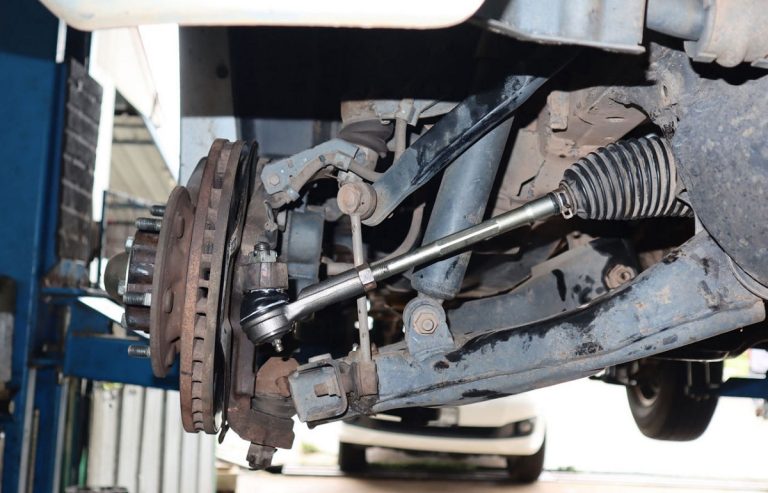
Worn or damaged suspension components, such as tie rods, control arms, or ball joints, can lead to a steering wheel not centered after alignment. These parts maintain wheel positioning and alignment geometry, and wear can cause the wheels to shift slightly under load.
Even after a professional alignment, worn components may prevent the steering wheel from returning to center. Drivers may notice pulling, vibrations, or unusual steering feedback in addition to the off-center wheel. Replacing worn suspension parts restores proper geometry, allowing the alignment to hold and the steering wheel to remain centered during normal driving conditions.
Steering Rack Or Gear Issues
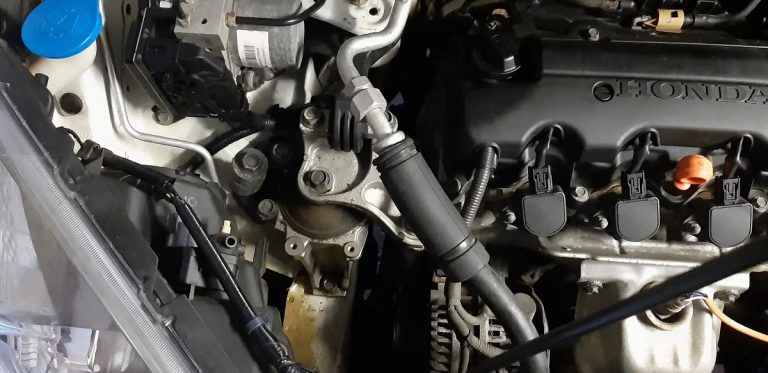
Problems with the steering rack or steering gear can also contribute to a misaligned steering wheel. Internal wear, fluid leaks in power steering systems, or mechanical damage may cause the steering wheel to sit off-center. These issues affect how the steering wheel translates input to the wheels, preventing proper alignment even after adjustments.
Symptoms may include stiffness, uneven steering response, or difficulty returning the wheel to center. Diagnosing rack or gear issues often requires a professional inspection, as proper repairs involve either adjusting or replacing worn components. Addressing these issues ensures accurate steering control and allows the wheel to remain properly aligned after servicing.
Tire And Wheel Factors
Tire and wheel conditions can influence steering wheel alignment. Uneven tire wear, mismatched tires, or bent wheels may cause the steering wheel to sit crooked despite a correct alignment. Similarly, incorrect tire pressure can shift wheel angles slightly, affecting the center position of the steering wheel.
Maintaining even tire wear, rotating tires regularly, and replacing damaged wheels or tires is essential for proper alignment. Proper tire maintenance ensures the steering wheel remains centered, provides predictable handling, and prevents additional stress on suspension and steering components.
Accidents Or Road Impacts
Hitting potholes, curbs, or experiencing minor collisions can cause a steering wheel not centered after alignment. Even if the alignment is corrected afterward, underlying damage to suspension components, bent control arms, or shifted steering geometry can result in a persistent off-center wheel.
After an impact, it’s crucial to inspect the vehicle thoroughly and address any hidden damage. Correcting alignment without repairing damaged components may provide temporary improvements but won’t fully resolve the issue. Ensuring all components are in good condition allows the steering wheel to stay centered and the vehicle to handle safely on the road.
How To Check If Your Steering Wheel Is Truly Off-Center
A steering wheel not centered after alignment can sometimes be a perception issue, while in other cases, it signals a real problem with your vehicle’s steering or suspension system. Accurately diagnosing whether your steering wheel is truly off-center helps determine if corrective action is necessary. Using simple checks and careful observation ensures you identify the issue before it leads to further complications.
Visual Inspection While Driving
One of the easiest ways to check if your steering wheel is off-center is to observe its position while driving on a straight, level road. Ensure your hands are at the standard 9 and 3 o’clock positions and let go briefly if safe. If the wheel appears tilted to one side while the car tracks straight, it is likely off-center.
Additionally, check for other indicators such as the vehicle pulling slightly to one side or uneven tire wear patterns. If multiple signs appear simultaneously, it strengthens the likelihood that your steering wheel is misaligned. This visual assessment provides a quick and practical way to identify the problem before performing more technical checks.
Using Reference Points Inside The Vehicle
You can also use fixed reference points inside your vehicle to gauge steering wheel alignment. For example, align the steering wheel so the top mark or center emblem is visually level with the dashboard or interior trim. Mark the position of the wheel relative to the seat or console.
Then, drive straight on a smooth road and observe whether the steering wheel stays aligned with your reference points. Any deviation from the initial centered position indicates a misalignment. This method allows a precise comparison over multiple drives, helping you confirm that the wheel is truly off-center rather than appearing tilted due to seating position or driver perception.
Measuring Wheel Alignment On-Curb
Another method involves checking the wheel alignment in relation to the road’s curb or lane markings. Park the car on a straight section of road and ensure the front wheels are parallel to the curb or lane lines. Measure the angle of the steering wheel compared to the vehicle’s centerline.
If the steering wheel remains tilted while the wheels are perfectly aligned, this confirms that the wheel is off-center. This method is particularly useful for detecting subtle misalignments that may not be obvious while driving. Accurate measurements can also help mechanics understand how much adjustment is required during alignment correction.
Professional Alignment Check
For the most reliable assessment, a professional alignment check using computerized alignment equipment is recommended. These tools measure toe, camber, and caster angles and compare wheel positioning to the manufacturer’s specifications. The results indicate whether the steering wheel is truly off-center and pinpoint the cause.
Professional inspections also identify any underlying issues with suspension components, tie rods, or steering racks that could contribute to the misalignment. Using professional equipment ensures precise evaluation, allowing the steering wheel to be adjusted accurately and restoring safe handling.
Observing After Minor Adjustments
After performing visual or reference checks, small adjustments can further verify the steering wheel’s centering. Slightly turning the steering wheel in both directions and returning it to the neutral position can reveal whether it naturally centers itself or consistently tilts to one side.
This test provides insight into potential mechanical issues, such as uneven tie rod lengths, worn components, or improper alignment angles. Combining observation, measurement, and professional evaluation gives a comprehensive understanding of your steering wheel’s condition and helps you decide on the necessary corrective actions.
Effects Of Driving With An Off-Centered Steering Wheel
A steering wheel not centered after alignment is more than just a cosmetic issue—it can impact vehicle handling, safety, and long-term mechanical integrity. Driving with an off-centered steering wheel places uneven stress on tires, suspension, and steering components. Understanding the effects of this problem helps drivers recognize the urgency of addressing it and prevents costly repairs or safety risks.
Uneven Tire Wear
One of the most immediate consequences of driving with an off-centered steering wheel is uneven tire wear. Misalignment causes tires to track improperly, placing uneven pressure on the tread. This leads to accelerated wear on one side of the tire, reducing tire lifespan and compromising traction.
Uneven tire wear not only increases the cost of replacement but also affects handling and braking efficiency. You may notice vibrations, pulling to one side, or difficulty maintaining a straight path. Regular inspections and addressing steering wheel misalignment promptly ensure even tire wear, improve road contact, and enhance overall driving safety.
Strain On Suspension And Steering Components
Driving with a misaligned steering wheel puts additional strain on suspension and steering components. Parts such as tie rods, control arms, ball joints, and the steering rack endure uneven forces, accelerating wear and potentially leading to premature failure.
Over time, this strain can compromise the structural integrity of these components, resulting in looseness, vibrations, and reduced steering responsiveness. Maintaining a centered steering wheel helps distribute forces evenly across the suspension system, preserving the longevity of critical components and reducing the risk of sudden failures while driving.
Impact On Vehicle Handling
An off-centered steering wheel can affect vehicle handling and stability. Drivers may notice the car pulling slightly to one side or a tendency to wander within the lane. Steering input may feel inconsistent, making it difficult to maintain a straight path, especially at higher speeds.
These handling issues increase driver fatigue and reduce confidence on the road, particularly during long drives or in adverse conditions. Correcting steering wheel alignment restores predictable handling, ensures smoother steering response, and enhances overall driving comfort, reducing the risk of accidents caused by sudden lane deviations or overcorrection.
Increased Fuel Consumption
Misaligned steering can also contribute to increased fuel consumption. When the vehicle’s wheels are not properly aligned, the engine must work harder to maintain straight-line movement. This additional effort translates into wasted energy and reduced fuel efficiency.
Over time, even minor misalignment can significantly impact fuel economy, increasing operating costs. Correcting the steering wheel alignment ensures that tires roll efficiently and the vehicle moves as intended, reducing engine workload and helping maintain optimal fuel consumption.
Safety Risks
Finally, driving with a steering wheel not centered after alignment poses safety risks. Compromised handling, delayed steering response, and uneven braking performance can increase the likelihood of collisions, especially in emergency situations or on slippery surfaces.
Ensuring the steering wheel is centered and the alignment is accurate restores proper vehicle control and reduces the chances of accidents. Regular inspections, prompt adjustments, and addressing underlying mechanical issues protect both the driver and passengers while maintaining the overall reliability of the vehicle.
Professional Solutions And Realignment
A steering wheel not centered after alignment often requires professional intervention to ensure precise corrections and long-term vehicle safety. While minor adjustments can be attempted at home, realigning the steering system typically involves specialized equipment and expertise. Professional solutions address both surface-level alignment issues and underlying mechanical causes, restoring proper steering functionality and vehicle handling.
Comprehensive Alignment Services
Professional alignment services go beyond simply centering the steering wheel. Technicians use computerized alignment machines to measure toe, camber, and caster angles for each wheel, ensuring they match manufacturer specifications. These measurements account for both front and rear wheel positioning, which is critical for a centered steering wheel and optimal handling.
During a professional alignment, technicians can identify components that may be worn or damaged, such as tie rods, control arms, or bushings, which can contribute to steering misalignment. By correcting both the alignment and any faulty components, the vehicle achieves precise steering geometry, eliminating the off-center wheel issue and preventing uneven tire wear or handling problems.
Adjustments To Steering And Suspension Components
Realigning the steering wheel often requires adjusting or replacing suspension and steering components. Tie rods, ball joints, and control arms can be fine-tuned or replaced to ensure the wheels respond correctly to steering inputs. In some cases, the steering rack may also require adjustment or inspection for wear.
These adjustments restore proper geometry and ensure that the steering wheel returns to center when driving straight. Professional technicians have the tools and experience to make precise corrections that are difficult to achieve without specialized equipment. This level of service guarantees that alignment corrections are accurate and long-lasting, improving both safety and driving comfort.
Correcting Underlying Mechanical Issues
Sometimes, a steering wheel not centered after alignment indicates deeper mechanical problems. Worn or bent components, collision damage, or uneven tire wear may prevent proper alignment. Professional inspection can identify these underlying causes and recommend the necessary repairs or replacements.
Addressing mechanical issues alongside realignment prevents recurring problems. For example, replacing a worn tie rod or adjusting the steering rack ensures the steering wheel remains centered even after extensive driving. Ignoring these issues may result in repeated misalignment, uneven tire wear, or handling difficulties. Professional solutions provide a comprehensive approach to resolving both the symptoms and root causes of misalignment.
Benefits Of Professional Realignment
Choosing professional realignment services provides long-term benefits for vehicle performance, safety, and maintenance costs. A properly aligned steering system reduces tire wear, improves handling, and ensures consistent steering response. It also minimizes strain on suspension components, prolonging their lifespan.
Professional realignment not only resolves the immediate problem of a misaligned steering wheel but also ensures that the vehicle operates safely and efficiently. By addressing both alignment and mechanical issues, you can restore confidence in your vehicle’s handling, reduce maintenance costs, and prevent future steering problems from developing.
Preventive Measures To Keep Steering Wheel Centered
Maintaining a centered steering wheel requires proactive care and regular attention to your vehicle’s alignment, tires, and suspension system. Preventive measures help ensure proper handling, reduce wear on components, and prevent costly repairs. Consistently following maintenance practices allows the steering system to remain precise and reliable, improving driving comfort and vehicle safety.
Regular Wheel Alignment Checks
Scheduling regular wheel alignment checks is one of the most effective ways to keep your steering wheel centered. Over time, road conditions, potholes, and minor impacts can shift wheel angles, causing misalignment. Professional alignment inspections ensure that toe, camber, and caster angles remain within manufacturer specifications.
Even if your vehicle appears to drive straight, slight misalignments can gradually affect the steering wheel’s position. Regular checks allow technicians to make precise adjustments, ensuring the wheel remains centered and tires wear evenly. Incorporating alignment checks into routine maintenance prevents long-term handling issues and preserves suspension integrity.
Tire Maintenance And Rotation
Proper tire care plays a critical role in keeping the steering wheel centered. Uneven tire wear or mismatched tire sizes can create handling inconsistencies, causing the steering wheel to tilt. Regularly checking tire pressure, rotating tires, and replacing worn tires maintains uniform contact with the road.
Rotating tires according to the manufacturer’s schedule balances wear patterns across all four wheels. This reduces stress on the steering system and suspension components, preventing gradual misalignment. Maintaining tires in good condition also improves traction, fuel efficiency, and overall driving stability, contributing to a centered steering wheel during normal driving.
Suspension And Steering System Inspections
Inspecting suspension and steering components helps prevent off-center steering issues. Worn tie rods, control arms, bushings, and ball joints can cause the steering wheel to shift even after a proper alignment. Routine inspections identify parts that need adjustment, repair, or replacement before they impact alignment.
Addressing worn or damaged components promptly ensures that the steering system responds accurately to your input. This preventive approach not only keeps the steering wheel centered but also protects the overall suspension system from additional wear, prolonging the vehicle’s lifespan and maintaining smooth handling.
Safe Driving Habits
Adopting safe driving habits is another preventive measure to maintain steering wheel alignment. Avoiding potholes, curbs, and rough terrain reduces stress on suspension and steering components, preventing gradual misalignment. Smooth acceleration, braking, and cornering further minimize the risk of shifting the wheel out of center.
Driving carefully and observing road conditions reduces the likelihood of unexpected impacts that can alter wheel angles. Combining safe driving habits with regular maintenance ensures that your steering wheel remains centered, your tires wear evenly, and your vehicle continues to handle predictably and safely under all conditions.
Timely Professional Service
Finally, seeking professional service for alignment, suspension repairs, or steering adjustments is crucial for long-term prevention. Relying on expert technicians ensures accurate measurements and precise corrections, maintaining the steering wheel’s center position over time.
Professional service addresses both visible alignment issues and potential underlying problems, such as worn components or subtle geometry shifts. Regular maintenance and timely interventions prevent recurring misalignment, protect suspension parts, and enhance overall vehicle safety. This comprehensive approach keeps your steering wheel centered, ensuring predictable handling and a comfortable driving experience.
Frequently Asked Questions
Why Is My Steering Wheel Not Centered After Alignment?
A steering wheel not centered after alignment usually occurs when the alignment angles are correct but the steering wheel itself was not properly centered during the process. Even slight misadjustments in toe, camber, or caster can cause the wheel to appear off-center.
Other contributing factors include worn suspension components, damaged tie rods, or uneven tire wear. Identifying the exact cause requires careful inspection or a professional alignment check. Addressing this issue promptly ensures proper handling, prevents uneven tire wear, and maintains safe driving performance.
Can Worn Suspension Parts Cause Steering Misalignment?
Yes, worn suspension parts such as tie rods, control arms, bushings, and ball joints can lead to a steering wheel not centered after alignment. These components maintain wheel geometry and proper steering response, and wear can cause wheels to shift under normal driving conditions.
Even after professional alignment, worn suspension parts may prevent the steering wheel from returning to the center position. Replacing or repairing these components restores correct steering geometry and ensures that future alignment adjustments hold, improving handling and safety.
How Do I Know If My Steering Wheel Is Truly Off-Center?
To determine if your steering wheel is truly off-center, observe it while driving on a straight, level road. The wheel should remain straight when the vehicle tracks straight. Using interior reference points or measuring the angle relative to the vehicle’s centerline can also confirm misalignment.
If the steering wheel appears tilted while the car drives straight, it likely indicates a real alignment issue. Professional inspections can further verify whether suspension, tie rods, or the steering rack need adjustment, providing a precise solution.
Can Uneven Tire Wear Affect Steering Wheel Position?
Yes, uneven tire wear or mismatched tires can cause a steering wheel not centered after alignment. Tires with uneven tread patterns or differing sizes affect how the vehicle rolls, creating subtle shifts in steering response.
Maintaining proper tire pressure, rotating tires regularly, and replacing worn tires helps prevent this problem. Ensuring all tires are matched and in good condition supports accurate wheel alignment, allowing the steering wheel to stay centered and improving overall handling.
Is It Safe To Drive With An Off-Centered Steering Wheel?
Driving with a steering wheel not centered after alignment is generally unsafe over long distances. It can lead to uneven tire wear, unpredictable handling, and additional stress on suspension and steering components.
Reduced steering responsiveness increases the risk of pulling or drifting, particularly in emergency maneuvers or slippery conditions. Correcting the alignment and addressing underlying mechanical issues restores proper control, improves safety, and prolongs the lifespan of tires and suspension parts.
How Can A Professional Correct Steering Wheel Misalignment?
A professional uses computerized alignment equipment to measure wheel angles and the steering wheel position accurately. Adjustments are made to tie rods, control arms, and camber or toe settings to ensure the steering wheel is centered and wheels track correctly.
They can also identify worn or damaged components that may prevent proper alignment. Professional correction ensures precision, restores safe handling, and prevents recurring misalignment, giving you confidence in your vehicle’s performance.
Can Road Impacts Cause Steering Wheel Misalignment After Alignment?
Yes, hitting potholes, curbs, or experiencing minor collisions can shift suspension geometry and cause a steering wheel not centered after alignment. Even after an alignment, underlying damage to control arms, tie rods, or the steering rack may prevent proper centering.
Inspecting for hidden damage and repairing affected components is crucial. Correcting both the alignment and mechanical issues ensures the steering wheel remains centered, maintains predictable handling, and prevents long-term damage to tires and suspension.
Final Thoughts
A misaligned steering wheel can significantly affect driving comfort and safety. Even after a professional alignment, if the wheel feels off-center, it can indicate underlying issues with suspension components, tie rods, or improper alignment adjustments. Addressing the problem promptly ensures smoother handling, reduces tire wear, and prevents long-term damage to your vehicle.
Paying attention to the [steering wheel not centered after alignment] is essential for maintaining control on the road. Regularly checking your steering response, tire wear, and road performance can help identify lingering alignment problems early. Small adjustments or professional recalibration may be needed to restore proper centering and driving stability.
Routine maintenance and careful driving habits can help prevent this issue from recurring. By monitoring your vehicle and addressing the [steering wheel not centered after alignment] promptly, you protect both your vehicle and your safety, ensuring a comfortable and secure driving experience.