My Steering Wheel Is Hard To Turn All Of A Sudden – Common Causes, Warning Signs, And Quick Fixes
Experiencing sudden difficulty in turning your steering wheel can be alarming and immediately affects your control over the vehicle. Smooth steering is essential for safe driving, and any unexpected resistance signals that something may be wrong with your car’s steering system. Identifying the cause early can prevent accidents and costly repairs.
“My steering wheel is hard to turn all of a sudden” is a common complaint among drivers, often pointing to issues with the power steering system, low fluid levels, or worn components. Understanding the underlying cause helps you respond quickly and maintain vehicle safety.
Driving with a stiff steering wheel can be dangerous, especially at high speeds or during emergency maneuvers. It reduces your ability to steer accurately, increasing the risk of collisions and putting additional strain on other mechanical parts.
Addressing this problem promptly ensures that your vehicle remains safe and reliable. Recognizing early signs and understanding potential causes allows for effective troubleshooting and timely maintenance.
Common Reasons My Steering Wheel Is Hard To Turn All Of A Sudden
A steering wheel that suddenly becomes difficult to turn is not just inconvenient—it’s a serious safety concern. Understanding the potential causes can help you identify the problem and take prompt action. Several common factors, ranging from fluid issues to mechanical failures, can lead to sudden stiffness in the steering system, affecting control and driving safety.
Low Power Steering Fluid
One of the most common reasons for sudden difficulty in turning the steering wheel is low power steering fluid. Power steering fluid lubricates and assists the steering mechanism, reducing effort when turning. A drop in fluid levels increases resistance, making the wheel feel heavy or stiff.
Low fluid can result from leaks in the power steering pump, hoses, or rack and pinion assembly. Signs such as whining noises while turning or fluid puddles under the vehicle often accompany low levels. Driving with insufficient fluid puts extra strain on the steering pump, potentially causing permanent damage.
Regularly checking fluid levels and topping them up when necessary can prevent sudden steering issues. Identifying leaks early and addressing them ensures smooth steering and protects the integrity of the power steering system.
Faulty Power Steering Pump
A failing power steering pump can also make your steering wheel hard to turn all of a sudden. The pump generates hydraulic pressure needed to assist steering, and any malfunction reduces this assistance, making steering heavier than usual.
Symptoms of a failing pump include whining or groaning noises, inconsistent steering effort, or fluid foaming. Worn internal components or a failing pulley can prevent the pump from generating sufficient pressure. Ignoring a faulty pump may lead to complete loss of power steering assistance, making the vehicle difficult to control, especially at low speeds.
Addressing pump issues promptly through repair or replacement restores normal hydraulic assistance. Proper maintenance and timely attention prevent further strain on the steering system and enhance driving safety.
Worn or Damaged Steering Components
Mechanical issues such as worn tie rods, ball joints, or rack and pinion components can make your steering wheel hard to turn suddenly. Over time, these components degrade due to regular use or exposure to harsh driving conditions, reducing their effectiveness.
Damaged or seized components increase friction in the steering system, creating resistance when turning. Drivers may notice uneven steering response, vibrations, or unusual noises while maneuvering. Ignoring worn parts can lead to further damage and unsafe handling characteristics, increasing the risk of accidents.
Regular inspections and timely replacement of worn steering components ensure smooth operation. Maintaining the integrity of these parts protects both the steering system and overall vehicle safety.
Issues With Steering Belt
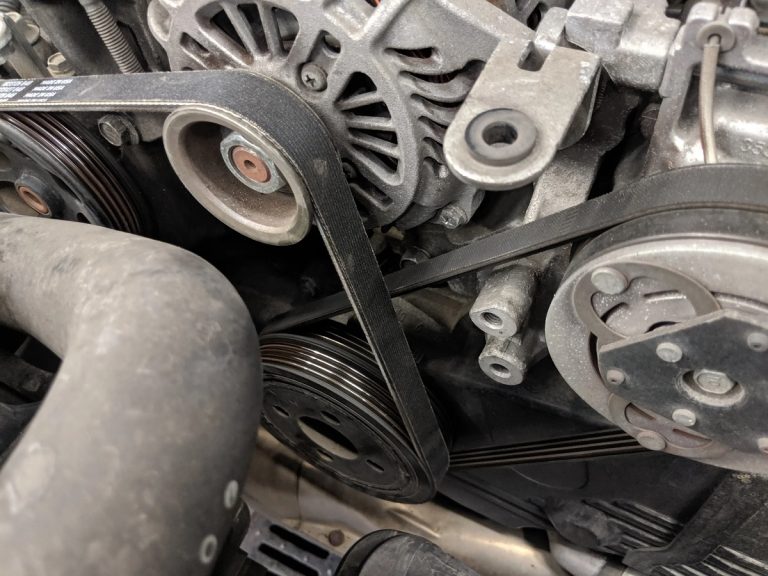
The power steering belt connects the engine to the power steering pump, providing the necessary rotation to generate hydraulic pressure. A loose, worn, or broken belt can result in a sudden loss of power assistance, making steering feel stiff and heavy.
Signs of belt problems include squealing noises, intermittent power assistance, or sudden changes in steering effort. High mileage, wear and tear, or improper tensioning can compromise belt performance. Neglecting belt issues may lead to complete failure, leaving the driver with extremely difficult steering.
Regularly inspecting and replacing worn belts prevents sudden steering problems. Ensuring proper belt tension and condition allows the power steering system to function efficiently, maintaining smooth and responsive steering.
Contaminated or Thickened Power Steering Fluid
Old or contaminated power steering fluid can thicken over time, reducing its ability to lubricate and assist the steering system. Thick fluid increases resistance in the hydraulic system, causing the steering wheel to feel heavy and difficult to turn suddenly.
Contamination can result from debris, metal particles, or oxidation, while failure to flush old fluid accelerates this process. Thickened fluid not only makes steering harder but also strains the power steering pump and other components, potentially causing premature wear or failure.
Regular fluid replacement and proper system flushing help maintain optimal fluid viscosity. Clean power steering fluid ensures smooth operation, reduces wear on internal components, and prevents sudden stiffness in the steering wheel.
How Low Power Steering Fluid Affects Steering
Power steering fluid plays a critical role in ensuring smooth and effortless steering. When fluid levels drop, the steering system loses its ability to provide hydraulic assistance, making it harder to turn the wheel. Understanding how low power steering fluid impacts vehicle handling helps drivers recognize early warning signs and address the issue before it leads to more serious damage.
Increased Steering Effort
Low power steering fluid directly increases the physical effort required to turn the steering wheel. The hydraulic system relies on the fluid to reduce friction and assist the driver in maneuvering the vehicle. Without adequate fluid, the steering feels stiff and heavy, especially at low speeds or when parking.
Drivers may notice that turning the wheel requires significantly more force than usual, and the steering response may feel uneven or jerky. This additional effort not only makes driving uncomfortable but also increases strain on your arms and shoulders. Addressing low fluid promptly restores smooth steering and prevents excessive wear on the steering components.
Potential Damage To Power Steering Pump
Operating a vehicle with low power steering fluid can seriously damage the power steering pump. The pump relies on the fluid for lubrication and cooling. Insufficient fluid causes the pump to work harder, generating excess heat and friction that can lead to premature wear or complete failure.
A failing pump may produce whining, groaning, or squealing noises when turning, signaling that it is under stress. Ignoring low fluid levels can escalate repair costs, as replacing a damaged pump is more expensive than simply topping up or flushing the fluid. Maintaining proper fluid levels protects the pump and ensures consistent hydraulic assistance.
Increased Wear On Steering Components
Low power steering fluid can also accelerate wear on other steering components. The hydraulic system distributes pressure to the rack and pinion or steering gear. Without enough fluid, these components experience increased friction and resistance, which can lead to leaks, seal damage, or internal component failure.
Over time, worn steering components can result in steering play, vibrations, or uneven handling. Detecting low fluid early prevents further damage, preserves component longevity, and ensures the steering system operates safely and efficiently. Regular maintenance, including fluid checks, helps avoid these costly repairs.
Warning Signs To Watch For
Several warning signs indicate low power steering fluid. These include a stiff steering wheel, unusual noises such as whining or groaning while turning, fluid leaks under the vehicle, and inconsistent steering response. Monitoring these symptoms helps you take corrective action before more serious damage occurs.
Regularly checking fluid levels, inspecting for leaks, and topping up or replacing the fluid as needed maintains smooth steering operation. Early detection and proper maintenance prevent strain on the steering pump and components, ensuring reliable performance and safer driving.
Importance Of Timely Fluid Maintenance
Maintaining proper power steering fluid levels is essential for vehicle safety and performance. Regular inspections and timely fluid top-ups prevent stiffness, reduce wear on components, and protect the hydraulic system from damage. Clean, adequate fluid ensures consistent steering response and prolongs the life of the steering system.
By prioritizing fluid maintenance, you can avoid sudden steering issues, reduce repair costs, and maintain precise control over your vehicle. Proper care of your power steering fluid is a simple yet effective way to ensure reliable, safe, and effortless steering.
Power Steering Pump Problems And Symptoms
The power steering pump is a critical component that ensures smooth and effortless steering. When it malfunctions, steering becomes difficult, noisy, and potentially unsafe. Understanding common power steering pump problems and their symptoms allows drivers to address issues promptly, maintain vehicle safety, and prevent costly repairs to the steering system or related components.
Whining Or Groaning Noises While Steering
One of the earliest and most noticeable symptoms of a failing power steering pump is a whining, groaning, or squealing noise when turning the steering wheel. These sounds occur because the pump is struggling to generate adequate hydraulic pressure due to worn internal components, low fluid levels, or contamination in the system.
The noise may be more pronounced during slow maneuvers, such as parking, or when the engine is cold. Ignoring these noises can lead to further wear on the pump, increased steering resistance, and eventual pump failure. Drivers may also notice inconsistent steering effort alongside the noise, indicating that the hydraulic system is not functioning properly.
Early detection through regular maintenance and fluid inspections can prevent serious damage. Replacing or repairing a noisy pump restores smooth operation, reduces stress on other components, and ensures safe vehicle handling.
Stiff Or Hard Steering
A failing power steering pump can make your steering wheel feel stiff or hard to turn. This occurs when the pump is unable to generate sufficient hydraulic pressure to assist the steering mechanism. Drivers often notice increased effort required to maneuver the vehicle, particularly at low speeds or when parking.
Stiff steering not only reduces comfort but also poses a safety risk, as it limits your ability to react quickly during turns or emergency situations. A struggling pump can also place additional strain on other components, including the steering rack, belt, and hoses, accelerating their wear.
Timely attention to stiff steering symptoms ensures that the pump is repaired or replaced before it fails completely. Maintaining a properly functioning pump allows for smooth, responsive steering and reduces the risk of accidents caused by reduced vehicle control.
Fluid Leaks And Low Power Steering Fluid
Power steering pump issues are often accompanied by fluid leaks or low fluid levels. Leaks may occur at the pump itself, the hoses, or the steering gear. Low fluid reduces hydraulic assistance, making the steering wheel feel heavier and increasing friction within the system.
Drivers may notice puddles of reddish or amber fluid under the vehicle or a drop in the power steering fluid reservoir. Continuing to operate the vehicle with low fluid can damage the pump, rack and pinion, and associated seals, resulting in more extensive repairs.
Regularly inspecting fluid levels and checking for leaks is crucial. Replacing faulty hoses, seals, or the pump itself prevents sudden loss of hydraulic assistance and maintains smooth, safe steering.
Vibration Or Jerky Steering
A failing power steering pump can cause vibration or jerky movement in the steering wheel. Irregular pressure output, worn internal components, or air trapped in the hydraulic system can create inconsistent steering response. Drivers may feel the wheel pull or jerk unexpectedly during turns.
These symptoms can also indicate other steering system issues, but a malfunctioning pump is a common culprit when combined with low fluid or unusual noises. Ignoring vibration or jerky steering can lead to increased wear on the steering rack, tie rods, and other connected components.
Addressing these symptoms promptly by servicing or replacing the pump restores smooth, predictable steering and prevents additional damage. Proper maintenance ensures vehicle control and a comfortable driving experience.
Overheating And Pump Failure
Prolonged operation with low fluid, contamination, or internal wear can cause the power steering pump to overheat. Overheating reduces hydraulic efficiency, causing steering stiffness, increased noise, and eventual pump failure. In severe cases, a failed pump may completely eliminate power steering assistance, making the vehicle extremely difficult to control.
Overheating may also damage hoses, seals, and other hydraulic components, increasing repair costs. Regular maintenance, including fluid checks, flushes, and timely replacement of worn pumps, prevents overheating and ensures the system functions reliably.
Understanding the signs of a failing power steering pump—such as noise, stiff steering, fluid leaks, vibration, or overheating—allows you to take action quickly. Addressing these problems early restores smooth steering, protects related components, and maintains overall vehicle safety.
Steering Rack And Column Issues
The steering rack and column are essential components that connect your steering wheel to the wheels, allowing precise control of the vehicle. Problems in these parts can make the steering wheel hard to turn, cause vibrations, or lead to unsafe handling. Recognizing steering rack and column issues early helps maintain vehicle safety and prevents costly repairs to the steering system.
Signs Of Steering Rack Wear
Worn steering racks can cause stiffness, uneven steering, or difficulty turning the wheel. Over time, internal components like gears, bushings, or seals deteriorate due to normal wear, contamination, or lack of lubrication. This wear increases friction within the system, making the steering wheel feel heavy, especially at low speeds.
Drivers may notice unusual noises, such as clunking or knocking, while turning. Fluid leaks around the rack are another indicator of internal seal failure. Ignoring these signs can accelerate damage to the steering column and connected components, reducing steering precision and increasing the risk of accidents.
Timely inspection and maintenance of the steering rack prevent further wear, ensure smooth steering operation, and maintain safe vehicle control. Replacing damaged racks restores responsiveness and protects other parts of the steering system.
Steering Column Malfunctions
The steering column transmits driver input from the wheel to the rack and ultimately the wheels. Malfunctions in the column, such as worn bearings, misalignment, or a damaged universal joint, can make the steering wheel hard to turn suddenly.
Symptoms include unusual vibrations, looseness, or a binding sensation while steering. In severe cases, column issues can cause unpredictable steering response, which compromises safety. Over time, a failing column can also strain the rack and power steering system, increasing the likelihood of failure in multiple components.
Regular inspection of the steering column, including checking bearings, joints, and alignment, helps detect problems early. Proper maintenance ensures smooth operation, consistent steering feel, and reliable vehicle control.
Fluid Leaks And Contamination
Steering racks, particularly in power-assisted systems, rely on hydraulic fluid to operate smoothly. Leaks or contaminated fluid can increase friction, making the steering wheel difficult to turn. Low fluid levels or dirty fluid reduce hydraulic efficiency, accelerating wear on both the rack and column.
Signs of leaks include fluid puddles under the vehicle, whining noises while turning, or inconsistent steering effort. Contaminated fluid may appear dark or sludgy and can damage internal components if left unaddressed. Regularly checking fluid levels and replacing contaminated fluid prevents premature wear.
Proper fluid maintenance ensures smooth operation of the steering rack and column, restores effortless steering, and prevents costly repairs caused by friction and component failure.
Importance Of Timely Repairs
Addressing steering rack and column issues early is crucial for maintaining vehicle safety and performance. Delaying repairs can lead to reduced steering control, increased wear on connected components, and potentially dangerous driving conditions.
Routine inspections, fluid maintenance, and attention to unusual steering behavior allow you to identify and repair problems promptly. Ensuring the rack and column are in good condition keeps steering precise, responsive, and reliable, enhancing overall driving safety and comfort.
Belt And Pulley Problems Affecting Steering
The power steering system relies on a belt and pulley to transfer engine power to the pump, enabling smooth and effortless steering. When the belt or pulley malfunctions, the hydraulic system cannot provide proper assistance, making the steering wheel hard to turn and affecting vehicle safety. Understanding these issues helps you identify problems early and prevent further damage to the steering system.
Worn Or Loose Power Steering Belt
A worn or loose power steering belt is a common cause of stiff steering. Over time, belts can stretch, crack, or become glazed, reducing their ability to turn the power steering pump efficiently. A loose belt may slip, causing inconsistent hydraulic pressure and making steering heavy or jerky.
Drivers may notice squealing or chirping noises when turning the wheel, particularly during cold starts or low-speed maneuvers. A slipping belt also generates heat and accelerates wear on the pump and pulley system. Timely replacement or adjustment of the belt restores proper tension, ensures consistent hydraulic pressure, and prevents sudden steering difficulties.
Regular inspection of the belt for cracks, fraying, or signs of wear helps maintain smooth steering operation. Keeping the belt properly tensioned protects the power steering pump and ensures safe and reliable vehicle handling.
Pulley Misalignment Or Damage
The pulley connected to the power steering pump transfers engine rotation to the hydraulic system. Misaligned or damaged pulleys reduce efficiency, causing the belt to slip or wear unevenly. This interference reduces hydraulic assistance and makes the steering wheel harder to turn, especially at low speeds.
Symptoms of pulley issues include unusual whining noises, vibrations, or inconsistent steering effort. A damaged pulley can also damage the belt, creating a cycle of mechanical problems if not addressed promptly. Ignoring pulley problems may lead to complete loss of power steering, making the vehicle difficult to maneuver safely.
Inspecting pulleys for alignment, wear, or damage during routine maintenance prevents sudden steering problems. Repairing or replacing faulty pulleys ensures proper belt operation and consistent power steering performance.
Impact On Steering Performance
Problems with the belt and pulley system directly affect the overall performance of your steering. Reduced hydraulic assistance increases the effort required to turn the wheel, decreases responsiveness, and places additional stress on other components like the steering rack and pump.
Driving with a compromised belt or pulley can lead to rough handling, uneven steering response, and increased risk of accidents. Early detection through visual inspection and attentive driving helps prevent serious damage and ensures smooth, safe steering.
Proper maintenance of the belt and pulley system, including regular checks and timely replacement, restores reliable hydraulic assistance. Ensuring these components function correctly maintains vehicle safety, steering precision, and long-term performance of the power steering system.
FAQs
Why Is My Steering Wheel Hard To Turn All Of A Sudden?
A sudden stiff steering wheel is often caused by issues in the power steering system. Low power steering fluid, a failing pump, or leaks in hoses can reduce hydraulic assistance, making the wheel hard to turn. Mechanical problems like worn steering racks, tie rods, or a faulty steering column can also contribute.
Driving habits and environmental conditions, such as frequent stop-and-go traffic or extreme temperatures, can exacerbate these problems. Identifying the root cause early prevents further damage, restores smooth steering, and ensures safe vehicle control. Regular inspection and maintenance are key to preventing sudden steering difficulties.
Can Low Power Steering Fluid Cause Stiff Steering?
Yes, low power steering fluid is one of the most common reasons your steering wheel becomes hard to turn suddenly. The fluid provides hydraulic assistance that reduces the effort needed to steer. When fluid levels drop due to leaks or evaporation, the system loses efficiency, causing stiff or jerky steering.
You may also notice whining or groaning noises when turning the wheel. Regularly checking fluid levels and topping them up helps prevent strain on the power steering pump and other components, ensuring smooth steering and safe operation.
Could A Faulty Power Steering Pump Make The Wheel Hard To Turn?
A failing power steering pump reduces hydraulic pressure, making it difficult to turn the wheel. Signs of a bad pump include whining noises, inconsistent steering effort, and stiff turning, especially at low speeds. Worn internal components or contamination in the pump can cause these symptoms.
Ignoring pump issues can lead to complete loss of power assistance, putting your safety at risk. Prompt inspection and repair or replacement of the pump restore proper steering response and prevent further damage to connected components like hoses and the steering rack.
Can Steering Rack Or Column Problems Cause Sudden Stiffness?
Yes, worn or damaged steering racks and columns can make the wheel hard to turn all of a sudden. Components like bushings, gears, or bearings can degrade over time, increasing friction and resistance in the steering system.
Symptoms may include vibrations, uneven steering response, or unusual noises while turning. Early detection through inspection helps prevent further wear and unsafe driving conditions. Maintaining the rack and column ensures smooth, responsive steering and protects other parts of the steering system.
Do Belt Or Pulley Issues Affect Steering?
Belt and pulley problems can significantly impact steering performance. The power steering belt drives the pump, and a loose, worn, or damaged belt reduces hydraulic assistance. Pulley misalignment or wear can also cause the belt to slip, making the steering wheel stiff or difficult to turn.
Drivers may hear squealing noises, feel vibrations, or notice inconsistent steering effort. Timely inspection and replacement of belts and pulleys restore proper pump operation, ensuring smooth steering and preventing further damage to the hydraulic system.
Could Contaminated Or Old Power Steering Fluid Be The Cause?
Yes, old or contaminated power steering fluid can thicken, reducing its ability to lubricate and assist the system. Thickened fluid increases friction in the pump and steering components, making the wheel feel hard to turn.
Contamination may result from dirt, metal particles, or oxidation, which can accelerate wear on the pump, rack, and hoses. Regularly flushing and replacing the fluid ensures optimal viscosity, smooth operation, and reliable hydraulic assistance for safer steering performance.
Is Stiff Steering Dangerous To Drive With?
Absolutely. A steering wheel that becomes hard to turn suddenly compromises your control over the vehicle. It reduces responsiveness during turns, especially in tight spaces or emergency situations, increasing the risk of accidents.
Continuing to drive without addressing the underlying cause can damage the power steering pump, rack, column, and related components. Prompt inspection and repair restore smooth, predictable steering, enhance safety, and prevent costly repairs. Always prioritize addressing stiff steering issues before continuing to drive.
Final Thoughts
Experiencing sudden difficulty while steering can be alarming and potentially dangerous. If my steering wheel is hard to turn all of a sudden, it usually signals an issue with the power steering system, steering rack, belts, or fluid levels. Ignoring these signs can lead to more severe mechanical problems or even loss of control while driving.
Performing quick checks like inspecting power steering fluid, looking for leaks, or examining belts can sometimes resolve minor issues. However, understanding that my steering wheel is hard to turn all of a sudden may indicate deeper mechanical failures helps you take timely action. Addressing the root cause promptly ensures that your steering remains smooth, responsive, and safe.
Regular maintenance and early attention to unusual steering behavior prevent costly repairs and improve driving confidence. Consulting a professional mechanic when problems persist protects both your vehicle and your safety on the road.