Engine Overheating And Smoking: Causes, Risks, And Solutions
Experiencing unusual smoke or excessive heat from your vehicle can be alarming and often signals a serious problem under the hood. Engine overheating and smoking are warning signs that should not be ignored, as they indicate that your engine may be under stress or failing to operate correctly. Recognizing these signs early is crucial for protecting your vehicle and ensuring safety on the road.
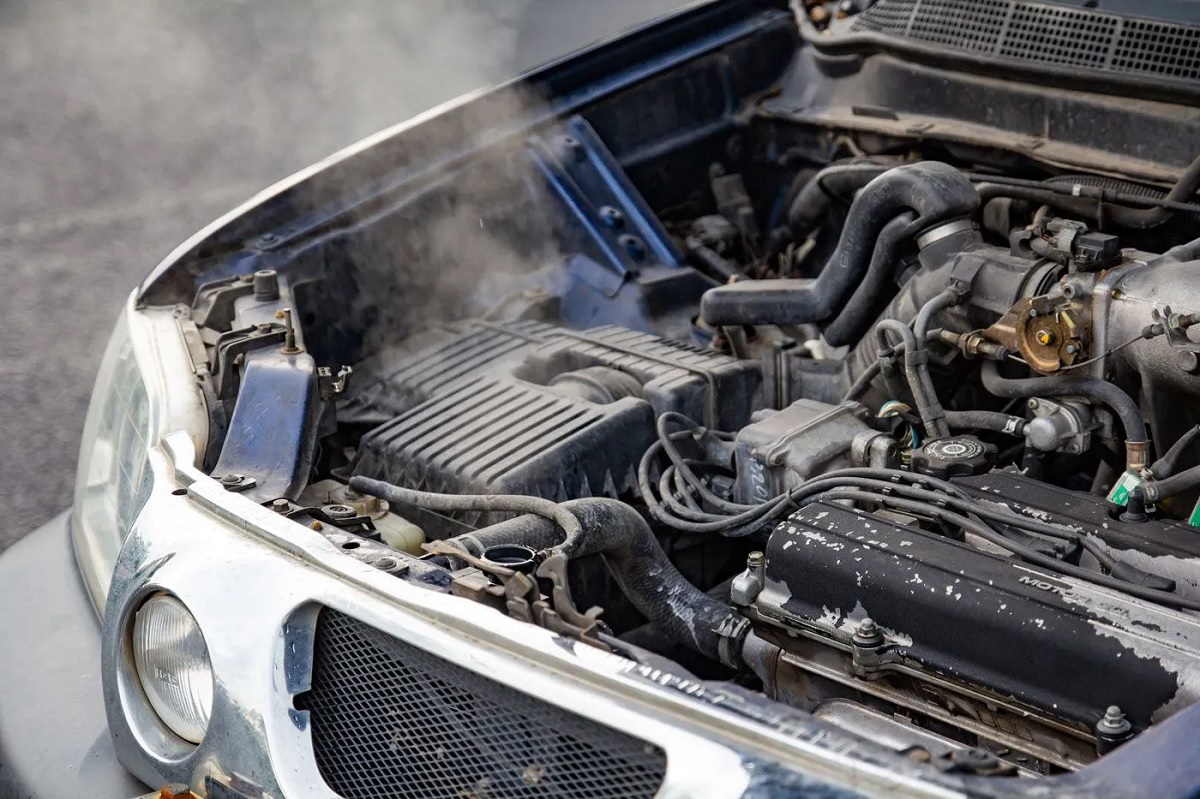
When the engine temperature rises beyond normal levels, components can warp or fail, leading to further mechanical issues. Smoke may appear from the exhaust, radiator, or engine bay, often accompanied by strange odors or warning lights. These symptoms are clear indicators that immediate attention is necessary to prevent permanent damage.
Several factors can contribute to engine overheating and smoking, including low coolant levels, a malfunctioning radiator, damaged hoses, or internal engine problems. Understanding these potential causes helps you respond promptly and take the right actions to protect your vehicle.
Prompt intervention, regular maintenance, and careful monitoring of engine performance are essential to address overheating and smoking. Being aware of the signs ensures safer driving, prevents costly repairs, and maintains the reliability of your vehicle for the long term.
Major Causes of Engine Overheating and Smoking
Engine overheating and smoking often result from a combination of mechanical failures and neglected maintenance. These issues usually develop gradually, giving warning signs before becoming severe. Understanding the major causes helps drivers recognize problems early, prevent engine damage, and avoid expensive repairs. Addressing these causes promptly ensures engine efficiency, safety, and long-term vehicle reliability.
Cooling System Failures
Cooling system failures are one of the most common reasons behind engine overheating and smoking. The cooling system is responsible for regulating engine temperature, and when any component malfunctions, heat builds rapidly. Low coolant levels, clogged radiators, faulty thermostats, or failing water pumps can all disrupt proper heat circulation.
Coolant leaks are especially dangerous because they reduce the system’s ability to absorb and transfer heat. Leaks may occur due to cracked hoses, worn radiator caps, or damaged seals. As coolant escapes, the engine temperature rises, leading to steam or smoke escaping from the hood area.
A malfunctioning thermostat can also cause overheating by remaining closed and restricting coolant flow. When coolant cannot circulate properly, heat accumulates in the engine block. Over time, this can cause warped engine components or blown head gaskets.
Regular cooling system inspections help prevent these issues. Checking coolant levels, inspecting hoses, and servicing the radiator ensure that the system functions efficiently. Proper cooling system maintenance significantly reduces the risk of engine overheating and smoking during normal driving conditions.
Engine Oil Problems
Engine oil plays a critical role in reducing friction and dissipating heat. When oil levels are low, contaminated, or degraded, internal engine components experience excessive friction. This friction generates heat, contributing to engine overheating and smoking.
Oil leaks are a frequent cause of low oil levels. Leaks may occur around the oil pan, valve cover gasket, or oil filter. As oil escapes, lubrication decreases, causing metal components to grind against each other. This friction can lead to smoke from burning oil and rising engine temperatures.
Using the wrong type of oil can also worsen overheating problems. Oil with incorrect viscosity may fail to circulate properly, especially in extreme temperatures. Dirty or old oil loses its ability to absorb heat, increasing the likelihood of engine stress and smoke.
Routine oil changes and leak inspections are essential for engine health. Maintaining proper oil levels and using manufacturer-recommended oil ensures smooth engine operation, reduces internal heat, and minimizes the risk of engine overheating and smoking.
Exhaust And Internal Engine Issues
Exhaust system and internal engine problems can directly contribute to engine overheating and smoking. A clogged exhaust, such as a blocked catalytic converter, restricts the flow of exhaust gases. This restriction causes heat to build inside the engine, leading to overheating and visible smoke.
Internal engine issues like blown head gaskets are especially serious. A damaged head gasket allows coolant or oil to leak into the combustion chamber, producing white or blue smoke. This not only increases engine temperature but also compromises engine performance and efficiency.
Cracked engine blocks or cylinder heads can also cause overheating by allowing fluids to mix or escape. These failures often develop due to prolonged overheating or lack of maintenance. Smoke from the exhaust combined with rising temperatures is a strong indicator of internal engine damage.
Diagnosing exhaust and internal engine issues requires professional inspection. Addressing these problems early helps prevent complete engine failure. Proper maintenance, prompt repairs, and attention to warning signs are essential to avoid severe engine overheating and smoking.
Understanding Different Types of Smoke
Smoke coming from a vehicle provides important clues about underlying engine problems. The color, thickness, and smell of smoke can help identify specific mechanical issues before they worsen. Understanding the different types of smoke allows drivers to respond quickly, protect engine components, and reduce the risk of severe damage caused by overheating, leaks, or internal engine failures.
White Smoke And What It Indicates
White smoke is often associated with moisture or coolant-related problems within the engine. In some cases, light white smoke may appear during cold starts as condensation burns off, which is generally harmless. However, persistent white smoke during normal driving usually indicates a more serious issue involving coolant entering the combustion chamber.
Coolant leaks caused by a blown head gasket, cracked cylinder head, or damaged engine block are common reasons for continuous white smoke. When coolant mixes with fuel and burns, it creates thick white smoke that exits through the exhaust. This process raises engine temperatures and may contribute to overheating over time.
In addition to visible smoke, drivers may notice a sweet smell from the exhaust or a gradual loss of coolant without visible leaks. These symptoms often occur alongside engine overheating and reduced performance. Ignoring white smoke can lead to extensive internal damage if the coolant contamination continues.
Prompt diagnosis is critical when white smoke persists. Pressure tests, cooling system inspections, and professional evaluations help confirm the cause. Addressing white smoke early prevents overheating, protects engine components, and maintains long-term engine reliability.
Blue Smoke And Oil Burning
Blue smoke is a clear sign that engine oil is being burned during combustion. This typically occurs when oil leaks into the combustion chamber due to worn piston rings, damaged valve seals, or failing cylinder walls. As oil burns, it produces blue or bluish-gray smoke from the exhaust.
Oil consumption often increases when blue smoke appears, leading to lower oil levels and reduced lubrication. Without adequate oil, internal engine components generate excessive friction and heat, contributing to engine overheating and accelerated wear. Drivers may also notice a burning oil smell or oily residue near the exhaust.
Worn valve seals allow oil to seep into the cylinders during acceleration or deceleration. Piston ring wear, on the other hand, allows oil to pass continuously into the combustion chamber. Both conditions worsen over time and can cause significant engine damage if left unaddressed.
Diagnosing blue smoke involves checking oil levels, compression tests, and inspecting engine components. Timely repairs help restore proper lubrication, reduce overheating risks, and prevent further engine deterioration caused by oil burning.
Black Smoke And Fuel-Related Problems
Black smoke indicates an issue with the air-fuel mixture, where excess fuel is being burned during combustion. This condition often results from faulty fuel injectors, clogged air filters, or malfunctioning sensors that disrupt proper fuel delivery.
When too much fuel enters the engine, combustion becomes inefficient, producing thick black smoke from the exhaust. This excess fuel also increases engine temperatures, placing additional strain on internal components. Reduced fuel efficiency and sluggish performance commonly accompany black smoke issues.
A malfunctioning mass airflow sensor or oxygen sensor can send incorrect data to the engine control unit, causing the engine to inject more fuel than necessary. Similarly, clogged air filters restrict airflow, forcing the engine to compensate by increasing fuel input.
Addressing black smoke requires inspecting fuel and air intake systems. Replacing faulty sensors, cleaning injectors, and maintaining clean air filters restore proper combustion. Correcting fuel-related problems improves performance, reduces overheating, and eliminates black smoke emissions.
Immediate Actions to Take When Engine Overheats and Smokes
When an engine overheats and begins to smoke, quick and correct action is essential to prevent severe damage. Ignoring the warning signs can lead to engine failure and costly repairs. Knowing what steps to take immediately helps protect vital components, ensures personal safety, and minimizes long-term mechanical issues caused by excessive heat and fluid loss.
Safely Stop The Vehicle And Turn Off The Engine
The first and most critical action when the engine overheats and smokes is to safely pull over and stop the vehicle. Continuing to drive under these conditions increases engine temperature rapidly and can cause irreversible damage to internal components. Choose a safe location away from traffic and turn off the engine immediately.
Turning off the engine stops heat generation and prevents further stress on engine parts. Allowing the vehicle to idle while overheating can worsen the problem, especially when coolant or oil circulation is compromised. Smoke may continue to rise temporarily due to residual heat, which is normal during the cooling phase.
Remain inside the vehicle for a few minutes with hazard lights on to ensure safety. Opening the hood immediately is not recommended, as hot steam or fluids may escape and cause injury. Giving the engine time to cool reduces pressure within the cooling system.
Allowing the engine to cool naturally helps prevent warping of metal components and further fluid loss. This step is essential before inspecting any engine parts or attempting corrective measures.
Allow The Engine To Cool Before Inspection
Once the vehicle is safely stopped, allowing the engine to cool completely is crucial. Engine components operate under extreme temperatures, and sudden exposure can result in burns or injuries. Cooling may take 20 to 30 minutes depending on weather conditions and engine severity.
During this time, avoid removing the radiator cap or coolant reservoir lid. The cooling system remains pressurized, and releasing it too early can cause hot coolant or steam to spray outward. Waiting ensures pressure drops to safe levels before inspection.
After cooling, visually inspect the engine bay for obvious signs such as leaking coolant, damaged hoses, or loose connections. Puddles under the vehicle may indicate fluid loss, which helps identify the cause of overheating and smoke.
Checking temperature gauges and warning lights after cooling provides additional insight. This step prepares you for informed decision-making before adding fluids or seeking professional assistance.
Check Coolant And Engine Oil Levels
After the engine has cooled, checking coolant and oil levels is a critical next step. Low coolant is one of the most common causes of engine overheating and smoking. Carefully inspect the coolant reservoir and ensure levels meet recommended markings.
Engine oil should also be checked using the dipstick. Low or contaminated oil reduces lubrication and increases friction, contributing to overheating. Dark, thick, or burnt-smelling oil indicates the need for immediate attention.
If coolant or oil levels are low, topping them up temporarily may help reduce further damage. However, repeated loss of fluids suggests leaks or internal engine problems that require professional repair.
Adding fluids should be done cautiously and only after the engine cools completely. Monitoring levels afterward helps determine whether it is safe to drive short distances or necessary to arrange towing.
Seek Professional Assistance Promptly
Even if the engine cools down and smoke subsides, professional inspection is strongly recommended. Overheating often causes hidden damage that may not be immediately visible. Continuing to drive without proper diagnosis can lead to complete engine failure.
A qualified mechanic can perform pressure tests, diagnostic scans, and component inspections to identify the root cause. Common issues include radiator failure, thermostat malfunction, blown head gaskets, or oil leaks.
Towing the vehicle is often the safest option when overheating and smoking occur simultaneously. Driving further may worsen damage, especially if coolant contamination or internal engine failure is present.
Seeking professional assistance ensures accurate repairs and prevents recurring overheating. Timely diagnosis protects engine performance, extends vehicle lifespan, and restores safe driving conditions without risking further mechanical harm.
Long-Term Repairs and Preventive Maintenance
Addressing engine overheating and smoking requires more than short-term fixes. Long-term repairs and preventive maintenance focus on restoring damaged components and preventing future failures. Consistent upkeep helps regulate engine temperature, improve efficiency, and extend engine lifespan. By investing in proper repairs and routine maintenance, drivers can avoid recurring overheating issues and protect critical engine systems over time.
Cooling System Repairs And Upgrades
Long-term prevention of overheating begins with repairing and upgrading the cooling system. Components such as the radiator, water pump, thermostat, and cooling fans must function efficiently to maintain safe engine temperatures. Replacing worn or corroded parts restores proper coolant circulation and prevents heat buildup.
Radiators may require flushing or replacement if internal blockages restrict coolant flow. A faulty thermostat that sticks open or closed can disrupt temperature regulation, leading to overheating. Water pump failure also reduces coolant movement, increasing the risk of engine stress and smoke.
Upgrading hoses, clamps, and radiator caps ensures the system remains sealed and pressurized. Even small leaks can cause gradual coolant loss, eventually leading to overheating. Reinforced hoses and high-quality components improve durability under extreme conditions.
Regular cooling system inspections and scheduled flushes remove contaminants and maintain efficiency. These repairs and upgrades create a stable cooling environment that supports long-term engine health and prevents repeated overheating incidents.
Engine Component Repair And Replacement
Overheating and smoking often damage internal engine components, making repair or replacement necessary for long-term reliability. Parts such as head gaskets, piston rings, valve seals, and cylinder heads may suffer wear due to prolonged heat exposure.
A blown head gasket allows coolant or oil to enter the combustion chamber, causing smoke and temperature spikes. Replacing the gasket and addressing warped surfaces restores proper sealing and engine compression. Worn piston rings and valve seals require repair to prevent oil burning and heat buildup.
Engine mounts and seals should also be inspected, as excessive vibration and fluid leaks can worsen overheating problems. Replacing damaged seals prevents oil and coolant loss, maintaining consistent lubrication and cooling.
Professional diagnostics help determine the extent of internal damage. Timely component repair ensures the engine operates efficiently, reduces friction, and minimizes the risk of future overheating and smoke-related issues.
Routine Maintenance And Monitoring Practices
Preventive maintenance plays a crucial role in avoiding long-term engine overheating and smoking. Regular oil changes ensure proper lubrication and heat dissipation. Using manufacturer-recommended oil types helps maintain optimal viscosity under varying temperatures.
Monitoring coolant levels and condition prevents unexpected overheating. Coolant should be replaced according to service intervals to maintain its protective properties. Inspecting belts, hoses, and sensors reduces the likelihood of sudden system failure.
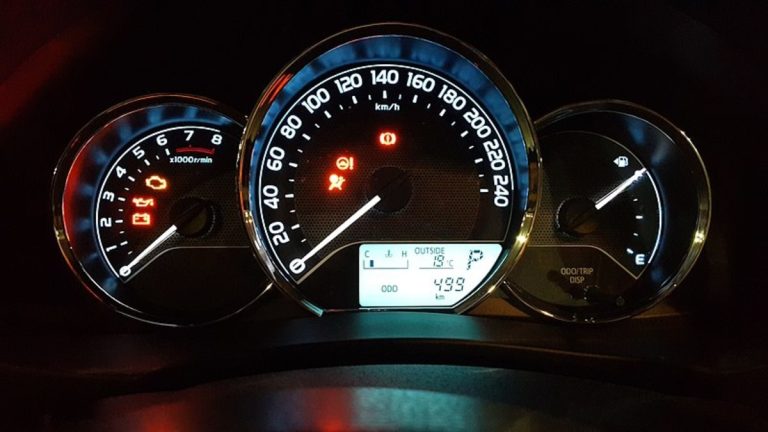
Consistent monitoring of dashboard warning lights and temperature gauges provides early detection of developing issues. Unusual smells, smoke, or performance changes should never be ignored, as they often indicate early-stage problems.
Establishing a maintenance schedule and adhering to service recommendations ensures engine systems remain balanced and efficient. Long-term preventive care reduces repair costs, improves performance, and keeps the engine operating safely under normal driving conditions.
FAQs
What Causes Engine Overheating And Smoking?
Engine overheating and smoking usually happen when vital systems fail to regulate heat properly. Common causes include low coolant levels, radiator problems, leaking hoses, or a faulty thermostat that prevents coolant circulation.
Oil-related issues also contribute, such as low oil levels or oil leaks that increase friction inside the engine. Internal problems like blown head gaskets can mix coolant or oil with fuel, producing smoke. Identifying the exact cause early helps prevent severe engine damage and costly repairs.
Is It Safe To Drive When Engine Overheating And Smoking Occur?
Driving during engine overheating and smoking is unsafe and can cause permanent engine damage. Excessive heat can warp engine components, damage seals, and lead to complete engine failure if ignored.
Smoke indicates fluid burning or internal leaks, which worsen rapidly under continued driving. Stopping the vehicle immediately and allowing the engine to cool reduces further damage. Seeking professional inspection ensures the issue is properly diagnosed before driving again.
What Type Of Smoke Indicates A Serious Engine Problem?
The color of smoke helps identify the severity of engine overheating and smoking. Thick white smoke often signals coolant entering the combustion chamber, commonly caused by a blown head gasket.
Blue smoke indicates oil burning due to worn seals or piston rings, while black smoke suggests fuel system issues. Persistent or heavy smoke of any color usually means a serious mechanical problem that requires immediate professional attention to prevent long-term damage.
Can Low Coolant Cause Engine Overheating And Smoking?
Yes, low coolant is one of the most common causes of engine overheating and smoking. Coolant regulates engine temperature by absorbing and dissipating heat. When levels drop, heat builds quickly.
Leaks from hoses, radiators, or water pumps often cause coolant loss. As the engine overheats, steam or smoke may appear from the hood. Regular coolant checks and timely repairs help prevent overheating-related damage.
How Does Oil Affect Engine Overheating And Smoking?
Engine oil reduces friction and helps manage heat inside the engine. Low or degraded oil increases friction between moving parts, leading to excessive heat buildup and smoking.
Oil leaks or burning oil produce blue smoke and reduce lubrication efficiency. Without proper oil levels, the engine works harder and overheats faster. Routine oil changes and leak inspections are essential to prevent overheating and protect engine components.
When Should You Seek Professional Help For Overheating And Smoking?
Professional help is necessary whenever engine overheating and smoking occur repeatedly or suddenly. Warning signs such as temperature spikes, fluid loss, or persistent smoke indicate underlying mechanical issues.
A mechanic can perform diagnostics to identify cooling system failures, internal leaks, or exhaust restrictions. Early professional intervention prevents severe damage, reduces repair costs, and ensures the engine operates safely and efficiently.
Can Regular Maintenance Prevent Engine Overheating And Smoking?
Regular maintenance significantly reduces the risk of engine overheating and smoking. Routine inspections of coolant levels, oil condition, hoses, belts, and sensors help detect problems early.
Scheduled oil changes and cooling system flushes maintain proper heat regulation. Monitoring dashboard warnings and addressing minor issues promptly prevents major engine failures. Consistent maintenance keeps engine systems balanced, improving reliability and long-term performance.
Final Thoughts
Experiencing unusual heat and visible smoke from your vehicle should never be ignored, as it often signals underlying mechanical trouble. Addressing the issue early can prevent severe engine damage, costly repairs, and sudden breakdowns on the road. Paying attention to warning signs and acting quickly helps protect both your vehicle and your safety.
Understanding the common causes of engine overheating and smoking allows drivers to respond more effectively when the problem occurs. Issues related to coolant loss, oil leaks, or failing engine components can escalate rapidly if left unchecked. Routine inspections and timely maintenance play a major role in reducing these risks and keeping the engine operating smoothly.
Ultimately, engine overheating and smoking is a serious condition that demands prompt action and proper diagnosis. While temporary fixes may help in emergencies, long-term solutions require professional repairs and consistent upkeep. By staying proactive, you can extend engine life, improve performance, and avoid unexpected failures.