Rattling Sound In Engine When Idle: Causes And Solutions You Should Know
A car engine is designed to run smoothly, producing a steady hum when idling. Any unusual noise during this state can signal a mechanical issue that needs attention. One common concern many drivers notice is a rattling noise coming from the engine while it is at rest. Understanding the causes of such noises can help prevent more serious damage and costly repairs.
A rattling sound in engine when idle can indicate several potential problems, ranging from minor loose components to more serious internal engine issues. The sound may vary in pitch or frequency, appearing as a faint click or a persistent clatter. Recognizing the characteristics of this noise helps pinpoint the underlying cause and determine whether immediate action is needed.
Being aware of these warning signs is essential for maintaining engine health and performance. Addressing rattling noises promptly ensures smoother operation, prevents further wear, and enhances overall vehicle reliability.
Common Engine Components
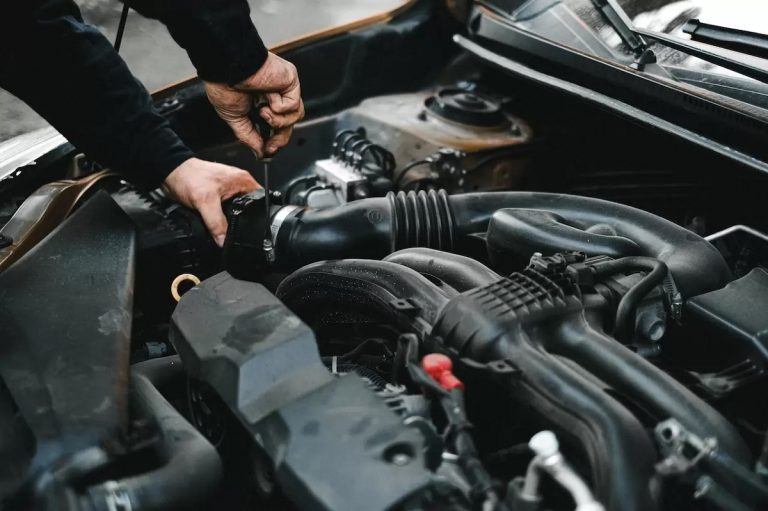
Engines are complex machines made up of multiple components that work together to generate power and keep the vehicle running efficiently. Understanding common engine components helps identify potential sources of unusual noises, like a rattling sound in engine when idle. Recognizing these parts and how they interact can guide maintenance decisions and help prevent costly repairs.
Valvetrain Components: Lifters, Rocker Arms, And Valves
The valvetrain is a key system responsible for controlling the opening and closing of the engine’s intake and exhaust valves. Components like lifters, rocker arms, and valves work in precise synchronization to regulate airflow and fuel combustion. A rattling sound during idle can sometimes originate from worn or loose valvetrain components.
Hydraulic lifters, for example, rely on engine oil pressure to maintain proper valve clearance. If oil levels are low or the lifters wear out, they can produce a noticeable tapping or rattling sound. Similarly, loose rocker arms may clatter as the engine runs, especially at lower RPMs. Regular oil changes and proper maintenance are essential for keeping these components operating smoothly.
Monitoring the valvetrain’s condition can prevent excessive wear on valves and camshafts. Prompt attention to unusual noises from this area ensures optimal engine performance and avoids costly repairs caused by neglected valvetrain components.
Timing Chain Or Belt And Associated Components
The timing chain or belt ensures that the crankshaft and camshaft rotate in perfect harmony, maintaining precise engine timing. Tensioners, guides, and pulleys support these components, keeping the system aligned and operating smoothly. Wear or looseness in the timing system can lead to a rattling sound in engine when idle.
A worn timing chain may produce a metallic rattling noise that becomes more pronounced when the engine is cold or idling. Tensioners that lose spring pressure or deteriorate can allow the chain to move excessively, creating clattering sounds. Timing belts, although quieter than chains, can also produce noises if the belt or associated pulleys wear out.
Addressing timing component issues promptly is critical, as a failed chain or belt can cause significant internal engine damage. Regular inspection and maintenance according to the manufacturer’s schedule help prevent unexpected failures and reduce the risk of engine damage.
Exhaust And Heat-Related Components
Exhaust components, including manifolds, gaskets, and heat shields, are often overlooked sources of rattling noises. Heat shields can loosen over time due to corrosion or vibration, producing a metallic rattle while the engine idles. Exhaust manifolds and bolts may also expand and contract with temperature changes, creating intermittent sounds.
A rattling sound from heat-related components is usually noticeable at idle but may fade at higher RPMs. Unlike internal engine components, these issues are generally easier and less costly to fix. Tightening or replacing heat shields, gaskets, or mounting hardware often resolves the noise quickly.
Regular inspection of exhaust components is essential for preventing damage and maintaining optimal performance. Addressing rattling early can also reduce the risk of vibrations that may affect other parts of the engine or undercarriage.
Accessory Components: Pulleys, Tensioners, And Belts
Accessory components like alternators, water pumps, power steering pumps, and their associated belts and pulleys are vital for engine operation and often contribute to rattling noises. Loose or worn pulleys and tensioners can produce a repetitive clattering sound when the engine is idling.
Belts that have stretched, cracked, or developed uneven wear can slip or vibrate, creating audible rattles. The noise may increase or decrease with engine speed, depending on the affected component. Identifying the specific accessory responsible requires careful inspection of belts, pulleys, and tensioners.
Proper maintenance, including belt replacement and tensioner checks, ensures these accessories operate efficiently and quietly. Addressing rattling from accessory components prevents additional strain on the engine and avoids potential breakdowns caused by failing belts or pulleys.
Engine Mounts And Vibration Dampening
Engine mounts play a critical role in isolating vibrations from the chassis and keeping the engine securely in place. Worn or damaged mounts can cause the engine to shift slightly during idle, producing a rattling or knocking sound.
Mounts made of rubber or polyurethane absorb engine movement and reduce vibration transmission. Over time, these materials can degrade, crack, or loosen, allowing the engine to move more freely than intended. This increased movement often manifests as a rattling sound, particularly when the engine is idling or during acceleration and deceleration.
Inspecting and replacing engine mounts as necessary maintains smooth operation and prevents excessive vibration from affecting other engine components. Properly functioning mounts help isolate rattling sounds and contribute to overall engine stability and longevity.
Oil-Related Issues Leading To Engine Rattling
Engine oil is essential for lubricating moving parts, reducing friction, and maintaining smooth operation. Problems with oil quality, level, or circulation can result in unusual noises, including a rattling sound in engine when idle. Understanding oil-related issues that cause rattling helps identify problems early, protect internal components, and maintain engine performance and longevity.
Low Oil Levels And Insufficient Lubrication
One of the most common causes of engine rattling is low oil levels. When there isn’t enough oil in the system, critical components like lifters, camshafts, and crankshaft bearings may not receive adequate lubrication. This lack of proper oil film leads to increased metal-on-metal contact, which produces a noticeable rattling or tapping sound during idle.
Low oil levels often occur due to leaks, prolonged intervals between oil changes, or excessive oil consumption in older engines. Drivers may notice the rattling intensifies during startup or when the engine is cold, as oil has not fully circulated. Ignoring low oil levels can accelerate wear, damage valvetrain components, and even lead to engine seizure over time.
Regularly checking the oil level and topping it up as needed is essential. Maintaining the correct oil level ensures proper lubrication, reduces friction, and prevents rattling caused by insufficient oil reaching vital engine parts.
Using Incorrect Oil Viscosity
Using oil with the wrong viscosity for your engine can also cause rattling. Thicker oil may not flow quickly enough during cold starts, leaving lifters and other moving components temporarily dry. This often results in a metallic rattling sound as the engine idles and components make contact before full lubrication occurs.
Conversely, oil that is too thin may fail to maintain a protective film at high operating temperatures, reducing wear resistance and causing parts to vibrate or rattle under stress. Both situations emphasize the importance of using the oil grade specified by the vehicle manufacturer.
Drivers should consider climate, engine type, and driving conditions when selecting oil viscosity. Choosing the correct grade ensures proper circulation, consistent lubrication, and smooth engine operation, preventing rattling related to improper oil thickness.
Dirty Or Degraded Oil
Over time, engine oil can degrade due to heat, oxidation, and contamination from combustion byproducts. Dirty or degraded oil loses its viscosity and lubricating properties, which can result in increased friction and engine noise. A rattling sound in engine when idle is a common symptom of oil that has broken down or is full of contaminants.
Sludge buildup from old or poor-quality oil can clog oil passages and restrict flow to components like hydraulic lifters and camshafts. This leads to uneven lubrication, causing rattling, tapping, or ticking noises during idle. Engines operating with degraded oil are at higher risk of premature wear and damage to critical components.
Regular oil changes using quality oil help prevent degradation. Maintaining clean, properly functioning oil ensures smooth movement of engine parts, reduces friction, and eliminates rattling caused by contaminated or broken-down oil.
Oil Pump Problems And Circulation Issues
The oil pump is responsible for circulating engine oil to all moving components. A failing or weak oil pump can reduce oil pressure, limiting the amount of lubrication delivered to critical parts. Insufficient circulation often leads to rattling or knocking noises, especially during idle when oil flow is slower.
Oil pump issues can result from worn gears, clogged filters, or low oil levels. Reduced pressure prevents hydraulic lifters and other components from functioning properly, creating intermittent metal-to-metal contact. Drivers may notice the rattling worsens during startup or under load when the engine requires more oil circulation.
Prompt inspection of the oil pump and related components is essential for maintaining proper lubrication. Ensuring consistent oil pressure helps eliminate rattling, protects engine parts, and supports long-term performance.
Additive Depletion And Oil Quality Concerns
Engine oils contain additives that enhance wear protection, reduce friction, and prevent corrosion. Over time, these additives can become depleted, especially in high-mileage engines or when oil change intervals are exceeded. Depleted oil may fail to maintain proper lubrication, leading to rattling noises during idle.
Additive depletion is more common in engines that experience extreme heat, heavy loads, or infrequent oil changes. Without sufficient anti-wear and friction-reducing additives, components like camshafts, lifters, and crankshafts may contact each other, producing rattling or ticking sounds.
Using high-quality oils and adhering to recommended oil change intervals replenishes protective additives. This ensures consistent lubrication, reduces internal friction, and prevents rattling caused by diminished oil performance over time.
Rattling Caused By Engine Mounts And Supports
Engine mounts and supports are critical components that secure the engine to the vehicle’s frame while absorbing vibrations and shocks. When these mounts wear out or become damaged, they can cause a rattling sound in engine when idle. Understanding how mounts and supports affect engine stability helps drivers identify the source of noise and maintain smooth operation.
Role Of Engine Mounts In Vibration Dampening
Engine mounts are designed to absorb vibrations generated by the engine during combustion. They are typically made of rubber, polyurethane, or a combination of materials to provide flexibility and support. When mounts are in good condition, they isolate engine vibrations from the chassis, ensuring a quiet and smooth ride.
Over time, rubber components in the mounts can degrade due to heat, oil exposure, or general wear and tear. Once the damping ability diminishes, vibrations transfer more directly to the frame, producing noticeable rattling or knocking sounds while the engine is idling. Drivers may also feel excessive vibration through the cabin or steering wheel.
Proper engine mounts prevent not only noise but also stress on other components like the exhaust, transmission, and hoses. Maintaining mounts in good condition ensures stability, reduces rattling, and protects connected systems from undue wear caused by excessive engine movement.
Symptoms Of Worn Or Damaged Mounts
When engine mounts begin to fail, the rattling sound often coincides with other symptoms. You may notice the engine shifting slightly during acceleration or deceleration, or feel vibrations throughout the vehicle at idle or low speeds. In some cases, metal-to-metal contact between the engine and frame can amplify the noise, making it more pronounced.
Damaged mounts can affect drivability, creating a sensation of looseness or instability. The rattling noise may worsen when turning, shifting gears, or driving over uneven surfaces. Ignoring these symptoms can lead to accelerated wear of connected components, including exhaust pipes, transmission mounts, and hoses that are anchored near the engine.
Recognizing early signs of worn mounts allows drivers to address the issue before more serious mechanical damage occurs. Timely replacement or repair ensures both comfort and engine stability.
Types Of Engine Mounts And Their Failures
Engines may use hydraulic, solid, or rubber mounts depending on the vehicle design. Hydraulic mounts contain fluid that absorbs vibrations more effectively, while solid or rubber mounts rely on material elasticity. Each type can produce rattling when the damping mechanism fails.
Hydraulic mounts may leak or lose fluid over time, reducing vibration absorption and resulting in noticeable rattling. Rubber mounts can crack, harden, or separate from their metal brackets, allowing the engine to move excessively and produce clattering noises. Solid mounts, while durable, can transmit more vibration if surrounding supports loosen.
Understanding the type of mount in your vehicle helps determine the cause of rattling. Proper inspection identifies the failing component, guiding the correct repair or replacement method.
Inspection And Maintenance Tips
Regular inspection of engine mounts is crucial for preventing rattling noises. Look for visible cracks, fluid leaks, or excessive engine movement when the car is idling or during gear changes. Pay attention to vibration patterns and listen for any metallic contact that may indicate a failed mount.
Maintenance may involve tightening mounting bolts, replacing worn rubber, or installing new hydraulic mounts, depending on the vehicle design. Ensuring mounts are in proper condition helps maintain engine stability, reduce rattling, and protect connected components from undue stress.
Fuel And Combustion-Related Sources
The combustion process is at the heart of engine operation, converting fuel into energy that powers your vehicle. Any irregularities in this system can produce unusual noises, including a rattling sound in engine when idle. Understanding fuel and combustion-related sources of engine rattling can help identify issues early, maintain performance, and prevent costly repairs.
Pre-Ignition And Engine Knock
Pre-ignition or engine knock occurs when the air-fuel mixture ignites prematurely in the combustion chamber. This causes rapid pressure spikes that create a rattling or knocking noise, often most noticeable at idle or under light load conditions. Engine knock can damage pistons, valves, and bearings if not addressed promptly.
Pre-ignition can result from low-octane fuel, carbon buildup on valves or pistons, or overly advanced ignition timing. Drivers may notice the rattling intensifies when accelerating or during engine load changes. Modern vehicles often include knock sensors that adjust timing to reduce damage, but persistent knock still signals underlying issues that require attention.
Preventing engine knock involves using the correct fuel grade, maintaining a clean fuel system, and ensuring proper spark timing. Early detection helps reduce the risk of internal engine damage and improves both performance and longevity.
Injector And Fuel Delivery Problems
Fuel injectors play a critical role in delivering the precise amount of fuel to each cylinder. Malfunctioning injectors or inconsistent fuel delivery can cause uneven combustion, which may produce a rattling sound in engine when idle. Clogged or leaking injectors disrupt the air-fuel ratio, resulting in misfires, rough idling, or a metallic rattling noise.
Injector-related rattling often appears intermittently and may worsen with engine temperature changes or varying throttle input. Poor fuel atomization can also reduce combustion efficiency, causing additional vibration and stress on engine components. Regular maintenance, including cleaning or replacing injectors, ensures smooth fuel delivery and minimizes the risk of rattling caused by inconsistent combustion.
Monitoring engine performance and paying attention to unusual noises helps detect injector issues early, preventing long-term damage to pistons, cylinder walls, and valves.
Carbon Deposits And Combustion Chamber Buildup
Over time, carbon deposits can accumulate on pistons, valves, and cylinder heads, altering combustion dynamics. These deposits create hotspots that can ignite the air-fuel mixture unevenly, producing a rattling or pinging noise at idle or low engine speeds.
Engines that experience frequent short trips or use low-quality fuel are more prone to carbon buildup. Deposits interfere with proper ignition timing, reduce efficiency, and increase internal stress, contributing to rattling and potential long-term wear. Using fuel additives or performing periodic combustion chamber cleaning can reduce carbon accumulation and restore smoother operation.
Keeping the combustion chamber clean also improves fuel economy, engine responsiveness, and reduces the likelihood of pre-ignition, which is a common cause of rattling sounds in the engine.
Fuel Pump And Pressure Irregularities
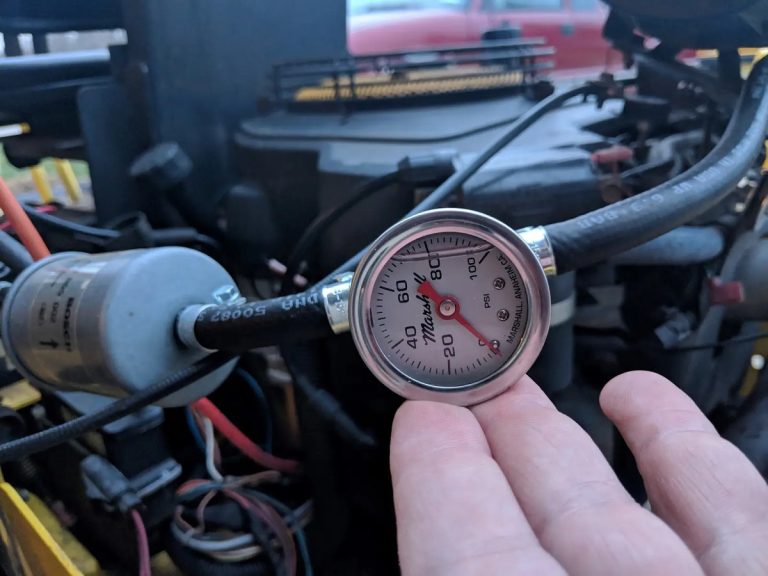
The fuel pump ensures consistent pressure in the fuel system, delivering fuel from the tank to the injectors. A failing or weak fuel pump can cause fluctuations in fuel pressure, leading to inconsistent combustion and rattling noises at idle.
Low fuel pressure may cause the engine to run lean in some cylinders, while high pressure can result in overly rich combustion. Both conditions create uneven cylinder firing, which produces vibration and rattling sounds. Drivers may notice rough idling, hesitation during acceleration, or occasional misfires, all linked to fuel pressure irregularities.
Ensuring the fuel pump and pressure regulators are functioning properly maintains steady fuel delivery. Regular inspections, fuel filter replacements, and addressing pump issues early prevent rattling, misfires, and long-term engine damage.
Ignition System Malfunctions
The ignition system, including spark plugs, ignition coils, and timing components, is essential for proper combustion. Worn spark plugs or failing coils can cause incomplete combustion, resulting in uneven power delivery and rattling noises while the engine idles.
Misfires from ignition issues produce rapid, intermittent knocking or rattling, often accompanied by vibration and reduced engine performance. Incorrect ignition timing or worn spark plugs increase stress on pistons and valves, contributing to engine noise and potential long-term damage.
Routine inspection and replacement of spark plugs, ignition wires, and coils ensure consistent spark delivery. Maintaining the ignition system prevents irregular combustion, improves fuel efficiency, and minimizes rattling caused by uneven firing at idle.
Diagnosing Rattling Sound During Idle
A rattling sound during idle can indicate several potential issues within the engine or its supporting systems. Proper diagnosis is essential to identify the source, prevent further damage, and ensure smooth operation. Understanding common causes, observation techniques, and diagnostic methods allows drivers to pinpoint problems and determine whether professional attention is required.
Observing Sound Characteristics And Patterns
The first step in diagnosing a rattling sound is carefully observing its characteristics. Pay attention to when the noise occurs, its pitch, frequency, and whether it changes with engine speed, temperature, or load. A high-pitched metallic rattle might indicate valvetrain issues, while a lower, irregular clatter could point to loose components or engine mounts.
Patterns can reveal much about the source. If the noise is present only during cold starts, it may relate to oil circulation or hydraulic lifters. If it persists at all temperatures or varies with acceleration, components such as the timing chain, accessories, or fuel system may be involved. Documenting these details provides valuable insight for both DIY inspection and mechanic consultations.
Careful listening and observation during idle, revs, and varying engine loads help narrow down potential causes. Combining these observations with visual inspections increases the likelihood of accurate diagnosis before costly repairs.
Checking Oil Levels And Condition
Oil-related issues are a common source of engine rattling. Begin by checking the oil level to ensure it is within the manufacturer’s recommended range. Low oil levels can prevent proper lubrication of valvetrain components, lifters, and bearings, creating a rattling noise at idle.
Inspect the oil condition as well. Dirty, degraded, or incorrect viscosity oil may fail to lubricate effectively, especially during cold starts, increasing friction and producing a metallic rattle. Look for oil that appears dark, thick, or contaminated with debris, which signals the need for an oil change or flush.
Addressing oil issues is often the simplest solution to engine rattling. Regular maintenance, including timely oil changes and using the recommended viscosity, prevents lubrication-related noises and protects internal engine components from excessive wear.
Inspecting Engine Mounts And Supports
Engine mounts and supports secure the engine to the vehicle frame and absorb vibrations. Worn, cracked, or loose mounts can allow excessive engine movement, producing rattling noises during idle. Inspecting mounts involves looking for visible damage, cracks in rubber, or loose bolts.
Symptoms of failing mounts include not only rattling but also increased vibration in the cabin, shifting sensations during acceleration, and uneven engine movement. Hydraulic mounts may leak fluid, reducing their damping ability, while rubber mounts may harden or deteriorate over time, compromising vibration absorption.
Replacing damaged mounts restores engine stability and eliminates rattling caused by excessive movement. Proper inspection ensures that vibration-related noises are correctly identified and addressed without unnecessary component replacements.
Evaluating Fuel And Combustion Systems
Irregular combustion or fuel delivery can contribute to rattling during idle. Issues such as misfiring spark plugs, clogged injectors, or low fuel pressure can create uneven cylinder firing, producing vibrations and metallic noises. Inspecting spark plugs, ignition coils, and fuel injectors helps detect inconsistencies.
Carbon buildup in the combustion chamber may also lead to pre-ignition or engine knock, creating a persistent rattling sound. Checking fuel quality and ensuring proper octane ratings, combined with cleaning or servicing the fuel system, can reduce combustion-related noises.
Early detection of fuel or ignition system problems not only eliminates rattling but also improves engine efficiency, reduces emissions, and prevents long-term damage to pistons and valves.
Observing Timing And Accessory Components
Timing chains, belts, and accessory components such as pulleys, tensioners, and belts are frequent sources of rattling sounds. A worn timing chain or loose tensioner can produce metallic rattles, especially noticeable at idle. Inspect these components for wear, slack, or misalignment.
Similarly, accessories driven by belts, like the alternator, water pump, or power steering pump, may cause rattling if pulleys are loose or bearings are failing. Observing how the noise responds to engine speed can help pinpoint whether the issue is internal or accessory-related.
Systematic inspection and maintenance of timing and accessory components help isolate the source of rattling, ensuring the engine operates smoothly and preventing more severe mechanical failures in the future.
Frequently Asked Questions
What Causes A Rattling Sound In Engine When Idle?
A rattling sound in engine when idle can be caused by several factors, ranging from minor issues to more serious engine problems. Common causes include low engine oil, worn lifters, loose timing chains, or failing engine mounts. Each of these affects how engine components move and interact, creating metallic or clattering noises.
Paying attention to the sound’s pitch and timing can help you determine the cause. For example, rattling only during cold starts often points to oil circulation or lifter issues, while continuous rattling might indicate loose mounts or timing chain wear.
Can Low Engine Oil Cause Rattling At Idle?
Yes, low engine oil is a common source of rattling noises at idle. Engine oil lubricates critical components like lifters, camshafts, and bearings. When oil levels are low, these parts may not receive proper lubrication, resulting in metal-to-metal contact and producing a rattling sound.
You may notice the rattling is louder during cold starts because thick, low-temperature oil circulates slowly, leaving engine parts momentarily dry. Regularly checking and maintaining the correct oil level helps prevent this type of noise and protects your engine from excessive wear and potential damage.
How Do Engine Mounts Cause Rattling Noises?
Engine mounts are designed to secure the engine and absorb vibrations. Over time, mounts can wear out, crack, or loosen, allowing the engine to shift excessively. This movement can create a rattling sound in engine when idle, especially noticeable at low RPMs.
Worn mounts often come with additional symptoms like vibration through the cabin or shifting sensations during acceleration. Replacing or tightening damaged mounts restores stability, reduces rattling, and prevents stress on connected components such as the exhaust, transmission, and hoses. Proper maintenance of engine mounts is key for smooth operation.
Could The Timing Chain Or Belt Be Responsible For Rattling?
Yes, timing chains or belts and their associated tensioners and pulleys can produce rattling noises if worn or loose. A slack chain or failing tensioner can create a metallic clatter, particularly at idle when engine vibration is low but noticeable.
Belts and pulleys driving accessories like the alternator or water pump can also produce rattling if bearings are failing or alignment is off. Inspecting timing components and accessory systems regularly helps prevent damage and ensures the engine runs smoothly without unwanted rattling noises.
Can Fuel Or Combustion Issues Lead To Engine Rattling?
Fuel and combustion irregularities can indeed cause rattling. Misfiring spark plugs, clogged fuel injectors, or inconsistent fuel delivery can create uneven cylinder firing, which produces vibrations and rattling noises at idle. Carbon buildup may also lead to pre-ignition, causing knocking or rattling sounds.
Addressing fuel and ignition problems early improves engine efficiency and prevents long-term damage. Cleaning injectors, replacing spark plugs, and using the correct fuel grade ensures proper combustion and reduces rattling caused by irregular firing patterns.
How Can I Tell If The Rattling Is Serious?
Determining the seriousness of rattling depends on its frequency, intensity, and when it occurs. Intermittent rattling during cold starts may indicate minor lubrication or lifter issues, while persistent or loud rattling at all engine speeds can suggest serious problems like worn timing chains, damaged valvetrain components, or failing engine mounts.
Pay attention to associated symptoms such as vibration, loss of power, or unusual exhaust smoke. Documenting the conditions when the rattling occurs helps you or a mechanic accurately diagnose the problem and take the appropriate action before further damage occurs.
What Steps Can I Take To Diagnose The Rattling Sound?
Diagnosing a rattling sound involves careful observation and inspection. Start by listening to when the noise occurs—during cold start, idle, or acceleration. Check engine oil levels and condition, inspect mounts, and examine timing chains, belts, and pulleys. Fuel and ignition systems should also be evaluated for irregularities.
You can use a mechanic’s stethoscope or carefully touch engine components (while the engine is off and cool) to locate loose or damaged parts. Keeping a detailed record of when and how the rattling occurs makes it easier to identify the cause and ensures proper repairs are made efficiently.
Conclusion
A rattling sound in your engine when idle is often a sign that something is not functioning properly and should not be ignored. It can stem from a variety of sources, including worn engine components, loose parts, or oil-related issues. Identifying the root cause early can prevent further damage and costly repairs.
Paying attention to the sound, checking oil levels, and inspecting engine mounts or belts are practical steps you can take. In many cases, regular maintenance, such as timely oil changes and component inspections, can minimize the risk of rattling noises. Prompt action ensures smoother engine performance and prolongs the life of your vehicle.
Ultimately, a rattling sound in engine when idle is more than just a minor annoyance. Addressing it quickly protects your engine from serious damage, maintains optimal performance, and gives you peace of mind while driving.