1978 Chevy 350 Engine Specs – Performance, Dimensions, And Key Features
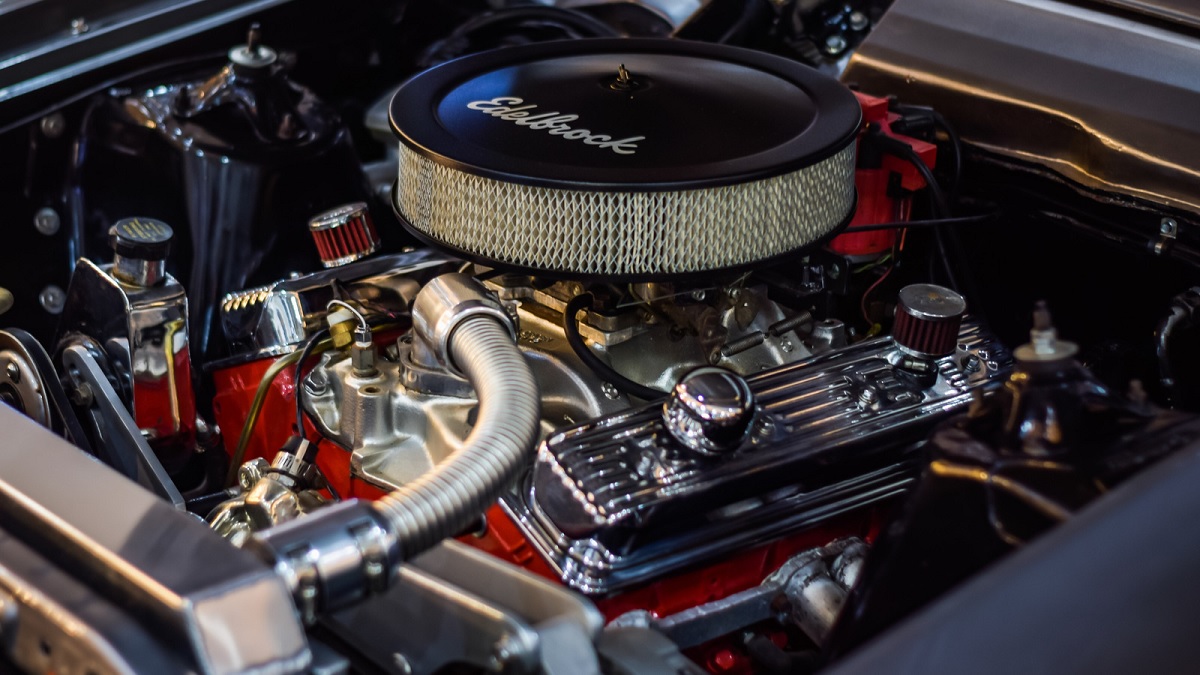
The Chevy 350 engine has long been celebrated for its durability, versatility, and performance, making it a staple in classic car enthusiasts’ garages. This small-block V8 engine became popular in the 1970s for its balance of power and reliability, fitting a wide range of vehicles from trucks to muscle cars. Understanding its specifications provides insight into why it remains a favorite among collectors and restorers.
The 1978 version of the 350 engine offered a combination of horsepower, torque, and displacement that made it competitive for its time. It delivered strong performance without compromising reliability, making it a dependable choice for both daily drivers and performance builds.
Exploring the 1978 Chevy 350 engine specs reveals key details such as bore and stroke, compression ratio, fuel system setup, and power output. These specifications highlight the engineering behind this classic small-block V8.
Knowing these specifications not only helps enthusiasts maintain and restore their engines correctly but also provides valuable context for comparing it to other engines of the era. Detailed information about the 1978 Chevy 350 engine specs is essential for anyone looking to appreciate its legacy.
Engine Block And Configuration Details
Understanding the engine block and configuration of the 1978 Chevy 350 provides insight into its performance, durability, and overall design. The engine block forms the foundation for all internal components, while its configuration determines how efficiently the engine produces power. Examining these aspects highlights why the 350 small-block V8 became a favorite for both factory applications and performance modifications.
Engine Block Material And Design
The 1978 Chevy 350 features a cast iron engine block, a choice that emphasizes durability and heat resistance. Cast iron provides a robust structure capable of handling high combustion pressures while maintaining longevity under normal and performance driving conditions. The block design incorporates deep skirt construction, which adds rigidity and reduces flex under heavy load.
This engine block design supports reliable operation over long periods and allows for rebuilds or modifications, which is why the 350 remains popular with enthusiasts today. Its durability makes it suitable for both stock configurations and high-performance builds. The heavy-duty construction also helps manage vibrations and thermal expansion, contributing to smoother engine operation and less wear over time. Proper maintenance and understanding of the block material ensure that the 350 continues to perform reliably across decades.
V8 Configuration And Bore Stroke
The 1978 Chevy 350 is a V8 engine, meaning it has eight cylinders arranged in a V-shaped configuration at a 90-degree angle. This setup allows for a compact design while providing balanced power delivery and smooth operation. The V8 configuration contributes to the engine’s strong torque output, which is particularly noticeable at low and mid-range RPMs.
The 350 small-block features a bore of 4.00 inches and a stroke of 3.48 inches, resulting in a displacement of 350 cubic inches (5.7 liters). This oversquare design allows for a balance of power and torque while maintaining high reliability. The combination of bore and stroke influences combustion efficiency, piston speed, and overall engine responsiveness. Understanding these dimensions is essential for tuning, rebuilding, or upgrading the engine for performance purposes. The V8 layout, along with the bore and stroke, explains the engine’s versatility and why it has remained a benchmark in the small-block engine category.
Cylinder Head And Firing Order
The 1978 Chevy 350 engine uses a standard small-block V8 cylinder head design with wedge-shaped combustion chambers. This design promotes efficient airflow and combustion, which translates into better power output and fuel efficiency. The heads feature two valves per cylinder—one intake and one exhaust—providing a balance between airflow and engine durability.
The engine’s firing order is 1-8-4-3-6-5-7-2, which contributes to smooth operation and balanced power delivery across all eight cylinders. Proper firing order ensures minimal vibration and even heat distribution, which enhances reliability and reduces engine wear. Cylinder head design and firing order are critical for maintaining optimal engine performance, and any modifications must consider these original specifications to prevent issues such as misfires or reduced efficiency.
Crankshaft, Camshaft, And Internal Configuration
Inside the 1978 Chevy 350 engine block, the crankshaft converts piston movement into rotational power delivered to the transmission. The crankshaft is forged or cast steel, designed to handle the stress of repeated combustion cycles. The camshaft controls the opening and closing of valves, dictating engine breathing and performance characteristics.
The small-block V8 has a traditional pushrod design, where the camshaft is located within the block and uses lifters, pushrods, and rocker arms to actuate the valves. This configuration allows for a simpler, compact design that is easy to maintain and modify. The internal configuration of pistons, connecting rods, and crankshaft contributes to a balance between durability and performance potential. Understanding this internal layout is essential for engine rebuilds, performance upgrades, and ensuring longevity under various operating conditions.
Significance Of Engine Block And Configuration
The combination of a cast iron block, V8 configuration, bore and stroke dimensions, and internal components makes the 1978 Chevy 350 a versatile and reliable engine. Its design supports both stock reliability and performance modifications, making it a favorite among car enthusiasts, restorers, and racers alike.
Knowledge of these engine block and configuration details is essential for maintenance, rebuilding, or performance tuning. Proper understanding ensures the engine operates efficiently, safely, and consistently, whether used in a daily driver, classic restoration, or high-performance application. The 350’s engineering legacy remains evident in its continued popularity and adaptability over decades.
Horsepower And Torque Ratings
Horsepower and torque are two of the most critical performance metrics for any engine, including the 1978 Chevy 350. These ratings indicate the engine’s ability to produce power and rotational force, which directly affects acceleration, towing capacity, and overall drivability. Understanding these numbers helps enthusiasts and mechanics appreciate the engine’s capabilities and plan modifications or maintenance appropriately.
Horsepower Output
The 1978 Chevy 350 engine was offered in various configurations, producing between 145 and 185 horsepower in stock factory models, depending on carburetor setup, compression ratio, and emission controls. Horsepower measures the engine’s ability to do work over time and directly correlates with the vehicle’s top speed and acceleration.
Horsepower output is influenced by several factors, including camshaft design, cylinder head airflow, and fuel delivery. Engines with higher horsepower can deliver stronger acceleration and better performance under load. For the 350, the balance of horsepower with reliability and fuel efficiency made it a practical choice for both trucks and passenger cars. Maintaining engine components like carburetors, ignition systems, and spark plugs ensures that the engine continues to deliver optimal horsepower over its lifespan.
Torque Ratings And Their Importance
Torque measures the rotational force the engine produces, typically at lower RPMs, and is essential for acceleration, towing, and overall drivability. The 1978 Chevy 350 typically generated between 275 and 285 lb-ft of torque in stock form, providing strong low-end power.
High torque at low RPMs allows vehicles to accelerate smoothly from a stop, tow heavy loads, and navigate inclines efficiently. Torque also influences the vehicle’s responsiveness to throttle input, making driving feel more effortless. For the Chevy 350, the combination of moderate horsepower and substantial torque created a versatile engine capable of both daily driving and performance applications. Monitoring and maintaining internal components such as pistons, valves, and crankshaft bearings helps preserve torque output over time.
Factors Affecting Horsepower And Torque
Several factors can influence the horsepower and torque ratings of the 1978 Chevy 350. Modifications such as high-performance carburetors, camshafts, headers, or exhaust systems can increase both metrics, while worn components or poor maintenance can reduce output.
Compression ratio plays a significant role; higher compression improves both horsepower and torque but may require higher-octane fuel. Airflow efficiency through cylinder heads and intake manifolds also affects performance, as does the ignition system. Regular maintenance and proper tuning are key to ensuring the engine delivers consistent power and torque, preserving the driving experience and performance potential.
Real-World Performance Implications
Understanding the horsepower and torque of the 1978 Chevy 350 helps drivers and restorers appreciate the engine’s capabilities. The combination of moderate horsepower with strong low-end torque allowed the engine to perform well in a variety of vehicles, from sedans to pickup trucks.
For enthusiasts, knowing these ratings is essential for tuning, upgrades, or comparing performance with other engines. It also guides decisions on transmission pairing, gear ratios, and performance modifications. Maintaining engine health through regular service ensures that the Chevy 350 continues to deliver reliable and consistent horsepower and torque, making it a durable and versatile small-block V8 for decades.
Fuel Delivery And Carburetor Options
Fuel delivery is a critical factor in engine performance, efficiency, and responsiveness. The 1978 Chevy 350 relied primarily on carbureted fuel delivery systems, which provided reliable fuel atomization for combustion. Understanding the carburetor options and how they influenced engine performance helps enthusiasts maintain, restore, or modify these classic engines while preserving drivability and efficiency.
Stock Carburetor Configurations
The 1978 Chevy 350 was equipped with a variety of carburetor options depending on the vehicle model and emission standards. Most engines featured a single four-barrel carburetor, such as the Rochester Quadrajet or Holley, which balanced fuel efficiency with performance. These carburetors allowed for smooth throttle response and adequate fuel atomization across a wide range of driving conditions.
The Quadrajet, in particular, became popular for its variable fuel delivery capabilities. It used a small primary circuit for low-speed driving and a larger secondary circuit that opened under heavier acceleration, providing more fuel and air for higher performance. Understanding how these carburetors work is essential for tuning, restoration, or swapping upgrades, as improper adjustments can lead to poor fuel economy, rough idling, or engine hesitation.
Impact On Performance And Efficiency
Carburetor selection and tuning had a direct impact on both horsepower and fuel efficiency. A well-calibrated carburetor ensures proper air-fuel mixture, resulting in smooth combustion, better throttle response, and consistent power delivery. Conversely, a poorly adjusted carburetor can cause lean or rich running conditions, leading to misfires, reduced power, and excessive emissions.
The 1978 Chevy 350’s carburetors were designed to complement the small-block’s torque curve, particularly at low to mid-range RPMs. Proper fuel delivery supported both street driving and light performance applications. Regular inspection, cleaning, and adjustment of the carburetor are essential to maintain engine responsiveness and prevent common problems such as flooding, hesitation, or rough idling.
Optional Performance Carburetors
Some 1978 Chevy 350 engines were offered with optional performance carburetors, especially in muscle car applications. High-performance Holley or aftermarket carburetors provided increased airflow and fuel delivery, allowing the engine to generate higher horsepower and torque at elevated RPMs.
Performance carburetors often required additional tuning, including jet sizing, float adjustment, and choke calibration. While they could enhance engine responsiveness and acceleration, these upgrades required careful installation and maintenance to avoid drivability issues. Enthusiasts often pair performance carburetors with upgraded intake manifolds or camshafts to maximize power potential while ensuring reliable fuel delivery.
Maintenance Tips For Carburetor Longevity
Maintaining the carburetor is critical for long-term engine performance. Regular cleaning prevents fuel deposits and varnish buildup, which can clog jets or restrict airflow. Checking float levels, gaskets, and linkage ensures smooth operation and proper fuel metering.
Fuel filters should be replaced regularly to prevent contaminants from reaching the carburetor, and tuning adjustments should follow manufacturer specifications or expert guidance. A well-maintained carburetor preserves the engine’s responsiveness, maintains fuel efficiency, and supports the Chevy 350’s overall reliability and performance across decades of use.
Ignition And Electrical Components
The ignition and electrical components of the 1978 Chevy 350 play a crucial role in ensuring reliable engine starting, smooth combustion, and overall performance. Proper functioning of these components affects spark timing, fuel efficiency, and drivability. Understanding the original setup and maintenance needs helps keep this classic small-block V8 running reliably and efficiently.
Distributor And Ignition Timing
The 1978 Chevy 350 uses a traditional mechanical distributor to control ignition timing. The distributor houses the rotor and cap, which direct the high-voltage current from the ignition coil to each spark plug in the correct firing order. Proper timing ensures that the air-fuel mixture ignites at the optimal point in the combustion cycle.
Ignition timing can affect engine performance significantly. If the timing is too advanced or too retarded, it can cause knocking, rough idling, or reduced power. Maintaining the distributor, checking the rotor and cap for wear, and adjusting the timing according to manufacturer specifications helps preserve engine efficiency and prevents premature wear on internal components. Regular maintenance ensures the spark occurs precisely when needed, maximizing horsepower and torque output.
Spark Plugs, Wires, And Coil
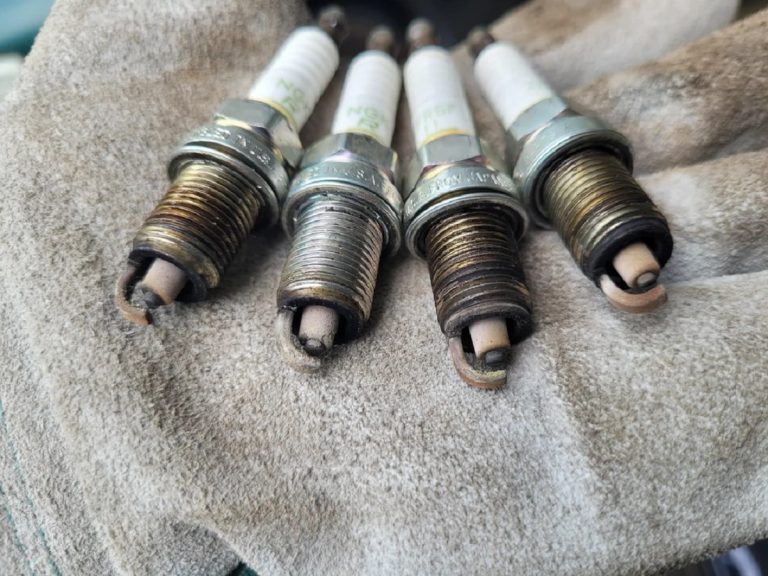
Spark plugs, ignition wires, and the coil are critical for transmitting the electrical charge needed to ignite the air-fuel mixture. The spark plugs must be in good condition, properly gapped, and tightened to the correct specification to maintain consistent combustion.
The ignition coil transforms the battery’s low voltage into the high voltage required for the spark plugs. Ignition wires carry this voltage to the plugs efficiently; damaged or worn wires can cause misfires or uneven firing. Regular inspection of these components, along with proper spark plug gapping and replacement as needed, ensures smooth engine operation and prevents performance issues.
Electrical System Integration
The 1978 Chevy 350’s ignition components work in conjunction with the battery, alternator, and other electrical systems. The alternator ensures the battery remains charged while the engine runs, supporting the ignition system and other electrical accessories.
A weak battery or failing alternator can reduce spark intensity, causing hard starts or rough running. Regularly checking battery condition, terminals, and alternator output helps maintain consistent electrical power. Proper integration of all electrical components ensures the ignition system functions efficiently, supporting reliable starting, smooth idling, and consistent acceleration.
Maintenance Best Practices
Routine maintenance of ignition and electrical components is essential for the longevity of the 350 engine. Inspecting spark plugs, wires, distributor caps, and the ignition coil prevents misfires and ensures efficient combustion. Adjusting ignition timing and replacing worn parts on schedule keeps the engine responsive.
Keeping the battery charged, terminals clean, and alternator in good condition supports the entire ignition system. By paying attention to these components, you maintain consistent performance, fuel efficiency, and engine reliability. Proper care of ignition and electrical parts ensures the 1978 Chevy 350 continues to run smoothly for years to come.
Lubrication And Oil System Details
The lubrication and oil system of the 1978 Chevy 350 plays a crucial role in protecting engine components, reducing friction, and maintaining long-term performance. Proper oil circulation ensures that pistons, crankshaft, camshaft, and other moving parts operate smoothly under a wide range of temperatures and driving conditions. Understanding these system details helps owners maintain engine reliability and efficiency.
Oil Pump And Circulation
The 350 engine uses a gear-driven or hydraulic oil pump mounted in the engine block to circulate oil throughout the engine. The pump draws oil from the oil pan and forces it through galleries to critical components like the crankshaft bearings, camshaft, lifters, and valve train. Efficient circulation prevents metal-to-metal contact, reduces wear, and maintains proper operating temperatures.
A well-functioning oil pump ensures consistent pressure even under heavy load or high RPM operation. Low oil pressure can indicate pump wear, clogged filters, or leaks, which can quickly lead to engine damage. Regular inspection and timely replacement of worn oil pumps help maintain proper lubrication, ensuring smooth operation and extending engine life.
Oil Filter And Cleanliness
The 1978 Chevy 350 typically uses a spin-on oil filter to remove contaminants, metal particles, and sludge from the circulating oil. Clean oil prevents abrasive wear on bearings, cylinder walls, and other internal components. A clogged or ineffective oil filter can restrict flow, reduce oil pressure, and cause premature engine wear.
Routine oil filter replacement during scheduled oil changes is essential to maintain optimal filtration. Using high-quality filters ensures consistent performance, while inspecting the filter for damage or leaks helps identify potential issues early. Proper filtration maintains oil cleanliness, engine efficiency, and long-term reliability.
Recommended Oil Type And Capacity
The 350 small-block is compatible with conventional or high-quality motor oils, typically within the 10W-30 or 10W-40 range, depending on climate and usage. The total oil capacity, including the filter, is approximately 5 quarts. Using the correct oil viscosity ensures proper lubrication at both cold starts and high operating temperatures, maintaining engine protection.
Regular oil changes at recommended intervals remove contaminants and replenish additives that protect against wear, corrosion, and heat breakdown. Maintaining proper oil levels and quality is essential to prevent friction, overheating, and premature component wear. The right oil type and capacity contribute directly to engine longevity and reliable performance.
Monitoring Oil Pressure And Maintenance Tips
The oil pressure gauge or sending unit provides critical information about the lubrication system. Low or fluctuating pressure can indicate leaks, worn bearings, or oil pump problems, requiring immediate attention. Regularly checking oil level, inspecting for leaks, and maintaining clean filters help preserve consistent lubrication.
Proper maintenance, including timely oil and filter changes, using recommended oil grades, and monitoring system performance, ensures the 1978 Chevy 350 operates smoothly. A well-maintained lubrication system reduces wear, prevents overheating, and supports overall engine efficiency and longevity, making it a key factor in the engine’s continued reliability.
FAQs
What Are The Basic Specifications Of The 1978 Chevy 350 Engine?
The 1978 Chevy 350 is a small-block V8 engine with a displacement of 350 cubic inches (5.7 liters). It features a bore of 4.00 inches and a stroke of 3.48 inches. The engine uses a cast iron block and heads, providing durability and heat resistance.
This engine typically came with a carbureted fuel system and a mechanical or hydraulic camshaft, depending on the model. It produces between 145 and 185 horsepower and roughly 275 to 285 lb-ft of torque. These specifications make it versatile for both passenger cars and light trucks while offering reliability and performance.
What Type Of Carburetor Did The 1978 Chevy 350 Use?
Most 1978 Chevy 350 engines came equipped with a four-barrel carburetor, such as the Rochester Quadrajet or a Holley unit, depending on the vehicle. The Quadrajet provided a variable fuel delivery system, with small primary circuits for low-speed efficiency and larger secondary circuits for performance.
This design allowed for smooth throttle response, adequate fuel atomization, and better efficiency compared to earlier models. Some performance applications used upgraded Holley carburetors to increase airflow and fuel delivery. Proper tuning and maintenance of these carburetors are essential to preserve horsepower, torque, and fuel efficiency.
What Was The Horsepower And Torque Rating Of The 1978 Chevy 350?
The horsepower of the 1978 Chevy 350 ranged between 145 and 185 hp, depending on carburetor configuration and compression ratio. Torque was typically between 275 and 285 lb-ft, providing strong low-end and mid-range performance.
This balance of power and torque made the engine versatile for multiple applications, from family sedans to pickup trucks and light-duty performance vehicles. Maintaining internal components like pistons, valves, and ignition systems ensures consistent performance and helps preserve these ratings over time.
What Is The Firing Order Of The 1978 Chevy 350 Engine?
The firing order for the 1978 Chevy 350 is 1-8-4-3-6-5-7-2. This order ensures balanced power delivery across the eight cylinders and minimizes engine vibrations.
Correct firing order is critical for smooth operation, efficient combustion, and reduced wear on engine components. Misfires, rough idling, or poor performance can result from incorrect wiring or distributor issues. Following the proper firing sequence ensures reliable ignition and optimal engine performance.
What Type Of Ignition System Did It Use?
The 1978 Chevy 350 used a traditional mechanical distributor-based ignition system. The distributor directs high-voltage current from the ignition coil to each spark plug in the correct firing order. Spark plugs, wires, and the coil work together to ensure efficient combustion.
Regular maintenance, including checking spark plug gaps, inspecting wires, and servicing the distributor, is essential for smooth operation. Proper ignition timing supports engine efficiency, power delivery, and fuel economy while preventing misfires or pre-ignition issues.
What Are The Cooling System Specifications For This Engine?
The 1978 Chevy 350 used a copper-brass radiator, driven by a belt-driven water pump circulating coolant throughout the block and heads. The thermostat typically opens at around 195°F to regulate engine temperature, preventing overheating while ensuring proper warm-up.
Hoses, clamps, and coolant mixture play a vital role in system efficiency. Regular inspection, radiator flushes, and proper coolant maintenance keep the engine within safe operating temperatures, supporting long-term performance and reliability.
What Are The Oil And Lubrication Requirements For The 1978 Chevy 350?
The 1978 Chevy 350 has an approximate oil capacity of 5 quarts, including the filter. It typically uses 10W-30 or 10W-40 conventional motor oil, depending on climate and driving conditions. The engine features a gear-driven oil pump to circulate oil to bearings, camshaft, pistons, and valve train.
Routine oil and filter changes, along with monitoring oil pressure and level, ensure proper lubrication, reduce friction, and prevent premature engine wear. Using the recommended oil type and maintaining a clean oil system preserves engine longevity and supports smooth, reliable performance.
Final Words
The 1978 Chevy 350 engine remains a popular choice among car enthusiasts and restorers due to its balance of power, reliability, and versatility. Understanding the 1978 chevy 350 engine specs provides valuable insight into its performance capabilities, including horsepower, torque, and fuel delivery options. These details help owners and mechanics make informed decisions about maintenance, upgrades, and restorations.
Knowing the engine’s block configuration, bore and stroke, and compression ratios allows for precise tuning and compatibility with aftermarket parts. Additionally, understanding ignition, cooling, and lubrication specifications ensures the engine runs efficiently and lasts longer. Whether you are maintaining a classic Chevy or upgrading for performance, these specs serve as a critical reference.
Familiarity with 1978 chevy 350 engine specs also helps identify potential weak points and prioritize routine maintenance. With proper care, attention to these specifications ensures the engine delivers reliable power, smooth operation, and longevity, keeping this classic V8 running strong for years to come.