What Happens When Torque Converter Goes Out And How To Spot The Signs
A vehicle’s transmission system relies on several components to operate smoothly, and the torque converter is one of the most critical. It connects the engine to the transmission, allowing the car to shift gears efficiently while providing smooth acceleration. When this component starts to fail, it can create noticeable performance issues and affect the overall driving experience.
Drivers may experience slipping gears, delayed acceleration, or unusual noises coming from the transmission area. These symptoms often signal that the torque converter is no longer functioning as intended, impacting the flow of power from the engine to the wheels.
Understanding what happens when torque converter goes out helps you identify early warning signs and take action before more serious transmission damage occurs. A failing torque converter can compromise vehicle control, reduce fuel efficiency, and even cause the transmission to overheat.
Being aware of these indicators empowers you to address the problem promptly. Proper diagnosis and maintenance can prevent costly repairs and ensure that your car remains safe, reliable, and responsive on the road.
Common Symptoms of a Failing Torque Converter
The torque converter is a key component in automatic transmissions, transferring engine power to the transmission fluid and ensuring smooth gear shifts. When it starts to fail, the effects are noticeable in how your vehicle drives, accelerates, and responds. Recognizing the early signs of a failing torque converter can prevent costly transmission damage and improve vehicle safety.
Slipping Transmission or Delayed Acceleration
One of the most common symptoms of a failing torque converter is a slipping transmission. You may notice the engine revving higher than usual without corresponding acceleration, or the car may hesitate when shifting into gear. This occurs because the torque converter is not transferring engine power effectively to the transmission.
Delayed or uneven acceleration can also be a warning sign. The torque converter’s internal components, like the stator or impeller, may be worn or damaged, reducing the efficiency of power transfer. Drivers may feel a sudden lag when pressing the accelerator, especially from a stop or during overtaking. Addressing this early prevents further transmission strain and ensures smoother acceleration.
Unusual Noises from the Transmission Area
Another key indicator is strange noises coming from the transmission, such as whining, clunking, or grinding sounds. These noises often occur when the torque converter’s internal components, like the turbine or bearings, are worn or malfunctioning.
You may hear a high-pitched whine when the vehicle is in gear but stationary, or clunking sounds when shifting between gears. Ignoring these noises can lead to more severe transmission problems, including fluid contamination and internal damage. Recognizing and diagnosing these sounds early allows you to take corrective action before the problem escalates.
Overheating Transmission
A failing torque converter can also cause your transmission to overheat. When the converter fails to circulate transmission fluid properly, friction increases, generating excess heat. Overheating can damage internal transmission components and significantly reduce fluid life.
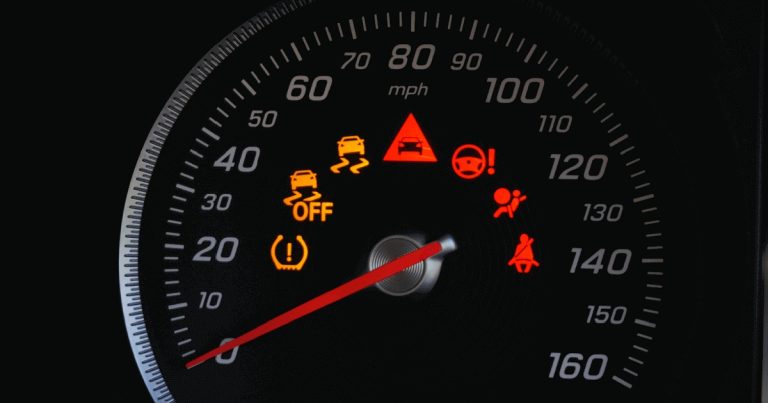
Signs of overheating include a burning smell, warning lights on the dashboard, or unusually high temperature readings on your transmission gauge. Continuous overheating can lead to permanent transmission damage, making early detection crucial. Regular fluid checks and monitoring temperature can help identify torque converter issues before severe damage occurs.
Shuddering or Vibrations at Low Speeds
A noticeable shudder or vibration when driving at low speeds is another common symptom of a failing torque converter. This occurs when the converter’s internal clutch or stator is worn, causing uneven torque transfer.
Drivers may feel a shaking sensation during gear changes or when accelerating slowly. The severity of the shudder can increase with vehicle load or engine RPM. Persistent vibrations not only affect comfort but also indicate mechanical issues that can worsen if not addressed. Diagnosing this symptom early helps prevent further transmission wear and ensures smoother operation.
Contaminated or Low Transmission Fluid
Transmission fluid issues often accompany torque converter problems. Low fluid levels or contamination can lead to slipping, overheating, and shuddering. Dark, burnt-smelling, or gritty fluid indicates internal wear or damage.
Maintaining proper fluid levels and quality is essential for torque converter performance. Regular fluid inspections and changes can prevent many of the symptoms associated with failure. Addressing fluid problems promptly ensures efficient power transfer and extends the life of both the torque converter and the transmission system.
Effects on Vehicle Performance
A failing torque converter can significantly impact how your vehicle performs on the road. Because it plays a central role in transmitting engine power to the transmission, any malfunction directly affects acceleration, gear shifting, and overall drivability. Understanding these effects helps drivers recognize early warning signs and take corrective action to prevent further damage.
Reduced Acceleration and Power Delivery
One of the primary effects of a failing torque converter is reduced acceleration and uneven power delivery. The torque converter acts as a fluid coupling between the engine and transmission, and when it malfunctions, engine power isn’t transferred efficiently.
You may notice the vehicle struggling to accelerate from a stop or lagging during overtaking maneuvers. The engine might rev higher than normal, yet the vehicle moves slowly, indicating that the torque converter is slipping. This inefficiency not only reduces performance but also increases stress on the engine and transmission. Timely identification of this symptom is essential to restore proper power delivery and prevent additional wear on drivetrain components.
Poor Fuel Efficiency
A malfunctioning torque converter can also negatively impact fuel efficiency. When the converter fails to transfer power efficiently, the engine compensates by consuming more fuel to maintain speed and acceleration.
Drivers may notice a sudden drop in miles per gallon or higher fuel consumption during normal driving conditions. Over time, this inefficiency can lead to increased operating costs. Maintaining the torque converter in good condition ensures that fuel is used effectively, helping your vehicle deliver optimal performance while minimizing unnecessary fuel expenditure.
Harsh or Delayed Gear Shifts
Torque converter issues often manifest as harsh, delayed, or erratic gear shifts. Because the converter regulates the flow of power to the transmission, a malfunction can disrupt smooth gear engagement.
You may feel jolts or hesitation when shifting from one gear to another, particularly in automatic transmissions. This not only makes driving uncomfortable but also increases wear on the transmission components. Consistent, smooth gear shifts are critical for reliable performance, and a failing torque converter compromises this function, reducing both drivability and long-term transmission health.
Overheating and Stress on the Transmission
A failing torque converter can cause the transmission to overheat, which has serious consequences for vehicle performance. Poor fluid circulation or slippage inside the converter increases friction and heat, affecting both the transmission and the engine.
Signs of overheating include a burning smell, elevated transmission temperature readings, or warning lights on the dashboard. Over time, continuous overheating can degrade transmission fluid and damage internal components, reducing vehicle performance and reliability. Proper maintenance of the torque converter ensures that heat is managed effectively, protecting the transmission and supporting long-term performance.
Vibrations, Shuddering, and Overall Driveability Issues
Shuddering or vibrations at low speeds are common effects of torque converter failure. Worn internal components cause uneven torque transfer, leading to noticeable shaking during acceleration or gear changes.
These vibrations not only affect comfort but also indicate stress on the transmission and drivetrain. Over time, persistent shuddering can cause premature wear on engine mounts, transmission parts, and other components. Recognizing this symptom early allows drivers to address the underlying issue, restoring smooth, reliable performance and maintaining vehicle control under various driving conditions.
Causes Behind Torque Converter Failure
A torque converter is essential for transmitting engine power to the transmission and ensuring smooth gear shifts. When it fails, it affects vehicle performance, acceleration, and overall drivability. Understanding the root causes of torque converter failure helps you identify potential problems early, maintain your transmission, and prevent costly repairs while ensuring long-term vehicle reliability.
Contaminated or Low Transmission Fluid
One of the most common causes of torque converter failure is contaminated or low transmission fluid. Transmission fluid lubricates the moving parts inside the converter and provides the necessary hydraulic pressure for smooth operation. When fluid levels drop or the fluid becomes dirty, the converter cannot function effectively.
Low fluid levels reduce hydraulic pressure, leading to slipping, overheating, and poor torque transfer. Contaminated fluid can also introduce debris into the converter, damaging internal components like the turbine, stator, and clutch. Regular fluid checks, timely changes, and using manufacturer-recommended fluids are essential to prevent torque converter damage. Neglecting fluid maintenance accelerates wear, reduces efficiency, and may eventually require a costly replacement.
Overheating of the Transmission
Excessive heat is another major contributor to torque converter failure. High temperatures can warp internal components, degrade transmission fluid, and compromise the converter’s internal clutch and bearings. Overheating often occurs from heavy towing, aggressive driving, or a malfunctioning cooling system.
When the converter overheats, it may start slipping, creating erratic power transfer and shuddering. Persistent overheating can also affect the transmission’s internal seals, gaskets, and other components, further reducing efficiency. Maintaining proper fluid levels, monitoring transmission temperature, and avoiding prolonged heavy loads can help prevent this type of failure. Early detection of overheating symptoms can save the torque converter and transmission from permanent damage.
Worn or Damaged Internal Components
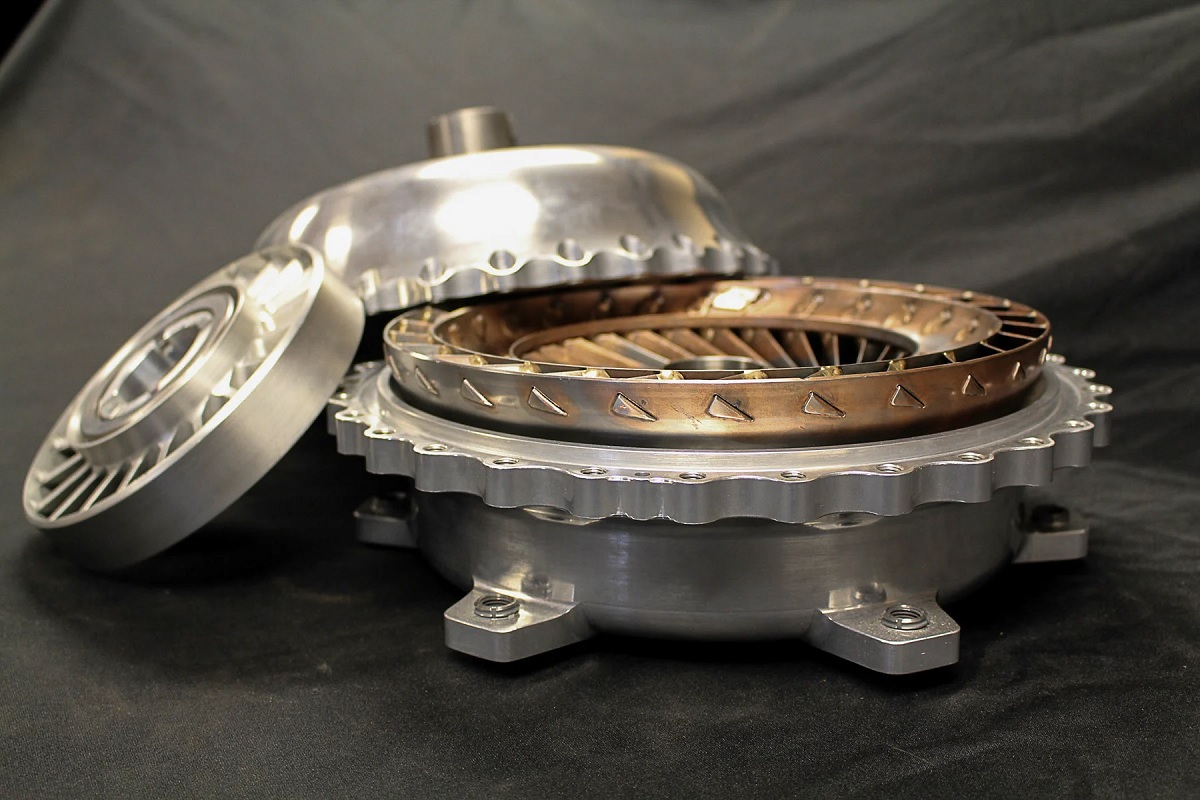
Internal mechanical wear is another common cause of torque converter failure. Components such as the turbine, stator, and impeller blades are subject to constant stress and high-speed rotation. Over time, these parts can wear, crack, or become misaligned, reducing the converter’s efficiency.
A damaged clutch inside the converter can also fail to lock or disengage properly, leading to slipping and vibration. Ignoring early warning signs like shuddering, delayed acceleration, or unusual noises can result in more severe internal damage. Regular inspection during transmission servicing helps detect worn components before they cause complete torque converter failure.
Manufacturing Defects or Poor Quality Parts
In some cases, torque converter failure may occur due to manufacturing defects or the use of low-quality replacement parts. Defective bearings, misaligned components, or weak seals can reduce the lifespan of the converter and lead to premature failure.
Using aftermarket or substandard parts may save money initially but often results in inefficient torque transfer, overheating, or rapid wear. Always choose high-quality, OEM-approved components when replacing a torque converter. Proper installation by a trained technician also ensures that the converter functions correctly, reducing the risk of failure caused by poor manufacturing or assembly issues.
Aggressive Driving and Overloading
Driver behavior can also contribute significantly to torque converter failure. Frequent hard acceleration, rapid gear changes, or towing loads beyond the vehicle’s capacity places excessive stress on the torque converter. Over time, this strain can cause internal wear, clutch slippage, or overheating.
Vehicles driven aggressively or overloaded regularly may experience reduced converter efficiency and premature failure. Following manufacturer guidelines for load limits and adopting smoother driving habits can help prolong the life of the torque converter. Avoiding extreme conditions ensures consistent performance and prevents unnecessary wear on the transmission system.
Diagnosing Torque Converter Problems
Diagnosing torque converter issues early is crucial to maintaining vehicle performance and avoiding costly transmission repairs. Since the torque converter plays a vital role in transferring engine power to the transmission, any malfunction affects acceleration, fuel efficiency, and drivability. Recognizing warning signs and understanding proper diagnostic steps ensures timely intervention and prolongs the life of both the converter and the transmission system.
Identifying Unusual Noises and Vibrations
One of the first steps in diagnosing torque converter problems is paying attention to unusual noises or vibrations from the transmission area. Common sounds include whining, clunking, or grinding, often accompanied by shaking or shuddering during gear shifts or low-speed driving.
These noises indicate potential issues with internal components, such as the turbine, stator, or clutch. Vibrations may also result from worn or misaligned bearings inside the converter. Drivers should take note of when these symptoms occur, whether during acceleration, idling, or deceleration, as this information helps pinpoint the root cause. Early recognition of these signs allows for preventive maintenance, preventing more extensive transmission damage.
Monitoring Transmission Performance and Gear Behavior
Another important diagnostic step is observing transmission performance and gear behavior. A failing torque converter can cause delayed gear engagement, slipping, or erratic shifting. You may notice the engine revving higher than usual without corresponding vehicle movement or experience sudden jerks during gear changes.
Tracking these performance issues over time provides valuable insight into the severity of the problem. Consistent or worsening symptoms often indicate that the torque converter is struggling to transfer power efficiently. Recording when these issues occur, such as during heavy loads or high speeds, can guide mechanics in accurate diagnosis and repair, ensuring proper correction before more serious transmission damage occurs.
Checking Transmission Fluid Condition
Transmission fluid analysis is a critical diagnostic step for identifying torque converter problems. Inspect the fluid for color, smell, and contamination. Healthy transmission fluid is typically clear or red, with a slightly sweet smell. Dark, burnt-smelling, or gritty fluid often indicates overheating, internal wear, or component failure.
Low fluid levels can also contribute to slipping, overheating, or poor torque converter performance. Checking fluid regularly helps detect issues before they escalate, providing clues about both the torque converter and overall transmission health. Proper maintenance, including fluid replacement or top-ups, ensures smooth operation and extends the life of the converter.
Conducting Pressure and Lock-Up Tests
Advanced diagnostics often involve testing hydraulic pressure and lock-up functionality. Torque converters rely on fluid pressure to transmit engine power, and a malfunctioning unit may have irregular or insufficient pressure. Mechanics may use a pressure gauge to measure line and converter pressure while the vehicle is running.
Lock-up issues, where the converter clutch fails to engage or disengage correctly, can be identified during road testing or specialized inspections. Symptoms include shuddering at highway speeds, overheating, or reduced fuel efficiency. Accurate pressure and lock-up tests provide clear evidence of internal torque converter problems, enabling precise repairs or replacements.
Using Scan Tools and Diagnostic Equipment
Modern vehicles allow mechanics to use scan tools to detect torque converter-related transmission codes. These tools can identify slipping, lock-up failures, or clutch engagement errors. Reading error codes helps pinpoint the specific issue without relying solely on symptoms or manual inspections.
Diagnostic equipment can also record real-time transmission performance, including RPM, gear engagement, and torque converter behavior. Combining these readings with fluid checks, vibration analysis, and road tests allows a comprehensive assessment of the converter’s condition. Early and thorough diagnosis ensures timely repairs, reduces the risk of further transmission damage, and restores vehicle performance efficiently.
Risks of Ignoring Torque Converter Issues
Ignoring torque converter problems can have serious consequences for your vehicle’s performance, safety, and long-term reliability. Since the torque converter regulates power transfer between the engine and transmission, any failure can lead to cascading issues throughout the drivetrain. Recognizing and addressing early warning signs is essential to prevent costly repairs and ensure your vehicle continues to operate smoothly.
Increased Transmission Wear and Damage
One of the most significant risks of ignoring torque converter issues is accelerated transmission wear. A failing converter often causes slipping, overheating, and inconsistent power transfer, putting extra stress on gears, clutches, and internal components.
Over time, this added strain can result in permanent damage to the transmission, including worn bearings, damaged seals, or even complete transmission failure. Repairing or replacing a damaged transmission is far more expensive than addressing torque converter issues early. Regular maintenance and prompt attention to symptoms like delayed shifting, vibrations, or unusual noises can prevent extensive damage and extend the life of your transmission.
Reduced Vehicle Performance and Fuel Efficiency
A malfunctioning torque converter directly affects vehicle performance and fuel efficiency. Slipping or delayed power transfer leads to slower acceleration, inconsistent gear engagement, and decreased responsiveness.
As the engine works harder to compensate for the inefficiency, fuel consumption increases, reducing miles per gallon and raising operating costs. Ignoring these symptoms can also compromise engine performance over time, causing rough idling and uneven power delivery. Addressing torque converter problems promptly restores smooth power transfer, improves fuel efficiency, and maintains optimal performance under all driving conditions.
Risk of Overheating and Engine Stress
Torque converter issues often cause transmission overheating, which can have a domino effect on other engine components. Overheating reduces fluid effectiveness, increases friction, and accelerates wear on both the converter and the transmission.
Persistent overheating can damage seals, gaskets, and internal transmission parts, leading to leaks and permanent mechanical failures. In extreme cases, engine overheating may occur due to the added strain, resulting in costly repairs and potentially dangerous driving conditions. Early detection and repair of torque converter problems help maintain proper fluid flow, prevent overheating, and protect the overall drivetrain.
Safety Hazards on the Road
Ignoring torque converter issues can also create serious safety hazards. Symptoms like delayed acceleration, erratic gear changes, or sudden vehicle stalling can compromise control during traffic or highway driving.
For example, a car that hesitates while merging or fails to accelerate properly during overtaking poses a risk to both the driver and other road users. Shuddering or vibrations caused by a faulty converter can distract the driver and reduce confidence in vehicle handling. Addressing torque converter problems promptly ensures predictable vehicle performance, minimizing the risk of accidents caused by unexpected mechanical failure.
Increased Repair Costs and Downtime
Delaying repairs on a failing torque converter ultimately leads to higher repair costs. Ignoring early warning signs allows minor issues to escalate into complete transmission failure, requiring extensive repairs or full replacement.
Vehicle downtime also increases, affecting daily routines, work commutes, and travel plans. Proactive maintenance and early intervention reduce repair costs, preserve vehicle reliability, and prevent long periods of inactivity. Timely attention to torque converter issues protects both your wallet and your vehicle, ensuring continued performance and safe operation.
Repair and Replacement Options
When a torque converter starts to fail, addressing the problem promptly is essential to restore vehicle performance and prevent further transmission damage. Depending on the severity of the issue, there are multiple repair and replacement options available. Understanding these options helps you make informed decisions, balance cost and reliability, and ensure your vehicle operates safely and efficiently.
Torque Converter Repair
In some cases, torque converters can be repaired rather than fully replaced. Minor issues, such as damaged bearings, worn seals, or clogged fluid passages, can often be fixed by a skilled mechanic. Repairing a torque converter may involve disassembling it, cleaning internal components, and replacing worn or damaged parts.
Repairing the converter is typically more cost-effective than full replacement, particularly for vehicles with higher mileage. It can restore smooth power transfer, reduce slipping, and eliminate shuddering or vibrations. However, the success of repairs depends on the extent of internal damage. Thorough diagnostic testing is essential before committing to repairs to ensure the converter will function reliably over the long term.
Rebuilding the Torque Converter
Another option for addressing torque converter issues is a professional rebuild. This involves completely disassembling the unit, replacing worn parts such as the stator, turbine, clutch, and bearings, and reassembling it to factory specifications. Rebuilding ensures that all internal components are inspected and restored to optimal condition.
Rebuilt torque converters often come with warranties and can extend the life of the transmission. This option is especially viable for high-value or classic vehicles where a full replacement may be cost-prohibitive. While rebuilding is more expensive than minor repairs, it can provide performance close to a new unit, restoring smooth acceleration, consistent gear shifts, and improved fuel efficiency.
Complete Torque Converter Replacement
In cases of severe damage or catastrophic failure, replacing the torque converter entirely is the most reliable solution. A full replacement is often necessary when internal components are irreparably worn, cracked, or damaged beyond repair. Replacement options include OEM (original equipment manufacturer) converters or high-quality aftermarket units.
Installing a new torque converter ensures full functionality, restores proper fluid flow, and eliminates all symptoms such as slipping, overheating, and vibration. While this option is more expensive than repairs or rebuilding, it guarantees long-term reliability and reduces the risk of future transmission problems. Choosing a reputable brand and professional installation ensures optimal performance and durability.
Transmission Fluid and Related Component Maintenance
Regardless of whether the torque converter is repaired, rebuilt, or replaced, addressing the surrounding transmission system is critical. Flushing and replacing transmission fluid, inspecting seals, gaskets, and the transmission filter ensures that the new or repaired converter operates efficiently.
Maintaining proper fluid levels and quality reduces friction, prevents overheating, and protects both the converter and the transmission. Neglecting fluid and component maintenance can shorten the life of even a new torque converter. Regular inspections and adherence to the manufacturer’s maintenance schedule maximize the effectiveness of repairs or replacements.
Cost Considerations and Professional Service
When deciding between repair, rebuild, or replacement, consider the vehicle’s age, mileage, and overall condition. Repairs are often most economical for minor damage, while replacement is ideal for severe or repeated failures. A professional mechanic can provide a detailed assessment and recommend the most suitable option based on diagnostic results.
Professional service ensures correct installation, accurate torque specifications, and proper fluid management. Attempting DIY repairs or using substandard parts can worsen the problem or cause additional damage. Investing in quality service and components protects your transmission, restores performance, and provides peace of mind for long-term vehicle reliability.
People Also Asked
What Happens When Torque Converter Goes Out?
When a torque converter goes out, the transfer of engine power to the transmission becomes inefficient or stops altogether. You may notice symptoms like slipping gears, delayed acceleration, or unusual vibrations while driving. The engine may rev without the car moving as expected, indicating the torque converter isn’t engaging properly.
This failure can also cause overheating in the transmission due to improper fluid circulation. Ignoring these issues can lead to more severe damage to the transmission system. Identifying torque converter failure early helps prevent costly repairs and ensures your vehicle remains safe and reliable.
How Does a Failing Torque Converter Affect Vehicle Acceleration?
A failing torque converter can significantly reduce your vehicle’s acceleration. When the converter slips or fails to transfer engine power effectively, the engine may rev higher than normal without a corresponding increase in speed.
This results in slow starts, poor responsiveness, and difficulty overtaking other vehicles. Drivers may feel a noticeable lag when pressing the accelerator, especially under load or from a stop. Timely attention to this problem restores proper power transfer, improves acceleration, and prevents further stress on both the transmission and engine components.
Can a Bad Torque Converter Cause Transmission Overheating?
Yes, a bad torque converter can cause the transmission to overheat. When the converter fails, it may not circulate transmission fluid properly, reducing lubrication and increasing friction within the system.
Overheating damages transmission components, degrades fluid quality, and can lead to seal failure or internal mechanical issues. Signs include a burning smell, high temperature readings on the transmission gauge, or warning lights. Addressing torque converter problems promptly prevents overheating, protects the transmission, and ensures safe, efficient operation.
What Are the Signs of Torque Converter Slipping?
Torque converter slipping occurs when engine power isn’t fully transmitted to the transmission. You may notice the engine revving unusually high while the vehicle moves slowly or hesitates during acceleration.
Other signs include erratic shifting, shuddering at low speeds, and reduced fuel efficiency. Slipping indicates internal wear or clutch problems within the torque converter. Identifying and repairing the converter at this stage prevents further transmission damage and restores smooth, reliable driving performance.
Can a Faulty Torque Converter Cause Vehicle Stalling?
Yes, a faulty torque converter can cause vehicle stalling, especially at low speeds or when idling. If the torque converter clutch fails to engage or disengage properly, it can prevent power from reaching the transmission consistently.
This may cause the engine to stall unexpectedly when the vehicle is stopped or when shifting between gears. Stalling not only affects drivability but can also create dangerous situations in traffic. Early diagnosis and repair of torque converter issues help maintain engine reliability and safe operation.
Is It Safe to Drive With a Failing Torque Converter?
Driving with a failing torque converter is not recommended. Symptoms like slipping, overheating, or shuddering indicate that power is not being transmitted efficiently, which can worsen over time.
Continued driving may lead to further damage to the transmission, decreased fuel efficiency, and potential engine strain. It may also create unsafe situations, such as unexpected stalling or poor acceleration. Addressing the problem promptly ensures vehicle safety, prevents costly repairs, and restores proper driving performance.
How Can I Prevent Torque Converter Failure?
Preventing torque converter failure involves regular maintenance and attentive driving habits. Checking transmission fluid levels, using manufacturer-recommended fluid, and avoiding excessive towing or aggressive acceleration can significantly extend the converter’s lifespan.
Regular transmission inspections help identify early signs of slipping, overheating, or unusual noises. Addressing minor issues promptly reduces stress on the torque converter and maintains smooth power transfer. Consistent maintenance not only protects the converter but also preserves the overall health and performance of your transmission system.
Final Thoughts
Experiencing unusual noises, slipping gears, or engine shuddering can be a clear sign that your vehicle is struggling with transmission issues. Ignoring these symptoms often leads to more severe problems, including reduced performance and costly repairs. Staying vigilant and addressing issues early can save both time and money.
Understanding what happens when torque converter goes out helps drivers recognize the impact on acceleration, fuel efficiency, and overall vehicle safety. When the torque converter fails, power transfer between the engine and transmission is compromised, causing erratic gear shifts, overheating, and even potential damage to other drivetrain components. Knowing the warning signs allows you to take timely action before the damage becomes irreversible.
Prompt inspection and professional repair are essential to maintain vehicle reliability. Regular transmission maintenance, monitoring fluid levels, and avoiding heavy stress on the transmission can prevent failures. Being informed about what happens when torque converter goes out ensures safer driving and longer-lasting vehicle performance.