Is There A Warning Light For Low Transmission Fluid: Signs, Risks, and Solutions
Monitoring your vehicle’s transmission health is essential for smooth driving and preventing costly repairs. Transmission fluid plays a critical role in lubricating gears, maintaining pressure, and ensuring seamless gear shifts. Without proper fluid levels, the transmission can experience slipping, overheating, or even complete failure, which highlights the importance of keeping an eye on fluid status.
Understanding is there a warning light for low transmission fluid can help drivers detect potential issues before they escalate. Many modern vehicles are equipped with dashboard indicators or transmission-related warning lights designed to alert you when fluid levels are insufficient or when the system detects a problem.
Recognizing the signals of low transmission fluid early can prevent severe damage and improve the longevity of your transmission. Some older vehicles may not have a dedicated warning light, requiring manual checks, while newer models often integrate sensor-based alerts.
Being aware of how your vehicle communicates transmission issues empowers you to take prompt action. Knowing about warning systems and regularly checking fluid levels ensures reliable performance and helps avoid unexpected breakdowns.
How Transmission Fluid Levels Affect Vehicle Performance
Transmission fluid is a vital component that ensures your vehicle operates smoothly and efficiently. It lubricates moving parts, maintains hydraulic pressure, and helps manage heat generated by the transmission system. Maintaining proper fluid levels is essential, as insufficient transmission fluid can lead to performance issues, premature wear, and costly repairs. Understanding the role of fluid levels helps you detect problems early and maintain your vehicle’s reliability.
Impact on Gear Shifting and Smooth Operation
Transmission fluid levels directly influence gear shifting and overall drivability. Adequate fluid ensures that the hydraulic systems inside the transmission operate properly, allowing smooth and consistent gear changes. When fluid levels drop too low, the transmission may struggle to engage gears, resulting in slipping, delayed shifts, or harsh transitions.
Low fluid can reduce hydraulic pressure, which is essential for engaging clutches and bands in automatic transmissions. In manual transmissions, insufficient fluid may increase resistance in the gearbox, making shifting more difficult and creating additional wear on synchronizers. Over time, consistent low fluid levels can lead to damaged components and reduced driving performance.
Regularly checking fluid levels and topping off as needed helps maintain smooth operation. Ensuring proper lubrication and hydraulic function reduces stress on transmission components, preserves fuel efficiency, and prevents costly repairs associated with slipping or rough shifting.
Effects on Engine Performance and Fuel Efficiency
Low transmission fluid not only affects the transmission itself but can also impact engine performance and fuel efficiency. When the transmission struggles to shift properly, the engine may operate under higher loads, consuming more fuel and reducing overall efficiency. Slipping or delayed gear changes force the engine to work harder, leading to increased wear and energy loss.
Adequate fluid levels allow the transmission to distribute power effectively from the engine to the wheels. This ensures optimal acceleration, smooth cruising, and consistent fuel consumption. In contrast, insufficient fluid may cause erratic performance, such as surging or hesitation during acceleration, which can compromise safety and driving comfort.
Maintaining proper fluid levels is crucial for maximizing both transmission efficiency and engine performance. Consistent monitoring and timely maintenance prevent unnecessary fuel wastage and prolong the lifespan of critical drivetrain components.
Overheating and Component Wear
Transmission fluid plays a critical role in cooling internal components by dissipating heat generated during operation. Low fluid levels can reduce the system’s ability to manage heat, causing the transmission to overheat. Overheating accelerates wear on gears, clutches, and seals, increasing the risk of failure.
Heat also degrades the fluid itself, reducing its lubricating and protective properties. Over time, this can lead to increased friction, metal-to-metal contact, and permanent damage to transmission components. Engines with low fluid levels may exhibit a burning smell, erratic performance, or dashboard warning lights, signaling the need for immediate attention.
Maintaining proper fluid levels ensures adequate lubrication and cooling, reducing the risk of premature component wear. Timely maintenance prevents overheating, protects the transmission, and supports consistent vehicle performance over time.
Signs of Low Transmission Fluid Levels
Recognizing signs of low transmission fluid helps you address issues before they escalate. Common indicators include delayed or harsh gear shifts, unusual noises such as whining or clunking, and dashboard warning lights. Some vehicles may display a dedicated transmission warning, while others use general check engine alerts.
In addition to auditory and visual cues, physical signs such as fluid leaks under the vehicle or a drop in fluid levels during manual checks indicate a need for immediate attention. Monitoring color and consistency—typically red and translucent—helps identify contamination or degradation.
Promptly addressing low fluid signs prevents damage, maintains smooth operation, and ensures optimal performance. Regular inspections and proper maintenance help keep the transmission and engine functioning efficiently, avoiding costly repairs and maintaining reliable drivability.
Importance of Regular Maintenance
Routine transmission maintenance, including checking and replacing fluid at recommended intervals, is essential for vehicle longevity. Proper fluid levels protect the transmission, reduce component wear, and support fuel efficiency. Regular maintenance also allows early detection of leaks or contamination, preventing small problems from becoming major repairs.
Following manufacturer guidelines for fluid type, level, and service intervals ensures optimal performance. Combining proper fluid maintenance with careful driving habits prolongs transmission life, enhances drivability, and reduces the likelihood of unexpected failures. Monitoring transmission health is a key aspect of responsible vehicle ownership.
Dashboard Warning Lights Related to Transmission Issues
Modern vehicles are equipped with dashboard warning lights that alert drivers to potential problems, including transmission issues. These lights are designed to notify you early, helping prevent severe damage and costly repairs. Understanding the meaning of different transmission-related warning indicators allows you to respond promptly, maintain fluid health, and keep your vehicle performing reliably.
Transmission Temperature Warning Light
The transmission temperature warning light signals that the transmission fluid is overheating. Overheating can result from low fluid levels, heavy towing, or prolonged stop-and-go driving. When this light illuminates, the transmission may experience increased friction and accelerated wear, which can cause damage to clutches, gears, and seals.
Ignoring a transmission temperature warning can lead to fluid breakdown and permanent component failure. Drivers should reduce load, avoid aggressive acceleration, and allow the engine to cool. Checking fluid levels and topping up with the correct type ensures that the system maintains proper lubrication and cooling. Addressing overheating early protects the transmission from severe damage and ensures smooth performance during continued driving.
Check Engine Light and Transmission Problems
The check engine light often illuminates due to transmission-related issues, such as improper gear engagement, slipping, or low fluid pressure. Modern vehicles monitor transmission sensors, which detect irregularities and trigger the engine warning light to alert the driver.
When the check engine light comes on, it is important to inspect the transmission system promptly. Diagnostic tools can read trouble codes to determine the source of the issue. Delaying inspection can exacerbate wear, cause overheating, and lead to more extensive repairs. Maintaining proper fluid levels, monitoring for leaks, and regular service can prevent the check engine light from signaling transmission problems in the first place.
Gear or Transmission Warning Light
Some vehicles feature a dedicated transmission warning or gear indicator light. This light may blink or stay illuminated when there is a problem with gear shifting, fluid levels, or internal hydraulic pressure. Drivers may notice slipping, delayed engagement, or unusual noises when this light appears.
Prompt attention to the transmission warning light is critical. Low fluid levels, worn components, or sensor malfunctions can trigger this alert. Checking fluid levels, inspecting for leaks, and consulting a professional mechanic ensures the problem is resolved before causing further damage. A proactive approach reduces repair costs and maintains consistent transmission performance.
Fluid Level and Pressure Indicators
Certain vehicles include dashboard indicators specifically for transmission fluid levels or pressure. These sensors monitor the hydraulic system and alert you to low fluid or irregular pressure, which can compromise shifting performance and cause internal wear.
Low fluid or pressure triggers noticeable changes in drivability, including slipping, jerking, or delayed acceleration. Responding immediately by checking and topping up the correct transmission fluid preserves lubrication and prevents overheating. Regular maintenance, including fluid checks, prevents these warnings from recurring and supports long-term transmission health.
Importance of Understanding Warning Lights
Recognizing and responding to transmission-related dashboard lights ensures the longevity and reliability of your vehicle. Lights like transmission temperature warnings, check engine alerts, and gear indicators are early signs of potential issues that may stem from fluid problems, worn components, or hydraulic failures.
Regularly monitoring fluid levels and addressing warning signals promptly prevents major damage, reduces repair costs, and ensures smooth vehicle operation. Awareness of your dashboard alerts allows you to take timely action, maintain optimal transmission performance, and avoid unexpected breakdowns while driving.
Signs You Might Have Low Transmission Fluid Without a Light
Not all vehicles come with dedicated warning lights for low transmission fluid. Even without a dashboard alert, your vehicle can exhibit several signs that indicate fluid issues. Recognizing these early symptoms helps prevent serious transmission damage, maintain smooth shifting, and avoid costly repairs. Being aware of these indicators allows drivers to act promptly and ensure proper fluid maintenance.
Delayed or Slipping Gear Shifts
One of the most common signs of low transmission fluid is delayed or slipping gear shifts. When fluid levels drop, hydraulic pressure inside the transmission decreases, preventing gears from engaging properly. You may notice a lag when shifting from park to drive or when accelerating, or the transmission may slip unexpectedly while driving.
Slipping occurs because insufficient fluid cannot fully engage clutches and bands, leading to uneven power transfer from the engine to the wheels. Over time, this can result in accelerated wear on internal components and decreased overall performance. Drivers should pay attention to unusual behavior when shifting gears, especially if accompanied by jerks, vibrations, or hesitation.
Maintaining proper fluid levels and performing timely fluid changes helps restore smooth shifting, prevents further damage, and ensures that your transmission operates efficiently.
Unusual Noises From The Transmission
Low transmission fluid can also cause unusual noises, such as whining, grinding, or clunking. These sounds typically occur because the fluid is responsible for lubricating moving parts and maintaining hydraulic pressure. When fluid is low, metal components may rub against each other, producing noticeable sounds.
Grinding or whining noises can appear during acceleration, deceleration, or when the vehicle is in neutral. These sounds indicate that the transmission is struggling to operate without sufficient lubrication, increasing wear on gears, bearings, and other components. Addressing these noises promptly can prevent extensive damage and costly repairs.
Checking fluid levels and topping up with the correct type restores lubrication, reduces noise, and prolongs transmission life. Listening for changes in sound is a simple yet effective way to detect low fluid without relying on dashboard lights.
Vehicle Hesitation or Surging
Another indicator of low transmission fluid is vehicle hesitation or surging during acceleration. When fluid levels are insufficient, the transmission may struggle to transfer power consistently, causing the vehicle to jerk, hesitate, or feel uneven while driving.
This irregular performance often becomes noticeable during uphill climbs, merging onto highways, or while towing. Hesitation occurs because the hydraulic system cannot generate proper pressure to engage gears efficiently, resulting in inconsistent power delivery. Surging may feel like sudden bursts of motion, followed by lags, which can be alarming and affect driving safety.
Addressing these issues by checking fluid levels, topping off, or performing a full fluid change ensures smoother acceleration, reliable power delivery, and reduced stress on internal transmission components.
Leaks and Fluid Appearance
Physical signs like fluid leaks under the vehicle are a strong indication of low transmission fluid. Transmission fluid is typically red or pink and has a distinct oily consistency. Brown or burnt-smelling fluid signals contamination or overheating, which may coincide with low levels.
Leaks often occur around seals, gaskets, or the transmission pan. Detecting fluid on your driveway or garage floor requires immediate attention to prevent further depletion. Regular inspections help identify leaks early and allow timely topping off or repairs, maintaining proper lubrication and pressure for optimal transmission performance.
Monitoring fluid quality and checking for leaks provide clear signs of low transmission fluid, even without warning lights. Regular inspections reduce the risk of severe damage and help maintain smooth operation.
Changes in Driving Performance
Low transmission fluid can subtly affect overall driving performance. You may notice increased engine strain, delayed responsiveness, or unusual vibrations while driving. These symptoms occur because insufficient fluid compromises the transmission’s ability to transfer power efficiently and maintain smooth gear operation.
Paying attention to minor performance changes allows you to catch fluid issues before they escalate. Combining observations of noise, shifting problems, and leaks ensures a comprehensive approach to detecting low transmission fluid. Early action helps prevent overheating, wear, and costly transmission repairs while maintaining safe and reliable vehicle operation.
Risks of Ignoring Low Transmission Fluid
Transmission fluid is essential for lubrication, cooling, and hydraulic function within your vehicle’s transmission system. Ignoring low fluid levels can lead to serious mechanical issues, reduce performance, and result in costly repairs. Understanding the risks of neglecting transmission fluid maintenance helps drivers take proactive measures to protect their vehicle and ensure long-term reliability.
Increased Wear and Component Damage
Low transmission fluid significantly increases wear on internal components. Fluid provides lubrication for gears, clutches, and bearings, preventing metal-to-metal contact. Without sufficient fluid, friction rises, generating heat and accelerating wear.
Prolonged operation with low fluid can damage sensitive components, including seals, bands, and torque converters. This wear not only reduces the lifespan of the transmission but can also cause permanent mechanical failures that require expensive repairs or full replacement. Even minor neglect over time gradually degrades performance, leading to slipping gears, rough shifting, and unusual noises.
Addressing low fluid levels promptly preserves the integrity of internal components, ensuring smooth operation and avoiding the cascading damage that often follows prolonged fluid neglect.
Overheating and Fluid Degradation
Transmission fluid also acts as a coolant, dissipating heat generated during operation. Low fluid levels reduce the system’s ability to manage heat, causing the transmission to overheat. Overheating accelerates fluid breakdown, further diminishing its ability to lubricate and protect components.
Degraded or overheated fluid can lead to thermal stress on clutches and gears, increasing the risk of failure. Persistent high temperatures may warp metal components and damage seals, exacerbating leaks and fluid loss. Over time, this creates a dangerous cycle where low fluid causes overheating, which further compromises fluid quality and transmission health.
Monitoring fluid levels and maintaining adequate quantities helps prevent overheating, preserves fluid integrity, and protects the transmission from irreversible damage.
Slipping, Delayed, and Erratic Shifts
Low transmission fluid often results in slipping, delayed engagement, or erratic shifting. Insufficient fluid reduces hydraulic pressure, making it difficult for the transmission to fully engage gears. Drivers may notice hesitation during acceleration, jerking movements, or inconsistent power delivery.
Slipping and delayed shifts strain both the transmission and the engine. The system compensates for reduced hydraulic pressure by working harder, which increases wear and may trigger additional warning lights. Ignoring these symptoms can lead to sudden failures while driving, compromising safety and potentially leaving the vehicle stranded.
Timely attention to fluid levels restores proper hydraulic pressure, enabling smooth and reliable gear changes and preventing long-term performance issues.
Increased Repair Costs
Neglecting low transmission fluid can result in expensive repairs or even full transmission replacement. Internal damage caused by inadequate lubrication and overheating often affects multiple components simultaneously, increasing labor and parts costs.
Minor issues, such as topping off fluid or replacing worn seals, are far less costly than repairing or rebuilding a severely damaged transmission. Regular maintenance and proactive attention to fluid levels protect your investment, reduce repair expenses, and extend the vehicle’s operational lifespan.
Preventing serious damage through fluid monitoring ensures reliability and saves significant money over the long term.
Safety Risks While Driving
Low transmission fluid not only threatens mechanical integrity but also impacts driving safety. Slipping or delayed gears can reduce vehicle responsiveness, especially during merging, hill climbs, or emergency maneuvers. Erratic power delivery may surprise drivers, increasing the risk of accidents.
Maintaining proper fluid levels ensures predictable and controlled vehicle behavior, minimizing safety hazards. Early detection of low fluid prevents unexpected transmission failures and allows drivers to operate their vehicles confidently under various conditions. Regular monitoring and maintenance support both vehicle performance and driver safety.
People Also Asked
Is There A Warning Light For Low Transmission Fluid?
Yes, many modern vehicles have warning systems that alert you to potential transmission problems, including low fluid. While some cars feature a dedicated transmission warning light, others use the check engine light to signal issues related to fluid pressure or temperature.
The sensor detects changes in hydraulic pressure or overheating caused by insufficient fluid. When triggered, it illuminates a dashboard light, prompting you to inspect the fluid level and condition. Paying attention to this alert early helps prevent slipping, overheating, and costly transmission damage.
What Does The Transmission Temperature Warning Light Indicate?
The transmission temperature warning light signals that the fluid is overheating or unable to circulate properly. Low fluid levels can reduce cooling efficiency, causing internal components to overheat and wear prematurely.
When this light comes on, you may notice delayed gear shifts, slipping, or unusual noises. Stopping safely, checking the fluid, and allowing the transmission to cool helps prevent severe damage. Addressing overheating promptly preserves both fluid integrity and overall transmission performance.
Can Older Vehicles Detect Low Transmission Fluid?
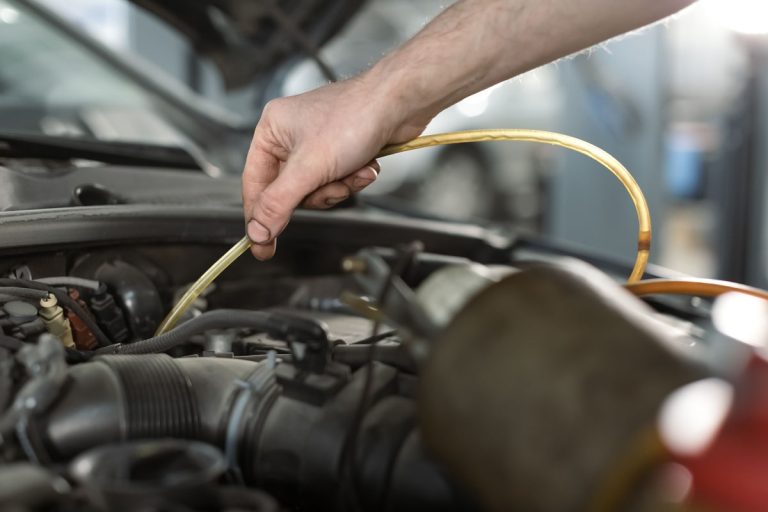
Older vehicles often lack a dedicated warning light for low transmission fluid. Instead, they rely on manual checks using the dipstick or other visual inspections to monitor fluid levels.
In these vehicles, it’s crucial to routinely inspect the transmission fluid for proper level, color, and consistency. Watching for symptoms such as slipping gears, unusual noises, or delayed engagement can also indicate low fluid, even without a dashboard alert. Regular maintenance prevents unexpected failures in older models.
What Are Common Symptoms Without A Warning Light?
Even without a warning light, low transmission fluid causes noticeable symptoms. These include slipping or delayed gear shifts, strange noises like whining or grinding, jerking during acceleration, and unusual vibrations while driving.
Paying attention to these signs allows you to detect fluid issues early. Regularly checking fluid levels, inspecting for leaks, and monitoring driving performance ensures your transmission remains protected and prevents extensive repairs caused by prolonged low fluid conditions.
How Should You Respond To A Transmission Warning Light?
When a transmission-related warning light illuminates, you should stop driving if possible and inspect the fluid level and condition. Continuing to drive with low fluid risks slipping, overheating, and component damage.
Topping off the fluid with the recommended type or seeking professional inspection ensures proper hydraulic pressure and lubrication. Ignoring the warning can result in costly repairs, so prompt action protects the transmission and maintains reliable vehicle performance.
Are All Transmission Warnings Related To Low Fluid?
Not all transmission warnings indicate low fluid, but they often signal issues related to fluid pressure, temperature, or sensor malfunctions. Warnings may also indicate mechanical failures, such as worn clutches or solenoid problems.
Checking the fluid level is usually the first step in diagnosing the issue. If fluid levels are normal, a diagnostic tool can help identify other transmission problems. Understanding the source of the alert ensures accurate repair and prevents further damage.
Can Ignoring Transmission Warning Lights Cause Severe Damage?
Yes, ignoring transmission warning lights can lead to severe damage. Low fluid or overheating reduces lubrication, increases friction, and accelerates wear on clutches, gears, and bearings.
Prolonged neglect can result in slipping, erratic shifts, and eventual transmission failure. Addressing warnings promptly by checking fluid levels, topping off, or consulting a professional prevents costly repairs, maintains smooth shifting, and ensures safe driving conditions. Regular maintenance and attention to alerts protect the transmission over the long term.
Final Words
Monitoring your transmission fluid is crucial for the smooth operation and longevity of your vehicle. Low transmission fluid can lead to slipping gears, overheating, and increased wear on internal components. Even if your dashboard does not show a dedicated warning light, staying alert to unusual noises, delayed shifting, or fluid leaks can help you catch problems early and avoid costly repairs.
Understanding is there a warning light for low transmission fluid is important because not all vehicles have a specific indicator for low fluid. Many modern cars only display a generic transmission or check engine warning light, which may signal a range of issues. This means you should regularly check the fluid manually, inspect for leaks, and monitor performance to ensure your transmission remains in good condition.
By performing regular maintenance and addressing any warning signs promptly, you can protect your transmission from serious damage. Knowing is there a warning light for low transmission fluid helps you stay proactive, maintain smooth operation, and extend the lifespan of your vehicle’s transmission system.