Transmission Humming Noise When Accelerating – Causes, Risks, and Fixes
Hearing unusual noises from your vehicle can be unsettling, especially when they occur during acceleration. One of the most common concerns drivers face is a persistent humming sound coming from the transmission area. Such noises often indicate that the transmission or related components are under stress, potentially signaling a developing mechanical issue that requires attention.
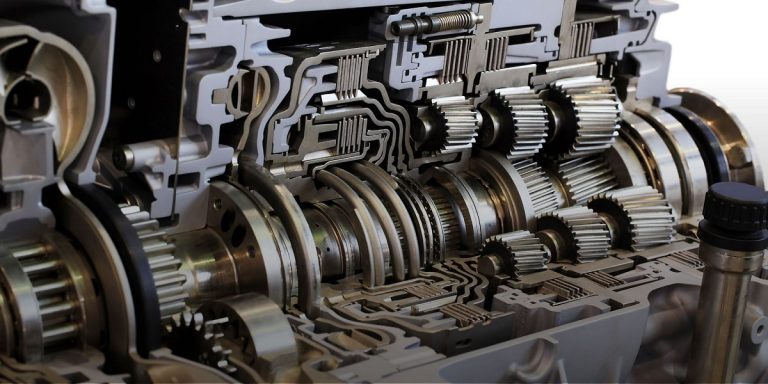
The transmission is responsible for transferring power from the engine to the wheels, ensuring smooth acceleration and efficient performance. When a problem arises, it can produce distinctive sounds that differ from normal engine or road noise. A transmission humming noise when accelerating can point to issues like worn bearings, fluid problems, or internal gear wear, all of which may affect vehicle reliability and performance.
Addressing these noises promptly helps prevent further damage and costly repairs. Understanding the causes and implications of this sound equips drivers with the knowledge to take timely action.
Regular maintenance, including fluid checks and transmission inspections, plays a crucial role in identifying potential issues early. Recognizing abnormal sounds ensures smoother operation and preserves the longevity of the transmission system.
Common Causes of Transmission Humming Noise When Accelerating
Experiencing a humming noise from your transmission during acceleration can be concerning and may indicate an underlying issue that needs attention. Understanding the most common causes of this noise helps drivers diagnose potential problems early, prevent further damage, and maintain smooth vehicle performance. Transmission humming often signals wear, fluid issues, or mechanical stress that, if ignored, can lead to costly repairs.
Low or Contaminated Transmission Fluid
One of the most frequent causes of a transmission humming noise when accelerating is low or contaminated transmission fluid. Transmission fluid lubricates internal components, reduces friction, and helps maintain smooth gear engagement. When fluid levels drop or become dirty, moving parts struggle to operate efficiently, creating a humming or whining sound under acceleration.
Low fluid can occur due to leaks, worn seals, or extended driving without maintenance. Contaminated fluid, on the other hand, may result from heat breakdown or accumulation of metal particles from normal wear. Both conditions increase friction and stress on gears, bearings, and the torque converter, producing noticeable noise. Checking fluid levels and color regularly, and replacing it according to manufacturer recommendations, ensures proper lubrication and minimizes stress on the transmission.
Addressing fluid issues early not only reduces noise but also prevents long-term damage, such as overheating, component wear, and reduced transmission lifespan. Prompt attention to fluid maintenance is critical for both automatic and manual transmissions.
Worn or Damaged Bearings
Transmission bearings play a vital role in supporting rotating shafts and gears while minimizing friction. Over time, these bearings can wear out or become damaged, resulting in a humming noise when accelerating. Worn bearings allow slight misalignment and uneven rotation, creating vibration and audible humming that increases with speed.
This issue often develops gradually, and drivers may notice the noise intensifying as the vehicle accelerates. Symptoms can include inconsistent gear engagement, vibration through the floorboard or shifter, and unusual resistance when changing gears. High-mileage vehicles or those that have undergone heavy use are more prone to bearing wear.
Repairing or replacing worn bearings promptly is essential to prevent further damage to gears, shafts, and the torque converter. Ignoring bearing issues can lead to catastrophic transmission failure, requiring expensive overhauls. Regular inspections and maintenance help identify early signs of wear, ensuring smoother operation and prolonging transmission life.
Torque Converter Problems
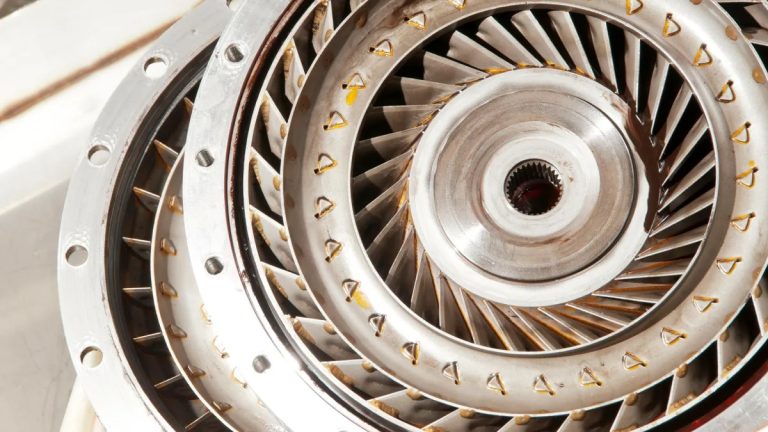
The torque converter connects the engine to the transmission and allows smooth power transfer while multiplying torque. A malfunctioning torque converter can create a humming or whining sound during acceleration. Problems may stem from worn internal components, fluid contamination, or improper fluid levels.
Symptoms of torque converter issues often include slipping, shuddering, or delayed engagement alongside the humming noise. Internal damage or worn clutches can amplify noise under acceleration, while fluid problems may reduce the converter’s efficiency. Proper torque converter operation is critical for maintaining smooth acceleration and preventing excessive strain on the transmission system.
Addressing torque converter issues promptly involves fluid inspection, replacement, or repair of internal components. Ignoring the problem can lead to increased wear on transmission gears and bearings, reduced performance, and ultimately, expensive transmission failure. Regular maintenance and early detection significantly reduce the risk of these complications.
Worn Gears or Internal Transmission Components
Internal transmission components, such as gears and synchronizers, can wear over time due to friction, heat, or lack of proper lubrication. Worn gears often produce a humming noise that becomes more noticeable during acceleration, as the engine applies greater torque to the drivetrain.
This noise may be accompanied by other signs like gear slipping, rough shifting, or unusual vibration through the vehicle. Manual transmissions may produce additional grinding sounds, while automatic transmissions may exhibit delayed engagement or fluctuating speeds. Ignoring worn components can accelerate further damage, eventually compromising the entire transmission system.
Timely inspection and repair are essential to prevent catastrophic failure. Replacement of worn gears, synchronizers, or other internal parts restores smooth operation, reduces noise, and ensures the transmission performs efficiently under acceleration and load.
Loose or Damaged Transmission Mounts
Transmission mounts secure the transmission to the vehicle chassis and absorb vibrations from engine torque. Over time, these mounts can wear out, crack, or become loose, allowing excess movement during acceleration. This can cause a humming or vibrating noise, which may seem like it’s coming from the transmission itself.
Symptoms of faulty mounts include excessive vibration felt through the floor or seat, misalignment of the transmission, and unusual noises during gear changes. Loose mounts can also put stress on the drivetrain, leading to accelerated wear on bearings, shafts, and gears.
Replacing worn or damaged mounts restores proper alignment, reduces noise, and prevents further strain on transmission components. Routine inspections during maintenance help identify mount issues early, avoiding secondary problems and costly repairs.
Risks of Ignoring Transmission Humming Noise When Accelerating
A humming noise from the transmission during acceleration is more than just an annoyance—it often signals a developing mechanical issue. Ignoring it can lead to severe consequences, ranging from decreased performance to complete transmission failure. Understanding the risks associated with neglecting this warning sound emphasizes the importance of timely inspection and maintenance to protect both your vehicle and your wallet.
Increased Wear on Transmission Components
Continuing to drive while experiencing a transmission humming noise when accelerating accelerates wear on critical components. Bearings, gears, and synchronizers are already stressed by misalignment, low lubrication, or internal damage, and ignoring the noise allows friction and heat to increase further. This added stress can cause these parts to degrade more quickly than normal, leading to grinding, slipping, or irregular gear engagement.
Over time, small issues can compound, creating more extensive damage that affects the entire drivetrain. For example, worn bearings may cause excessive vibration, which can misalign gears and place additional load on the torque converter. The longer these issues persist, the higher the likelihood that costly repairs, such as gear replacement or a full transmission rebuild, will be required. Early attention reduces the risk of widespread internal damage and maintains smooth vehicle performance.
Potential for Complete Transmission Failure
Ignoring a transmission humming noise when accelerating can ultimately lead to complete transmission failure. Internal damage, worn components, or fluid issues left unresolved may progress to the point where the transmission is unable to transfer power from the engine to the wheels effectively. This can result in sudden loss of drive or total engine-to-wheel disengagement while on the road.
Complete transmission failure is both inconvenient and expensive. Towing, replacement parts, and labor costs can quickly escalate, often surpassing the cost of preventative maintenance or minor repairs. Vehicles with automatic transmissions are especially vulnerable, as fluid breakdown or internal damage can rapidly affect multiple components simultaneously. Addressing the noise early prevents reaching this critical stage and ensures the vehicle remains safe and operational.
Safety Hazards While Driving
A humming transmission can also pose safety risks. Malfunctioning transmission components may cause delayed acceleration, unexpected slipping, or uneven power delivery, which can be dangerous in traffic or during overtaking maneuvers. Drivers may experience difficulty controlling the vehicle, especially if vibrations or shuddering accompany the noise.
In addition, sudden failure of a worn transmission can create hazardous situations on highways or steep inclines. The vehicle may lose power unexpectedly, increasing the risk of collisions or forcing emergency stops. Timely diagnosis and repair of a transmission humming noise when accelerating not only protects the transmission itself but also ensures the driver and passengers remain safe while on the road.
Higher Repair Costs Over Time
Neglecting a transmission humming noise leads to escalating repair costs. Minor issues, such as low fluid or a worn bearing, are relatively inexpensive to fix when detected early. Delaying attention allows internal damage to compound, often affecting multiple components at once, including the torque converter, gears, and shafts.
The cost of a complete transmission rebuild or replacement can be thousands of dollars, far exceeding the price of early repairs. Insurance typically does not cover damage resulting from neglect, so preventative measures are financially advantageous. Maintaining the transmission and addressing humming noises promptly protects both your vehicle and your budget from unnecessary expenses.
Reduced Transmission Lifespan
Consistently driving with a humming transmission accelerates overall wear and reduces the lifespan of the system. Friction, heat, and misalignment increase with each use, shortening the service life of bearings, gears, and other critical components. Even if catastrophic failure does not occur immediately, long-term reliability is compromised.
A worn or damaged transmission may struggle to maintain proper lubrication, shift smoothly, or deliver power efficiently, affecting overall vehicle performance. Regular maintenance, fluid checks, and early inspection of unusual noises extend the life of the transmission, ensuring it operates efficiently for years. Ignoring the warning signs undermines this longevity and can lead to frequent breakdowns and unexpected repairs.
Solutions and Preventive Measures
Addressing a transmission humming noise when accelerating requires a combination of immediate solutions and long-term preventive measures. Timely intervention can prevent further damage, reduce repair costs, and ensure your vehicle continues to operate smoothly. Understanding the steps to take and the habits to maintain protects both your transmission and overall vehicle performance.
Check and Replace Transmission Fluid
One of the first steps in addressing a transmission humming noise is to check the fluid level and condition. Low or contaminated fluid is a common cause of humming noises. Transmission fluid lubricates gears and bearings, reduces friction, and helps maintain smooth operation. When fluid is old, dirty, or insufficient, internal components are stressed, producing noticeable noise during acceleration.
Replacing or topping up the fluid with the manufacturer-recommended type restores proper lubrication and can significantly reduce humming sounds. Automatic transmissions may require a specific fluid grade, while manual transmissions often need gear oil. Regularly inspecting fluid levels, especially before long trips, ensures consistent performance and prevents overheating or premature wear. This simple step is often enough to resolve minor issues and avoid more expensive repairs.
Monitoring fluid color and viscosity also helps detect early signs of contamination, such as metallic particles or burnt odor. Maintaining clean, proper-level fluid ensures that gears, bearings, and the torque converter operate smoothly, reducing internal stress and extending transmission life.
Inspect and Replace Worn Components
Another effective solution involves inspecting the transmission for worn or damaged components. Bearings, gears, and synchronizers can wear over time, leading to vibration, humming, or other noises during acceleration. Early detection allows you to replace or repair these parts before they cause more severe damage.
High-mileage vehicles are particularly prone to component wear, and worn bearings or gears can quickly affect the torque converter and shafts. Replacing damaged parts restores proper alignment, reduces noise, and ensures smooth power transfer from the engine to the wheels. Professional inspection may also uncover secondary issues, such as loose mounts or misaligned components, which can contribute to humming noises.
Routine maintenance checks allow you to address small issues proactively. Ignoring worn components can result in increased friction, heat buildup, and ultimately, complete transmission failure. Replacing worn parts at the first sign of trouble preserves performance and prevents costly repairs down the road.
Maintain Proper Driving Habits
Driving habits play a significant role in preventing transmission problems. Aggressive acceleration, heavy towing, or frequent stop-and-go driving can increase stress on the transmission and exacerbate humming noises. Adopting smoother acceleration, maintaining moderate speeds, and avoiding sudden gear changes reduce strain on internal components.
Regular warm-up periods in colder climates also help transmission fluid circulate and protect moving parts before heavy use. Avoiding overloading the vehicle or operating under extreme conditions extends the life of bearings, gears, and the torque converter. By being mindful of driving habits, you reduce unnecessary wear and maintain consistent transmission performance.
Preventive driving practices, combined with regular maintenance, are essential for minimizing stress on the system. Thoughtful operation not only reduces noise but also improves fuel efficiency, reduces heat buildup, and prolongs overall transmission life.
Schedule Regular Professional Inspections
Even with proper fluid maintenance and careful driving, professional inspections are critical for long-term prevention. Certified mechanics can identify subtle issues such as minor bearing wear, torque converter irregularities, or early gear damage before they develop into serious problems.
Inspections often include fluid analysis, vibration checks, and visual assessments of mounts and seals. By catching problems early, technicians can perform targeted repairs, avoiding complete transmission overhauls. Routine check-ups also provide peace of mind, ensuring that humming noises are addressed promptly and that the transmission operates reliably under all driving conditions.
Scheduling inspections at recommended intervals ensures your transmission remains in optimal condition. Proactive maintenance is always more cost-effective than reactive repairs, preventing sudden breakdowns and extending the service life of your vehicle’s drivetrain.
Frequently Asked Questions
What Causes A Transmission Humming Noise When Accelerating?
A transmission humming noise when accelerating is usually caused by issues with internal components or fluid. Low or contaminated transmission fluid is a common culprit, as it reduces lubrication, creating friction and vibration during acceleration. Worn bearings, gears, or synchronizers can also generate a humming sound, as they no longer move smoothly within the transmission housing.
Torque converter problems or misaligned mounts may further contribute to the noise. Identifying the source early allows you to address it before it causes more serious damage, preventing further wear and ensuring smoother vehicle performance.
Can Low Transmission Fluid Cause Humming Sounds?
Yes, low transmission fluid is one of the most common reasons for a transmission humming noise when accelerating. Fluid lubricates moving parts, reduces friction, and keeps the transmission cool. When levels drop, bearings and gears operate under higher stress, creating vibration and noise.
Driving with low fluid can also cause overheating, increased wear, and eventual failure of critical components. Regularly checking fluid levels and topping up with the recommended type prevents these problems and restores smooth operation, reducing the humming noise significantly.
Is A Humming Noise A Sign Of Transmission Failure?
A persistent humming noise during acceleration can be an early warning sign of transmission failure. While minor issues like low fluid may be easy to fix, ignored problems such as worn bearings, gears, or torque converter faults can worsen over time.
If left unaddressed, these issues may lead to slipping, difficulty shifting, or complete loss of power transfer to the wheels. Addressing the noise promptly through inspection and maintenance reduces the risk of full transmission failure and ensures reliable vehicle performance.
Can Torque Converter Issues Cause This Noise?
Yes, a malfunctioning torque converter can produce a humming noise when accelerating. The torque converter connects the engine to the transmission, multiplying torque and allowing smooth power transfer. Internal wear, damaged clutches, or fluid problems can prevent it from operating efficiently, causing vibrations and humming sounds.
Symptoms may also include shuddering, slipping, or delayed engagement. Early detection through fluid checks or professional inspection helps prevent further transmission damage, maintaining smooth acceleration and extending the life of internal components.
Does A Humming Noise Mean Bearings Or Gears Are Worn?
A transmission humming noise often points to worn bearings or gears. Bearings support rotating shafts and minimize friction, while gears transfer power between components. Over time, wear or damage allows slight misalignment, creating vibration and humming, especially under load or acceleration.
Left unaddressed, this wear can affect other components, including the torque converter and shafts, increasing the likelihood of major transmission damage. Regular inspection and timely replacement of worn bearings or gears restore proper alignment and reduce noise, preventing long-term issues.
How Can I Prevent Transmission Humming Noise?
Preventing a transmission humming noise involves routine maintenance and careful driving. Regularly check transmission fluid levels and condition, replacing it as recommended by the manufacturer. Avoid aggressive acceleration, heavy towing, and abrupt gear changes, which increase stress on internal components.
Scheduled professional inspections allow early detection of worn bearings, gears, or torque converter issues. Maintaining proper fluid levels, replacing damaged parts, and adopting smooth driving habits reduces friction and vibration, preventing humming noises and extending transmission life.
Should I See A Mechanic Immediately For This Noise?
Yes, you should see a mechanic promptly if you notice a transmission humming noise when accelerating. Early professional inspection can identify fluid issues, worn components, or torque converter problems before they escalate into more serious damage.
Mechanics can perform fluid checks, vibration analysis, and visual inspections to pinpoint the source. Addressing the problem early reduces repair costs, prevents complete transmission failure, and ensures safe, reliable operation. Delaying service increases the risk of severe internal damage and expensive repairs.
Final Thoughts
A humming noise from your vehicle during acceleration is often a warning sign that something in the transmission system needs attention. Ignoring unusual sounds can lead to more severe problems, including damaged bearings, worn gears, or torque converter issues. Addressing the problem early can prevent costly repairs and maintain smooth vehicle performance.
Regular maintenance, such as checking and replacing transmission fluid, plays a crucial role in preventing transmission issues. Ensuring the fluid level is correct and using the manufacturer-recommended type can minimize friction and reduce the chances of humming noises. Additionally, inspecting transmission mounts and other related components helps maintain proper alignment and reduces vibrations that may amplify the sound.
If you experience transmission humming noise when accelerating, it’s important to have your vehicle inspected by a qualified mechanic. Timely diagnosis and repair not only extend the life of your transmission but also ensure safe and efficient driving on the road.